
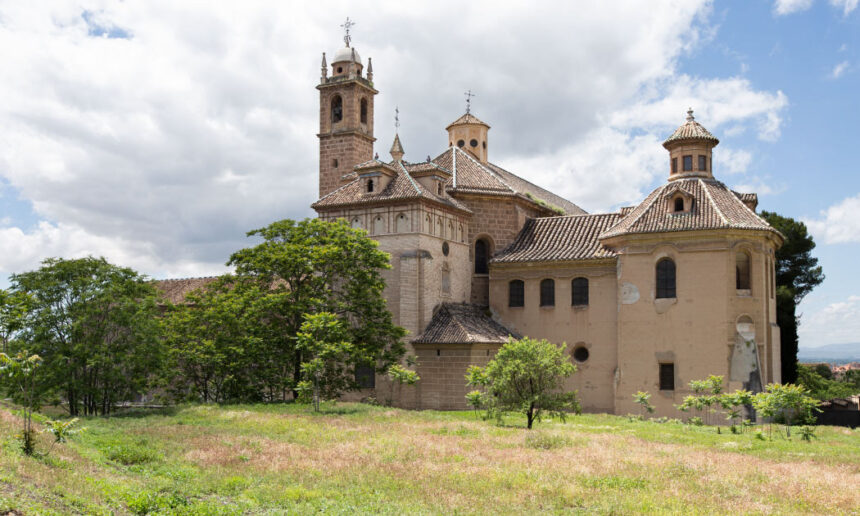
Malaga, the radiant capital of the Costa del Sol, is a thriving coastal city where nearly 3,000 years of Mediterranean maritime history seamlessly blend with an explosive modern cultural renaissance.
As one of the world’s oldest continuously inhabited ports, founded by the Phoenicians in 770 BC, Malaga was long viewed merely as a beach gateway. Today, it has completely transformed into southern Spain’s coolest urban cultural dynamic hub.
The city’s unique architectural tapestry spans from an ancient Roman theater to towering Moorish fortresses that look down over a sleek, modern harbor front.
As the birth city of Pablo Picasso, Malaga honors its creative legacy with world-class art museums, lively pedestrian boulevards scented with sea salt, and traditional beachside chiringuitos where fresh fish is grilled over open wood fires on the sand.
Here are the top 11 famous places to visit in Malaga and why they are legendary.
1. The Alcazaba of Malaga
The Palace-Fortress of the Moorish Coast
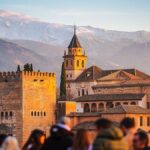
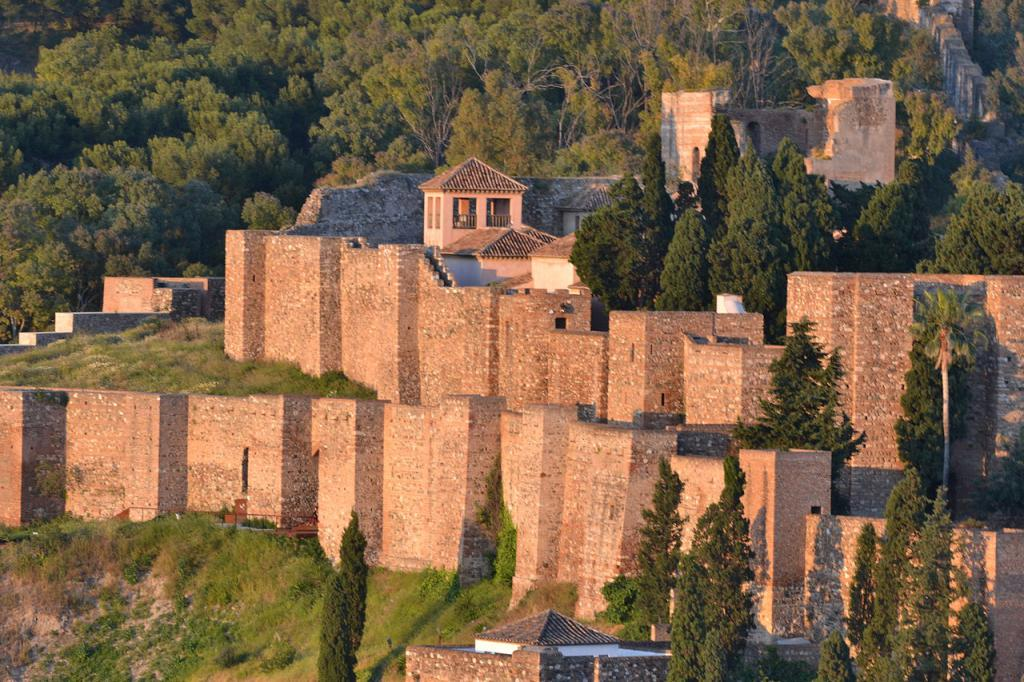
Perched gracefully on the slopes of Mount Gibralfaro right in the city center, the Alcazaba is an exceptional, 11th-century fortified palace built by the Hammudid dynasty, standing as the best-preserved Moorish alcazaba (citadel) in Spain.
- What it is famous for: Its intricate double-walled defense system and peaceful palace gardens. Visitors pass through heavily fortified gates designed to trap attackers, entering a tranquil sanctuary of orange groves, bubbling fountains, and delicate horseshoe arches. The citadel offers stunning, framed vistas of the city and the modern port below.
2. Castillo de Gibralfaro
The Majestic Sentinel of the Mediterranean Sea
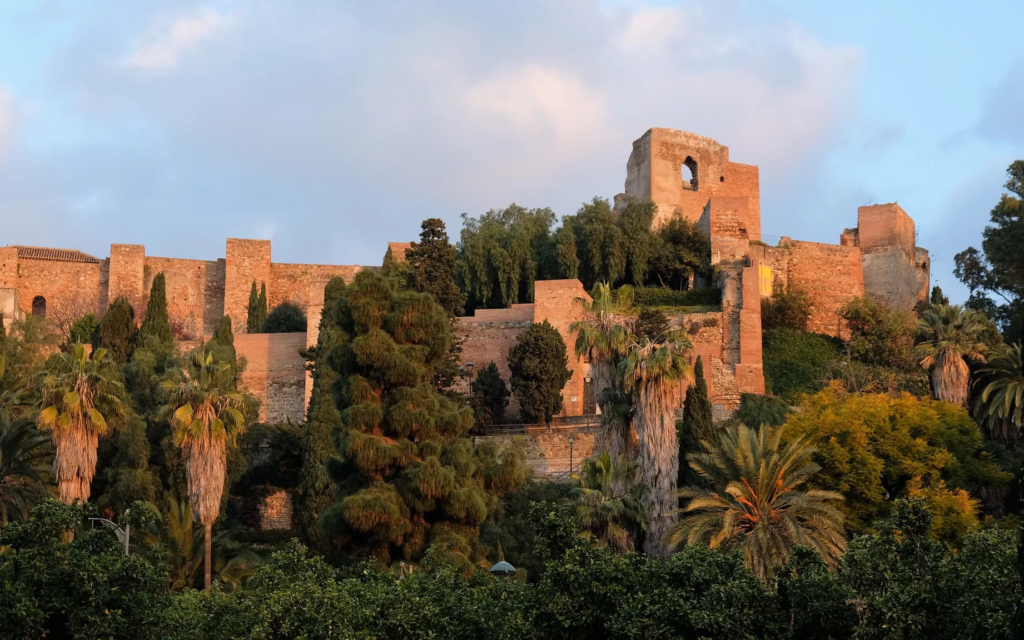
Connected to the lower Alcazaba by a steep, walled passage called the coracha, this towering 14th-century fortress was built by Yusuf I of the Kingdom of Granada to protect the citadel and house defense troops.
- What it is famous for: Its sweeping, 360-degree panoramic views over the Costa del Sol. The fortress is legendary for enduring a brutal three-month siege by the Catholic Monarchs in 1487. Today, travelers can walk the entirety of its historic stone ramparts, looking straight down onto Malaga’s circular bullring, the historic core, and ships cruising across the Mediterranean.
3. Malaga Cathedral (Catedral de la Encarnación)
The Beloved One-Armed Masterpiece of the Renaissance
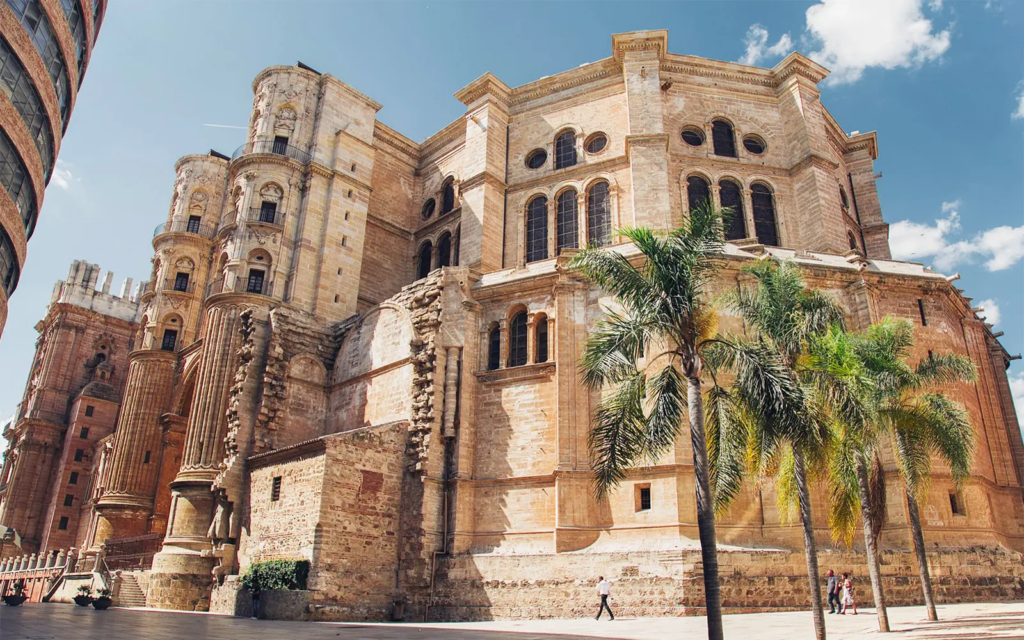
Constructed between 1528 and 1782 over the grand mosque of the old city, this colossal cathedral features a magnificent Baroque and Renaissance architectural design that stands as a dominant landmark on the skyline.
- What it is famous for: Its distinctive single bell tower, which earned it the affectionate local nickname “La Manquita” (The One-Armed Lady). The planned south tower was never finished because the construction funds were instead diverted to support the United States war of independence against Great Britain. Visitors can explore its soaring interior and take guided tours across its unique undulating roof architecture.
4. Roman Theater of Malaga (Teatro Romano)
The Ancient Cradle of Classical Heritage
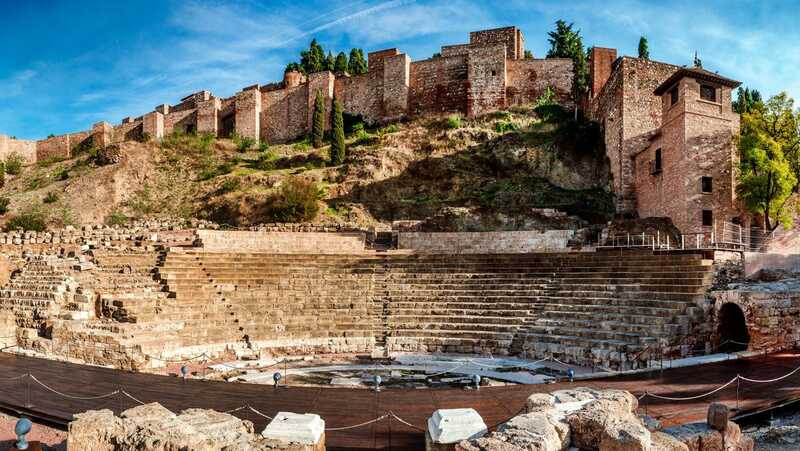
Lying directly at the western foot of the Alcazaba hill, this ancient theater was built during the reign of Emperor Augustus in the 1st century BC and was used for centuries before being lost to history.
- What it is famous for: Being the oldest monument in Malaga city and its dramatic, accidental rediscovery. The theater lay hidden beneath an old cultural center until 1951, when garden renovations uncovered the ancient stone structure. Today, visitors can sit on the preserved stone tiers (cavea) and explore a modern visitor center displaying Roman archaeological treasures.
5. Picasso Museum Malaga (Museo Picasso)
The Artistic Homecoming of a Global Genius
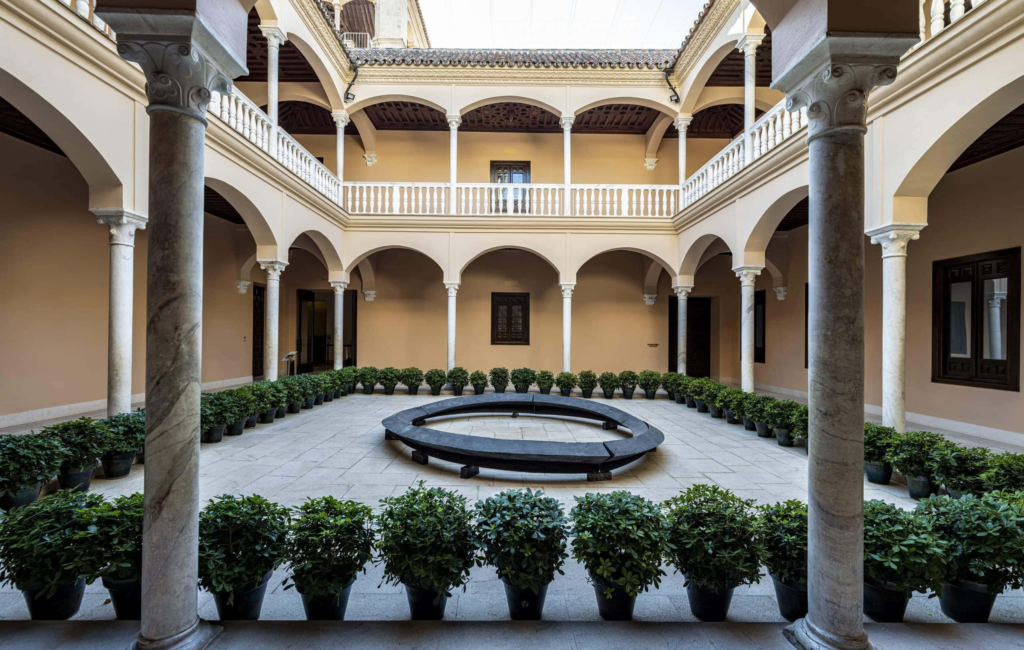
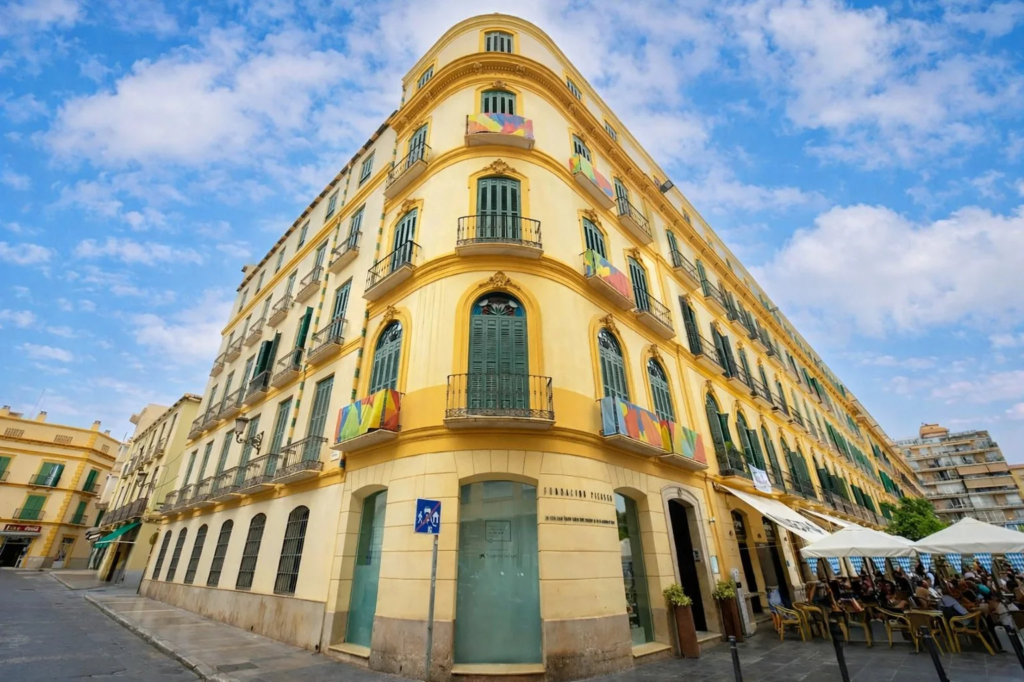
Housed inside the beautiful, 16th-century Buenavista Palace in the historic center, this premier museum fulfills Pablo Picasso’s lifelong wish to have his groundbreaking artwork displayed in the city of his birth.
- What it is famous for: An intimate, world-class collection spanning Picasso’s legendary career. The gallery holds over 200 original works donated by his family, tracking his development from early classical training through his revolutionary Cubist and Surrealist eras. The building itself is fascinating, blending Andalusian Renaissance design with ancient Phoenician and Roman ruins preserved in the basement.
6. Calle Marqués de Larios
Spain’s Sleek, Elegant Boulevard of Style
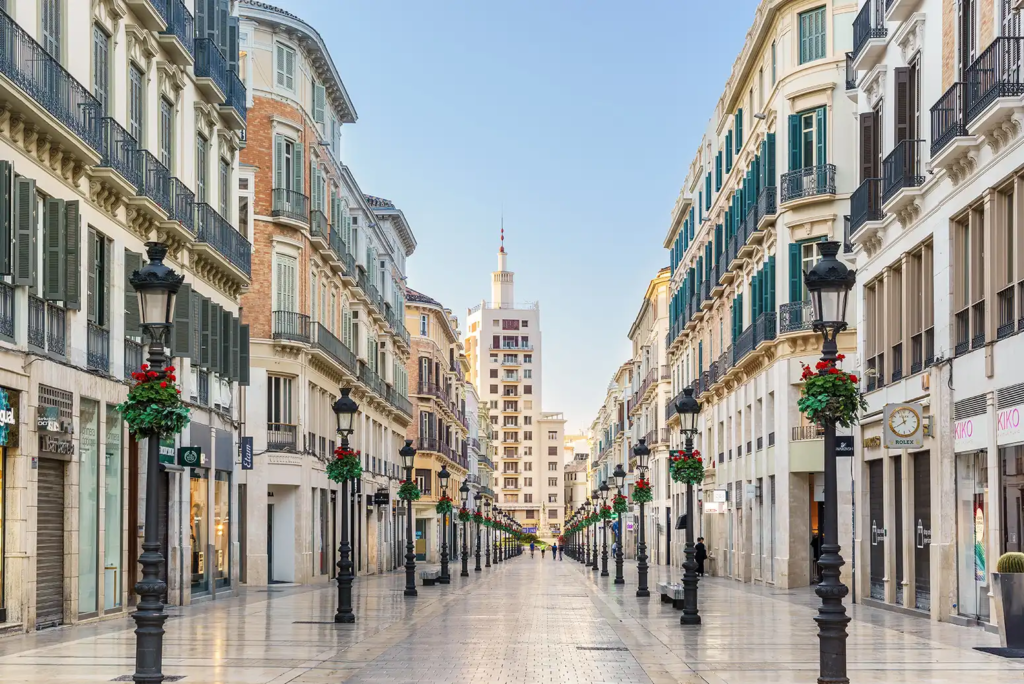
Opened in 1891, Calle Larios is Malaga’s premier, marble-paved pedestrian shopping avenue, universally recognized as one of the most elegant and high-end commercial streets in Europe.
- What it is famous for: Its stunning symmetrical architecture, seasonal light displays, and high fashion. The street is flanked by beautiful, curved buildings designed by architecture masters from Seville. During the summer, massive white canopies are suspended overhead to provide shade, while during Christmas and the Malaga August Fair, the street transforms into an explosive tunnel of light and music.
7. Muelle Uno & The Port of Malaga
The Modern, Sun-Drenched Waterfront Promenade
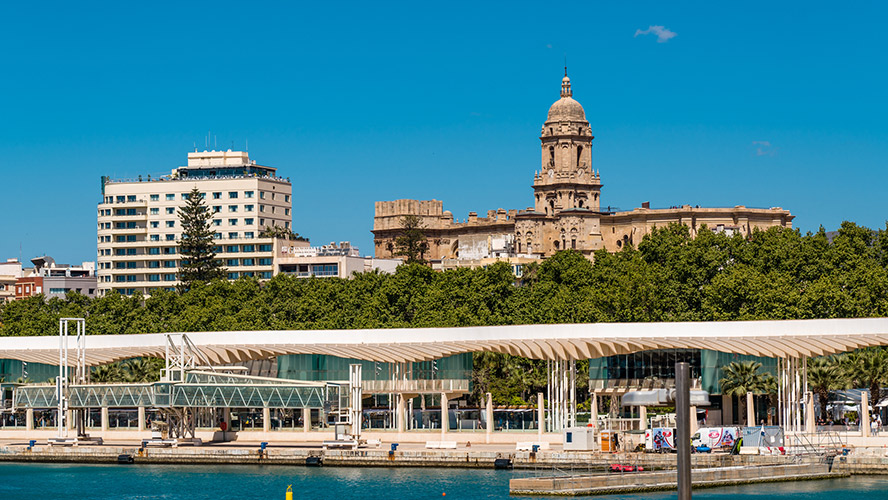
The Port of Malaga is one of the oldest operating harbors on earth, but its waterfront was completely revolutionized with the opening of Muelle Uno—a sleek, open-air contemporary shopping and dining promenade.
- What it is famous for: Its striking white wave canopy (Palmeral de las Sorpresas) and lively maritime atmosphere. Locals and tourists stroll along the docks past luxury yachts, open-air cocktail bars, and modern shops. The promenade is also home to the Centre Pompidou Malaga, a cutting-edge contemporary art gallery easily recognized by its giant, translucent multicolored glass cube structure sitting on the water’s edge.
8. Atarazanas Market (Mercado Central de Atarazanas)
The Historic Temple of Sea-Fresh Gastronomy
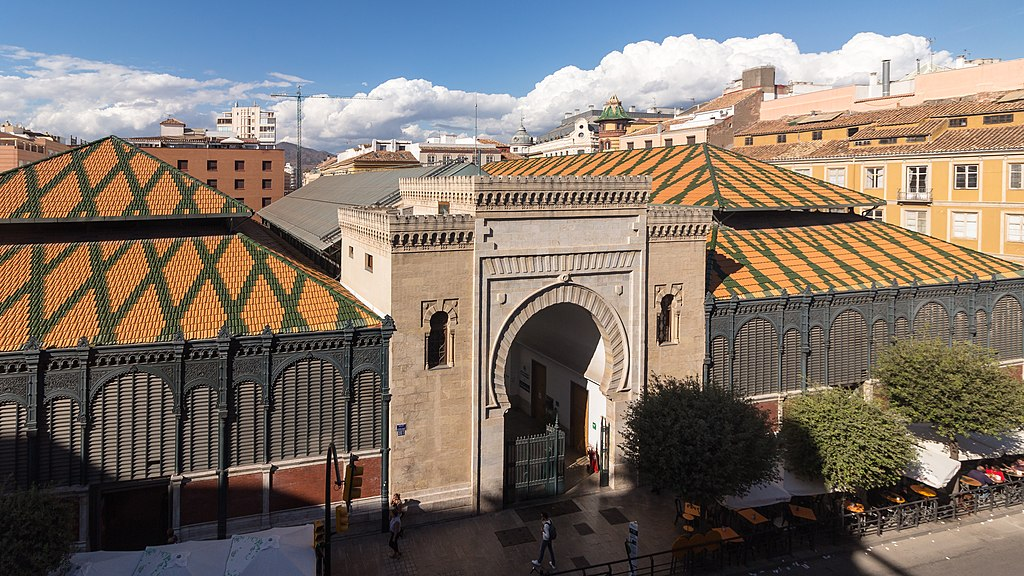
Operating as Malaga’s primary, historic fresh food market, this bustling iron-and-glass pavilion occupies the exact 14th-century site where a grand Nasrid shipyard (atarazanas) once stood when the sea reached this far inland.
- What it is famous for: Its monumental, horseshoe-shaped Moorish marble gate and spectacular stained-glass window. The original 14th-century Islamic gate serves as the main entrance, leading into a vibrant market packed with fresh Mediterranean tuna, sweet Malaga almonds, and local goat cheeses. The back wall features a giant, colorful stained-glass window depicting historic scenes of Malaga’s port.
9. La Malagueta Beach & Waterfront
The Golden Urban Hub of Surf and Grilled Skewers
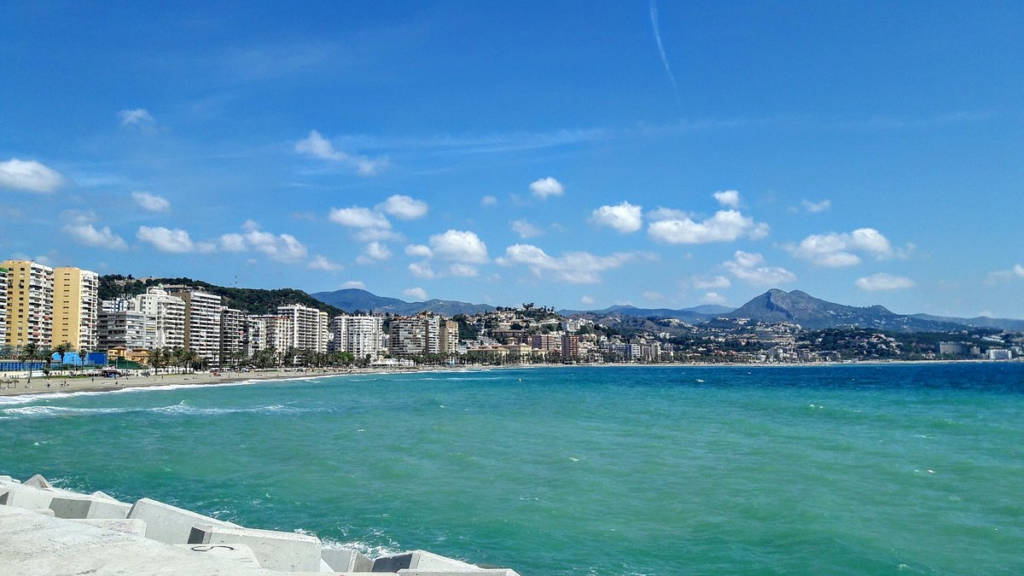
Located just a short walk around the harbor from the historic center, La Malagueta is Malaga’s most famous, expansive urban sand beach, stretching out over a kilometer along the warm coastline.
- What it is famous for: Serving up authentic Espetos de Sardinas (skewered sardines) cooked on the sand. The beach is lined with a palm-fringed promenade, playgrounds, and iconic beach bars called chiringuitos. Here, master grillers cook fresh sardines skewered on bamboo sticks over olive-wood fires built inside old fishing boats, creating Malaga’s most definitive culinary tradition.
10. Plaza de la Merced & Picasso’s Birthplace
The Historic Square of Art and Gathering
Plaza de la Merced is one of the largest, most vibrant public squares in Malaga, centered on a large neo-classical obelisk monument and bordered by grand 19th-century residential buildings.
- What it is famous for: Being home to the Birthplace Museum of Pablo Picasso (Museo Casa Natal). Picasso spent his early childhood playing in this very plaza, which today features a popular bronze statue of the artist sitting comfortably on a marble bench. The sun-drenched square is a favorite community hub, packed with open-air tapas terraces and shaded by blooming jacaranda trees.
11. Conception Botanical-Historical Garden (La Concepción)
An Emerald Tropical Paradise of the Golden Age
Located just four kilometers north of the city center, this romantic, 19th-century estate was created by an aristocratic couple who amassed an extraordinary collection of tropical plants brought back by Spain’s global maritime fleets.
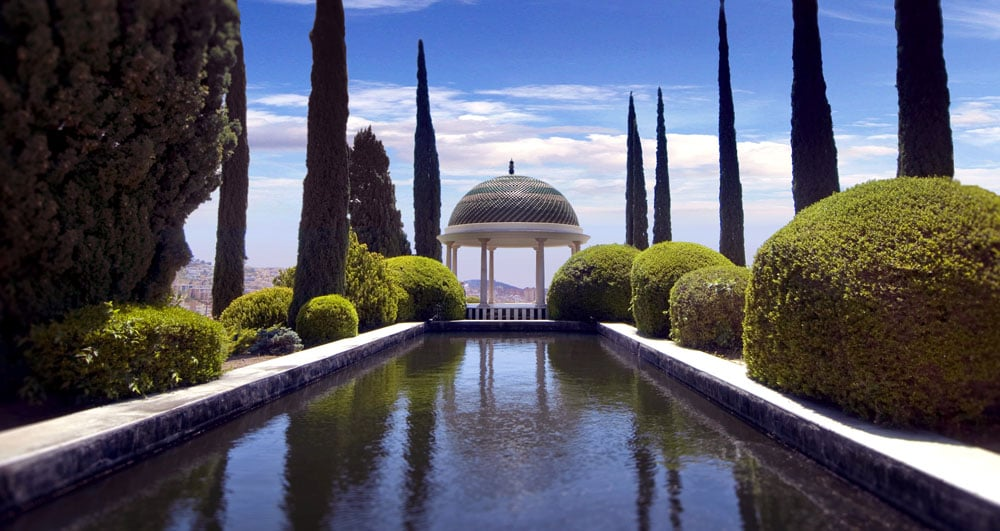
- What it is famous for: Being one of the finest, most significant tropical and subtropical gardens in Europe. The park features a lush, jungle-like landscape filled with giant 100-year-old trees, tumbling waterfalls, and elegant iron pavilions. Its crowning jewel is a spectacular, historic Wisteria-covered iron arbor that bursts into a sea of purple blossoms every spring, looking out smoothly across the entire city.