
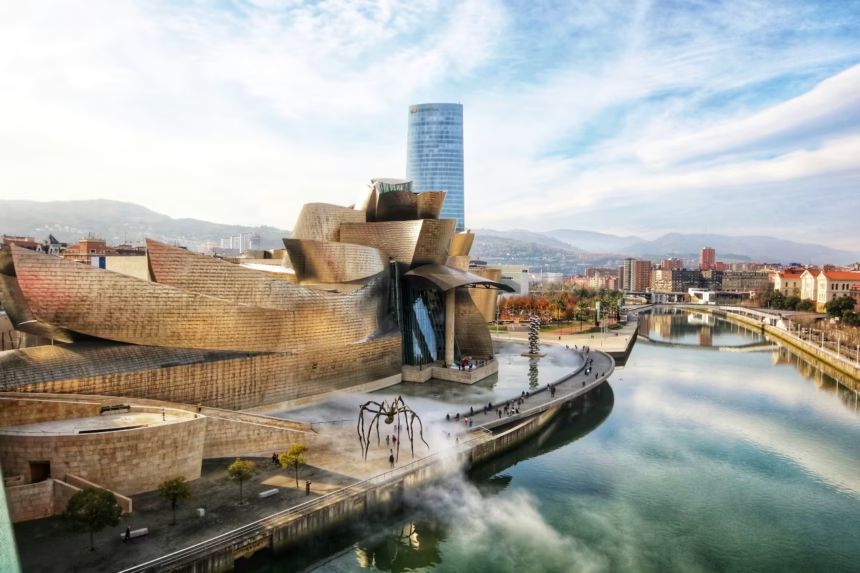
Bilbao (Bilbo), nestled along the Nervión River in the mountainous heart of the Basque Country, is the ultimate global poster child for urban reinvention.
Once a gritty, smoke-stacked industrial port dominated by iron foundries and shipyards, this fiercely independent city staged a miraculous architectural comeback in the late 1990s transformation so profound it is known worldwide as the “Bilbao Effect.”
Today, Bilbao is an international capital of contemporary design, high art, and boundary-pushing cuisine.
The city effortlessly pairs jaw-dropping, futuristic structures by world-renowned architects with a deeply preserved, centuries-old historic old town. Driven by an intense pride in Basque identity, culture, and its legendary pintxo (Basque tapas) food scene.
1. Guggenheim Museum Bilbao
The Titanium Masterpiece That Changed the World
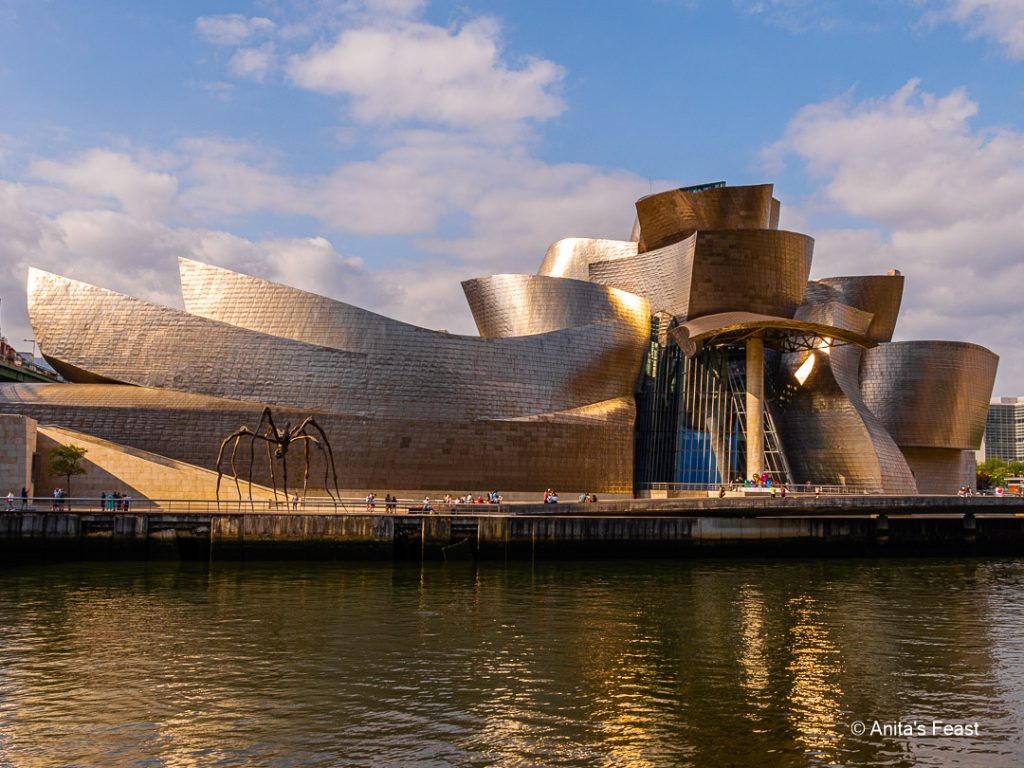
Rising like a colossal, shimmering ship along the riverfront, the Guggenheim Museum is an architectural triumph designed by Frank Gehry. Opened in 1997, this structure single-handedly put Bilbao on the global cultural map.
- What it is famous for: Its revolutionary, interconnected titanium, glass, and limestone architecture. The building has no flat surfaces; its metallic panels mimic fish scales, catching the changing Basque light. The museum grounds are guarded by legendary monumental outdoor sculptures, including Jeff Koons’ flower-coated Puppy and Louise Bourgeois’ towering bronze spider, Maman.
2. Casco Viejo (Las Siete Calles)
The Colorful Medieval Heart of the City
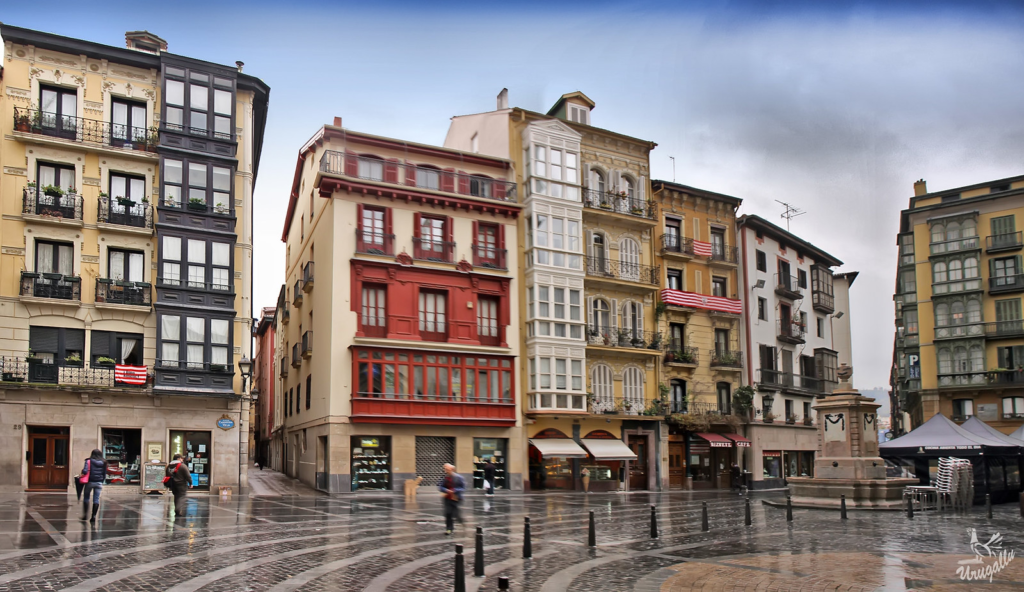
On the eastern bank of the river lies the Casco Viejo, Bilbao’s vibrant historic core. The neighborhood is anchored by the Siete Calles (Seven Streets), the original grid layout that formed the medieval fishing village founded in the year 1300.
- What it is famous for: Its bustling atmosphere, historic architecture, and the ritual of the Pintxo Crawl. Visitors flock to this colorful labyrinth to explore hidden plazas, indie shops, and medieval churches before crowding into historic taverns to feast on pintxos—artisanally stacked Basque tapas skewered to a slice of bread with a toothpick.
3. Plaza Nueva
The Grand Neoclassical Cathedral of Pintxos
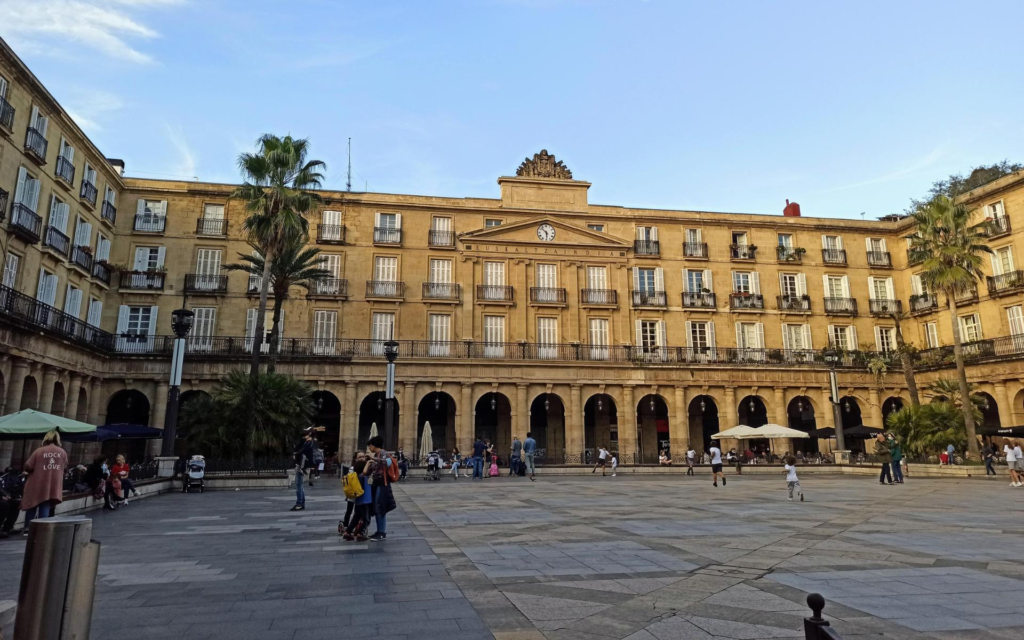
Enclosed completely within the heart of the Casco Viejo, Plaza Nueva is a magnificent, symmetrical neoclassical square completed in 1851 after nearly 30 years of construction.
- What it is famous for: Being the epicurean epicenter of Basque bar culture. The square is completely wrapped in a grand, colonnaded arcade that houses some of the most famous, award-winning pintxo bars in the Basque Country. On Sundays, the plaza transforms into a bustling market where locals trade coins, stamps, and antiques.
4. Mercado de la Ribera
Europe’s Largest Art Deco Temple of Food
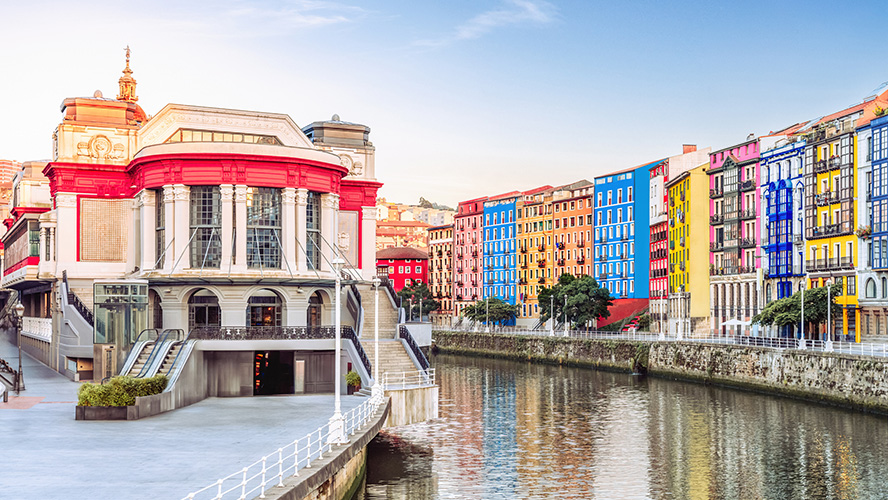
Perched beautifully right on the edge of the river bank next to the Casco Viejo, this monumental Art Deco structure covers over 10,000 square meters, making it the largest indoor food market in Europe.
- What it is famous for: Its sweeping stained-glass windows and sea-fresh local bounty. Built in 1929, the market mimics a sleek ocean liner docked at the riverbank, designed to let in maximum natural light. Inside, three floors house hundreds of lively stalls loaded with Idiazabal cheese, fresh Cantabrian seafood, and wild mushrooms, alongside an upscale gourmet food court with live music.
5. Vizcaya Bridge (Puente Colgante)
The Iron Industrial Sentinel of the Estuary
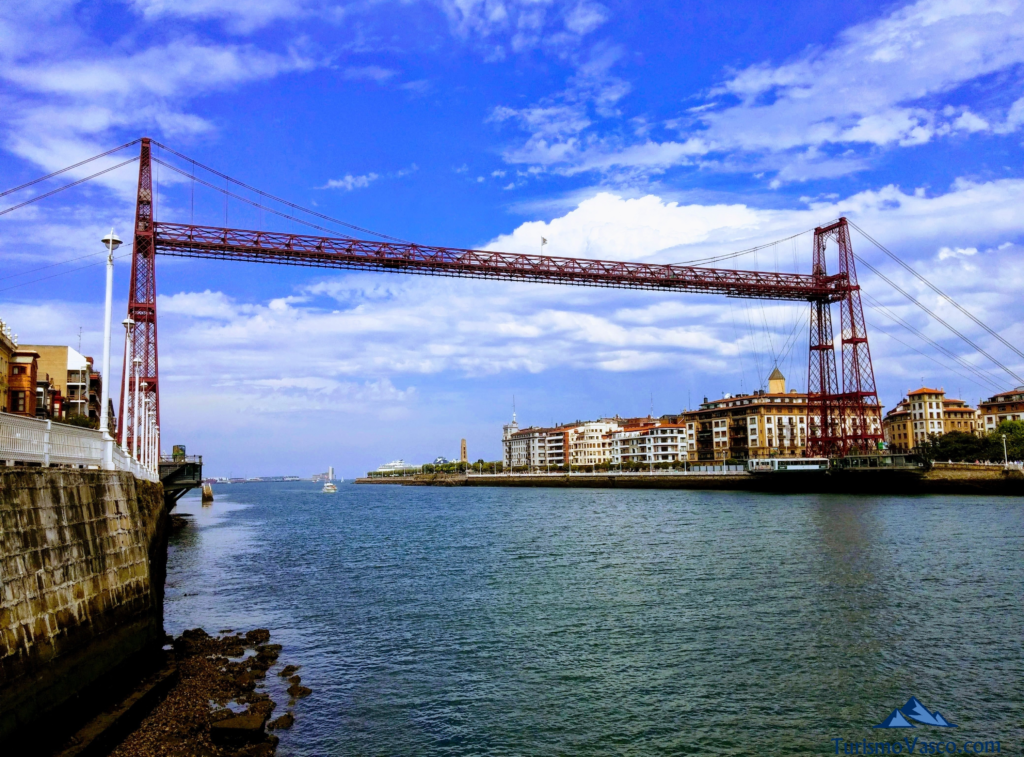
Located where the river meets the sea in the coastal suburb of Portugalete (a short metro ride from the center), this monumental iron structure was built in 1893 by Alberto Palacio, a student of Gustave Eiffel. It is a UNESCO World Heritage site.
- What it is famous for: Being the world’s oldest transporter bridge. Instead of a traditional rising deck, the bridge utilizes a hanging gondola suspended by steel cables that shuttles cars and pedestrians across the river estuary in just 90 seconds. Thrill-seekers can take a lift to walk across the high, 45-meter-tall pedestrian walkway for sweeping views of the coast.
6. Azkuna Zentroa (Alhóndiga Bilbao)
The Wine Warehouse Reimagined by Starck
Once a massive, abandoned 1909 wine and oil warehouse, this cavernous brick building was completely gutted and reimagined by legendary French designer Philippe Starck into a vibrant contemporary cultural center.
- What it is famous for: Its 43 unique, artistically carved interior pillars and glass-bottomed rooftop pool. Starck preserved the historic industrial brick shell but built three structural cubes inside supported by 43 columns, each crafted in a different architectural style—ranging from twisted bronze to sleek marble. Visitors looking up from the main atrium can see swimmers moving through the clear glass roof above.
7. Artxanda Funicular & Mirador
The Panoramic Green Escarpment of the North
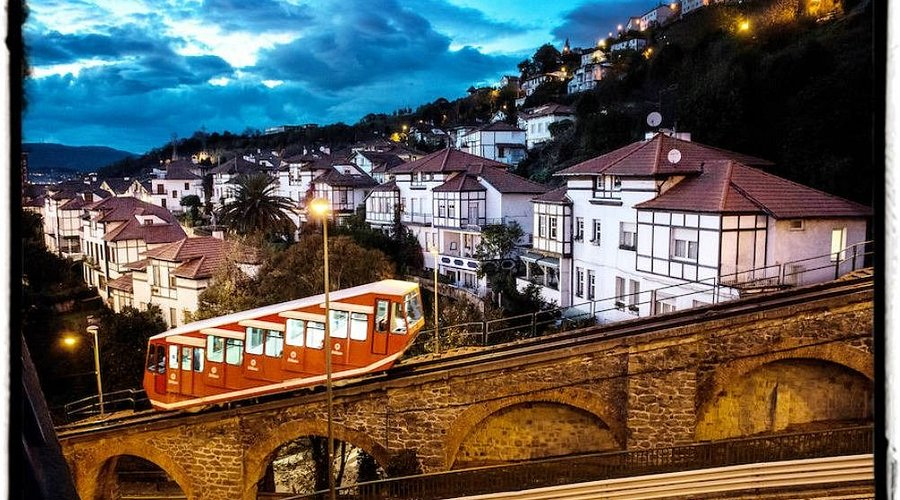
Operating continuously since 1915, this vintage, cherry-red funicular cable railway climbs up the steep slopes of Mount Artxanda, connecting the downtown district with the city’s highest natural ridge.
- What it is famous for: Offering the ultimate, postcard-perfect panoramic view of the Bilbao valley. The three-minute ride transports visitors to the Mirador (viewpoint), a beautiful parkland where travelers can look down at the titanium curves of the Guggenheim, the winding river layout, and the surrounding green Basque mountains.
8. Bilbao Fine Arts Museum (Museo de Bellas Artes)
The Historical Anchor of Basque Creativity
Located in the expansive Doña Casilda Park, this exceptional institution opened in 1914, housing an incredibly rich collection that spans from medieval art straight through to modern contemporary masterpieces.
- What it is famous for: Its world-class collection of Basque and Spanish masters. The museum bridges the gap left by the Guggenheim, displaying critical historical works by El Greco, Goya, and Mary Cassatt, alongside iconic Basque sculptors Eduardo Chillida and Jorge Oteiza. The building itself features a striking, modern expansion designed by Norman Foster.
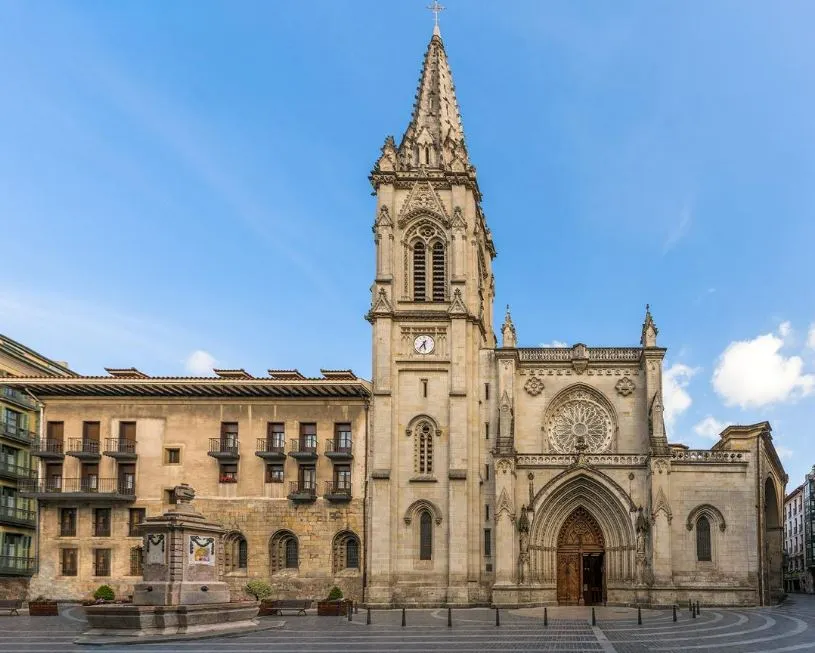
9. Cathedral of Santiago de Bilbao
The Gothic Sanctuary of the Northern Way
Tucked tightly within the narrow stone alleys of the Casco Viejo, this beautiful 14th-century cathedral is dedicated to Saint James, serving as a critical spiritual stop along the coastal route of the Camino de Santiago pilgrimage trail.
- What it is famous for: Its soaring Gothic Revival facade and pristine stone cloister. Built from light stone, it features a remarkably elegant interior with a delicate vaulting system. Its small, exquisite Gothic cloister is a peaceful, hidden sanctuary of quiet away from the bustling old town market energy just outside the stone walls.
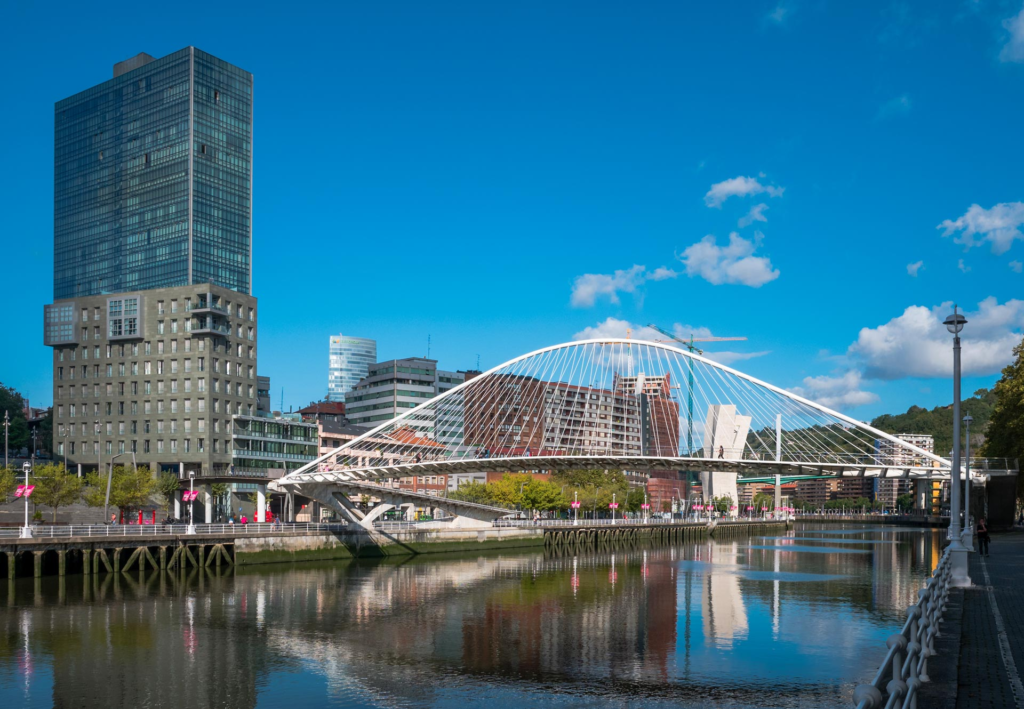
10. Paseo de Abandoibarra & Zubizuri Bridge
The Architectural Runway of the Riverfront
This expansive, palm-fringed pedestrian promenade follows the banks of the Nervión River, tracing the paths once occupied by rusted industrial ship docks and railway lines.
- What it is famous for: A high-concentration display of cutting-edge modern architecture. Walking along this scenic path is like walking through a living architecture textbook. The promenade is crossed by Santiago Calatrava’s iconic Zubizuri (Basque for “White Bridge”)—a sweeping, arched pedestrian bridge with a translucent glass tile walkway that glows beautifully at night.
11. San Mamés Stadium
The Cathedral of Football Passion
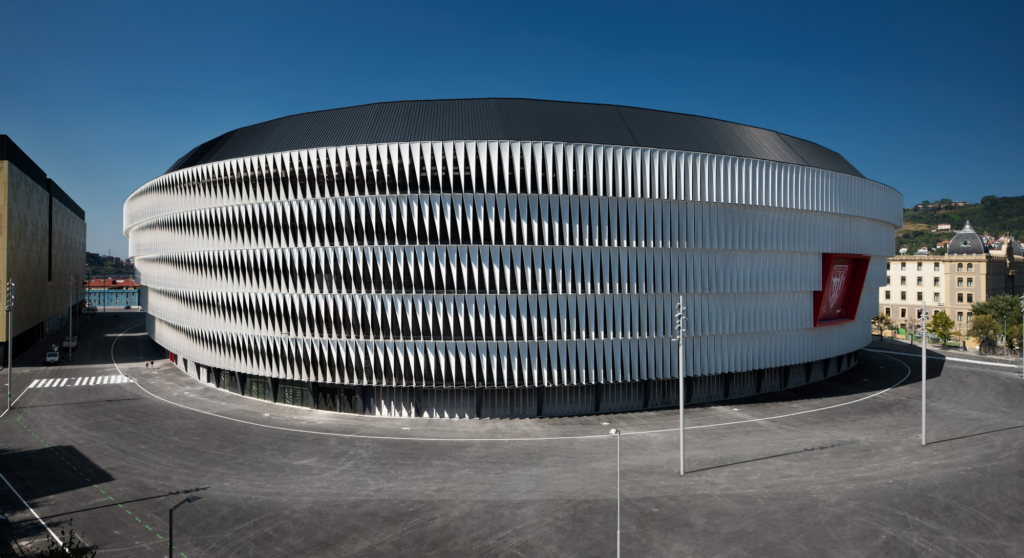
Located at the western edge of the city center, San Mamés is the ultra-modern, home ground of Athletic Club Bilbao, a football club legendary for its unique policy of only fielding homegrown Basque players.
- What it is famous for: Its striking, dynamic white facade and incredible matchday acoustics. Known locally as La Catedral, the stadium features an exterior wrapped in thousands of white plastic panels that light up at night in vibrant red. The stadium holds a state-of-the-art interactive club museum that celebrates the deep, unbreakable bond between the city and its football team.