
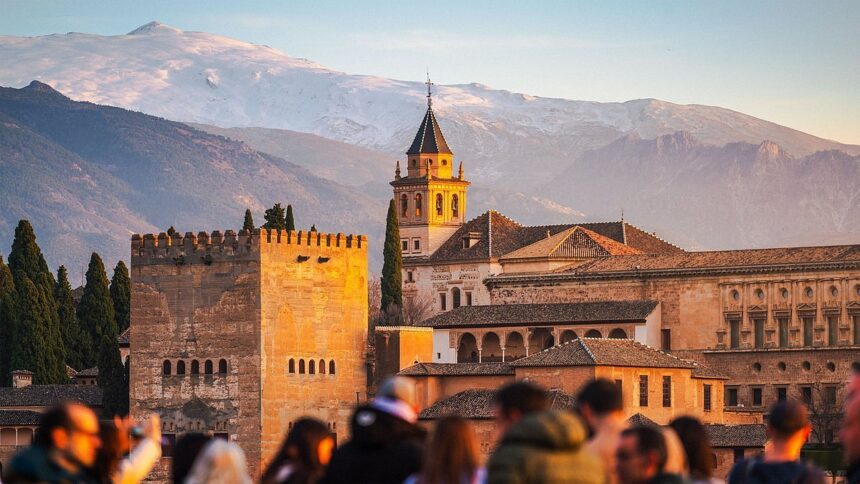
Granada, nestled dramatically at the foot of the snow-capped Sierra Nevada mountains, is a captivating Andalusian city where the mystical atmosphere of medieval Islamic Spain perfectly coexists with vibrant Catholic grandeur.
As the final stronghold of the Moorish Nasrid Dynasty before falling to the Catholic Monarchs in 1492, Granada holds an achingly beautiful, melancholic charm unlike anywhere else in Europe.
The city’s identity is permanently defined by the legendary silhouette of the Alhambra, yet its magic is found equally within its sensory landscape.
It is a city of rushing mountain streams, hidden jasmine-scented courtyards (cármenes), and deep flamenco traditions. It remains one of the last places in Spain where the historic tradition of serving free, generous tapas with every drink order is proudly kept alive.
Here are the top 11 famous places to visit in Granada and why they are unforgettable.
1. The Alhambra
The Ultimate Pinnacle of Islamic Architectural Splendor
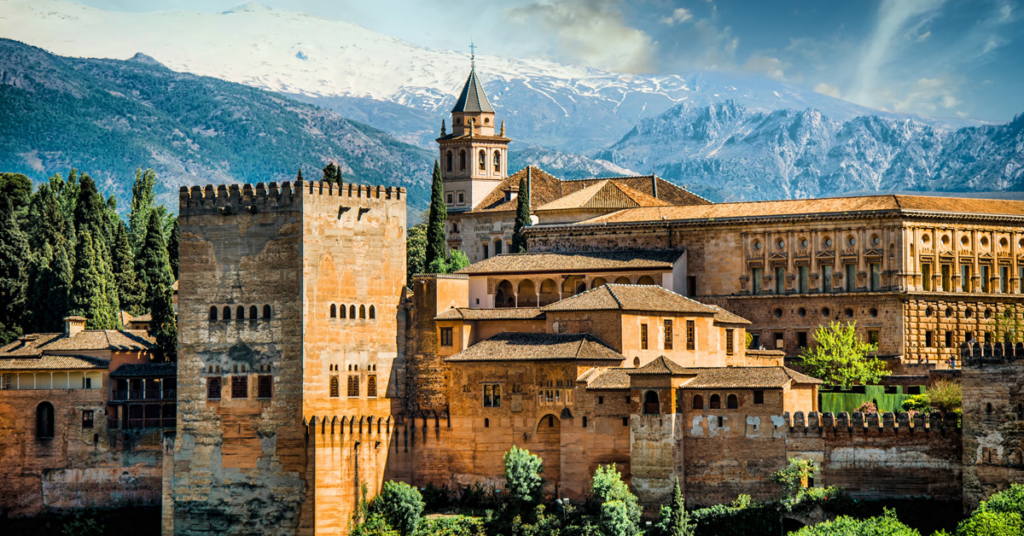
Commanding a high rocky plateau above the city, the Alhambra is a breathtaking, fortified palace-city that served as the grand royal residence of the Nasrid Dynasty, standing today as a premier UNESCO World Heritage masterpiece.
- What it is famous for: Its jaw-droppingly intricate Islamic art and geometric precision. Within the complex, the Nasrid Palaces present a dreamlike world of stalactite-style ceilings (muqarnas), elegant horseshoe arches, and poetic Arabic calligraphy carved seamlessly into plaster walls. The iconic Court of the Lions, centered on a fountain supported by twelve marble lions, represents the absolute zenith of medieval Moorish architecture.
2. Generalife
The Sun-Drenched Paradise Garden of the Sultans
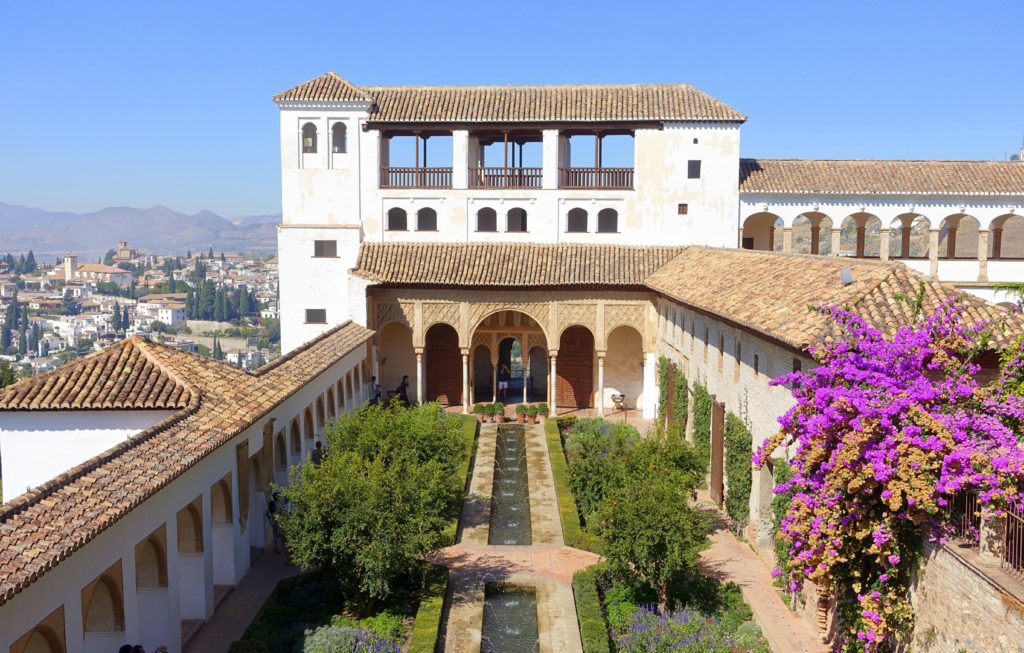
Located just a short walk across a ravine from the main Alhambra palaces, the Generalife was the historic summer palace and country estate where the Nasrid kings retreated to escape the stress of affairs of state.
- What it is famous for: Its masterful use of water, symmetry, and botanical beauty. The heart of the estate is the Court of the Water Channel (Patio de la Acequia), where a long pool is framed by dozens of arching water jets, vibrant flower beds, and ancient myrtle hedges. The gardens were designed as an earthly representation of the Islamic concept of paradise, filled with the soothing sounds of running water.
3. The Albaicín (Albayzín)
The Enchanting Medieval Moorish Quarter
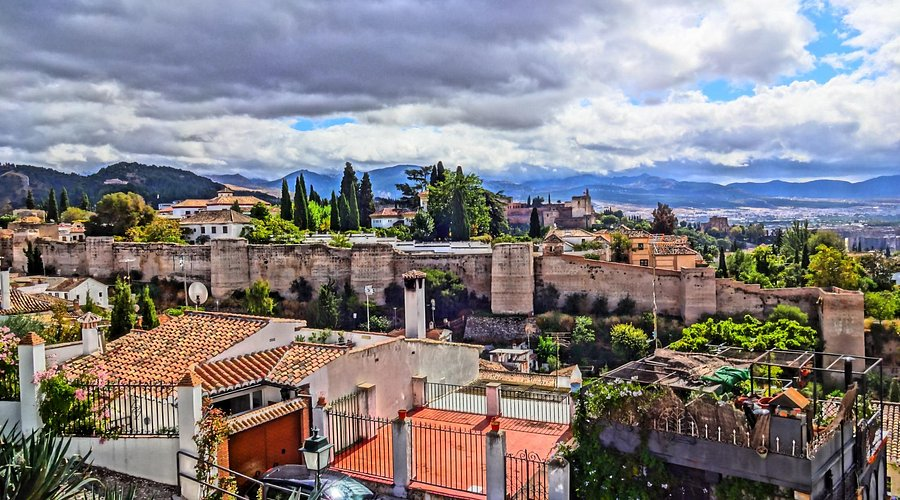
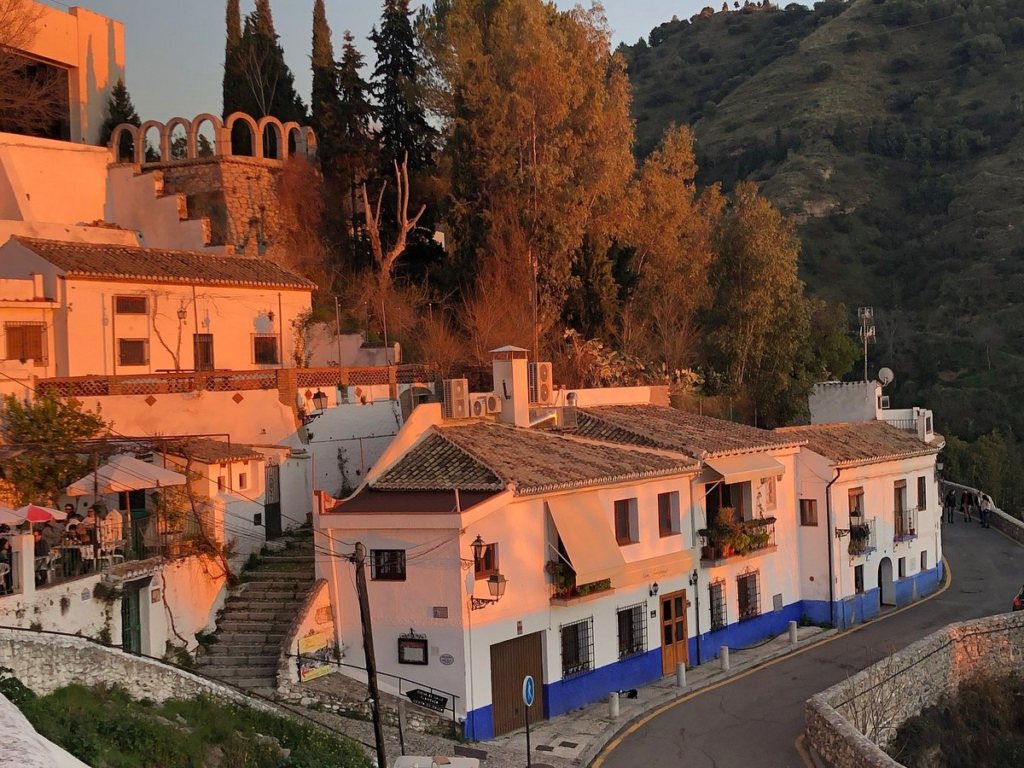
Rising steeply on the hill directly opposite the Alhambra, the Albaicín is Granada’s ancient Moorish neighborhood, preserving a dense medieval layout that has remained virtually unchanged for over five centuries.
- What it is famous for: Its labyrinth of cobblestone streets and stunning panoramic viewpoints. Walking through this historic quarter feels like stepping back into a North African medina. Whitewashed villas drape over hidden hillsides, leading visitors up to the famous Mirador de San Nicolás, a bustling public square offering the most legendary, postcard-perfect view of the Alhambra against the Sierra Nevada peaks.
4. Granada Cathedral
The Colossal Monument of Renaissance Triumph
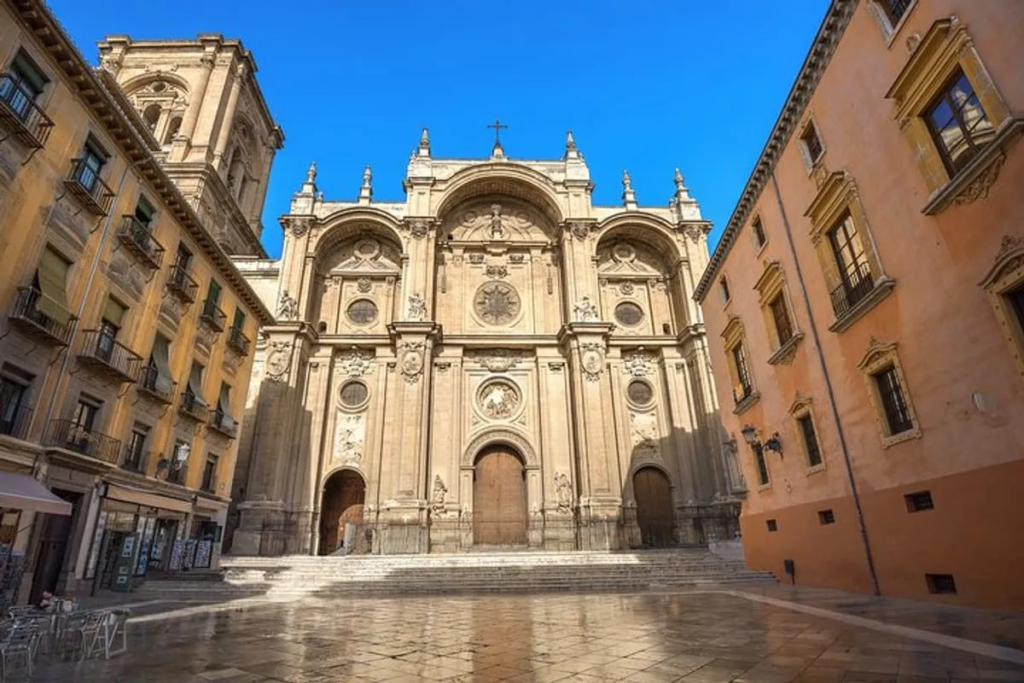
Commissioned by Queen Isabella and King Ferdinand immediately following the conquest of the city, this massive cathedral was built directly over the foundations of Granada’s grand mosque, taking over 180 years to construct.
- What it is famous for: Being a triumphant masterpiece of Spanish Renaissance architecture. While its exterior displays towering, austere stone walls, the interior surprises visitors with its immense scale, featuring five spectacular navies supported by colossal white pillars. The circular main chapel (Capilla Mayor) boasts a dramatic, 45-meter-high domed ceiling decorated with radiant gold and stained glass.
5. Royal Chapel of Granada (Capilla Real)
The Final Resting Place of Spain’s Defining Monarchs
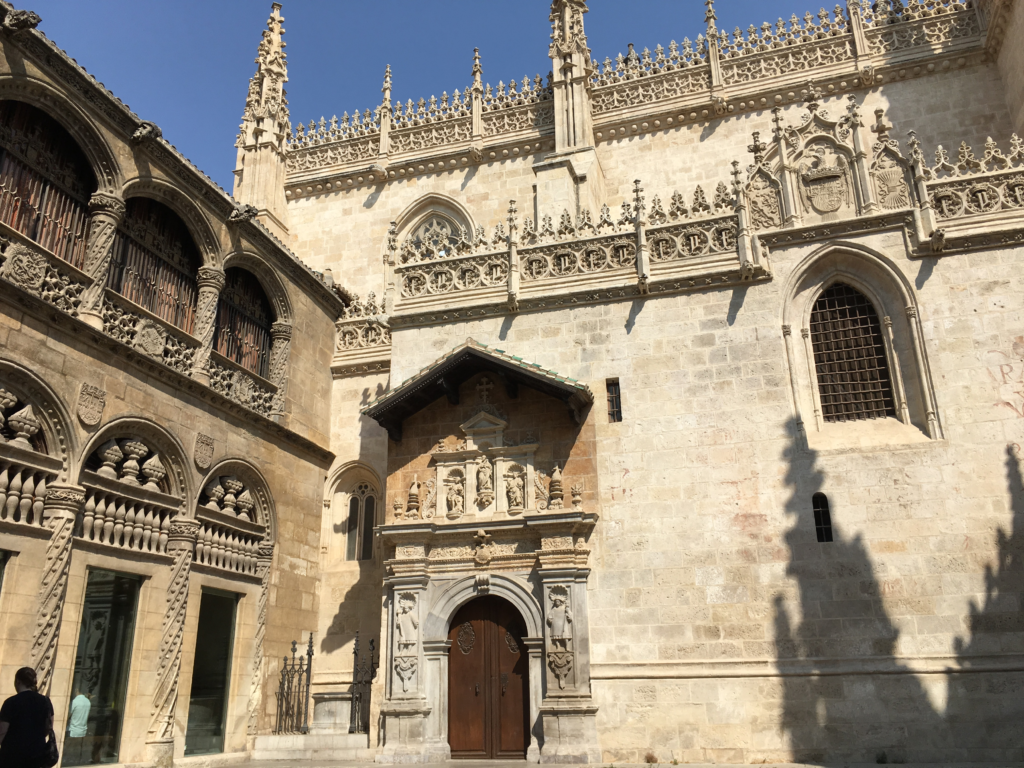
Built seamlessly against the southern wall of the cathedral, this elegant, late-Gothic mausoleum was constructed specifically to serve as the burial site for the two most influential monarchs in Spanish history.
- What it is famous for: Housing the tombs of Queen Isabella I and King Ferdinand II. Visitors walk into the quiet chapel to marvel at the magnificent, carved marble monument displaying the resting figures of the Catholic Monarchs. Below the monument, a small crypt allows travelers to look directly at the humble lead coffins containing their remains, alongside those of their daughter, Joanna the Mad.
6. Sacromonte
The Sacred Hill of Gypsy Caves and Flamenco
Bordering the upper edges of the Albaicín, the steep, rocky neighborhood of Sacromonte has been the traditional home of Granada’s Gitano (gypsy) community for centuries, resulting in a unique troglodyte landscape.
- What it is famous for: Its whitewashed cave dwellings (cuevas) and authentic Zambra flamenco. The homes are carved directly into the soft clay hillsides, offering natural climate control. At night, these intimate caves transform into passionate flamenco venues where Zambra—a raw, intensely emotional style of flamenco native to Granada—is performed just inches away from the spectators.
7. Monasterio de San Jerónimo
The Grand Renaissance Sentinel of Military Pride
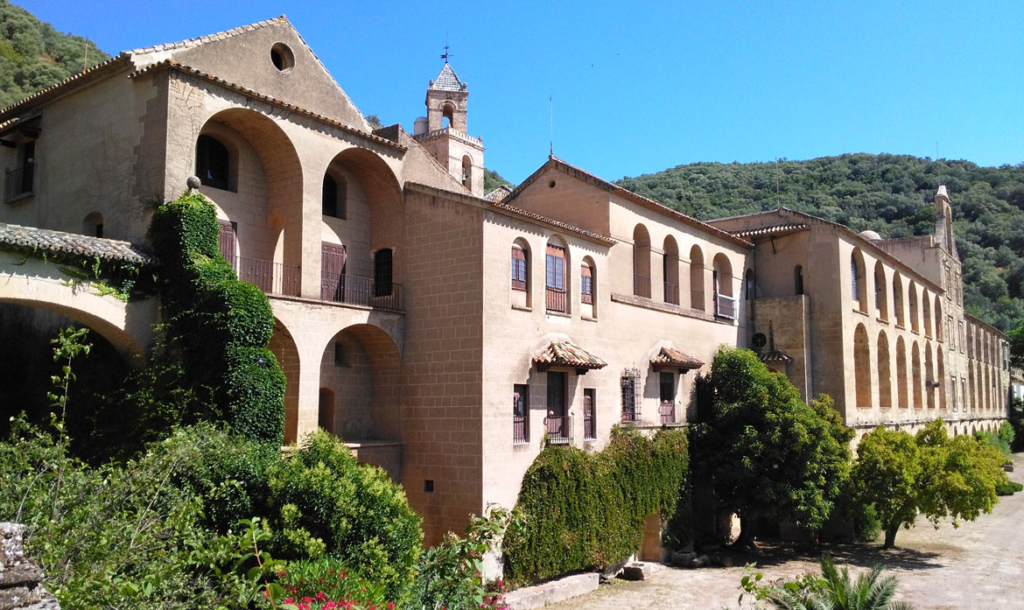
Founded by the Catholic Monarchs before the final conquest of the city, this magnificent Hieronymite monastery complex is a jewel of early Spanish Renaissance design.
- What it is famous for: Being the burial site of El Gran Capitán (Gonzalo Fernández de Córdoba), Spain’s legendary military genius. The monastery features a stunning, double-tiered central cloister planted with orange trees. Its main church houses a jaw-dropping, multi-tiered altarpiece (retablo) intricately carved with historical and biblical scenes, heavily gilded in gold leaf.
8. Alcaicería (The Grand Bazaar)
The Spice-Scented Echo of the Silk Road
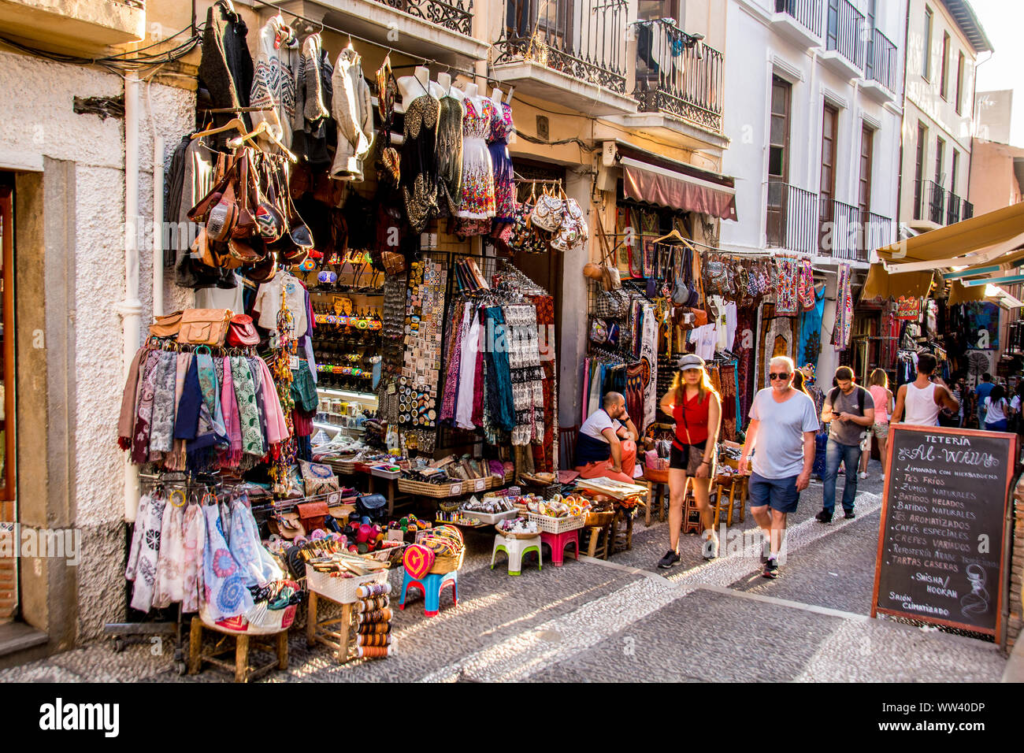
Located in the dense grid of streets just steps from the cathedral, the Alcaicería is a vibrant pedestrian market that occupies the historic site of Granada’s original Moorish silk bazaar.
- What it is famous for: Its exotic, Middle Eastern atmosphere and traditional crafts. While the original labyrinth was destroyed by fire in the 19th century, the modern reconstruction features exotic horseshoe arches and patterned ceilings. Today, it is a bustling marketplace where shoppers browse colorful Moroccan lanterns, exotic spices, hand-painted ceramics, and traditional taracea (intricate inlaid wood marquetry).
9. Carrera del Darro & Plaza Nueva
The Romantic Riverside Promenade of the Shadowed Valley
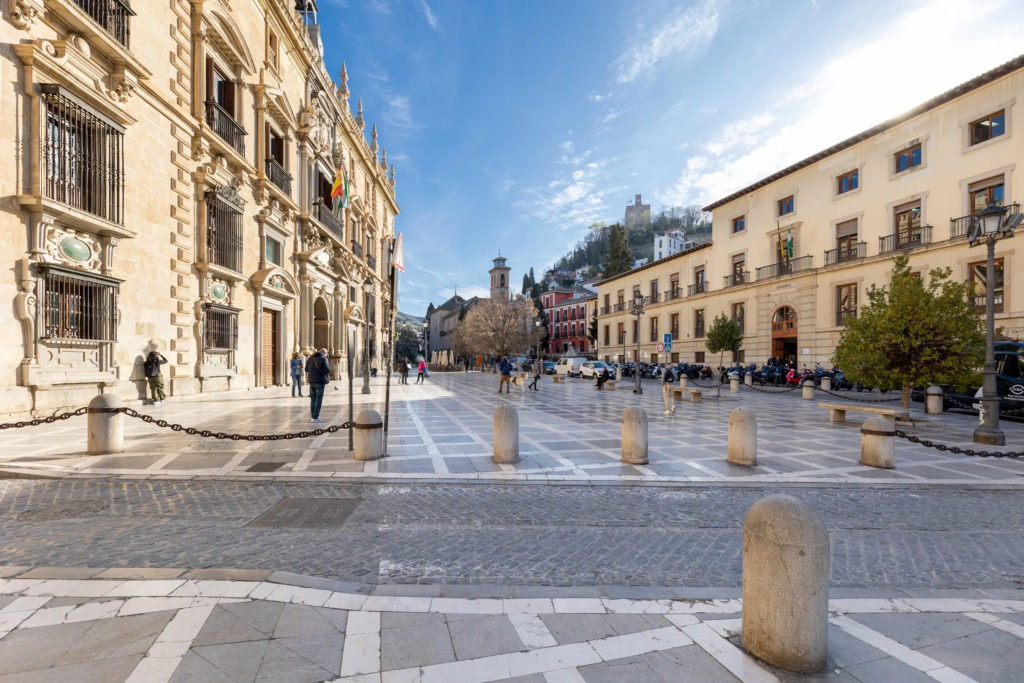
The Carrera del Darro is widely considered one of the most romantic streets in Europe, running along the base of the valley directly beneath the towering red walls of the Alhambra.
- What it is famous for: Its scenic stone bridges and historic Renaissance palaces. Bordering the rushing waters of the narrow Darro River, this stone pathway connects the bustling Plaza Nueva square with the lower Albaicín. Walkers pass historic stone arches, centuries-old convents, and elegant stone facades while listening to the soothing sound of the river echo through the canyon.
10. Bañuelo (Traditional Arab Baths)
A Hidden Medieval Sanctuary of Water and Light
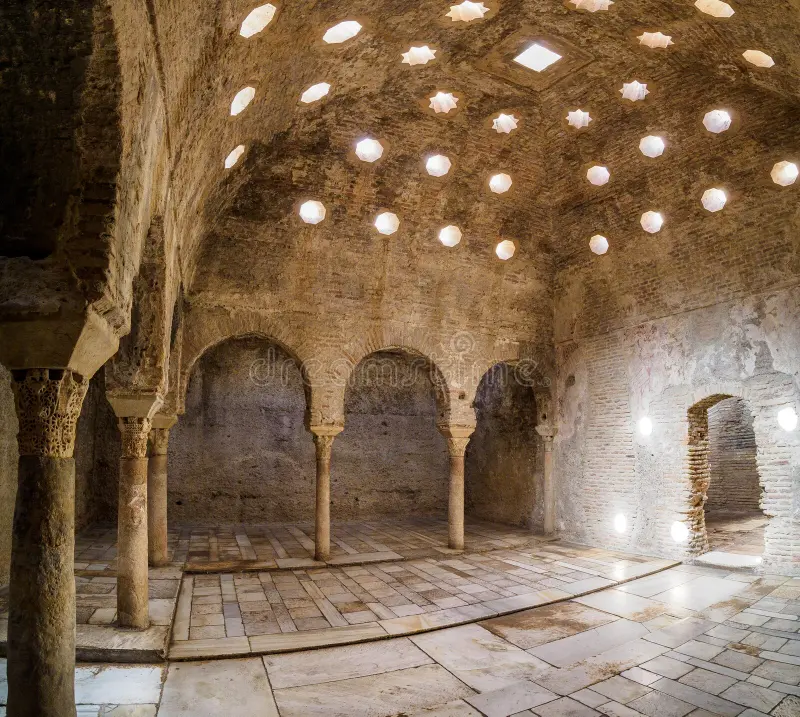
Tucked away inconspicuously beneath a private residential house along the Carrera del Darro, this remarkable structure is one of the oldest and most completely preserved Arab baths (hammam) in Spain, dating back to the 11th century.
- What it is famous for: Its beautiful brick vaulted ceilings punctuated by star-shaped skylights. The baths survived destruction during the Christian conquest because they were hidden beneath a Christian residence. Visitors can explore the cold, warm, and hot rooms, marveling at how the geometric star cutouts in the brick ceiling filtered light and released steam to create a peaceful sanctuary.
11. Monasterio de la Cartuja
The Ultimate Explosion of High Baroque Opulence
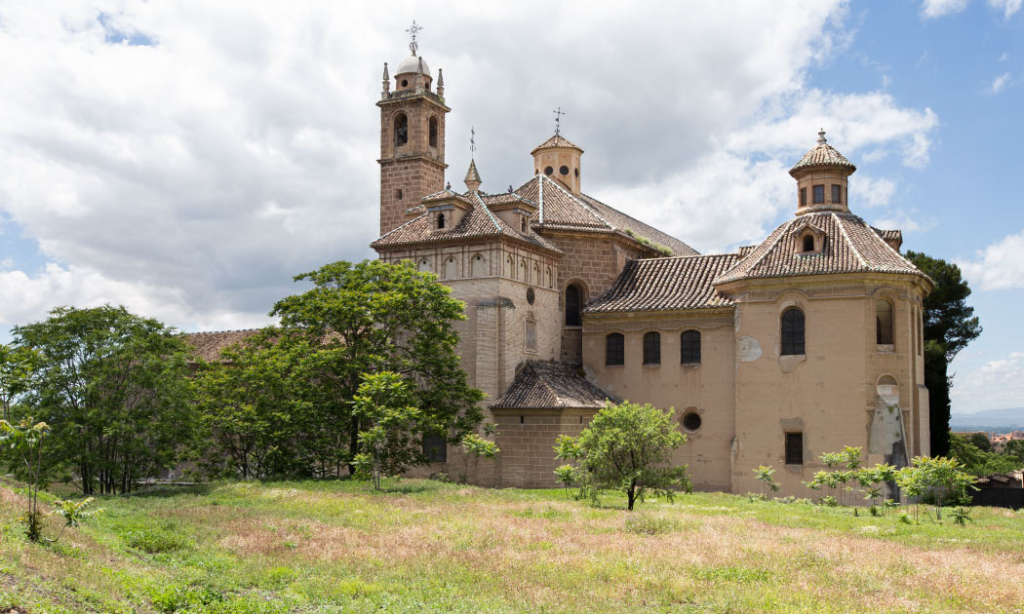
Located about two kilometers north of the city center, this Carthusian monastery was founded in the early 16th century, presenting a relatively modest exterior that hides an architectural secret.
- What it is famous for: Its extravagant, jaw-dropping Christian Baroque interior. The sanctuary’s sacristy is universally considered a masterpiece of late Spanish Baroque design, displaying a dizzying explosion of white stucco swirls, dark marble pillars, and intricate tortoiseshell and ivory details that create a brilliant visual illusion.