
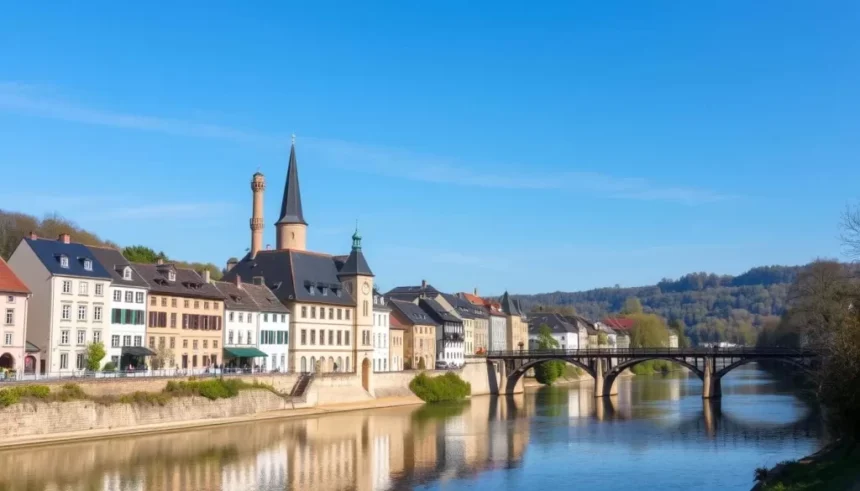
Remich, anchoring the absolute southeastern riverine frontier of Luxembourg along the winding aquatic border with Germany, operates on a spectacular valley layout where ancient viticulture meets relaxed waterfront elegance.
Historically originating as a vital Roman settlement known as Remacum that served as a key crossing point over the Moselle River, this southern stronghold stands proud as a masterclass in sun-drenched heritage.
Because the municipality aggressively protected its panoramic river vistas, historic stone wine cellars, and narrow medieval alleys rather than surrendering them to modern heavy industry, it earned its permanent cultural status as the “Pearl of the Moselle” and the undisputed national epicenter of premium sparkling wine production, culinary river tourism, and active vineyard trail exploration.
Today, Remich presents a striking architectural matrix where ancient 18th-century stone estate houses and historic limestone cellars stand directly beside modern glass-fronted wine bars, futuristic river locks, and vibrant public plazas.
The town effortlessly pairs its deep, centuries-old winemaking pedigree with a progressive passion for major international culinary festivals, water sports tournaments, and a relaxed, walking-centered lifestyle.
1. The Remich Esplanade
The Spectacular Architectural Sovereign of Shady Linden Avenues and Panoramic Riverfront Walkways
Dominating the absolute physical and social profile of the entire town, this magnificent, three-kilometer-long pedestrian promenade runs directly parallel to the rushing waters of the Moselle River.
- What it is famous for: Being the premier waterfront walking runway of Luxembourg, lined with rows of ancient linden and cherry trees, bustling open-air restaurant terraces, and scenic riverboat docks. The esplanade functions as the town’s primary social theater, where locals and international travelers gather to stroll, cycle, and enjoy local wines with views of the rolling vineyard hills across the German side of the river. The promenade acts as a high-energy venue for seasonal antique markets, open-air wine festivals, and major public celebrations.
2. Caves St. Martin
The Picturesque Walking Runway of Underground Limestone Galleries and Sparkling Crémant Vaults
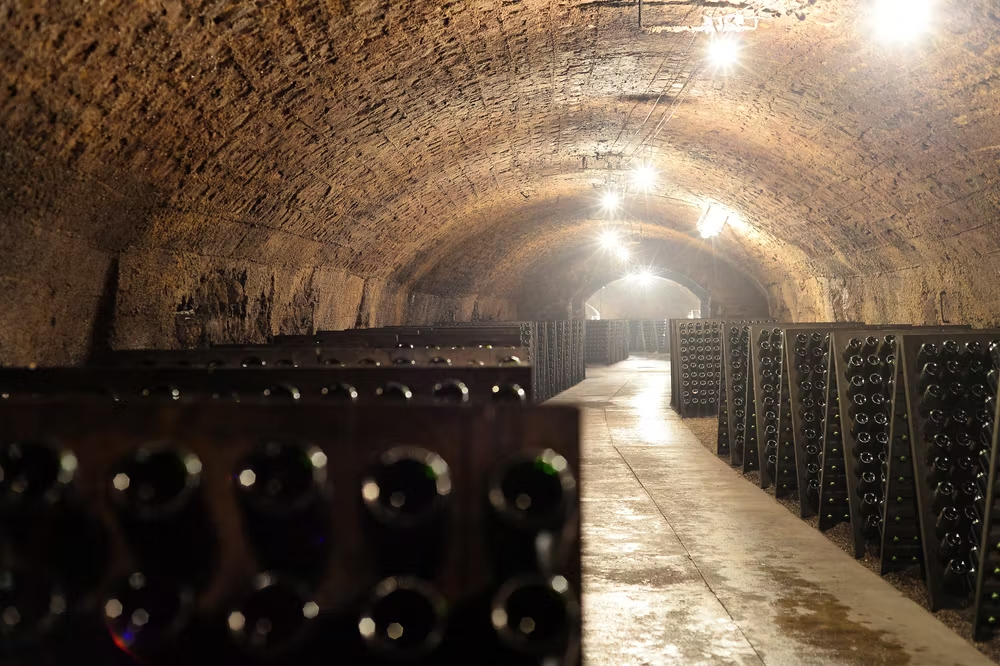
Slicing smoothly into the solid limestone cliffs on the northern edge of the town, this historic winemaking complex represents a monumental achievement in subterranean architecture.
- What it is famous for: Its extraordinary network of underground cellars carved directly into the living rock, where millions of bottles of premium Crémant de Luxembourg are aged using the traditional method. Founded in 1919, the caves maintain a constant, perfect natural temperature and humidity year-round. Visitors walk through dimly lit, rock-hewn galleries beneath historic barrel vaults, learning the intricate science of sparkling wine production before enjoying tastings on a spectacular riverside terrace.
3. The Old Town Alleys & Porte Saint-Nicolas
The Enigmatic Stone Sentinel of Medieval Fortification Gates and Narrow Cobblestone Sagas
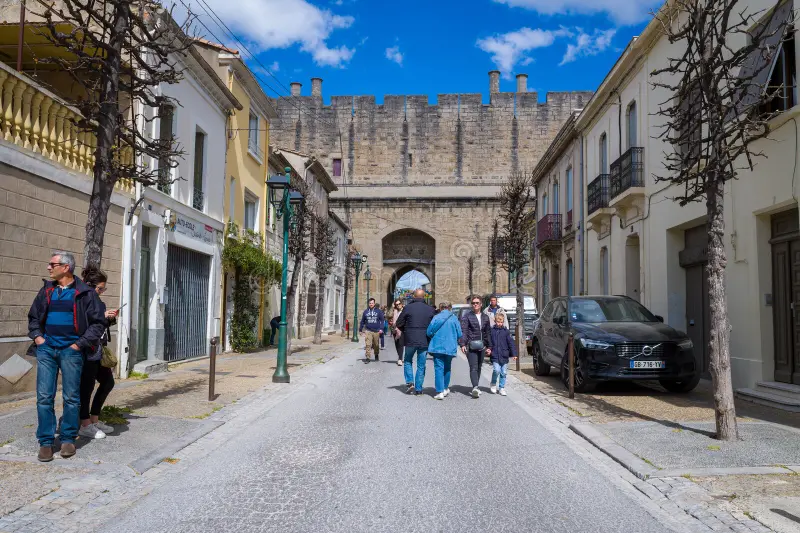
Nestled quietly directly behind the bustling modern riverfront, this historic network of tightly woven streets forms the ancient medieval core of the community.
- What it is famous for: Its enchanting matrix of narrow, twisting alleys, historic tanners’ houses, and the iconic Porte Saint-Nicolas a preserved medieval stone gate tower adorned with a statue of the patron saint of sailors. This old-world quarter preserves the defensive layout of pre-industrial Remich. Walking past ancient stone archways and historic fountains allows travelers to experience a profound stillness that contrasts beautifully with the high-energy riverfront promenade.
4. Navitours & Marie-Astrid Cruise Ships
The Monumental Public Sovereign of White Passenger Fleets and Cross-Border Waterway Horizons
Slicing smoothly from the central docks along the esplanade, these majestic multi-deck cruise vessels represent the peak of riverine transit and luxury tourism.
- What it is famous for: Offering breathtaking architectural and culinary cruises along the three-border river region, allowing passengers to view Luxembourg, Germany, and France from the water. The elegant ships, including the legendary M.S. Princesse Marie-Astrid—famous as the actual historic venue where the European Schengen Agreement was signed in 1985—feature panoramic glass dining rooms. The cruises operate as mobile viewpoints framing steep vineyard terraces, historic castle ruins, and massive river locks.

5. Wine Museum (Institut Viti-Vinicole)
The Savory Cultural Repository of Scientific Grape Hubs and Heritage Pressing Traditions
Occupying a prominent public presence on the Route de Luxembourg, this state-run viticultural institution stands proud as the scientific and educational brain of the country’s wine industry.
- What it is famous for: Being the national wine institute, which combines cutting-edge agricultural research laboratories with educational showcases tracking the history of Moselle viticulture. The curated exhibits display vintage wooden grape presses, historic laboratory equipment, and detailed geological maps of the valley’s unique terroir. The facility plays a vital role in maintaining the high quality of Luxembourgish wines, acting as the ultimate authority on regional grape varieties and sustainable vineyard management.
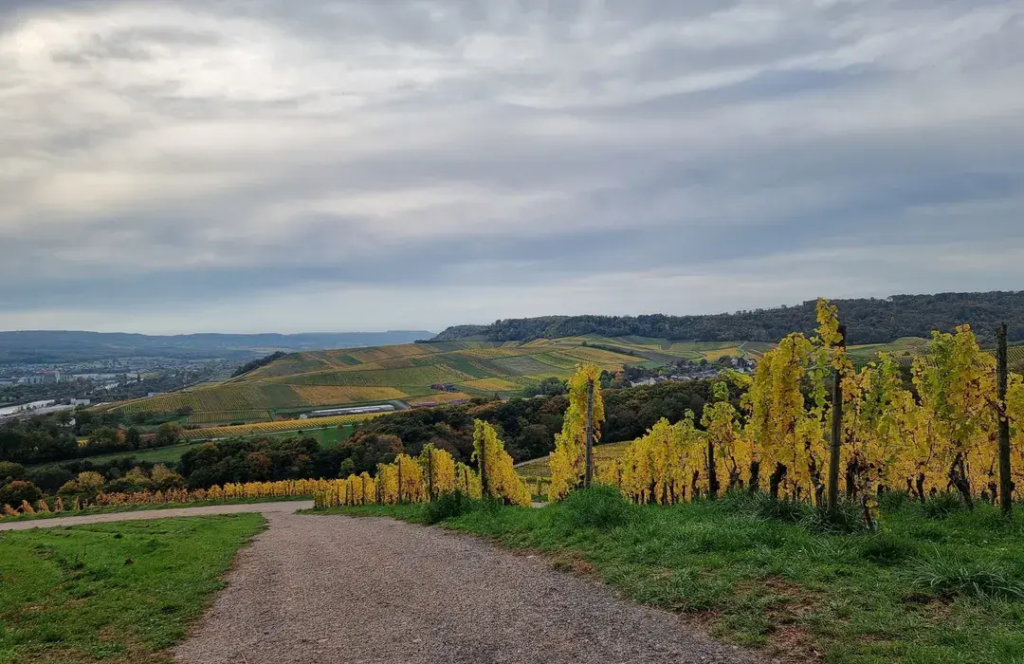
6. The Vineyard Amphitheater Trails (Route du Vin)
The Breathtaking Minimalist Palace of Sun-Drenched Hill Loops and Panoramic Cliff-Edge Overlooks
Slicing smoothly upward directly from the town limits into the towering hillsides, this extensive network of paved agricultural paths is a paradise for hikers and cyclists.
- What it is famous for: Its spectacular walking paths that loop through steep, sun-drenched terraced vineyards, providing panoramic views across the sweeping bends of the Moselle Valley. The trails are lined with informative educational plaques that explain the seasonal work of the winemakers and the unique limestone soils that nurture premium Riesling, Pinot Gris, and Auxerrois grapes. The high-altitude paths offer a peaceful escape where active travelers can explore the rural landscape that drives the local economy.
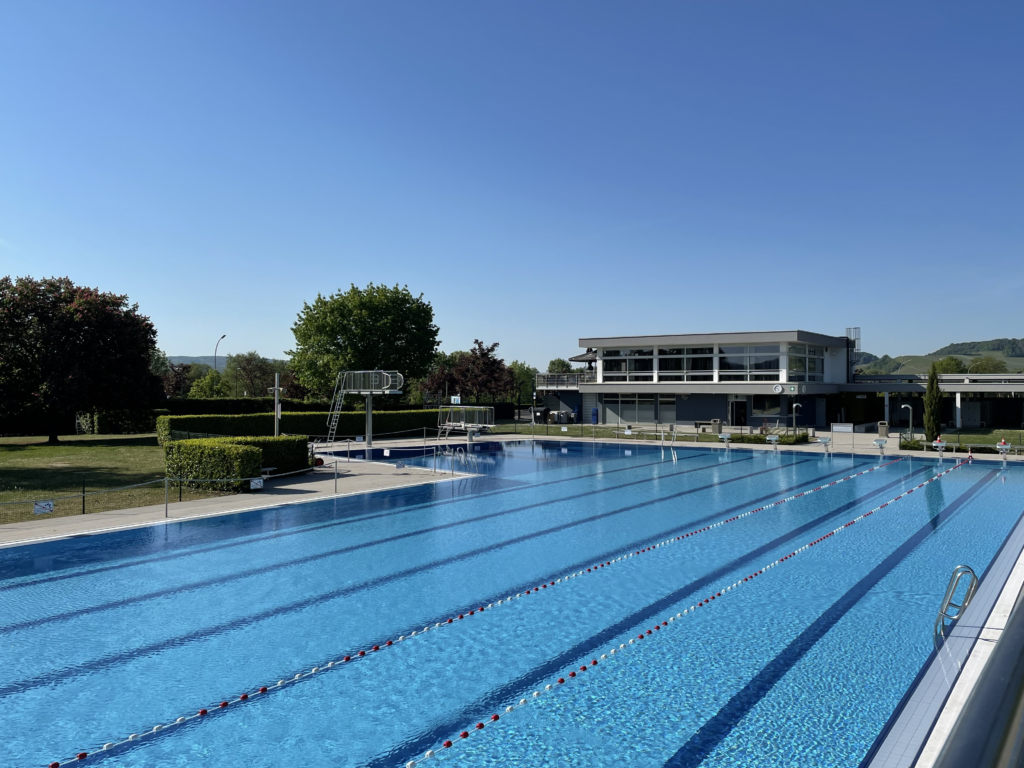
7. Remich Outdoor Swimming Pool (Piscine en plein air)
The Radiant Cultural Repository of Olympic-Sized Blue Lagoons and Summer Recreation Inlets
Tucked quietly into a lush, emerald parkland basin along the southern edge of the town center, this expansive modern aquatics complex is a premier summer leisure haven.
- What it is famous for: Being a state-of-the-art open-air public pool facility featuring an Olympic-sized swimming basin, wave simulators, dramatic diving towers, and expansive sunbathing lawns. The complex acts as a massive social playground during the summer months, drawing families and fitness enthusiasts from across the border region. The beautifully manicured grounds feature modern beach volleyball courts, open-air snack bars, and dedicated splash zones for children.
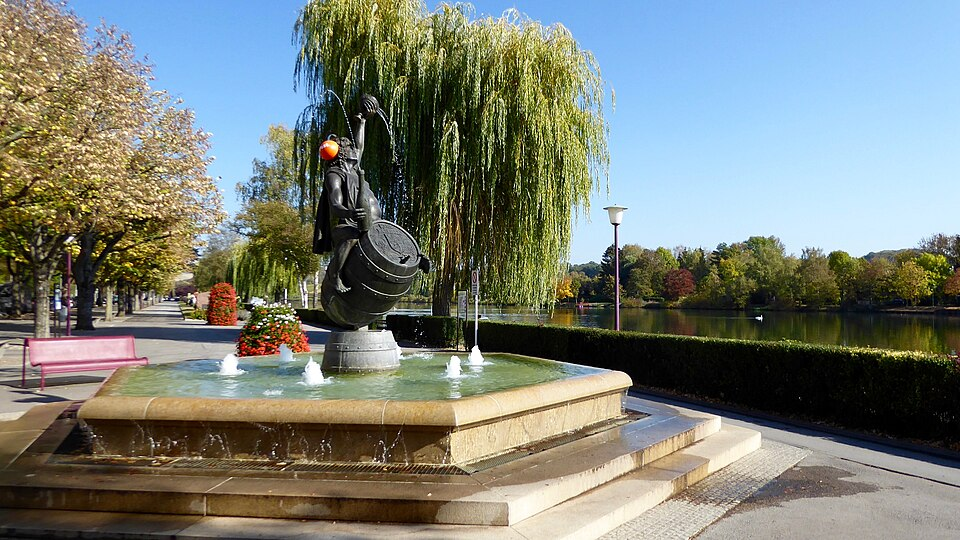
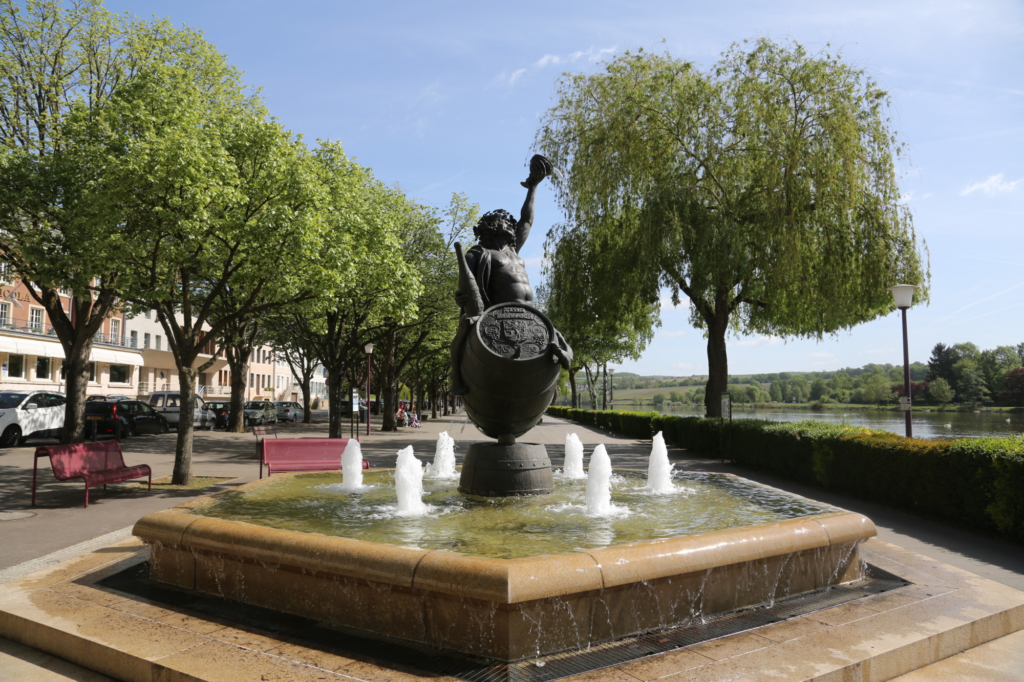
8. Bacchus Fountain (Bacchusbur)
The Breathtaking Prehistoric Sovereign of Bronze Wine Gods and Festive Public Assembly Plazas
Commanding a prominent public presence within a historic, shaded alcove near the old market square, this whimsical bronze monument celebrates the town’s spiritual connection to wine.
- What it is famous for: Being a beautifully sculpted bronze fountain depicting Bacchus, the ancient Roman god of wine, ritual madness, and theater, sitting triumphantly atop a wine barrel. Created by a renowned local artist, the fountain serves as a continuous assembly ground for local wine festivals, folklore gatherings, and tourist walking tours. During major municipal celebrations, the fountain is known to be hooked up directly to local wine barrels, flowing with real Moselle wine for the public.
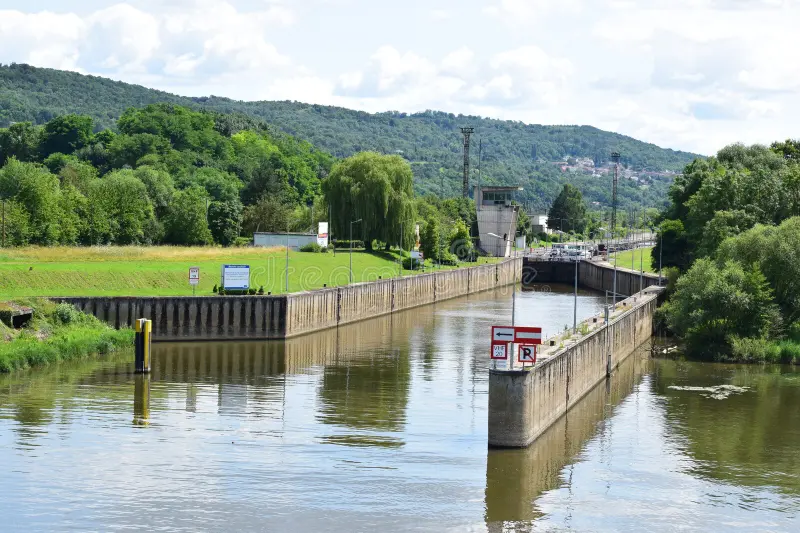
9. The Moselle River Lock (Schengen-Remich Barrage)
The Colossal Modern Sovereign of Massive Hydraulic Gates and Cross-Border Shipping Vaults
Sited dynamically along the shipping channel just a short transit ride from the town core, this massive engineering wonder controls the aquatic highway of Central Europe.
- What it is famous for: Its colossal concrete and steel hydraulic lock system, optimized to regulate river levels and allow massive international freight barges and luxury cruise liners to navigate the valley smoothly. Visitors can walk along dedicated viewing platforms to watch the dramatic engineering process as giant steel gates open and close, raising or lowering massive vessels within minutes. It functions as a premier destination for industrial travelers seeking to understand the logistics of European river commerce.
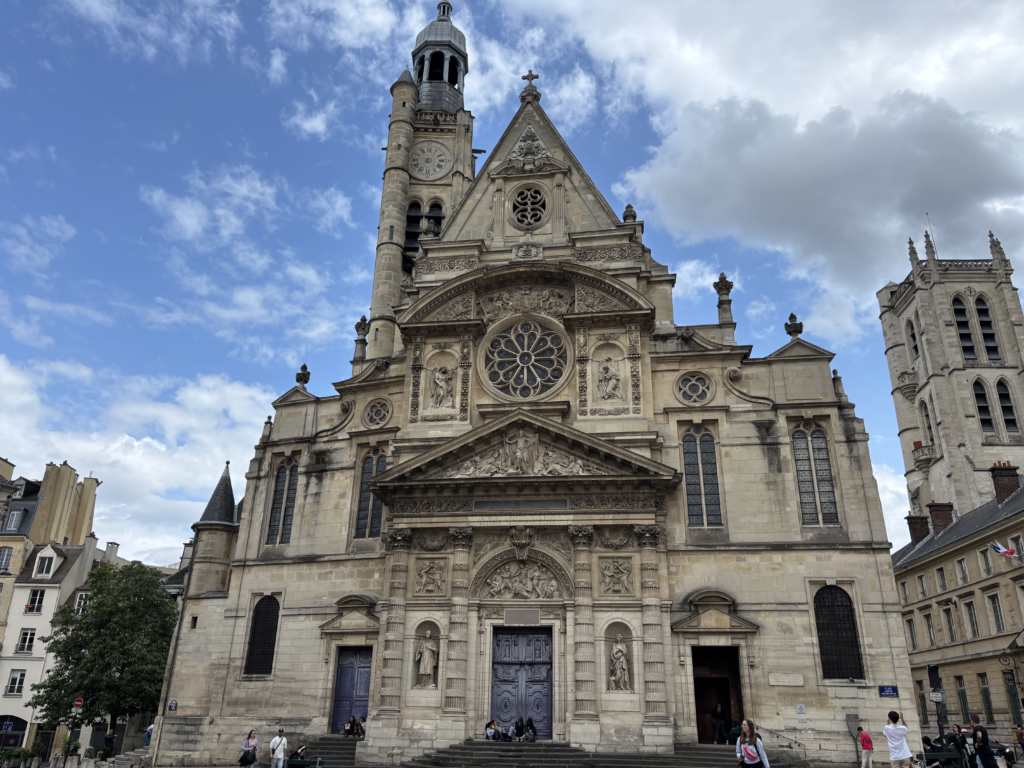
10. Saint-Etienne Decanal Church
The Rowdy Cultural Runway of Towering Baroque Spires and Historic Sandstone Altarpieces
Commanding a majestic, high-profile presence on an elevated stone platform overlooking the old quarter, this monumental 18th-century church dominates the town’s architectural skyline.
- What it is famous for: Its stately classical architecture, built in 1756, featuring a towering bell spire, an incredibly vast interior nave, and an ornate baroque high altar carved from local sandstone. The church houses rare religious relics and beautiful stained-glass windows that flood the stone interior with warm, colorful light. The church’s vaulted aisles deliver exceptional acoustic resonance, making it a popular venue for traditional holiday recitals and classical organ concerts.
11. Mercure Saint-Nicolas Wellness Center
The Breathtaking Ancestral Sovereign of Thermal Aquatics and Riverside Relaxation Terraces
Dominating a prominent architectural footprint directly along the main esplanade, this luxury spa and hospitality complex represents the wellness lifestyle of the river resort.
- What it is famous for: Its premium thermal indoor and outdoor swimming pools, specialized hydrotherapy circuits, and luxury wellness terraces overlooking the flowing river. The facility continues a long tradition of regional relaxation tourism that dates back to the Roman era, when wealthy travelers visited the valley for its clean air and therapeutic waters. It serves as a high-end retreat where visitors can experience world-class relaxation therapy right on the edge of the historic wine town.