
Copenhagen, anchoring the absolute eastern coastal frontier of Denmark across the scenic, island studded Øresund Strait, operates on a spectacular, water bound urban layout where maritime history meets avant garde green infrastructure.
Historically originating as a humble 10th century Viking fishing village named natively as Købmandshavn (Merchants Harbor), this Baltic stronghold evolved over centuries into the imperial seat of the Danish Monarchy and the supreme cultural anchor of Scandinavia.
Because the metropolis expanded gracefully across a network of defensive canals and coastal islands rather than burying them, it earned its permanent cultural title as one of the world’s premier cycling capitals and the undisputed pioneer of modern, high design urban livability.
Today, Copenhagen presents a striking architectural matrix where 17th century brick townhouses and oxidized copper spires stand alongside clean lined, geometric Nordic modernist complexes.
The city effortlessly pairs its historic royal pedigree with a deeply progressive, bohemian passion for social innovation, sustainable design, and the globally celebrated lifestyle philosophy of hygge (cozy communal warmth).
1. Nyhavn
The Iconic Waterfront Runway of Vibrant Candy Colored Mansions and Historic Wooden Galleons
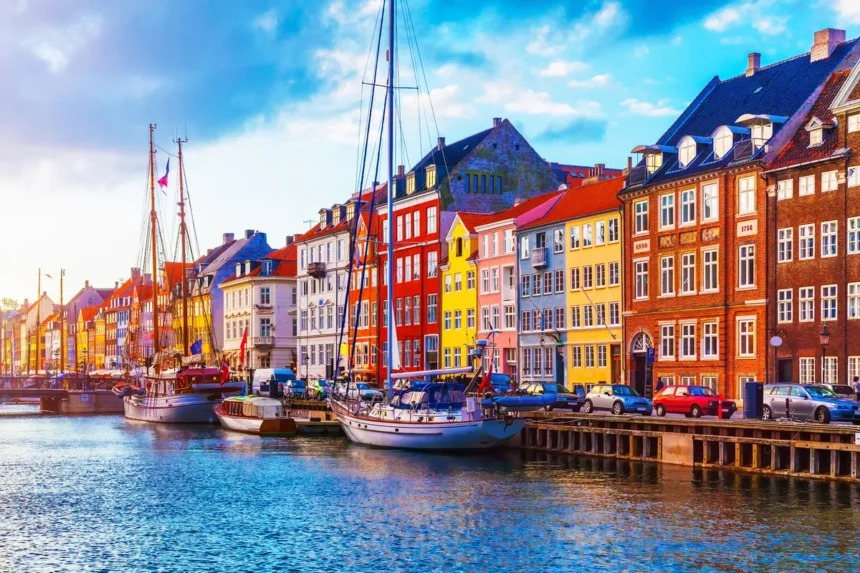
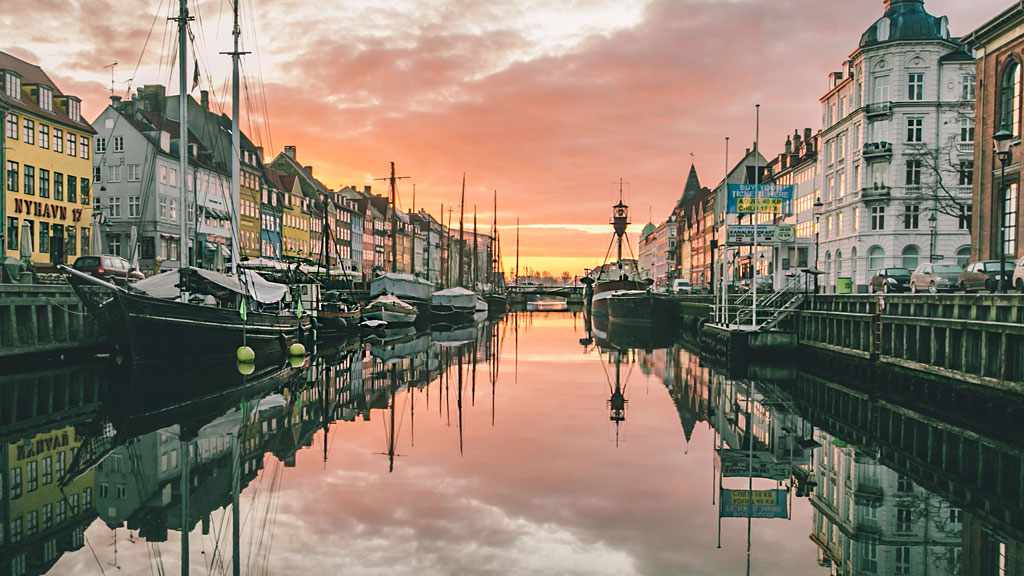
Dominating the absolute physical and visual core of the central maritime district, this bustling 17th century canal waterfront stands proud as the ultimate postcard symbol of Denmark.
- What it is famous for: Its spectacular row of brightly painted, 300 year old townhouses that line a historic canal dug by Swedish prisoners of war to connect the harbor to the city center. Once a notorious, rowdy hotspot for sailors, pubs, and global traders, the historic avenue features the old residences of legendary fairytale author Hans Christian Andersen, who lived in houses number 18, 20, and 67. Today, the sunlit boardwalk functions as the ultimate social living room of the city, where locals and travelers sit to enjoy seafood and cold beers alongside a fleet of beautifully preserved wooden museum ships.
2. Tivoli Gardens
The Enchanting Amusement Oasis of Moorish Glass Palaces and Century Old Wooden Coasters
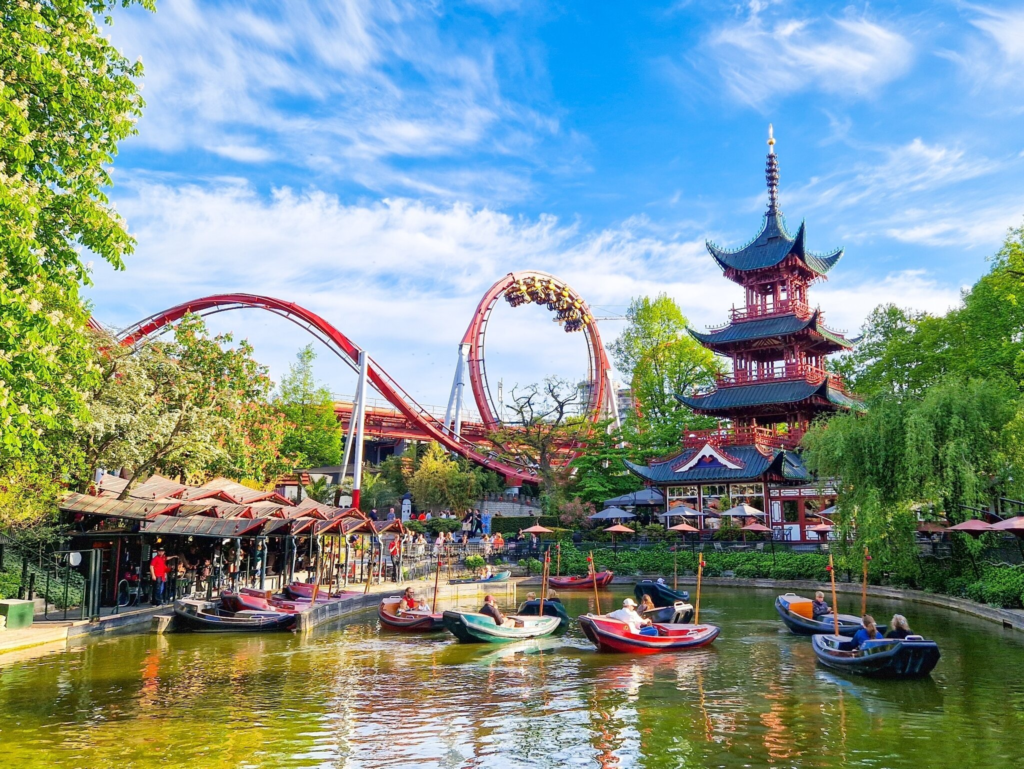
Commanding a massive, high profile footprint directly adjacent to the central railway avenue, this historic 15 acre pleasure garden is an entertainment masterpiece.
- What it is famous for: Being the second oldest operating amusement park in the world, opening in 1843 and famously serving as the direct creative inspiration for Walt Disney’s theme parks. The park presents a whimsical architectural blend of exotic Moorish palaces, Chinese pagodas, and lush botanical gardens illuminated by tens of thousands of custom designer lamps at night. It masterfully combines historic rides, such as Rutschebanen—a monumental wooden roller coaster operating since 1914 with a human brakeman on board—with elite open air classical concert stages and Michelin starred dining pavilions.
3. The Little Mermaid (Den Lille Havfrue)
The Enigmatic Granite Sentinel of Fairy Tale Sagas and Coastal Harbor Horizons
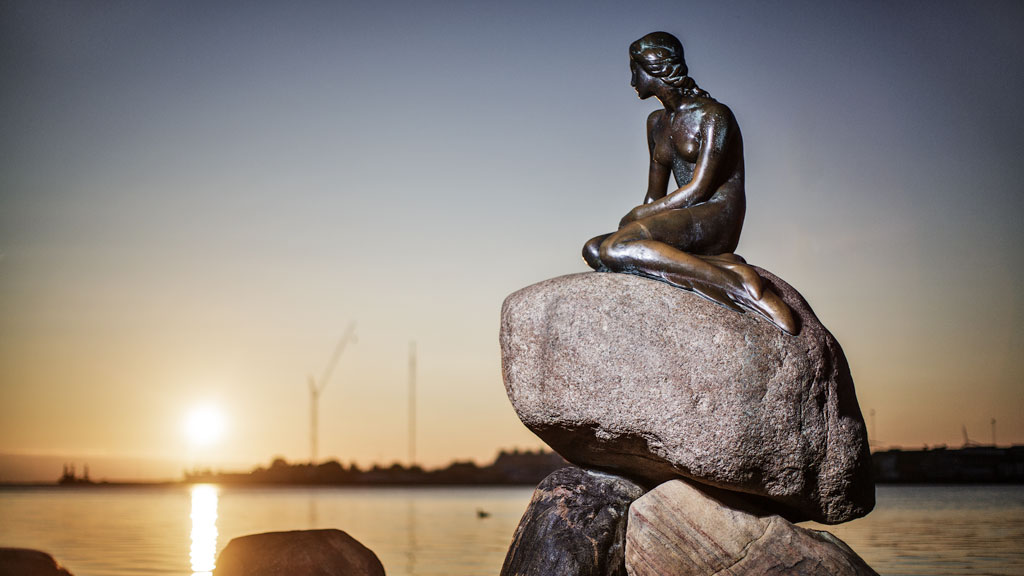
Perched elegantly on a cluster of smooth granite rocks along the windswept Langelinie waterfront promenade, this modest bronze sculpture holds world class cultural status.
- What it is famous for: Being the globally recognized, iconic artistic monument honoring Hans Christian Andersen’s heartbreaking, world famous fairy tale classic. Unveiled in 1913 by sculptor Edvard Eriksen and commissioned by visionary brewer Carl Jacobsen, the statue features a melancholic, bronze mermaid gazing longingly toward the open harbor water. Despite its deceptively small scale, which frequently surprises first time visitors, it serves as a major global pilgrimage point and a fascinating symbol of the city’s literary history.
4. Freetown Christiania
The Bold Autonomous Sovereign of Hand Built Eco Communes and Alternative Art Fronts
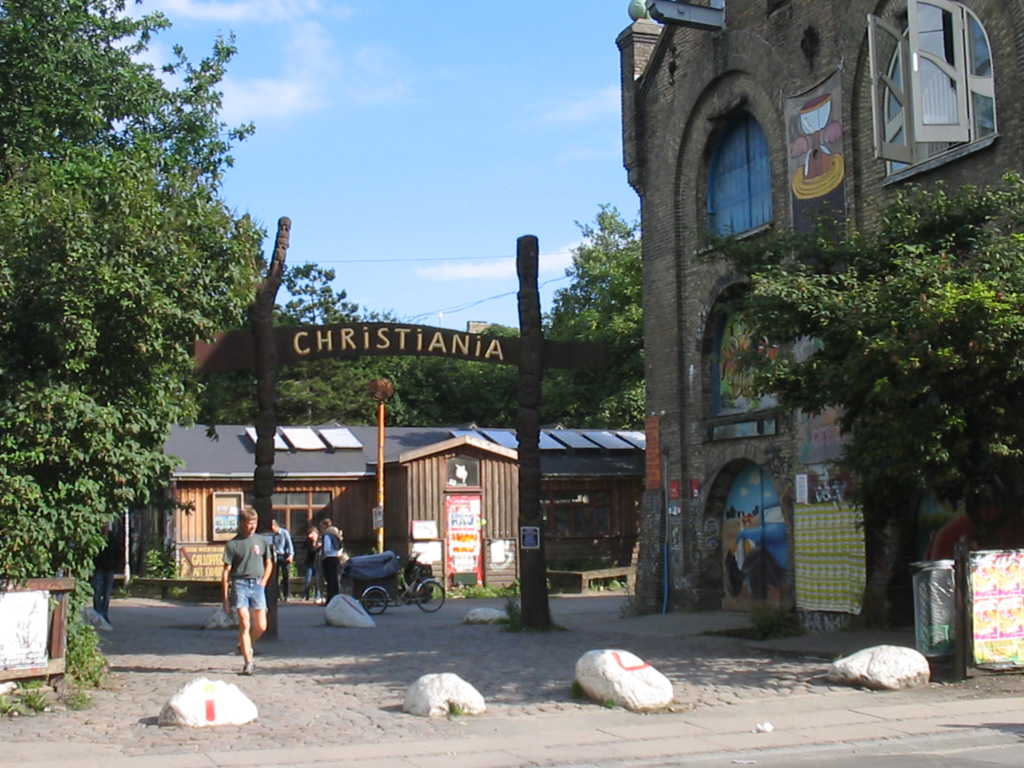
Occupying a sprawling, 84 acre former military fortress compound within the historic Christianshavn canal quarter, this self governing community operates on an entirely independent social model.
- What it is famous for: Being a world famous, autonomous anarchist commune founded in 1971 when squatted hippies and artists broke through the gates of an abandoned army barracks. Operating completely outside standard municipal laws, the freetown features its own unique flag, a collective direct democracy system, and a complete ban on cars. Visitors can walk along the gravel paths to discover incredible hand built eco houses, vibrant graffiti galleries, organic food markets, and open air concert venues that showcase a fiercely independent cultural soul.
5. Amalienborg Palace
The Monumental Rococo Sovereign of Octagonal Royal Squares and Guard Changing Sagas
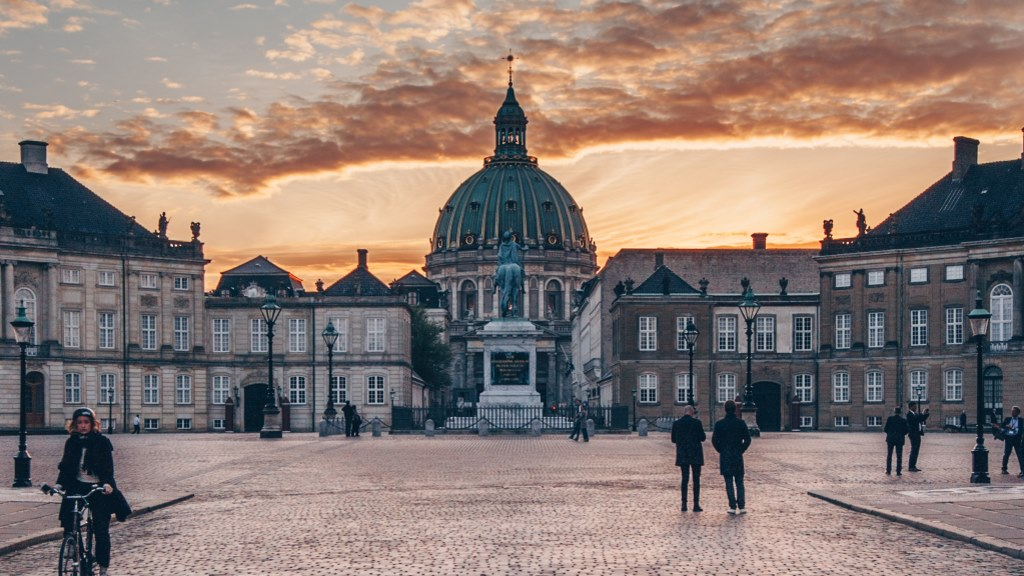
Dominating a grand, geometric public square within the elite Frederiksstaden district, this majestic complex serves as the official winter residence of the Danish Royal Family.
- What it is famous for: Its extraordinary symmetrical layout composed of four identical, noble palaces flanking a grand octagonal cobblestone plaza centered on a monumental statue of King Frederik V. Built in the 1750s as a high water mark of Danish Rococo architecture, the palace grounds offer an up close look at living royal history. Every day at noon, the square draws massive crowds who gather to watch the Royal Life Guards, clad in traditional bearskin hats and blue historical uniforms, march through the city streets for the ceremonial changing of the guard.
6. Christiansborg Palace
The Colossal Tectonic Matrix of Three Power Vaults, Royal Reception Tiers, and Ancient Ruins
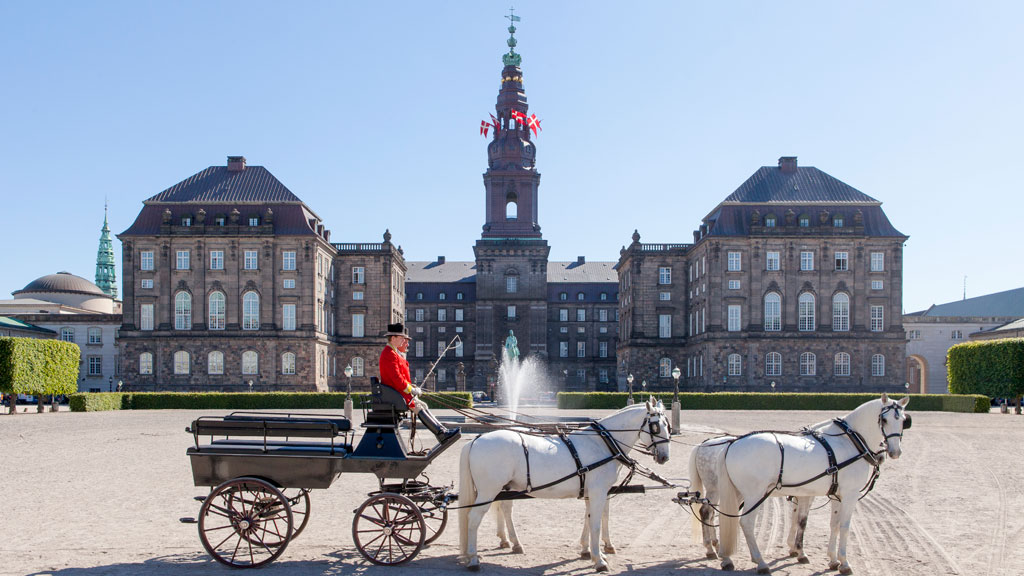
Sited dynamically on the historic island of Slotsholmen—the absolute birthplace of Copenhagen—this monumental neo baroque palace complex is a structural powerhouse.
- What it is famous for: Being the absolute political heart of Denmark and the only building in the world that houses all three branches of a nation’s supreme power: the Parliament, the Supreme Court, and the Prime Minister’s Office. The monumental complex features lavish Royal Reception Rooms adorned with world famous, ultra contemporary tapestries mapping 1,000 years of Danish history. Visitors can descend into the subterranean excavations beneath the modern castle to walk through the dark stone ruins of the original 1167 fortress built by Bishop Absalon.
7. Strøget
The Sprawling Retail Matrix of Historic Renaissance Fountains and High Fashion Promenades
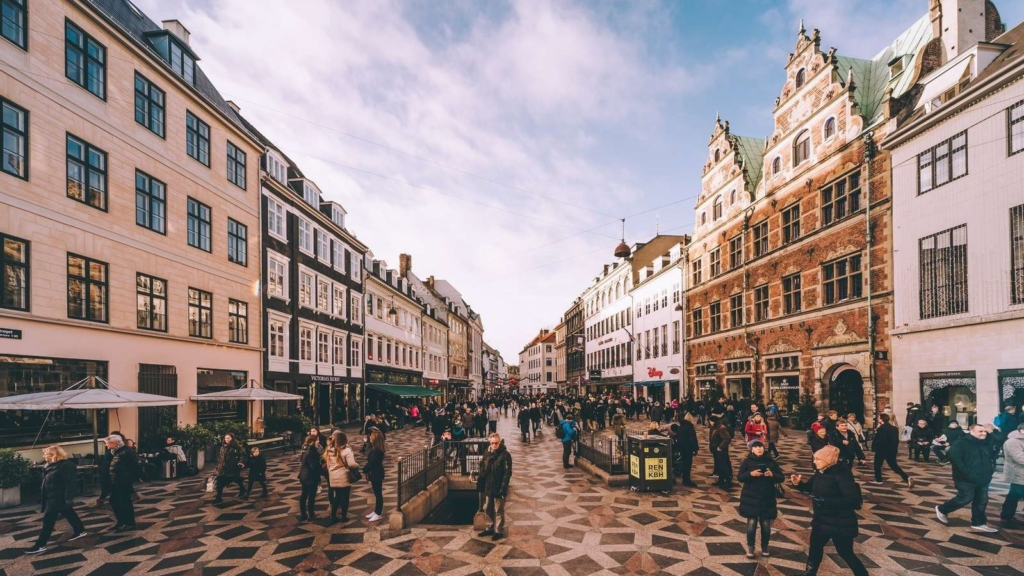
Slicing smoothly through the absolute historic core of the old city grid, this massive, multi street pedestrian artery represents one of the longest shopping streets in Europe.
- What it is famous for: Being a pioneering urban planning milestone, completely pedestrianized in 1962 to reclaim the historic old town center from vehicular congestion. The bustling avenue stretches over a kilometer from City Hall Square to Kongens Nytorv, lined with global high fashion flagship stores, cutting edge Danish design showrooms, and historic porcelain boutiques. Walking this vibrant path takes travelers past lively squares filled with street performers, street food stalls, and the famous Renaissance era Stork Fountain.
8. The Round Tower (Rundetårn)
The Breathtaking Equestrian Ramp Spiral of 17th Century Astronomers and City View Tiers
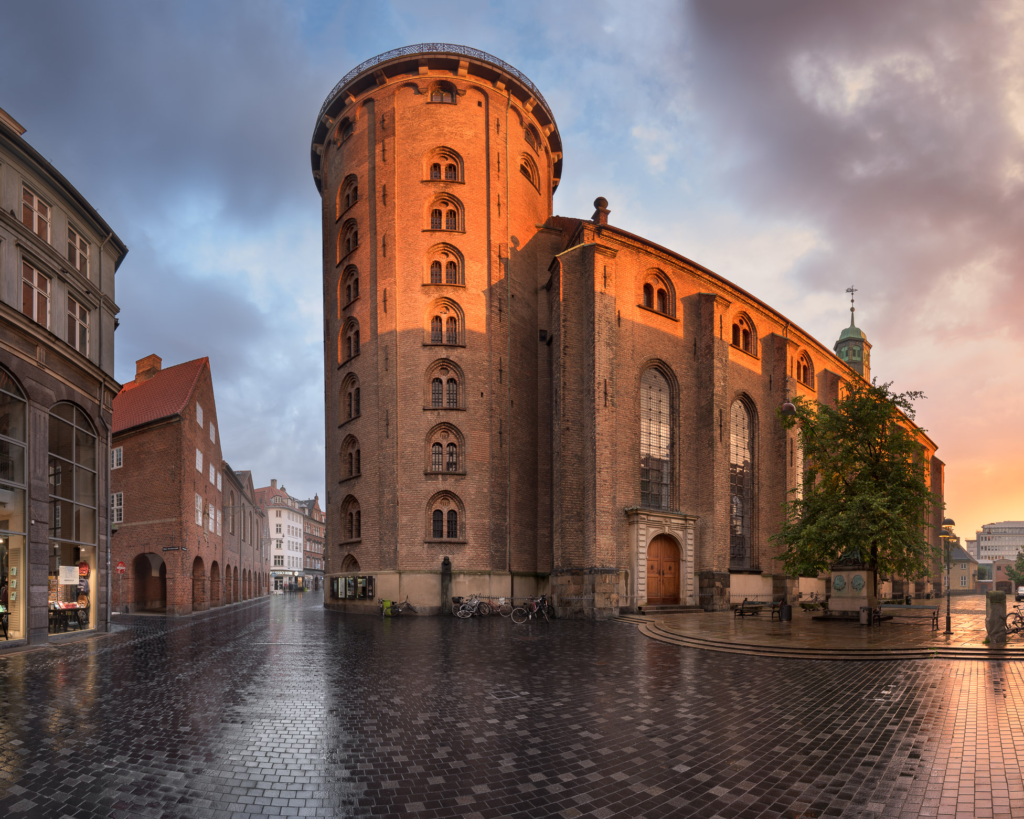
Commanding a striking, high profile footprint within the vibrant Latin Quarter, this unique 17th century cylindrical brick tower is an engineering marvel.
- What it is famous for: Being built by King Christian IV in 1642 as a state of the art astronomical observatory, featuring a spectacular, hollow core equestrian ramp instead of stairs. The smooth, 209 meter long spiral brick ramp was engineered precisely so that heavy astronomical instruments—and royal horse drawn carriages could be driven straight to the top platform. Climbing the spiral path takes visitors past a vast historic library hall to an open air, iron latticed roof observatory that provides a breathtaking 360 degree view over the red tiled roofs of the old city.
9. TorvehallerneKBH
The Savory Cultural Repository of Artisanal Smørrebrød Towers and Gourmet Nordic Bazaars
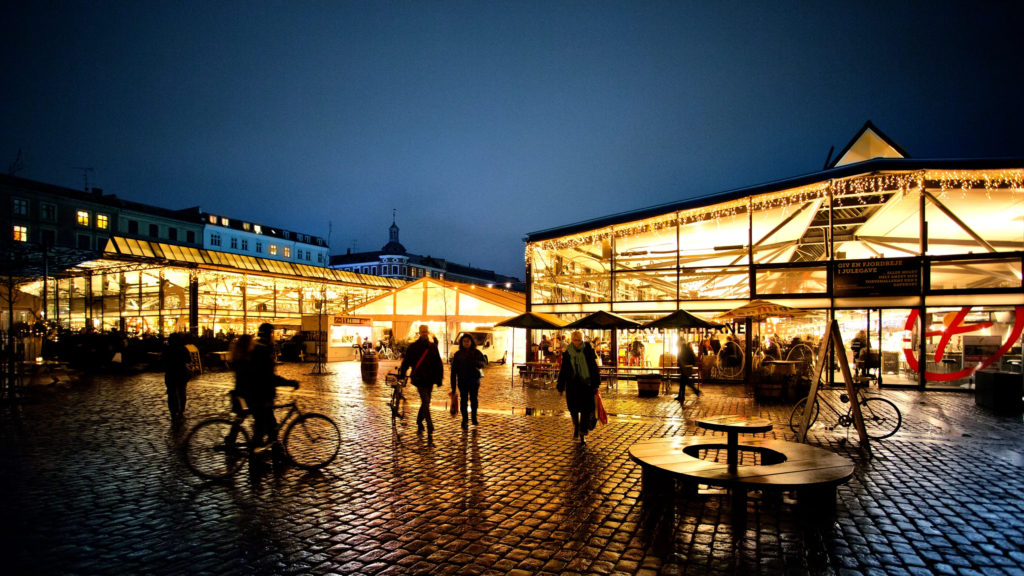
Occupying two massive, high tech glass and steel pavilion structures flanking the open public plaza of Israels Plads, this bustling culinary market is a food lover’s paradise.
- What it is famous for: Being the premier urban gastronomy market of Copenhagen, housing over eighty independent artisanal food stalls, bakeries, and gourmet coffee roasters. The market operates as a spectacular showcase for the best of Danish food culture, highlighted by ultra premium, fresh smørrebrød the iconic Danish open faced rye bread sandwich topped with pickled herring, rare roast beef, and wild herbs. It serves as a vital daily culinary hub where local chefs and city dwellers shop for fresh Baltic seafood, organic cheeses, and seasonal truffles.
10. Rosenborg Castle
The Stately Renaissance Sovereign of Crown Jewel Vaults and King’s Garden Lawns
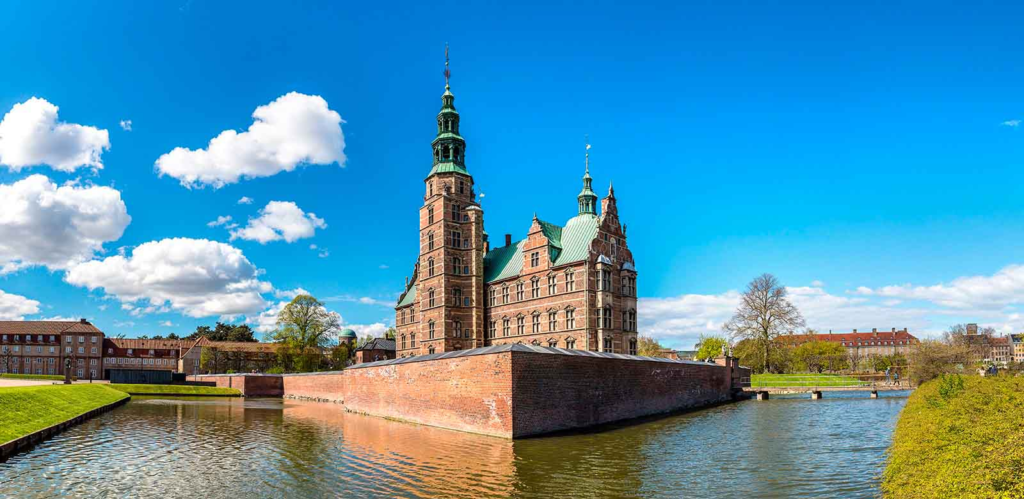
Nestled gracefully into the pristine, tree fringed expanses of the King’s Garden (Kongens Have) park quadrant, this romantic red brick castle is a masterwork of historic preservation.
- What it is famous for: Being a stunning 1606 Dutch Renaissance palace built as a royal summer residence, housing the absolute state treasures and Crown Jewels of Denmark. The castle’s turreted exterior remains completely unchanged across four centuries, opening into interior rooms lined with rich tapestries, ivory thrones, and royal mirrors. Visitors can descend into the heavily guarded, subterranean stone vaults to marvel at the glittering coronation crowns, jewel encrusted swords, and royal scepters of the monarchy.
11. CopenHill (Amager Bakke)
The Colossal Eco Matrix of Rooftop Alpine Ski Slopes and Industrial Clean Energy Horizons
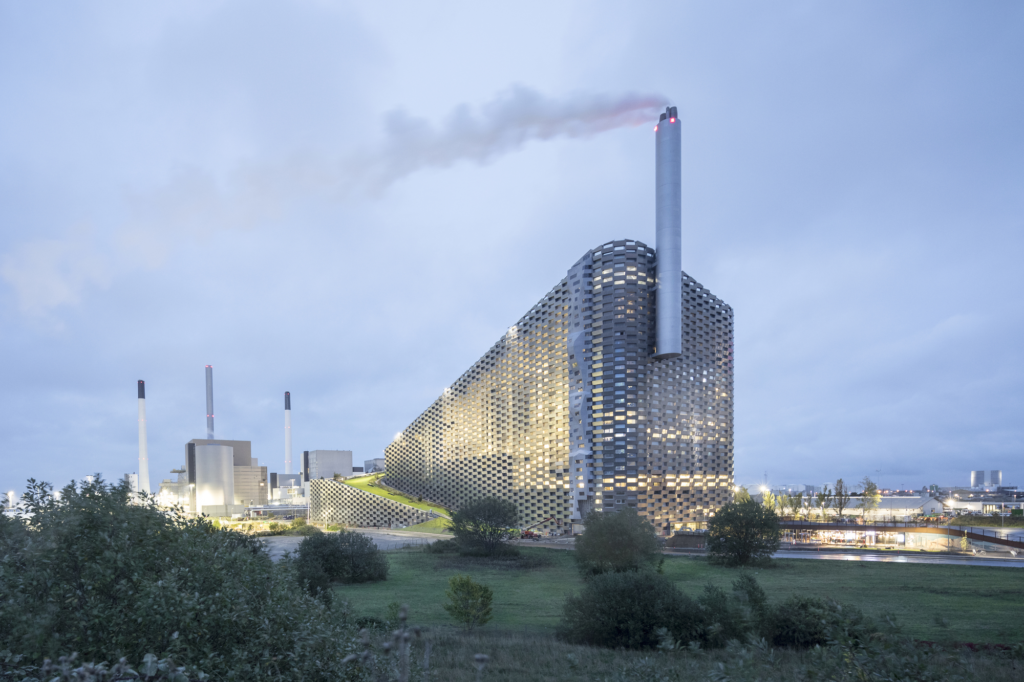
Dominating the industrial waterfront skyline of the Amager district, this revolutionary clean energy plant represents the absolute cutting edge of green architectural design.
- What it is famous for: Being a state of the art waste to energy power plant topped completely by an active, 400 meter long artificial alpine ski slope and hiking park. Designed by world renowned avant garde architect Bjarke Ingels, the massive building converts city waste into clean electricity and district heating while serving as a public recreational mountain. Bathers and outdoor enthusiasts can ski down a specialized green synthetic turf slope, scale the world’s tallest artificial climbing wall on the building’s facade, or hike up to a rooftop café for views over the harbor.