
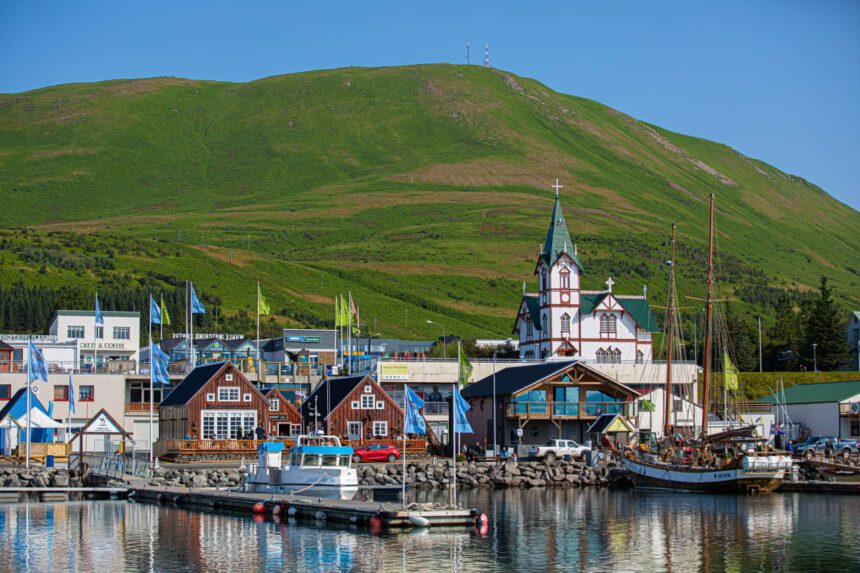
Húsavík, anchoring the absolute northeastern volcanic frontier of Iceland along the sweeping, whale-rich shores of Skjálfandi Bay, operates on a spectacular, amphitheater-like layout where maritime life meets active tectonic faults.
Historically recognized as the absolute oldest continuous settlement on the island, it was natively founded around 860 AD by Swedish Viking explorer Garðar Svavarsson, who built a winter homestead (hús) here and gave the bay its permanent cultural title of House Bay.
Evolving over centuries from a rugged shark-hunting station into the undisputed whale-watching capital of Europe, this subarctic harbor remains defined by its deep, preservation-forward connection to the cold northern seas.
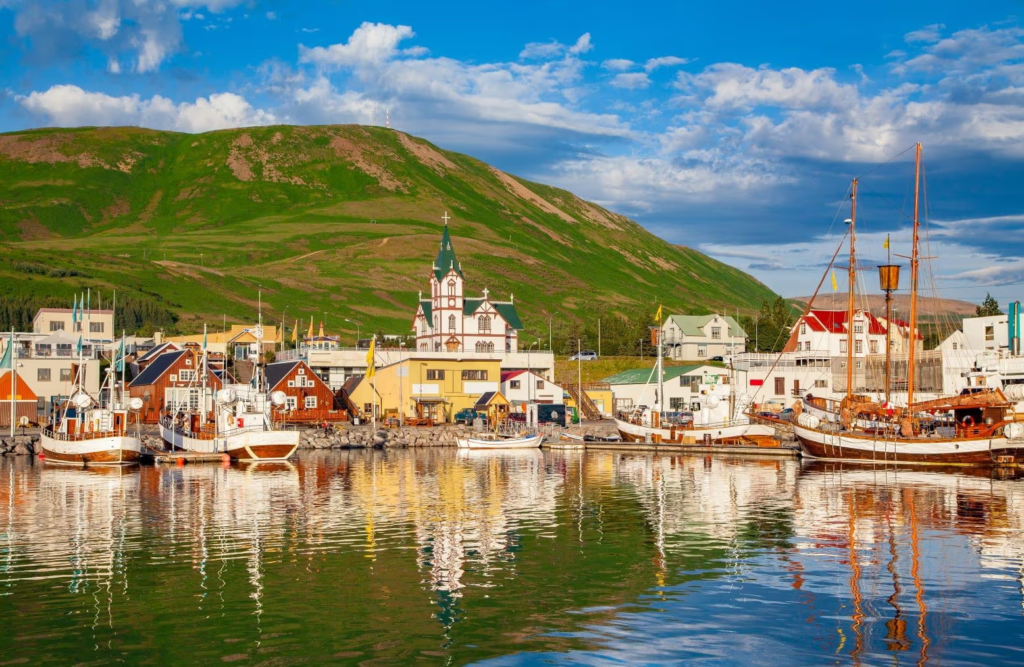
Today, Húsavík presents a striking urban matrix where beautifully restored 19th-century timber warehouses and multi-colored corrugated cottages ring a bustling horseshoe-shaped harbor.
The town effortlessly pairs its industrious seafaring pedigree with a playful, newfound cinematic global fame, serving as the real-world backdrop for a Hollywood musical sensation.
1. Húsavíkurkirkja (The Church of Húsavík)
The Monumental Alpine Sovereign of Crimson Cross-Gables and Heartwood Fjord Spires
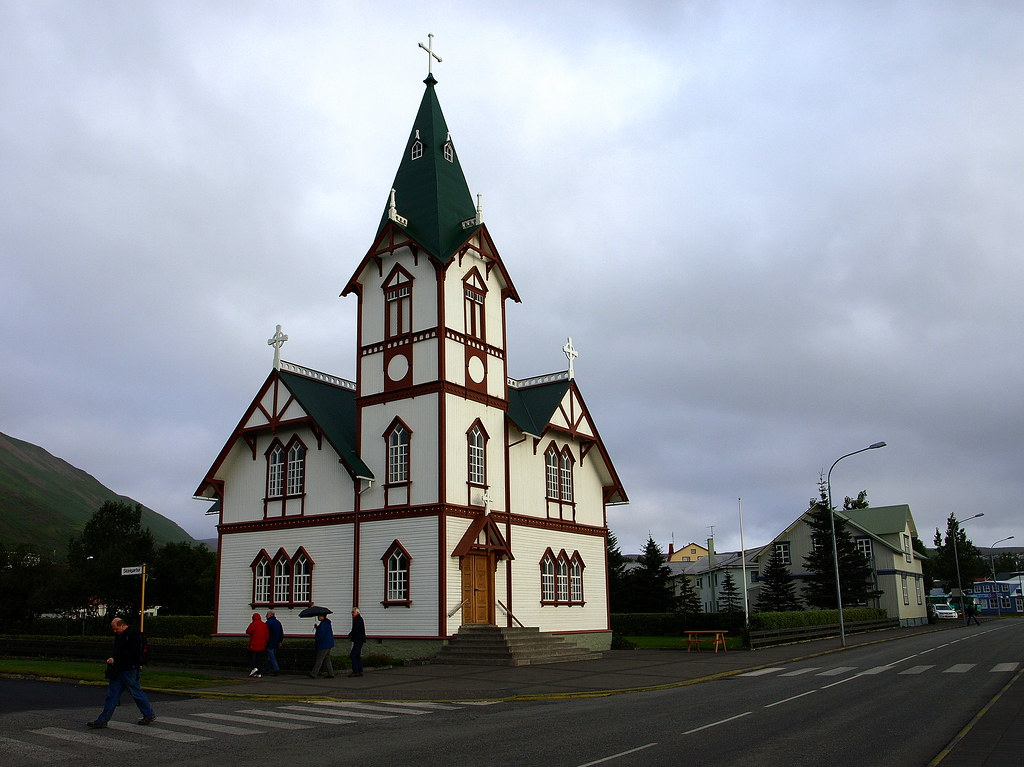
Dominating the absolute physical, visual, and spiritual heart of the harbor front, this striking wooden church stands proud as one of the most beautiful architectural icons in Iceland.
- What it is famous for: Being a unique, Swiss chalet-style house of worship built entirely from Norwegian heartwood pine, characterized by its vibrant crimson roof and elegant 26-meter-high bell tower. Completed in 1907 by local craftsman Rögnvaldur Ólafsson, the church’s distinct cross-gabled architecture makes it look like an alpine treasure box transported to a subarctic fjord. Its light-flooded interior features a beautiful altar painting depicting the resurrection of Lazarus, crafted using local citizens as models for the biblical figures.
2. Húsavík Whale Museum (Hvalasafnið)
The Colossal Environmental Matrix of Real Blue Whale Skeletons and Marine Conservation Trails
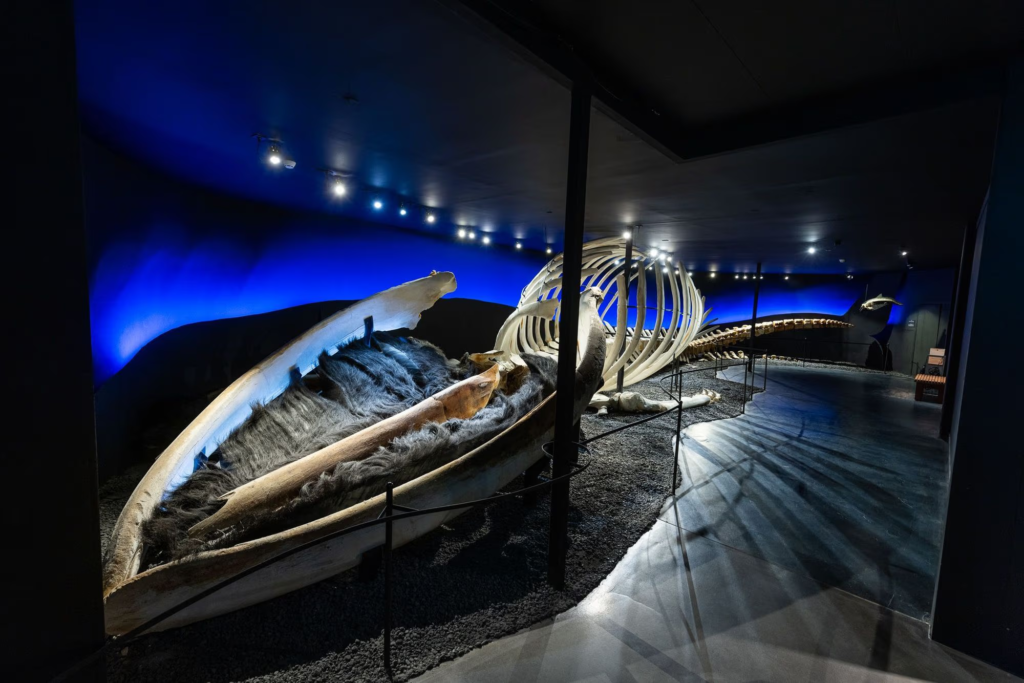
Occupying a massive, masterfully converted historic slaughterhouse building right on the edge of the central harbor docks, this world-class institution holds the environmental soul of the north.
- What it is famous for: Being one of the few museums in the world dedicated entirely to the biology, history, and conservation of cetaceans, featuring 11 authentic whale skeletons. The absolute centerpiece of the exhibition hall is a colossal, 25-meter-long real skeleton of a Blue Whale that washed ashore in North Iceland. The multi-tiered galleries use specialized underwater lighting and soundscapes to educate visitors on the complex ecosystem of Skjálfandi Bay, tracing the town’s transition from historic whale hunting to global conservation leadership.
3. GeoSea Geothermal Sea Baths
The Breathtaking Cliffside Oasis of Mineral-Rich Salt Pools and Arctic Circle Horizons
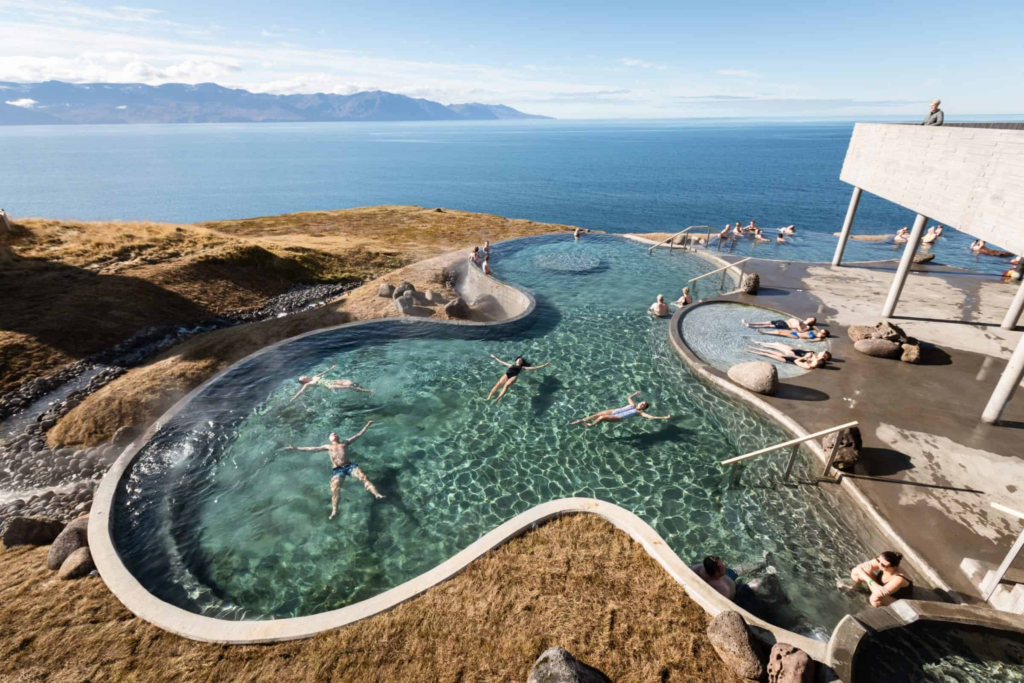
Perched elegantly on the sheer, windswept cliffs of Húsavíkurhöfði mountain just north of the town center, this cutting-edge infinity spa is a modern wellness masterpiece.
- What it is famous for: Its spectacular infinity-edge pools filled with steaming, mineral-rich geothermal seawater that flows continuously over the basalt rock edges. Because the water is pumped directly from deep subterranean volcanic fissures beneath the sea floor, it is completely free of chemicals and naturally enriched with sea salts and healing minerals. Bathers can soak in the 38°C waters while looking straight out across the open ocean toward the Arctic Circle, often spotting breaching humpback whales in the bay below.
4. Traditional Whale Watching Safaris (The Old Harbour)
The Sprawling Maritime Runways of Oak Schooners and Humpback Tail-Slapping Horizons
Slicing smoothly through the absolute commercial core of the waterfront, the historic wooden piers serve as the primary launching pad for arctic marine expeditions.
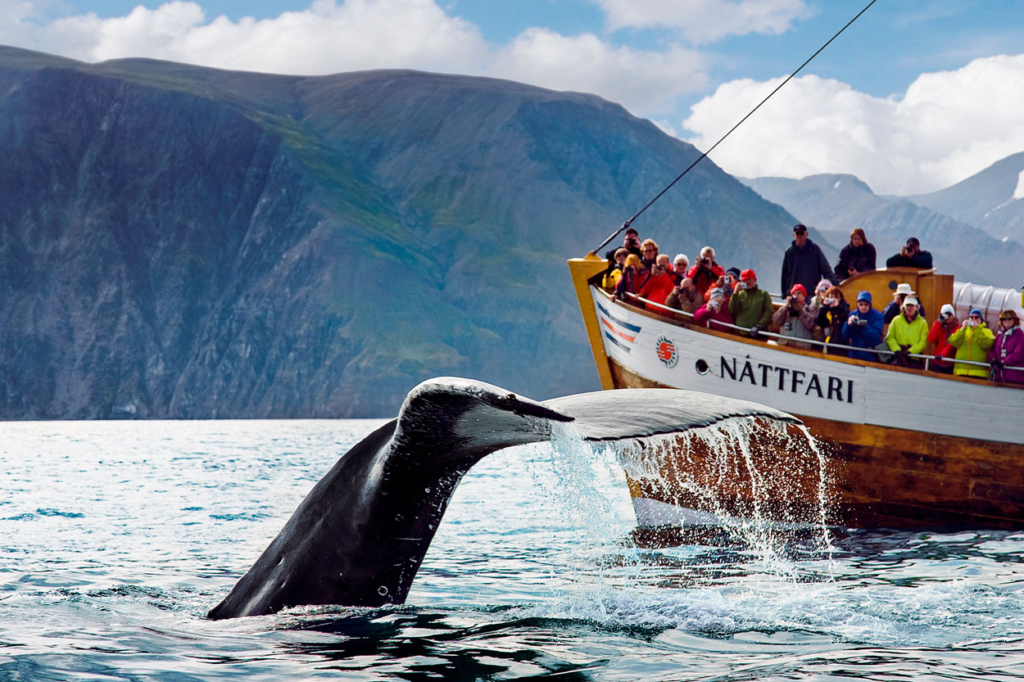
- What it is famous for: Hosting Iceland’s premier fleet of traditional, silent wooden oak sailboats and hybrid eco-schooners that achieve a 98% success rate for whale sightings. Visitors pull on heavy thermal overalls to sail out into the deep, nutrient-dense currents of Skjálfandi Bay, where massive humpback whales, minke whales, and rare blue whales gather to feed. The silent propulsion of the traditional vessels allows travelers to glide within meters of these gentle giants without disrupting their natural marine behaviors.
5. The Eurovision Exhibition & Jónas Wine Bar
The Quirky Cultural Repository of Cinematic Elves, Glitter Costumes, and Volcano Man Sagas
Tucked into a cozy, historic street corner overlooking the main harbor promenade, this vibrant museum complex celebrates Húsavík’s modern cinematic legacy.
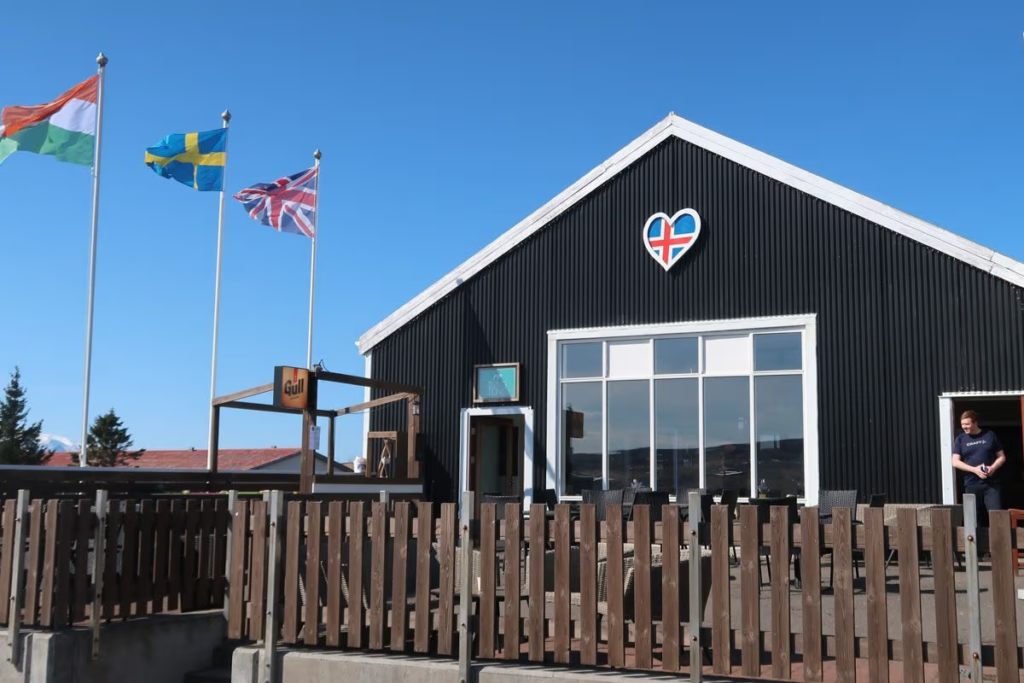
- What it is famous for: Being the official exhibition dedicated to the hit Netflix movie Eurovision Song Contest: The Story of Fire Saga, which catapulted the town into global pop-culture stardom. The museum houses authentic glitter costumes, movie props, and a whimsical outdoor “Elf Village” modeled precisely after the film. Visitors can explore the movie’s history before grabbing a drink at the adjacent Jónas Wine Bar, named after the film’s iconic character, to toast the Oscar-nominated anthem “Húsavík (My Hometown).”
6. Puffin Island (Lundey)
The Pristine Ocean Sanctuary of Cliffside Burrow Trails and Neon-Beaked Aviary Skies
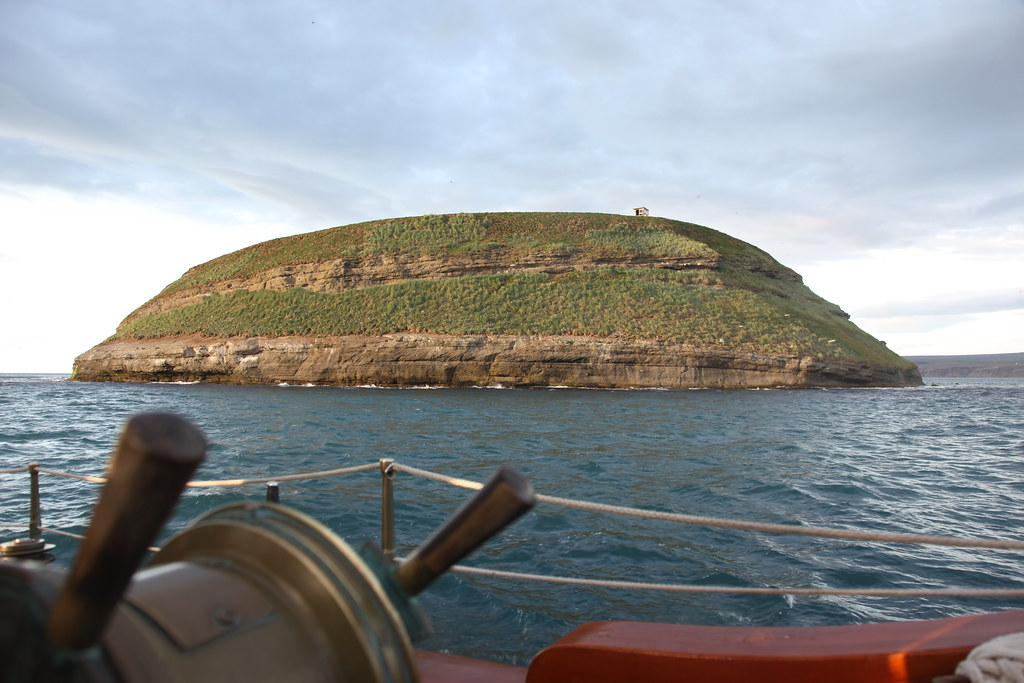
Floating gracefully like a emerald shield just a short, scenic boat ride out into the cold waters of Skjálfandi Bay, this uninhabited basalt island is an eco-tourism haven.
- What it is famous for: Being one of the most densely populated Atlantic Puffin nesting colonies in Iceland, hosting over 100,000 breeding pairs every summer. The steep, grass-topped volcanic cliffs of the island are completely honeycombed with nesting burrows. Specialized whale-watching and puffin-watching boats circumnavigate the rocky shores, allowing travelers to view millions of these colorful, neon-beaked seabirds as they dive for sand eels and swarm the subarctic skies.
7. The District Culture House (Safnahúsið á Húsavík)
The Stately Cultural Repository of Polar Bear Trophies and Maritime Settlement Sagas
Commanding a prominent public stone platform on the green hillsides rising just above the old town grid, this multi-floor museum holds the historical memory of the district.
- What it is famous for: Housing an extraordinary ethnographic collection detailing northern survival, highlighted by a famous stuffed polar bear that drifted to Iceland on sea ice in 1969. The maritime exhibitions display beautifully preserved 19th-century hand-line rowboats, shark-liver boiling cauldrons, and ancient navigational tools. The archive rooms chart the harsh daily realities faced by the early settlers of the high north, offering an intimate look at the folk art and literature born from isolation.
8. Húsavíkurhöfði Cape & Lighthouse
The Bold Architectural Sentinel of Bright Orange Vaults and Tectonic Fjord Overlooks
Dominating the high volcanic cliffs that shelter the northern approaches of the harbor, this dramatic headland is a favorite spot for hiking and panoramic views.
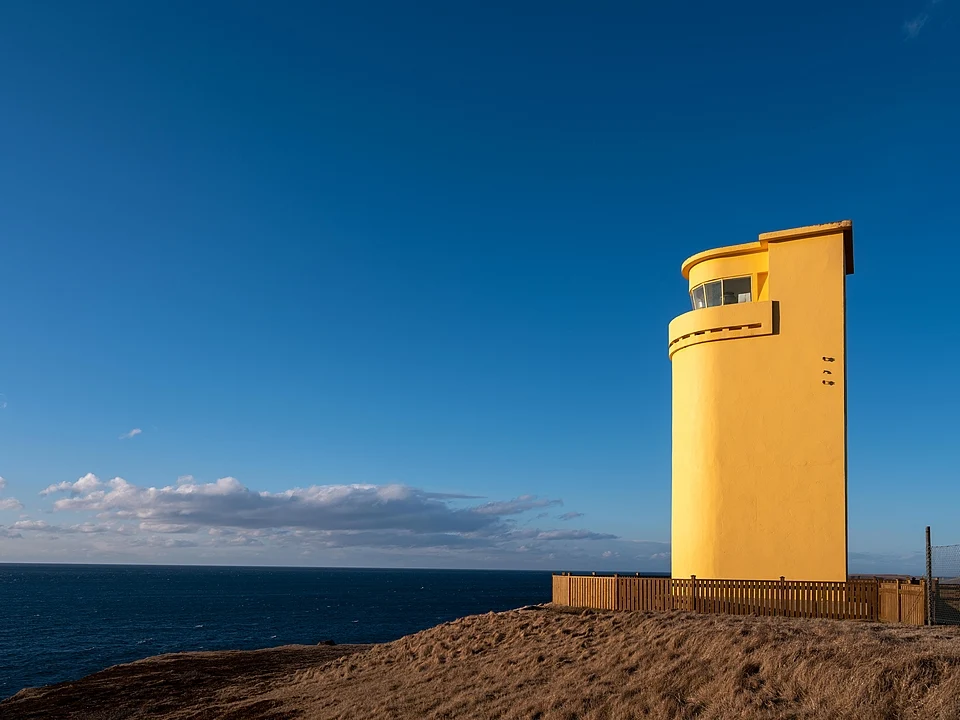
- What it is famous for: Its striking, bright orange minimalist lighthouse tower that stands as a historic beacon for fishermen navigating the treacherous northern seas. The walking trails along the cape cross directly over active geological fault lines associated with the Tjörnes Fracture Zone. Hiking to the summit rewards travelers with an unparalleled bird’s-eye view stretching across the entire bay, making it a premier spot for watching the midnight sun dip toward the ocean horizon.
9. Gamli Baukur
The Savory Cultural Repository of Drifting Harbor Timbers and Fresh Caught Ocean Bakes
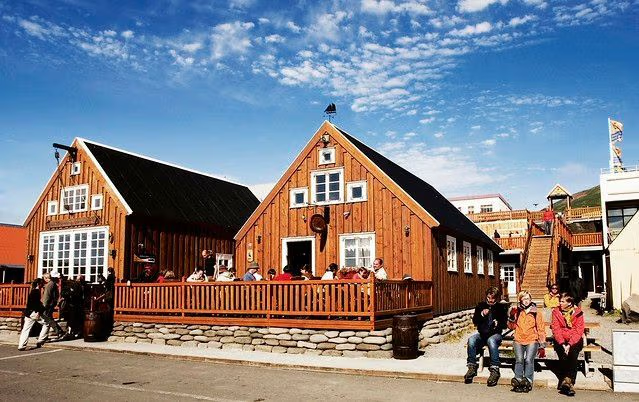
Occupying a prime, high-profile waterfront footprint constructed directly out of massive maritime timbers on the harbor edge, this rustic restaurant is a culinary landmark.
- What it is famous for: Being built entirely from local driftwood recovered from the arctic shores, operating as a living monument to Icelandic seafaring hospitality. The interior features thick wooden beams, vintage fishing nets, and maritime relics, serving up premium plates of pan-seared ocean arctic charr, traditional lamb stews, and hot rye bread. The outdoor patio serves as the ultimate social hub where sailors, whale-watchers, and locals gather to share sea stories under the evening sky.
10. Kaldbaksfjall Mountain Trails
The Colossal Basalt Sentinel of Glacial Lake Paths and Panoramic Tundra Horizons
Rising grandly as a massive geographical anchor directly behind the eastern limits of the town grid, this flat-topped mountain massif dominates the inland horizon.
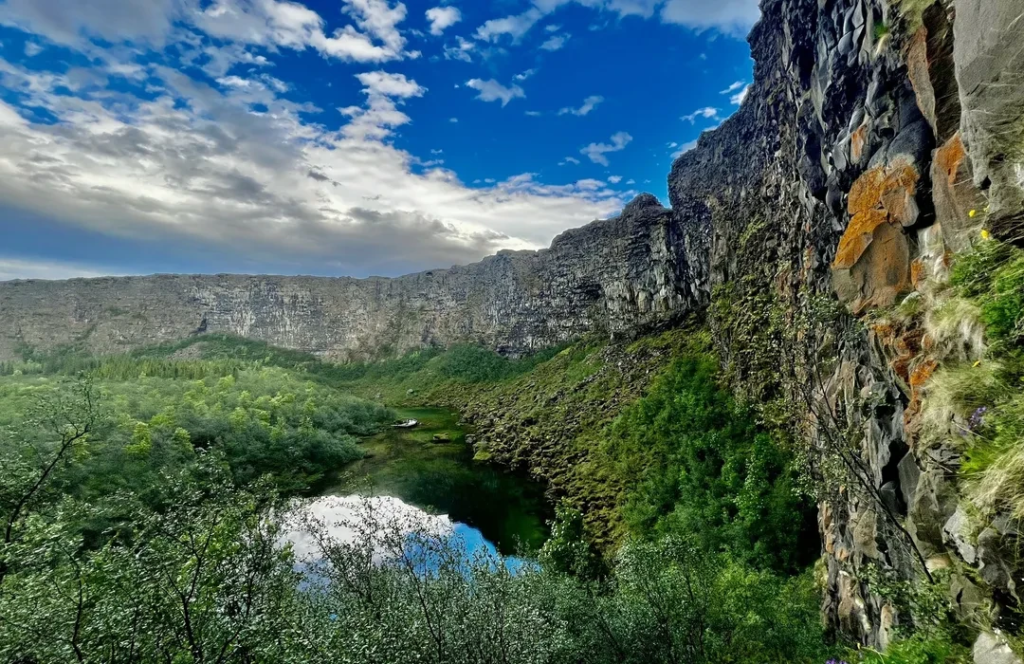
- What it is famous for: Its extensive network of panoramic alpine hiking paths that lead up to hidden geothermal ponds and pristine, high-altitude glacial lakes. The lower valleys of the mountain are home to Kaldbakstjarnir, a unique area of warm lakes where ornamental goldfish, introduced decades ago, successfully breed and thrive in the wild due to geothermal runoffs. Climbing the steeper ridges provides a breathtaking lookout over the volcanic landscape of the diamond circle.
11. The Exploration Museum (Könnunarsafnið)
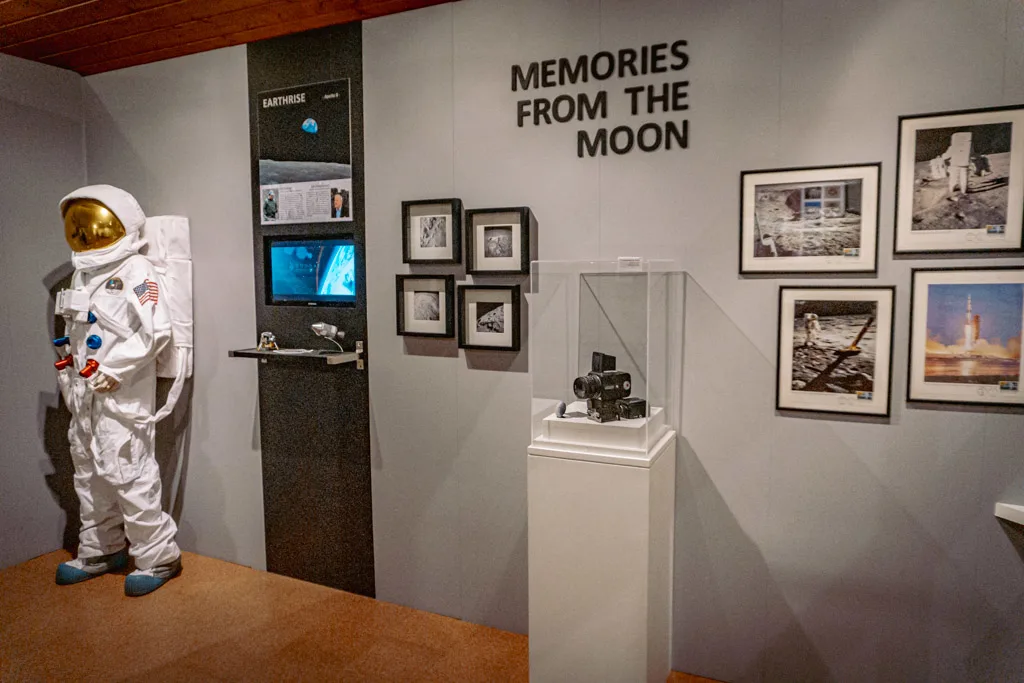
The Enigmatic Timber Vault of Lunar Astronaut Suits and High-Latitude Training Relics
Tucked quietly into a sleek, dark-stained wood building just a block inland from the harbor front, this specialized museum celebrates the ultimate limits of human discovery.
- What it is famous for: Honoring the history of human exploration, highlighted by the official training missions conducted in Iceland by NASA’s Apollo astronauts ahead of the moon landings. Because the volcanic geology around Húsavík closely mimics the lunar surface, space icons like Neil Armstrong and Buzz Aldrin trained here in 1965 and 1967. The museum houses authentic space suits, training equipment, deep photographic archives, and historical artifacts charting polar and deep-sea expeditions.