
Differdange, anchoring the southwestern industrial frontier of Luxembourg within the dense, iron-rich valley of the Chiers River, operates on a spectacular landscape matrix where heavy manufacturing muscle meets futuristic scientific innovation.
Historically originating as a modest valley village centered around an ancient Cistercian abbey, this southern stronghold underwent a massive transformation in the late 19th century when the discovery of regional Minette iron ore turned it into an international steel-producing juggernaut.
Because the municipality fiercely preserved its massive operational steel rolling plants, 17th-century renaissance bastions, and sprawling open-cast mine craters rather than flattening them, it earned its permanent cultural status as the “Iron City” of the Red Rock Country and a primary hub of Luxembourg’s modern industrial design, interactive research, and working-class pride.
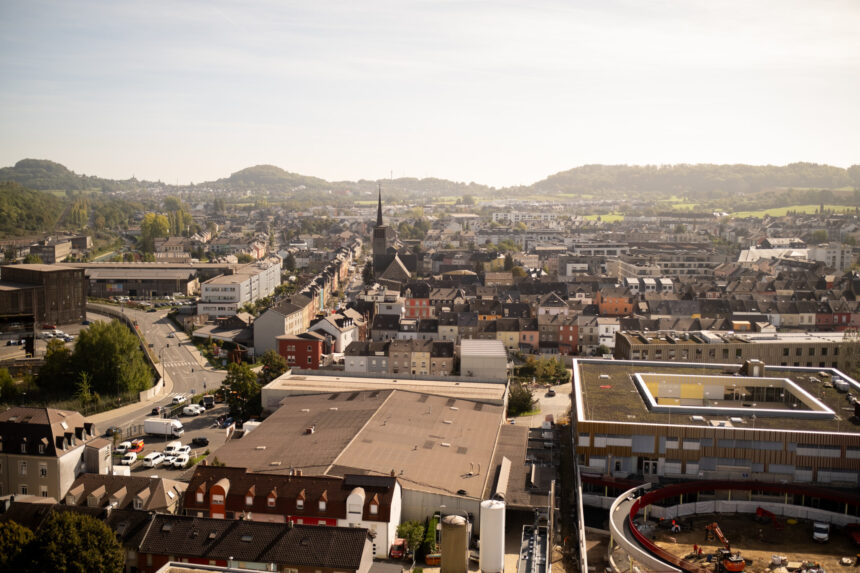
Today, Differdange presents a striking architectural matrix where towering grey-iron factories and historic noble stone estates stand directly beside clean-lined, modern university research complexes and interactive science halls.
The metropolis effortlessly pairs its deep, grit-tested labor heritage with a progressive passion for public street murals, green eco-preserves, and a highly connected, multicultural urban lifestyle.
1. Luxembourg Science Center
The Spectacular Architectural Sovereign of Interactive Electric Tesla Coils and High-Tech Physics Arenas
Dominating a massive public footprint within a beautifully repurposed historic industrial hall on the Rue de Mértert, this state-of-the-art educational complex stands proud as the premiere interactive science hub of the nation.
- What it is famous for: Being a world-class, hands-on science and technology museum featuring over 100 interactive experimental stations and a monumental 1.5-million-volt giant Tesla coil. The center allows visitors of all ages to physically engage with the laws of physics, fluid dynamics, and robotics through play. Specialized daily show laboratories offer dramatic live demonstrations covering materials science, electricity, and chemistry, celebrating the city’s ongoing transformation from raw manual steel production to advanced high-tech engineering.

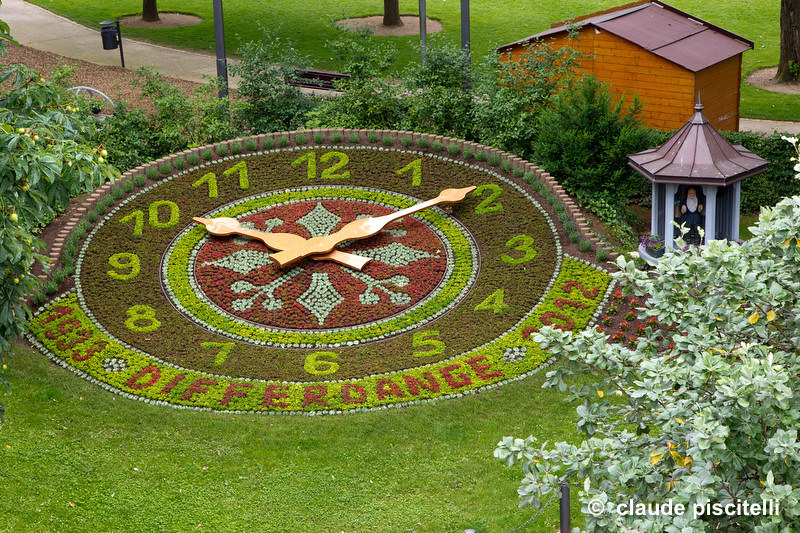
2. Parc Gerlache
The Picturesque Walking Runway of Historic Victorian Bandstands and Sinuous Floral Fountain Horizons
Slicing smoothly through the absolute geographic and commercial core of the old town center, this pristine municipal parkland serves as the primary green sanctuary for city dwellers.
- What it is famous for: Its enchanting, old-world landscape layout featuring a magnificent central stone fountain, a historic ornate bandstand pavilion, and a stunning collection of ancient monumental trees. Named after a prominent local philanthropic family, the park features immaculate flower borders, winding paved walkways, and dedicated open-air art installations. The public grounds function as a vibrant social stage for seasonal community gatherings, open-air classical music performances, and relaxed weekend walking paths.
3. Lasauvage Artisanal Village
The Enchanting Open Air Oasis of Red-Brick Worker Cottages and French Border Mining Sagas
Tucked quietly within a deep, heavily forested valley basin directly along the French border, this historic hamlet is a beautifully preserved example of a 19th-century industrial company town.
- What it is famous for: Being the oldest industrial workers’ village in Luxembourg, featuring uniform red-brick worker cottages, an old schoolhouse, and a historic neo-gothic church built by the mining magnat Count Fernand de Saint-Ignon. Local folklore links the valley’s name to a legendary wild woman who lived in the nearby rock caves. Today, the car-free village operates as a living open-air museum, where visitors can walk past historic mining wash-houses, independent artist studios, and traditional French-Luxembourgish border taverns.

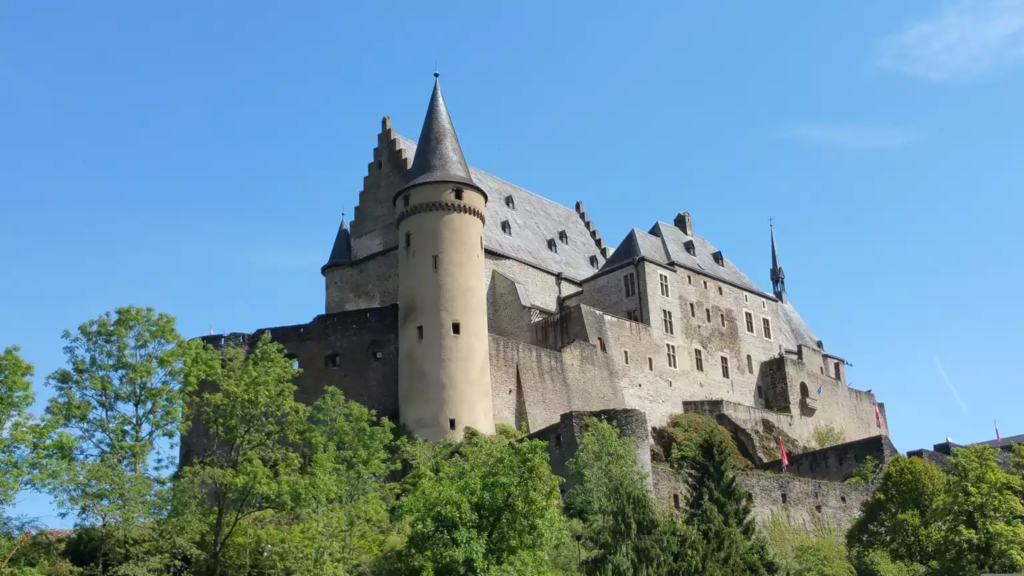
4. Differdange Castle (Château de Differdange)
The Stately Architectural Sovereign of Renaissance Moats and International Academic Vaults
Commanding a majestic stone hill platform overlooking the historic urban core from its wooded slopes, this elegant 17th-century fortress represents the noble architectural soul of the region.
- What it is famous for: Being a magnificent Renaissance-era fortified castle complete with a stone bridge and formal courtyard, now serving as the European campus for Miami University of Ohio. Originally constructed in 1577 on the foundations of a medieval stronghold, the castle successfully survived centuries of regional conflict to become a center for global higher education. While the grand interior halls operate as an active academic facility, the outer ramparts and landscaped noble lawns offer scenic viewing areas overlooking the old city streets below.
5. Fond-de-Gras Industrial & Railroad Park
The Sprawling Eco Matrix of Vintage Steam Locomotives and Subterranean Iron Ore Shafts
Sited dynamically within a hidden valley gorge just a brief transit ride west of the city center, this massive open-air heritage complex maps the raw origin of the local mining boom.
- What it is famous for: Hosting the historic Train 1900 steam railway and the Minièresbunn underground mine train, taking travelers on a nostalgic journey through preserved 19th-century rail networks and raw iron tunnels. Fond-de-Gras once served as one of the busiest iron ore transshipment stations in the country. Today, visitors can explore authentic historic grocery stores, vintage rolling stock sheds, and descend directly into the subterranean mining tracks where laborers historically hand-shoveled the rich red earth.

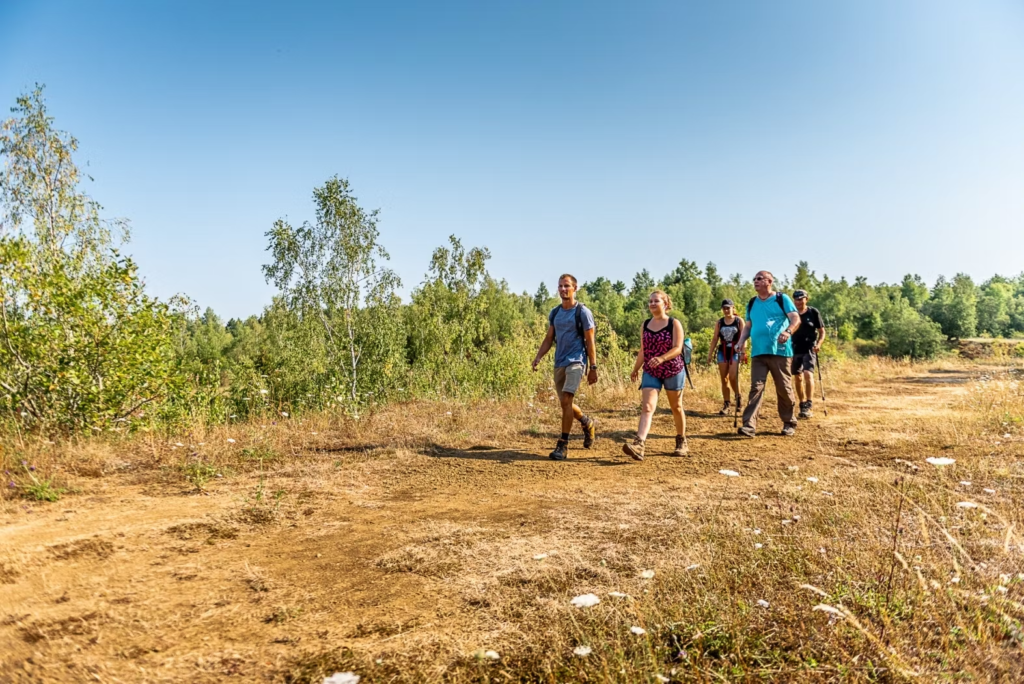
6. Prënzebierg Nature Reserve (Giele Botter)
The Breathtaking Prehistoric Sovereign of Open-Cast Mine Craters and Regenerated Orchid Trails
Perched majestically across a vast, elevated plateau along the southern borders of the municipal line, this protected eco-haven showcases the power of natural reclamation.
- What it is famous for: Being a thriving nature reserve engineered over the striking terraced topography of a colossal, abandoned open-cast iron mining complex. Locally named “Giele Botter” (Yellow Butter) after the distinct coloration of the local sandstone layers, the landscape features dramatic sheer rock faces and deep mining craters. A network of educational walking paths takes hikers past historic geological faults, abandoned industrial equipment, and unique habitats where rare wild orchids and amphibians flourish in the reclaimed red soil.
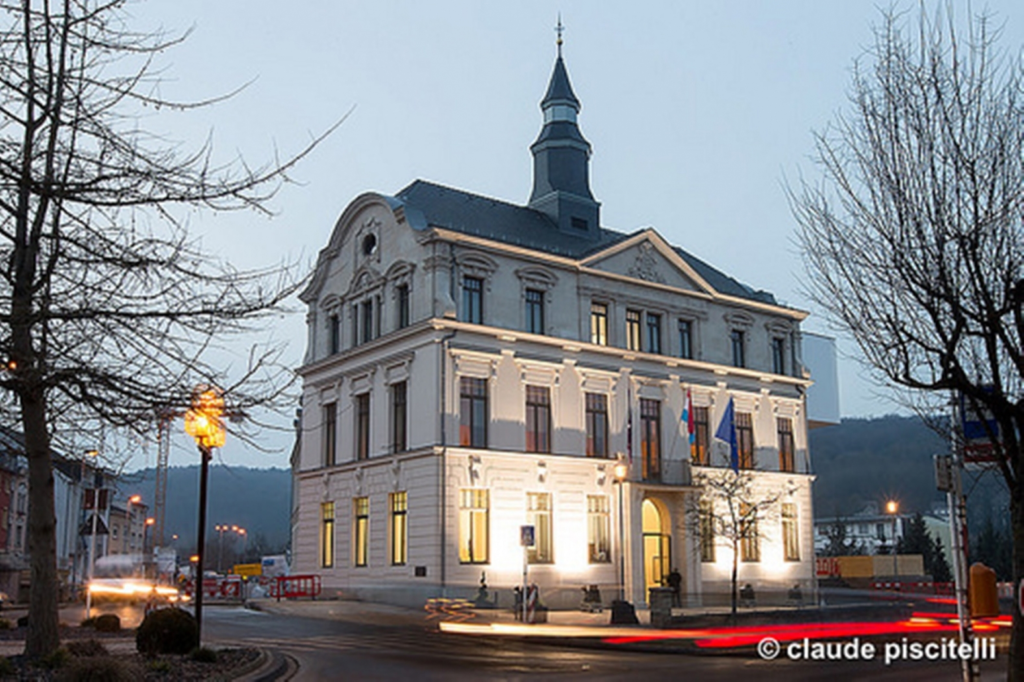
7. Aalt Stadhaus (Cultural Center)
The Colossal Modern Sovereign of Steel Performance Arenas and Multi-Media Creative Vectors
Dominating a prominent public corner within the revitalized center town grid, this cutting-edge cultural palace stands proud as the creative powerhouse of the municipality.
- What it is famous for: Being the premier multidisciplinary cultural center of Differdange, holding a grand 200-seat theater hall, a massive public library, and the municipal school of music. The sleek, modern architectural building features large glass walls and zinc facades designed to reflect the city’s metalworking heritage. It functions as a high-energy hub where independent film screenings, contemporary jazz concerts, literature festivals, and avant-garde art exhibitions intersect.
8. ArcelorMittal Steel Plant Heritage
The Savory Cultural Repository of Mega-Structural Steel Beams and Industrial Rolling Masteries
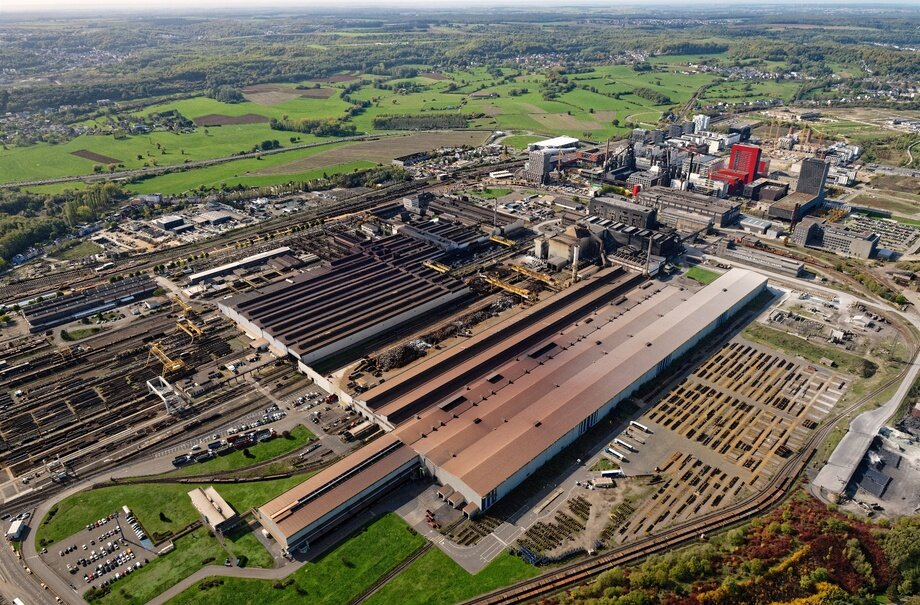
Occupying a massive industrial footprint running through the heart of the valley floor, this operational metallurgical giant represents the absolute economic core of the town.
- What it is famous for: Being a world-renowned steel mill famous for inventing and manufacturing the legendary “Grey” structural steel beams—the ultra-heavy steel columns used to build global skyscrapers like the Freedom Tower in New York. For over a century, the Differdange mills have driven global skyscraper construction and structural engineering. While the high-security active factory floors remain closed to the public, the massive external cooling towers and historic gas engine halls dominate the city’s skyline as monumental symbols of living labor history.
9. 1535° Creative Hub
The Radiant Cultural Repository of Repurposed Factory Labs and Avant-Garde Artisan Vectors
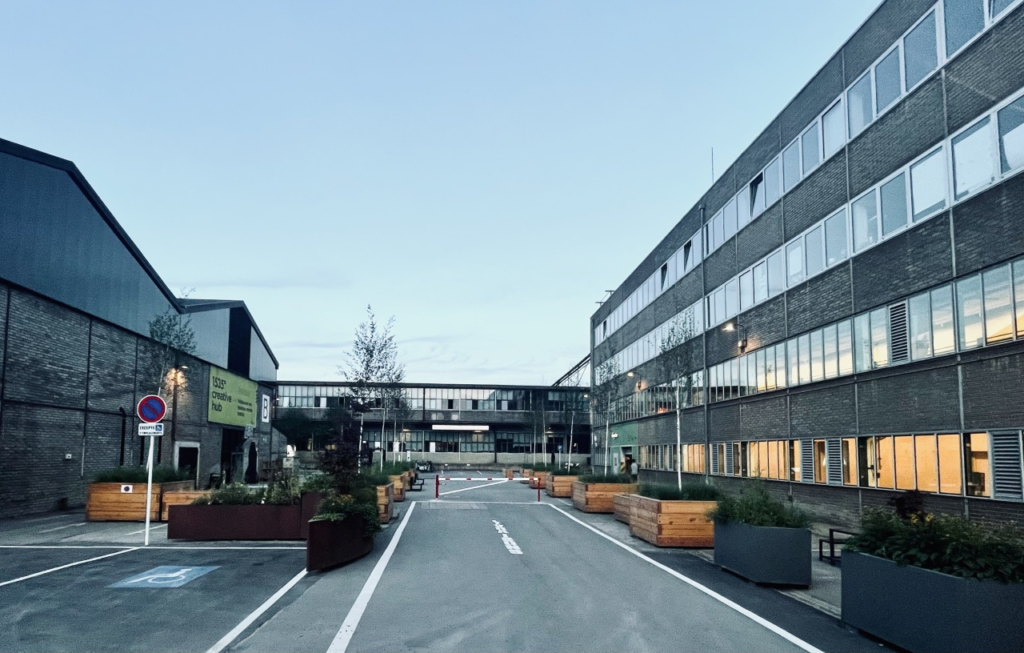
Tucked quietly inside a sprawling, beautifully transformed former steelworks facility on the Rue de la Déportation, this innovative complex holds the bohemian creative soul of the city.
- What it is famous for: Being Luxembourg’s largest creative entrepreneurial hub, where old industrial workshops have been transformed into over 40,000 square meters of independent studio spaces for artists, filmmakers, and digital designers. The complex’s name honors the exact melting point of pure iron (1535° Celsius), bridging the city’s industrial past with its creative future. Visitors can explore a vibrant collective of recording studios, design labs, fashion workshops, and a popular industrial-themed craft cafe.
10. Crosnière Sports Complex & Stade Municipal
The High-Energy Public Sovereign of Athletics Tracks and Championship Football Arenas
Slicing smoothly along the western residential borders of the Oberkorn district, this sprawling municipal sports complex represents the elite athletic lifestyle of the community.
- What it is famous for: Hosting the state-of-the-art municipal stadium and aquatics facilities that serve as the home training grounds for FC International Differdange, the city’s championship football club. The park layout showcases modern synthetic athletic tracks, indoor sports halls, and extensive green training fields. It functions as a high-energy gathering place for regional sports tournaments, youth athletics leagues, and international football matches that draw passionate cross-border crowds.

11. Thillenvogtei Living History Museum
The Breathtaking Ancestral Sovereign of Heritage Agricultural Vaults and Wood-Fired Baking Chants
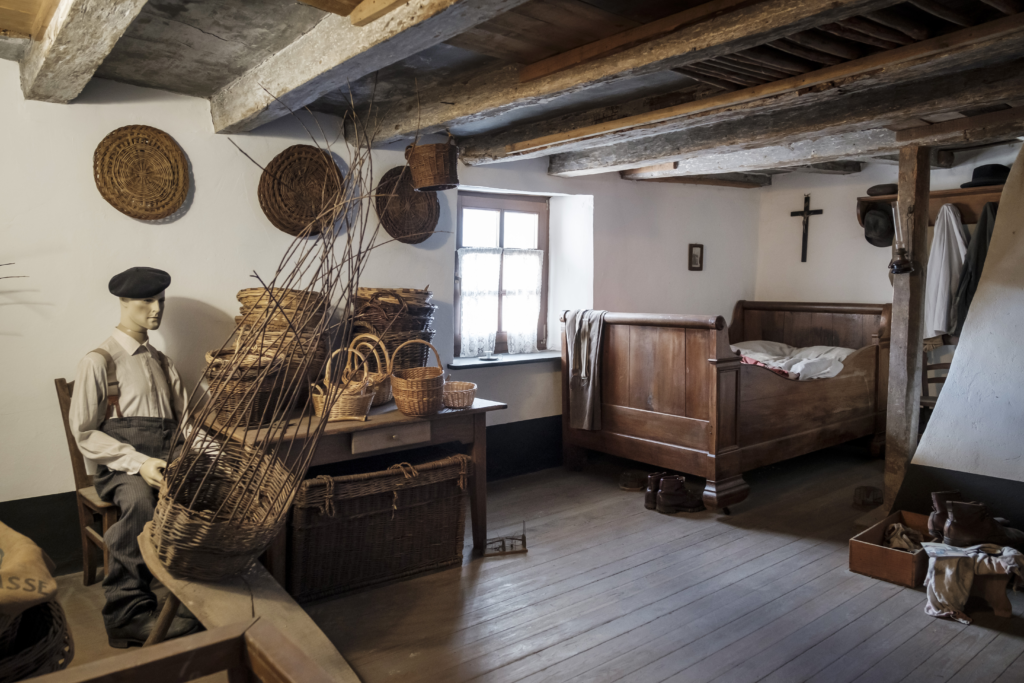
Sited dynamically within a historic, beautifully restored farmhouse complex in the neighboring rural district of Wahl, this unique cultural center preserves the ancient farming arts of the region.
- What it is famous for: Being an interactive living history museum that demonstrates traditional Luxembourgish agricultural life, vintage steam-powered harvesting machinery, and historic domestic crafts from the 19th century. Visitors can step back in time to participate in hands-on historical activities, such as threshing grain, forging iron tools, and baking traditional loaves in an original wood-fired stone oven. The museum serves as an immersive educational platform where families can experience the gritty rural lifestyle that existed before the great iron boom.