
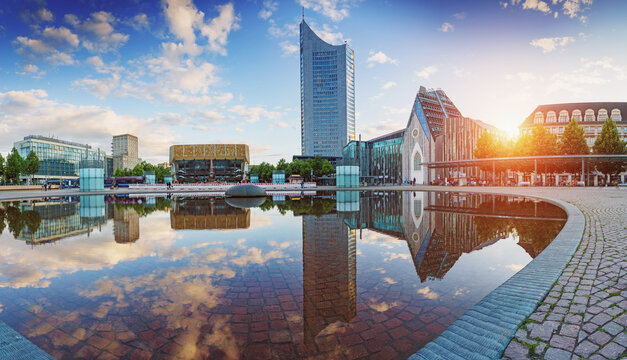
Leipzig, Saxony’s largest and fastest-growing city, is a dynamic powerhouse built on trade, classical music, and political courage. Often nicknamed “Hypezig” or “The New Berlin,” it masterfully blends a rich historical legacy with a gritty, avant-garde youth culture.
Unlike many European destinations, Leipzig’s main historic center survived much of the 20th century intact, leaving an architectural wonderland of connected trading courtyards.
Famously known as the home of Johann Sebastian Bach and the heroic birthplace of the 1989 Peaceful Revolution that brought down the Berlin Wall, Leipzig radiates a fiercely creative energy.
Here are the top 11 famous places to visit in Leipzig and why they belong on your travel list.
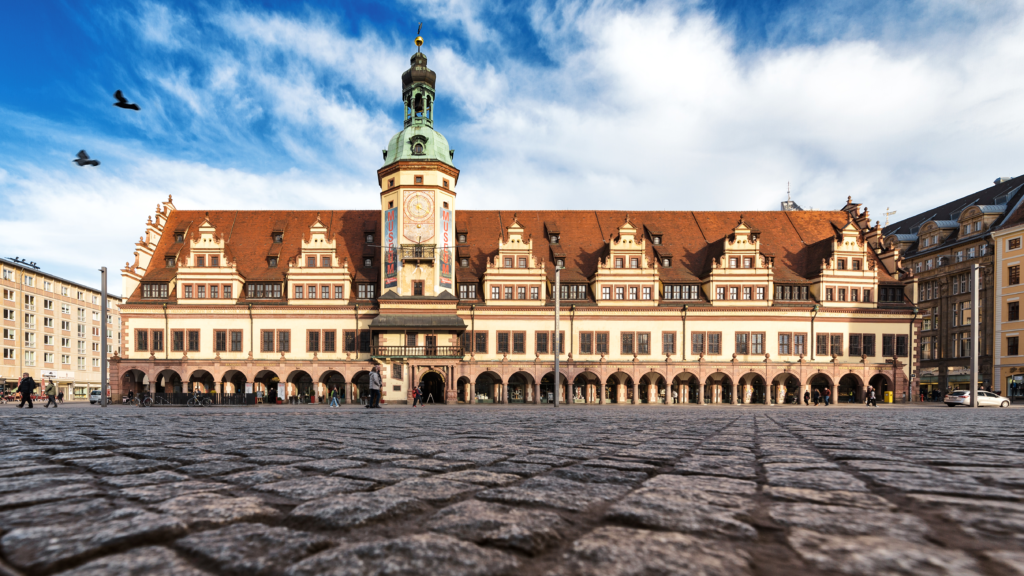
1. Market Square & Old Town Hall (Marktplatz & Altes Rathaus)
The Renaissance Heart of the City
Dating back to the 12th century, Leipzig’s central Market Square remains the vibrant, architectural hub of the historic core, famously hosting regional farmers’ markets and one of Germany’s oldest Christmas markets.
- What it is famous for: The monumental Old Town Hall (Altes Rathaus), a sweeping 16th-century Renaissance structure featuring a uniquely off-center tower. Today, it houses the City History Museum, where visitors can view the only authenticated, life-time portrait of Johann Sebastian Bach.
2. St. Thomas Church (Thomaskirche)
The Sacred Home of Classical Mastery
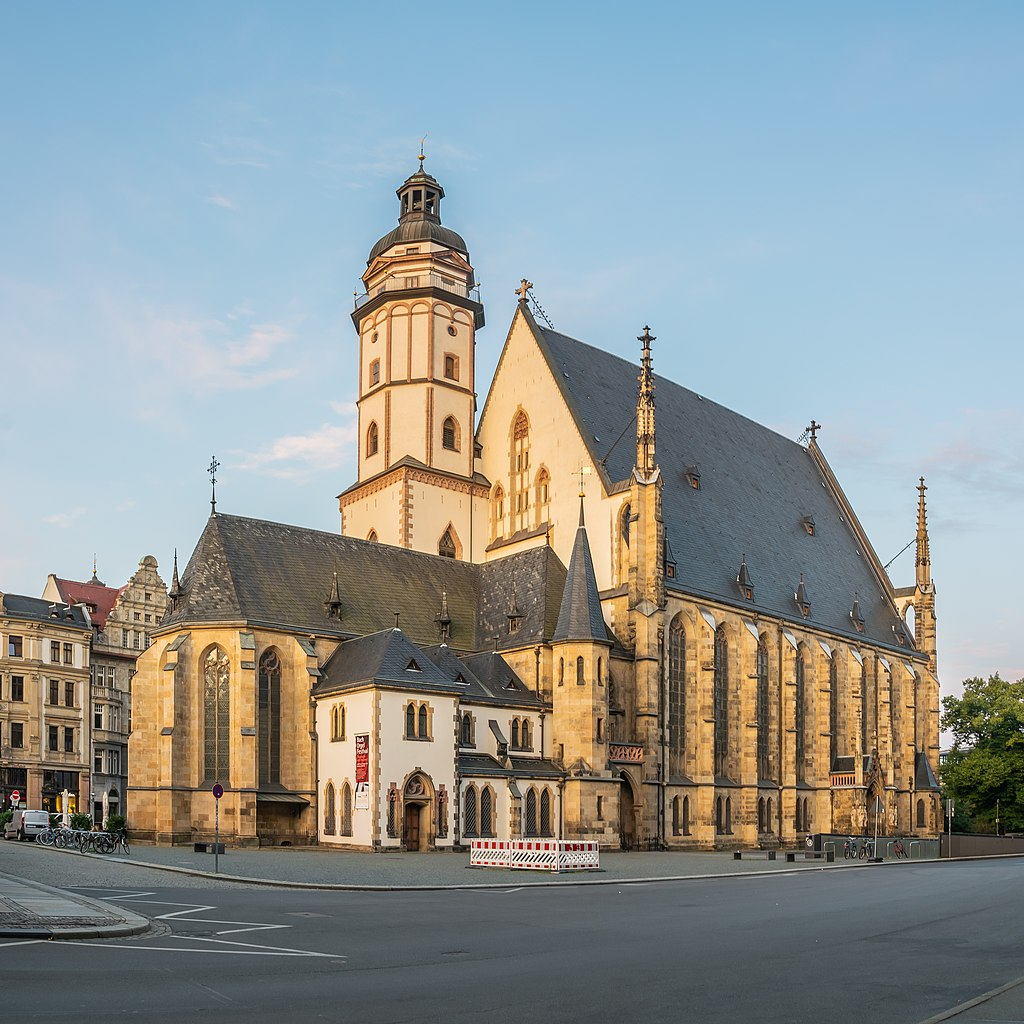
Originally established as a Romanesque monastery church in the 12th century, St. Thomas Church stands as a monumental sanctuary of international musical history.
- What it is famous for: Serving as the home turf of Johann Sebastian Bach, who worked here as the city’s music director (Thomaskantor) for 27 years. Bach’s final resting place is located directly beneath a bronze tomb in the church choir, and the world-famous St. Thomas Boys Choir still performs his masterworks live inside the sanctuary every week.
3. Monument to the Battle of the Nations (Völkerschlachtdenkmal)
Europe’s Colossal Pillar of History
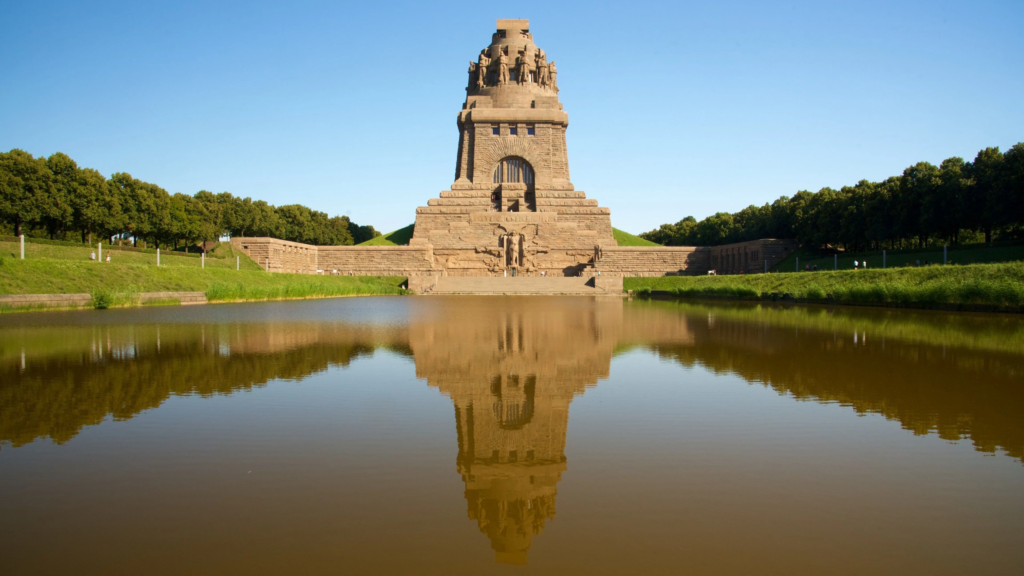
Rising an astonishing 91 meters into the southern sky, this gargantuan stone structure is one of the largest and most imposing monuments in Europe, built to remember the 1813 defeat of Napoleon on Leipzig’s battlefields.
- What it is famous for: Its brutal, monumental stone architecture and jaw-dropping acoustics. Visitors can ascend 364 steps to the open-air viewing platform for a sweeping view over the entire region, while the interior Hall of Fame is guarded by colossal, 10-meter-high stone statues of weeping soldiers.
4. Mädler Passage & Auerbachs Keller
The Historic Playground of Literary Lore
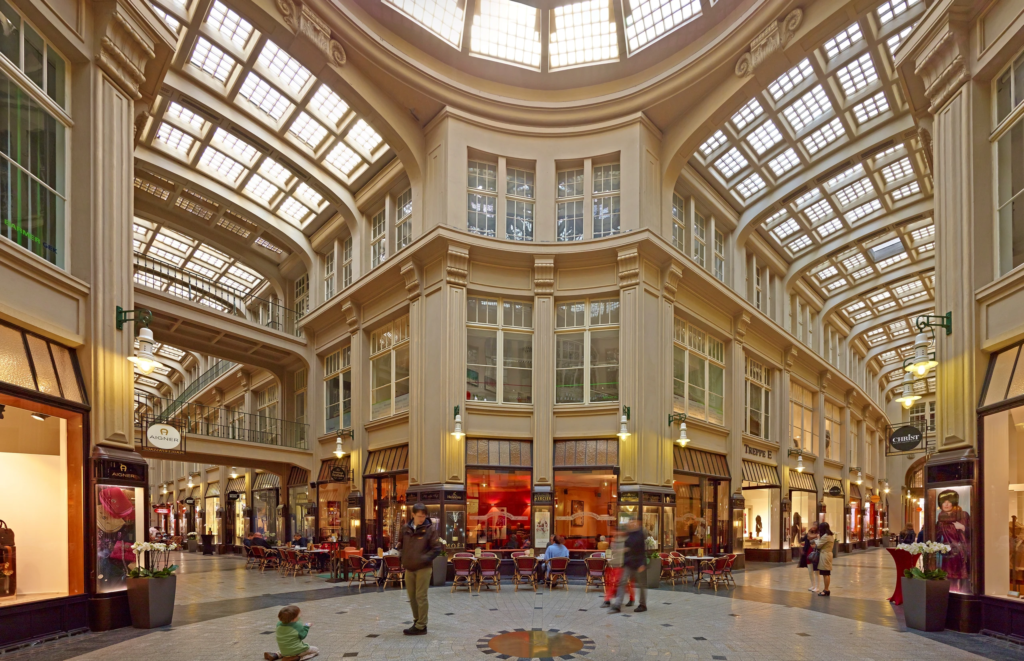
Leipzig is famous for its intricate, covered merchant passages, and the elegant, glass-roofed Mädler Passage is the absolute crown jewel of these historic indoor trade networks.
- What it is famous for: Housing Auerbachs Keller, a historic tavern dating back to 1525. It is the most famous restaurant in Germany thanks to the writer Goethe, who frequented the tavern as a student and used its legendary cellars as the setting for a pivotal scene in his masterpiece, Faust.
5. St. Nicholas Church (Nikolaikirche)
The Cradle of the Peaceful Revolution
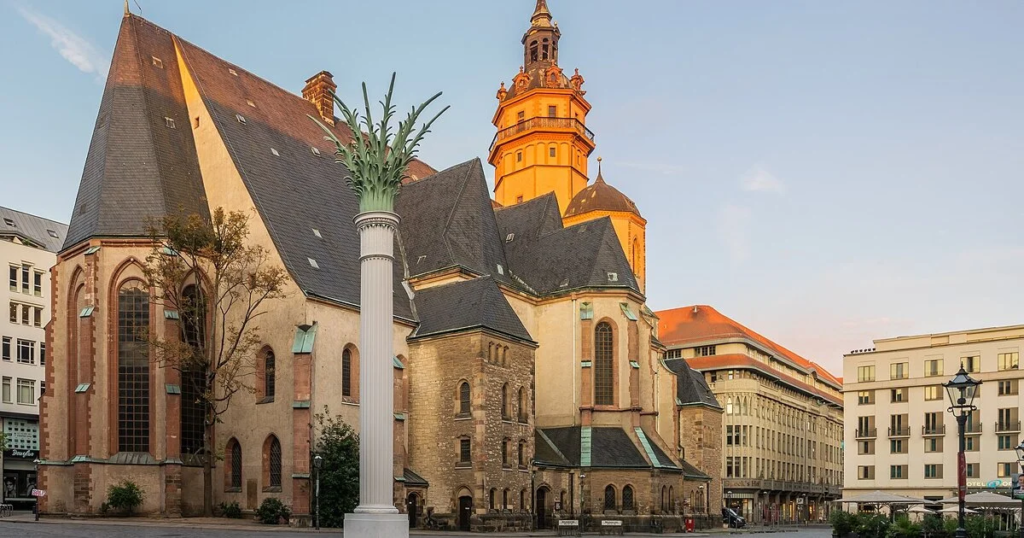
With its striking, unexpected interior filled with soft pink and light green columns shaped like palm trees, this grand parish church holds an immense place in modern world history.
- What it is famous for: Serving as the political catalyst for the 1989 Peaceful Revolution. The church’s weekly “Prayers for Peace” grew into massive, non-violent candlelit street protests that eventually swelled to over 70,000 citizens, ultimately breaking the East German regime and tearing down the Berlin Wall.
6. Spinnerei (Baumwollspinnerei)
An Industrial Cotton Mill Turned Art Mecca
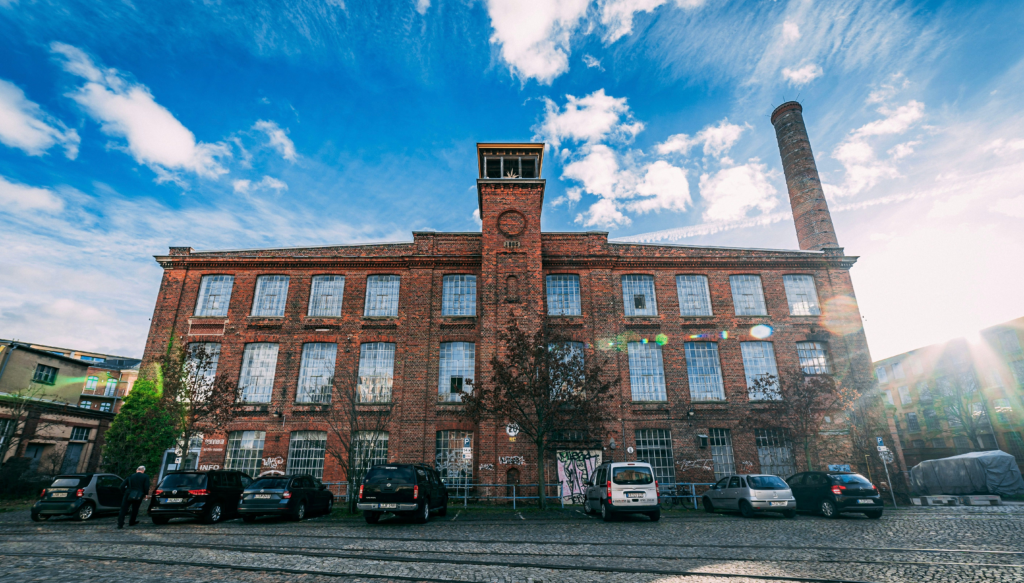
Located in the gritty, trendy western neighborhood of Lindenau, this sprawling, 24-acre red-brick factory complex was once the largest cotton spinning mill in continental Europe.
- What it is famous for: Being one of the most successful cultural reuses of industrial space in the world. The massive halls have been transformed into a thriving art colony housing roughly 100 independent artists, galleries, and exhibition spaces, serving as the operational epicenter for the world-renowned “New Leipzig School” art movement.
7. Gewandhaus
A Modern Temple of Symphonic Sound
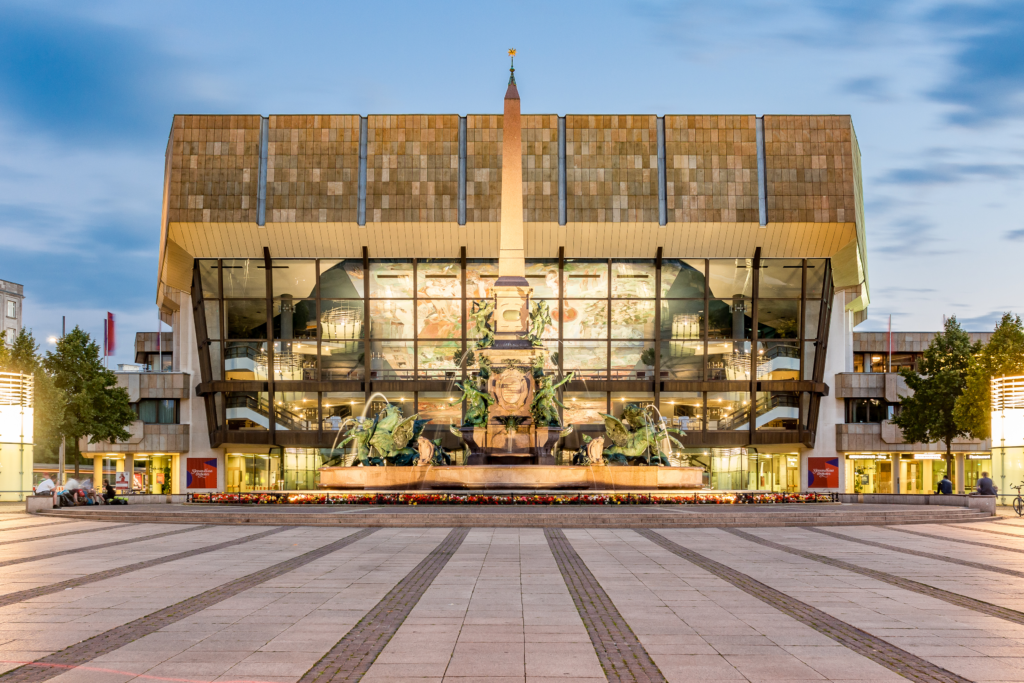
Situated on the grand Augustusplatz, the stark, late-modernist Gewandhaus is the third purpose-built concert hall to carry the name, continuing a musical heritage that stretches back over 280 years.
- What it is famous for: Housing the Gewandhausorchester, the oldest civic symphony orchestra in the world. Famously led in the 19th century by composer Felix Mendelssohn, the institution is celebrated globally for its unmatched acoustics and its massive, five-story-tall indoor mural titled Life-Time by artist Sighard Gille.
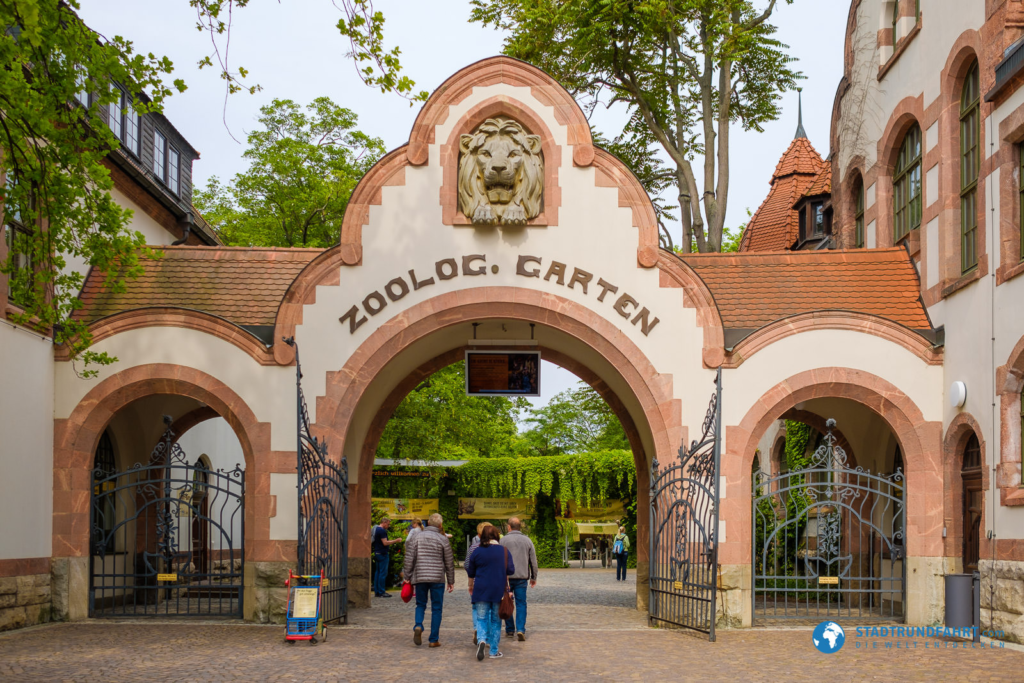
8. Leipzig Zoo (Zoologischer Garten)
A Pioneering Wilderness in the City
Established in 1878, the Leipzig Zoo is consistently ranked as one of the most modern, conservation-focused, and innovative zoological parks in all of Europe.
- What it is famous for: Gondwanaland, a giant, climate-controlled tropical biosphere greenhouse that is larger than two football fields. Visitors can walk along canopy trails or take boat rides through a real rainforest environment that keeps over 17,000 exotic plants and rare tropical animals.
9. Mendelssohn House (Mendelssohn-Haus)
The Intimate Archive of a Romantic Genius
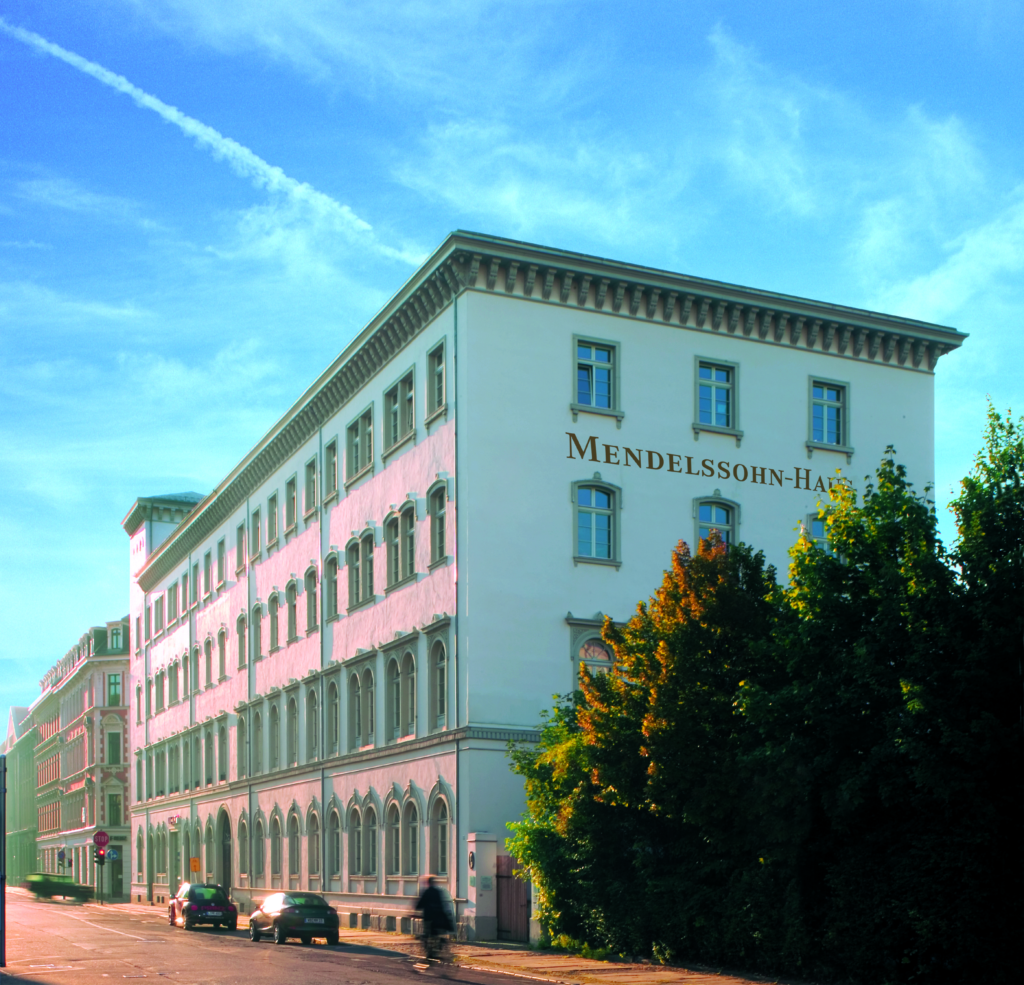
Tucked away on Goldschmidtstraße, this elegant, late-classicist mansion is the very last private residence of the great German composer and conductor Felix Mendelssohn Bartholdy, who died here in 1847.
- What it is famous for: Being the only private home of Mendelssohn to survive to the modern day. Meticulously restored to its original condition, the museum displays his personal water-color paintings, letters, and furniture, featuring a unique “Effektorium” digital music room where visitors can step onto a podium to conduct a virtual orchestra.
10. Leipzig Riverside Forest (Auwald)
A Rare Primeval Floodplain Forest
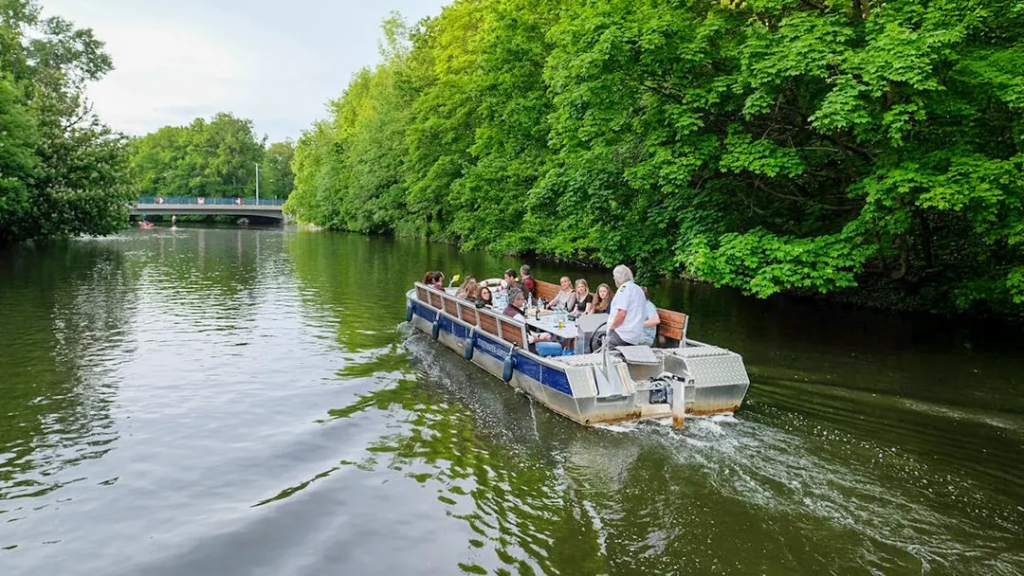
Running cleanly straight through the city from north to south, the Auwald is an immense, 2,500-hectare green corridor that represents one of the largest intact non-mountainous floodplain forests in Central Europe.
- What it is famous for: Bringing a wild, prehistoric ecosystem straight into an urban center. The forest acts as a massive natural park for locals, featuring miles of shaded hiking and biking paths, wild rivers for kayaking, and a protected sanctuary for endangered local wildlife and ancient oak trees.
11. Grassi Museum
A Stunning Art Deco Cultural Trifecta
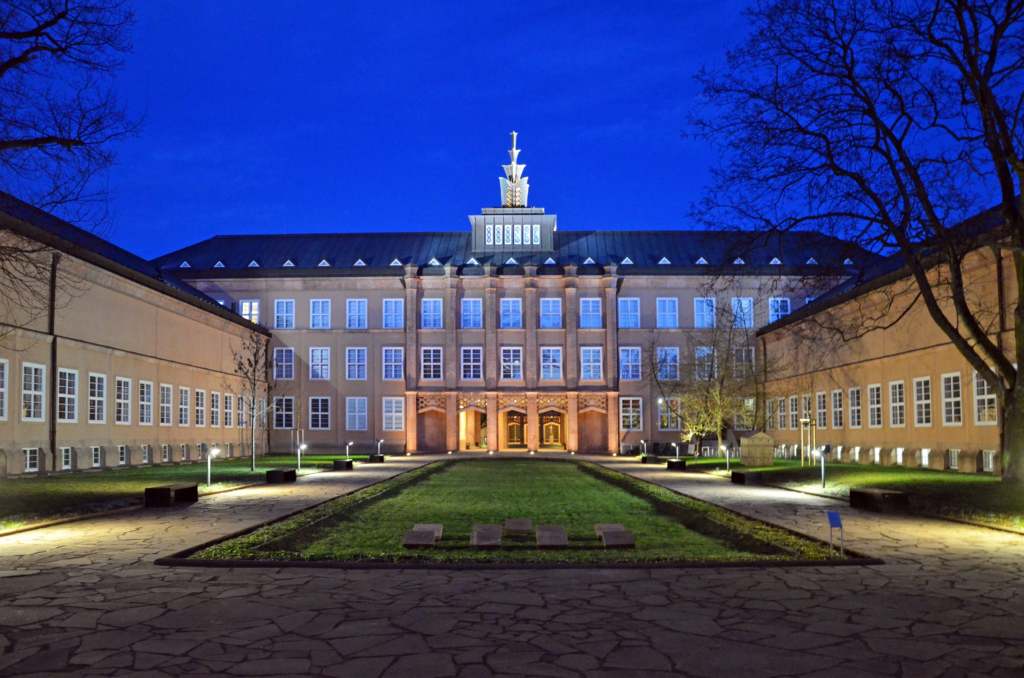
Located just east of the city center, this spectacular, expansive building complex is a masterclass in 1920s Art Deco architecture, boasting beautiful courtyards and dark porphyry stone columns.
- What it is famous for: Housing three world-class museums under a single roof: the Museum of Applied Arts, the Museum of Ethnography, and an incredible Museum of Musical Instruments that holds one of the largest collections of historic pianos, harpsichords, and clavichords in the world.