
Larnaca (Larnaka), stretching lazily across a wide, sun-bleached coastal plain on the southeastern shores of Cyprus, operates on a magnificent, water-facing layout that marks it as the island’s oldest continuously inhabited urban center.
Built directly over the ancient 13th-century BC city-kingdom of Kition, which was founded by Noah’s grandson Khittim, the city’s deep-water coastal positioning made it a prize maritime gateway.
Over millennia, it functioned as a wealthy global trading hub where Phoenician merchants, Persian naval commanders, Byzantine governors, and Ottoman pashas established a crossroads of faith and commerce.
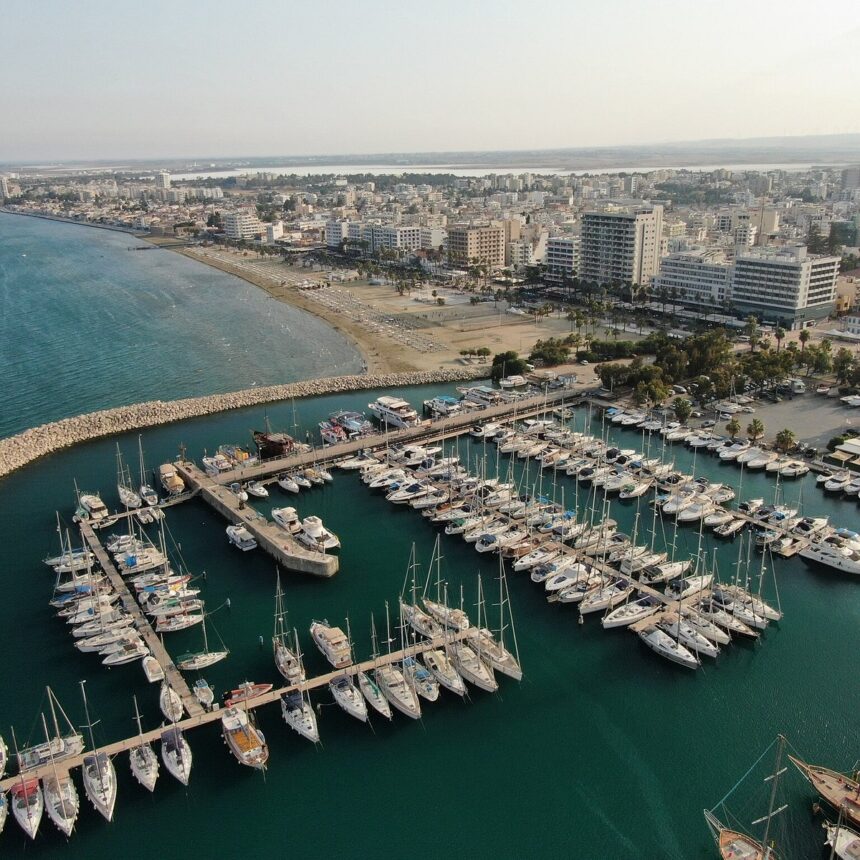
Today, Larnaca presents a striking urban grid where a legendary, palm-lined beachfront avenue separates a bustling modern resort strip from a historic labyrinth of old Turkish and Christian quarters.
Famous for its slow-braised lamb Tavas seasoned with cumin, freshly grilled sea bream, honey-drenched loukoumades donuts, and an unhurried, café-centric coastal rhythm.
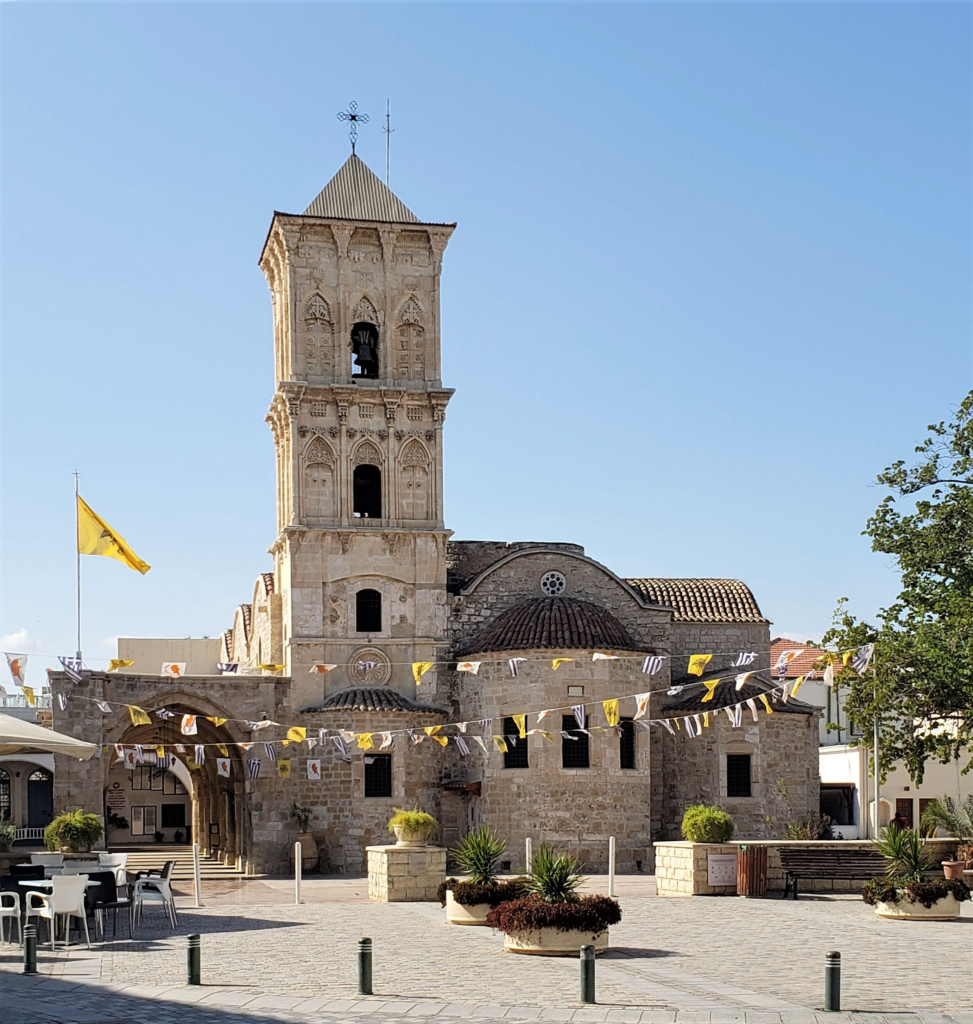
1. Church of Saint Lazarus (Agios Lazaros)
The Heavy Limestone Sovereign of Gilded Baroque Iconostases and Deep Tomb Vaults
Dominating the absolute physical and spiritual center of Larnaca’s historic old town plaza, this magnificent 9th-century Byzantine stone basilica stands proud as one of the island’s most sacred architectural icons.
- What it is famous for: Being built directly over the second tomb of Lazarus of Bethany, the biblical figure raised from the dead by Jesus. According to local tradition, Lazarus fled to Cyprus, became the first Bishop of Kition, and lived here for thirty years. The church features a spectacular interior with a massive, hyper-detailed gilded wood-carved Baroque icon-screen containing 120 icons. Visitors can descend narrow stone stairs beneath the main altar to view the ancient limestone sarcophagi hidden in the crypt chambers.
2. Larnaca Salt Lake & Hala Sultan Tekke
The Miraculous Winter Oasis of Pink Flamingos and Sacred Oasis Mosques
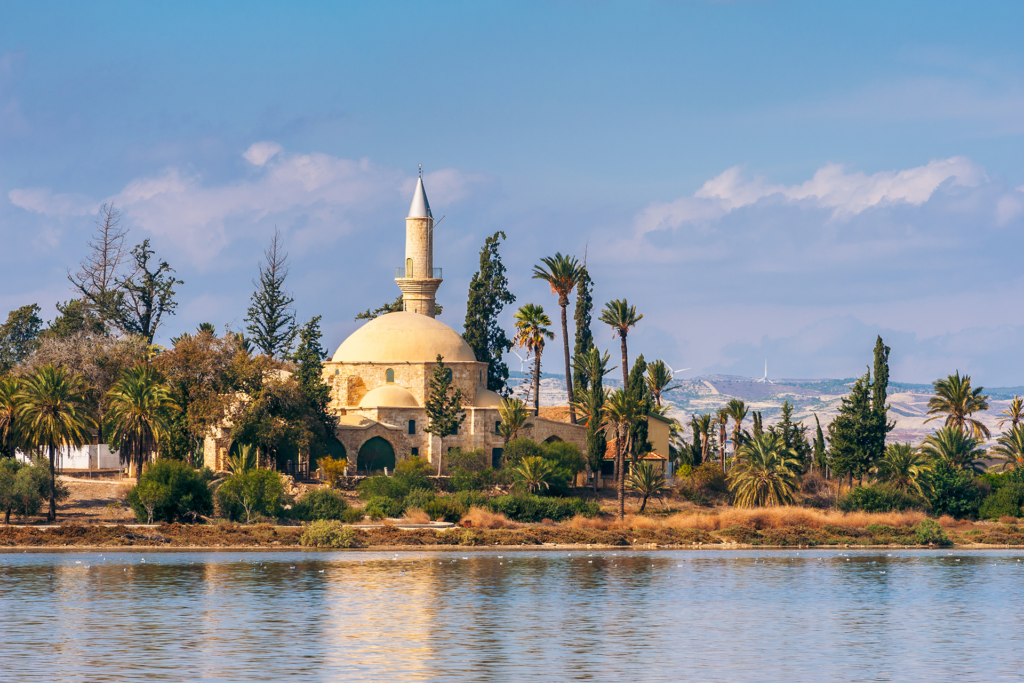
Spreading grandly across a massive, 5-square-kilometer network of four interconnected seasonal lakes just southwest of the urban limits, this unique environmental reserve is a visual marvel.
- What it is famous for: Hosting up to 12,000 migrating pink flamingos in winter and housing the globally revered Hala Sultan Tekke mosque. In the summer, the water evaporates completely, leaving a surreal, shimmering crust of pure white salt. Perched dramatically on the lake’s edge is the historic 1816 mosque complex built over the tomb of Umm Haram, the wet-nurse of the Prophet Muhammad, making this peaceful, palm-and-cypress-shaded oasis one of the most important holy pilgrimage sites in the Islamic world.
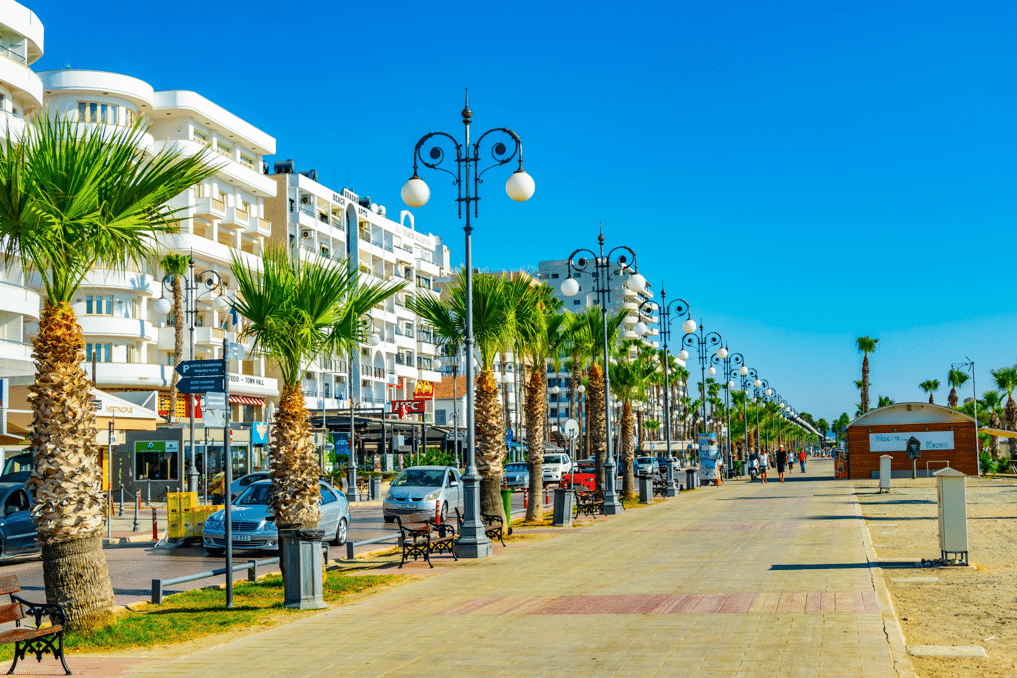
3. Finikoudes Promenade
The Marble-Paved Runway of Towering Palm Trees and Beachfront Cafes
Stretching smoothly along the entire central waterfront artery of the city, this wide, stone-paved pedestrian avenue serves as Larnaca’s primary social runway and living room.
- What it is famous for: Its iconic rows of giant, 100-year-old palm trees planted in 1922 and its sprawling, fine-sand urban beach. Completely closed to heavy industrial transit, the Finikoudes (meaning “Little Palms” in local dialect) is lined on one side by a wide, safe swimming beach and on the other by an endless strip of open-air cafes, international restaurants, and gelaterias. It acts as the ultimate local venue for the evening volta (leisurely stroll) where families gather to enjoy the Mediterranean breeze.
4. The Zenobia Wreck
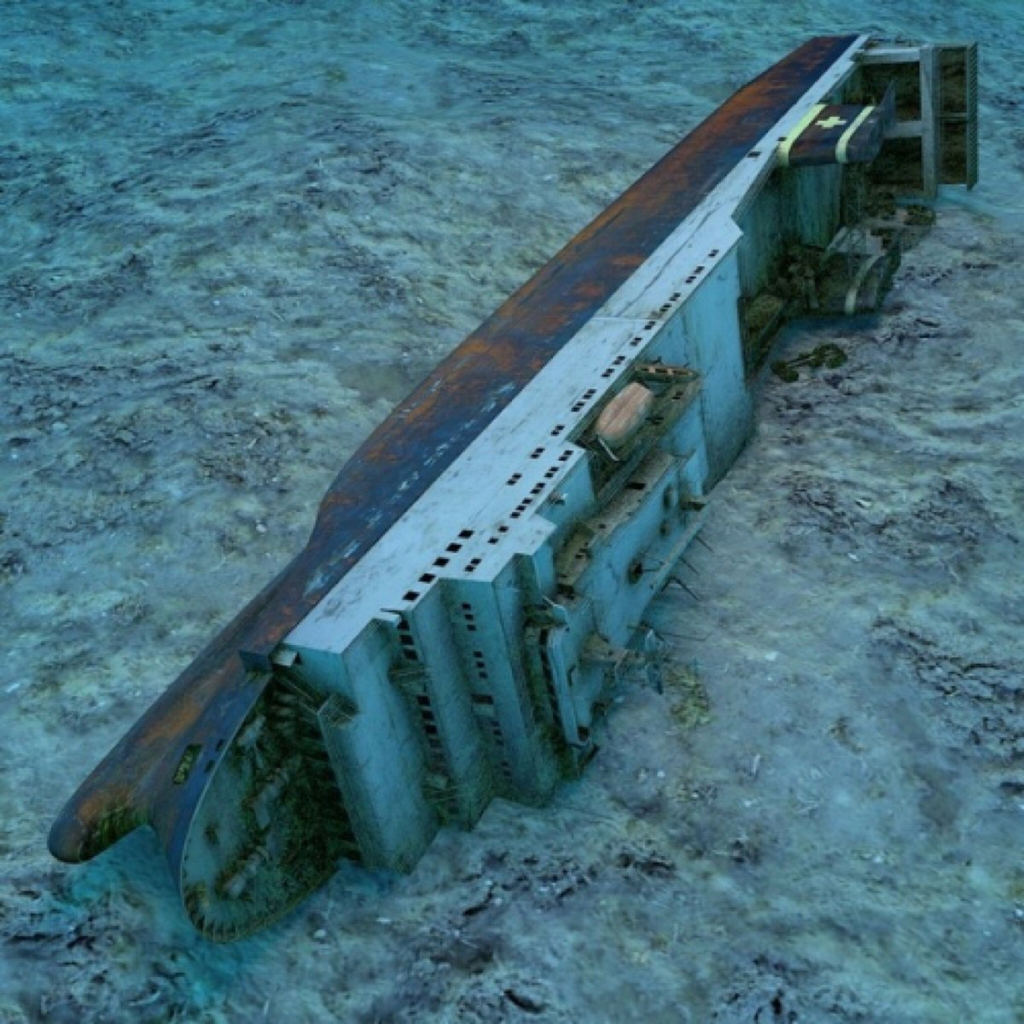
The Legendary Under-Water Matrix of Swedish Ferries and Marine Reefs
Resting silently on a flat bed of sea sand roughly 1.4 kilometers off the coast of Larnaca’s main harbor basin, this massive sunken vessel is a world-class diving marvel.
- What it is famous for: Being consistently ranked as one of the top five best shipwreck dive sites in the world. The MS Zenobia, a massive 172-meter-long Swedish roll-on/roll-off ferry, sank on her maiden voyage in June 1980 with over 100 loaded cargo trucks still on board. Resting intact on its port side at a depth of 42 meters, the giant steel wreck has transformed into a massive artificial marine reef, drawing thousands of scuba divers every year to swim through its cavernous cargo decks alongside giant sea turtles, groupers, and barracudas.
5. Larnaca Medieval Castle (Fort)
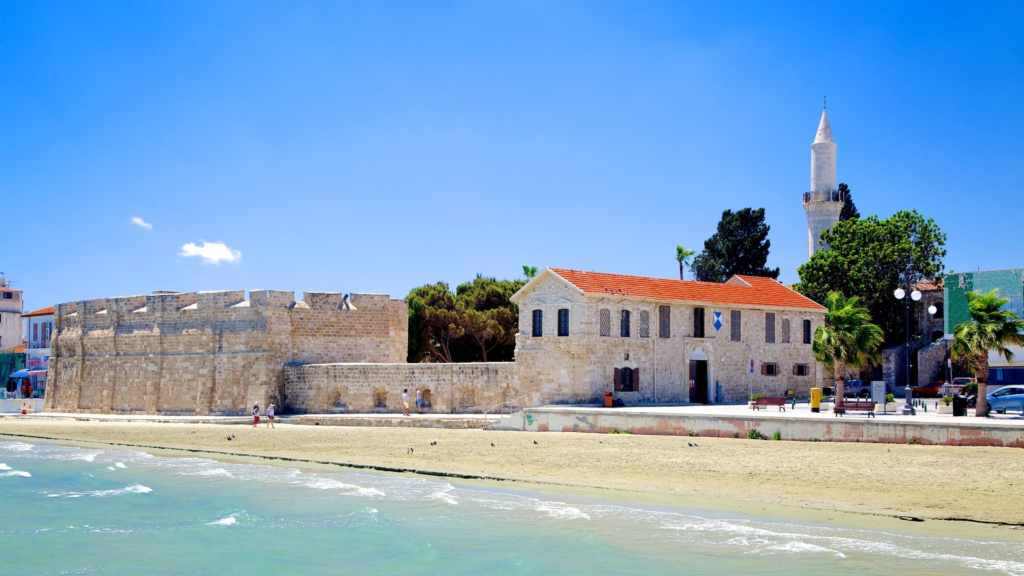
The Square Stone Coastal Bastion of Ottoman Execution Chambers and Sea Views
Commanding the absolute southern terminus of the Finikoudes Promenade, this stocky, sea-facing stone fortress marks the definitive boundary between the old Christian and Turkish quarters.
- What it is famous for: Its intact, 14th-century defensive layout built by Lusignan kings and its history as a grim execution chamber under British rule. Originally constructed to defend the town’s wealthy trading port, the fort was heavily remodeled by the Ottomans in 1625, adding heavy cannon ports. Visitors can walk the inner grass-and-limestone courtyard to view historic iron cannons, explore a small museum of medieval pottery and weapons, and climb the high battlements for a clear panoramic look over the fishing harbor.
6. Mackenzie Beach
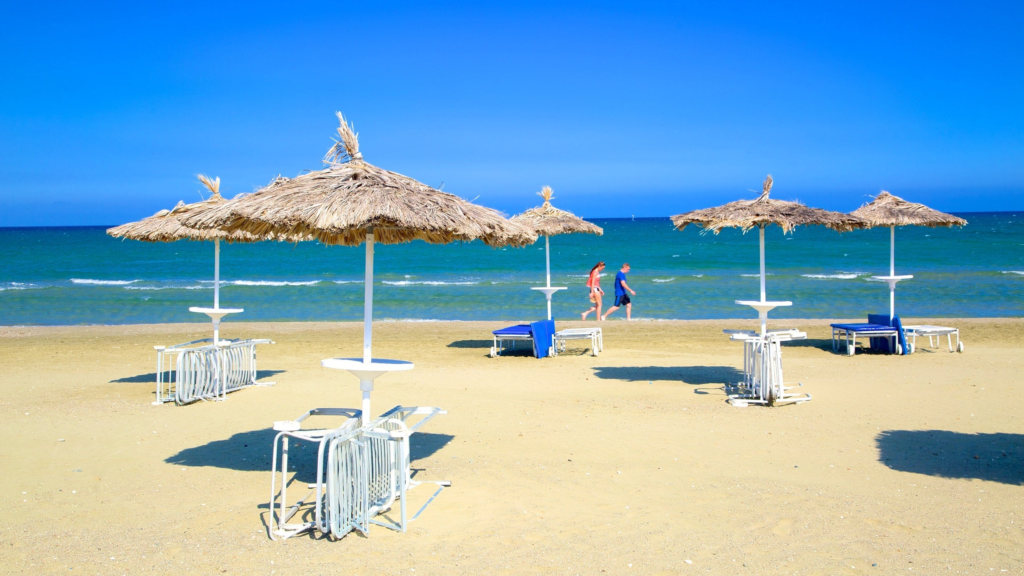
The High-Energy Sand Runway of Trendy Lounge Clubs and Low-Flying Jets
Jutting out dynamically into the sea just a brief, 5-minute drive south of the old town center, this long, flat spit of fine gray sand is Larnaca’s premier nightlife and beach-party hub.
- What it is famous for: Its stunning row of high-end, open-air beach clubs and offering a thrilling, close-up view of commercial airplanes landing over the water. Because the beach sits immediately adjacent to the Larnaca International Airport runway approach, low-flying aircraft glide spectacularly close over the heads of swimmers. By night, the entire strip transforms into a high-energy human runway where partygoers dine on Mediterranean sushi and dance to global DJs right on the sand.
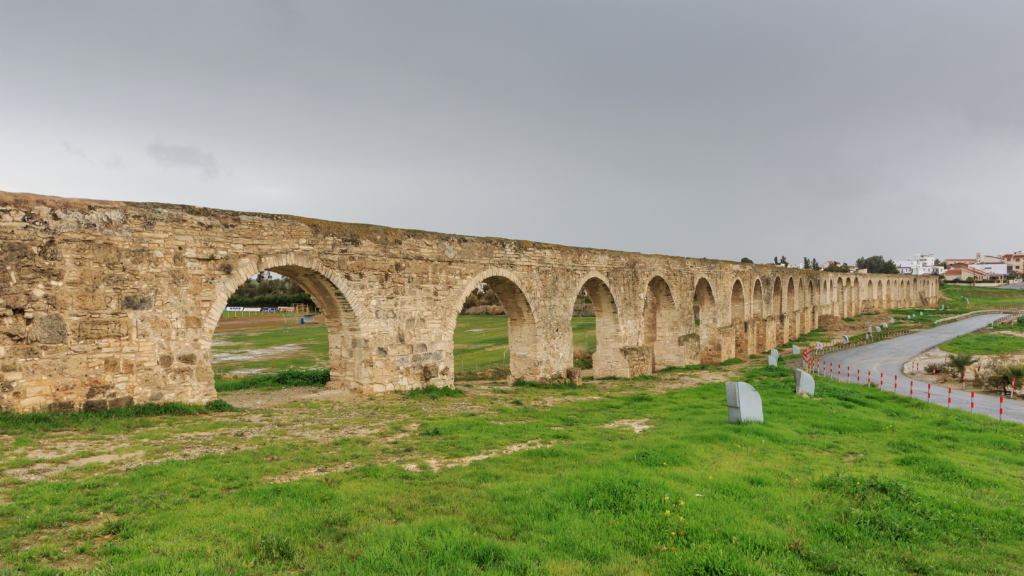
7. Kamares Aqueduct (The Bekir Pasha Aqueduct)
The Romanesque Arched Matrix of Ancient Waterways and Starlit Walkways
Spreading gracefully across a wide green valley near the old highway approaches on the western edges of the city, this monumental stone structure is a triumph of 18th-century civic engineering.
- What it is famous for: Its spectacular, rhythmic line of 75 high stone arches spanning a total length of over 10 kilometers. Constructed in 1747 by the Ottoman governor Abu Bekir Pasha to carry fresh spring water directly into Larnaca’s growing port center, the aqueduct was built using traditional Roman-style masonry techniques. Fully illuminated at night, a modern paved pedestrian walking path follows the soaring stone arches, allowing travelers to admire the engineering feat beneath the stars.
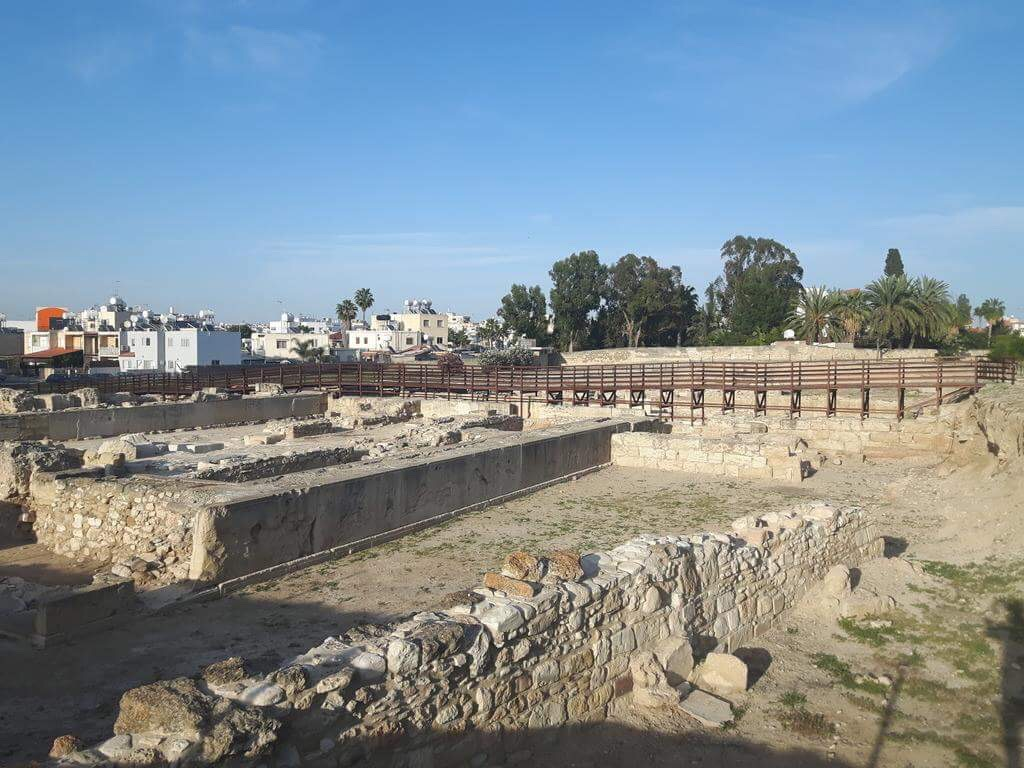
8. Ancient Kition
The Craggy Urban Ruins of Phoenician War Ports and Cyclopean Temples
Tucked quietly into a residential neighborhood roughly one kilometer north of the modern town center, this archaeological site preserves the structural foundations of Larnaca’s ancient cradle.
- What it is famous for: Its massive 13th-century BC Cyclopean defensive stone walls and a unique Phoenician temple dedicated to the goddess Astarte. Excavations have revealed a complex network of ancient copper-smelting workshops and a massive military harbor. Visitors can walk elevated wooden viewing platforms to inspect the colossal stone blocks that once protected the legendary city-kingdom, which produced a powerful naval fleet that dominated early Eastern Mediterranean trade networks.
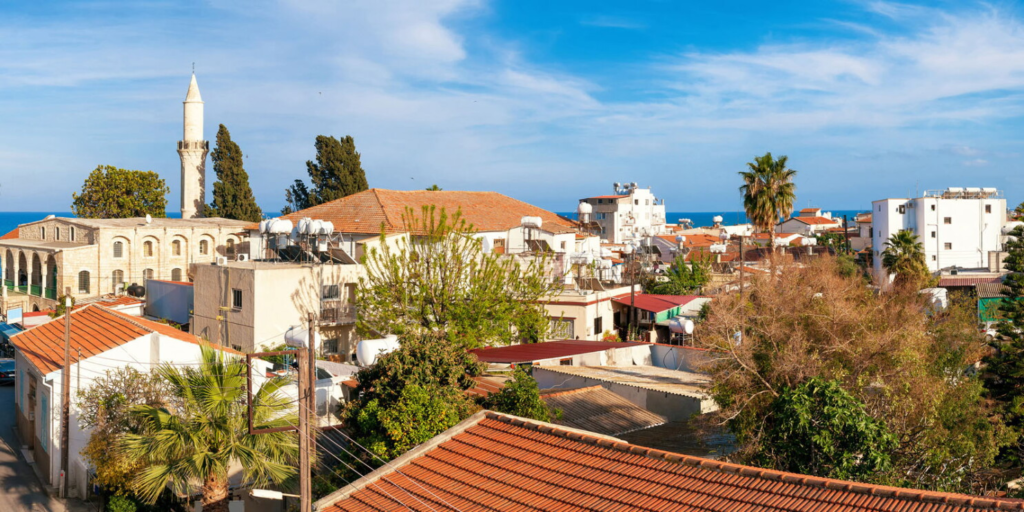
9. Skala (The Old Turkish Quarter)
The Nostalgic Labyrinth of Whitewashed Clay Studios and Blue Window Boxes
Winding quietly inland from the coastal roads immediately behind the medieval fort, this historic, low-rise residential neighborhood preserves the traditional architectural soul of Larnaca.
- What it is famous for: Its charming, narrow alleys lined with traditional mudbrick houses, inner courtyards, and artisan ceramic workshops. For generations, this quarter was inhabited by local Turkish Cypriots. Following the population shifts of 1974, the municipality converted many of the abandoned, whitewashed homes into creative studios for local craftsmen. Walking these quiet cobblestone lanes reveals a hidden world of potters spinning clay behind blue wooden window shutters, draped in blooming purple bougainvillea.
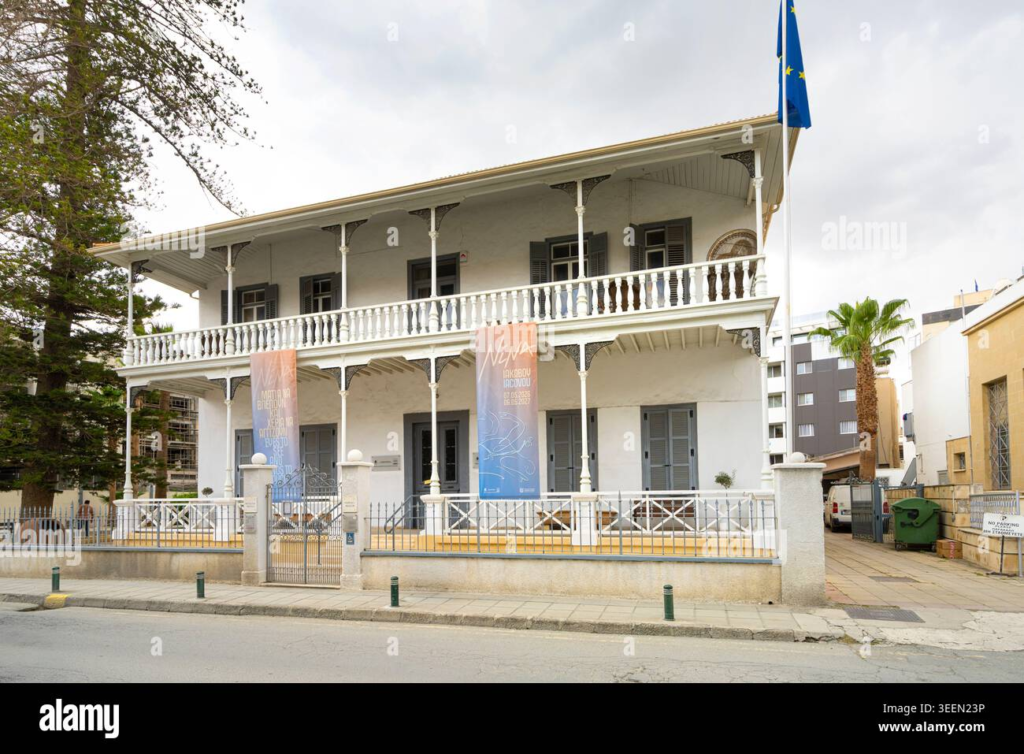
10. Pierides Museum
The Refined Neoclassical Vault of Rare Red-Clay Idols and Glass Tear-Bottles
Housed inside a grand, 1840 neoclassical mansion building located just a short walk inland from the central seaside avenue, this institution is the oldest private museum in Cyprus.
- What it is famous for: Housing the extraordinary Pierides family collection, tracing 9,000 years of unbroken Cypriot civilization. Gathered over generations by the prominent Pierides family to prevent the looting of local antiquities, the museum holds over 2,500 rare artifacts. Highlights include unique Chalcolithic cruciform idols, rare geometric Mycenaean pottery, and an exceptional collection of delicate ancient Roman glass tear-bottles, all displayed within elegant, wood-floored aristocratic salons.
11. Larnaca Fishing Harbor (Psarolimano)
The Authentic Coastal Pocket of Red Fishing Nets and Waterfront Fish Meze
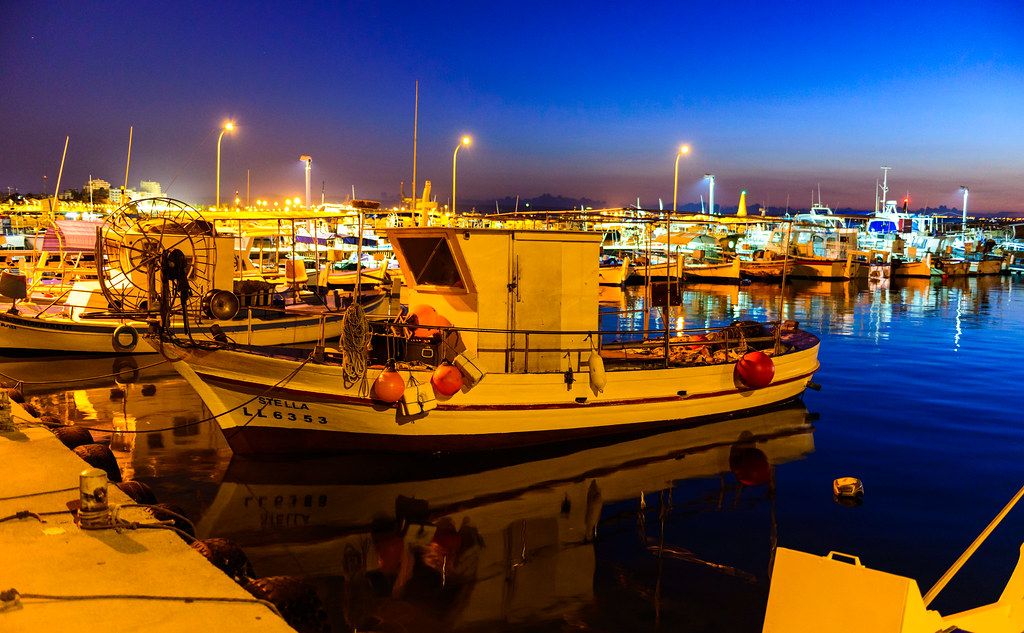
Occupying a scenic coastal curve at the absolute intersection where the old Skala quarter meets the modern Mackenzie strip, this active working harbor remains the maritime heart of the local fishing fleet.
- What it is famous for: Its sea of traditional blue-and-white wooden fishing trawlers and being the home of the city’s finest seafood taverns. Every single morning, local fishermen tie up along the stone piers to unload fresh catches of octopus, red mullet, and calamari. The surrounding harbor basin is lined with authentic, family-run fish taverns where locals gather for hours on weekends to enjoy slow, multi-course psaromeze (seafood tapas feasts) right along the edge of the lapping waves.