

Esch-sur-Alzette, anchoring the absolute southern mining frontier of Luxembourg along the French border within the valley of the Alzette River, operates on a spectacular industrial urban layout where heavy metallurgical history meets cutting-edge technological innovation.
Historically originating as a small farming village, this southern stronghold underwent a massive transformation in the late 19th century following the discovery of Minette—the rich, iron-bearing red soil that fueled the nation’s colossal steel manufacturing boom.
Because the municipality aggressively protected its massive industrial towers, raw slag heaps, and historic inner-city plazas rather than dismantling them after the steel crisis, it earned its permanent cultural status as the capital of the “Red Rock Country” and the absolute center of Luxembourg’s contemporary architectural avant-garde, scientific research, and working-class heritage.
Today, Esch-sur-Alzette presents a striking architectural matrix where soaring, rust-patinated 20th-century blast furnaces and grand neo-gothic merchant facades stand alongside clean-lined, geometric university research labs and futuristic concert venues.
The city effortlessly pairs its deep, gritty labor history with a progressive, bohemian passion for live alternative music, public street art, and protected nature preserves carved directly out of abandoned open-cast mines.
1. Belval Blast Furnaces (Hauts Fourneaux)
The Spectacular Architectural Sovereign of Rust-Patinated Steel Giants and High-Altitude Industrial Horizons
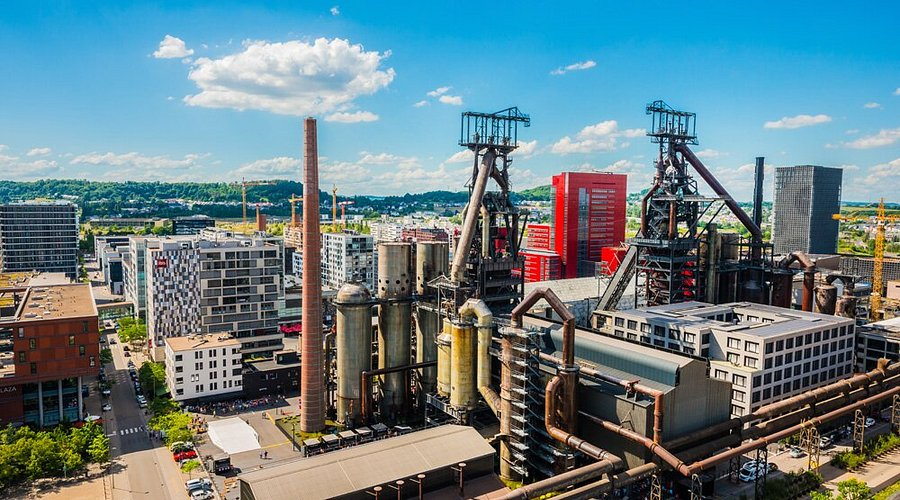
Dominating the absolute physical and visual skyline of the hyper-modern Belval quarter, these twin 20th-century iron monsters stand proud as the monumental icons of Luxembourg’s industrial golden age.
- What it is famous for: Being the masterfully preserved remnants of the early 1900s steelworks, transformed into an open-air public monument where visitors can climb 180 feet up into the historic structure. Blast Furnace A and Blast Furnace B represent the industrial muscle that built modern Luxembourg, operating continuously until the late 1990s. Today, specialized night lighting illuminates the skeletal steel frames, while a walking track guides travelers past massive cowper stoves, casting halls, and the giant pipes that once carried molten iron.
2. Rue de l’Alzette
The Picturesque Walking Runway of Neo-Gothic Gables and High-Energy Pedestrian Fronts
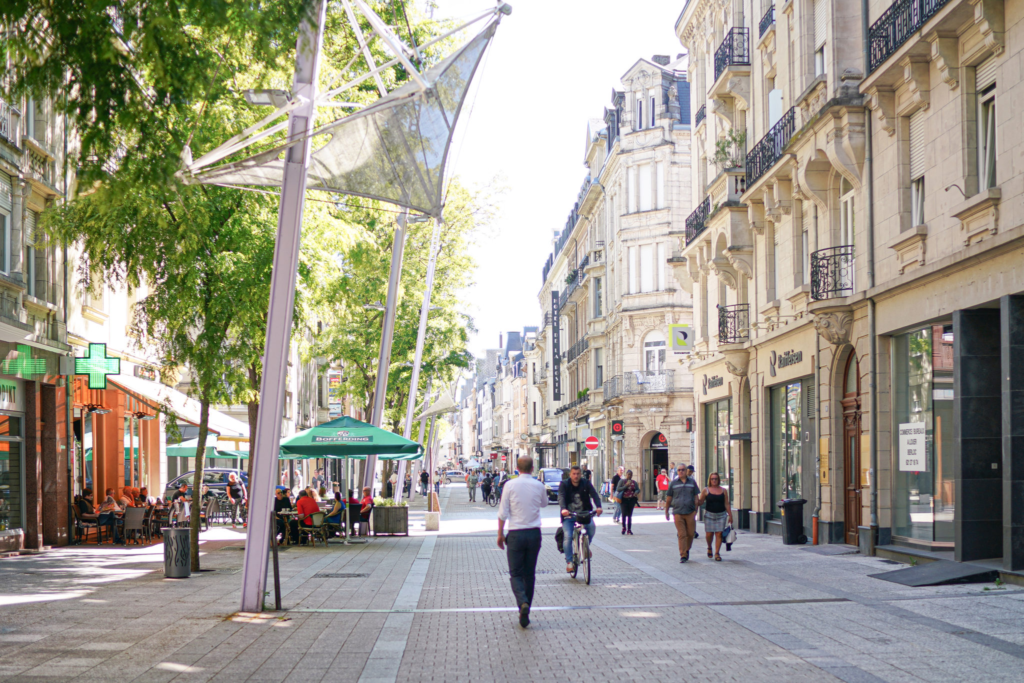
Slicing smoothly through the absolute commercial heart of the old town center, this vibrant, one-kilometer stretch holds the title of the longest pedestrian shopping avenue in Luxembourg.
- What it is famous for: Its extraordinary architectural array of Art Nouveau, Deco, and Neo-Gothic merchant facades, home to hundreds of independent boutiques and bustling terrace cafes. Built during the peak of the iron boom by wealthy steel magnates, the street reflects the affluent historical pedigree of the city. The avenue serves as the primary social walking runway for locals, acting as a lively open-air venue for seasonal street performance festivals, flea markets, and multicultural culinary fairs.
3. Gaalgebierg Park & Animal Enclosure
The Enchanting Open Air Oasis of Beech Forest Trails and Escher Wildlife Inlets
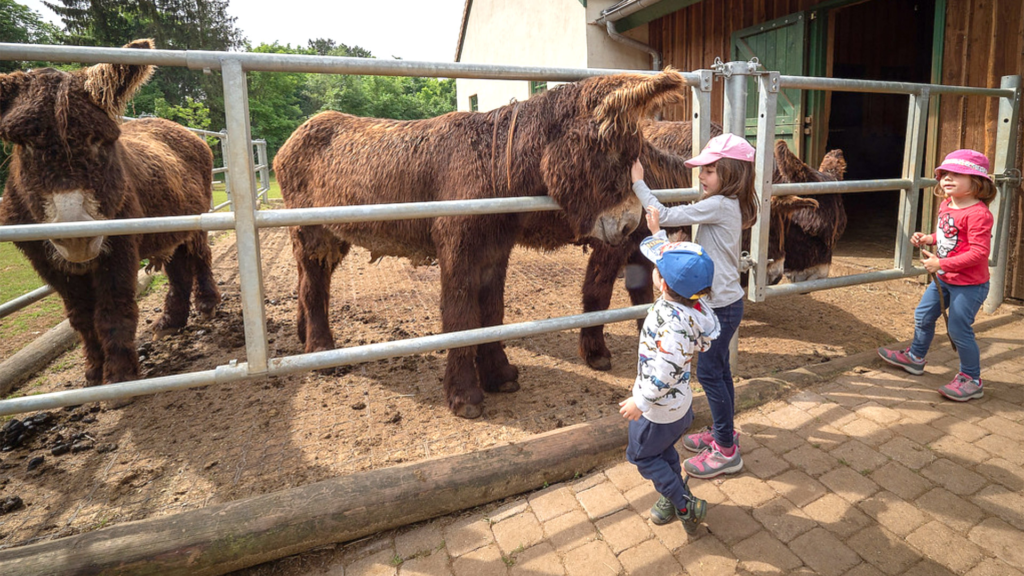
Commanding a majestic, wooded hill platform directly accessible from the central train station via a spectacular futuristic pedestrian footbridge, this massive park represents the city’s primary green escape.
- What it is famous for: Its sweeping municipal forest paths, curated rose gardens, and a completely free-to-access public animal park housing over 150 regional wildlife species. The park’s name translates to “Gallows Mountain,” referencing its grim medieval past, but today it operates as a pristine eco-haven. Visitors can walk beneath a dense canopy of ancient beech trees, explore hidden rock cascades, and view native deer, mountain goats, and heritage livestock breeds in expansive, natural enclosures.
4. Ellergronn Nature Reserve
The Sprawling Eco Matrix of Flooded Iron Mines and Regenerated Red-Earth Woodlands
Sited dynamically along the southern forested valley limits of the municipal border, this protected European Natura 2000 reserve maps the resilience of the local landscape.
- What it is famous for: Being a thriving, deeply forested nature sanctuary engineered directly over the topography of a massive, abandoned open-cast iron mining complex. Where heavy industrial machinery once tore into the red earth, nature has aggressively reclaimed the landscape, filling old mining pits with crystal-clear ponds and dense willow forests. A network of educational walking loops takes hikers past old train tunnels, deep rock ravines, and unique habitats supporting rare orchids, amphibians, and wild birds.
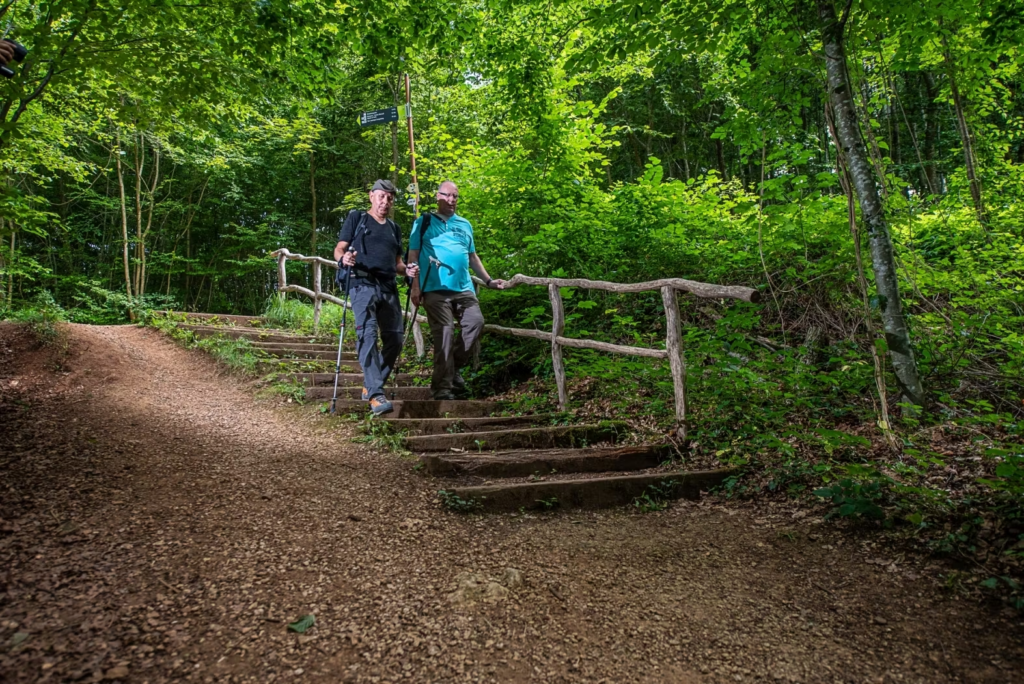
5. Rockhal
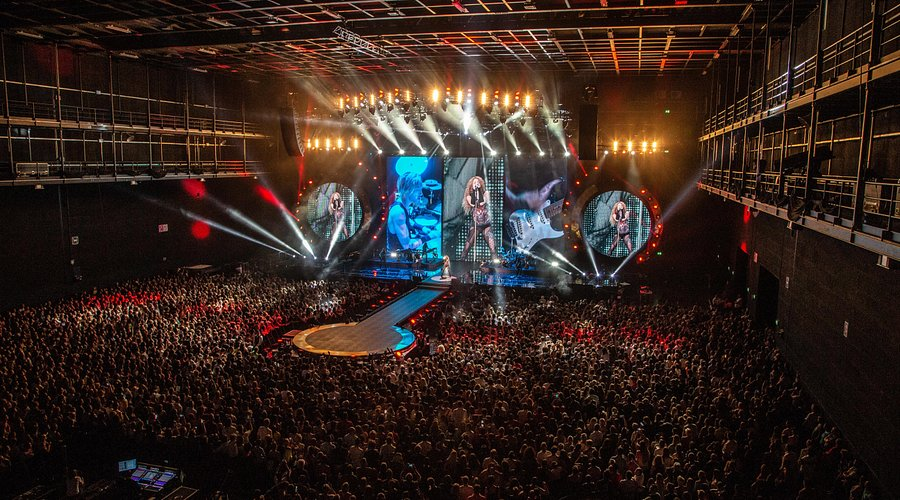
The Colossal Modern Sovereign of Dual Concert Arenas and Electronic Sound Lab Vectors
Dominating a massive public footprint within the heart of the reclaimed Belval industrial plaza, this state-of-the-art music complex stands proud as the rock-and-roll capital of the country.
- What it is famous for: Being Luxembourg’s premier mega-concert venue, holding a massive 6,500-capacity main hall that hosts the world’s biggest touring pop, rock, and electronic musical acts. The acoustic engineering marvel features a secondary club venue, specialized recording studios, and a dedicated resource center for local independent musicians. Its sleek, industrial-inspired architecture sits seamlessly among the neighboring steel ruins, acting as a high-energy center for contemporary youth culture.
6. The Resistance Museum (Musée National de la Résistance)
The Monumental Stone Sovereign of Memorial Altar Relics and Dark Wartime Sagas
Commanding a prominent public presence on the historic Place de la Résistance on the western edge of the town center, this solemn museum preserves the wartime memory of the region.
- What it is famous for: Documenting the complete history of Luxembourg’s brave domestic resistance, general strikes, and suffering under the brutal Nazi occupation during World War II. Sited in a striking, purpose-built 1950s monumental stone hall, the exhibition spaces display original underground newspapers, concentration camp artifacts, and moving artwork created by political prisoners. The museum highlights Esch’s working-class identity, focusing on the historic miners who famously launched a general strike against the occupying forces in 1942.
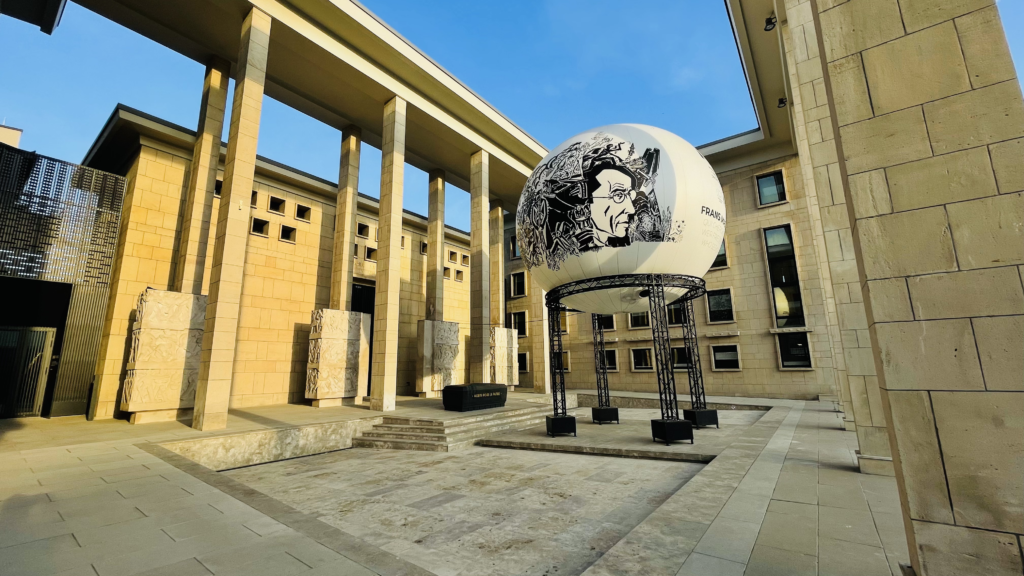
7. Cité des Sciences & University Campus
The Breathtaking Minimalist Palace of Industrial Plazas and High-Tech Academic Vaults
Sited dynamically around the base of the historic blast furnaces, this architectural masterwork incorporates massive educational infrastructures directly into the steel ruins.
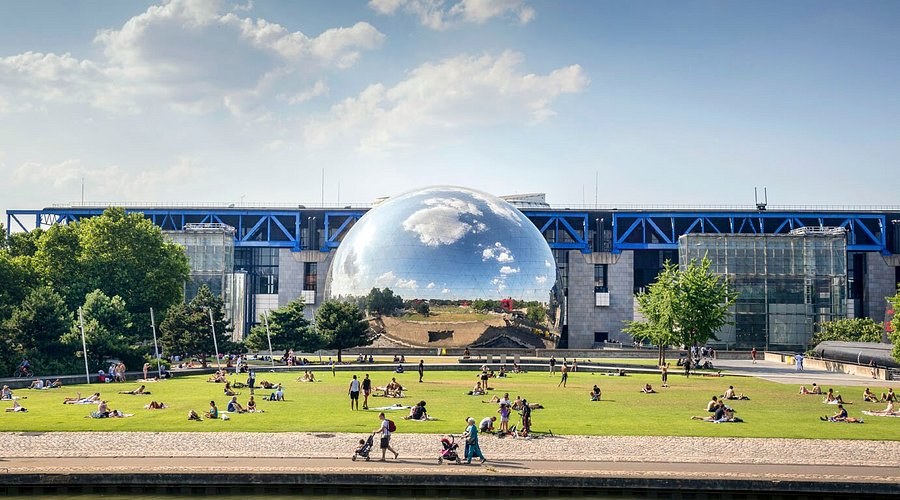
- What it is famous for: Being the main campus of the University of Luxembourg, where cutting-edge modern glass libraries and academic halls wrap around preserved industrial relics. The master plan seamlessly bridges past and future, housing thousands of international researchers and students within hyper-modern, sustainable structures. Visitors can explore wide open plazas where red-concrete pathways mimic the old iron flows, leading to futuristic research buildings named after elements of the historic steel-making process.
8. Cockerill Mine Museum (Katzenberg)
The Radiant Cultural Repository of Deep Shaft Headframes and Vintage Locomotive Sagas
Nestled gracefully within the dense woodland valleys of the Ellergronn reserve, this historic mining yard represents the absolute material cradle of the region’s industry.
- What it is famous for: Being the final remaining deep-shaft iron mine facility in the area, complete with its original steel headframe and operational historic mining machinery. Once owned by the industrialist John Cockerill, the site now functions as an authentic living history museum operated by passionate former miners. Visitors can inspect vintage diesel locomotives, walk through old miners’ locker rooms, and examine the heavy drill bits and tools used to tear iron ore out of the subterranean tunnels.

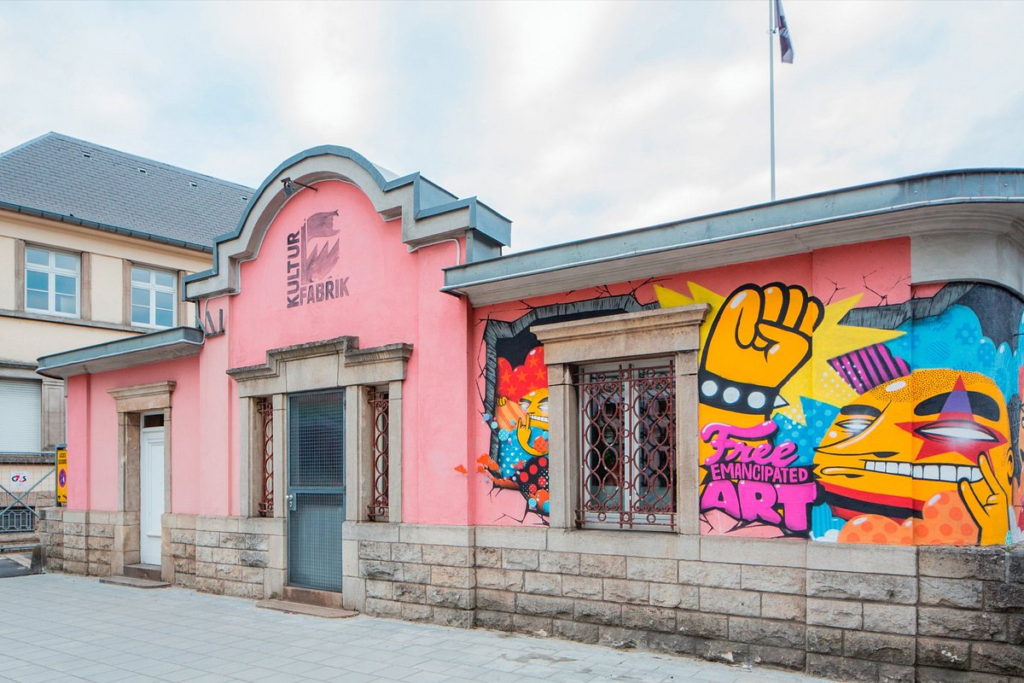
9. Kulturfabrik (Kufa)
The Rowdy Cultural Runway of Repurposed Abattoir Yards and Avant-Garde Artistic Labs
Occupying a sprawling, 19th-century complex of whitewashed brick buildings on the northeastern edge of the city core, this independent art center holds the bohemian soul of the town.
- What it is famous for: Being a historic municipal slaughterhouse (abattoir) transformed by a collective of young artists into a legendary, 4,500-square-meter alternative cultural center. The multi-disciplinary complex features intimate concert halls, independent cinema screens, rehearsal spaces, and a popular organic bistro. It functions as a vibrant center for underground art, hosting contemporary street art exhibitions, ecological workshops, and alternative theater productions that draw cross-border crowds.
10. The Berwart Tower (Tour Berwart)
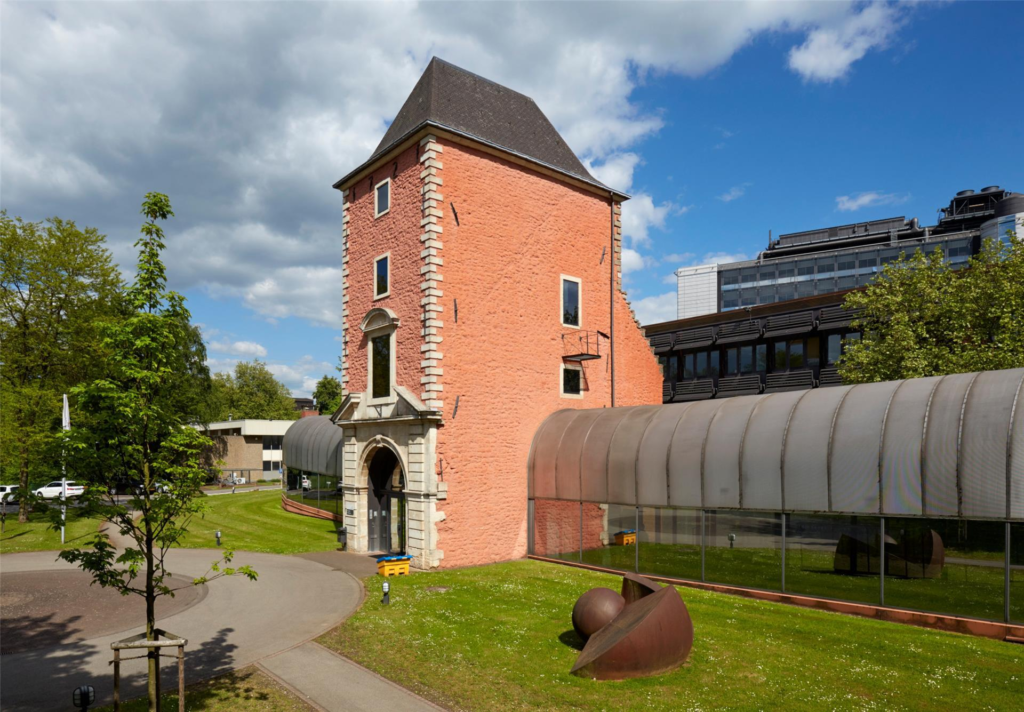
The Enigmatic Stone Sentinel of Baroque Castle Gates and Ancient Chieftain Strongholds
Tucked quietly into a central alcove near the modern municipal administrative buildings, this rugged stone tower stands proud as a rare survivor of pre-industrial Esch.
- What it is famous for: Being a historic 18th-century Baroque tower and stone portal arch that originally served as the grand entrance to the ancient fortified Castle of Esch. While the surrounding medieval defensive works and noble estates were systematically demolished to make way for factories and train lines, this architectural sentinel was fiercely preserved. The masonry showcase features classic stone arrow slits and heraldic carvings, offering a quiet, historical contrast to the city’s surrounding industrial architecture.
11. Lallange Castle (Château de Lallange)
The Breathtaking Ancestral Sovereign of Red-Brick Turrets and Nineteenth-Century Noble Lawns
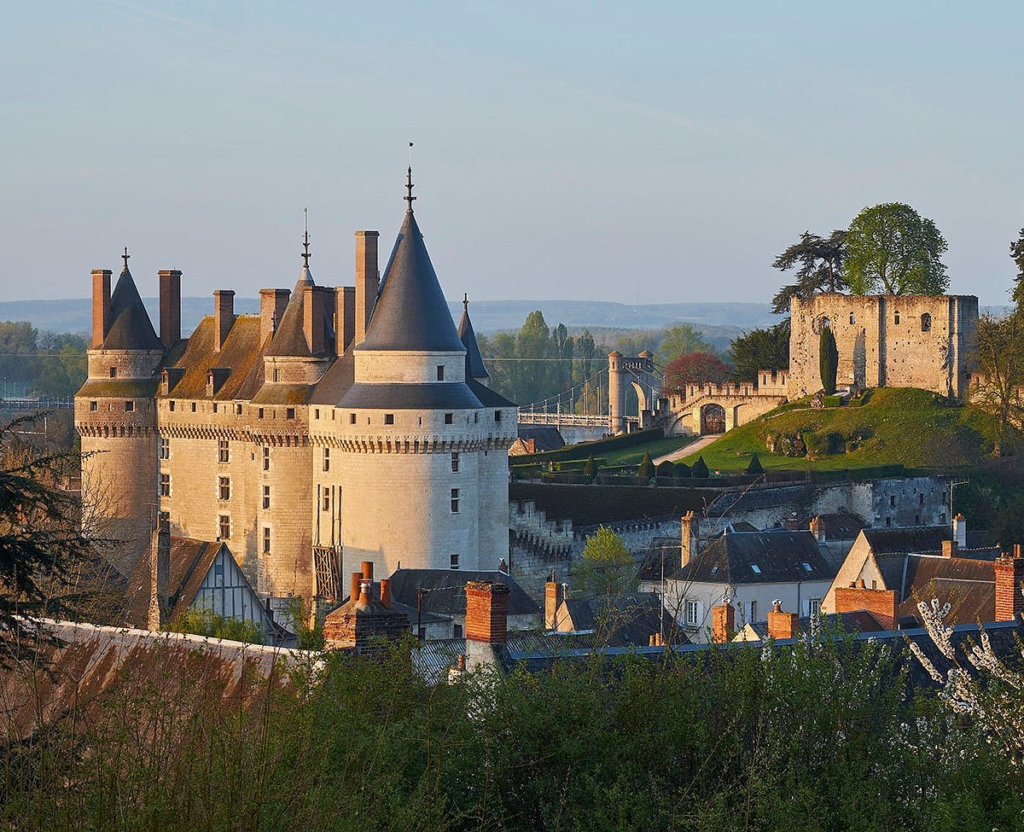
Sited dynamically within the northern residential quarter of Lallange, this elegant, multi-turreted manor house represents a unique era of aristocratic estate design.
- What it is famous for: Being a magnificent late 19th-century red-brick castle built in an eclectic historical style, featuring fairy-tale conical towers, steep slate roofs, and ornate window frames. Constructed by wealthy landowners just as the industrial revolution began to reshape the southern landscape, the palace sits surrounded by old parkland lawns. While the interior functions as a specialized residential facility, the striking exterior architecture offers a scenic stop for travelers exploring the residential history of the Minette region.