
Luxembourg City, anchoring the absolute geographic and financial crossroads of Western Europe atop a spectacular network of sheer sandstone cliffs, operates on a dramatic two-tiered urban layout where ancient defensive geography meets futuristic global diplomacy.
Historically originating in 963 AD as a fiercely contested promontory fortress natively named Lucilinburhuc (Little Castle), this strategic stronghold evolved over centuries of foreign sieges into a colossal, multi-layered walled capital known globally as the “Gibraltar of the North.”
Because the municipality masterfully preserved its deep, canyon-like river valleys and colossal stone bastions rather than leveling them for modern industrial grids, it earned its permanent cultural status as a UNESCO World Heritage treasure and the undisputed co-capital of the European Union.
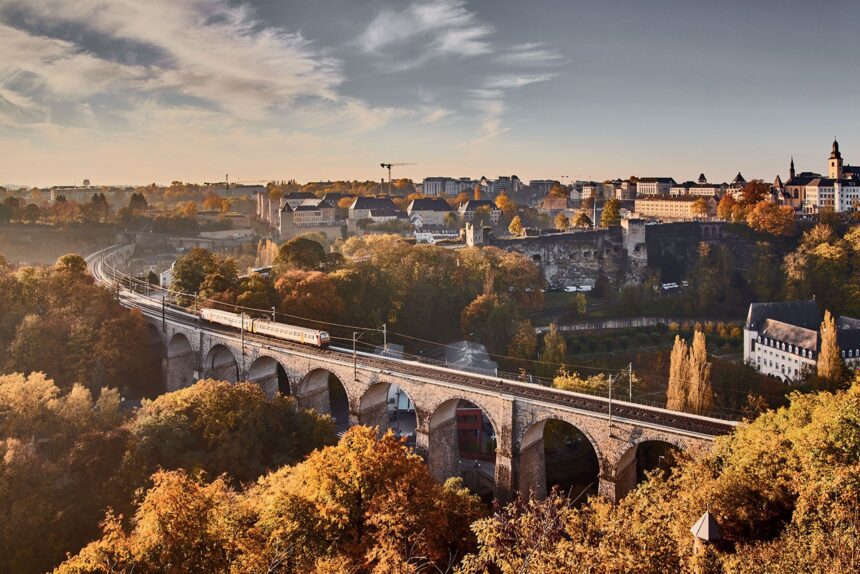
Today, Luxembourg City presents a striking architectural matrix where 17th-century underground military tunnels and towering stone viaducts stand directly beside clean-lined, hyper-modern glass skyscrapers and geometric European parliament complexes.
The metropolis effortlessly pairs its deep, battle-tested medieval pedigree with a progressive, multicultural passion for fine contemporary art, award-winning gastronomy, and a highly efficient, transit-connected civic lifestyle.
1. The Bock Casemates
The Spectacular Architectural Sovereign of Subterranean Cannon Galleries and Raw Sandstone Cliff Sagas
Dominating the absolute physical and historical cradle of the city overlooking a sheer loop of the Alzette River, this monumental labyrinth of stone tunnels stands proud as the defensive icon of the nation.
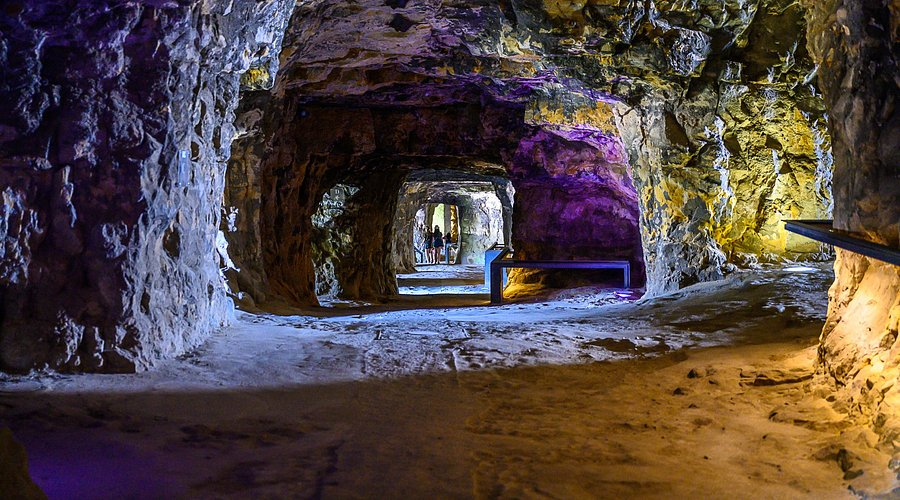
- What it is famous for: Being an extraordinary, 23-kilometer-long network of subterranean defense tunnels carved directly into the solid rock cliffs by the Spaniards, Austrians, and French between 1644 and the 1800s. This massive underground fortress once housed thousands of soldiers, horses, artillery workshops, kitchens, and deep cannon slits that guarded the valley below. Today, visitors can descend into the cool stone chambers to walk the winding passages and peer out through defensive slits that offer dramatic views of the old city districts.
2. Chemin de la Corniche
The Picturesque Walking Runway of High-Altitude Citadels and Slate-Roofed Valley Horizons
Slicing smoothly along the edge of the historic ramparts from the Bock promontory down to the Holy Ghost Citadel, this pedestrian promenade is celebrated internationally as “Europe’s most beautiful balcony.”
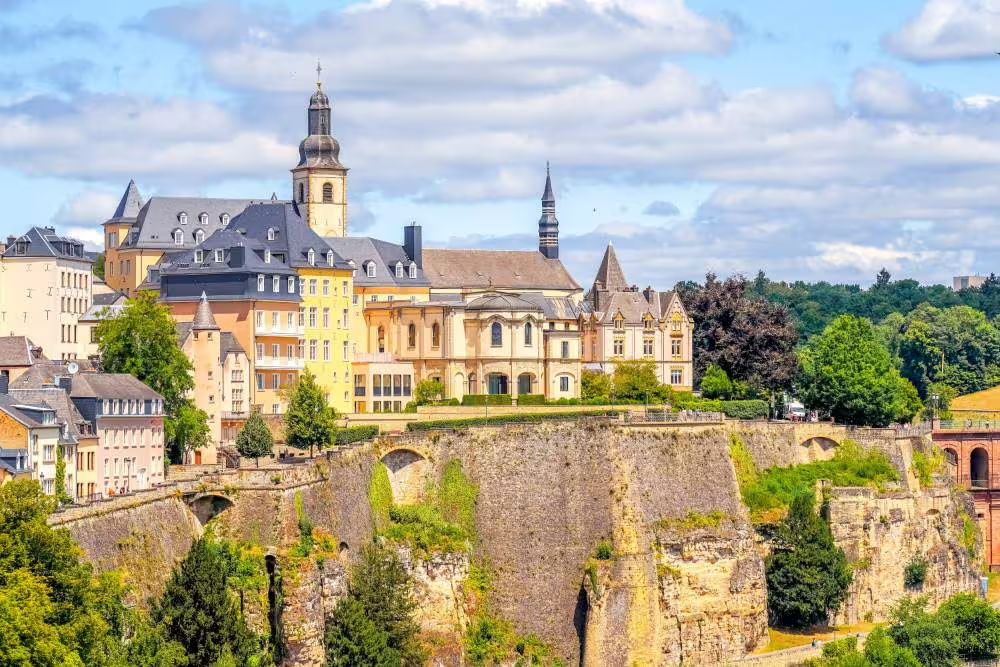
- What it is famous for: Its breathtaking, panoramic views looking directly down into the canyon of the Alzette River valley and the historic, picture-perfect Grund district. Built by the Spanish and French in the 17th century, the pedestrian walkway runs along the absolute crest of the stone battlements, where towering ramparts drop vertically into lush green gardens. The promenade serves as the ultimate walking track for photographers and travelers seeking to view the dramatic contrast between the city’s upper and lower tiers.
3. The Grund District
The Enchanting Open Air Oasis of Riverside Stone Bridges and Artisanal Taproom Inlets
Tucked quietly within the deep, low-lying gorge of the Alzette River directly beneath the shadow of the upper city cliffs, this historic valley village is a tranquil pedestrian sanctuary.
- What it is famous for: Its enchanting, old-world architecture featuring narrow cobblestone lanes, 14th-century stone bridges, and beautifully restored riverside stone cottages. Once a working-class district of tanners, millers, and craftspeople, the car-free valley has transformed into a vibrant cultural hotspot. Today, visitors take a specialized high-speed elevator through the solid rock cliff to access the district, gathering along the water’s edge to enjoy independent craft breweries, jazz clubs, and Michelin-starred restaurants.
4. Grand Ducal Palace
The Stately Architectural Sovereign of Flemish Renaissance Facades and Sovereign Guard Sagas
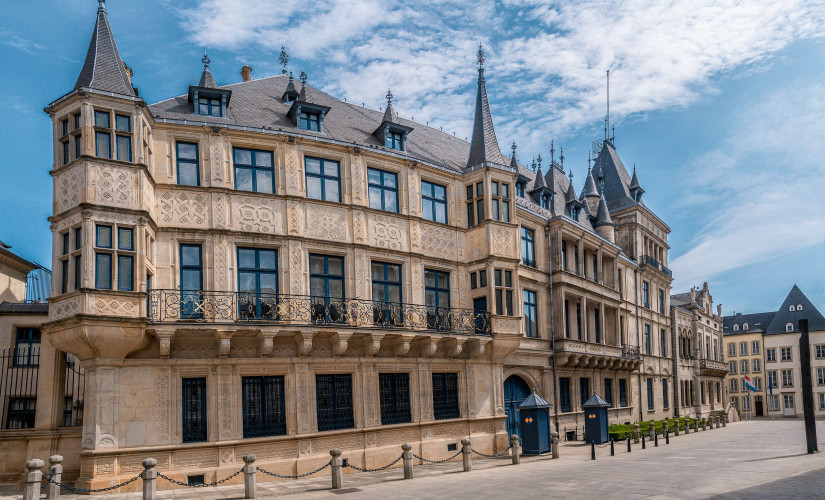
Commanding a prominent public footprint on the historic Krautmaart square in the center of the old town, this elegant palace represents the political core of the Grand Duchy.
- What it is famous for: Being the official town residence of the Grand Duke of Luxembourg, featuring a magnificent 16th-century Flemish Renaissance exterior adorned with intricate geometric carvings and delicate turrets. The grand interior apartments showcase spectacular crystal chandeliers, delicate stucco ceilings, and historic tapestries used for state banquets. During the summer months, travelers can tour the grand ceremonial rooms while watching the traditional changing of the guard ceremony on the cobblestones outside.
5. Place Guillaume II (Knuedler)
The Monumental Public Sovereign of Equestrian Bronze Statues and High-Energy Market Plazas
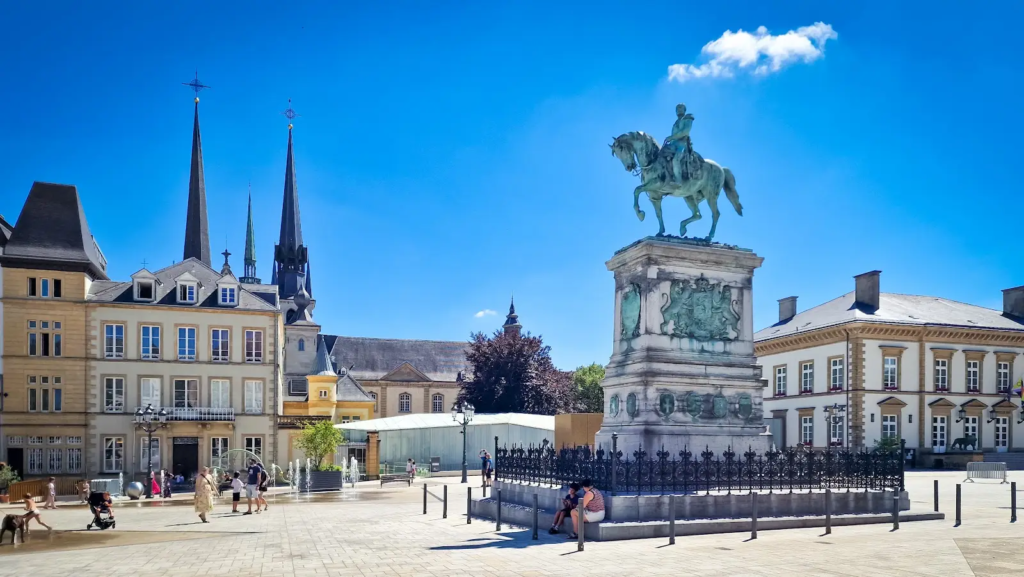
Slicing smoothly through the commercial and political heart of the upper city, this expansive public square is the primary civic gathering ground of the capital.
- What it is famous for: Hosting the historic City Hall and a monumental bronze equestrian statue of King Grand Duke William II, serving as a lively center for regional markets and festivals. Locally named “Knuedler” after the knot on the belts of the Franciscan monks who once ran a monastery on the site, the plaza fills every week with open-air market stalls selling regional cheeses, cured hams, and fresh flowers. The surrounding avenues are packed with independent cafes, boutique stores, and outdoor seating zones.
6. Mudam (Grand Duke Jean Museum of Modern Art)
The Radiant Cultural Repository of I.M. Pei Glass Canopies and Avant-Garde Sculpture Vaults
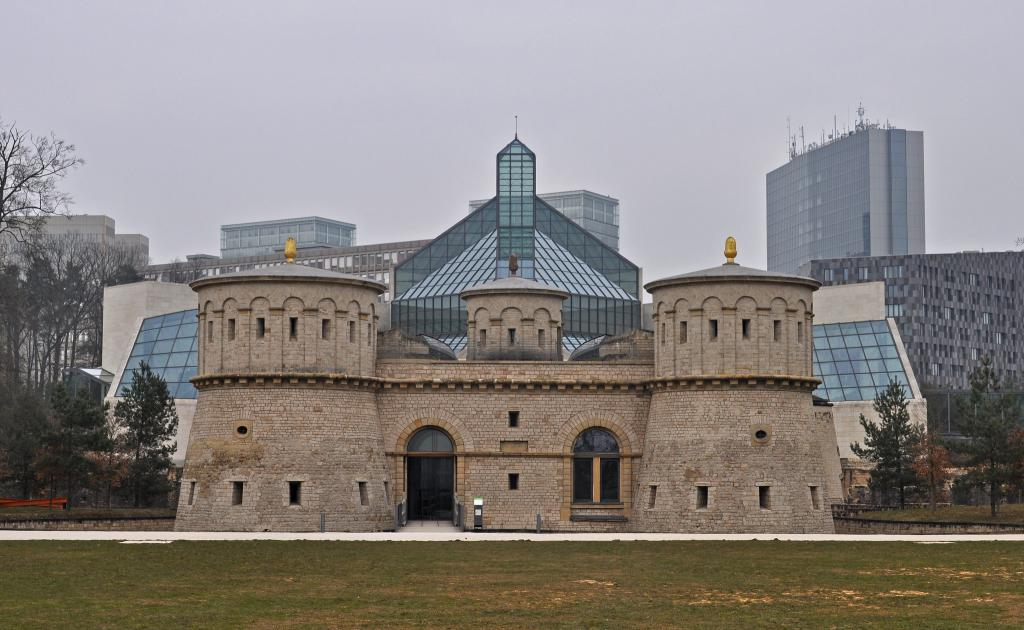
Dominating a prominent public hill within the historic Park Dräi Eechelen on the edge of the European Quarter, this architectural masterpiece holds the contemporary creative soul of the nation.
- What it is famous for: Being designed by the legendary architect I.M. Pei, who constructed a futuristic glass and honey-colored limestone palace directly over the stone ruins of Fort Thüngen. The museum houses an incredible international collection of contemporary art, photography, design, and multimedia installations. Visitors walk through soaring, light-flooded geometric galleries where modern sculptures are framed against panoramic views of the distant medieval city center.
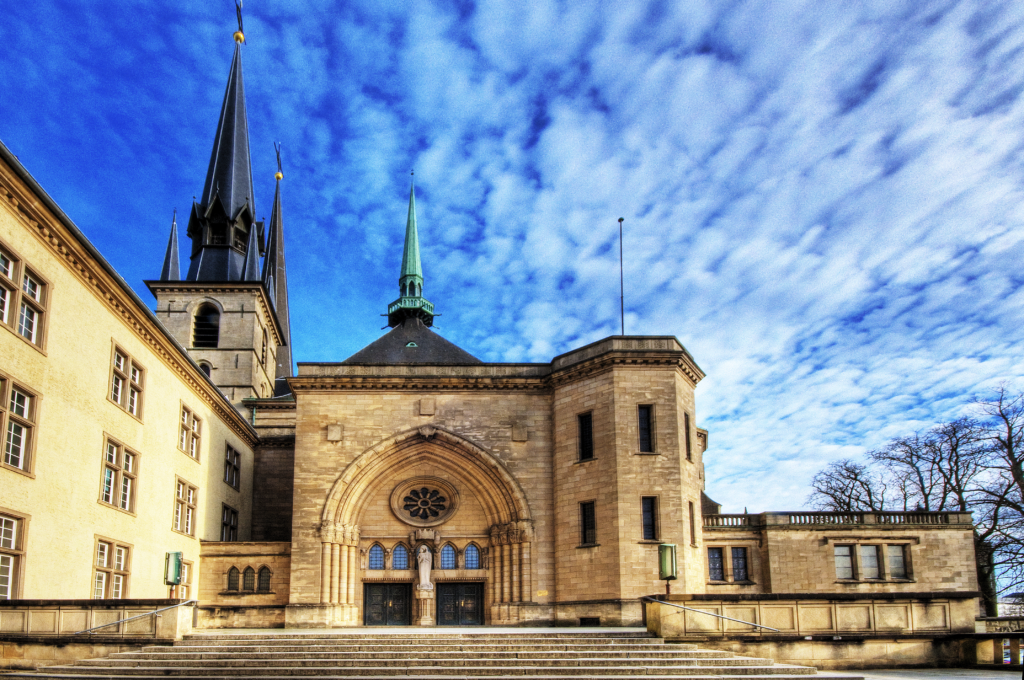
7. Notre-Dame Cathedral
The Breathtaking Gothic Sovereign of Alabaster Choir Screeens and Royal Crypt Vaults
Commanding a majestic limestone presence on the southern edge of the upper city grid, this historic house of worship is a masterpiece of Late Gothic and Renaissance design.
- What it is famous for: Being the only cathedral in Luxembourg, constructed originally as a Jesuit church between 1613 and 1621, featuring three iconic, soaring black spires that dominate the skyline. The interior nave houses magnificent stained glass windows, intricate alabaster sculpted pillars, and the sacred statue of the Comforter of the Afflicted. Deep beneath the main altar sits the solemn Royal Crypt, serving as the final resting place for the Grand Ducal family and the historic medieval hero John the Blind.
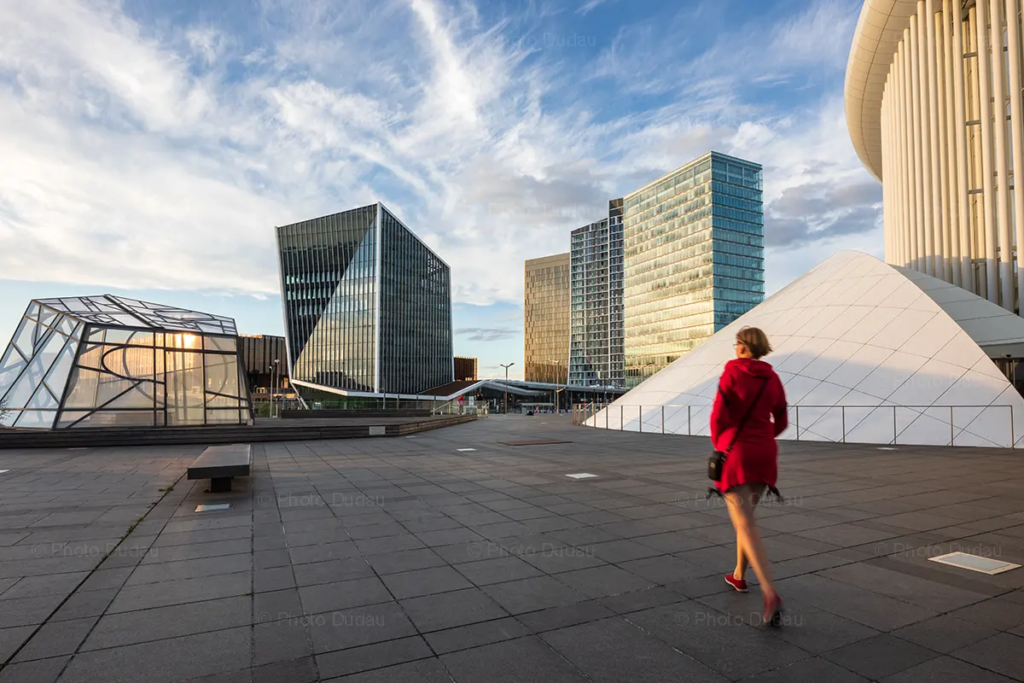
8. The Kirchberg District (The European Quarter)
The Colossal Modern Sovereign of Steel Sky-Scraper Vectors and Philharmonie Wave Canopy Spans
Sited dynamically across a vast, elevated plateau northeast of the historic core, this progressive district represents the futuristic, economic powerhouse of the region.
- What it is famous for: Housing the major institutions of the European Union, including the European Court of Justice, alongside architectural icons like the wave-shaped Philharmonie Luxembourg. The hyper-modern district features wide boulevards lined with soaring glass skyscrapers, public installations by world-renowned contemporary artists, and cutting-edge eco-architecture. It operates as a high-energy center for global finance, international diplomacy, and avant-garde architectural tours.
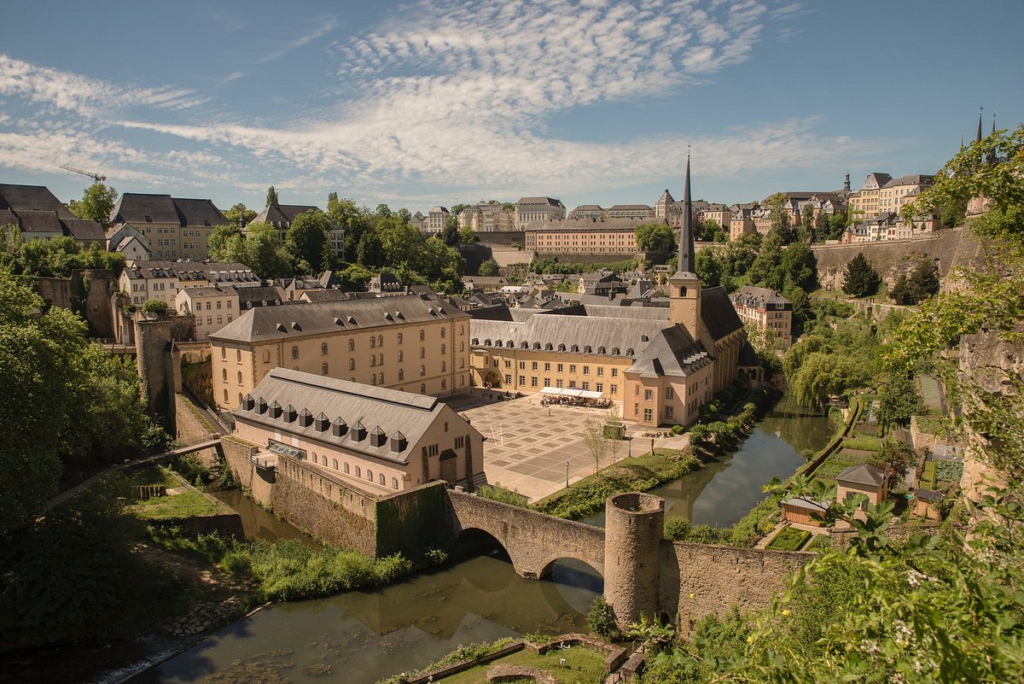
9. Neumünster Abbey
The Breathtaking Baroque Sovereign of Cloister Performance Yards and Ancient Monk Cloister Inlets
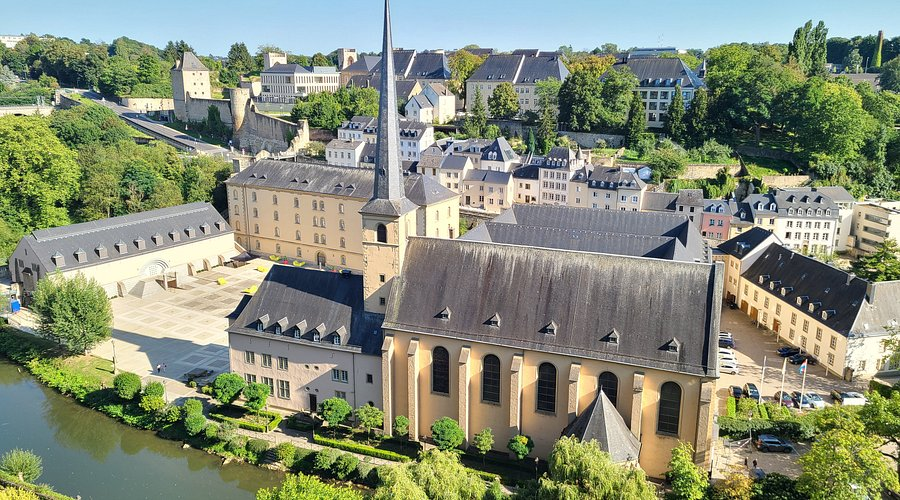
Tucked quietly into a deep bend of the river within the Grund valley directly beneath the Bock cliff, this grand 17th-century Benedictine abbey is a living cultural monument.
- What it is famous for: Being a historic monastic complex that transformed across centuries from a sacred abbey into a military hospital, a prison, and finally a world-class public cultural center. The complex features a spectacular Baroque stone church, a soaring central bell tower, and a massive courtyard that hosts major open-air concerts, theatrical plays, and international exhibitions. Walking through the vaulted stone corridors reveals a rich history where ancient monastic stillness meets contemporary artistic expression.
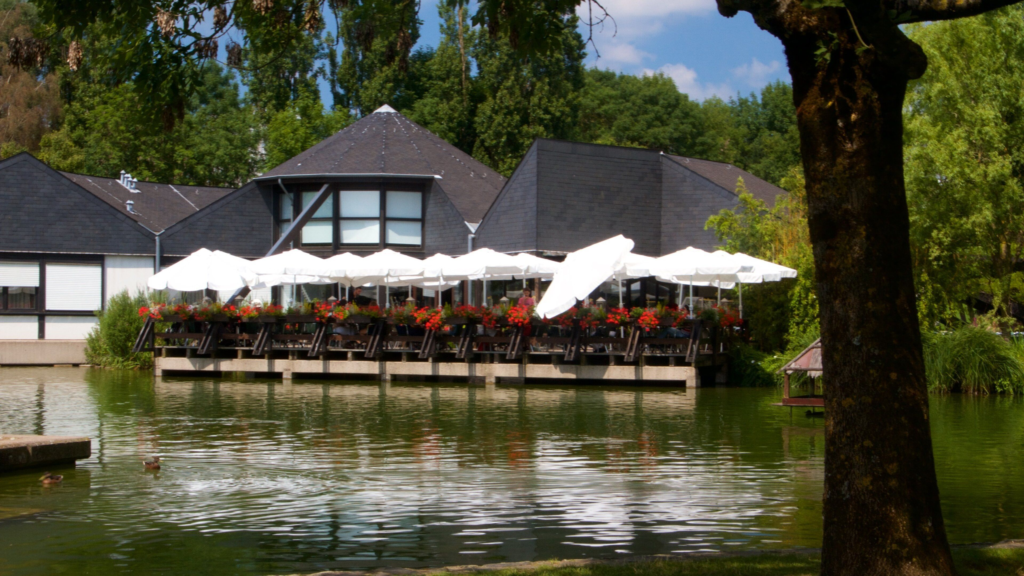
10. Parc Merl-Belair
The Picturesque Walking Runway of Victorian Pavilions and Sinuous Willow Lake Horizons
Slicing smoothly along the western residential borders of the upper city center, this pristine municipal parkland serves as the premier green escape for city dwellers.
- What it is famous for: Being a beautifully manicured landscape park featuring a large central lake, arched wooden bridges, and sprawling lawns shaded by ancient weeping willow trees. The park is celebrated for its peaceful, community-focused lifestyle, holding a large pavilion cafe with a terrace that overlooks the water. It functions as the ultimate summer relaxation spot, where citizens gather to read, enjoy morning jogs, and bring children to play in the expansive modern play zones.
11. Pfaffenthal Valley & Panoramic Elevator
The Sprawling Eco Matrix of Half-Timbered Artisan Quarters and Glass Observation Decks
Sited dynamically within a deep northern river gorge between the upper city center and the Kirchberg plateau, this historic artisan valley is home to an engineering wonder.
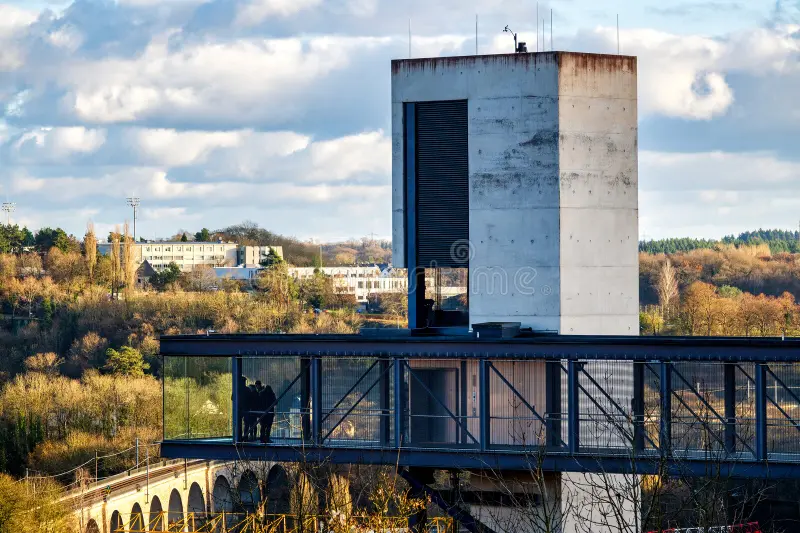
- What it is famous for: Housing the Pfaffenthal Panoramic Elevator, a spectacular glass-walled lift that rises 71 meters vertically to connect the valley directly to the upper city in 20 seconds. The historic district below features beautifully preserved half-timbered houses, ancient stone defensive gates built by the architect Vauban, and quiet river trails. Walking onto the elevator’s glass-floored observation deck offers travelers an unmatched, adrenaline-pumping view of the entire river valley and the massive stone railway viaducts nearby.