
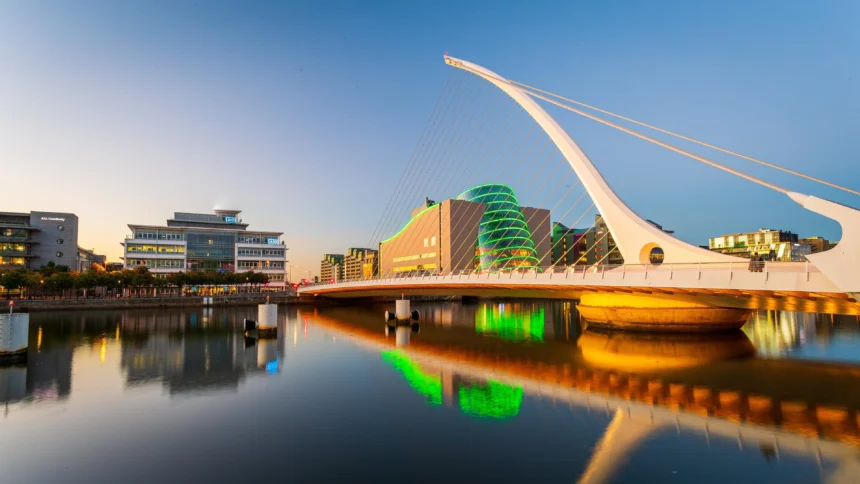
Dublin, anchoring the absolute eastern coastal frontier of Ireland along the sweeping, semi circular shores of Dublin Bay at the mouth of the River Liffey, operates on a spectacular low rise layout where ancient Gaelic roots meet progressive European architecture.
Historically originating as a dual 9th century Viking sea stronghold and ecclesiastical settlement natively named as Dubh Linn (The Black Pool), this Atlantic maritime hub evolved over centuries into the secondary capital of the British Empire before becoming the premier economic and creative engine of the independent Irish Republic.
Because the metropolis expanded thoughtfully around its historic public commons and tidal river channels rather than standardizing them with heavy industrial factories, it earned its permanent cultural status as a UNESCO City of Literature and the undisputed global center of modern Irish hospitality, education, and digital technology innovation.
Today, Dublin presents a striking architectural matrix where 12th century Anglo Norman stone cathedrals and grand 18th century Georgian brick terraces stand alongside clean lined, geometric glass complexes housing tech giants.
The city effortlessly pairs its deep historical pedigree with a fiercely energetic, bohemian passion for pub storytelling, live traditional acoustic music, and a relaxed coastal lifestyle.
1. Trinity College & The Old Library
The Spectacular Architectural Sovereign of Soaring Oak Arches and Ancient Gospel Illumination Vaults
Dominating the absolute physical and academic heart of the central city grid, this historic university campus stands proud as the absolute educational icon of Ireland.
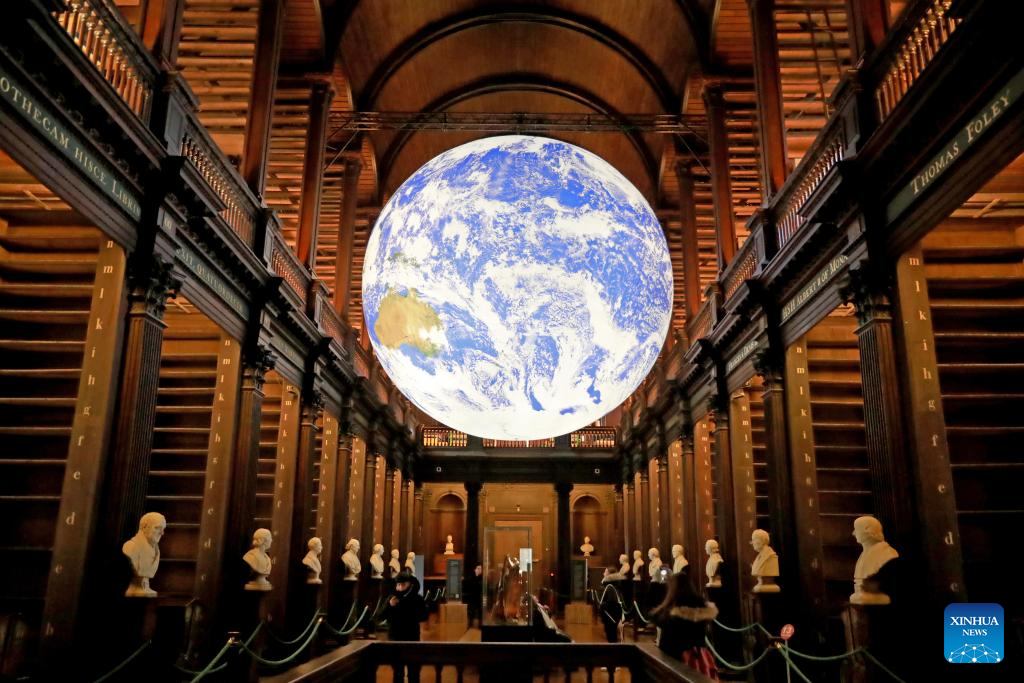
- What it is famous for: Housing the world famous Book of Kells, a masterfully illuminated 9th century Latin gospel manuscript crafted by Celtic monks. Visitors queue to view the intricate theological artwork before ascending into the breathtaking Long Room, a 65 meter long historic library chamber covered by a monumental barrel vaulted timber ceiling. The grand room holds over two hundred thousand of the oldest texts in the university collection, guarded by a majestic line of marble busts honoring great Western philosophers and legendary literary giants.
2. Guinness Storehouse
The Colossal Industrial Sovereign of Seven Storey Steel Atriums and Panoramic Pint Overlooks
Commanding a massive, high profile footprint within the historic St James Gate Brewery quarter on the western edges of the inner city, this converted storehouse is a global tourism magnet.
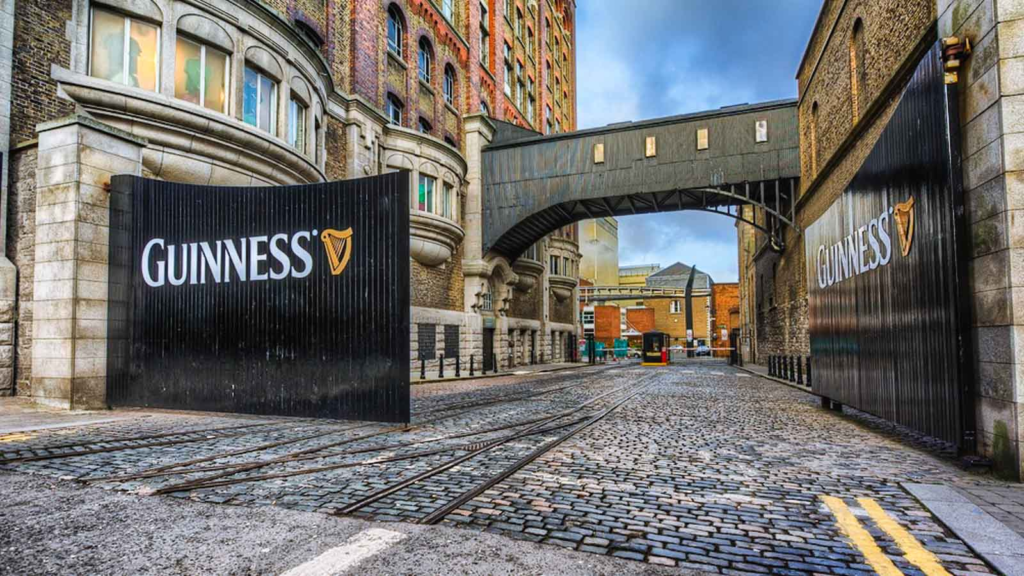
- What it is famous for: Being the ancestral home of Ireland most famous export, operating as an interactive multi sensory museum shaped like a giant pint glass. Built originally in 1904 as a state of the art fermentation plant using Chicago style steel girder engineering, the building guides visitors through the science of brewing using fire, water, barley, and hops. The journey culminates at the Gravity Bar on the seventh floor, where travelers can sample a fresh pint of dark stout while enjoying a stunning 360 degree panoramic view across the Dublin mountain horizons and coastal bays.
3. Temple Bar District
The Rowdy Cultural Runway of Cobblestone Pub Alleys and Non Stop Trad Music Fronts
Slicing smoothly through the absolute historic core of the old city grid directly along the southern banks of the River Liffey, this vibrant pedestrian quarter represents the entertainment heart of the capital.
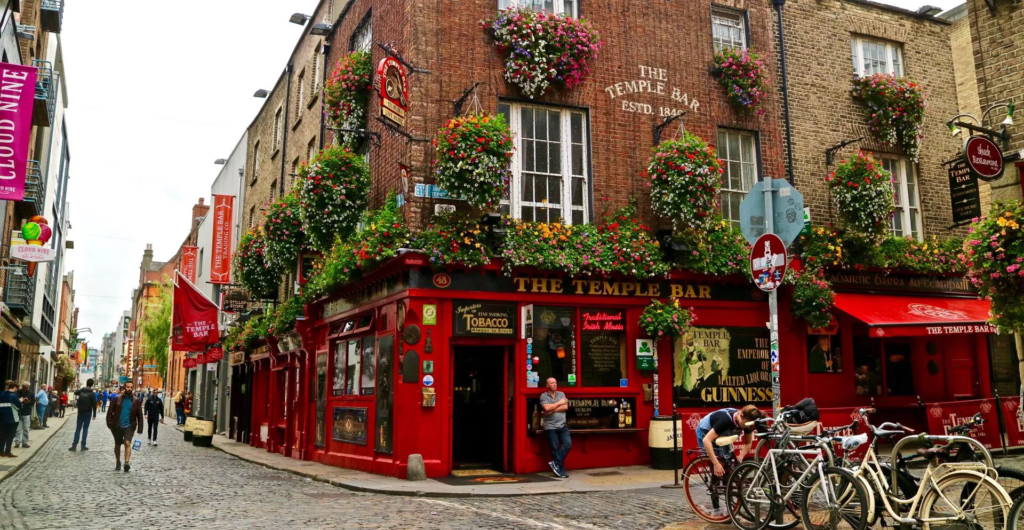
- What it is famous for: Its enchanting matrix of narrow cobblestone streets packed with traditional Irish pubs, street musicians, independent art galleries, and cultural centers. The bustling district functions as a lively round the clock social hub where fiddle and accordion music spills onto the lanes from historic venues like the red fronted Temple Bar Pub. While famous for its high energy nightlife, the quarter also hosts bustling weekend open air food markets and book bazaars within its historic brick courtyards.
4. Kilmainham Gaol
The Enigmatic Stone Sentinel of Panoptic Iron Atriums and Nationalist Rebel Vaults
Sited dynamically within the western residential suburbs just a short transit ride from the municipal core, this historic unoccupied prison is an atmospheric national monument.
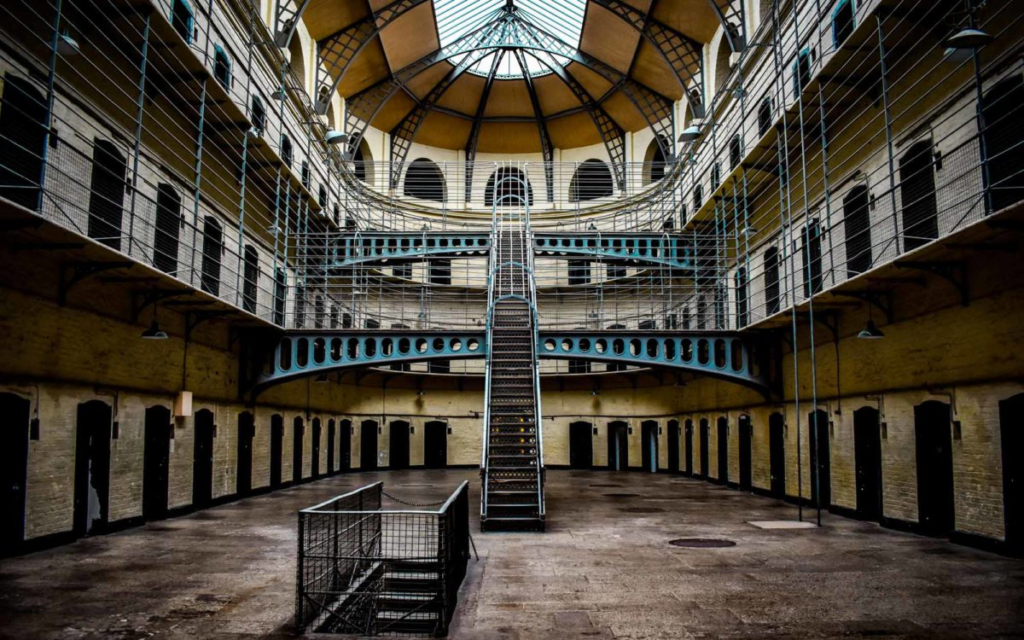
- What it is famous for: Being the absolute crucible of modern Irish history, where the leaders of the historic 1916 Easter Rising rebellion were held and executed. The prison features a monumental Victorian East Wing designed on the panopticon principle, utilizing a central open iron catwalk system under a large skylight so guards could observe all cell doors simultaneously. A guided tour through the silent stone corridors and the grey execution courtyard offers a powerful look at the harsh political struggle for national independence.
5. Phoenix Park
The Sprawling Horizon Greenbelt of Free Roaming Fallow Deer and Neoclassical Mansion Lawns
Commanding a massive geographic footprint just northwest of the central city quays, this fully enclosed public parkland represents one of the largest urban green spaces in Europe.
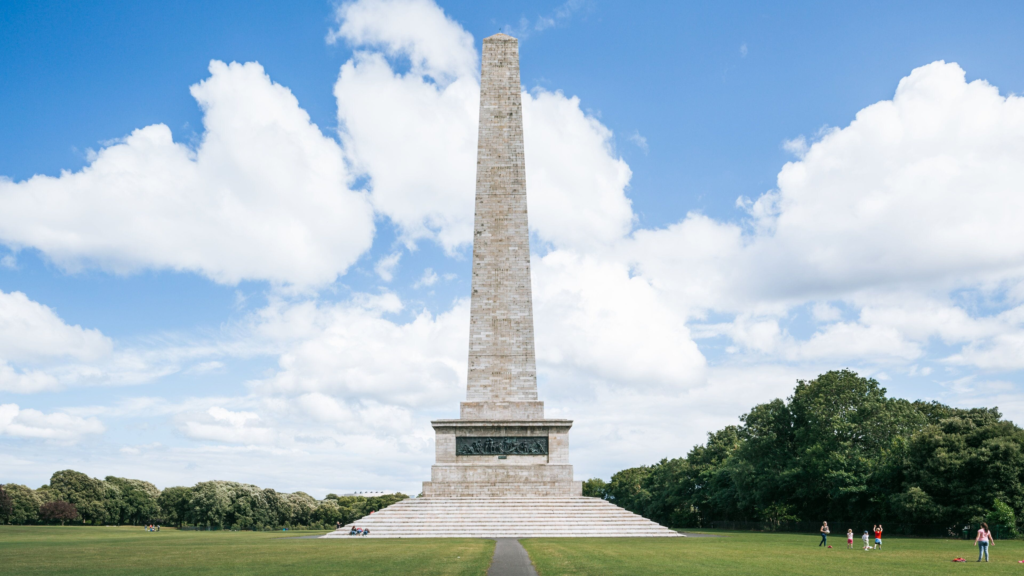
- What it is famous for: Its vast expanses of wild grasslands and historic tree groves that have been home to a wild herd of hundreds of free roaming fallow deer since the 17th century. Originally established as a royal hunting park, the grounds house the official neoclassical white mansion residences of the President of Ireland and the United States Ambassador. Visitors walk the endless trails to view the massive 62 meter high Wellington Monument obelisk or visit the historic Dublin Zoo situated inside the park perimeter.
6. St Patrick Cathedral
The Monumental Anglo Norman Sovereign of Soaring Stone Naves and Jonathan Swift Crypt Vaults
Dominating the ancient urban landscape near the historic crossroads of the old town, this majestic stone basilica stands proud as the national cathedral of the Church of Ireland.
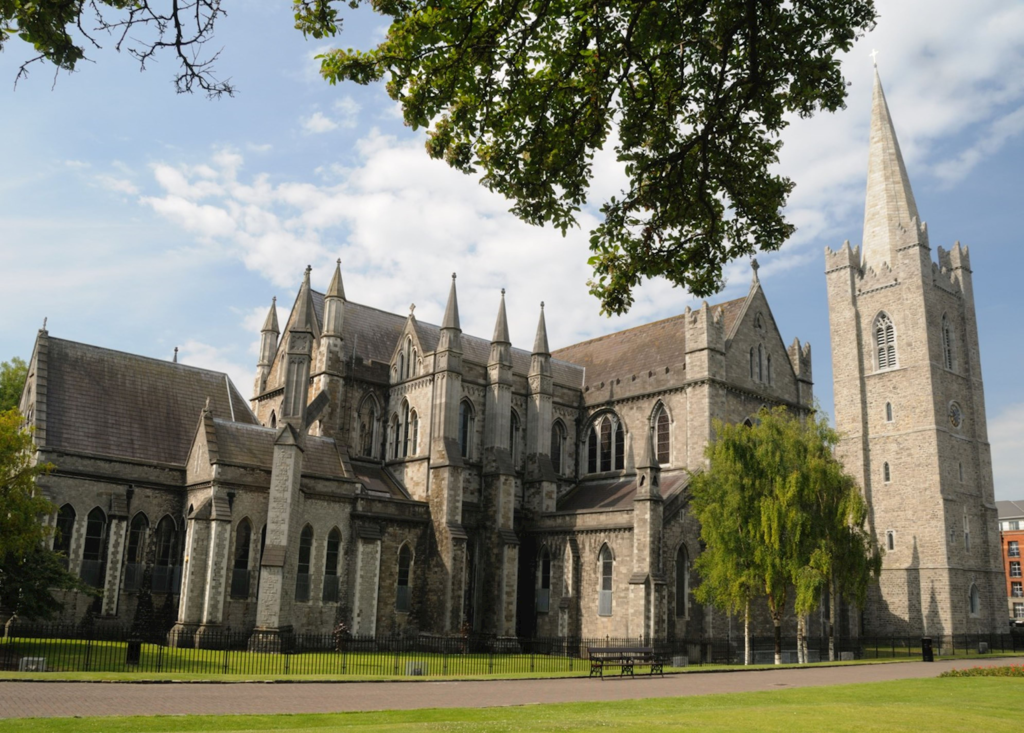
- What it is famous for: Being the largest church in Ireland, founded in 1191 adjacent to a sacred natural freshwater spring where Saint Patrick traditionally baptized early believers. The building features a grand Gothic interior filled with historic military banners, intricate medieval floor tiles, and the marble burial crypt of Jonathan Swift, the legendary author of Gulliver Travels who served as the cathedral dean during the 1700s. The adjacent public parklands provide a scenic view of the flying buttresses and stone spires.
7. Dublin Castle
The Stately Anglo Norman Sovereign of Stone Record Towers and Gilded State Apartments
Occupying a prime, elevated stone ridge positioned at the absolute historic center of the old town grid, this fortified complex represents centuries of political authority.
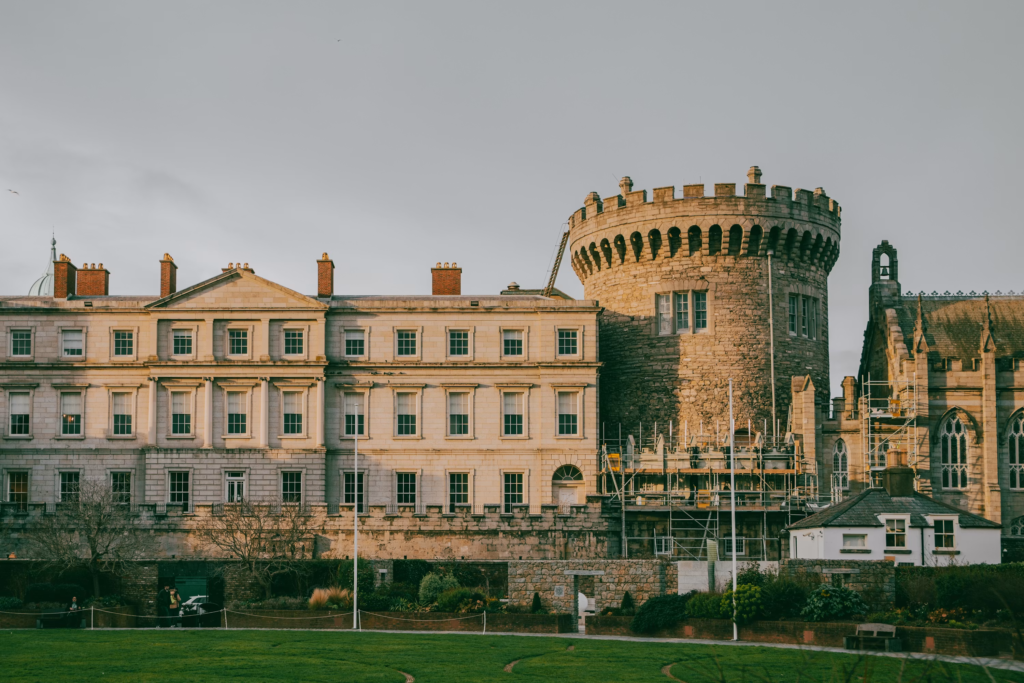
- What it is famous for: Serving as the official seat of British administration in Ireland for over seven hundred years until its symbolic handover to Michael Collins in 1922. The complex features the medieval stone Record Tower dating back to 1204, which stands beside the luxurious 18th century State Apartments used today for presidential inaugurations and European state banquets. Below the courtyard stones, visitors can descend to view the excavated remains of the original Viking fortress walls and the old castle moat.
8. National Museum of Ireland – Archaeology
The Radiant Cultural Repository of Prehistoric Celtic Gold and Iron Age Bog Bodies
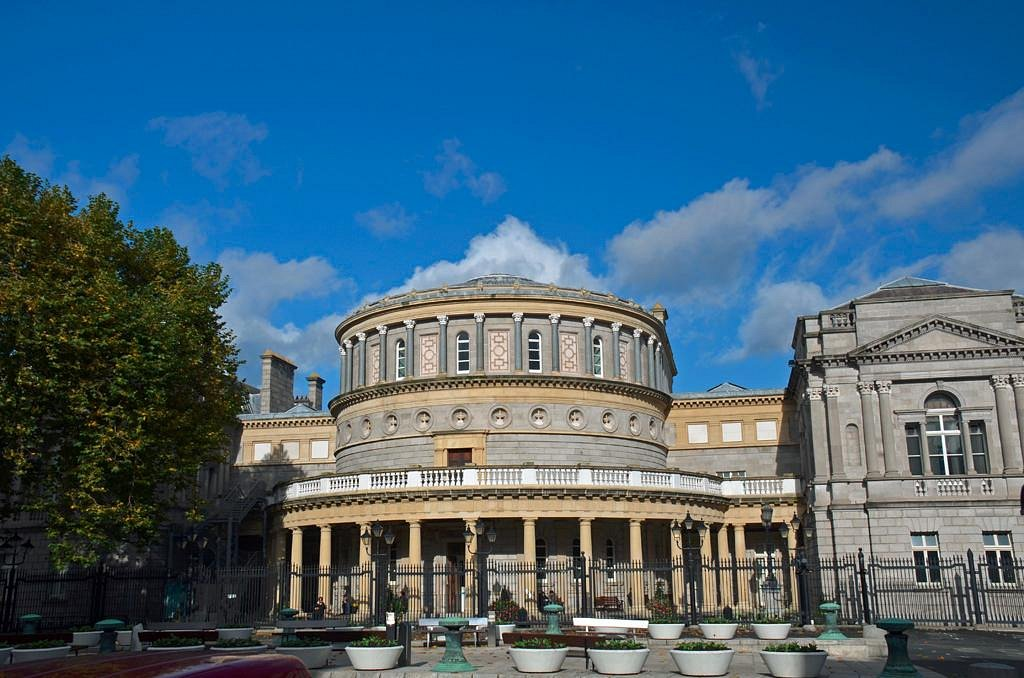
Nestled gracefully inside a spectacular, neo classical palladian rotunda building on Kildare Street near the government quarters, this museum holds the ancestral memory of the island.
- What it is famous for: Housing the ultimate collection of prehistoric Irish gold ornaments, medieval silver antiquities, and exceptionally preserved prehistoric bog bodies. The central exhibition hall features iconic national treasures like the 8th century Ardagh Chalice and the intricate Tara Brooch, which showcase the high craftsmanship of early Celtic Christian art. The specialized Kingship and Sacrifice gallery features incredibly preserved Iron Age bodies recovered from rural peat bogs, offering an eerie look at ancient tribal rituals.
9. Christ Church Cathedral
The Breathtaking Romanesque Sovereign of Asymmetrical Crypt Vaults and Medieval Mummified Relics
Commanding a prominent public stone platform overlooking the historic river valley routes, this grand cathedral is the oldest stone building in the city center.
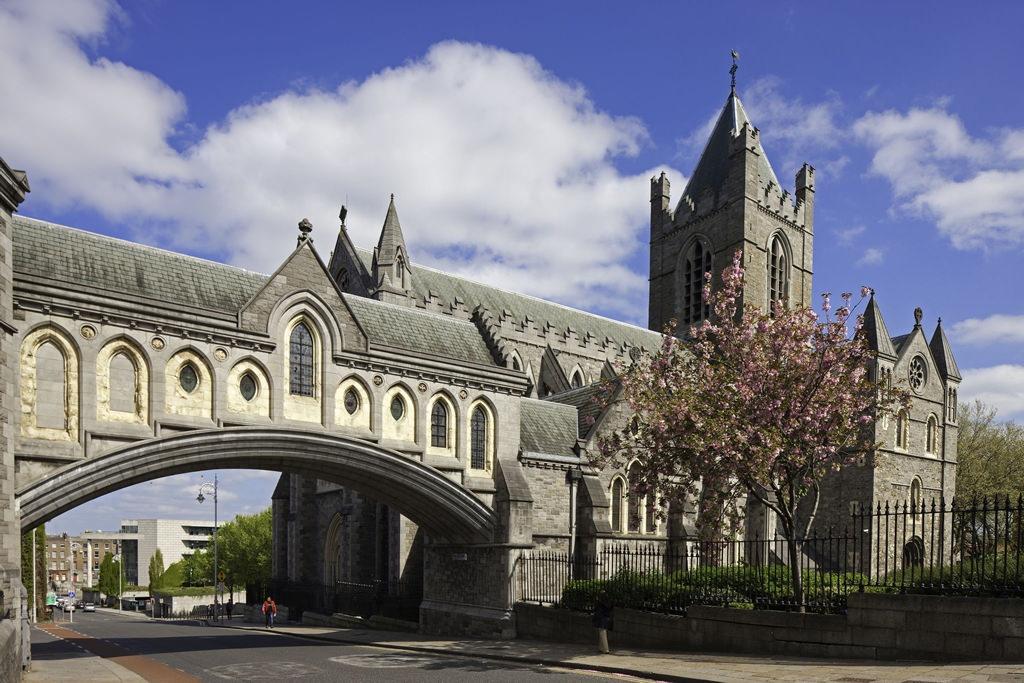
- What it is famous for: Its extraordinary 12th century Romanesque and Gothic stone architecture, featuring the largest medieval crypt vault system in Ireland and Britain. Founded originally around 1030 by the Viking King Sitric Silkenbeard, the cathedral structure features a beautiful stone flying arch bridge connecting it to the Synod Hall. Inside the massive underground crypt, visitors can explore historic royal plate treasures alongside unique relics, including the famous mummified cat and rat trapped inside an organ pipe in the 1860s.
10. Merrion Square & Stephen’s Green
The Picturesque Walking Runway of Colorful Georgian Doors and Oscar Wilde Bronze Monuments
Slicing smoothly through the absolute heart of the south city elite quarter, these twin historic parklands represent the absolute peak of 18th century urban planning.
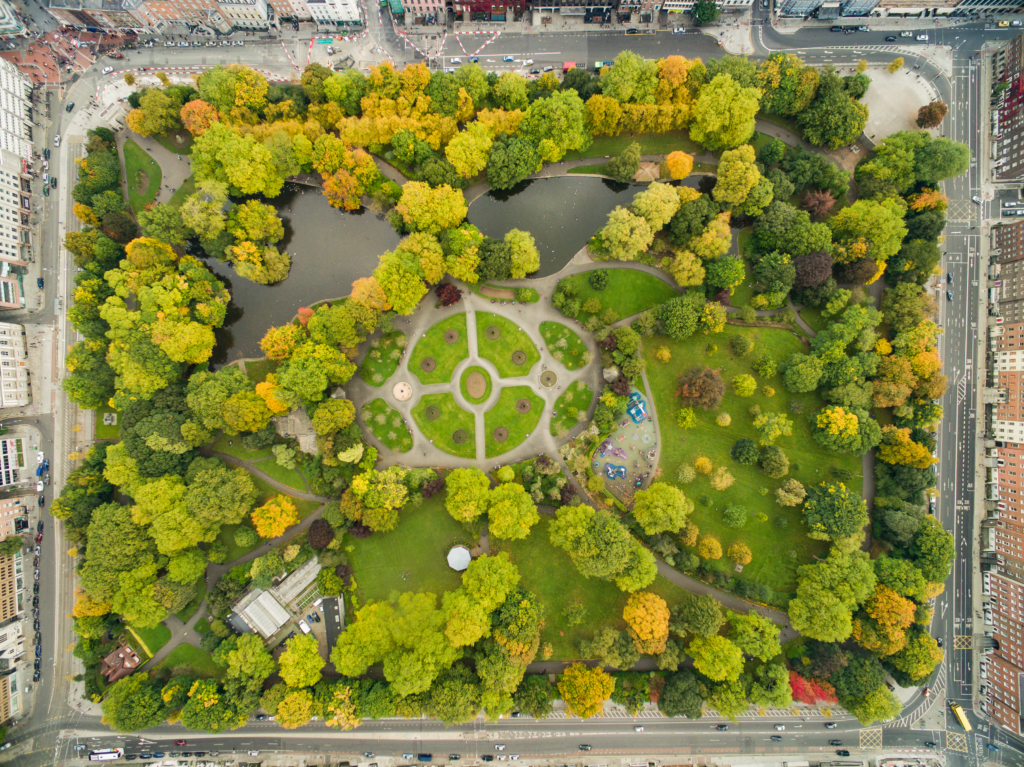
- What it is famous for: Being the architectural masterpiece of the Dublin Georgian era, framed by hundreds of uniform red brick townhouses featuring iconic brightly colored wooden doors and ornate brass knockers. Merrion Square park features a famous, colorful bronze sculpture of author Oscar Wilde leaning on a boulder across from his childhood home. A short walk away sits St Stephen Green, a historic public common re-engineered into a Victorian park filled with ornamental lakes, stone bridges, and hidden pathways.
11. EPIC The Irish Emigration Museum
The Breathtaking Minimalist Palace of Interactive Digital Vaults and Global Diaspora Sagas
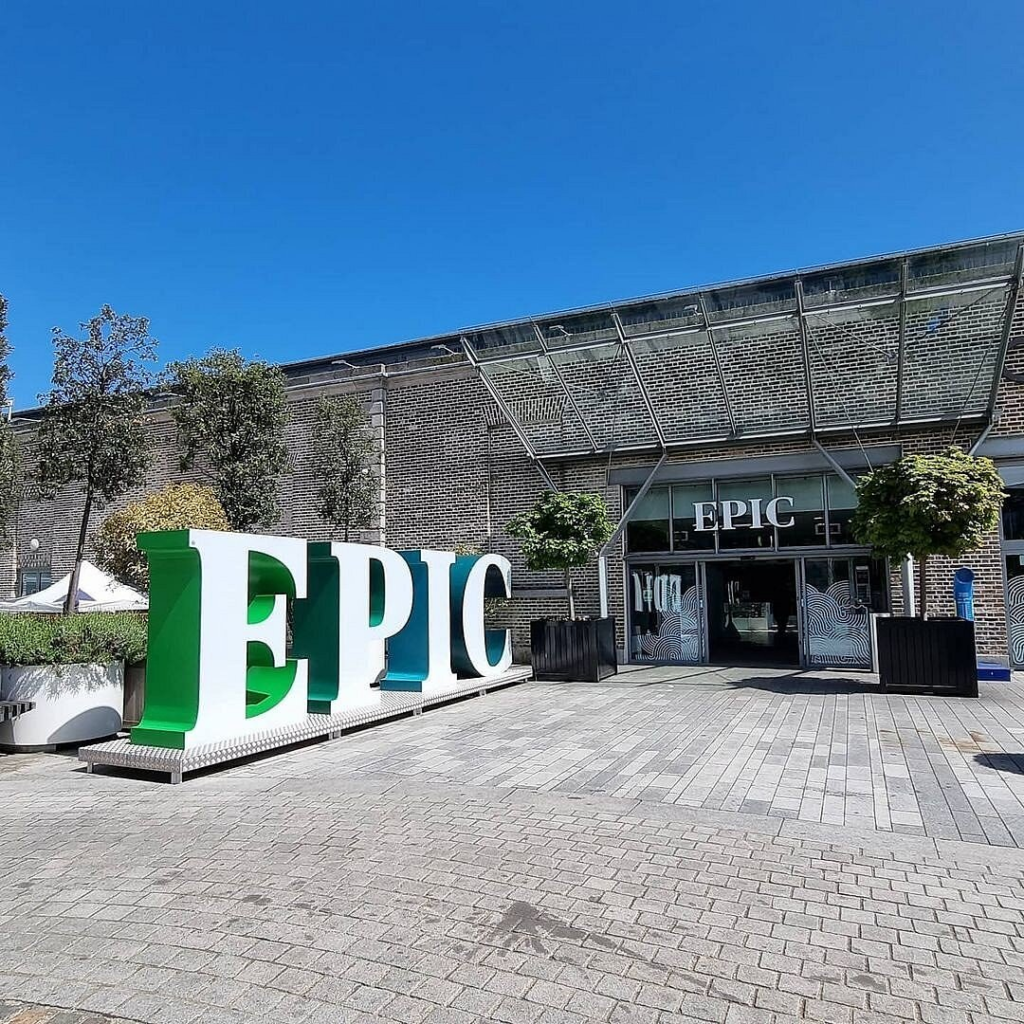
Tucked quietly into the historic stone vaults of the CHQ building within the restored Docklands district, this cutting edge digital museum is a modern masterpiece.
- What it is famous for: Being the world first fully digital museum, dedicated entirely to the sweeping histories of the ten million Irish people who emigrated across the globe. Located inside original 1820s brick tobacco and wine warehouses, the museum uses advanced interactive touch screens, audio sensors, and motion tracking galleries to tell stories of sacrifice, cultural impact, and global triumph. It operates as a vital cultural experience where visitors can trace their own family lineage labs while discovering how Irish music, dance, science, and politics spread worldwide.