
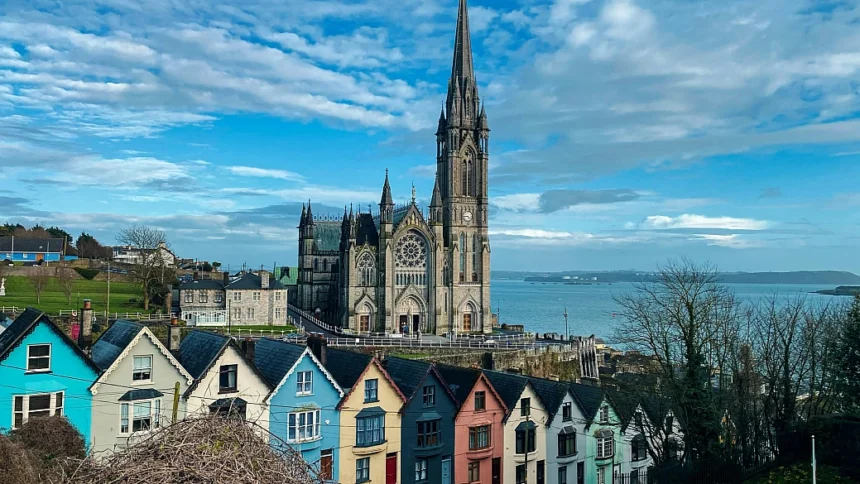
Cork, anchoring the absolute southwestern maritime frontier of Ireland across a complex network of channels on the River Lee, operates on a spectacular landscape layout where the city center sits entirely on a historic island.
Historically originating as a sacred 6th century monastic settlement founded natively by Saint Finbarr, this southern stronghold evolved through a fierce 9th century Viking invasion into a fortified Norman merchant port.
Because the metropolis expanded thoughtfully along its reclaimed river valleys and steep, hill hugging northern terraces rather than standardizing them with heavy industrial grids, it earned its permanent cultural status as the “Rebel City” and the undisputed culinary, artistic, and independent merchant capital of southern Ireland.
Today, Cork presents a striking architectural matrix where 19th century French Gothic limestone cathedrals and grand Georgian avenues stand alongside clean lined, geometric waterfront galleries and repurposed brewing warehouses.
The city effortlessly pairs its deep seafaring pedigree with a progressive, fiercely independent bohemian passion for artisanal food production, traditional acoustic music sessions, and a relaxed, walking centered lifestyle.
1. The English Market
The Spectacular Architectural Sovereign of Soaring Timber Roof Arches and Artisanal Gastronomy Vaults
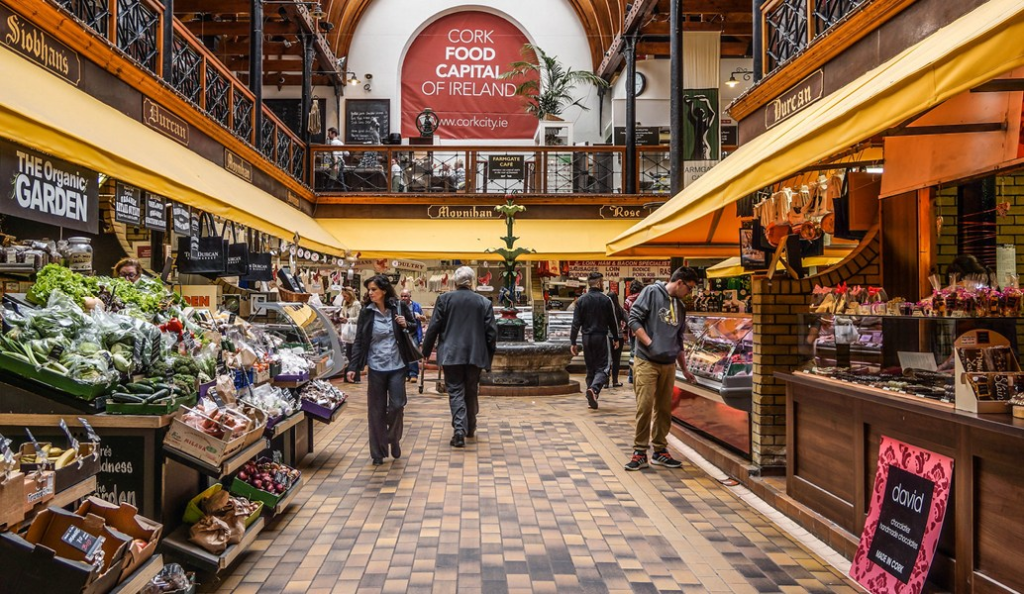
Dominating the absolute commercial and culinary core of the central island district, this historic covered food bazaar stands proud as the gastronomic soul of Ireland.
- What it is famous for: Being one of the oldest operating municipal food markets in Europe, celebrated for its spectacular 1862 Victorian vaulted ceiling and ornate central fountain. The market functions as a bustling everyday paradise for local food lovers, housing independent family owned stalls that showcase the finest regional cheeses, organic meats, traditional spiced beef, and freshly landed Atlantic seafood. Its absolute cultural significance is recognized globally, attracting visiting monarchs and international culinary icons to sample traditional Cork delicacies like drisheen and buttered eggs.
2. Blarney Castle & Gardens
The Enchanting Open Air Oasis of Medieval Stone Keeps and Legendary Eloquence Pillars
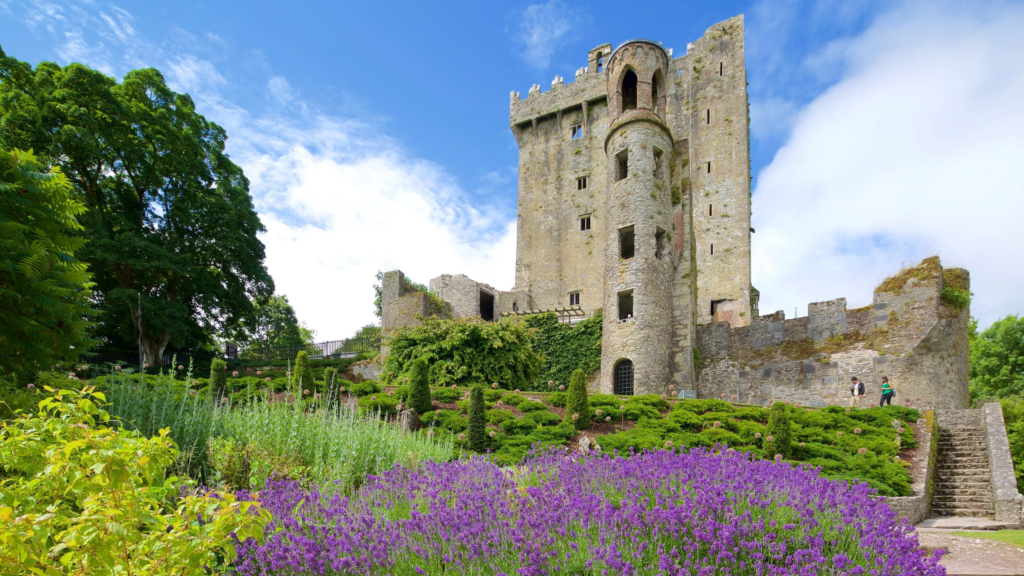
Sited dynamically within a vast, emerald forest estate in the historic village of Blarney just an easy fifteen minute transit ride northwest of the city center, this iconic stronghold is an global landmark.
- What it is famous for: Housing the world famous Blarney Stone, a legendary block of carboniferous limestone built into the castle battlements that grants the gift of eloquence to anyone who kisses it. To perform the ritual, brave travelers must ascend the spiral stairs of the magnificent 1446 MacCarthy tower house and lean backward over a sheer drop at the top of the castle walls. The surrounding estate features ancient, mystical grounds including the Rock Close, a pre-Christian druidic garden filled with sacrificial altars, hidden limestone caves, and ancient yew groves.
3. Shandon Steeple (St. Anne’s Church)
The Stately Architectural Sovereign of Asymmetric Sandstone Towers and Interactive Bell Chimes
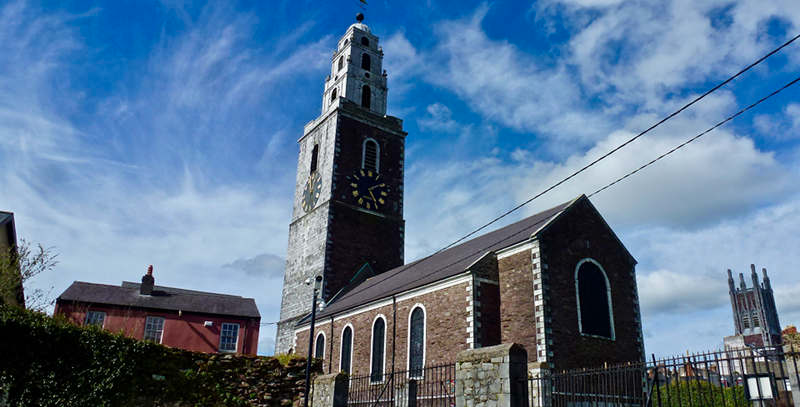
Commanding a prominent public stone ridge overlooking the historic working class lanes of the northern hills, this unique 1722 church defines the skyline of the city.
- What it is famous for: Its extraordinary two-toned red sandstone and white limestone tower, topped by a giant golden fish weather vane and housing the famous Shandon Bells. Known affectionately to locals as the “Four-Faced Liar” because the four clocks on each side of the tower often show slightly different times due to wind resistance, the church allows visitors to ascend to the belfry to pull the historic ropes and play traditional Irish tunes across the urban valley. Climbing further brings travelers to a spectacular viewing balcony looking down over the winding loops of the River Lee.
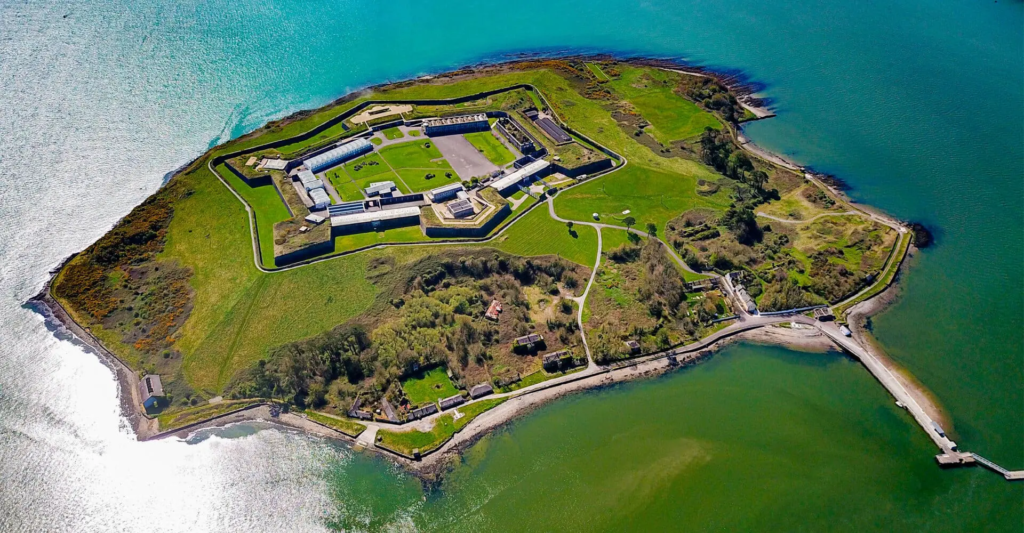
4. Spike Island
The Enigmatic Hidden Sentinel of Star Shaped Fortresses and Modern Convict Vaults
Sited dynamically within the sweeping blue waters of Cork Harbour—the second largest natural harbor basin in the world—this island fortress holds deep national history.
- What it is famous for: Being a massive 104 acre star-shaped military fortification that functioned as the largest prison in the British Empire during the Victorian era. Often referred to as “Ireland’s Alcatraz,” the island has held a 6th century monastery, a massive 18th century artillery fort, and a high-security prison block where Irish nationalists were held during the war of independence. Today, travelers arrive via a scenic ferry ride to explore the dark underground tunnels, walk the high defensive ramparts, and tour the restored solitary confinement cells.
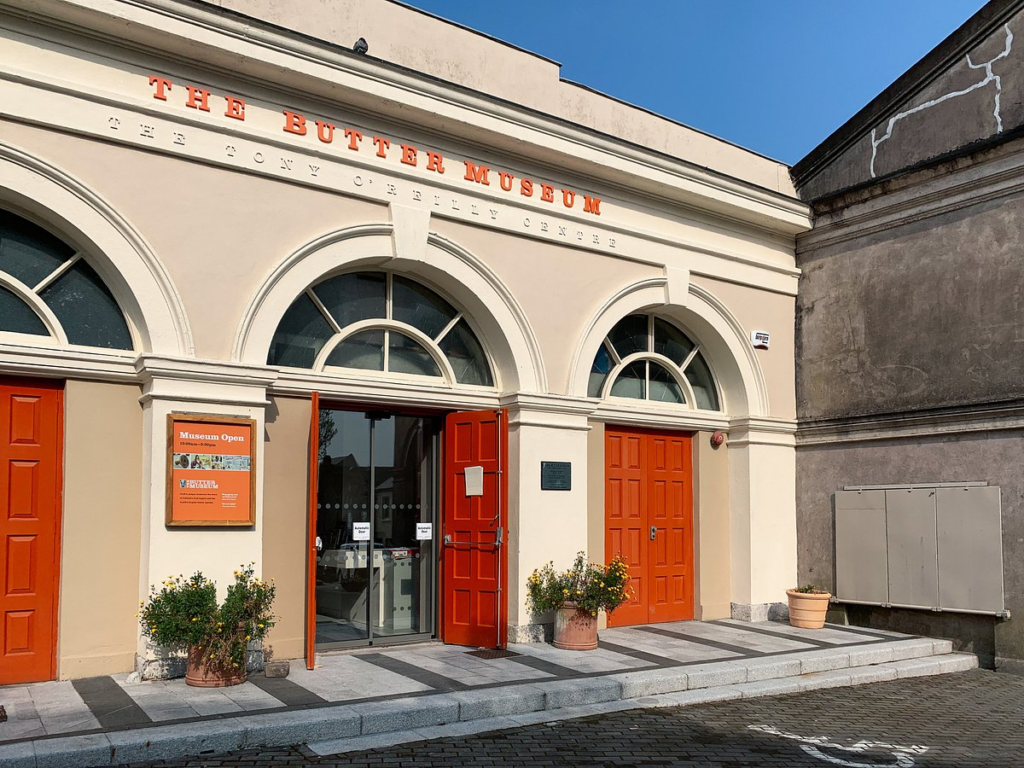
5. Cork Butter Museum
The Radiant Cultural Repository of Golden Firkin Vaults and Historic International Trade Sagas
Nestled gracefully within the historic cobblestone square of the Shandon district, directly adjacent to the historic Firkin Crane building, this specialized museum preserves local trade history.
- What it is famous for: Documenting the history of the Cork Butter Exchange, which grew in the 19th century to become the largest and most successful commercial butter market in the world. The museum features highly informative displays showcasing antique wooden churns, historic butter stamps, and beautifully preserved firkins (wooden casks) used to export salted Irish butter across global trade lanes to the Americas and Asia. Visitors can explore the science of dairy production and view a preserved sample of millennia-old bog butter recovered from rural Irish peatlands.
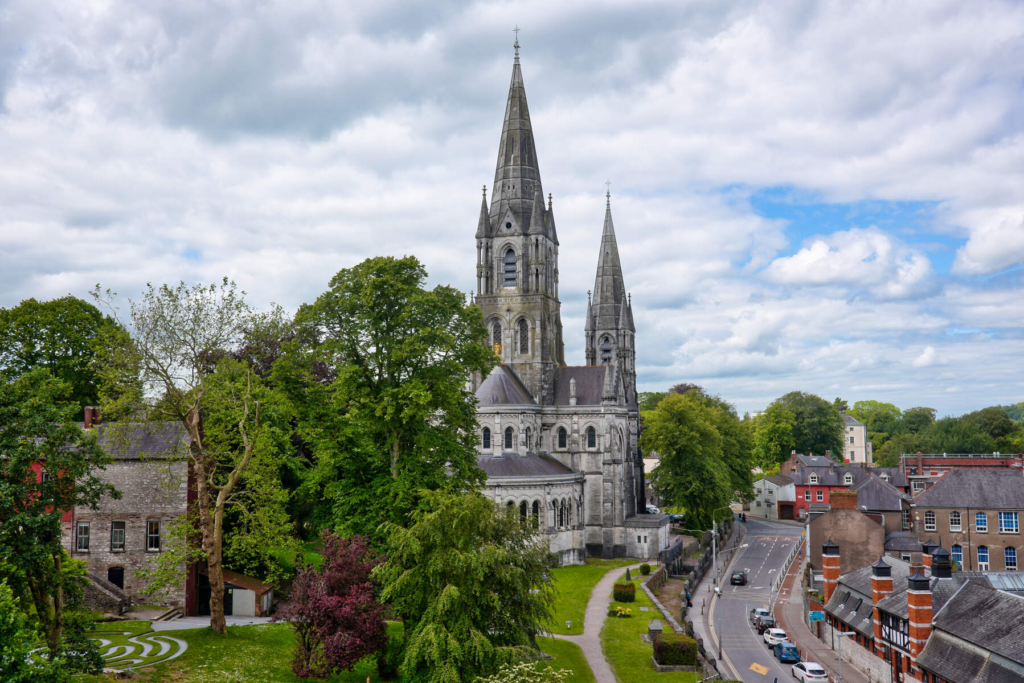
6. St. Fin Barre’s Cathedral
The Monumental French Gothic Sovereign of Three Stone Spires and Gilded Resurrection Angels
Dominating the ancient south-bank hill site where the city originally originated, this majestic French Gothic limestone cathedral stands proud as an absolute masterwork of Victorian architecture.
- What it is famous for: Its breathtaking, highly theatrical architectural design featuring three soaring spires, gargoyles, and over a thousand intricately carved stone figures. Designed by the visionary English architect William Burges and completed in 1879, the cathedral interior is a dazzling showcase of rich marble mosaics, colorful stained glass windows, and a monumental organ built into a deep pit in the floor. On the eastern roof peak stands the famous gilded bronze “Resurrection Angel,” which local folklore predicts will blow its trumpet to signal the end of the world.
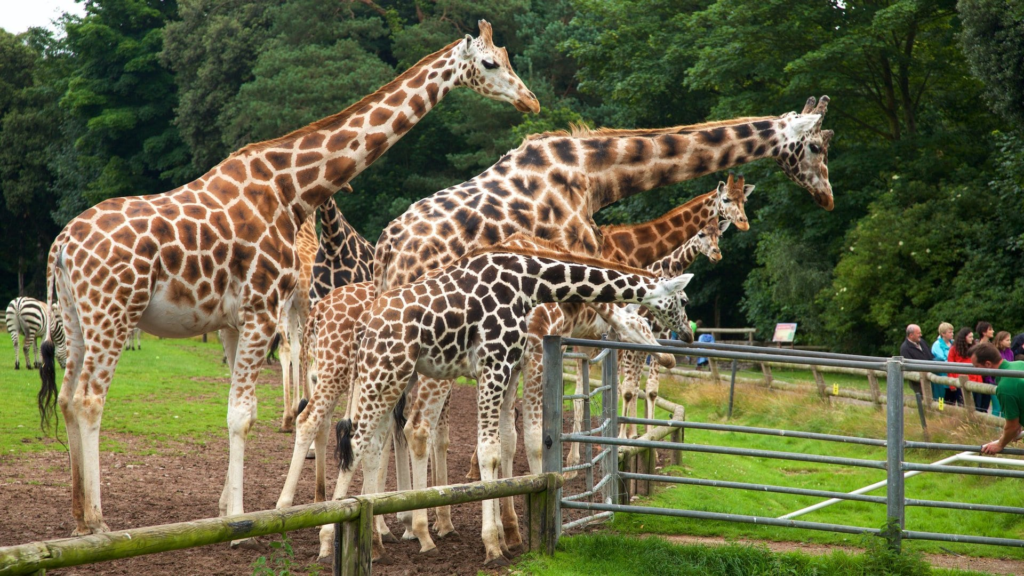
7. Fota Wildlife Park
The Sprawling Eco Matrix of Free Roaming Lemurs and Cheetah Conservation Runways
Occupying a massive, fully protected 100 acre environmental estate on Fota Island just a short, scenic commuter train journey east of the city, this conservation center is a nature haven.
- What it is famous for: Its progressive, open enclosure design concept that allows endangered global animals to roam freely through natural meadows and woodlands. Visitors walk along pathways directly alongside ring-tailed lemurs, wallabies, and giraffes, experiencing an authentic safari environment. The park is internationally celebrated for its highly successful cheetah breeding pavilion, which utilizes an innovative, fast moving automated feeding line that forces the big cats to sprint at natural speeds to catch their food.
8. Cork City Gaol
The Breathtaking Castle-Like Sovereign of Panoptic Stone Atriums and Nineteenth Century Prisoner Sagas
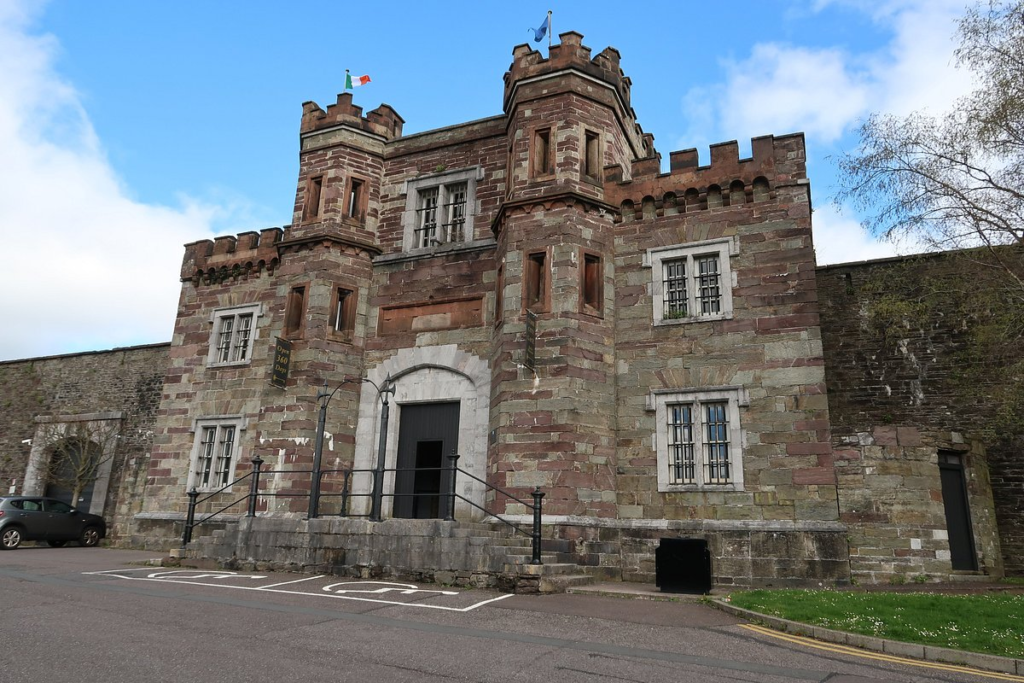
Commanding a striking geographic footprint on the high, affluent residential ridges of Sunday’s Well, this grand 1824 prison structure resembles a magnificent medieval castle.
- What it is famous for: Being a historic, high walled penitentiary that housed nineteenth century prisoners under harsh penal systems, now preserved as a powerful sensory museum. The museum features life-size wax figures, atmospheric sound effects, and projected historical diaries that bring the cold cell wings to life, revealing the stories of citizens imprisoned for simple crimes like food theft during the great famine. The grand governor’s house section also contains the historic Radio Museum, celebrating early wireless broadcasting labs pioneered in Ireland.
9. Crawford Art Gallery
The Radiant Cultural Repository of Classical Greco Roman Casts and Modern Irish Masters
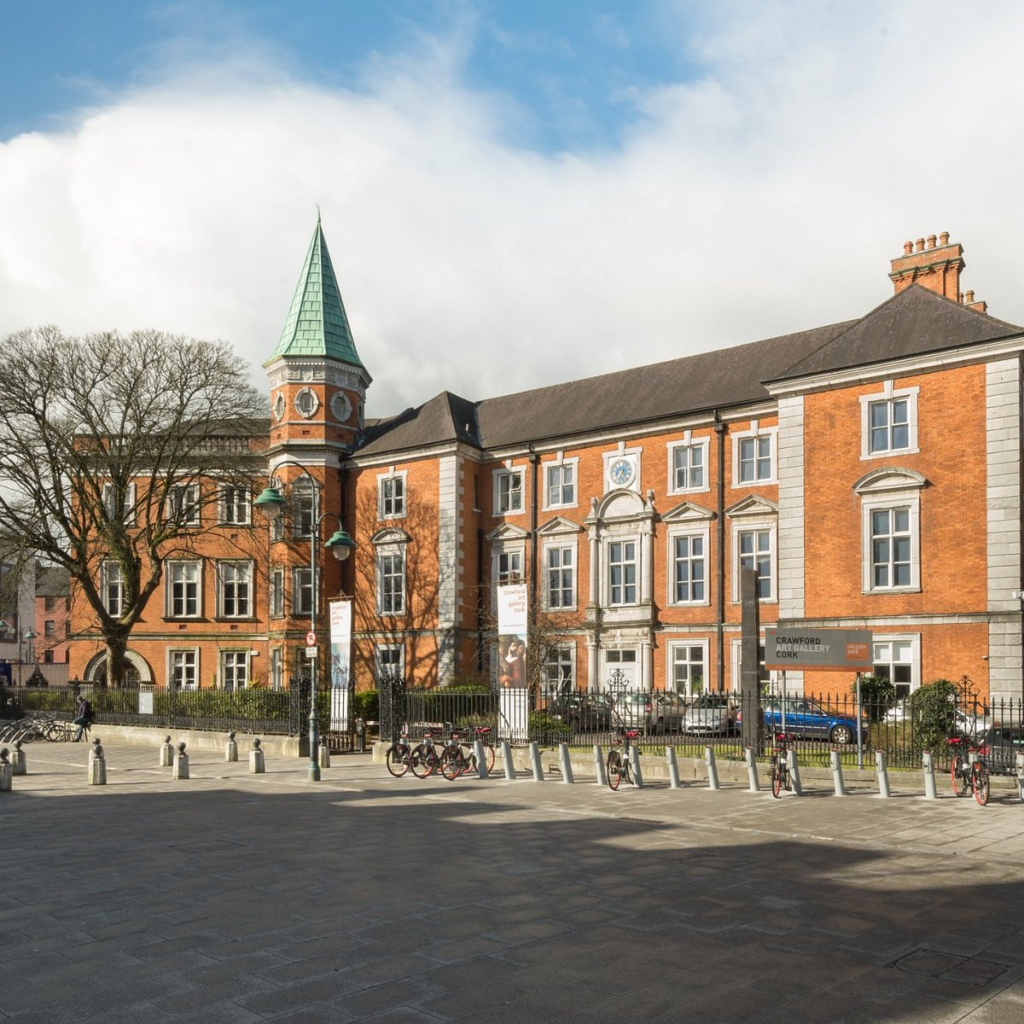
Tucked quietly inside a magnificent, historic red brick 1724 custom house building on Emmet Place near the central shopping avenue, this museum holds the creative memory of the south.
- What it is famous for: Housing the famous Canova Casts, a collection of monumental Greco-Roman plaster sculptures sent directly from the Vatican Museums in 1818. The galleries present these classical figures alongside a brilliant, masterfully curated collection of modern and contemporary Irish fine art, including stained glass panels by Harry Clarke and paintings by Jack B. Yeats. The museum perfectly bridges historic brick architecture with clean lined modern wings, offering a serene space for artistic exploration.
10. Fitzgerald’s Park & The Mardyke
The Picturesque Walking Runway of Riverside Botanical Lawns and Sunken Rose Terraces
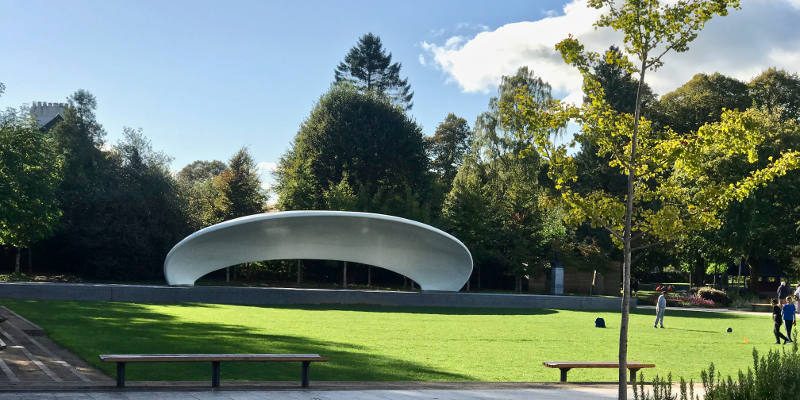
Slicing smoothly along the banks of the northern river channel just west of the university campus, this peaceful eighteen acre municipal parkland represents the primary green escape of the island.
- What it is famous for: Being a beautiful public landscape park containing manicured English style lawns, a grand Victorian fountain, and the historic Cork Public Museum building. Originally engineered to host the great Cork International Exhibition of 1902, the park features winding pathways lined with modern public sculptures, a sunken rose garden, and a wooden sky walk platform looking over the river. It operates as the ultimate summer relaxation lawn for students and families, who cross the shaky Daly’s Bridge (known locally as the “Shaky Bridge”) to access the pathways.
11. Cobh Harbour (Base Camp Cork)
The Breathtaking Waterfront Palace of Colorful Victorian Terraces and Titanic Emigration Docks
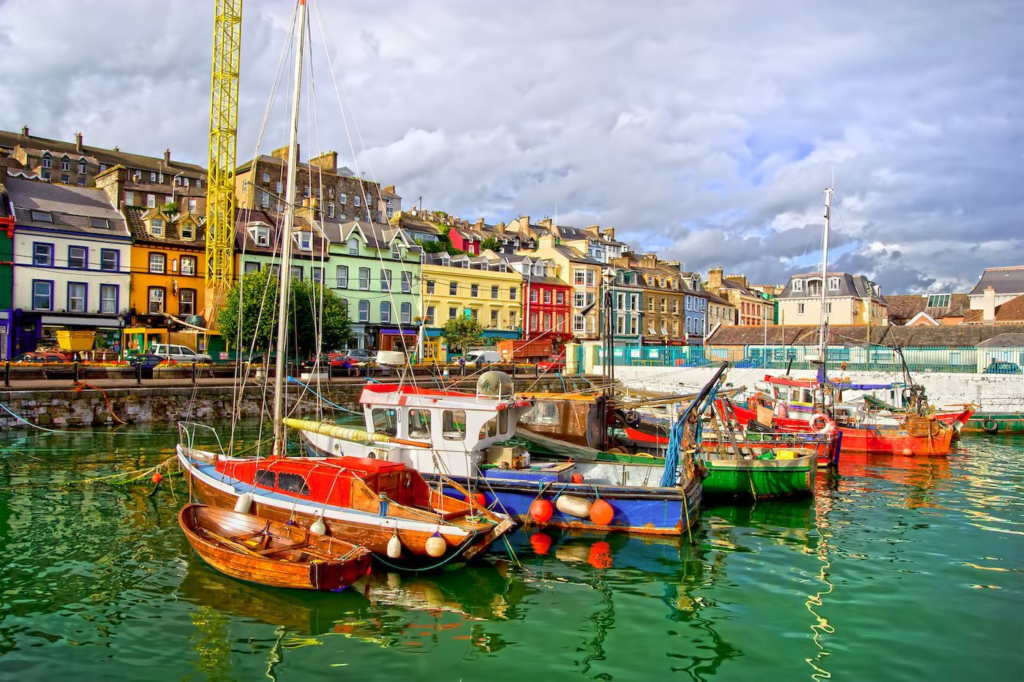
Sited dynamically on the steep, south facing slopes of Great Island just a twenty minute train ride down the river channel, this historic port town is an architectural wonder of the bay.
- What it is famous for: Being the final port of call for the RMS Titanic in 1912, and the primary departure point for over two million Irish emigrants sailing to the New World. The town features a spectacular row of colorful Victorian houses winding up the hillside, dominated by the towering spire of St. Colman’s Cathedral. Visitors can explore the original wooden pier footprints at the Titanic Experience museum or stand along the waterfront promenades to watch massive international cruise ships navigate the deep water lanes.