
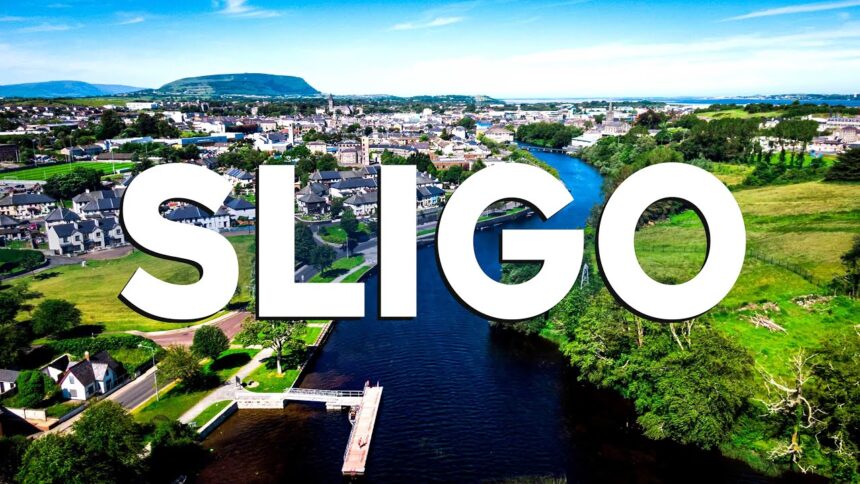
Sligo, anchoring the absolute northwestern maritime frontier of Ireland where the clear, rapid waters of the Garavogue River empty into the sweeping, island-studded basin of Sligo Bay, operates on a spectacular geographic layout framed by dramatic, ancient geological formations.
Historically originating as a vital prehistoric maritime settlement natively named Sligeach (The Shelly Place) due to its endless, rich coastal shellfish beds, this northern stronghold evolved under medieval Anglo-Norman barons into a heavily fortified trade hub.
Because the metropolis carefully preserved its wild atlantic coastlines, Neolithic mountain tombs, and winding river channels rather than burying them under heavy industrial factories, it earned its permanent cultural status as the “Yeats Country” capital and the undisputed global epicenter of romantic literary mythology, Atlantic big-wave surfing, and living traditional fiddle music folklore.
Today, Sligo presents a striking architectural matrix where 13th-century stone friary ruins and historic Victorian limestone warehouses stand beside clean-lined, geometric modern art galleries and lively riverside boardwalks.
The town effortlessly pairs its deep, myth-laden historical pedigree with a progressive, fiercely bohemian passion for artisan seaweed baths, independent theater labs, and round-the-clock traditional acoustic music sessions.
1. Benbulben Mountain
The Spectacular Architectural Sovereign of Table-Top Limestone Ridges and Mythological Warrior Horizons
Dominating a massive, high-profile geographic footprint just a short drive north of the municipal core, this striking glacier-carved mountain stands proud as the absolute visual icon of the northwest.
- What it is famous for: Being Ireland’s most unique table mountain, shaped dynamically during the last ice age and celebrated globally as the spiritual heart of W.B. Yeats’ romantic poetry. The massive limestone structure features steep, vertical cliff ridges and a completely flat plateau that anchors deep Celtic folklore, including tales of the legendary warriors of the Fianna. The mountain slopes house rare arctic-alpine botanical species that survived the glacial freezes, making it a paradise for experienced hillwalkers and landscape photographers.

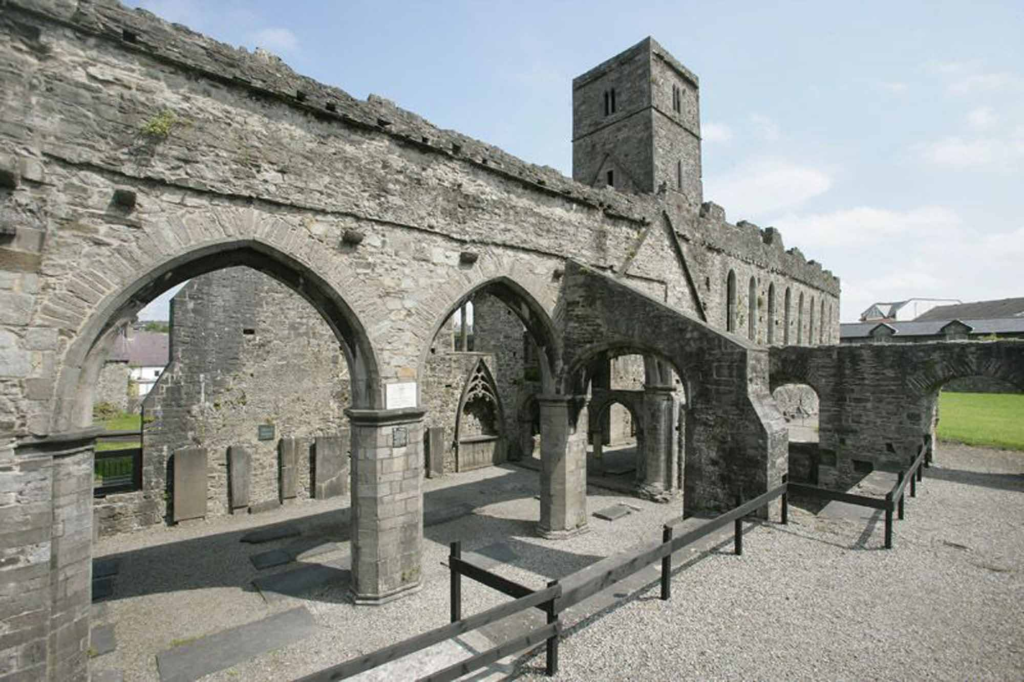
2. Sligo Abbey
The Enigmatic Stone Sentinel of Dominican Gothic Choirs and Intricate Macabre Carvings
Nestled gracefully within the heart of the old town grid along Abbey Street, this magnificent 13th-century Dominican friary stands proud as the oldest surviving architectural monument in the city center.
- What it is famous for: Being founded in 1252 by Maurice FitzGerald, featuring an extraordinary collection of medieval stone carvings, Gothic lancet windows, and a fully intact 15th-century sculpted stone altar. The sacred monument has survived successive fires, political executions, and a brutal siege during the 1641 rebellion. Inside the roofless stone nave, visitors can view the beautifully preserved carved tombs of local Gaelic chieftains and a rare, intricate medieval carving of the “Love-Knot” and various macabre symbols warning citizens of human mortality.
3. The Garavogue River & Town Quays
The Picturesque Walking Runway of Rapid River Boardwalks and Vibrant Gastronomy Fronts
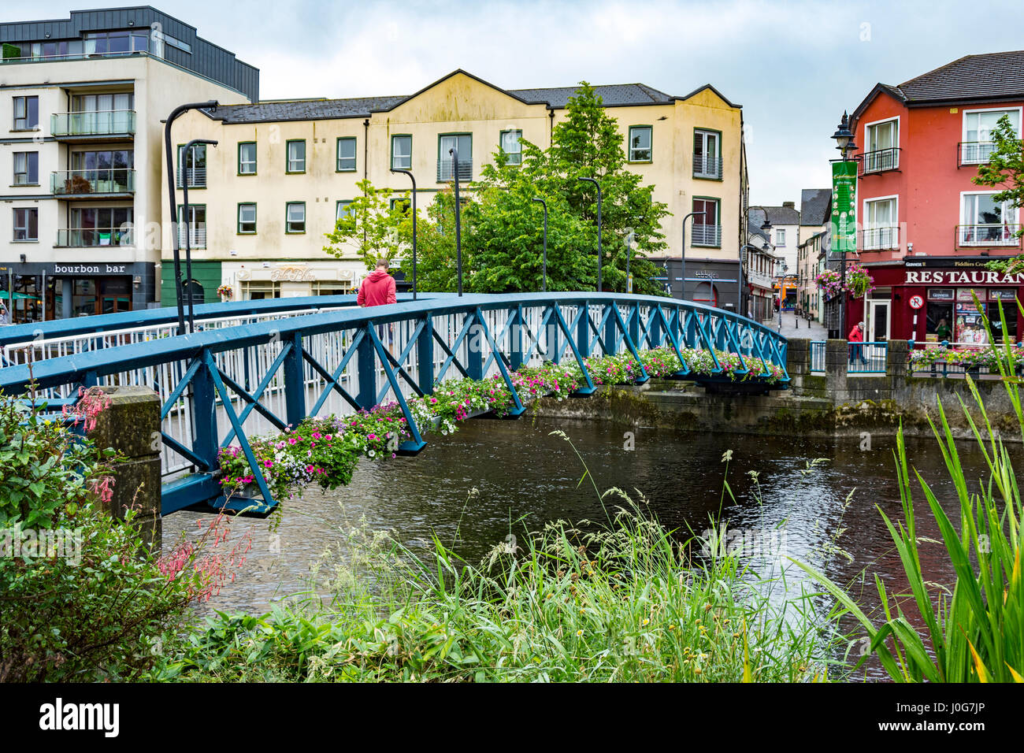
Slicing smoothly through the absolute geographic core of the town layout, this swift-flowing river connects the waters of Lough Gill directly to the saltwater Atlantic tides of Sligo Bay.
- What it is famous for: Its beautiful network of pedestrian footbridges and modern timber boardwalks lined with independent cafes, seafood bistros, and traditional pubs. The riverfront serves as a vibrant social meeting ground where locals gather on sunny afternoons to watch the rushing waters cascade over historic stone salmon weirs. The quays function as an open-air theater for seasonal river festivals, boat races, and open-air acoustic music events that celebrate the town’s maritime energy.
4. Knocknarea Mountain & Queen Maeve’s Cairn
The Breathtaking Prehistoric Sovereign of Megalithic Stone Monuments and Iron Age Queen Sagas
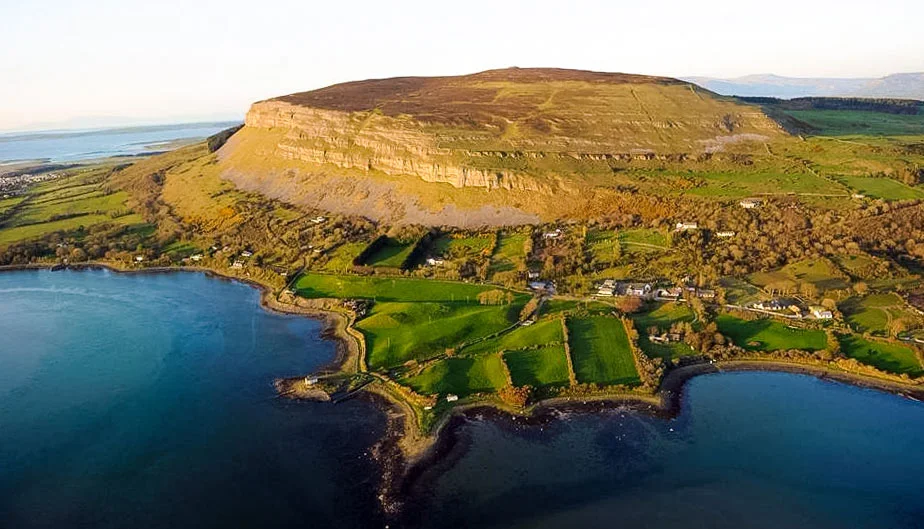
Commanding a majestic limestone platform on the Coolera Peninsula just west of the town center, this striking monolithic hill dominates the coastal skyline.
- What it is famous for: Housing Queen Maeve’s Cairn, a massive, unexcavated Neolithic stone mound dating back to 3400 BC that traditionally serves as the final resting place of the legendary warrior Queen of Connacht. The monumental cairn consists of thousands of tons of loose limestone blocks piled grandly on the absolute summit of the mountain. A well-maintained timber boardwalk trail leads hikers up the steep slopes to the peak, offering a breathtaking panoramic view that stretches across the entire coastline from Mayo to Donegal.
5. Strandhill Beach
The Breathtaking Minimalist Palace of Atlantic Big-Wave Surfing and Artisan Seaweed Bath Inlets
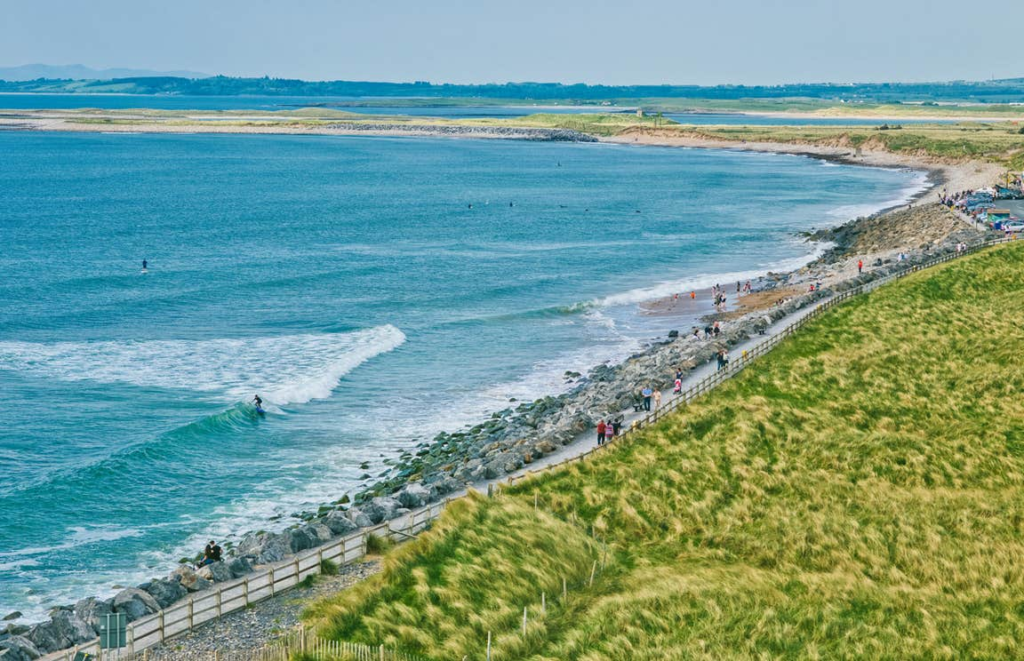
Sited dynamically along the western coastal fringes of Sligo Bay beneath the shadow of Knocknarea, this world-renowned surf beach is a high-energy lifestyle paradise.
- What it is famous for: Being one of Europe’s premier cold-water surfing destinations, celebrated for its massive, rolling Atlantic swells and vibrant, bohemian surf-school culture. While the treacherous undercurrents make the water unsafe for ordinary swimming, the beach is a haven for international wave riders and coastal trail walkers. The vibrant beachfront promenade is home to independent artisan ice cream parlors, beachside cafes, and traditional bathhouses specializing in therapeutic, hot Atlantic seaweed baths harvested fresh from the local rocks.
6. Lough Gill & Hazelwood Demesne
The Enchanting Open Air Oasis of Lake Isle Steamer Routes and Native Arbutus Woodlands
Sited dynamically along the tranquil eastern boundaries of the town, this sweeping, island-studded lake basin represents an environmental and poetic paradise.
- What it is famous for: Housing the Lake Isle of Innisfallen and the iconic Lake Isle of Innisfree, the tiny wooden islet immortalized in W.B. Yeats’ most celebrated lyrical poem. Visitors can catch traditional wooden cruise boats from the town quays to sail across the glassy waters, viewing historic castle ruins and deep native forests. The adjacent Hazelwood Demesne features quiet lakeside walking loops adorned with unique open-air wooden sculptures carved by international artists among ancient arbutus trees.

7. Carrowmore Megalithic Cemetery
The Radiant Cultural Repository of Stone Age Dolmen Circles and Ancestral Solar Alignments
Occupying a vast, sacred plateau space just a brief five-minute drive southwest of Sligo town, this ancient complex represents one of the most important archaeological landscapes in Europe.
- What it is famous for: Being the oldest and densest collection of megalithic tombs in Ireland, featuring over thirty surviving Stone Age monuments, dolmens, and stone circles dating back over 6,000 years. The ancient cemetery was constructed by early farming communities who aligned the stone tombs with the surrounding mountain peaks and key solar positions. A dedicated visitor center provides deep insights into the burial customs, stone tools, and ritual life of Sligo’s prehistoric ancestors.

8. Drumcliff Churchyard (Yeats’ Grave)
The Stately Architectural Sovereign of Celtic High Cross Shafts and Nobel Laureate Epitaphs
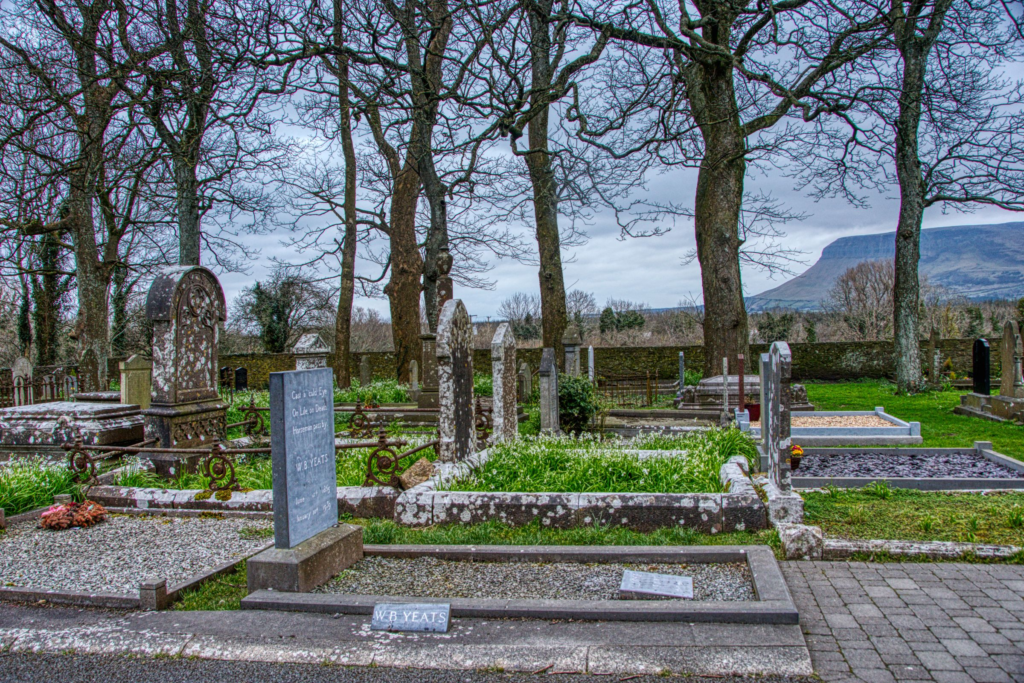
Nestled gracefully at the absolute base of Benbulben Mountain within a historic early Christian monastic site, this quiet countryside churchyard holds deep international literary significance.
- What it is famous for: Being the final resting place of William Butler Yeats, Ireland’s Nobel Prize-winning poet who chose this specific churchyard under the mountain for his burial. His simple limestone headstone features his famous, self-written cryptic epitaph: “Cast a cold eye on life, on death. Horseman, pass by!” The surrounding grounds feature the beautifully preserved remains of a 6th-century monastic round tower and a magnificent, intricately carved sandstone Celtic High Cross depicting biblical battle scenes.
9. The Model Arts Centre
The Radiant Cultural Repository of Jack B. Yeats Oil Canvases and Contemporary Avant-Garde Labs
Dominating a prominent public hill on The Mall within the northern edges of the inner town grid, this grand Victorian limestone building houses the creative soul of the region.
- What it is famous for: Being one of Ireland’s leading contemporary art centers, constructed originally in 1862 as a model school and converted into a world-class public gallery space. The museum houses the extraordinary Niland Collection, which features one of the most significant public collections of oil paintings by Jack B. Yeats—W.B. Yeats’ brother and one of Ireland’s greatest 20th-century artists. The facility features cutting-edge experimental galleries, independent cinema rooms, and specialized acoustic music performance labs.

10. Rosses Point Maritime Village
The Rowdy Cultural Runway of Yacht Club Moorings and Waiting Lady Bronze Sentinels
Slicing smoothly out along a scenic sandy peninsula that guards the northern entrance to Sligo Harbor, this historic seafaring village holds deep nautical folklore.
- What it is famous for: Its picturesque maritime promenade looking across to Oyster Island, home to Ireland’s oldest yacht club and the iconic, championship links golf courses. The village coastal path features the “Waiting on Shore” monument, a dramatic, three-meter-high bronze sculpture of a woman stretching her arms toward the sea to honor local sailors lost at sea. The shoreline features beautiful, safe sandy beaches that offer a calm contrast to the wild, roaring surf breaks of nearby Strandhill.
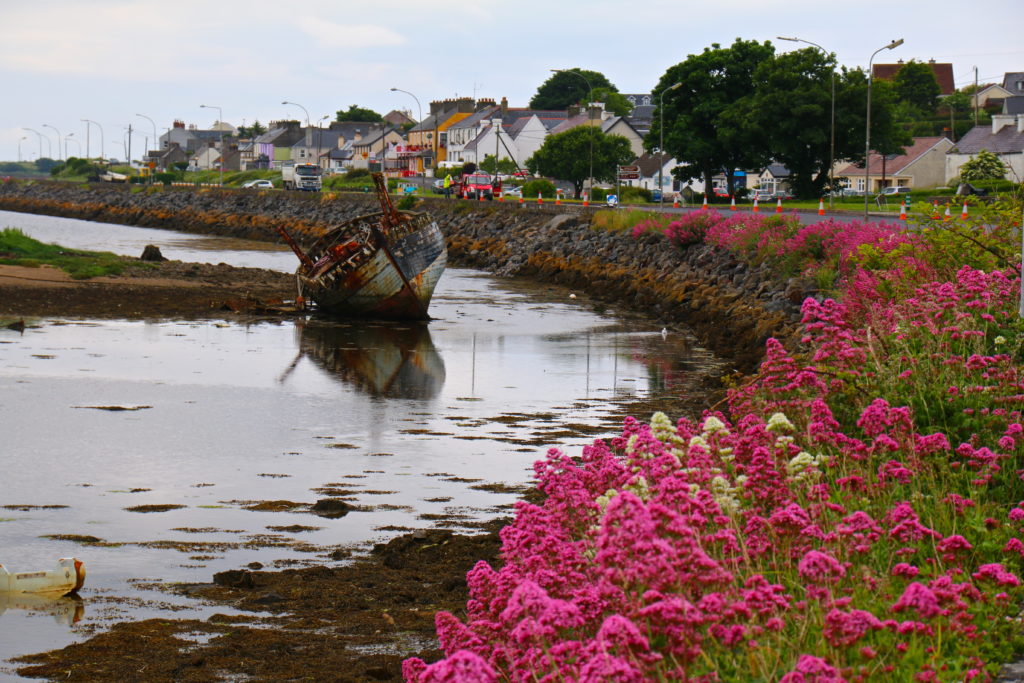
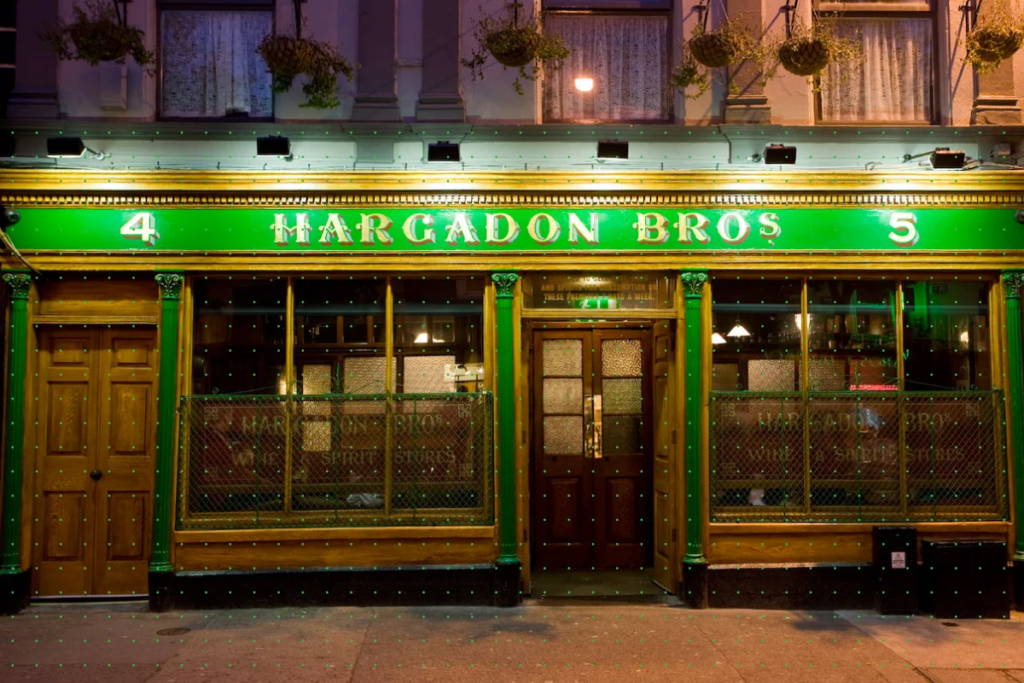
11. Hargadon’s & The Traditional Pub Alleys
The Savory Cultural Repository of Pitch-Pine Snug Boxes and Heritage Whiskey Vaults
Tucked quietly into the bustling commercial core of O’Connell Street within the pedestrian-friendly shopping zone, this historic tavern stands proud as a monument to Victorian hospitality.
- What it is famous for: Being a masterfully preserved 1868 Victorian grocery and public house, featuring original pitch-pine counters, dark wood partition snugs, and historic ceramic whiskey jars. The atmospheric tavern maintains its raw, old-world architectural layout where visitors drink local craft stouts beside open turf fires. The surrounding pedestrian alleys host a high-energy network of traditional pubs that function as nightly assembly grounds for world-class acoustic fiddle and flute sessions.