
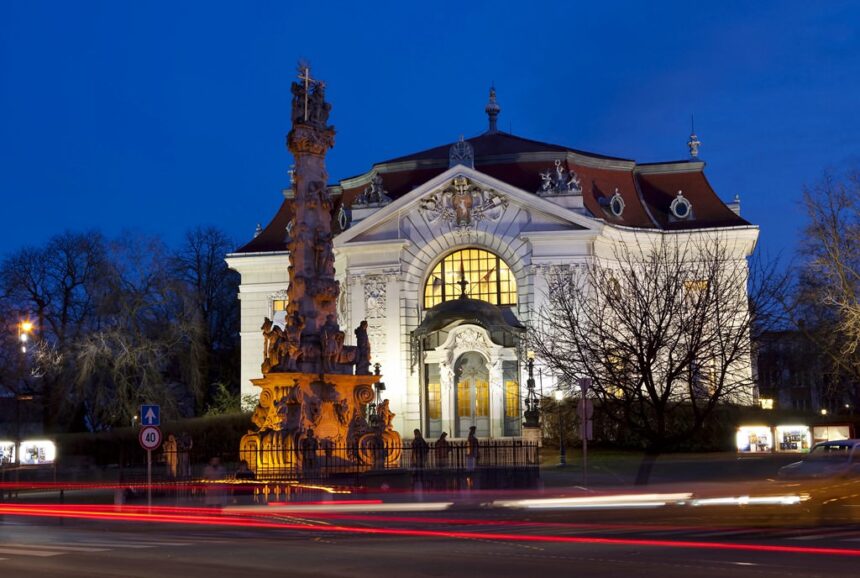
Kecskemét, anchoring the absolute geographic center of Hungary nestled precisely between the winding corridors of the Danube and Tisza rivers, operates on a spectacular, sprawling urban layout deeply rooted in the fertile soils of the Great Plain (Alföld).
Historically thriving as an immensely wealthy merchant and agricultural enclave, the town uniquely managed to maintain its independent municipal privileges as a “khass” sultanate estate during the decades of Ottoman military occupation.
Over the generations, this strategic sanctuary transformed its extensive sand dune surroundings into a massive agricultural miracle of fruit orchards and vineyards, evolving into the ultimate artistic, architectural, and viticultural capital of the Hungarian plains.
Today, Kecskemét presents a striking urban matrix where a highly unique, interconnected chain of spacious public squares transitions cleanly into an old quarter world-famous for its colorful, folkloric Hungarian Secessionist palaces.
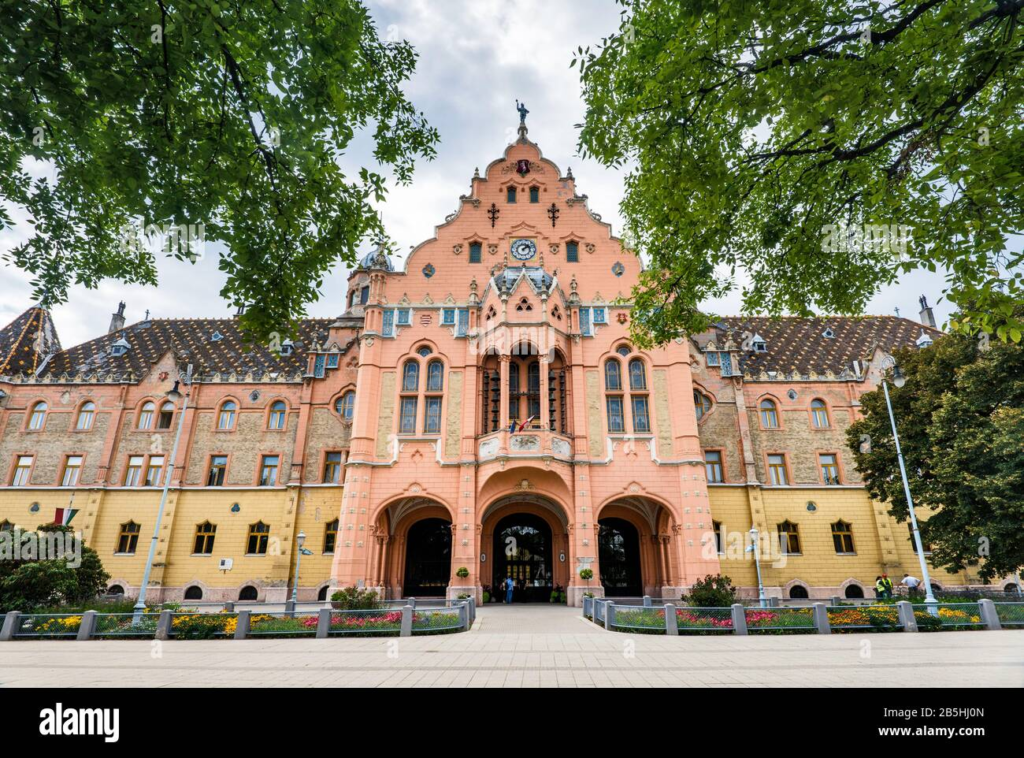
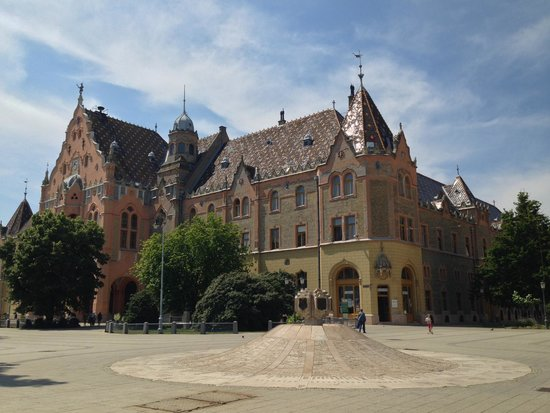
1. Kecskemét City Hall
The Monumental Secessionist Sovereign of Pastel Tile Courtyards and Golden Carillon Chimes
Dominating the absolute physical, visual, and acoustic epicenter of the central Kossuth Square pedestrian plaza, this breathtaking, palace-like administrative seat stands proud as the definitive architectural icon of the city.
- What it is famous for: Being a masterwork of Hungarian Secessionist architecture designed by legendary masters Ödön Lechner and Gyula Pártos, featuring a spectacular historic carillon clock. Completed in 1897 to mark the millennium of the Hungarian state, the majestic facade is heavily adorned with colorful Zsolnay ceramic ornaments, historical statues, and folk art floral motifs. Every hour on the dot, its famous carillon bells chime out classical Hungarian melodies across the stone square, while its grand, frescoed Council Chamber houses elite municipal art collections.
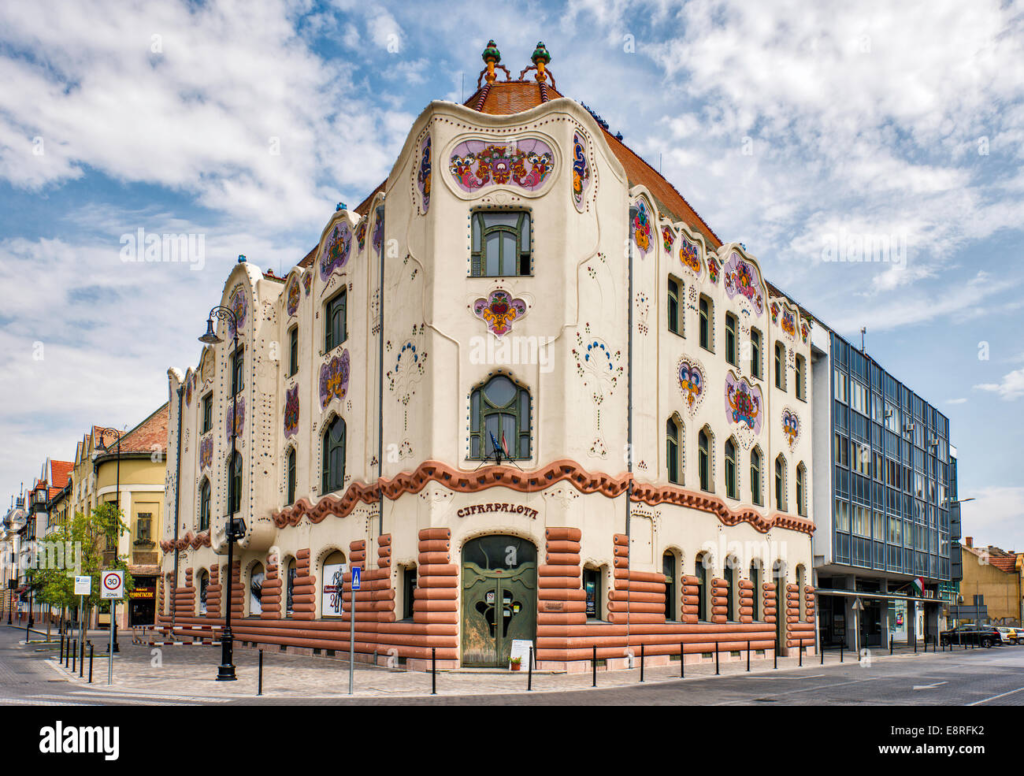
2. Cifra Palota (The “Ornamented Palace”)
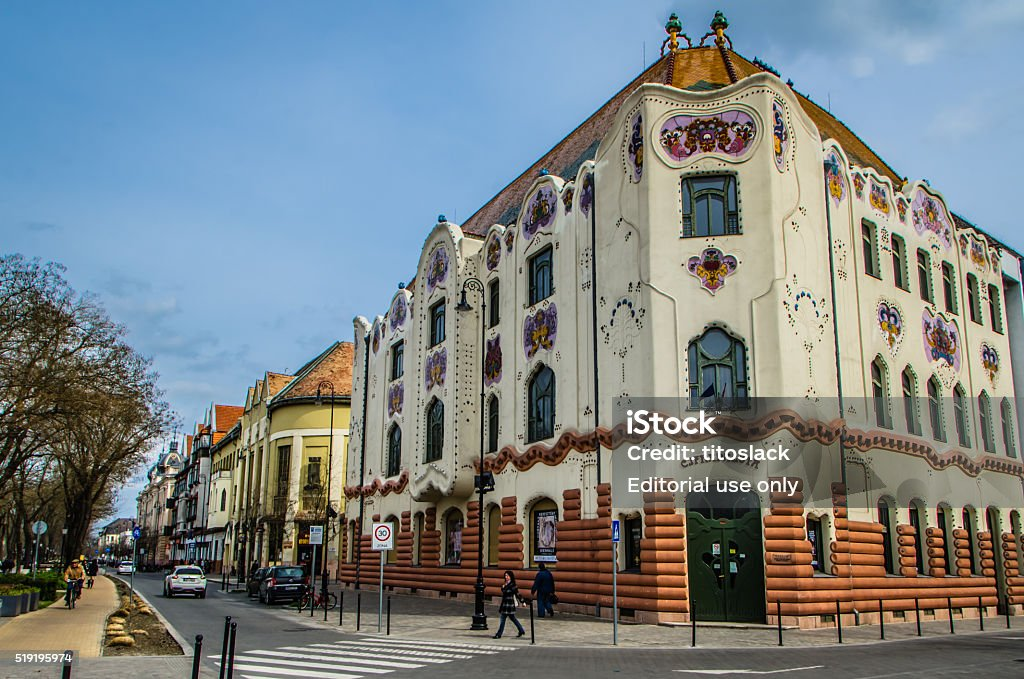
The Striking Art Nouveau Matrix of Wave-Like Ceramic Facades and Blooming Peony Tiles
Commanding a sharp, high-profile intersection at the northern terminus of the central square network, this extraordinary, multi-colored mansion looks like an architectural fairy-tale brought to life.
- What it is famous for: Its legendary, undulating roof and vibrant exterior walls entirely covered in iridescent, multi-colored majolica ceramics representing traditional Hungarian folklore. Designed by architect Géza Márkus and completed in 1902, the structure acts as the absolute pinnacle of playful Art Nouveau ornamentation, featuring window frames and roof trims shaped like blooming peonies and peacock feathers. Today, this architectural landmark houses the Kecskemét Gallery, displaying elite regional paintings and historic fine-art collections.
3. Co-Cathedral of the Ascension (The Great Church)
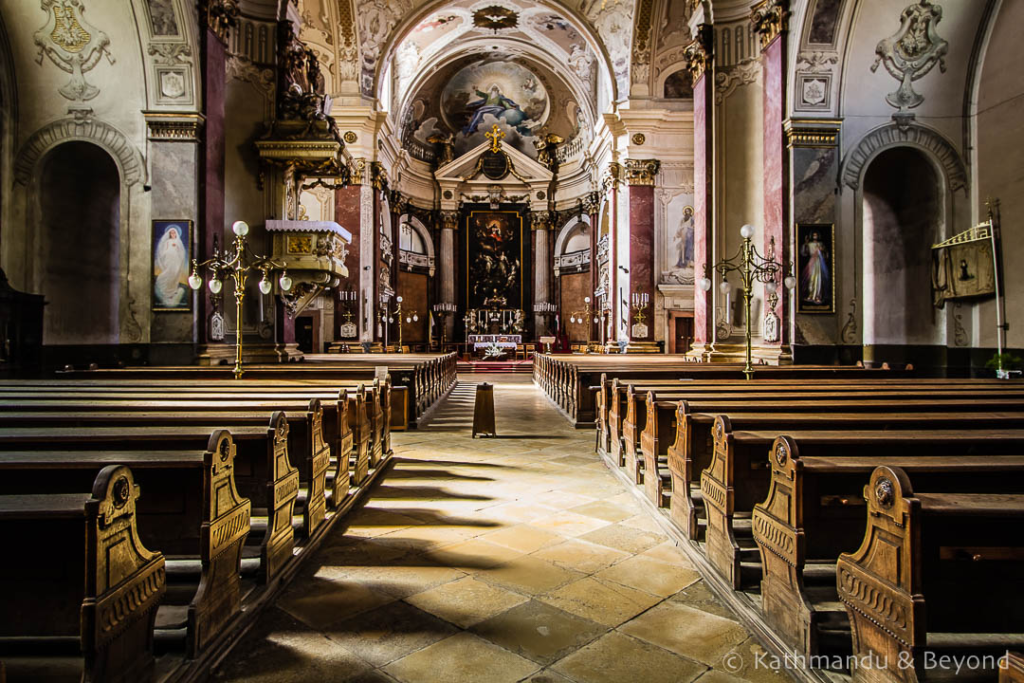
The Monumental Late-Baroque Sovereign of Copper Spire Horizons and Historical Tiers
Standing proud along the western perimeter of the expansive central plaza chain, this colossal, stone-carved cathedral dominates the historic skyline of the city.
- What it is famous for: Being the largest historic church building on the Great Plain, featuring a soaring 73-meter-high bell tower decorated with intricate copper work. Built between 1774 and 1806 based on the grand designs of Piarist monk Gáspár Oswald, the cathedral is a masterclass in Late Baroque spatial engineering. Its cavernous interior is lined with immense marble columns, gilded pulpits, and deep celestial frescoes, while its elevated outdoor loggia provides a classic vantage point for viewing regional religious processions.
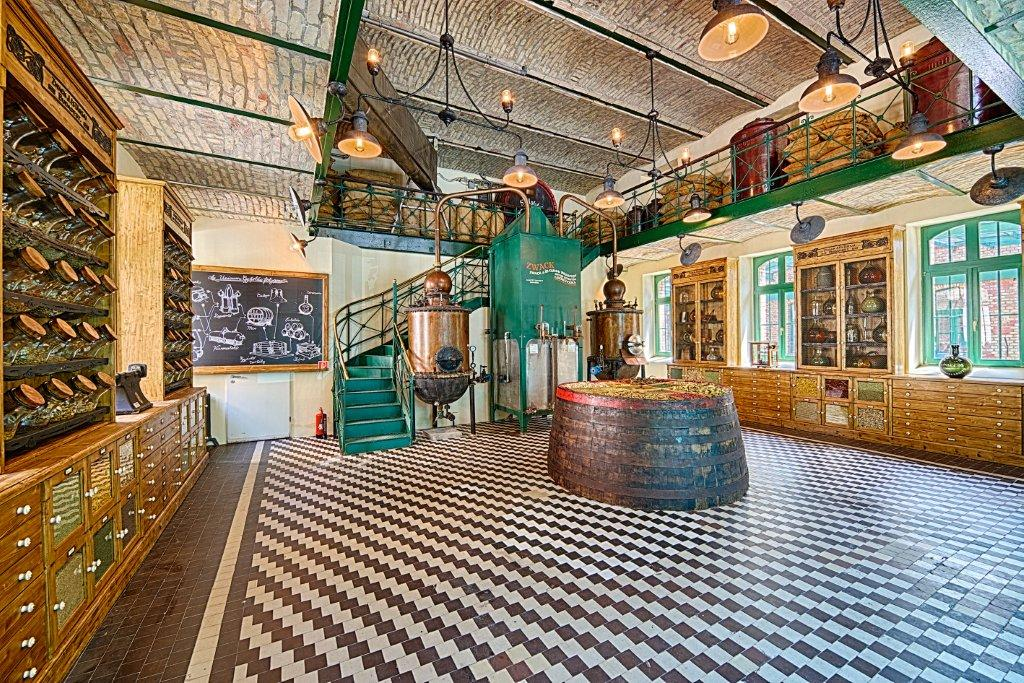
4. The Zwack Pálinka Distillery and Museum
The Savory Cultural Repository of Copper Pot Stills and Sun-Ripened Apricot Nectars
Situated within a historic industrial complex just a short walk south of the central urban limits, this gastronomic sanctuary celebrates the absolute liquid soul of the region.
- What it is famous for: Producing the world-renowned Kecskeméti Barackpálinka (apricot brandy), highly praised by European royalty for its intense, pure fruit fragrance. The local sandy soil acts as a natural heat reflector, yielding hyper-sweet, highly aromatic apricots that have been processed here for generations. Visitors can tour the authentic 19th-century distillery halls filled with massive copper boiling vats, walk through underground oak barrel cellars, and explore a museum charting the secret production techniques of the historic Zwack family.
5. Synagogue of Kecskemét (House of Science and Technology)
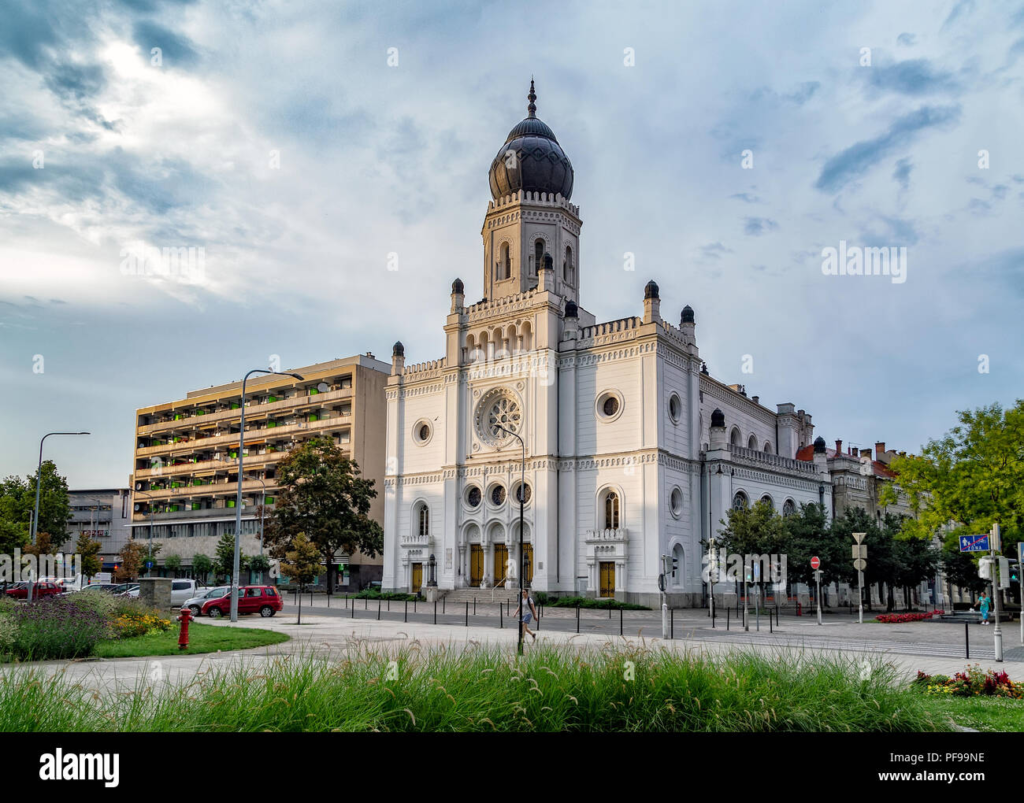
The Breathtaking Moorish Palace of Onion Domes and Star-Studded Indigo Vaults
Commanding a prominent public footprint at the junction of Szabadság Square, this monumental building provides a spectacular architectural contrast to the city’s Christian towers.
- What it is famous for: Its striking, Romantic-Moorish architectural design featuring a massive central onion dome topped by a delicate stone crown motif. Completed in 1871 by master architect János Zitterbarth, the building was meticulously restored following a massive 1911 earthquake. While it now serves as a dynamic cultural center and lecture hall known as the House of Science and Technology, the structure retains its jaw-dropping internal cast-iron columns and rich geometric wall art.
6. The Kodály Institute of the Liszt Ferenc Academy of Music
The Historic Monastery Cradle of Revolutionary Music Methods and Vaulted Oratories
Tucked quietly behind the ancient brick walls of a beautifully restored 18th-century Franciscan monastery on Kéttemplom köz, this institute holds world-class cultural status.
- What it is famous for: Being the global headquarters for the dissemination of the “Kodály Method” of music education, founded in the birthplace of composer Zoltán Kodály. Music professors and students from all over the world gather at this elite institution to study advanced choral conducting and pedagogical music theories. The historic complex features stunning, vaulted monastery classrooms and an interactive museum that chronicles how local folk music was transformed into a universal educational system.
7. Leskowsky Musical Instrument Collection
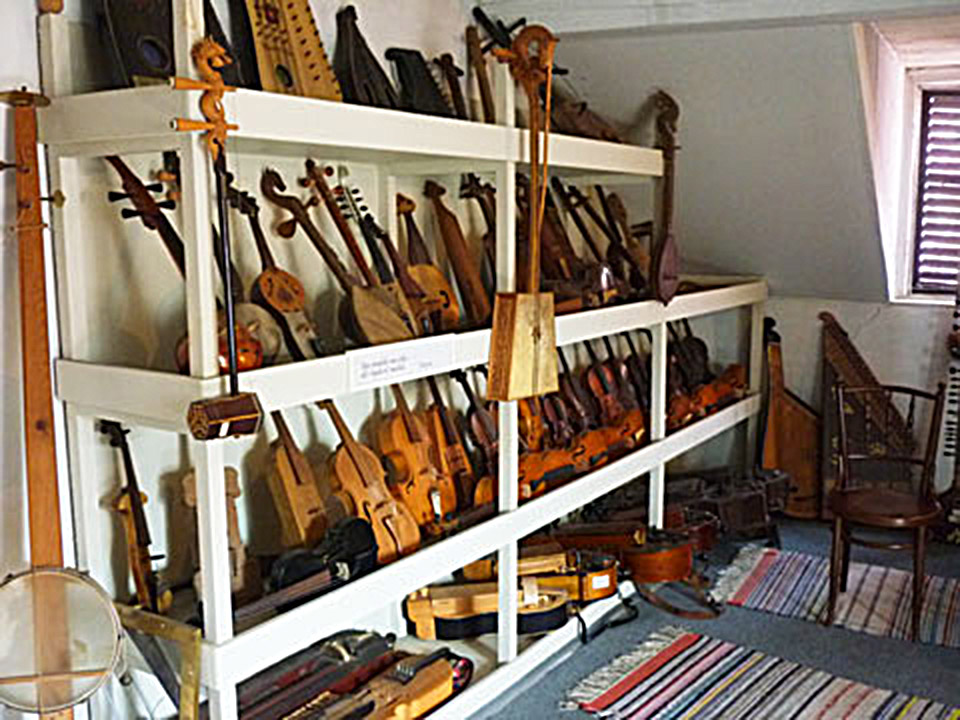
The Quirky Interactive Matrix of Traveling Folk lutes and Shamanistic Drone Horns
Housed inside a masterfully restored historic public building near the edge of the old quarter, this highly specialized museum is an extraordinary acoustic playground.
- What it is famous for: Being the largest public collection of historic musical instruments in Hungary, where visitors are actively encouraged to play the displays. Established by private collector Albert Leskowsky, the museum contains thousands of rare, stringed, and wind instruments spanning centuries of European and Asian folk music. Specialized guides demonstrate the eerie acoustic properties of ancient Hungarian bagpipes, shamanistic drums, and unusual pastoral horns, making it an unforgettable sensory experience.
8. Museum of Hungarian Naive Artists
The Intimate Stone Vault of Raw Expressionist Canvases and Pastoral Woodcarvings
Housed inside a charming, historic 18th-century classical town residence located along the quiet, tree-fringed Gáspár András street, this museum celebrates self-taught creative genius.
- What it is famous for: Preserving the raw, emotionally authentic paintings and sculptures created by self-taught rural artists of the Hungarian plains. The galleries document the everyday domestic life, agricultural traditions, and mystical folk legends of the Puszta pasturelands through a vibrant, highly colorful artistic lens. Highlights include incredible, deeply detailed woodcarvings and expressive oil paintings that offer a pure look at the social psyche of rural Hungary.
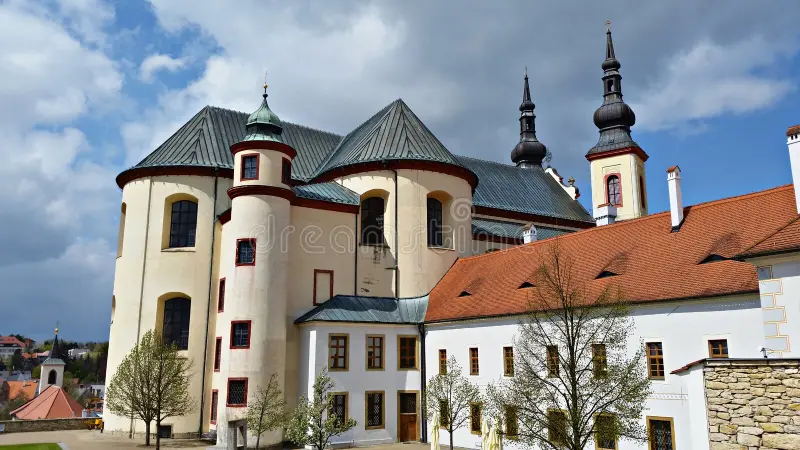
9. Piarist Church and Monastery
The Stately Crimson-Trimmed Monument of Tuscan Pilasters and Gilded Relic Vaults
Dominating the historic Piaristok Square just east of the central boulevard grid, this majestic, twin-towered church complex has been an intellectual and spiritual fortress since the 18th century.
- What it is famous for: Its classic, high-Baroque front facade and its attached historic college that shaped the intellectual elite of southern Hungary for generations. Dedicated to Saint Margaret of Hungary, the church features an interior adorned with a magnificent main altar painting by local masters and complex, gilded side chapels. The monastic complex preserves the educational legacy of the Piarist teaching order, complete with historic libraries containing rare botanical and scientific volumes.
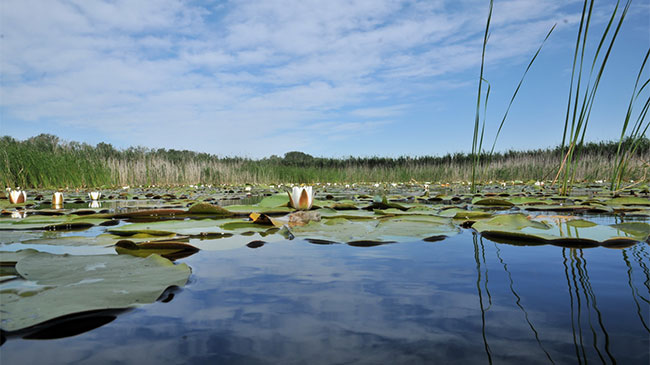
10. Kiskunság National Park (Bugac Province)
The Sprawling Horizon Plain of Sand-Dune Horsemanship and Ancient Grey Cattle
Spreading grandly into the vast, open horizon plains starting just on the absolute southern outskirts of the Kecskemét municipal boundary, this national park is an environmental marvel.
- What it is famous for: Being a core biosphere reserve of the UNESCO World Heritage system, featuring the iconic windswept Bugac sand dunes and traditional horse shepherd culture. The park preserves the ancient, untamed wilderness of the Great Plain, where massive herds of long-horned Hungarian Grey cattle and twisted-horn Racka sheep roam under endless blue skies. Visitors gather here to watch the spectacular, high-speed riding skills of local horsemen (csikós) clad in traditional flowing blue costumes.
11. Kecskemét Arboretum
The Peaceful Botanical Sanctuary of Conifer Groves and Woodland Chapel Trails
Occupying a massive, 62-hectare green conservation zone managed on the northwestern fringe of the city’s urban boundaries, this botanical garden is a major eco-tourism haven.
- What it is famous for: Its extraordinary collection of over 800 distinct woody plant and tree species engineered to thrive within the dry, sandy microclimate of the plains. Walking paths wind through dense groves of rare Mediterranean pines, ancient oaks, and colorful collections of wild roses. The heart of the arboretum features a scenic lookout tower and a beautiful, hand-carved wooden eco-chapel, offering a refreshing and deeply peaceful nature escape just minutes from the busy downtown squares.