
Killarney, anchoring the absolute southwestern mountain frontier of Ireland within a sweeping, glacier-carved basin in County Kerry, operates on a spectacular landscape layout where a vibrant town center sits directly on the boundary of wild, prehistoric parklands.
Historically originating as a sacred 7th-century island monastery founded natively on Lough Leane, this southern stronghold evolved through centuries of clan warfare into the undisputed cradle of Irish tourism.
Because the municipality aggressively protected its pristine water systems, native oak woodlands, and mountain passes rather than sacrificing them to heavy industrial factories, it earned its permanent cultural status as the “Gateway to Kerry” and the absolute capital of outdoor adventure and traditional hospitality in Ireland.
Today, Killarney presents a striking architectural matrix where 15th-century Anglo-Norman stone tower houses and grand Victorian manors stand right beside lively independent storefronts and traditional acoustic music pubs.
The town effortlessly pairs its deep, folkloric heritage with a progressive passion for eco-tourism, wilderness trail development, and artisan food markets.
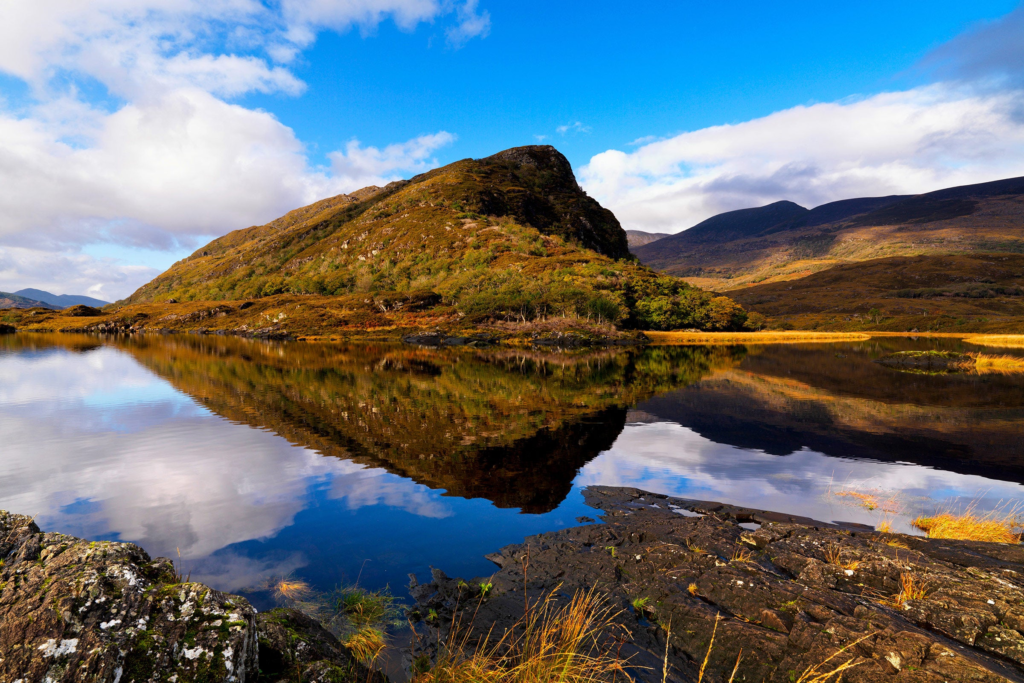
1. Killarney National Park
The Spectacular Architectural Sovereign of Ancient Yew Forests and Native Red Deer Horizons
Dominating a massive, 26,000-acre environmental footprint that wraps around the entire southwestern edge of the town, this UNESCO Biosphere Reserve stands proud as Ireland’s premier wilderness haven.
- What it is famous for: Being the absolute first national park established in Ireland, celebrated for its rare, native oak woodlands and being home to the country’s only remaining indigenous herd of wild Red Deer. The sprawling estate encompasses a complex matrix of pristine waterways, sandstone mountain peaks, and lush moss-covered valleys. It functions as an outdoor paradise where travelers can walk or cycle along vehicle-free paved loops, encountering rare botanical species that date back to the last ice age.
2. Ross Castle
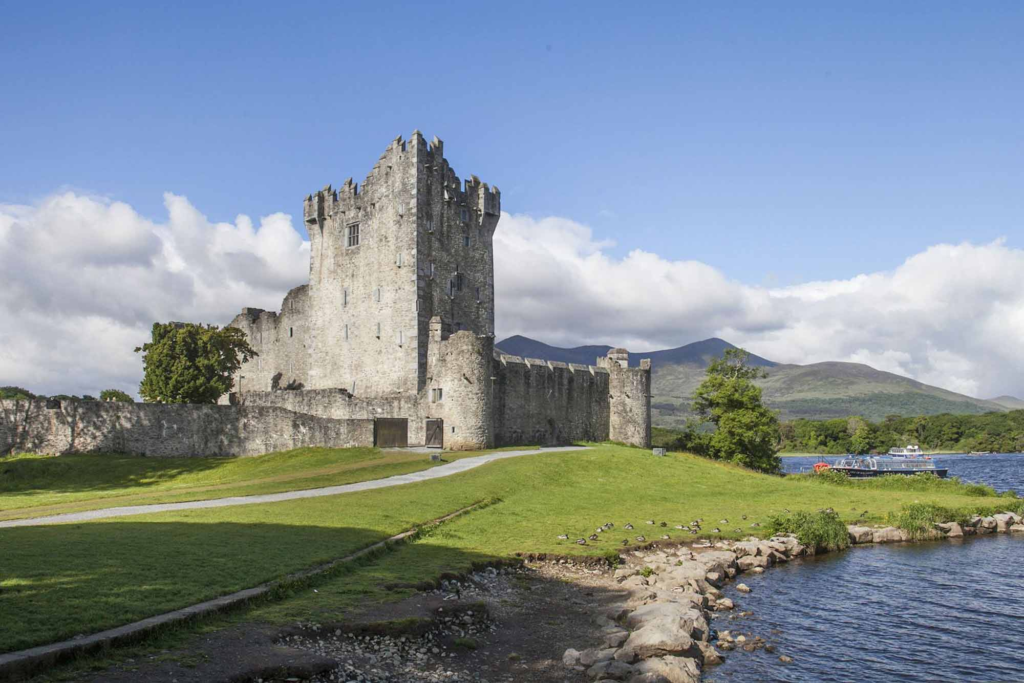
The Enigmatic Stone Sentinel of Clan Chieftain Strongholds and Prophetic Lake Sagas
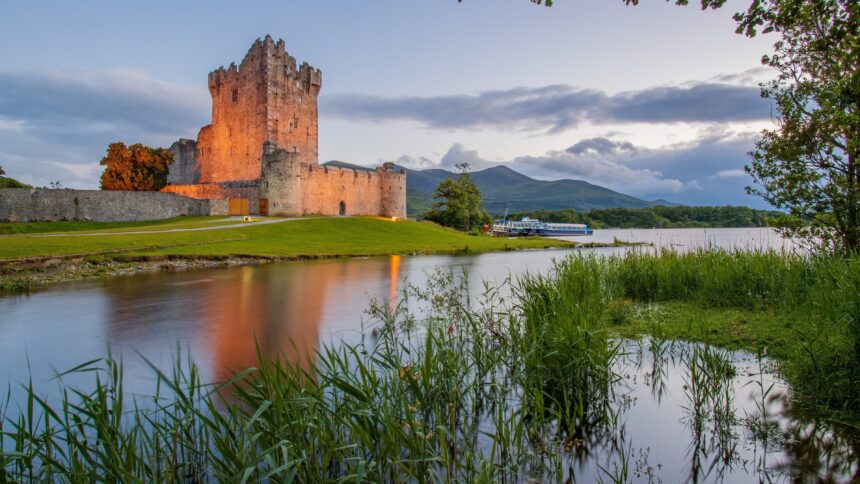
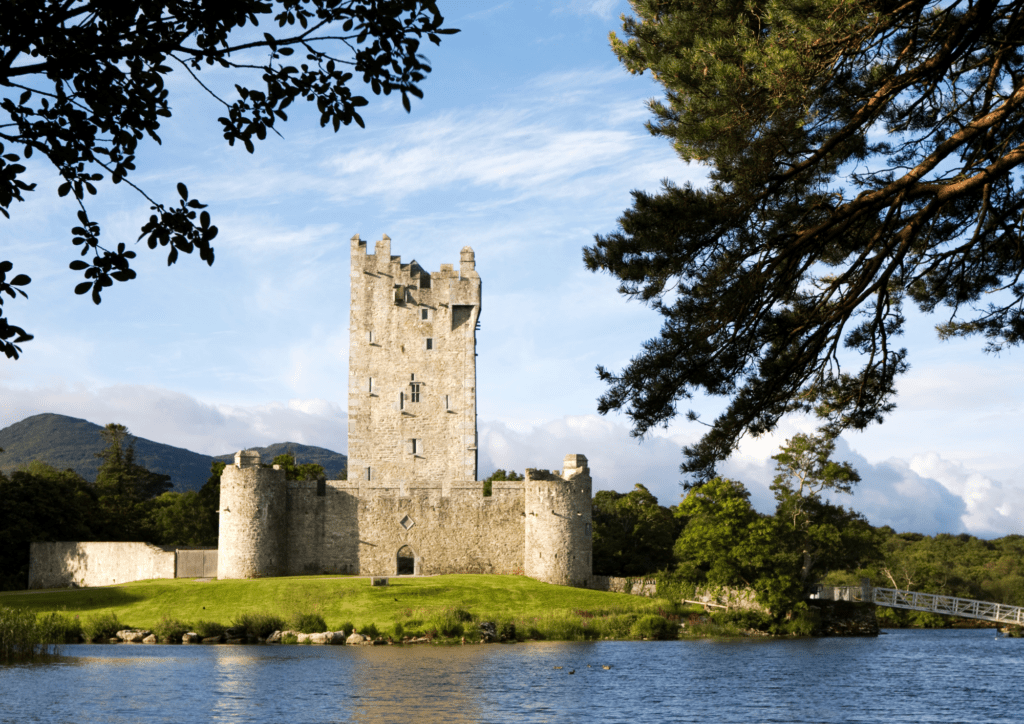
Perched elegantly on a rocky limestone promontory along the glassy edge of Lough Leane, this rugged 15th-century fortress is a masterpiece of medieval defensive engineering.
- What it is famous for: Being the fortified ancestral stronghold of the O’Donoghue Chieftains, famously remembered as one of the very last defensive keeps to fall to Oliver Cromwell’s artillery forces in 1652. Local military folklore dictated that the castle could never be captured until a warship sailed across the lake—a prophecy fulfilled when English forces transported artillery boats up the River Laune. Today, the fully restored oak-beamed interior houses an incredible museum of medieval weaponry, period furniture, and historic defensive architectural features.
3. The Gap of Dunloe
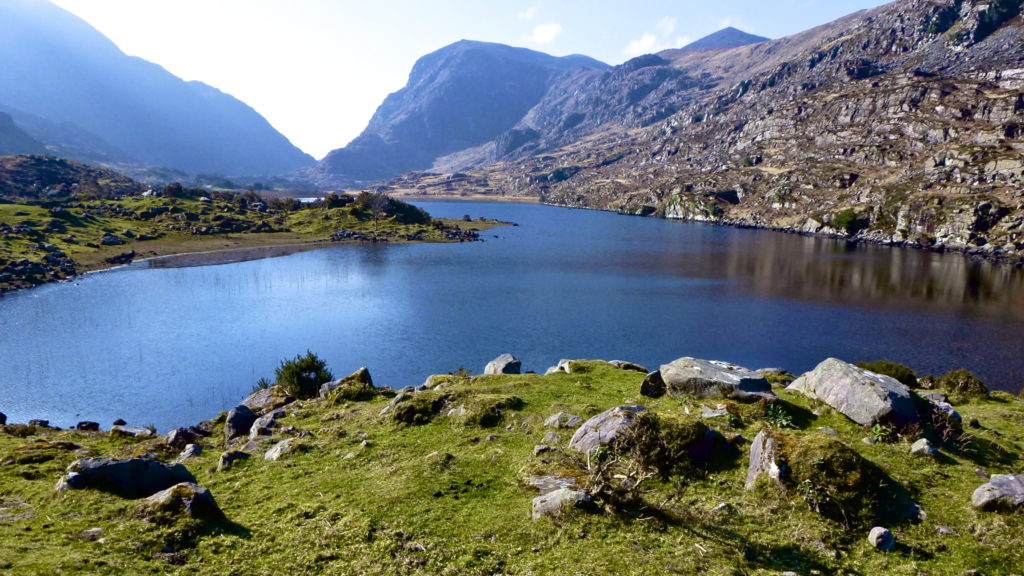
The Breathtaking Glacial Palace of Sheer Sandstone Cliffs and Winding Jaunting Car Trails
Sited dynamically within a deep, rocky fracture wedged between the Purple Mountain and the towering MacGillycuddy’s Reeks, this dramatic glacial pass is an international landmark.
- What it is famous for: Its extraordinary 7-mile mountain roadway flanked by five deep, dark glacial lakes and massive, precariously balanced sandstone boulders. The pass has been celebrated since Victorian times as a masterpiece of natural engineering, accessible via traditional horse-drawn jaunting cars, mountain bicycles, or hiking boots. The route takes travelers past historic stone stepping bridges and sheer cliff faces where the local acoustic mountain echo is famously crisp and clean.
4. Muckross House & Gardens
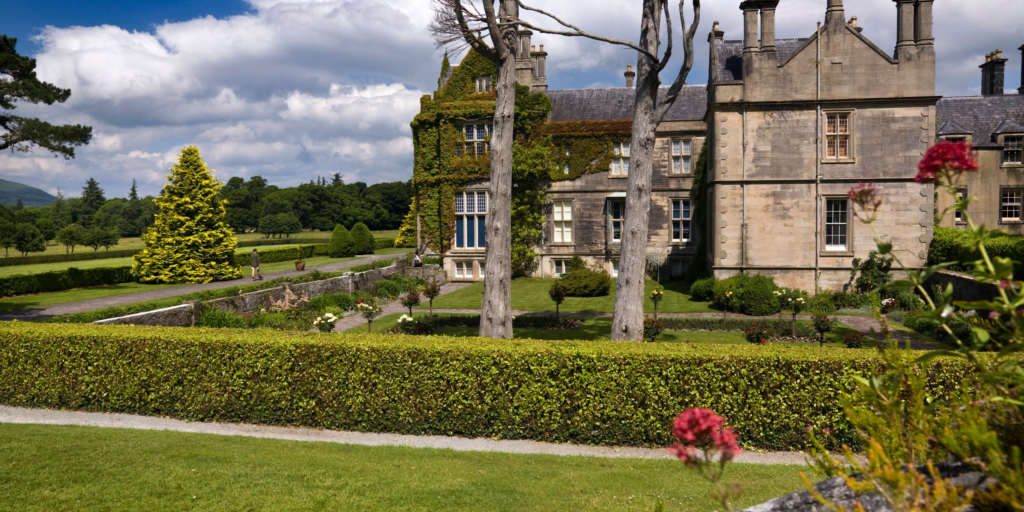
The Stately Architectural Sovereign of Sixty-Five Room Victorian Manors and Formal Sunken Terraces
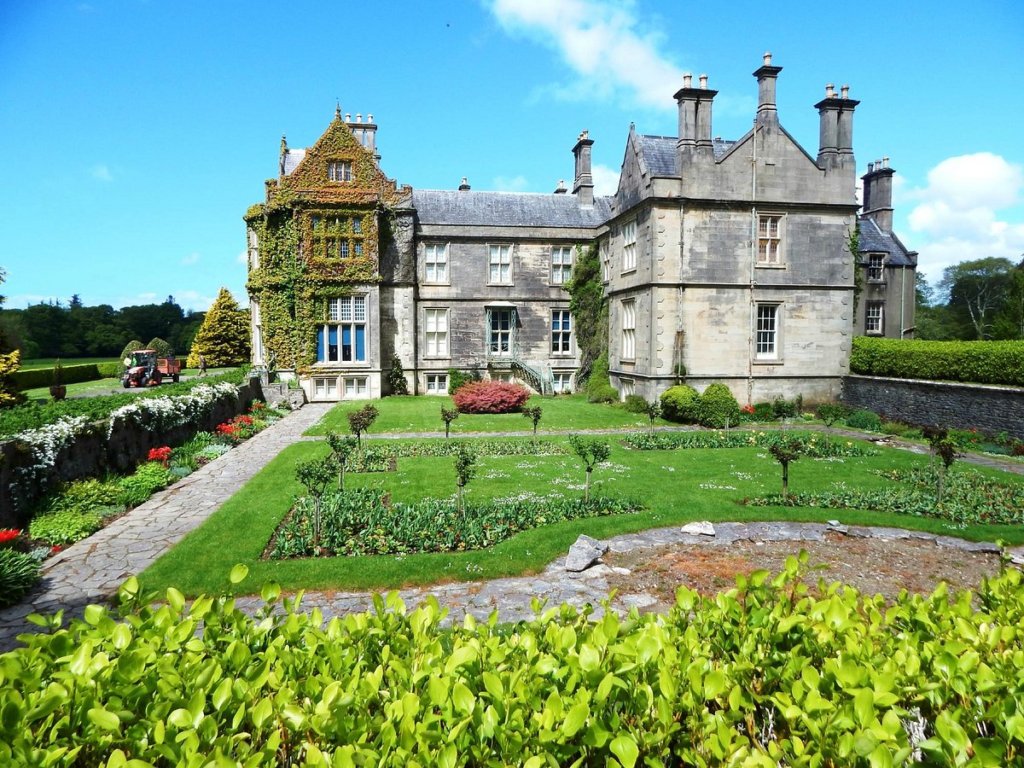
Commanding a majestic, manicured public lawn looking out across the sparkling waters of Muckross Lake, this grand 1843 Tudor-revival mansion represents the peak of 19th-century luxury.
- What it is famous for: Its magnificent Victorian architecture designed by William Burn, featuring sixty-five lavishly decorated rooms prepared famously for a historic royal visit by Queen Victoria in 1861. The estate interior is a treasure trove of period furniture, fine oil paintings, and intricate hand-carved wood panels. Outside, the world-class formal gardens showcase massive collections of exotic rhododendrons, a sunken rock garden carved out of raw limestone, and sprawling lawns that drop gracefully down to the lake shore.
5. Muckross Abbey
The Breathtaking Franciscan Sovereign of Cloister Yew Vaults and Ancient Chieftain Tombs
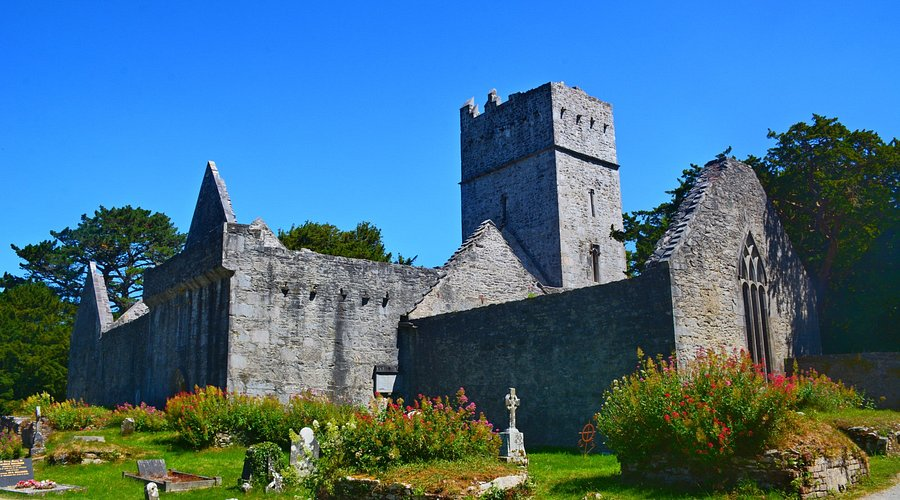
Tucked quietly into a low-lying woodland clearing just a short walk from the main estate gates, this magnificent 15th-century Franciscan friary stands proud as a living monument of faith.
- What it is famous for: Housing a centuries-old living yew tree that grows majestically from the center of an exceptionally preserved, vaulted stone cloister courtyard. Founded in 1448 by Donal MacCarthy Mor, the historic ruins include a towering church choir, a complete bell tower, and the ancient dining rooms used by medieval monks. The sacred stone floors serve as the final resting place for the legendary Chieftains and historic bards of Kerry, retaining an atmosphere of profound acoustic stillness.
6. Torc Waterfall
The Picturesque Walking Runway of Cascading Mountain Streams and Mossy Fern Stairways
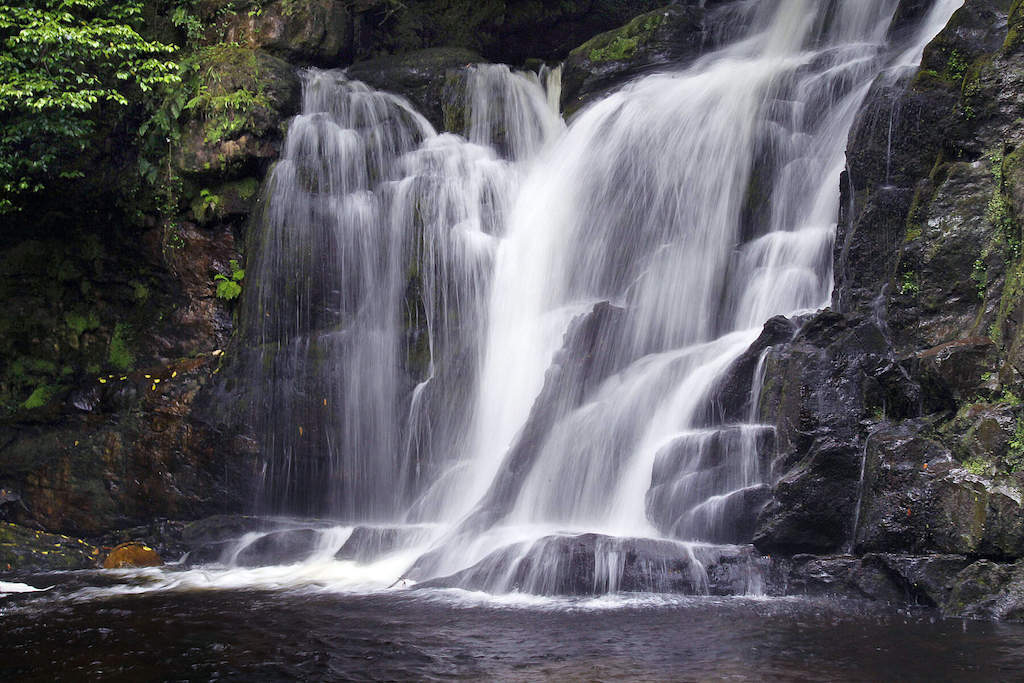
Slicing smoothly down the mossy base of Torc Mountain within a thick canopy of ancient Irish yew trees, this cascading waterfall represents the primary natural water attraction of the park.
- What it is famous for: Being a spectacular 60-foot high cascading waterfall fed by the high-altitude waters of the Owengarriff River as it plunges through a rocky gorge. A short, lush woodland path allows visitors to easily walk directly up to the base of the falls to feel the cooling mountain mist. For more active travelers, a winding stone flight of stairs adjacent to the water leads up to higher viewing platforms looking across the entire lake basin.
7. Ladies View
The Radiant Cultural Repository of Panoramic Mountain Passes and Three-Lake Water Horizons
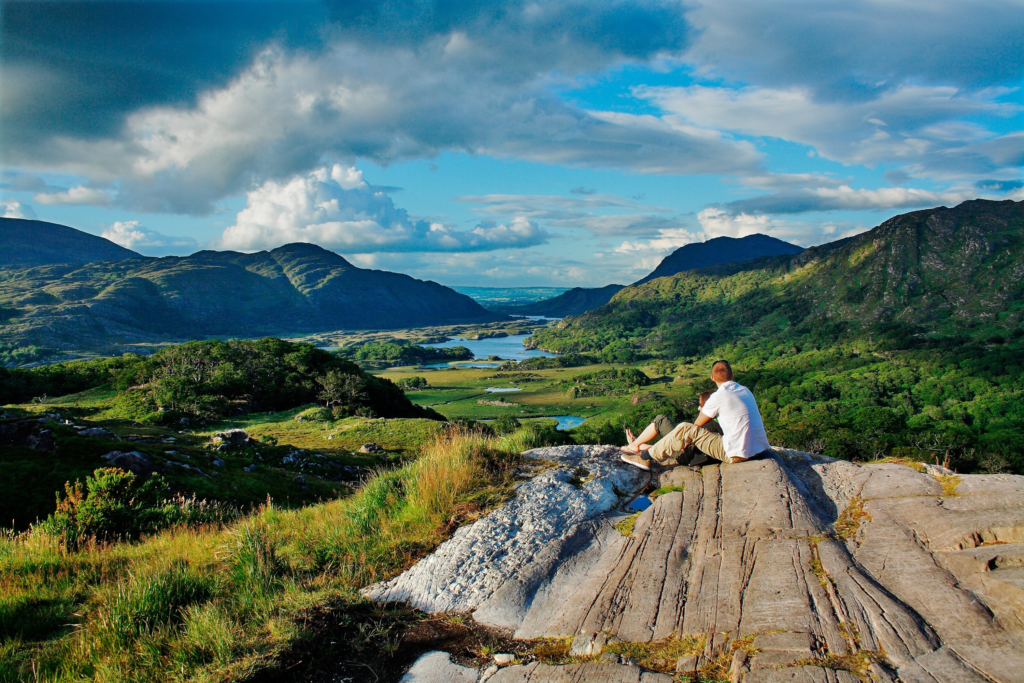
Commanding a prominent public stone ridge along the scenic Ring of Kerry roadway about twelve miles south of the town center, this mountain overlook offers a classic vista.
- What it is famous for: Being named affectionately after Queen Victoria’s ladies-in-waiting, who gathered on this rocky plateau in 1861 and declared it the finest view on the island. The panoramic vantage point looks directly down the long glacial valley, framing all three of Killarney’s famous lakes—the Upper Lake, Muckross Lake, and Lough Leane—in a single view. The mountain vista changes color with the moving clouds, highlighting the rugged peaks of the surrounding national parkland.
8. Innisfallen Island
The Enigmatic Hidden Sentinel of Monastic Annuary Vaults and Emerald Lake Inlets
Sited dynamically within the deep, protective waters of Lough Leane and accessible solely by traditional wooden rowing boats, this sacred island holds deep historical memory.
- What it is famous for: Housing the ruins of a 7th-century monastery where the famous Annals of Innisfallen—one of the primary written sources of early medieval Irish history—were compiled by local monks. The island was known for centuries as a center of high learning, where high kings like Brian Boru were traditionally educated. Today, travelers land on the quiet gravel beaches to walk among grazing deer and explore the stone ruins of an 11th-century Romanesque church nestled in the woods.
9. Killarney House & Gardens
The Stately Architectural Sovereign of French Châteaux Lawns and Multi-Sensory Park Gateways
Dominating a massive, high-profile geographic footprint right on the immediate edge of the town center streets, this beautifully restored 18th-century manor house serves as the modern gateway to the wild.
- What it is famous for: Serving as the historic home of the Earls of Kenmare, completely restored to feature an incredible interactive museum mapping the biodiversity of Southwest Ireland. The extensive gardens are laid out in a formal French château style, featuring long gravel avenues, manicured box hedges, and historic stone fountains. The property acts as a vital bridge between urban life and wilderness, allowing visitors to step directly from the shopping streets into wide open lawns backed by mountains.
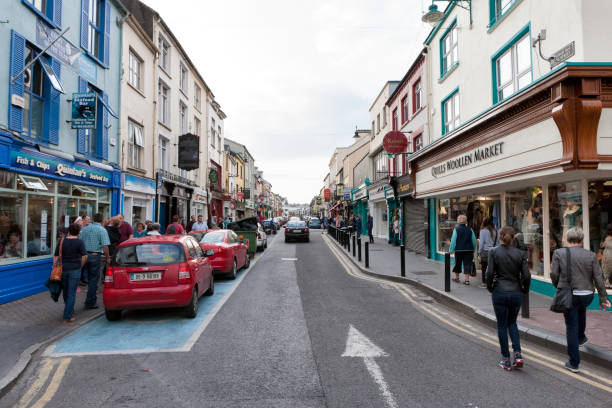
10. The Town Centre Session Alleys
The Rowdy Cultural Runway of Painted Shop Facades and Round-the-Clock Trad Music Fronts
Slicing smoothly through the commercial core of the town along High Street, Main Street, and Plunkett Street, this pedestrian-friendly zone represents the social heart of the capital.
- What it is famous for: Its vibrant matrix of brightly painted storefronts, traditional Irish pubs, independent craft boutiques, and world-class traditional acoustic music sessions. The bustling center functions as a lively hub where the sounds of fiddles, button accordions, and uilleann pipes spill onto the pavements every evening. Legendary local pubs maintain a round-the-clock energy where travelers can sample local craft beers and farm gastronomy while chatting with traditional storytellers.
11. Muckross Traditional Farms
The Savory Cultural Repository of Thatch-Roofed Farmhouses and Working Heritage Horse Ploughs
Occupying a prime, low-lying pastoral footprint directly adjacent to the Muckross estate grounds, this living history museum preserves rural trade heritage.
- What it is famous for: Being a fully operational, working recreation of rural Irish farming life during the 1930s and 1940s, before the arrival of modern electricity or tractors. The outdoor site features three separate working farms containing authentic thatch-roofed cottages, stone animal sheds, and traditional blacksmith forges. Visitors can walk the farm tracks to watch master handlers use heavy draft horses to plow the fields, view traditional butter-making labs, and interact with native heritage livestock breeds.