
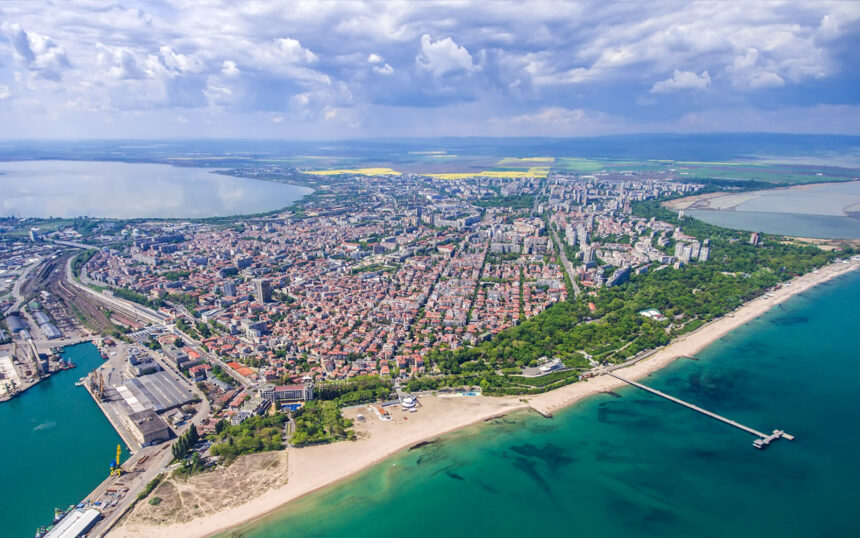
Burgas, sweeping grandly along the westernmost curve of the deep Black Sea bay in southeastern Bulgaria, operates on a magnificent, water-locked layout where pristine coastal horizons meet one of Europe’s largest natural wetland systems.
Surrounded by three massive lakes Vaya, Mandrensko, and Atanasovsko the city acts as an irreplaceable ecological checkpoint on the Via Pontica, the second-largest avian migration route in Europe.
Originally founded as a minor Roman military outpost named Pyrgos, its strategic geographical positioning transformed it into a bustling industrial powerhouse and the premier logistics maritime gateway of modern Bulgaria.
Today, Burgas presents a striking layout where sprawling, tree-shaded coastal parklands buffer the active industrial ports from the clean, pedestrianized downtown grid.
Far from being a mere transit hub, the city seamlessly pairs its industrial energy with a deeply artistic spirit, hosting world-famous sand sculpture festivals and bohemian music events right on the sand.
1. The Sea Garden (Morska Gradina)
The Sea-Facing Emerald Ribbon of Open-Air Stages and Coastal Cliffs
Stretching smoothly for over 5 kilometers along the high, rolling bluffs overlooking the city’s central beaches, this massive, beautifully sculpted public parkland stands proud as the artistic and social heart of Burgas.
- What it is famous for: Its manicured floral terraces, classic white pavilions, and hosting an extensive collection of modern art sculptures. Originally designed in 1910 by the visionary landscape architect Georgi Duhtev, who introduced exotic plant species from around the world, the park functions as a vibrant open-air community hub. Visitors can stroll down tree-shaded alleys to find the Summer Theatre, where national operas and rock festivals take place directly against a backdrop of shifting sea currents.
2. Atanasovsko Lake & The Pink Salterns
The Surrealist Crimson Basins of Healing Mud and Avian Checkpoints
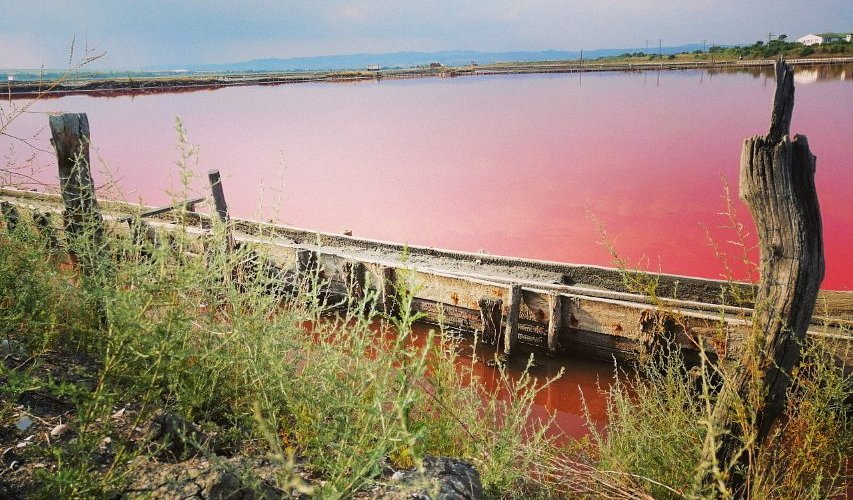
Spreading out across the northern boundary of the city limits, this shallow, hyper-saline lagoon is a striking patch of vivid pink and crimson water sections.
- What it is famous for: Its bright pink salt evaporation pans, therapeutic black mud basins, and its incredible biodiversity. The high salt concentration feeds a unique micro-alga that turns the water a dramatic shade of pink. Visitors flock here to enjoy a free, open-air spa experience, slathering themselves in the mineral-rich black mud and healing lye before rinsing off in the sea. Furthermore, the lake is a protected ecological sanctuary, sheltering over 300 rare bird species including pink flamingos and pelicans.
3. The Burgas Pier (Mosta)
The Iconic T-Shaped Skyway of Maritime Walks and Sea Viewpoints
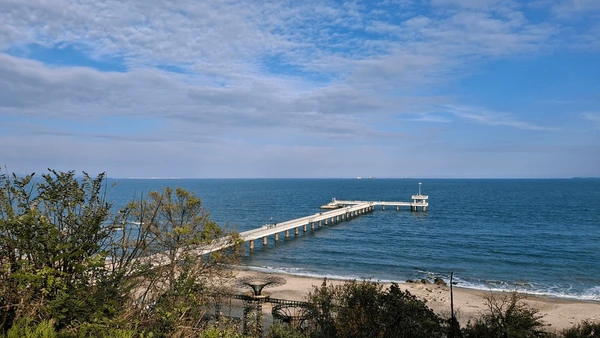
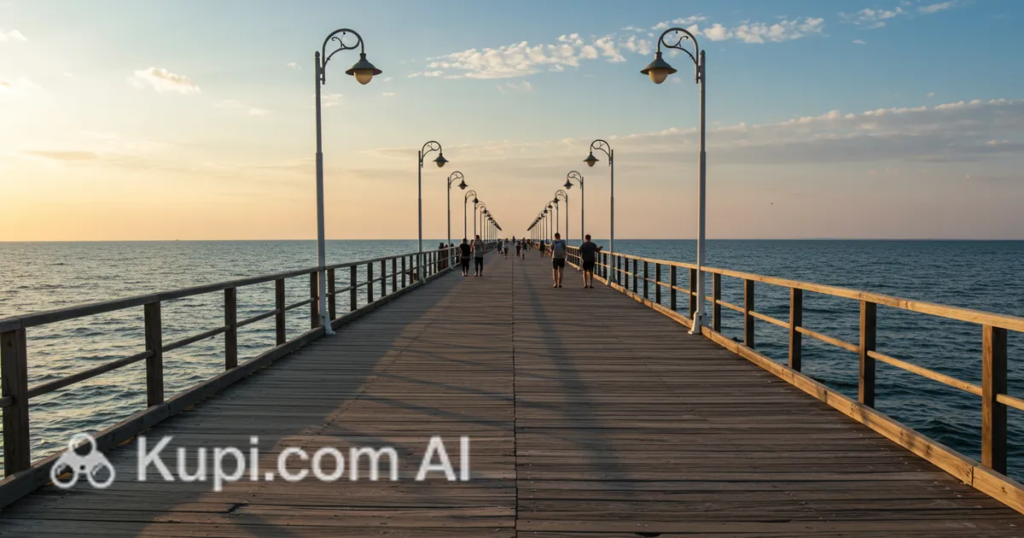
Projecting boldly into the crashing Black Sea waves from the southeastern edge of the Sea Garden, this monumental, 300-meter-long concrete pier is the definitive architectural symbol of the city.
- What it is famous for: Its unique T-shaped double-decker viewing platforms and being the ultimate local landmark for romantic walks. Originally built out of wood in the 1930s before its reconstruction in stone and concrete, the pier treats walkers to an unobstructed, 360-degree look across the entire glittering Burgas bay. At the end of the pier rises a 22-meter-tall viewing tower, a favorite gathering spot where locals watch fishermen cast their lines, couples tie love locks, and brave divers plunge into the water during traditional winter festivals.
4. St. Anastasia Island
The Volcanic Crag Sanctuary of Medieval Pirates and Prison Monks
Rising out of the deep blue waters of the Burgas Gulf roughly 6 kilometers offshore, this small, rocky volcanic island is the only inhabited island along the Bulgarian Black Sea coast.
- What it is famous for: Its stormy history involving medieval monks, fierce pirate raids, and a harsh political prison system. Over the centuries, the island’s 14th-century monastery was raided by pirates before being converted into a maximum-security prison in the 1920s. Today, accessible via a short, scenic catamaran ride from the Marine Station, the fully restored island features a historic lighthouse, a museum tracking its dark history, a seafood tavern serving local mussels, and a guest house where travelers can stay overnight surrounded by the sea.
5. Alexandrovska & Bogoridi Pedestrian Streets
The Vibrant Belle Époque Retail Spines of Pastel Stucco Facades
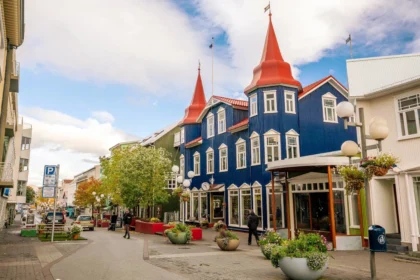
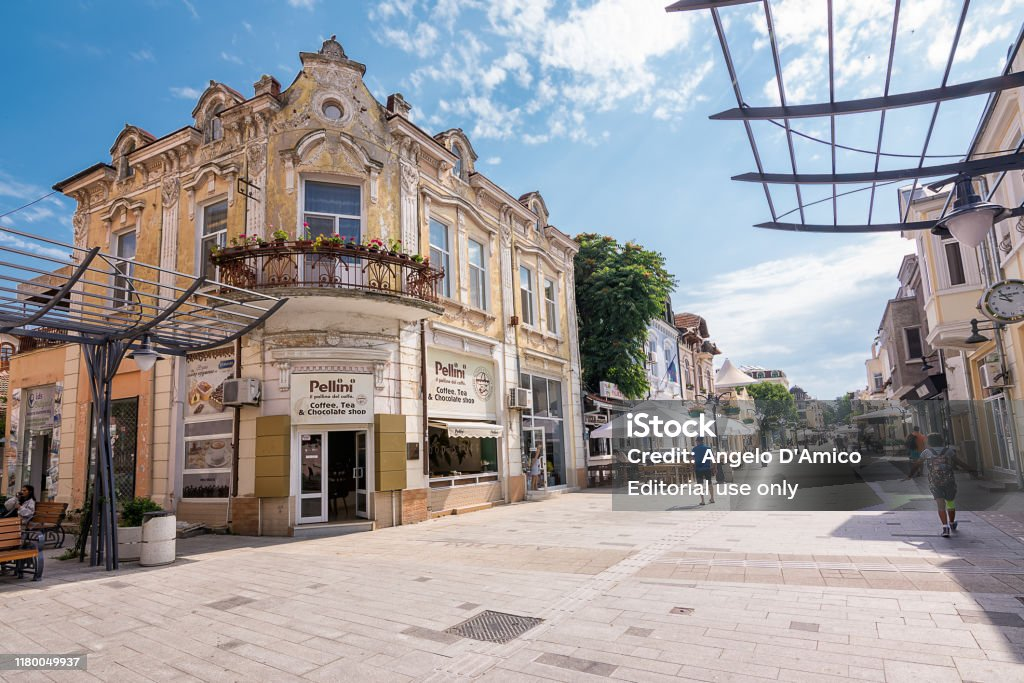
Intersecting gracefully in a wide public plaza in the heart of the central business district, these two wide, stone-paved pedestrian avenues form the architectural soul of downtown Burgas.
- What it is famous for: Their gorgeous 19th-century Neo-Baroque and Art Nouveau architectural buildings and lively outdoor cafe cultures. Closed entirely to automobile traffic, these bustling promenades are framed by elegant pastel-colored buildings featuring ornate filigree balconies, classic columns, and detailed stucco work. Alexandrovska serves as the primary retail hub, while Bogoridi Street is lined with artisan souvenir shops and bakeries, leading walkers down a direct, tree-shaded line straight to the main gates of the Sea Garden.
6. Saints Cyril and Methodius Cathedral
The Neo-Byzantine Sovereign of Domed Stonework and Gilded Icons
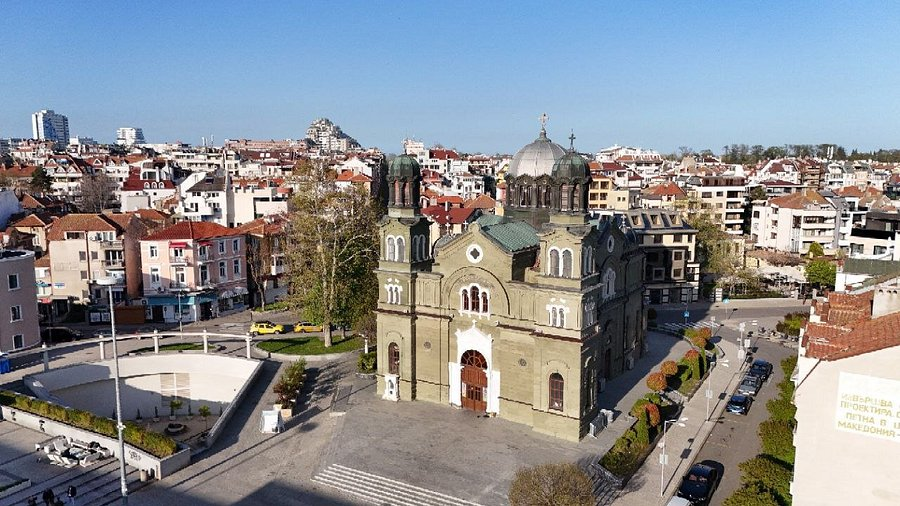
Dominating a wide, stone-paved public square just a short walk west of the main pedestrian thoroughfares, this monumental cathedral stands proud as the primary house of worship in the city.
- What it is famous for: Its striking dark-domed silhouette, three-aisled stone architecture, and its magnificent interior stained-glass layout. Built between 1897 and 1907 by the renowned Italian architect Ricardo Toscani, the cathedral is constructed from beautiful green-toned local stone and carved marble. The interior is a masterclass in Orthodox art, featuring a highly detailed altar iconostasis and stunning stained-glass windows depicting the holy brothers Cyril and Methodius, the creators of the Cyrillic alphabet.
7. The Sand Sculpture Festival (Sand Fest Burgas)
The Fairytale Matrix of Giant Hand-Carved Mythic Titans
Occupying a large, open-air parkland plot at the northern tip of the Sea Garden near the Ezero Park zone, this annual summer exhibition is an absolute crowd-favorite.
- What it is famous for: Its sprawling display of giant, hyper-detailed sand castles and character sculptures hand-carved by international artists. Every July, tons of unique, weather-resistant sand are mixed with water to create a canvas for sculptors from around the globe. Each year follows a completely new creative theme—ranging from movie characters and safari animals to historical figures—transforming the park into a temporary outdoor gallery where sculptures rise up to 6 meters tall, illuminated by multi-colored lights at night.

8. Poda Protected Site & Conservation Center
The Wetland Gateway of Rare Birds and Avian Watchtowers
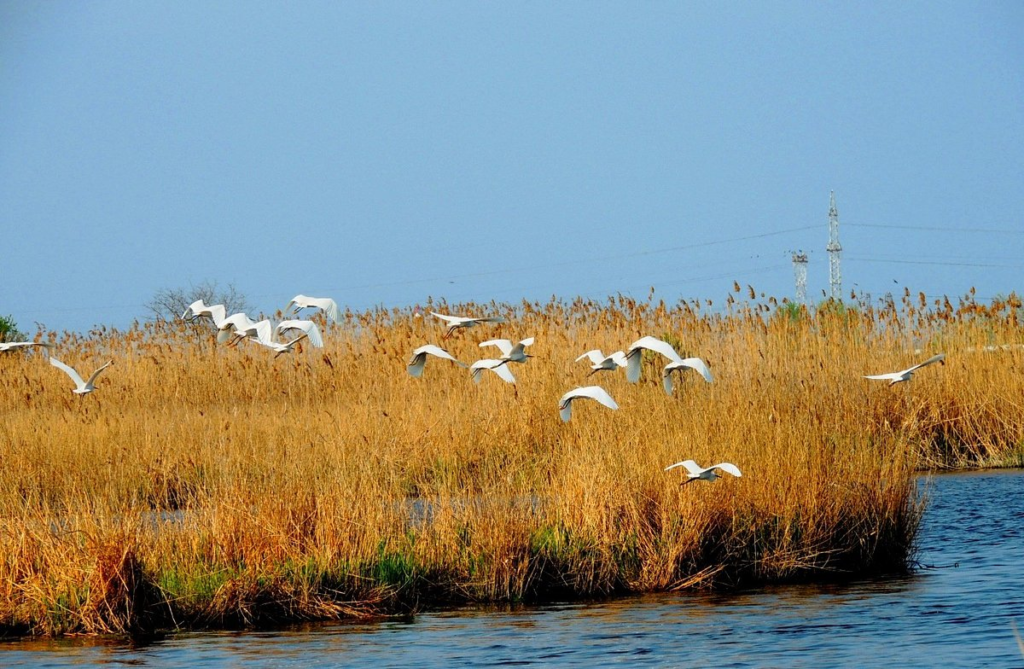
Slicing quietly through the marshy southern exit of the city along the highway bottleneck separating Burgas from Mandrensko Lake, this 100-hectare wetland preserve is an international ecological gem.
- What it is famous for: Having one of the highest concentrations of bird species in all of Europe within a single compact zone. Despite its small size, the Poda wetlands contain a rich mix of fresh, brackish, and saltwater environments. This unique layout attracts over 270 bird species, including massive nesting colonies of spoonbills, glossy ibises, and rare herons. The on-site conservation center provides visitors with high-powered binoculars and high watchtowers to spot rare birds moving along the Via Pontica migration flyway.
9. Aquae Calidae Archaeological Complex
The Extracted Brick Baths of Ottoman Sultans and Roman Emperors
Tucked away into a quiet, park-like setting in the northern mineral spring suburbs of Banevo roughly 15 kilometers from the city center, this ancient site protects centuries of thermal history.
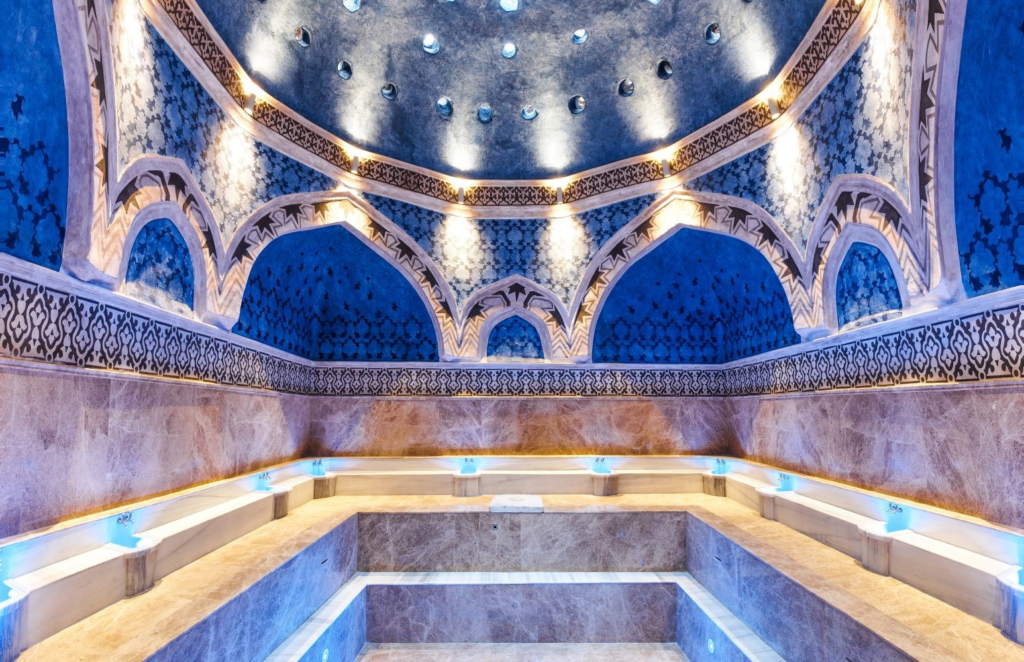
- What it is famous for: Its ancient Roman thermal foundations and the fully restored, luxury bath complex of Ottoman Sultan Suleiman the Magnificent. The naturally hot mineral springs have drawn people since the Thracian era. Roman emperors built a grand city here, which was later transformed into a spectacular, domed marble bathhouse by the Ottoman Sultan in the 16th century. Today, visitors can tour the extensive excavations and sit inside the restored bathhouse to watch a 3D projection show tracking the history of the springs.
10. Burgas Ethnographic Museum (The Brakalov House)
The Symmetrical Merchant Palace of Kukeri Masks and Festival Costumes
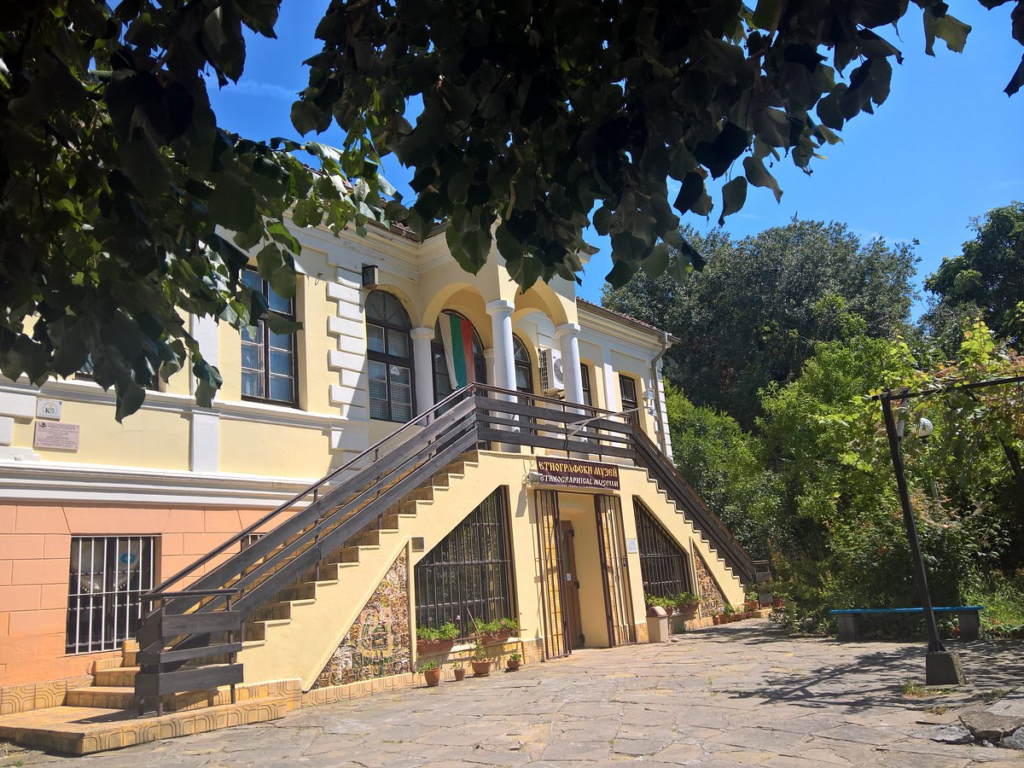
Occupying a grand, dark-trimmed National Revival mansion built in 1873 directly behind the Saints Cyril and Methodius Cathedral, this fascinating museum protects the material culture of the region.
- What it is famous for: Its stunning collection of traditional Bulgarian festival costumes, antique textiles, and fearsome Kukeri ritual masks. The museum’s galleries guide visitors through the complex folklore traditions of the Burgas region. A highlight of the exhibition is the collection of heavy, fur-covered masks and massive copper bells worn during the ancient Kukeri New Year rituals, designed to frighten away evil spirits and bring a bountiful harvest to local villages.
11. The Burgas Marine Station & Port Area
The Chic Pedestrian Runway of Cruise Liners and Open-Air Dining
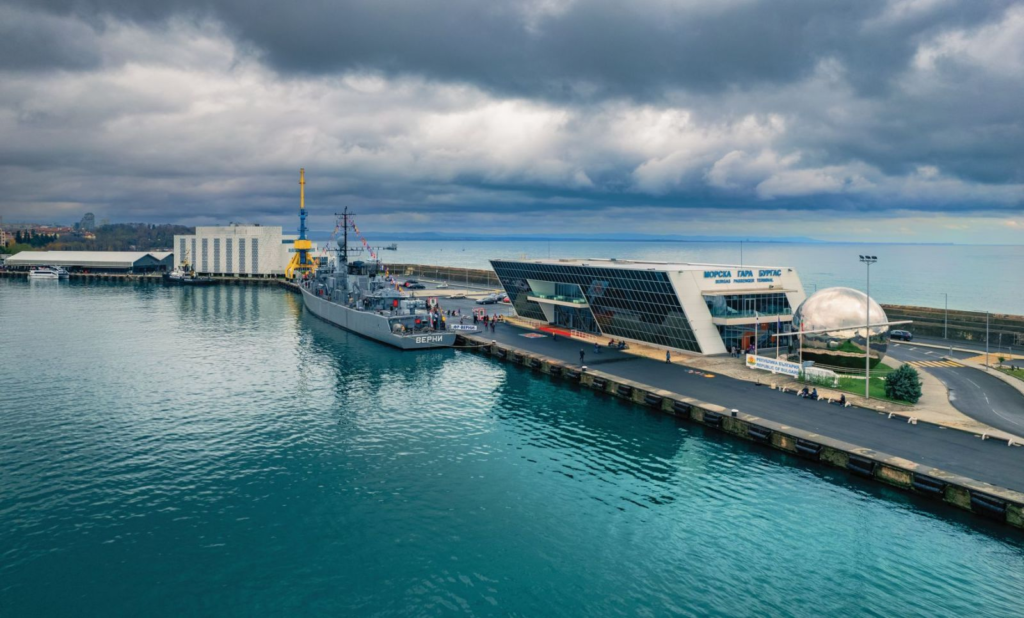
Commanding the modern, deep-water southeastern crook of the harbor grid, this recently renovated industrial dock zone has been successfully transformed into Burgas’ premier lifestyle venue.
- What it is famous for: Its contemporary pedestrianized harbor piers, active international shipping views, and a bustling row of seaside restaurants. The open-access port allows visitors to walk past massive cruise liners, modern naval vessels, and sleek sailing yachts. At dusk, the entire waterfront area lights up, drawing massive crowds to its trendy open-air seafood taverns, cocktail lounges, and modern exhibition centers to enjoy the cool sea breeze.