
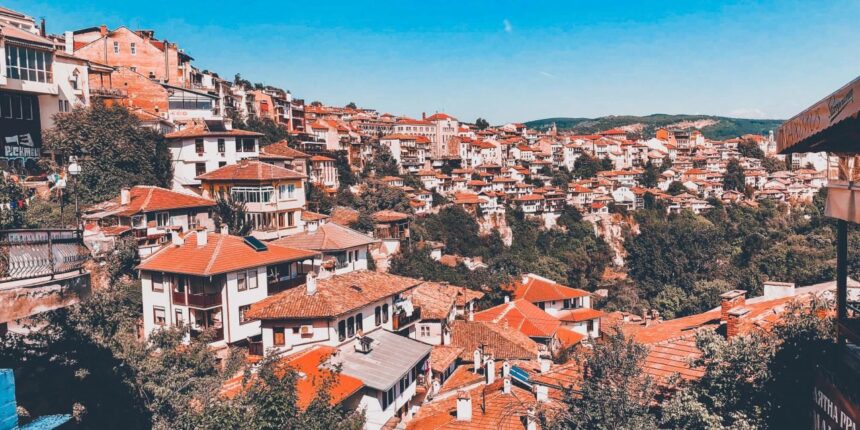
Veliko Tarnovo, hanging spectacularly over the sheer limestone cliffs of the twisting Yantra River gorge in north-central Bulgaria, operates on a gravity-defying, amphitheater-like layout that marks it as the legendary “City of the Tsars.”
As the glorious capital of the Second Bulgarian Empire from 1185 to 1393, this fortified mountain stronghold was celebrated across Europe as a “Second Constantinople” the undisputed geopolitical, religious, and literary superpower of the Slavic world.
The city’s unique geography, where the river loops tightly around steep rocky massifs, formed a natural medieval fortress that withstood centuries of foreign imperial sieges.
Today, Veliko Tarnovo is a breathtaking masterpiece of spatial geometry, where tiers of traditional white-and-timber houses look like they are stacked directly on top of each other along the edge of vertical ravines.
The city effortlessly pairs its monumental medieval battlements with a vibrant, modern university energy and a thriving artisan crafts community.
1. Tsarevets Fortress
The Cliff-Hugging Stronghold of Medieval Tsars and Sonic Light Skies
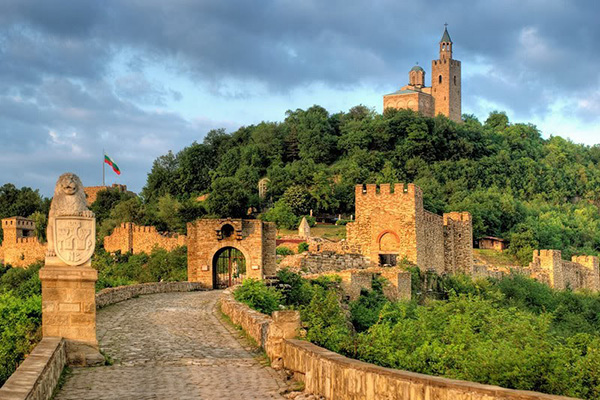
Spreading across the entire rocky plateau of Tsarevets Hill on the eastern edge of the historic quarters, this monumental medieval citadel stands proud as the definitive architectural icon of Bulgaria’s royal history.
- What it is famous for: Its colossal defensive stone walls, royal palace foundations, and its nightly multi-colored laser light show. For over two centuries, this hill held the supreme palaces, execution rocks, and golden patriarchal churches of the Bulgarian Tsars. Visitors walk across a dramatic stone drawbridge to explore a sprawling maze of ruins, culminating at the summit’s Patriarchal Cathedral. At night, the entire hill transforms into a massive theatrical canvas for the Sound and Light Show, tracking the rise and tragic fall of the empire through music and lasers.
2. Samovodska Charshiya (The Old Bazaar)
The Cobblestone Labyrinth of Copper Smiths and Ottoman Inventions
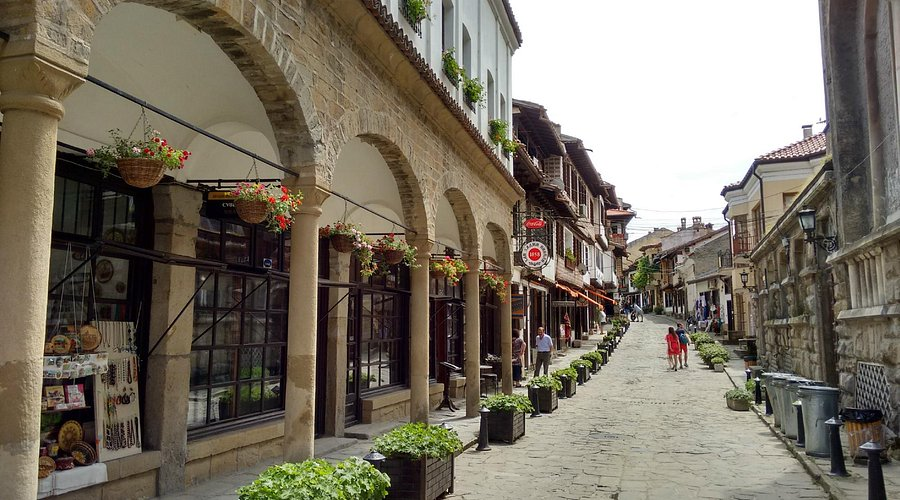
Slicing through the high, winding residential heart of the old town blocks, this network of steep, stone-paved streets has functioned as the city’s premier commercial trading nexus since the 19th century.
- What it is famous for: Its fully operational National Revival artisan workshops and historic Ottoman architectural inns. Originally a marketplace where rural farmers gathered to sell their goods, the bazaar is lined with beautiful timber-framed houses. Today, master craftsmen work in open storefronts using 19th-century methods to hand-hammer copper vessels, weave traditional textiles, carve wood icons, and paint intricate ceramics. Visitors can also stop to try traditional Turkish-style coffee brewed hot on sand.
3. Trapezitsa Fortress
The Re-Emerged Mountain Outpost of Boyar Palaces and Funicular Skyways
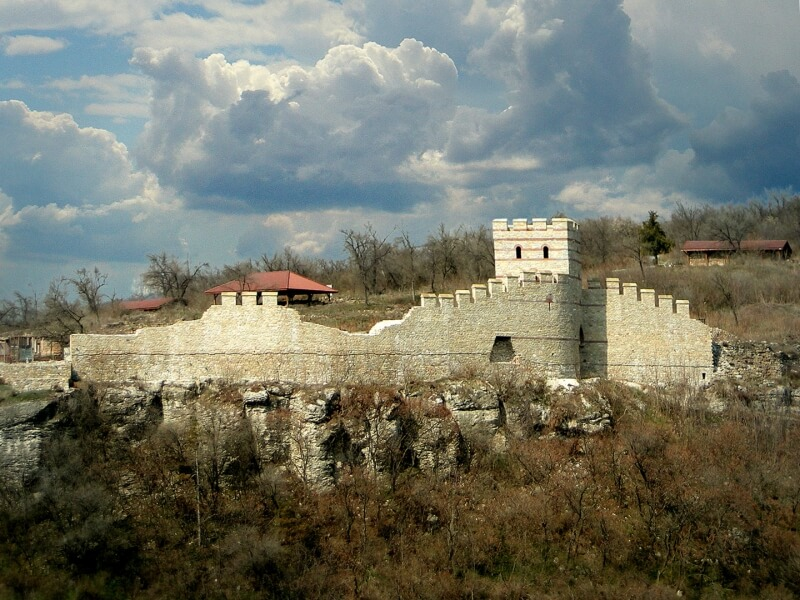
Rising sharply directly across the deep Yantra River canyon from Tsarevets, this massive, historic hill mass forms the second fortified anchor of the ancient imperial capital.
- What it is famous for: Being the exclusive citadel home of the medieval Bulgarian nobility (Boyars) and its modern panoramic funicular railway. While Tsarevets was the administrative heart, Trapezitsa held the highly secure residential compounds of the elite, containing at least 18 separate medieval stone churches decorated with brilliant mosaics. Following recent extensive archaeological restorations, visitors can take a futuristic glass funicular lift up the sheer cliff face to walk the reconstructed northern gates and battlements.
4. Gurko Street
The Cliff-Clinging Runway of Symmetrical Timber Homes and Gorge Views
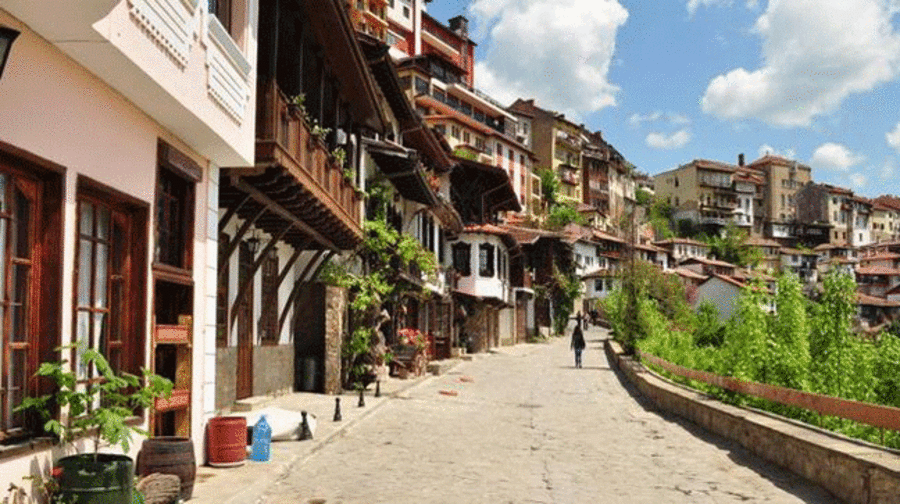
Tracing the lowest residential terrace of the old town directly along the steep, rocky curves of the Yantra River canyon, this narrow lane is the most romantic walkway in Veliko Tarnovo.
- What it is famous for: Its impeccably preserved 18th-century National Revival houses that look like they are growing straight out of the cliff side. Named after a legendary liberation general, the street is paved with ancient river stones and lined with homes featuring overhanging wooden balconies overflowing with wild geraniums and grapevines. Walking the lane treats travelers to an unobstructed, water-level perspective of the massive stone monuments and historic bridges bridging the river loops below.
5. Holy Forty Martyrs Church
The Royal Victory Basilica of Inscribed Roman Columns and Tsar Tombs
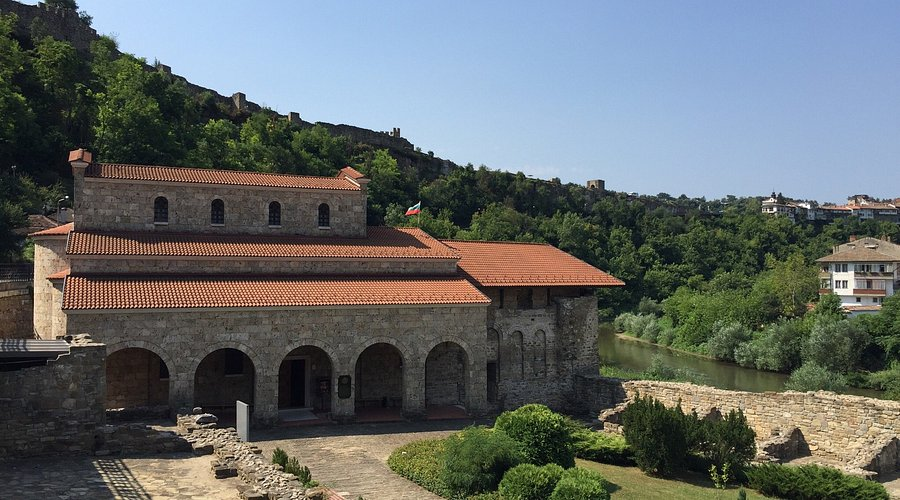
Nestled quietly at the absolute base of Tsarevets Hill along the green, fertile banks of the Asenova Quarter, this 1230 AD stone basilica is a premier national monument.
- What it is famous for: Housing the historic stone columns carved with the victory inscriptions of Bulgaria’s greatest medieval tsars. Built by Tsar Ivan Asen II to celebrate a decisive military victory over the Byzantine Empire, the church functions as a royal pantheon. Inside sit massive, recycled Roman and medieval columns etched with ancient texts charting the expansion of the kingdom, alongside the original royal tomb of the legendary Tsar Kaloyan, whose intact skeleton was discovered here in 1972.
6. The Asenievtsi Monument
The Dynamic Sword Titan of Equestrian Tsars and Creative Squares
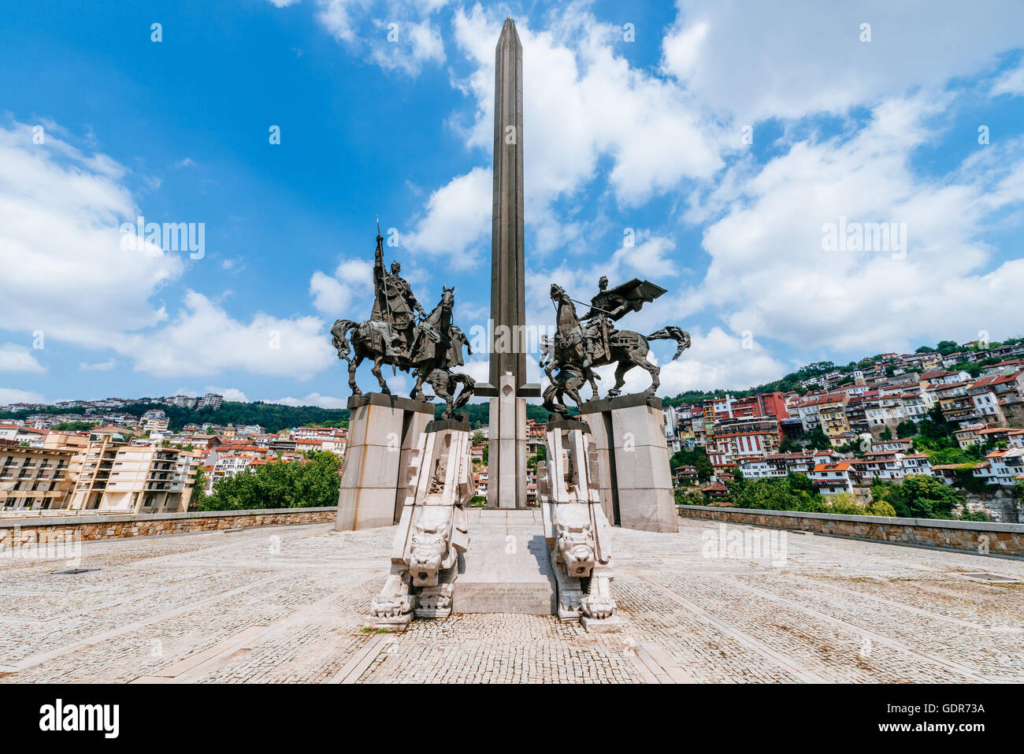
Commanding a sharp, projecting peninsula of land carved by a dramatic loop of the Yantra River in the center of the gorge basin, this colossal monument dominates the lower valley floor.
- What it is famous for: Its massive, 15-meter-tall bronze sword surrounded by four towering equestrian statues of the Asen Dynasty kings. Erected in 1985 to celebrate the 800th anniversary of the uprising that re-established the Bulgarian Empire, the monument symbolizes the city’s golden medieval peak. The surrounding concrete plaza is a highly favored youth community hub, bordered by the State Art Gallery and offering an incredible look up at the tiers of old town houses hanging on the cliffs opposite.
7. Monkey House (Kashtata s Maimunkata)
The Architectural Marvel of Symmetrical Brickwork and Brick-Sculpted Apes
Occupying a prominent, narrow corner spot on the steep street leading between the modern downtown grid and the old bazaar lanes, this striking three-story structure is an engineering gem.
- What it is famous for: Being a masterpiece designed by Bulgaria’s legendary self-taught architect Kolyu Ficheto in 1849. Built on an incredibly tiny, irregular plot of land, the house features a unique facade made of exposed red brickwork and wavy wooden bay windows that maximize interior light. It earned its famous nickname from a tiny, whimsical stone sculpture of a sitting monkey carved directly into the central pilaster above the main entry arches.
8. Church of St. Demetrius of Thessaloniki
The Brick-Banded Sanctuary of Imperial Rebellions and Royal Crowns
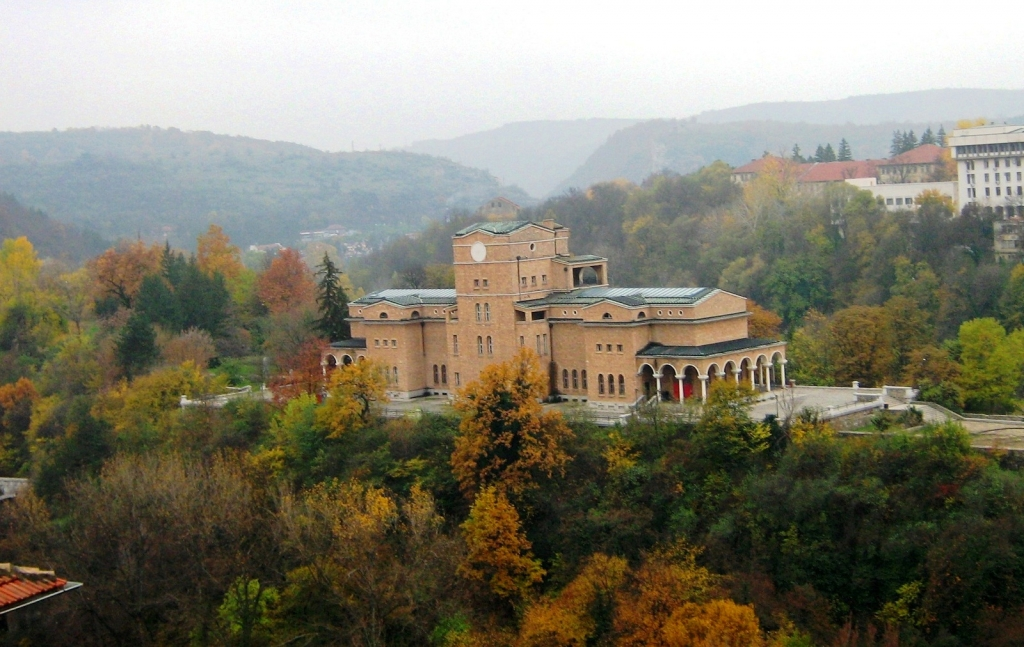
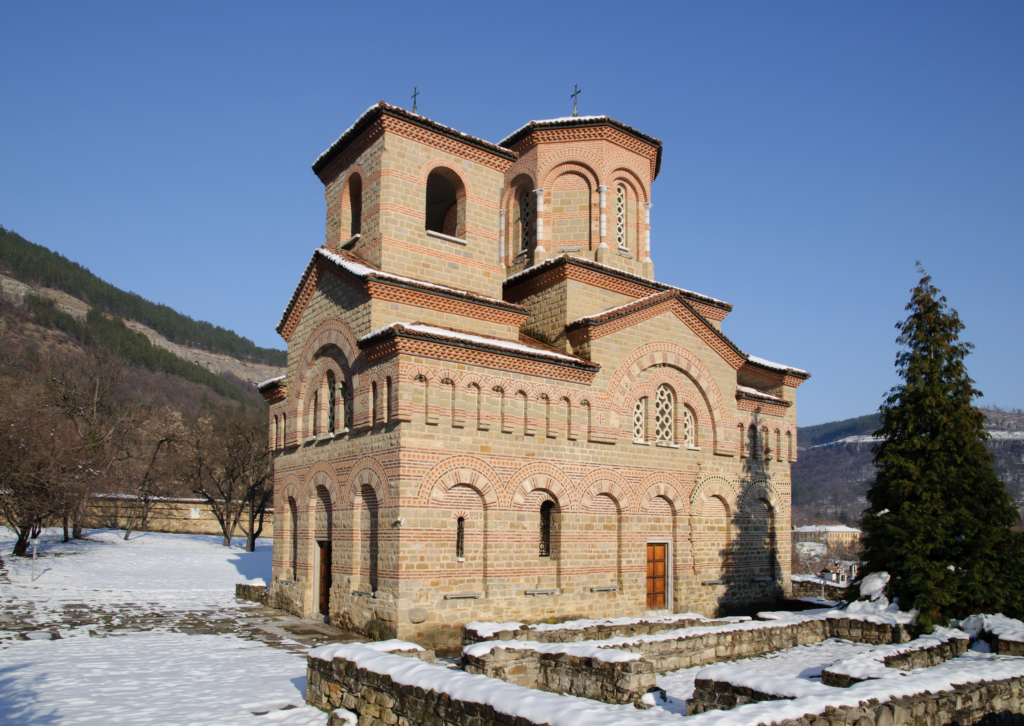
Tucked into a scenic riverside location within the old Asenova Quarter between the two grand fortresses, this small, elegant church features a classic Byzantine external profile.
- What it is famous for: Being the exact historical spot where the restoration of the independent Bulgarian Empire was declared in 1185. It was here that the noble brothers Peter and Asen led a massive rebellion against Byzantine rule, crowning Peter as the new Tsar. The building displays a beautiful exterior layout of alternating red brick and white stone bands, while the interior holds valuable fragments of medieval wall murals painted across three distinct historical layers.
9. Arbanasi Architectural Reserve
The High-Plateau Fortified Village of Stone Mansions and Hidden Murals
Perched on a wide, wind-swept limestone plateau roughly 4 kilometers north of Veliko Tarnovo’s canyon, this unique historic village looks out over the entire regional landscape.
- What it is famous for: Its impenetrable, fortress-like stone houses and the jaw-dropping interior frescoes of the Church of the Nativity. Settled by wealthy merchants who traded across the Ottoman Empire, Arbanasi’s homes are unique because they are built like miniature stone bunkers with high defensive walls and heavy wooden window shutters. Hidden inside the unassuming stone exterior of the village churches lies a true “Sistine Chapel of the Balkans,” featuring walls covered in thousands of lifelike medieval religious scenes.
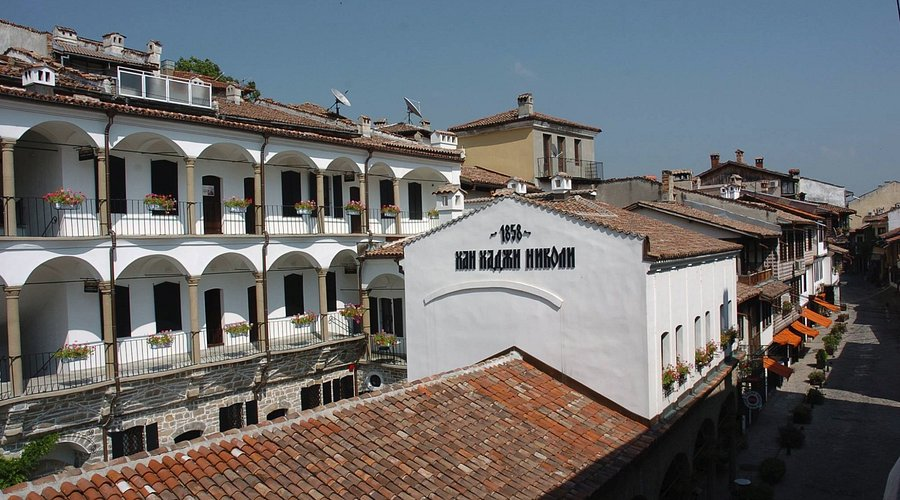
10. Hadji Nikoli Inn (Han Hadji Nikoli)
The Multi-Tiered Stone Cloister of Silk Merchants and Wine Cellars
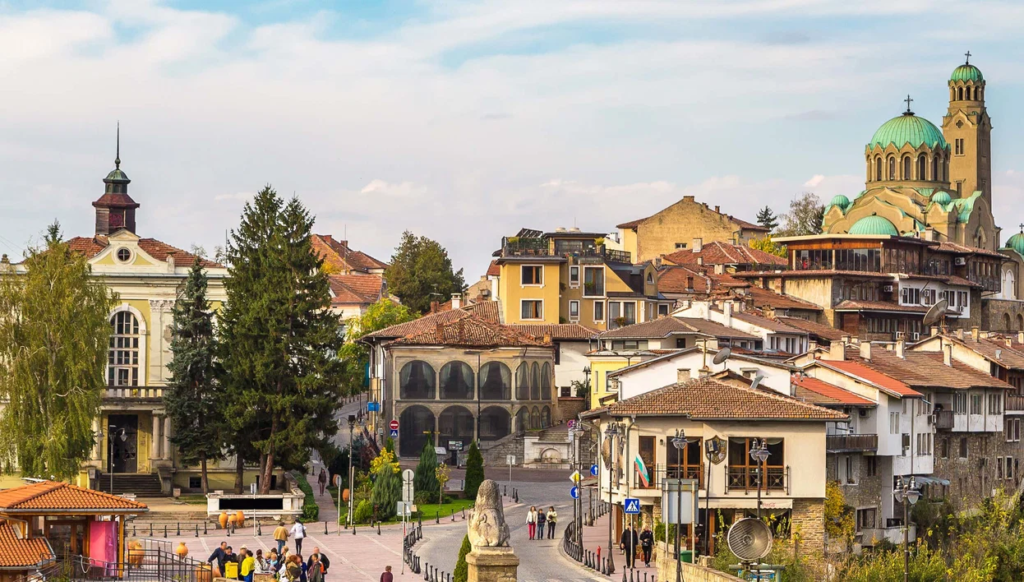
Commanding a majestic presence along the primary artery of the Samovodska Charshiya artisan market, this monumental stone complex is the only surviving merchant inn of its scale in the city.
- What it is famous for: Its elegant, multi-tiered inner courtyard balconies and its history as a grand silk trading palace. Built by Kolyu Ficheto in 1858 for a wealthy local merchant, the inn is an architectural triumph featuring grand stone arches and delicate iron railings reminiscent of a European monastery cloister. Today, the fully restored complex functions as a high-end cultural hub, housing a contemporary art gallery, a restaurant serving traditional Bulgarian cuisine, and a deep underground wine cellar.
11. The Baldwin Tower (Baldouinova Kula)
The Southern Stone Gate-Sentinel of Imperial Roman Captives
Guarding the sheer, southeasternmost corner bottleneck of the Tsarevets Fortress walls, this imposing, multi-story stone watchtower looks straight down into the deepest point of the Yantra gorge.
- What it is famous for: Being the historic prison tower where Latin Emperor Baldwin I of Flanders was kept captive following his defeat in 1205. After the crusaders captured Constantinople, they marched against the Bulgarians but were crushed at the Battle of Adrianople by Tsar Kaloyan. The captured emperor was brought to Veliko Tarnovo and locked inside this exact stone tower, where he spent his final days, cementing the tower’s place in global medieval folklore.