
Ruse, sweeping grandly along the high southern bank of the majestic Danube River in northern Bulgaria, operates on a magnificent, water-facing layout that marks it as the nation’s premier river port.
Originally established as Sexaginta Prista (“The City of 60 Ships”) by the Romans, its strategic geographical positioning transformed it into an indispensable maritime and military shield for centuries.
During the 19th-century Bulgarian National Revival, it evolved into the country’s main gateway to Central Europe, serving as the birthplace of Bulgaria’s first modern newspaper, first railway line, and first steel-hulled ship.
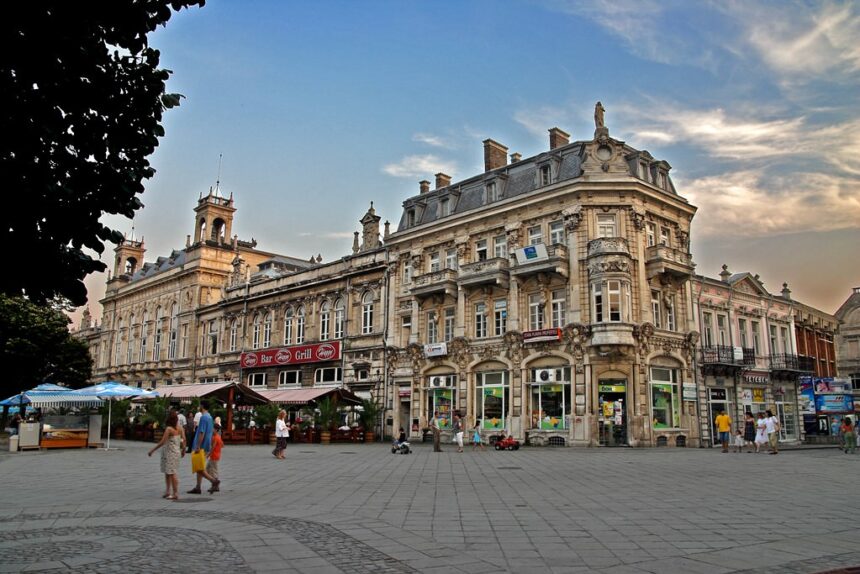
Today, universally celebrated as “Little Vienna,” Ruse presents a striking layout where grand, Central European architectural facades frame wide, tree-lined pedestrian avenues.
Because the city was built using drawings by leading Viennese, Italian, and French architects at the turn of the 20th century, it boasts an architectural sophistication unmatched elsewhere in the country.
1. The Monument to Liberty & Freedom Square
The Granite Angelic Sovereign of Ruse’s Central Neo-Baroque Axis
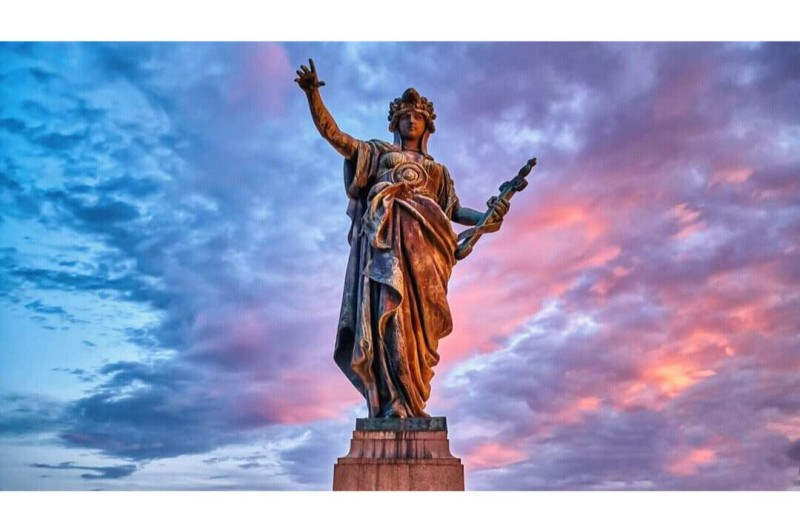
Dominating the absolute physical center of Freedom Square—a massive, park-like plaza lined with fountain networks—this monumental 22-meter-tall granite and bronze tower stands proud as the definitive architectural icon of the city.
- What it is famous for: Its magnificent bronze statues sculpted by legendary Italian artist Arnoldo Zocchi and its role as the anchor of the city’s urban grid. Erected at the dawn of the 20th century to honor the heroes who fell liberating Bulgaria from Ottoman rule, the monument features a crowning figure of a woman holding a sword while pointing toward the north from where liberating forces arrived. The surrounding square is widely considered one of the most beautiful public plazas in Europe, acting as a vibrant open-air theater where locals stroll past manicured gardens and classical water fountains.
2. The Profit-Yielding Building (Dohodno Zdanie)
The Neoclassical Palace of the Seven Muses and Dramatic Arts
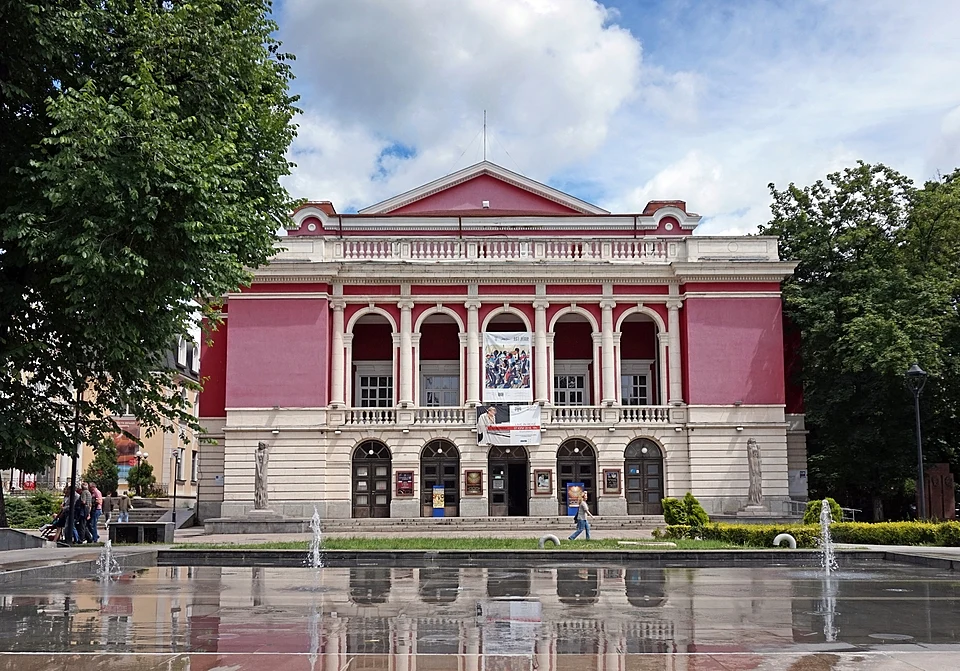
Commanding a majestic, block-long presence on the northern edge of Freedom Square, this spectacular, deep-cream theatrical palace is an absolute masterpiece of European architectural design.
- What it is famous for: Its seven theatrical roof sculptures representing the Muses, its dramatic zinc roof domes, and its history as a high-concept civic investment. Built between 1898 and 1902 by Viennese architect Peter Paul Brang, the building was designed to house the local theater company while generating revenue for the city through built-in retail spaces and a grand casino hall. The facade features detailed stucco work and statues symbolizing Arts, Science, and Commerce, creating a magnificent backdrop for the international festivals held inside its gilded performance halls.
3. Aleksandrovska Street
The Pedestrian Runway of Pastel Secession Facades and Outdoor Cafes
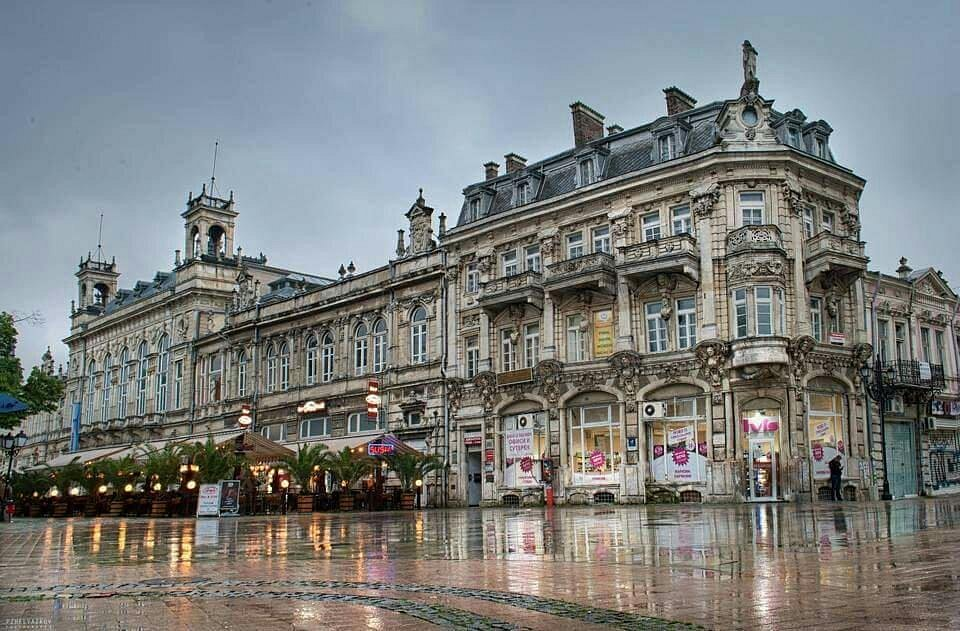
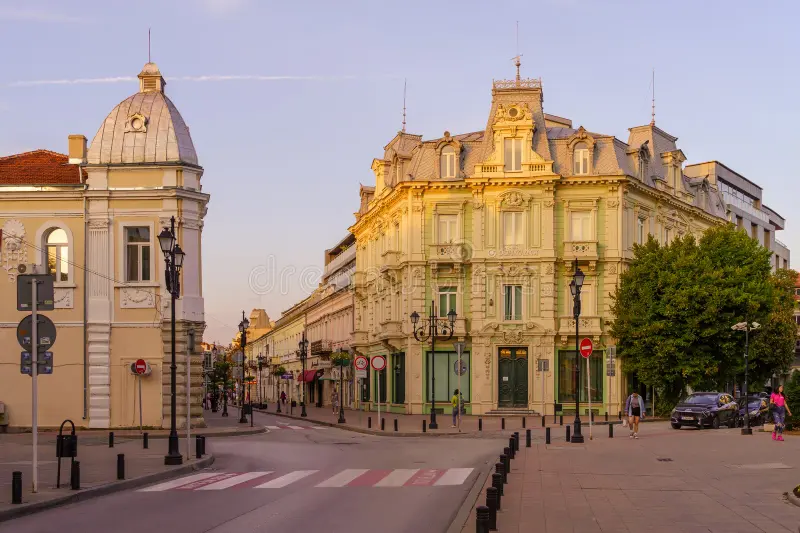
Slicing smoothly from east to west through the historic commercial heart of the city, this wide, stone-paved avenue stands proud as one of the longest continuous pedestrian promenades in Bulgaria.
- What it is famous for: Its gorgeous rows of perfectly preserved Neo-Baroque, Empire, and Secession-style architectural buildings. Closed entirely to automobile traffic, this bustling avenue mimics the upscale shopping streets of Vienna and Budapest. The promenade is framed by elegant pastel-colored buildings featuring ornate filigree balconies, classic columns, and detailed stucco work, packed with outdoor cafe terraces, artisan bakeries, and boutique shops that capture the city’s sophisticated European energy.
4. The Rock-Hewn Churches of Ivanovo
The Forested Canyon Cliff Matrix of Medieval Cave-Dwelling Hermits
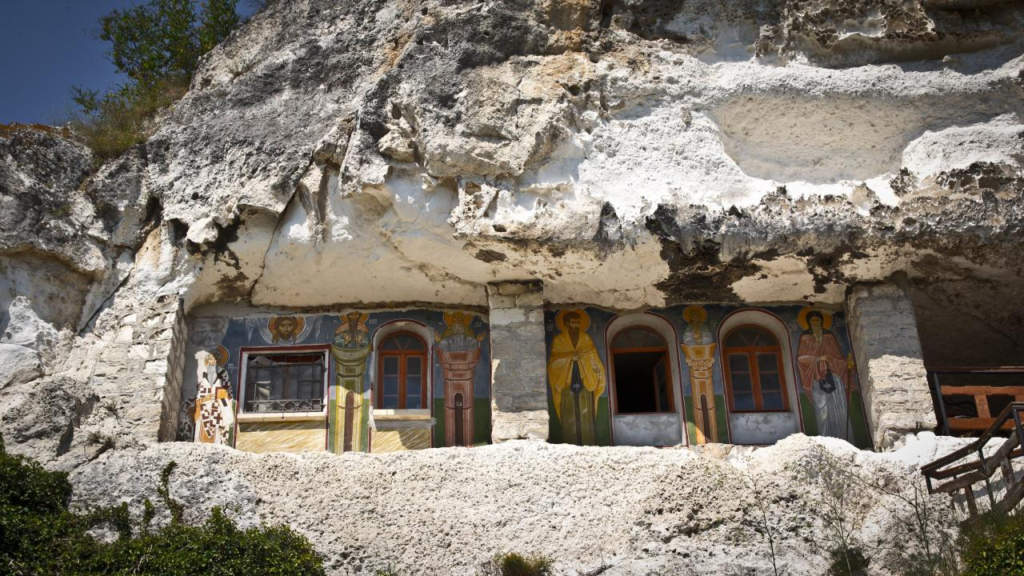
Tucked spectacularly into the sheer, 32-meter-high limestone cliff faces of the scenic Rusenski Lom River canyon roughly 20 kilometers south of the city, this historic complex is a protected UNESCO World Heritage site.
- What it is famous for: Its multi-tiered monastic cave chambers carved into solid rock and its exceptionally well-preserved 14th-century Palaiologan frescoes. Founded in the 13th century by hermit monks, this subterranean monastery complex features interconnected paths and rock cells. Hidden inside the unassuming cliff openings are walls covered in beautiful, lifelike religious murals that display an incredible mastery of human emotion and spatial depth, representing the absolute peak of Bulgarian medieval art.
5. The Eco-Museum & Aquarium
The Glass Showcase Matrix of Danube Biodiversity and Ice Age Titans
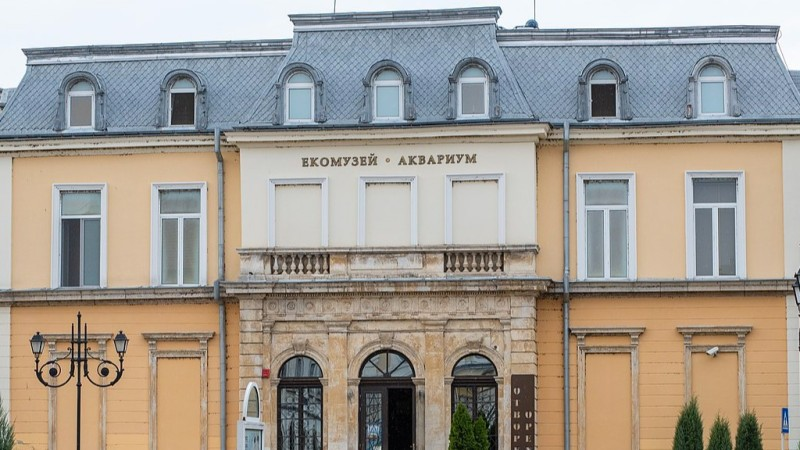
Occupying a grand, modern stone building in the immediate vicinity of the Regional History Museum, this world-class nature museum features a highly innovative layout spread across four separate exhibition levels.
- What it is famous for: Housing the largest freshwater aquarium in Bulgaria and a life-sized, hyper-realistic reconstruction of a woolly mammoth. The museum is dedicated to the unique ecosystem of the Danube River valley. Visitors can explore massive, walk-through diorama halls displaying the region’s diverse bird life, dive into an underground cave simulation, view real prehistoric fossils, and stand beneath a massive, hairy mammoth replica modeled after real Ice Age skeletons unearthed along the river banks.
6. The Danube Riverside Promenade & Prista Park
The Chic Water-Facing Runway of River Liners and Sun-Drenched Sunsets
Tracing the high stone embankment along the northern edge of the city grid, this long, park-like pedestrian walkway links Ruse’s urban squares directly with the active river currents.
- What it is famous for: Its panoramic views of the Danube River, active international cruise ship docks, and being the starting point for sunset boat tours. Serving as the green lungs of the waterfront district, the promenade is lined with mature chestnut trees, modern bicycle lanes, and outdoor dining decks. Walkers can sit on the terraced stone steps to watch massive cargo barges glide past, look across the river channels to the Romanian coastline opposite, and view the architectural scale of the nearby Danube Bridge, which links Bulgaria with Western Europe.
7. Cherven Fortress
The Towering Cliff-Top Stronghold of Medieval Warriors and Stone Citadels
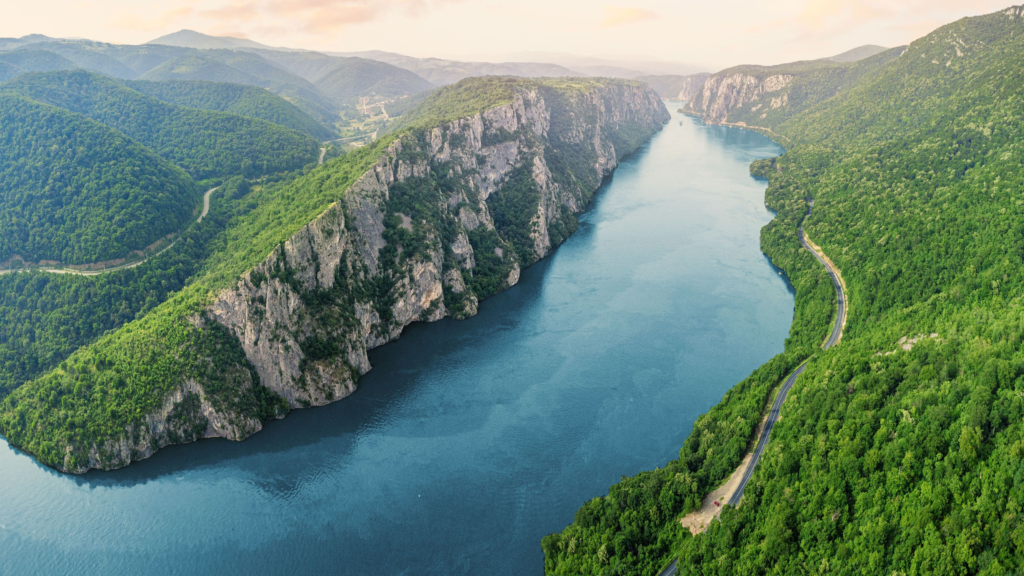
Perched dramatically on a high, loop-shaped rocky plateau surrounded by the vertical gorges of the Rusenski Lom Nature Park, this massive archaeological site sits roughly 30 kilometers south of Ruse.
- What it is famous for: Its colossal defensive stone walls, an intact three-story medieval watchtower, and its history as a major military and economic center. During the Second Bulgarian Empire, Cherven was a bustling citadel city famous for its master ironworkers, traders, and stone builders. Today, visitors can cross a secure stone path to explore the endless foundations of the inner castle, hidden underground water extraction tunnels, and a dozen churches, while taking in panoramic views of the canyons below.
8. Sexaginta Prista Archaeological Complex
The Extracted Hillside Fort of Roman Legions and River Fleet Docks
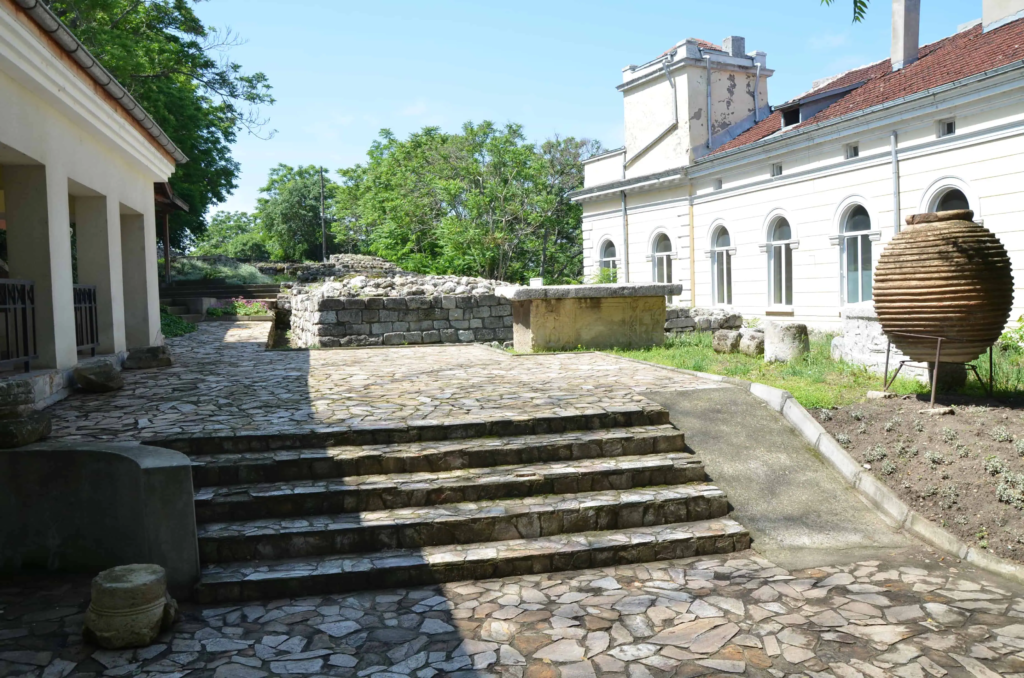
Commanding a high, strategic cliff spur overlooking the active river port zones on the northwestern edge of the city center, this open-air museum protects the Roman roots of Ruse.
- What it is famous for: Its intact 1st-century AD Roman fortress walls, brick-vaulted storage chambers, and military command posts. Originally established by Emperor Vespasian to shield the Danubian border, the fort’s name translates to “The City of 60 Ships,” reflecting the exact size of the Roman river fleet docked below. Visitors can walk the excavated stone paths to view the remnants of ancient barracks, watchtowers, and a sacred Thracian sacrificial temple site integrated into the defenses.
9. The National Transport Museum
The Historic Riverside Station of Royal Train Carriages and Steam Titans
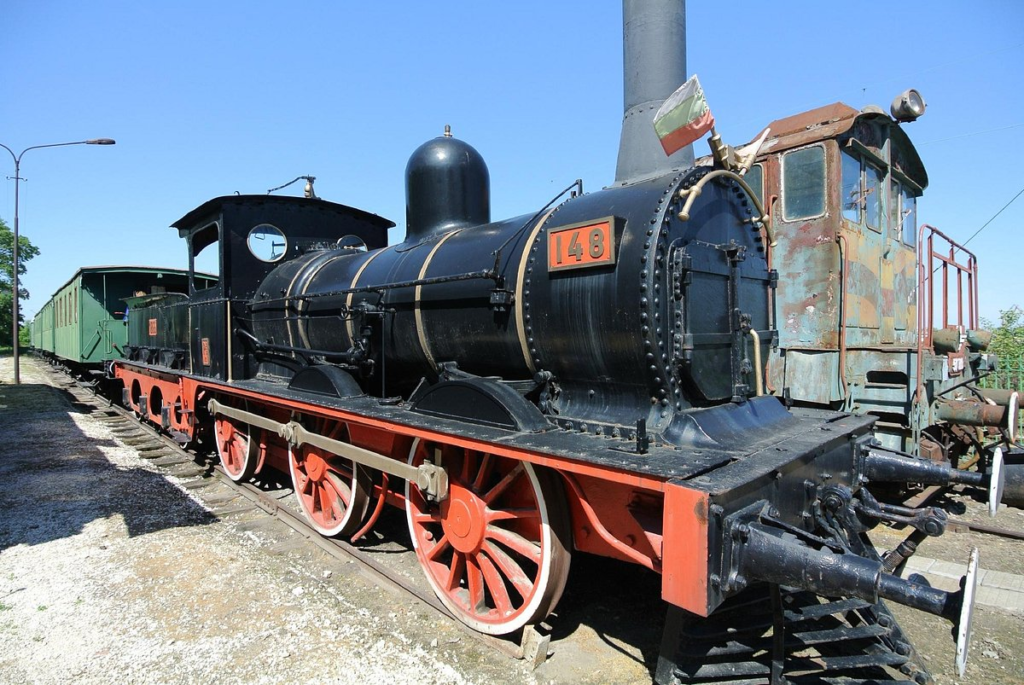
Housed inside a historic, low-slung stone building along the old harbor tracks, this unique open-air museum sits proud as the only railway transport exhibition network in the country.
- What it is famous for: Being located inside Bulgaria’s very first railway station (built in 1866) and housing the luxury private train carriages of Bulgarian monarchs. The museum tracks the industrial engineering history of the nation’s rail systems. Visitors can walk rows of massive, gleaming black steam locomotives and step inside the original, velvet-lined luxury carriages used by Sultan Abdülaziz, Tsar Ferdinand I, and Tsar Boris III, fully outfitted with period furniture and imperial dining sets.
10. Holy Trinity Cathedral
The Hidden Subterranean Basilica of Gilded Altars and Historic Tombs
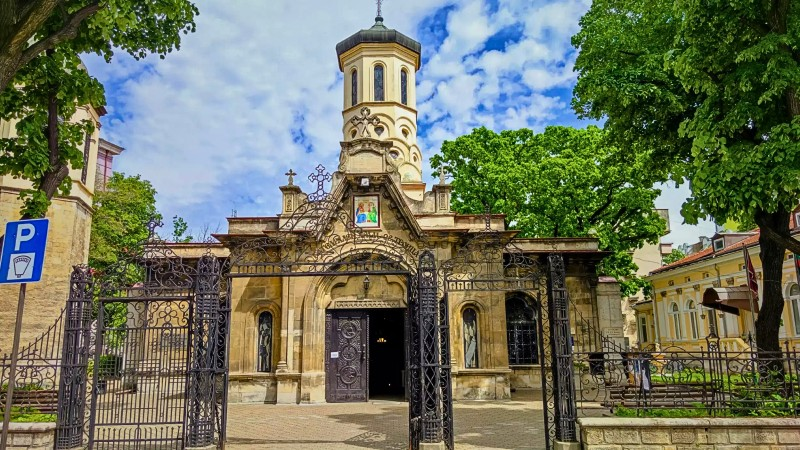
Tucked quietly behind an unassuming stone wall just off the southeastern edge of Freedom Square, this unique 1632 house of worship is the oldest church building in Ruse.
- What it is famous for: Its bizarre, deeply excavated subterranean architecture designed to bypass strict historical Ottoman height restrictions. Because Christian churches were forbidden from rising higher than a Muslim soldier on horseback, the builders dug deep into the earth, creating a cavernous three-aisled interior that sits entirely below modern street level. The wood-sculpted interior features a gold-plated iconostasis, beautiful historical murals, and an underground crypt protecting the tombs of local bishops and national heroes.
11. The Kaliopa House (Museum of Urban Life)
The Symmetrical Merchant Palace of European Fashion and Painted Ceilings
Commanding a beautiful, tree-shaded street location directly overlooking the Danube riverside promenade, this elegant 1861 residence is a true masterpiece of the classicist style.
- What it is famous for: Its stunningly detailed interior ceiling frescoes and its role as the first home in Ruse to display Western European furniture. According to local folklore, the house was a gift from a local governor to a beautiful woman named Kaliopa. Today, acting as the Museum of Urban Life, its galleries display the rich, cosmopolitan lifestyle of Ruse’s golden age, guiding visitors through rooms filled with authentic Viennese pianos, French porcelain sets, high-end European fashion garments, and walls painted with romantic landscapes.