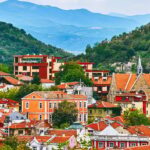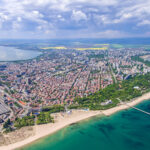

Varna, sweeping majestically along the curved, deep-water contours of the Varna Bay on the northern Bulgarian Black Sea coast, operates on a magnificent, terraced maritime layout that marks it as the undisputed maritime capital of the nation.
Settled originally as the Thracian and ancient Greek trading port of Odessos, the city occupies a profound place in global history.
Today, Varna stands proud as a dynamic naval base, a bustling university hub, and a premier summer resort sanctuary.
The city’s concentric layout effortlessly pairs grand, copper-domed 19th-century cathedrals with sprawling coastal parks, crumbling imperial Roman bath houses, and a lively, sea-facing pedestrian promenade.
Famous for its naturally warm, sulfurous mineral springs, fresh grilled turbot (Kalkan), cold glasses of regional Chardonnay, and a breezy, maritime-infused lifestyle.
1. Dormition of the Mother of God Cathedral
The Copper-Domed Sovereign of Golden Cross Horizons
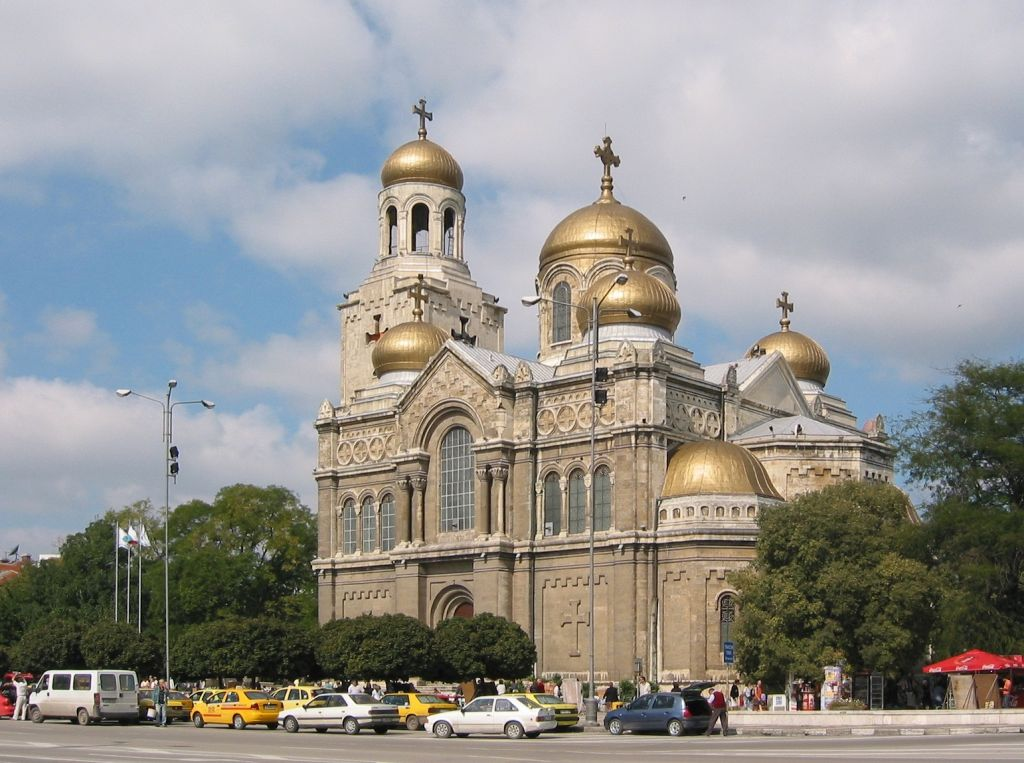
Dominating the sprawling, stone-paved central transit plaza in the heart of the city’s civic core, this monumental late-19th-century cathedral stands proud as the definitive architectural landmark of Varna.
- What it is famous for: Its massive, gold-leafed domes, its soaring 38-meter-tall bell tower, and its magnificent wood-carved bishop’s throne. Constructed out of massive stone blocks salvaged from the ruined defensive walls of the nearby historic fortress, the cathedral was opened in 1886 to celebrate the nation’s liberation from Ottoman rule. The cavernous interior is lit by stained-glass windows and filled with rich, realistic wall frescoes and an exceptionally ornate iconostasis crafted by master Macedonian woodcarvers.
2. The Sea Garden (Morska Gradina)
The Forested Coastal Matrix of Palm Avenues and Seaside Terraces
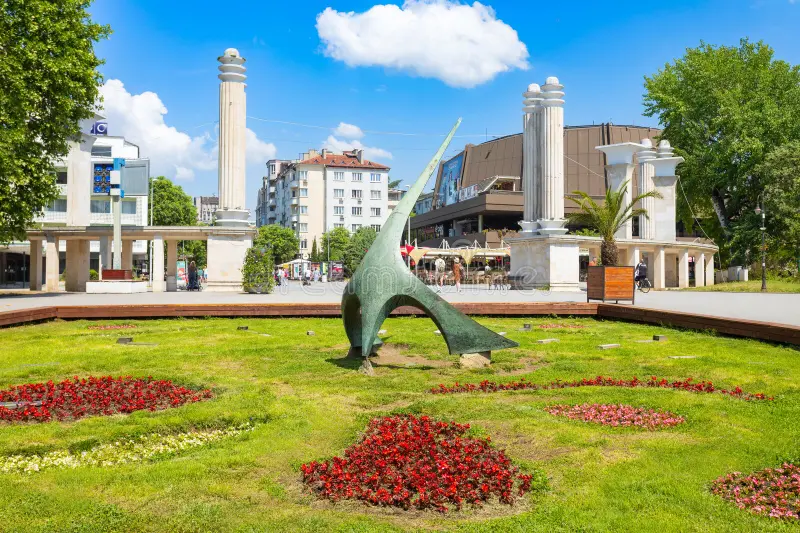
Stretching smoothly for over four kilometers along the immediate shoreline cliff tops overlooking the Black Sea beach strips, this colossal public parkland is celebrated as Europe’s largest landscaped seaside park.
- What it is famous for: Its sweeping sea-view alleys, exotic plant species, and hosting an endless string of major cultural institutions. Originally mapped out in the 19th century by the renowned Czech-French landscape architect Anton Novák, the park serves as the green lungs of the city. Walking its wide, paved paths guides travelers past fountains, open-air theaters, a natural history museum, a dolphinarium, and a historic planetarium, all shaded by massive chestnut and palm trees.
3. Large Roman Baths (Odessos Thermae)
The Colossal Brick Hypocaust Labyrinth of Imperial Roman Elite
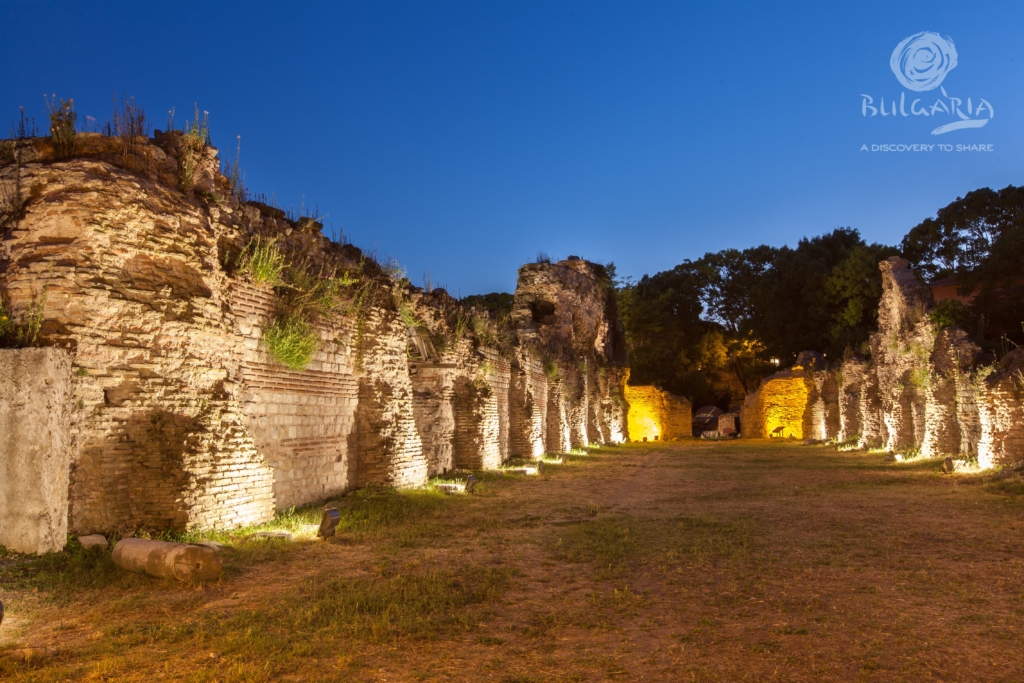
Tucked directly into the historic residential blocks of the old Greek Quarter just a short stroll back from the port pools, these towering red-brick and stone ruins form a massive archaeological site.
- What it is famous for: Being the fourth-largest Roman bath house complex in Europe and the single largest ancient public structure in the Balkans. Constructed in the late 2nd century AD during the peak of the Roman Empire, the facility covers over 7,000 square meters. Visitors can walk through soaring 18-meter-tall brick arches to explore the complex layout of the frigidarium (cold baths), tepidarium (warm baths), and caldarium (hot baths), complete with intact subterranean heating tunnels (hypocausts).
4. Varna Archaeological Museum
The Pristine Treasury of the World’s Oldest Gold Hoard
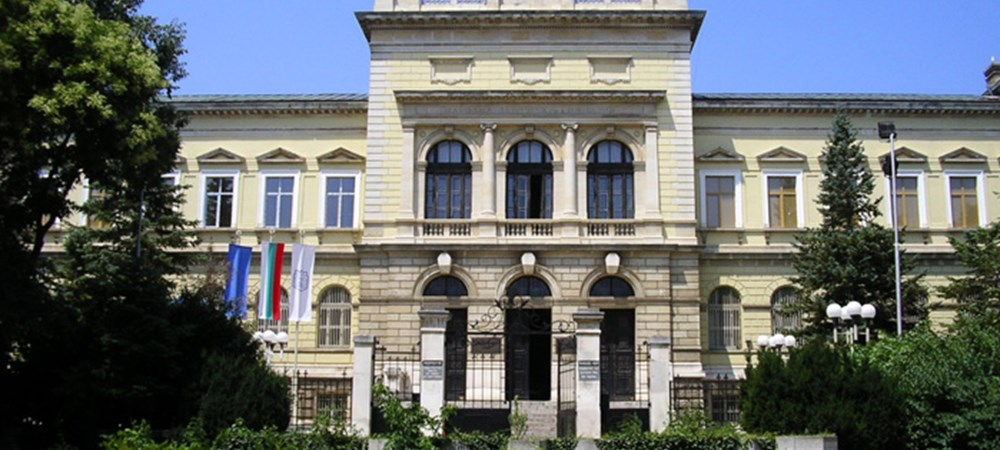
Occupying a grand, Neo-Renaissance former girls’ school complex surrounded by leafy courtyards near the central town halls, this world-class research museum protects the deep antiquities of the region.
- What it is famous for: Housing the legendary Varna Gold Treasure, which dates back to 4600–4200 BC. Discovered accidentally during an industrial excavation in 1972, this spectacular chalcolithic burial hoard contains over six kilograms of pure, 24-karat gold artifacts—including scepters, bracelets, and chest plates—representing the earliest known worked gold in human history. The museum’s endless galleries also display Thracian weapons, Greek pottery, and an exceptional collection of early Christian icons.
5. Aladzha Rock Monastery
The Forested Cliff Sanctuary of Cave-Dwelling Medieval Hermits
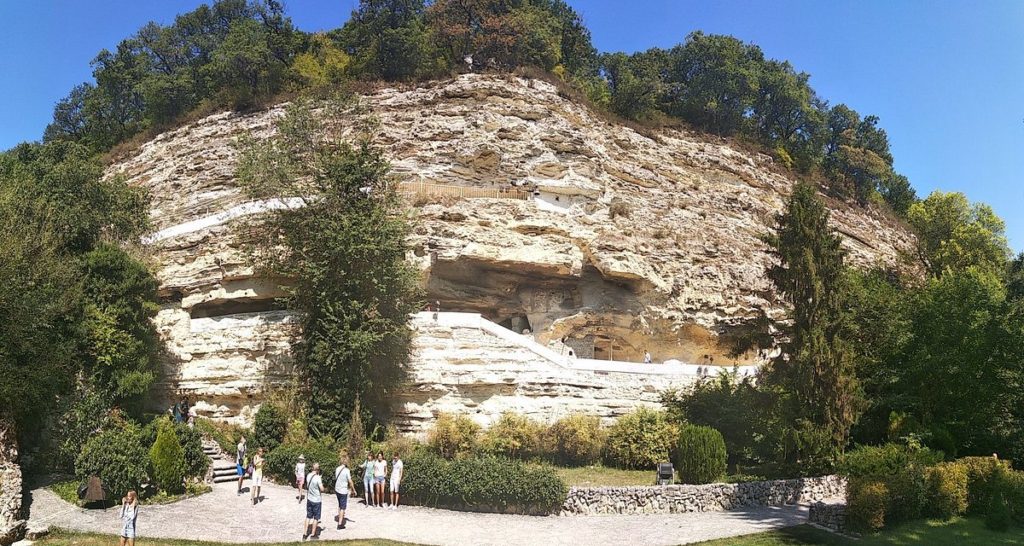
Perched dramatically on a sheer, 25-meter-high limestone cliff face nestled within the dense, protected oak woods of the Golden Sands Nature Park, roughly 14 kilometers north of the city center.
- What it is famous for: Its multi-tiered monastic chambers carved entirely by hand out of solid vertical limestone rock. From the 12th to the 14th century, hesychast monks carved out a complex, multi-level spiritual labyrinth containing a church, a crypt, individual cells, and a dining hall connected by wooden ladders. Today, visitors can scale modern secure metal walkways bolted to the cliffside to explore the caves and view fading fragments of medieval wall murals.
6. Stone Forest (Pobiti Kamani)
The Surrealist Desert Matrix of Hollow Geological Pillars
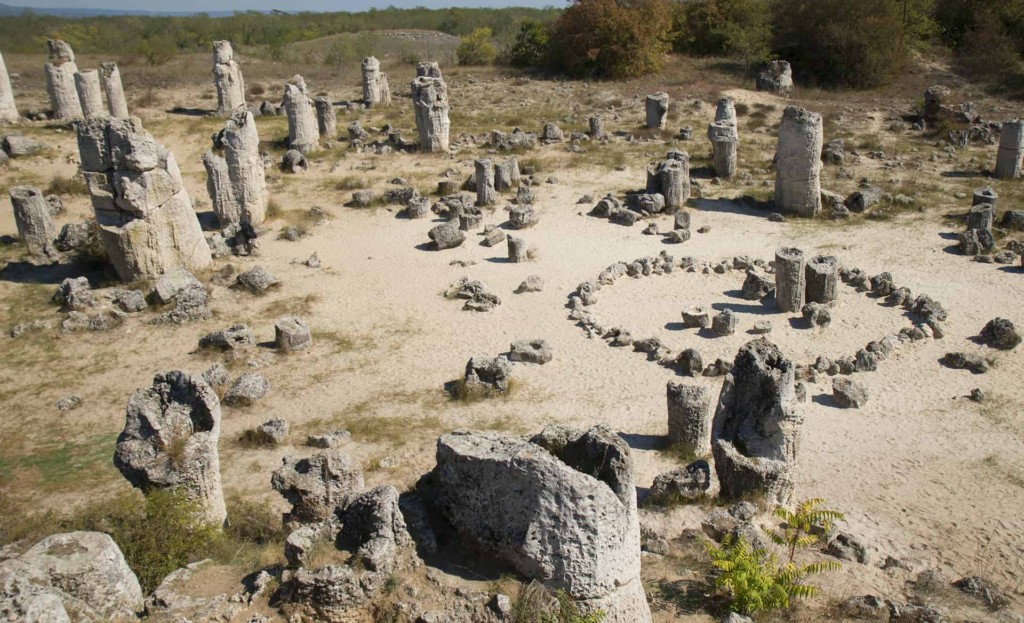
Spreading across a dry, sun-baked desert plain roughly 18 kilometers west of Varna’s city limits, this bizarre geological reservation looks like a collection of forgotten ancient temple columns.
- What it is famous for: Being one of the few natural desert environments in Europe, punctuated by hundreds of natural stone cylinders. Reaching heights of up to seven meters, these eerie, weathered columns are completely hollow inside and filled with sand. While ancient myths claimed they were driven into the earth by giants, geologists believe they are actually the result of ancient seafloor methane bubbling up through lime layers fifty million years ago when the entire region sat beneath a tropical sea.
7. Evksinograd Palace
The Symmetrical French Chateau of Royal Wine Cellars and Botanical Terraces
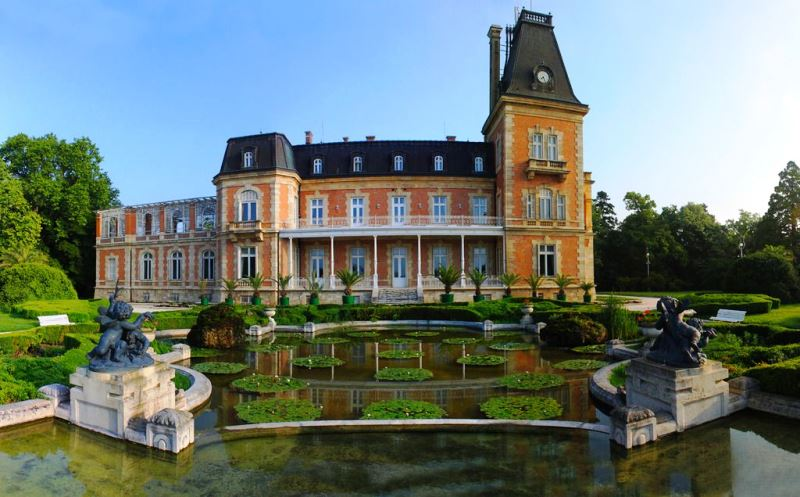
Clinging elegantly to a private, sun-drenched coastal cape just north of the city boundaries, this grand late-19th-century royal summer residence serves as an active state palace.
- What it is famous for: Its impeccable Louis XIII-style chateau architecture and its world-renowned historical wine cellars. Modeled after French chateaus, the estate was built for Prince Alexander of Battenberg and later expanded by Tsar Ferdinand. The surrounding French-style gardens cascade smoothly down to a private beach, housing rare plant species and a historic boutique winery that still produces elite, award-winning white wines and brandies using centuries-old royal recipes.
8. Euxinograd/Sea Station Promenade (Port Varna)
The Restructured Maritime Boulevard of Superyachts and Foodie Docks
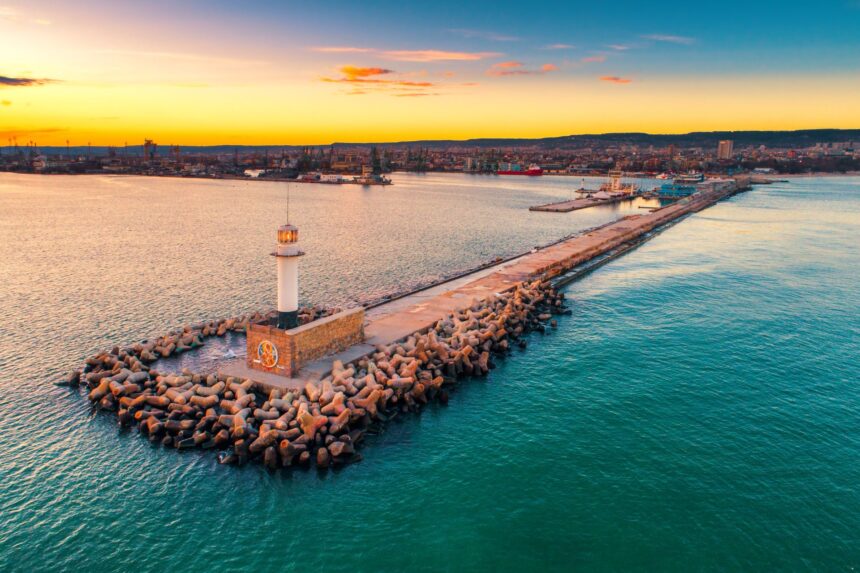
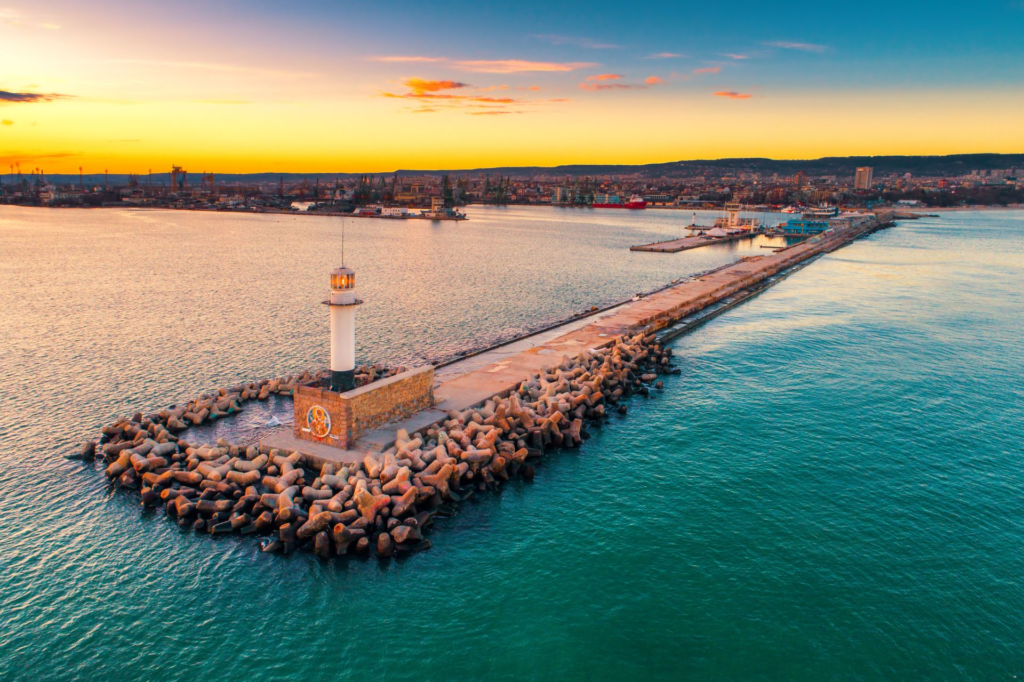
Commanding the modern, deep-water industrial pier structures directly adjacent to the historic passenger terminal, this newly transformed pedestrian zone is Varna’s premier evening hotspot.
- What it is famous for: Its vibrant row of open-air seafood restaurants, cocktail lounges, and panoramic views of the shipping channels. Once a restricted commercial port zone, the long stone breakwater pier has been beautifully pedestrianized. Locals and travelers gather here at sunset to stroll past luxury yachts, dine on fresh Black Sea mussels served in clay pots, and watch the distant lights of giant cargo liners crossing the horizon.
9. Small Roman Baths
The Intimate Stone Outpost of Later Byzantine Bathing Rituals
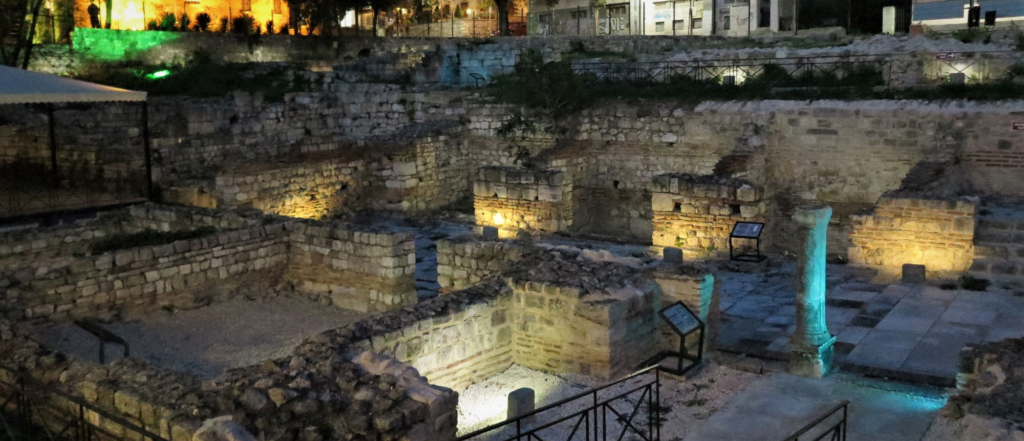
Tucked quietly into the lower tier of the Greek Quarter, just a few hundred meters from their larger imperial counterpart, these historic 4th-century AD ruins present a tighter, more compact profile.
- What it is famous for: Their historic role as the primary civic bath house during the transition to the Byzantine era. As the Roman Empire faced economic crises, the sprawling Large Baths became too costly to heat, prompting builders to erect this smaller, more efficient facility nearby. The ruins are remarkably well-preserved, showcasing thick stone foundations, brick archways, and a tiny central courtyard that highlights the evolving urban layout of the ancient port city.
10. Golden Sands Resort Beach
The Sun-Drenched Quartz Skyway of Thermal Pools and Turquoise Waters
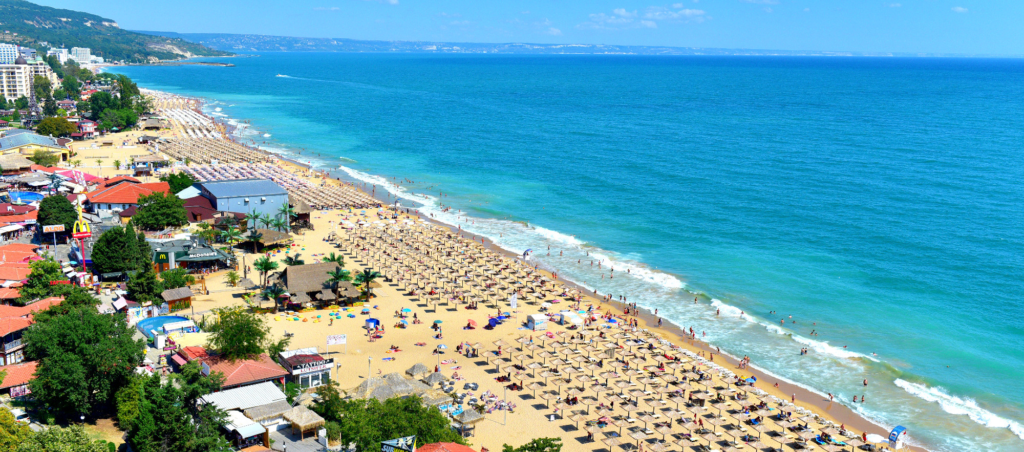
Spreading out over a wide, four-kilometer arc of coastline roughly 15 kilometers north of the city center, this legendary resort area is world-renowned for the quality of its sand.
- What it is famous for: Its exceptionally pure, fine golden quartz sand and its unique blend of lush oak forests dropping straight onto the beach. Unlike many global coastal resorts, Golden Sands sits directly on the borders of a protected state nature park. The beachfront is lined with modern hotels, lively cocktail bars, and unique mineral water pools fed directly by natural, warm underground hot springs flowing from the nearby hills.
11. Retro Museum
The Neon-Lit Time Capsule of Soviet Automotive Culture and Wax Figures
Housed inside a massive, climate-controlled 4,000-square-meter exhibition hall inside the Grand Mall complex near the central bus stations, this unique museum is a popular cultural attraction.
- What it is famous for: Its unrivaled collection of perfectly restored socialist-era automobiles and historical wax figures. The museum offers a curated look back at life behind the Iron Curtain between 1944 and 1989. Visitors can walk past rows of gleaming, factory-restored classic cars including Chaikas, Volgas, Trabants, and Ladas, all positioned alongside lifelike wax figures of prominent Cold War-era global leaders and beloved Bulgarian actors.