
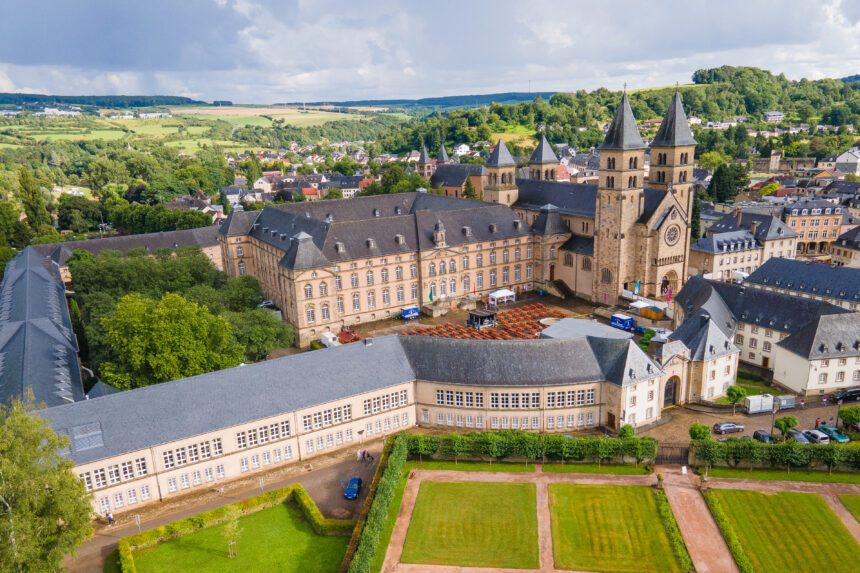
Echternach, anchoring the absolute eastern riverine frontier of Luxembourg along the winding aquatic border with Germany, operates on a spectacular medieval urban layout where ancient monastic scholasticism meets wild, primeval geology.
Historically originating in 698 AD as a sacred abbey foundation natively established by the Anglo-Saxon missionary Saint Willibrord, this eastern stronghold stands proud as the absolute oldest surviving town in all of Luxembourg.
Because the municipality aggressively protected its massive 10th-century defensive walls, grand abbatial courtyards, and narrow medieval alleys rather than modernizing them with heavy industrial grids, it earned its permanent cultural status as the spiritual cradle of the nation and the undisputed capital of European cultural heritage, ancient manuscript illumination, and active outdoor trail exploration.
Today, Echternach presents a striking architectural matrix where soaring Romanesque abbey towers and grand 18th-century classical baroque palaces stand beside brightly painted independent merchant storefronts and vibrant market plazas.
The town effortlessly pairs its deep, battle-tested historical pedigree with a fiercely energetic passion for international classical music festivals, artisan gastronomy, and an outdoor lifestyle tied closely to the adjacent rock canyons.
1. St. Willibrord Basilica
The Spectacular Architectural Sovereign of Twin Romanesque Spires and Sacred Carolingian Crypt Vaults
Dominating the absolute physical and spiritual crown of the historic town center, this monumental house of worship stands proud as the supreme national monument of early Christian heritage.
- What it is famous for: Being the historic 11th-century abbey church that houses the white marble tomb of Saint Willibrord, the patron saint of Luxembourg, inside a magnificent Carolingian crypt. The basilica features an extraordinary architectural layout with twin soaring bell towers, a grand geometric nave, and rare 11th-century fresco paintings decorating its subterranean arches. The sacred site functions as the ultimate destination for thousands of international pilgrims who gather annually to participate in the town’s legendary religious festivals.

2. The Abbey Museum (Musée de l’Abbaye)
The Enigmatic Stone Sentinel of Golden Scriptoria and Masterwork Imperial Manuscript Sagas
Sited dynamically within the vaulted basement cellars of the grand 18th-century Benedictine abbey palace, this specialized museum preserves the intellectual soul of the medieval nation.
- What it is famous for: Documenting the legendary history of the Echternach Scriptorium, where medieval monks hand-painted the world’s most luxurious golden gospel books for European emperors. The climate-controlled exhibition rooms display breathtaking facsimiles of the Codex Aureus Epternacensis and the Codex Aureus of Speyer, written entirely in gold ink on purple-tinted vellum. Visitors walk beneath ancient stone barrel vaults illuminated by focused lighting that accents the incredible graphic precision of early medieval scribes.

3. Place du Marché (Market Square)
The Picturesque Walking Runway of Gothic Denzelt Arches and Vibrant Café Fronts
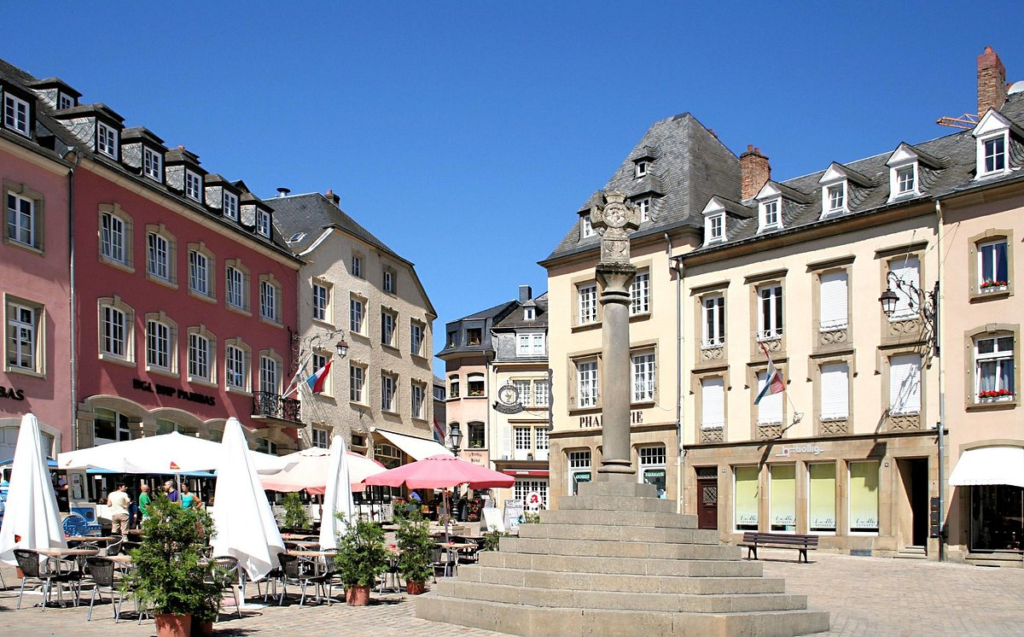
Slicing smoothly through the absolute historic core of the old town layout, this expansive cobblestone plaza represents the social and civic beating heart of the community.
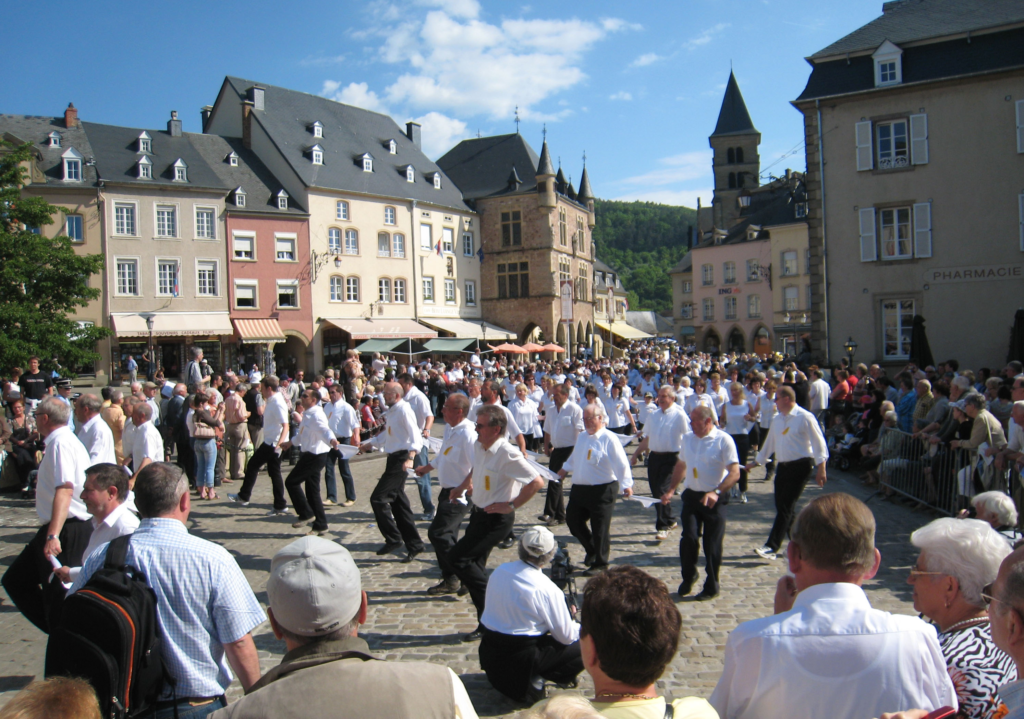
- What it is famous for: Its enchanting matrix of pastel-colored patrician houses, traditional open-air dining terraces, and the monumental 14th-century Denzelt palace. The historic Denzelt building serves as a unique gothic monument adorned with ancient stone statues of virtues, counts, and virgin saints. The lively square functions as a continuous assembly ground for local farmers’ markets, open-air classical concerts, and the starting point for the town’s world-famous spring dance processions.
4. The Echternach Hopping Procession (Springprozession)
The Breathtaking Cultural Sovereign of Rhythmic Brass Chants and Seven-Century Folk Tapestries
Slicing smoothly through the historic cobblestone avenues of the town grid every Whit Tuesday, this living cultural phenomenon is recognized globally on the UNESCO Representative List of the Intangible Cultural Heritage of Humanity.
- What it is famous for: Being a unique, centuries-old rhythmic dancing procession where over ten thousand people hop from side to side to a traditional folk melody to honor Saint Willibrord. Documented continuously since the 1300s, the procession features rows of dancers linked by white handkerchiefs, moving slowly through the old town toward the basilica tomb. The acoustic soundscape of synchronized brass bands, traditional violins, and chanting pilgrim feet transforms the entire municipality into a high-energy theater of folklore.
5. Mullerthal Trail (Route 1 Gateway)
The Sprawling Eco Matrix of Mossy Sandstone Canyons and Deep Woodland Labyrinth Horizons
Slicing smoothly westward directly from the municipal borders into the heart of “Luxembourg’s Little Switzerland,” this multi-loop hiking network is an international trail paradise.
- What it is famous for: Being the premier eco-adventure trail gateway in the region, taking hikers through dramatic, millions-of-years-old narrow sandstone rock fissures and dense primeval forests. The trail network features massive, moss-covered rock walls with narrow crevasses like the Wolfsschlucht (Wolves’ Gorge) where prehistoric rock formations loom directly over the woodland tracks. It operates as the ultimate escape for active travelers who explore secret stone labyrinth passages, bubbling forest brooks, and panoramic cliff-edge overlooks.

6. Lake Echternach (Lac d’Echternach)
The Enchanting Open Air Oasis of Sunken Roman Ruins and High-Energy Recreation Inlets
Sited dynamically within a lush, 375-acre emerald valley basin just a short walk south of the historic city center, this massive man-made lake is a modern leisure haven.
- What it is famous for: Being a sweeping recreational park featuring a massive 30-hectare lake optimized for pedal-boating, windsurfing, paddle-boarding, and lakeside cycling loops. The extensive green parkland houses the L’Orangerie performance zones, modern skateparks, and a dedicated biodiversity island sanctuary for wild birds. The lakefront acts as a massive social playground during the summer months, hosting international music festivals, triathlon races, and open-air food markets.

8. The Roman Villa
The Radiant Cultural Repository of Grand Hypocaust Vaults and Imperial Mosaic Garden Inlets
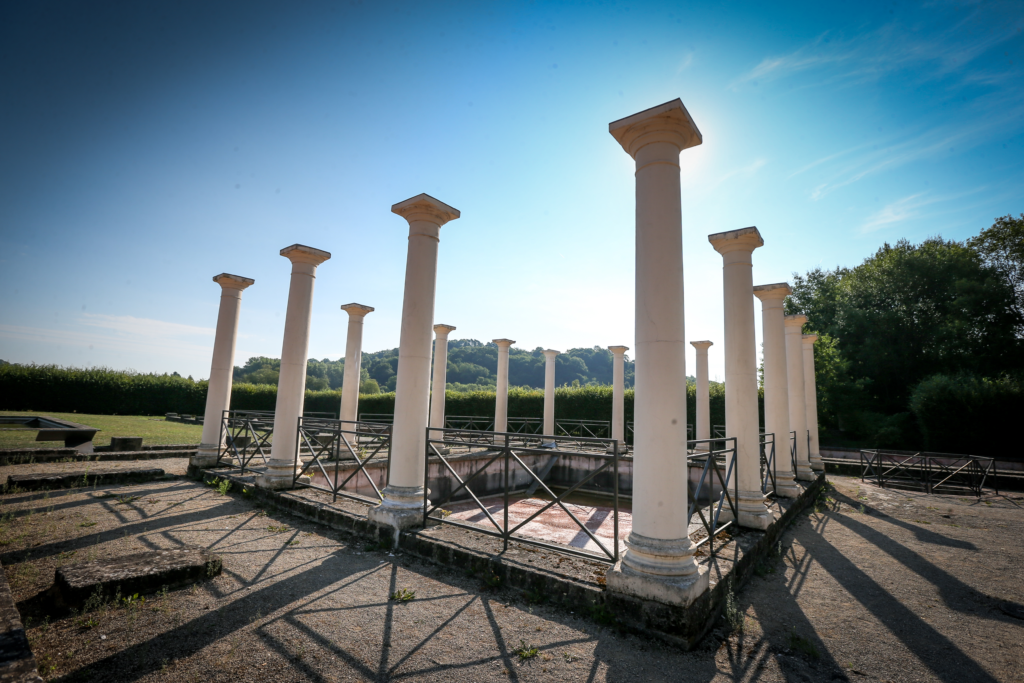
Nestled gracefully along the northern shores of Lake Echternach within an open-air archaeological park, this ancient complex represents one of the largest Roman residential estates in Northern Europe.
- What it is famous for: Being a monumental 1st-century AD Roman palace complex featuring over seventy luxury rooms, interior marble courtyards, and sophisticated underfloor heating systems. Discovered accidentally during excavation works in 1975, the site houses a modern museum center that reconstructs the daily life of wealthy Roman landowners. Visitors can walk along raised timber viewing decks to peer at the foundations of the grand thermal baths and explore a recreated Roman herb garden cultivated using historic botanical records.
8. Trifolion Cultural Centre
The Colossal Modern Sovereign of Steel Concert Arenas and Avant-Garde Acoustic Vectors
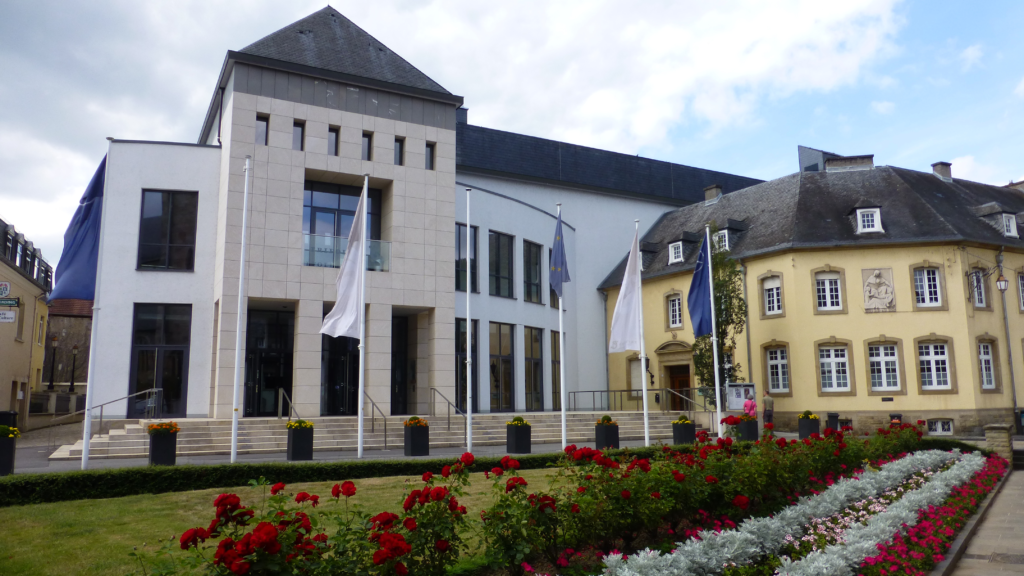
Dominating a prominent public footprint directly adjacent to the historic abbey grounds, this state-of-the-art five-story complex stands proud as the artistic powerhouse of the eastern region.
- What it is famous for: Being a world-class architectural and acoustic performance center, holding a massive 700-seat main concert hall that serves as the premier venue for the International Festival Echternach. The building features sleek glass walls and premium oak panel interiors designed specifically to deliver optimal acoustic clarity for symphonic orchestras and jazz ensembles. It functions as a high-energy hub where classical European masters, avant-garde theater troupes, and international congresses cross paths.
9. The Town Walls & Watchtowers
The Picturesque Walking Runway of Medieval Stone Ramparts and French Tower Battlements
Slicing smoothly along the southern and western perimeters of the old town core, these rugged stone fortifications represent an incredibly well-preserved medieval defense system.
- What it is famous for: Being a defensive network of 13th-century stone walls originally spanning over two kilometers, complete with twenty historic watchtowers built to defend the wealthy abbey from feudal raiders. Visitors can explore a dedicated walking route that traces the remaining stone structures, including several fully restored towers that have been converted into unique heritage lodging spaces. The towering stone ramparts feature original arrow loops, battlements, and heavy masonry work that maps the military history of the town.

10. L’Orangerie Abbey Gardens
The Stately Architectural Sovereign of Classical Sandstone Statues and Exotic Citrus Terraces
Tucked quietly behind the monumental baroque wings of the main abbey palace building, this elegant 18th-century formal garden represents the peak of aristocratic landscaping in the region.
- What it is famous for: Being a beautiful French formal garden designed by Abbot Limpach in 1731, featuring a grand classical pavilion and an extensive collection of rare botanical flora. The park layout showcases symmetrical box hedges, marble fountains, and a spectacular display of allegorical sandstone statues representing the four seasons. During the height of the monastic era, the grand pavilion building functioned as a warm winter sanctuary for exotic orange trees and Mediterranean laurels imported by the monks.

11. The Sauer River Promenade
The Rowdy Cultural Runway of International Border Bridges and Scenic Valley Willow Trails
Slicing smoothly along the northern edge of the historic town grid, this peaceful, tree-lined walking avenue runs directly parallel to the rushing waters of the Sauer River.
- What it is famous for: Serving as a scenic, cross-border walking and cycling promenade that connects Luxembourg directly to Germany via a historic stone bridge. The paved trail loop takes travelers beneath the shade of ancient weeping willow trees, offering views of the rolling vineyard hills across the German side of the river. The waterfront serves as a popular summer relaxation zone where locals gather to picnic, fish for wild river trout, and access international cross-border cycling networks.