
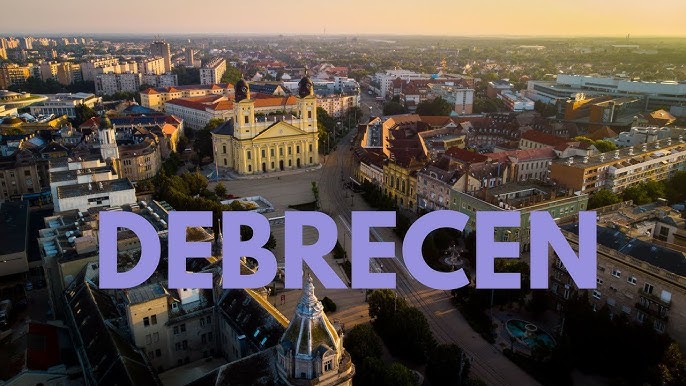
Debrecen, anchoring the absolute geographic center of Hungary’s vast eastern Great Plain (Alföld), operates on a spectacular, low-rise civic layout where a deeply rooted religious history directly interfaces with a modern, high-tech university metropolis.
Historically serving as the largest city in the country for centuries and twice stepping up as Hungary’s wartime national capital, this wealthy merchant hub thrived along ancient spice and livestock trading routes.
Because it embraced the Reformation with such intense, unyielding fervor, it earned the permanent historical title of The Calvinist Rome, evolving from a humble agricultural cluster into the intellectual and spiritual fortress of eastern Hungarian culture.
Today, Debrecen presents a striking urban matrix where a wide, pedestrianized central boulevard transitions seamlessly into the Great Forest (Nagyerdő), the world’s very first protected urban conservation area.
Famous for its thick, paprika-rubbed double sausage links (debrecziner), slow-simmered shepherd’s stews prepared over open fire pits, natural mineral-rich thermal water springs, and a relaxed, park-centric lifestyle.
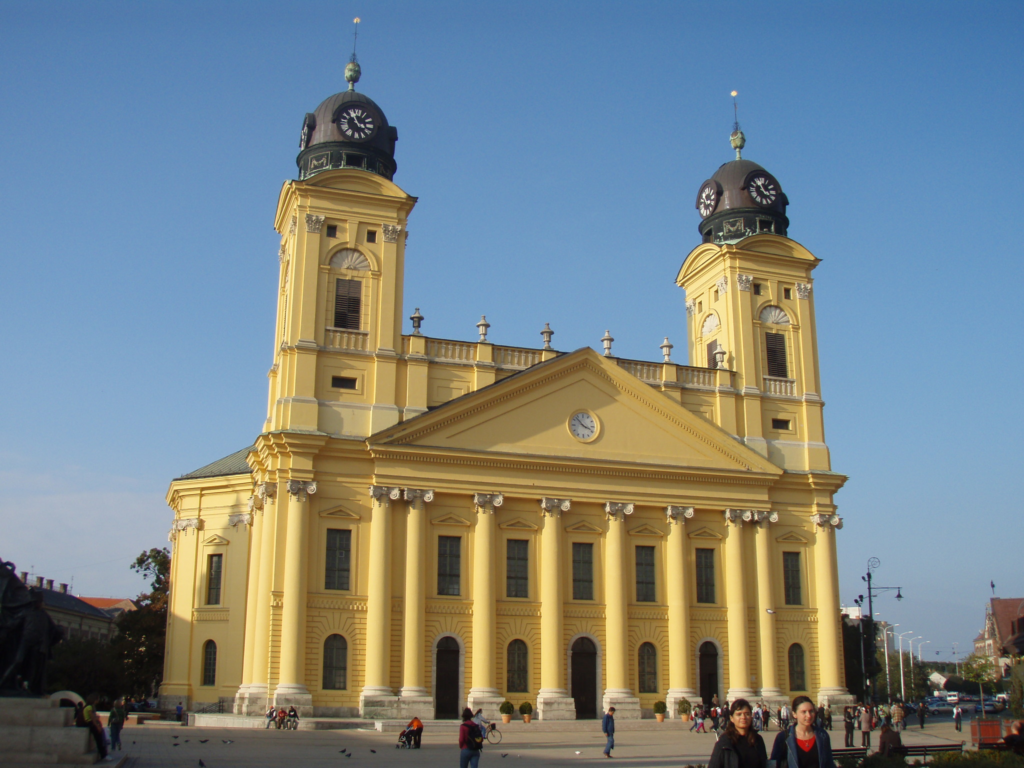
1. Reformed Great Church of Debrecen (Nagytemplom)
The Monumental Golden-Stone Sovereign of Puritan Vaults and Revolutionary Horizons
Dominating the absolute physical and visual apex of the central Kossuth Square pedestrian plaza, this massive, twin-towered Neoclassical cathedral stands proud as the ultimate architectural icon of the city.
- What it is famous for: Being the absolute symbol of the Hungarian Protestant Church and the historic site where Lajos Kossuth officially declared Hungary’s independence from the Habsburg Empire in 1849. Possessing a vast, puritanical white interior completely free of traditional ornate statues or paintings, the cathedral houses the legendary 5-ton Rákóczi Bell. Visitors can take an elevator up into the west tower to walk the rooftop panoramic bridge, looking down at the city plaza below.
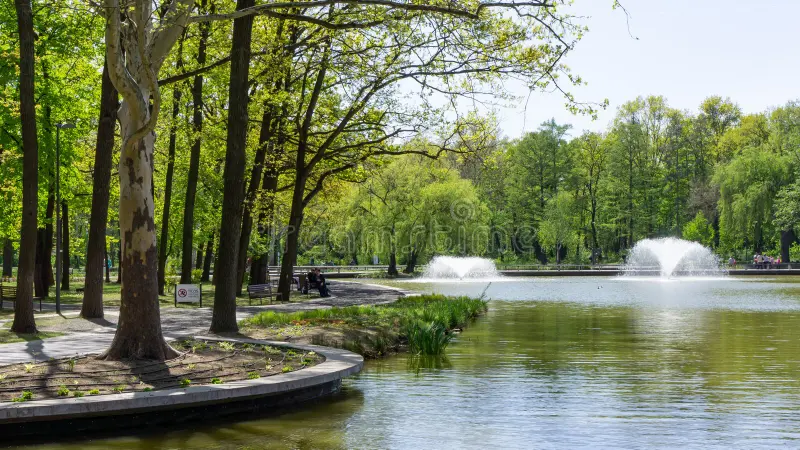
2. The Great Forest Park (Nagyerdő)
The Therapeutic Green Canopy of Millennium Oaks, Mist Fountains, and Thermal Springs
Spreading across the entire northern district of the city’s urban grid, this massive, 300-hectare ancient woodland serves as the green, living lungs of Debrecen.
- What it is famous for: Being the first official nature conservation area declared in Hungary (1939) and hosting the city’s premier leisure, wellness, and cultural facilities. Walking paths wind beneath towering, centuries-old oak trees, leading visitors past a high-tech multimedia “Mist Fountain” that plays music and laser shows over the water. The park functions as a massive, natural playground that shifts seamlessly from dense woodland trails into modern university blocks and therapeutic spa zones.
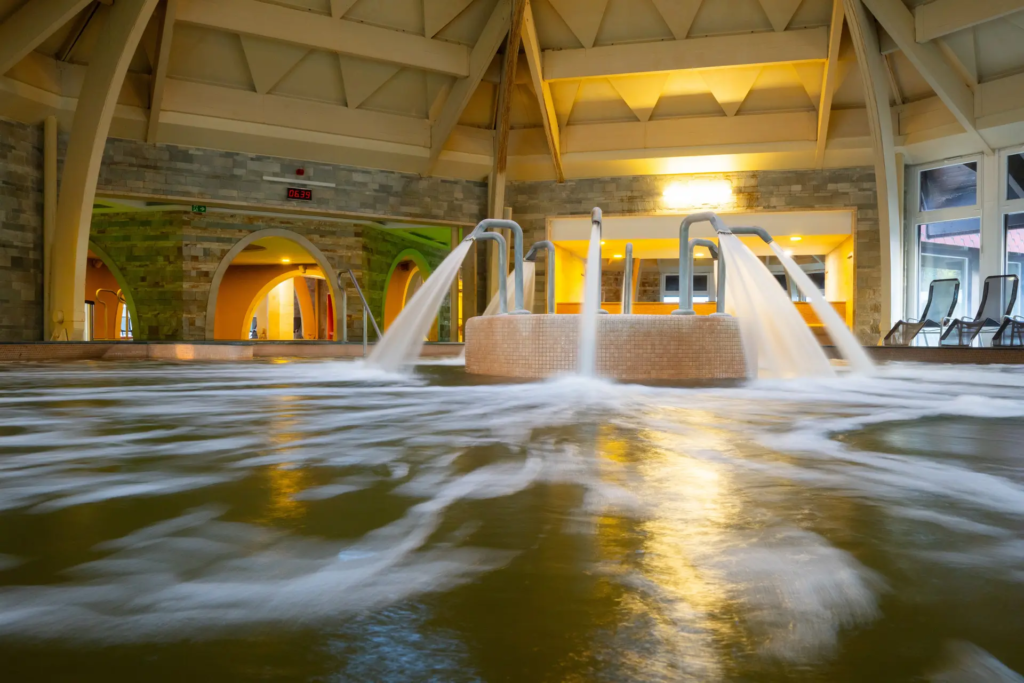
3. Aquaticum Debrecen Thermal Bath
The Futuristic Water Matrix of Tropical Indoor Domes and Floating Limestone Tiers
Nestled deep into the lush, shaded heart of the Great Forest Park, this state-of-the-art water complex represents the absolute peak of modern European spa architecture.
- What it is famous for: Its extraordinary, multi-level outdoor thermal grid featuring floating water pools wrapped in green vertical gardens and a massive, tropical glass dome. Fed by natural, subterranean alkaline springs bubbling up at 65°C, the water is packed with iodine, bromine, and calcium, making it a world-class healing haven. The complex masterfully pairs authentic medicinal thermal soaking basins with a high-energy water park full of indoor waterfalls and water slides.
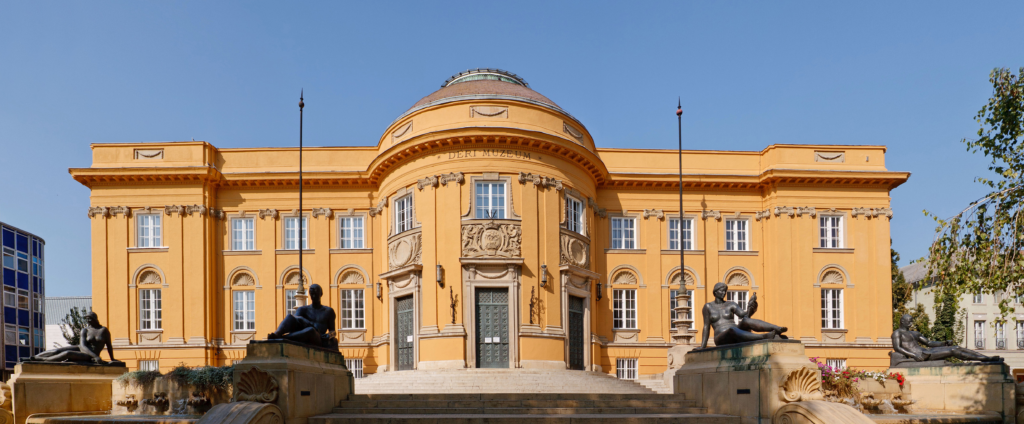
4. Déri Museum
The Grand Neoclassical Repository of Samurai Armor Pools and Biblical Munkácsy Masterpieces
Commanding a beautiful, park-fringed public square just a short walk west of the Great Church, this monumental museum holds some of the nation’s greatest fine-art treasures.
- What it is famous for: Housing Mihály Munkácsy’s legendary Biblical Christ Trilogy paintings and a massive, world-renowned collection of historic Asian weaponry. The museum’s grand galleries display a stunning array of Egyptian antiquities, samurai armor, and local folk relics. The absolute centerpiece is the specially lit dome room containing Munkácsy’s colossal oil paintings (Christ before Pilate, Ecce Homo, and Golgotha), drawing art lovers from across Europe to experience their immense scale and emotional power.
5. University of Debrecen Main Building
The Regal Imperial Palace of Stately Fountain Plazas and Glass-Roofed Courtyards
Perched elegantly at the absolute northern terminus of the city’s tramway line within the Great Forest, this monumental structure is one of Central Europe’s most beautiful university campuses.
- What it is famous for: Its spectacular, French Baroque-style facade looking out over a grand, symmetrical water fountain pool and its vast, glass-roofed inner courtyard. Founded originally as a Calvinist College in 1538, the modern main building was inaugurated in 1932. The grand inner atrium features sweeping marble staircases and arcade galleries lined with tablets honoring the university’s historic professors, operating as a bustling hub for international research and student life.
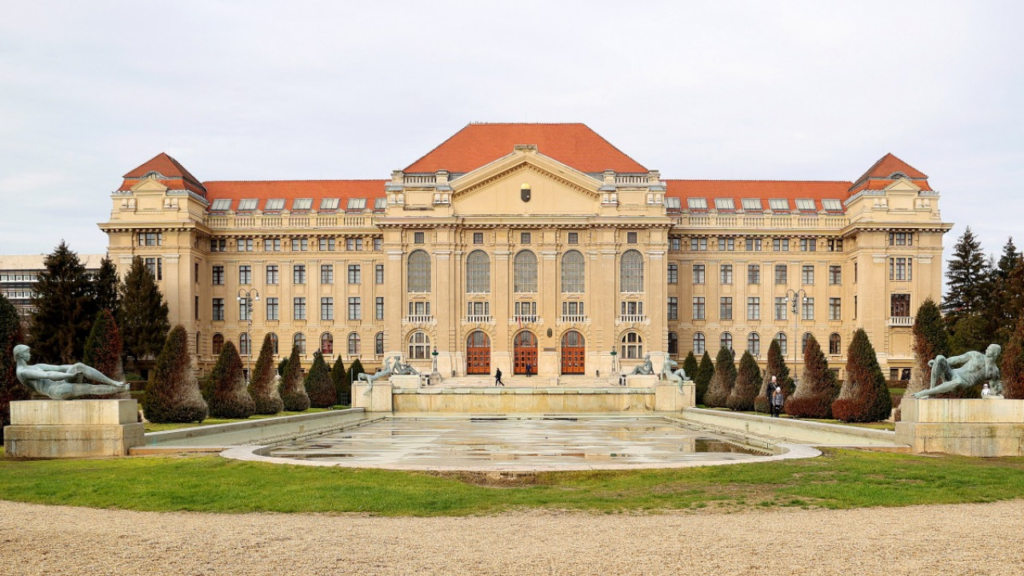
6. Kossuth Square
The Wide Pedestrian Runway of Mosaic Water Fountains and Vibrant Café Culture
Forming the absolute cultural and historic heart of the municipality, this expansive, traffic-free central plaza connects the old quarter with modern avenues.
- What it is famous for: Its massive, multi-colored Venetian glass mosaic floor detailing the city’s coat of arms and its monumental statue complex honoring revolutionary hero Lajos Kossuth. Completely free from car traffic, the square is lined with beautifully restored imperial-era hotels, outdoor dining terraces, and a series of synchronized fountains. Throughout the year, it serves as the host venue for the city’s legendary Flower Carnival, open-air wine festivals, and festive Christmas markets.
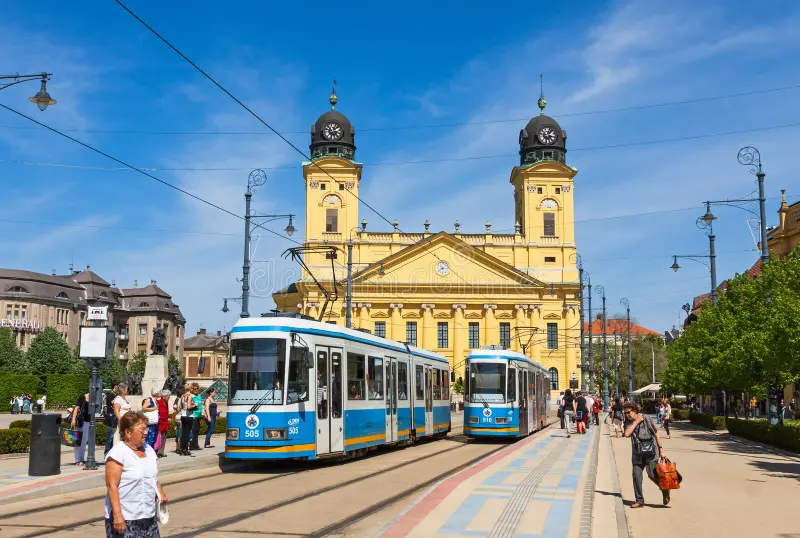
7. MODEM Centre for Modern and Contemporary Arts
The Sleek Concrete-and-Glass Matrix of Avant-Garde Galleries and Inner Sculpture Gardens
Situated within the modern, inner-city Baltic Square arts complex just behind the Déri Museum, this striking industrial-chic building is a major regional arts hub.
- What it is famous for: Being one of the largest contemporary art galleries in Central Europe, offering over 3,000 square meters of high-concept exhibition space. The minimalist concrete-and-glass design features clean, sunlit gallery halls that host rotating international exhibitions of avant-garde paintings, photography installations, and progressive video arts. Its quiet inner courtyard operates as an open-air theater and music venue, bridging modern fine art with urban culture.
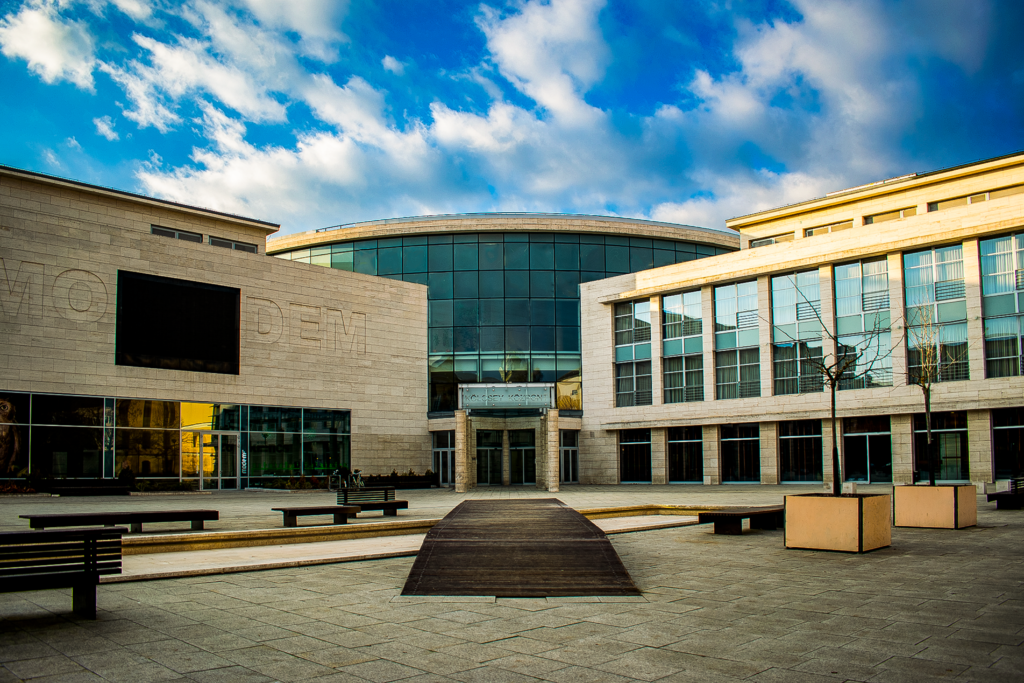
8. The Reformed College of Debrecen
The Historic Stone Cradle of Hungarian Enlightenment and Secret Wartime Parliaments
Tucked quietly directly behind the massive Great Church, this historic, three-story block has operated continuously as a premier educational sanctuary since 1538.
- What it is famous for: Being the “School of the Nation” that educated Hungary’s greatest poets, scientists, and statesmen, and housing a breathtaking, frescoed historical library. The college holds deep political weight, as its grand oratory hall twice hosted the national assembly during wartime crises, functioning as the country’s temporary parliament building. Visitors can tour its historic classrooms, walk through its massive library of rare medieval texts, and explore an in-depth museum tracking regional education.
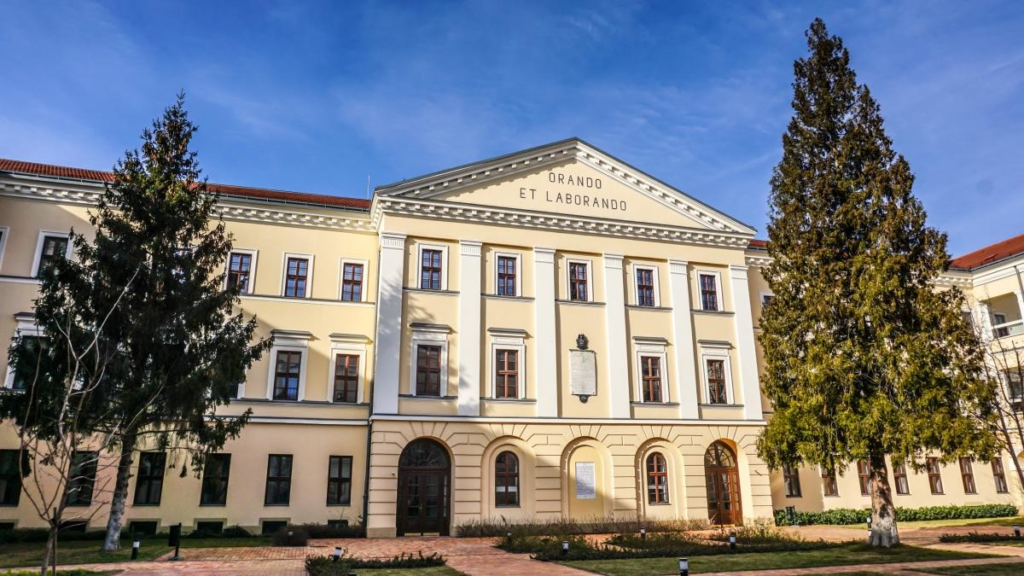
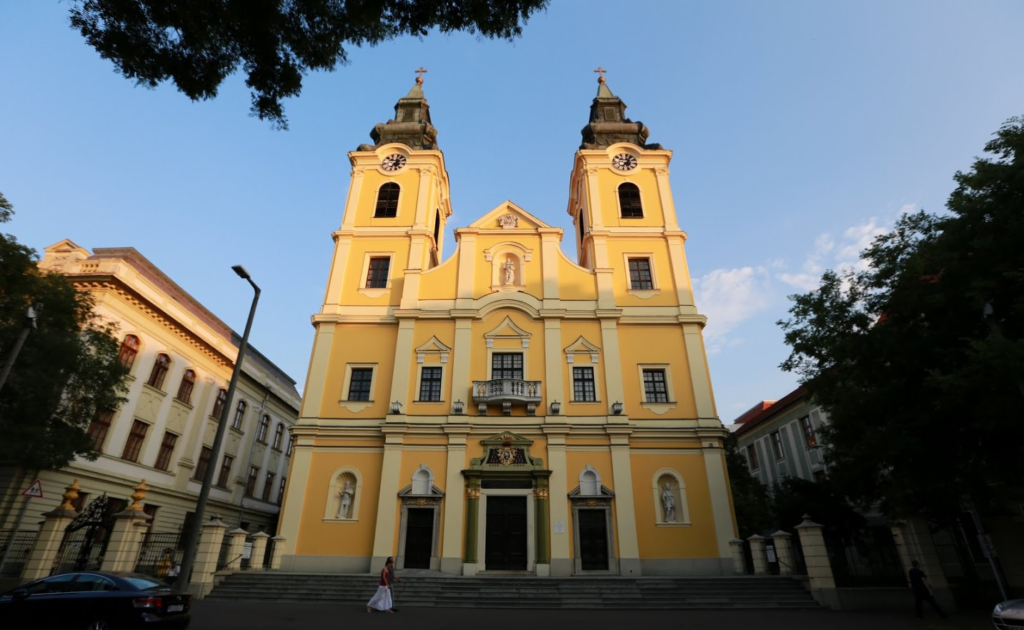
9. St. Anne’s Cathedral
The Radiant Baroque Monument of Crimson Facades and Intricate Stucco Altars
Sited dynamically along the bustling, historic Szent Anna street in the southern sector of the downtown core, this striking church provides a beautiful architectural contrast to the city’s Protestant identity.
- What it is famous for: Its iconic, deep crimson-and-white Baroque facade topped by twin copper spires and serving as the primary Roman Catholic cathedral of the region. Built in the early 18th century after Catholics were finally allowed back into the Calvinist city, the cathedral features an interior adorned with intricate wood carvings, gilded stucco altars, and a historic replica of the Holy Shroud of Turin, capturing the layered religious history of eastern Hungary.
10. Hortobágy National Park (The Puszta – Debrecen Gate)
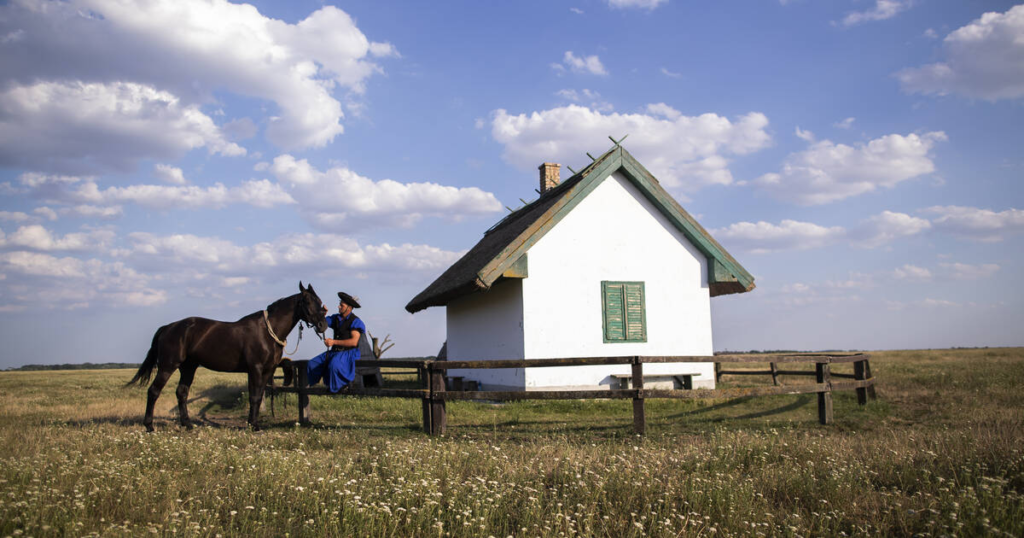
The Sprawling Horizon Plain of Nine-Hole Stone Bridges and Wild Blue Shepherds
Spreading grandly across the wide alkaline plains starting just on the western outskirts of the Debrecen municipal boundary, this vast, UNESCO World Heritage site is a natural treasure.
- What it is famous for: Being Europe’s largest semi-natural grassland plain, featuring the iconic 167-meter Nine-Hole Stone Bridge and traditional Racka sheep herds. The Puszta represents the ancient, romantic heart of Hungarian rural life, where wild horses and Hungarian Grey cattle roam free. Visitors can take horse-drawn carriage tours out into the tall-grass horizons to watch the spectacular riding skills of the Csikós (blue-costumed cowboys) and dine in historic, 300-year-old roadside taverns (csárda).
11. Debrecen Zoo and Botanical Garden
The Intimate Forest Oasis of Rare African Wildlife and Exotic Plant Greenhouses
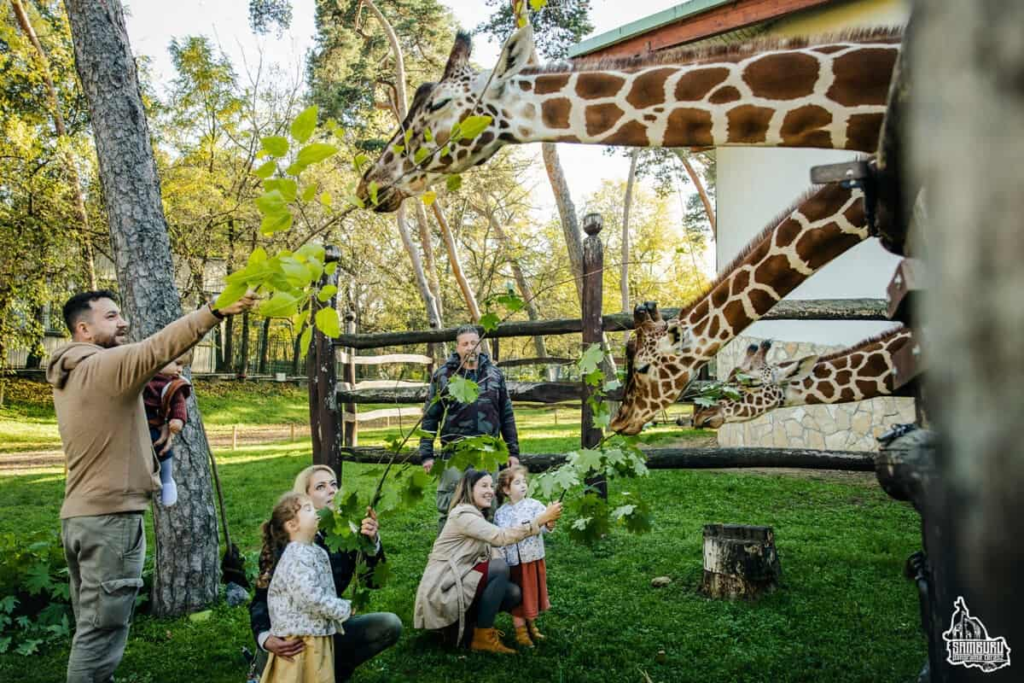
Occupying a picturesque, green corner of the Great Forest Park, immediately adjacent to the Aquaticum water complexes, this family-oriented park has delighted visitors since 1958.
- What it is famous for: Being the very first zoo established outside of Budapest, housing over 900 animals across five continents within an ancient forest landscape. The park features specialized habitats for rare African leopards, hippos, and red pandas, combined with an interactive amusement park zone. Integrated seamlessly with a botanical garden containing thousands of exotic plant species and tropical greenhouses, it offers a peaceful look at nature right inside the city’s green heart.