
Budapest, anchoring the absolute geographic heart of Central Europe along a magnificent, sweeping bend of the Danube River, operates on a spectacular, twin-sided urban layout where distinct historical identities face each other across the water.
Formed natively by the unification of hilly, royal Buda on the western bank and flat, industrial, high-density Pest on the east, the city’s strategic location transformed it into a primary crown jewel of the Austro-Hungarian Empire.
Over the centuries, its rich thermal water networks and defensive hills evolved from a strategic Roman border outpost into a globally celebrated imperial metropolis of architectural masterworks.
Today, Budapest presents a striking urban matrix where vast, UNESCO World Heritage-listed historic quarters sit seamlessly wrapped around a buzzing, modern lifestyle.
The city effortlessly pairs its dark twentieth-century wartime memories with a vibrant bohemian energy, utilizing bombed-out historic brick foundations to host a legendary subculture of eclectic “ruin bars.”
1. The Hungarian Parliament Building
The Monumental Neo-Gothic Sovereign of Soaring Limestone Spires and Imperial Danube Vistas
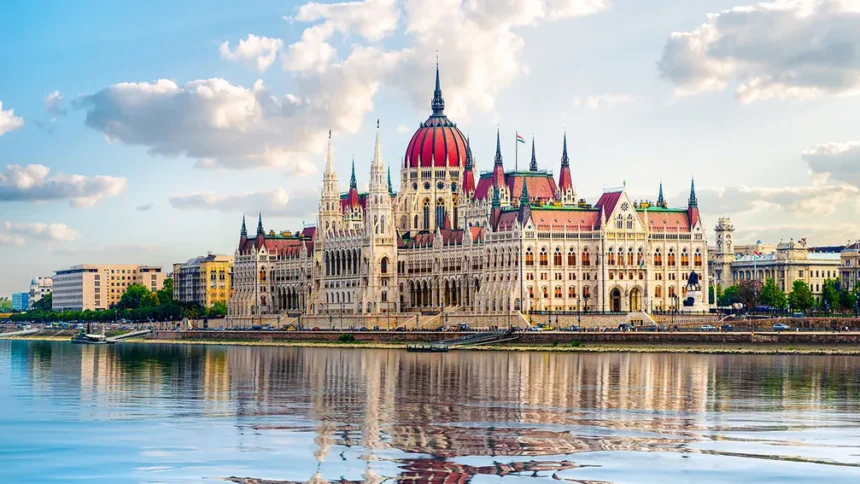
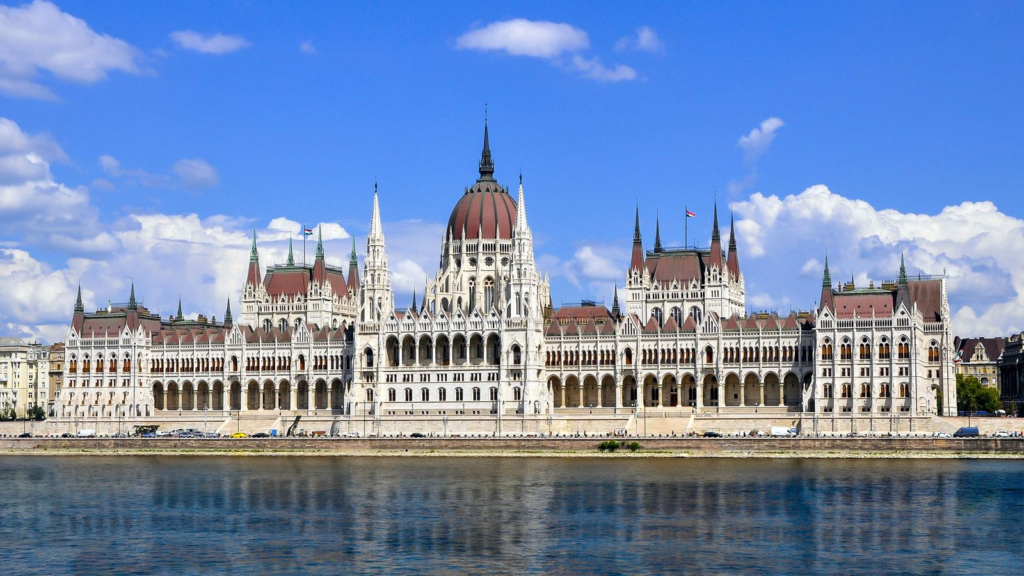
Dominating the absolute physical and visual edge of the Pest waterfront, this breathtaking, symmetric limestone palace stands proud as the ultimate architectural icon of Hungary.
- What it is famous for: Being one of the largest legislative buildings in the world, featuring 365 soaring neo-Gothic spires and housing the Holy Crown of Hungary. Designed by elite architect Imre Steindl and completed in 1904, the monumental structure features a massive, central Renaissance dome. Its interior is a jaw-dropping display of imperial wealth, lined with over 40 kilograms of pure 24-karat gold leaf, sweeping grand staircases, and intricate stained-glass windows, making it a primary symbol of Hungarian statehood.
2. Buda Castle & Castle Hill
The Soaring Royal Citadel of Baroque Courtyards, Medieval Vaults, and Cobblestone Enclaves
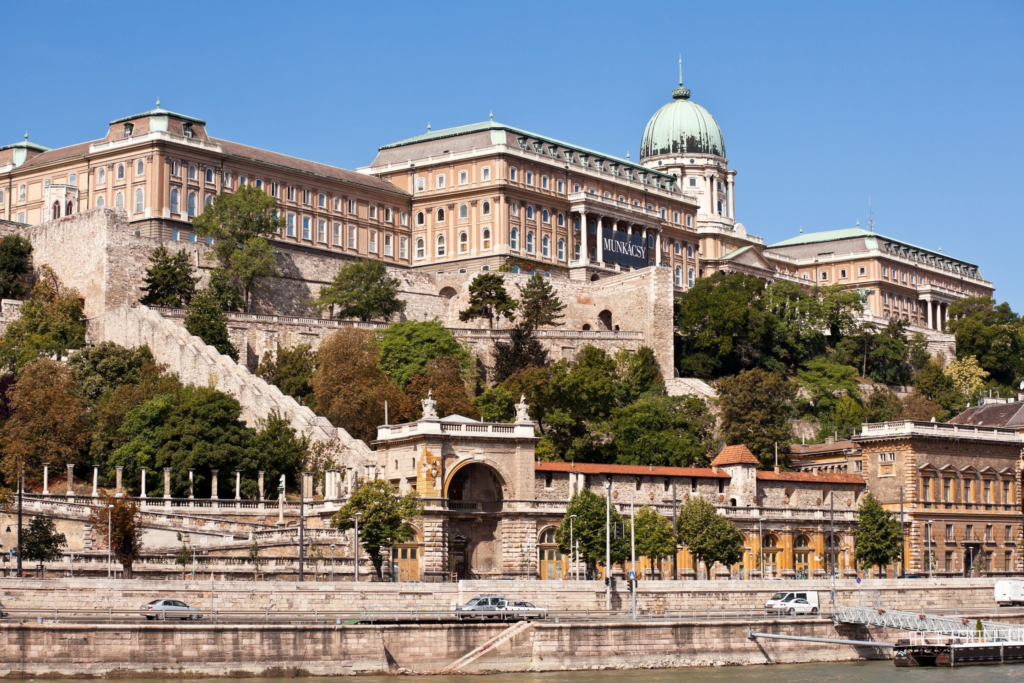
Commanding a sharp, high limestone plateau that rises abruptly on the western Buda bank of the Danube, this massive fortification complex dominates the local skyline.
- What it is famous for: Being the historic seat of Hungarian kings for centuries, blending grand Baroque palace wings with extensive medieval foundations. Rebuilt over multiple generations following devastating Ottoman sieges and wartime bombardments, the palace grounds now house the Hungarian National Gallery and the Budapest History Museum. Visitors can walk through its monumental stone gateways to explore hidden courtyards, grand water fountains, and look out over the river toward flat Pest.
3. Fisherman’s Bastion (Halászbástya)
The Fairy-Tale Architectural Matrix of Conical Stone Towers and Panoramic River Balconies
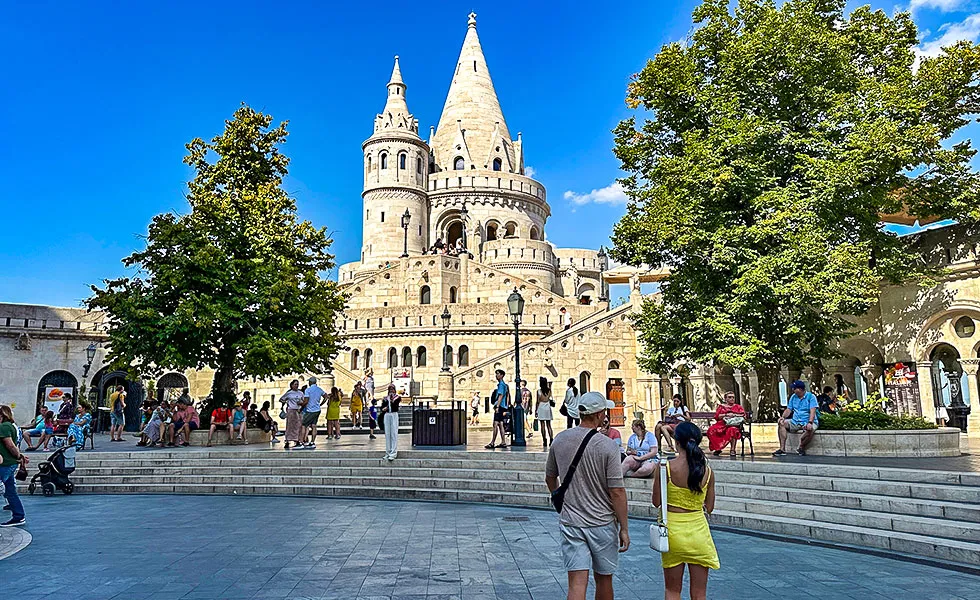
Siting dramatically on the eastern ridge-line flanking Castle Hill, this white limestone terrace structure looks like an architectural illustration brought to life.
- What it is famous for: Its seven fairy-tale conical stone towers representing the seven founding Magyar tribes and offering the most spectacular panoramic views over Budapest. Built between 1895 and 1902 to celebrate the millennial anniversary of the Hungarian state, the bastion’s Neo-Romanesque architecture features elegant cloister walkways and grand staircases. It derives its unique name from the guild of fishermen who historically defended this specific stretch of the castle walls during the Middle Ages.
4. Matthias Church
The Radiant Neo-Gothic Monument of Diamond-Patterned Zsolnay Roof Tiles and Regal History
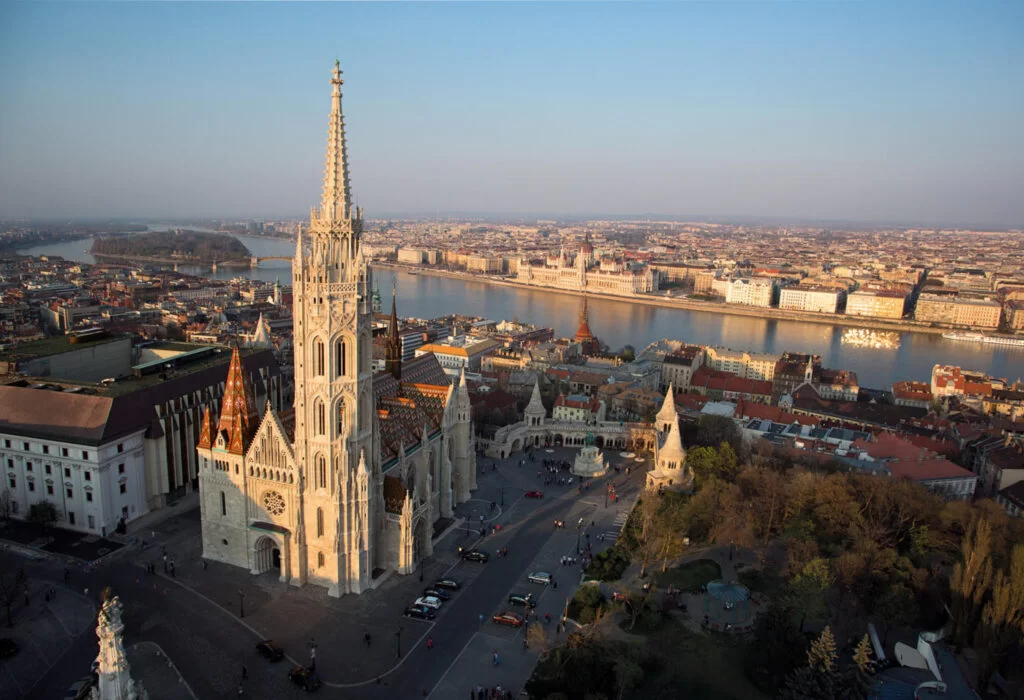
Standing proud directly behind the white terraces of Fisherman’s Bastion in the heart of the Castle District, this historic church is an explosion of color and pattern.
- What it is famous for: Its iconic, multi-colored diamond-patterned roof made of world-renowned Zsolnay ceramic tiles and hosting the coronations of the last Habsburg emperors. Originally founded in the 11th century, the church was transformed into a grand mosque during Ottoman rule, before being masterfully restored in the late 19th century into a high Gothic masterpiece. Its interior is unique for its hand-painted, geometric floral walls and rich collection of ecclesiastical treasures.
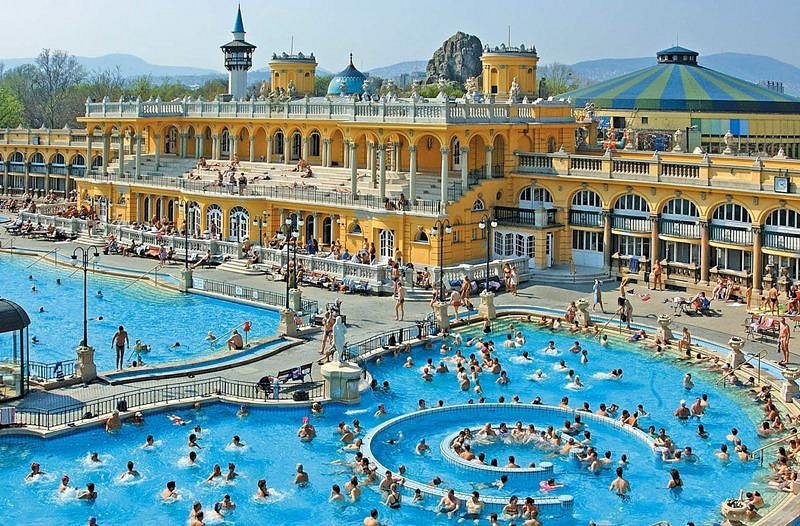
5. Széchenyi Thermal Bath
The Neo-Baroque Yellow Palace of Healing Mineral Springs and Outdoor Pool Chess
Nestled into a green park layout at the northern terminus of Andrássy Avenue within the City Park, this massive, sunny-yellow palace is a temple to relaxation.
- What it is famous for: Being one of the largest public medicinal bath complexes in Europe, featuring 18 indoor and outdoor pools fed by natural hot springs. Rich in calcium, magnesium, and bicarbonate, the steaming waters bubble up from deep subterranean wells at temperatures reaching up to 77°C before being cooled for bathers. The outdoor pool basins are globally famous for their lively social culture, where locals spend hours soaking while playing intense games of chess on floating boards.
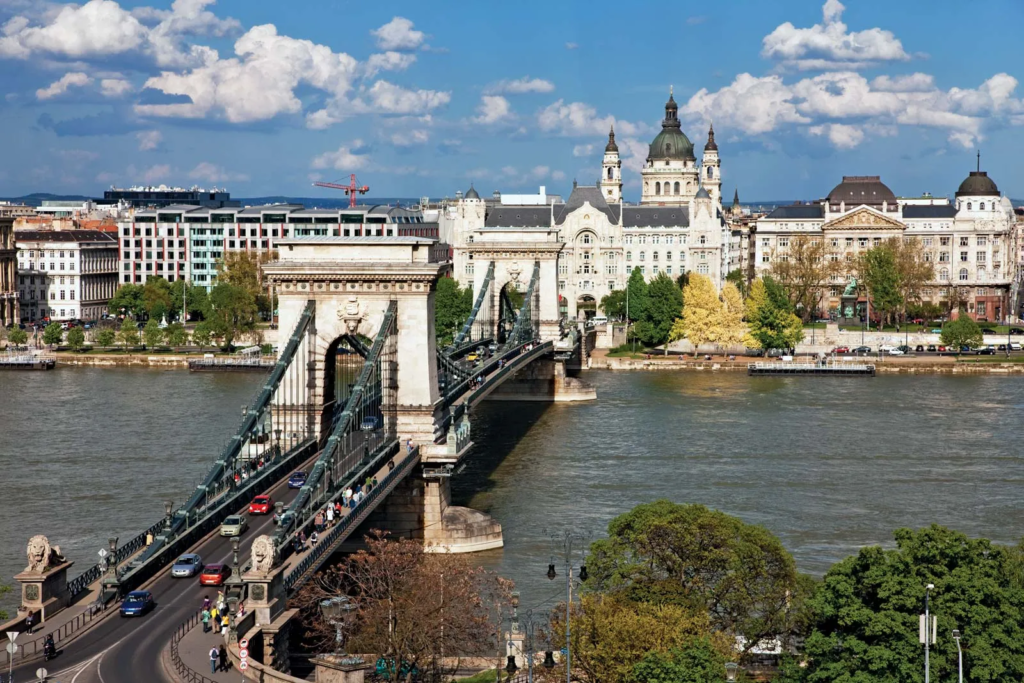
6. The Széchenyi Chain Bridge (Lánchíd)
The Heavy Cast-Iron Sentinel of Guardian Stone Lions and Twin-City Connections
Spanning grandly across the wide waters of the Danube River, this historic suspension bridge serves as the primary physical link between the Buda and Pest city cores.
- What it is famous for: Being the first permanent stone bridge to span the Danube in Hungary, fundamentally allowing the unification of Buda and Pest into a single capital. Designed by English engineer William Tierney Clark and opened in 1849, the bridge features monumental triumphal arches supported by heavy iron chains. Guarded at both entrances by pairs of colossal, stern-faced stone lions, it stands as a timeless monument to engineering innovation and national pride.
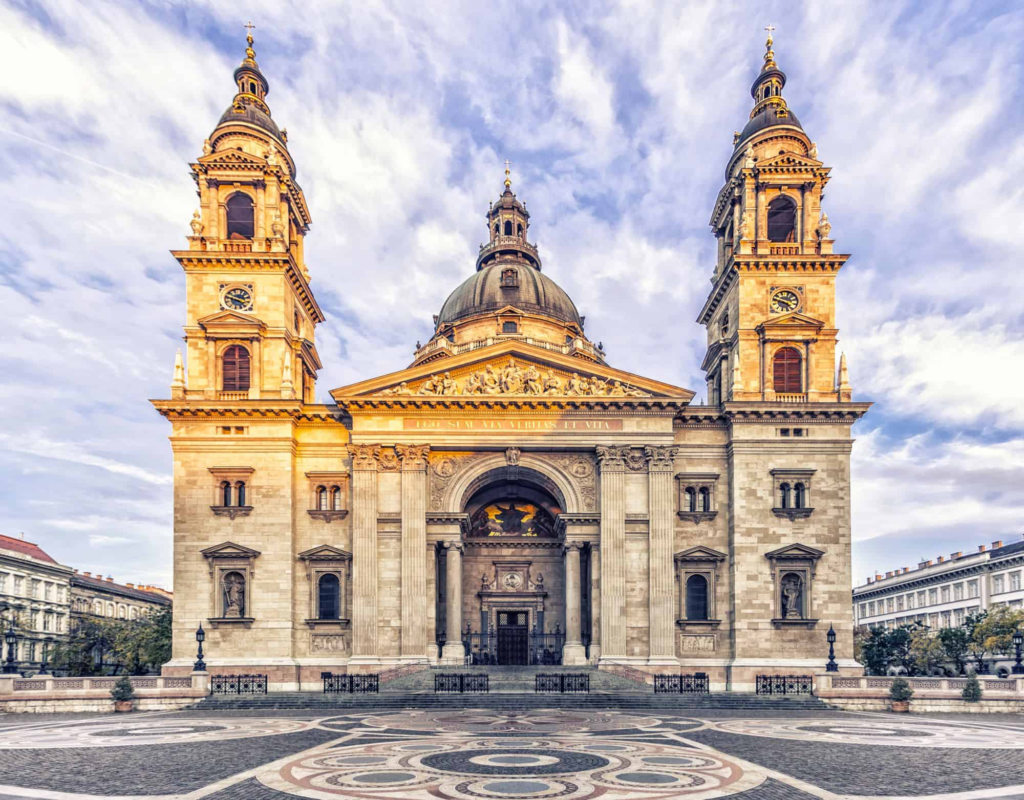
7. St. Stephen’s Basilica (Szent István Bazilika)
The Colossal Neo-Classical Dome of Holy Relics and Soaring Panoramic City Tiers
Dominating the dense urban grid of central Pest, this monumental cathedral stands as the co-largest church building in Hungary, sharing its height limit exactly with the Parliament.
- What it is famous for: Housing the “Holy Right” the mummified right hand of Saint Stephen, the first King of Hungary and offering an immense 360-degree dome lookout. Completed in 1905 after half a century of construction, the cathedral features a massive neo-classical dome that reaches exactly 96 meters high, symbolizing the year of the Magyar conquest (896 AD). Its dark interior is heavily adorned with rich marble panels, gold leafing, and complex mosaic art.
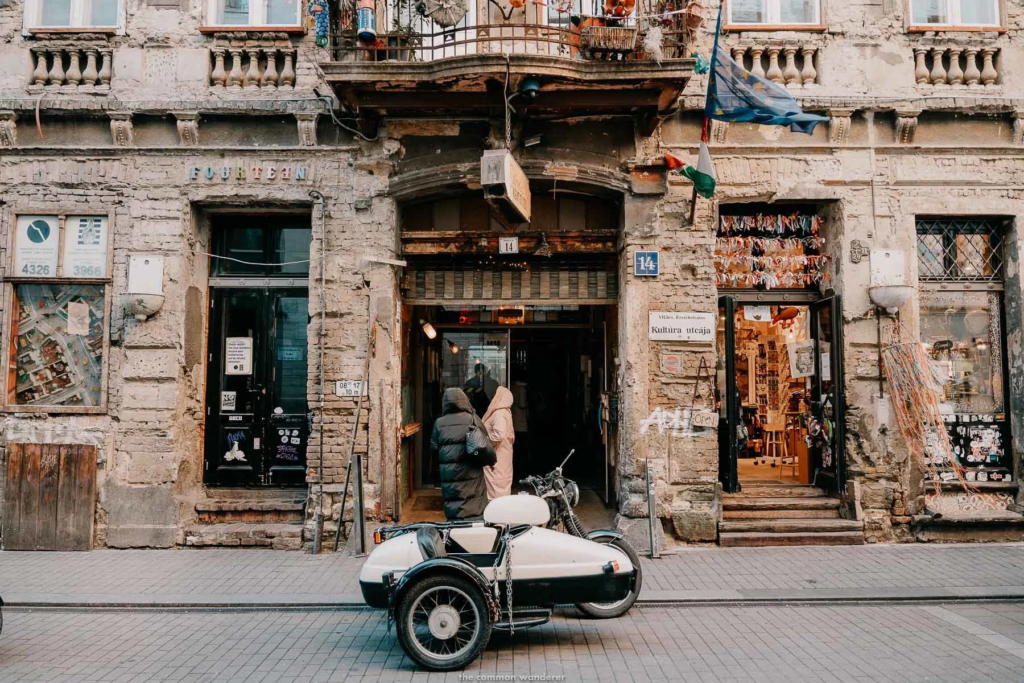
8. The Szimpla Kert & The Ruin Bars
The Eclectic Bohemian Matrix of Abandoned Brick Courtyards and Retro Art Installations
Tucked discreetly into the narrow streets of the historic Jewish Quarter (District VII), this unique network of venues represents the peak of Budapest’s alternative culture.
- What it is famous for: Pioneering the world-famous “Ruin Bar” subculture by converting abandoned, war-damaged pre-WWII apartment buildings into eclectic nightlife venues. Started by founders who filled a decaying brick courtyard with vintage furniture, old computer monitors, retro Soviet cars, and contemporary art, Szimpla Kert operates as a creative labyrinth. By day, it serves as an open-air community market and art gallery, before transforming at night into a bustling maze of bars.
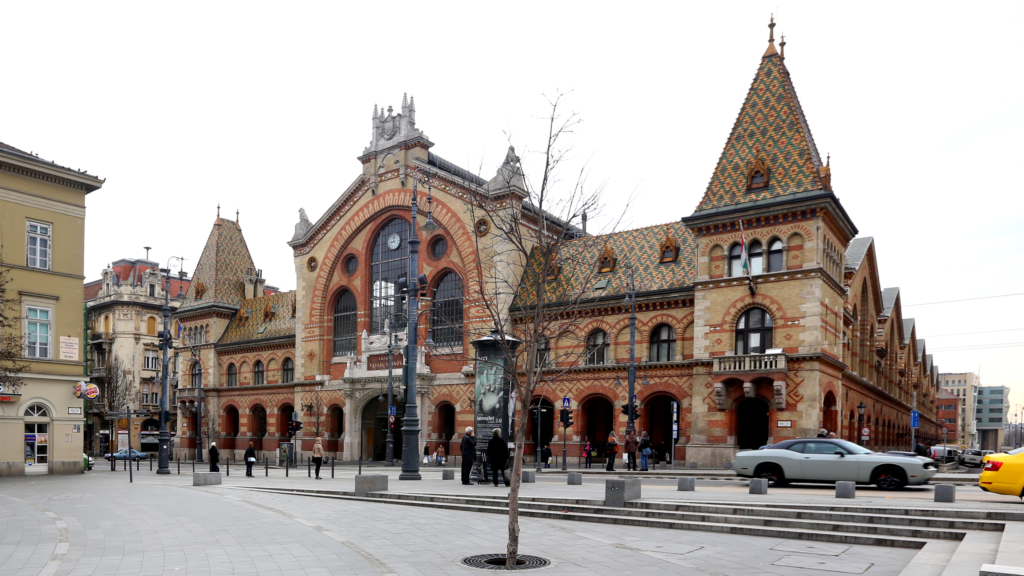
9. The Great Market Hall (Nagyvásárcsarnok)
The Vast Industrial Cathedral of Wrought-Iron Trusses and Paprika-Lined Alleyways
Commanding a massive public footprint at the southern terminus of the Váci utca shopping street, this grand, three-story indoor marketplace is a paradise for food lovers.
- What it is famous for: Its spectacular, cathedral-like historic iron architecture covered in colorful Zsolnay tiles and offering the premier market experience in the country. Opened in 1897, the massive hall features ground-floor alleys lined with hundreds of stalls selling traditional strings of dried red peppers, local salamis, and fresh meats. The upper wooden balconies host traditional food stalls where travelers can sample local specialties like lángos (deep-fried flatbread topped with garlic cream and grated cheese).
10. Heroes’ Square & City Park (Hősök tere)
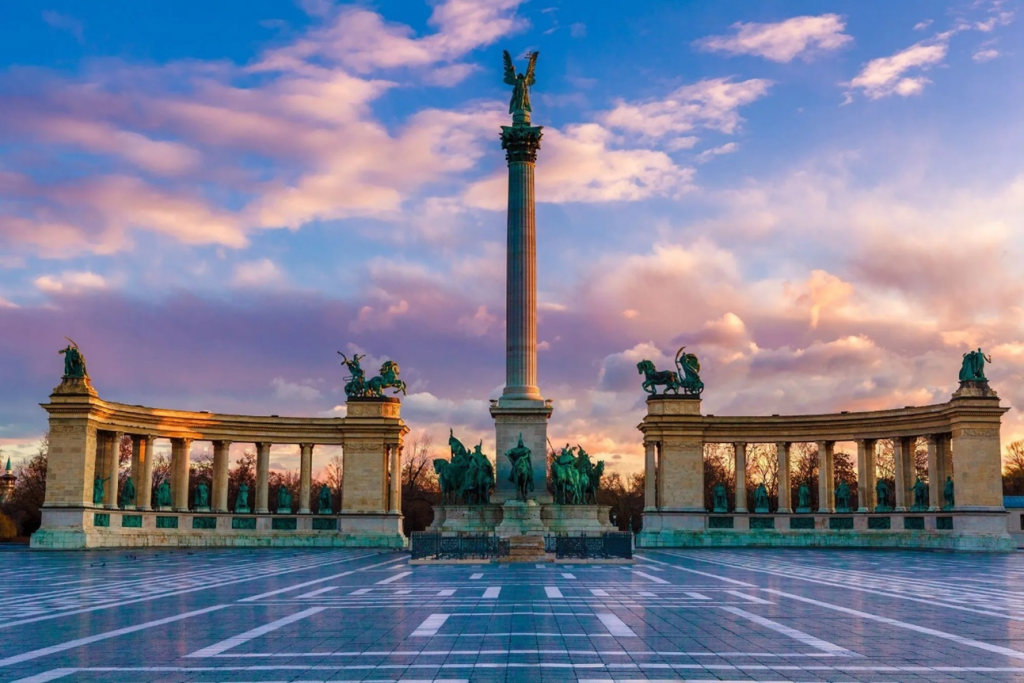
The Monumental Pillar Tiers of Tribal Chieftains and Imperial Archway Sentinels
Forming the grand, ceremonial eastern gateway of the central urban plan at the absolute end of Andrássy Avenue, this vast stone plaza holds deep historical weight.
- What it is famous for: Its towering Millennium Monument featuring a 36-meter Corinthian pillar topped by the Archangel Gabriel and flanked by the seven Magyar Chieftains. Constructed in 1896 to mark the nation’s founding anniversary, the curved colonnades behind the pillar display grand bronze statues of Hungary’s most celebrated kings and national heroes, bordered on both sides by the fine-art museums of the city plaza.
11. Shoes on the Danube Bank
The Poignant Shoreline Monument of Cast-Iron Footwear and Golden River Reflections
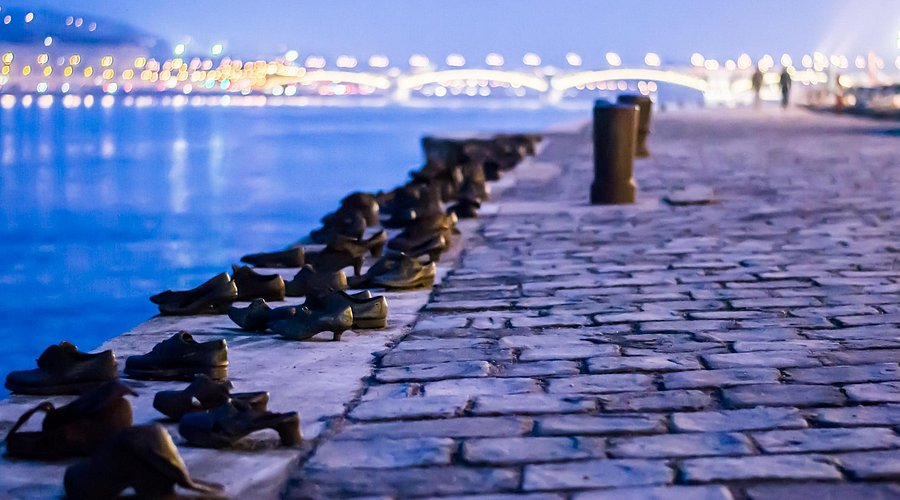
Sited quietly directly on the stone embankment of the Pest riverfront promenade, just a short walk south of the Parliament building, this understated installation is a powerful memorial.
- What it is famous for: Being a deeply moving Holocaust memorial consisting of 60 pairs of period-accurate, cast-iron shoes permanently fixed to the stone river wall. Created by film director Can Togay and sculptor Gyula Pauer, the monument honors the thousands of victims who were ordered to strip off their shoes before being shot into the freezing Danube waters by militia forces during WWII. It serves as a quiet, reflective space that captures the layered twentieth-century history of Budapest.