
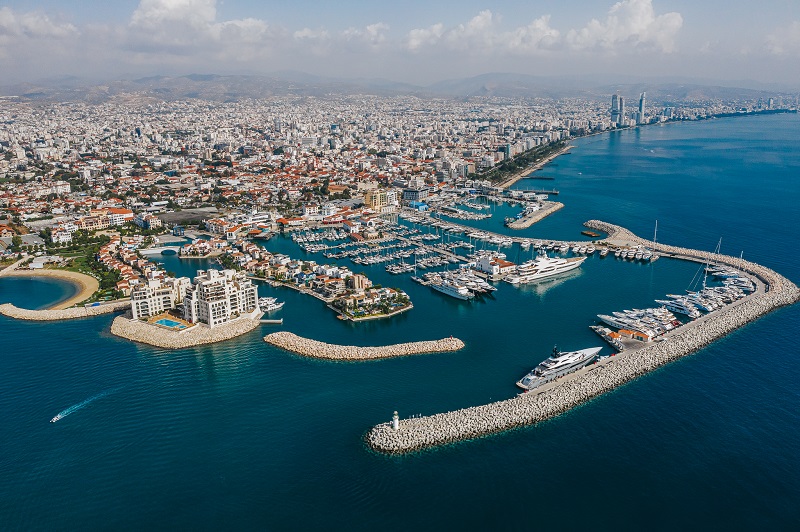
Limassol (Lemesos), sweeping grandly along the massive, south-facing crescent of Akrotiri Bay on the southern coast of Cyprus, operates on a magnificent beachfront layout where glittering high-rise horizons meet ancient stone history.
Positioned natively between the two legendary ancient city-kingdoms of Amathus and Kourion, the city’s geographic location transformed it into a critical maritime gateway and trade crossroads.
Over the centuries, its highly secure harbor evolved from an industrial wine and carob shipping port into the premier commercial shipping, banking, and luxury yachting epicenter of the Eastern Mediterranean.
Today, Limassol presents a striking urban grid where a sprawling, multi-kilometer palm-fringed seaside park serves as a buffer between the deep blue waves of the Mediterranean and a bustling cosmopolitan center.
The city effortlessly pairs its deep medieval heritage—famously hosting the royal wedding of King Richard the Lionheart—with a high-energy lifestyle, holding the title of the island’s ultimate festival capital.
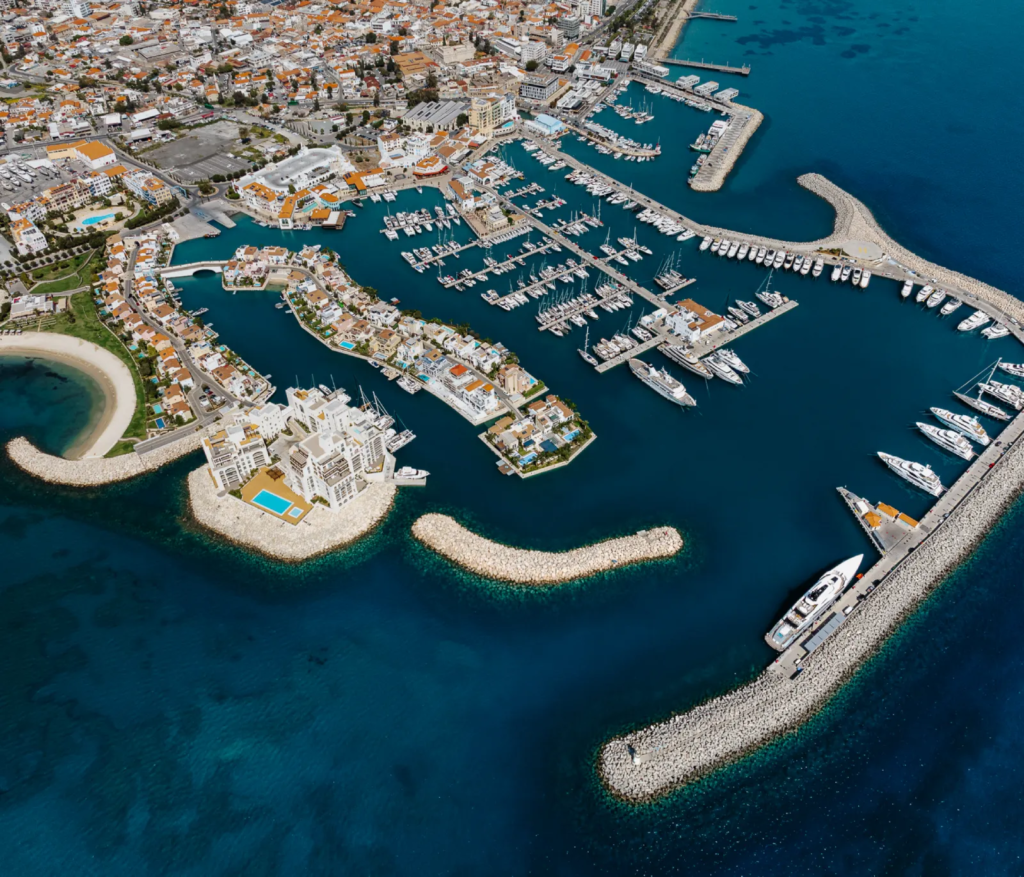
1. Limassol Marina
The Sleek Waterfront Matrix of Luxury Superyachts and Over-Water Villas
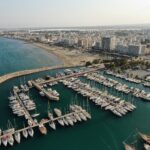
Commanding a massive waterfront footprint directly on the western edge of the city’s central promenade, this multi-million-dollar modern playground is the definitive symbol of Limassol’s contemporary luxury evolution.
- What it is famous for: Its extraordinary, high-end artificial islands, luxury over-water villas, and dedicated slips built to house the world’s largest mega-yachts. Completely transforming the old commercial harbor zone, the marina operates as a premier lifestyle destination. Closed to heavy transit, the marble-paved walkways are lined with high-end designer boutiques, upscale seafood restaurants, and trendy cocktail lounges, allowing visitors to dine on fresh Mediterranean carpaccio while looking directly across the glittering masts and hulls.
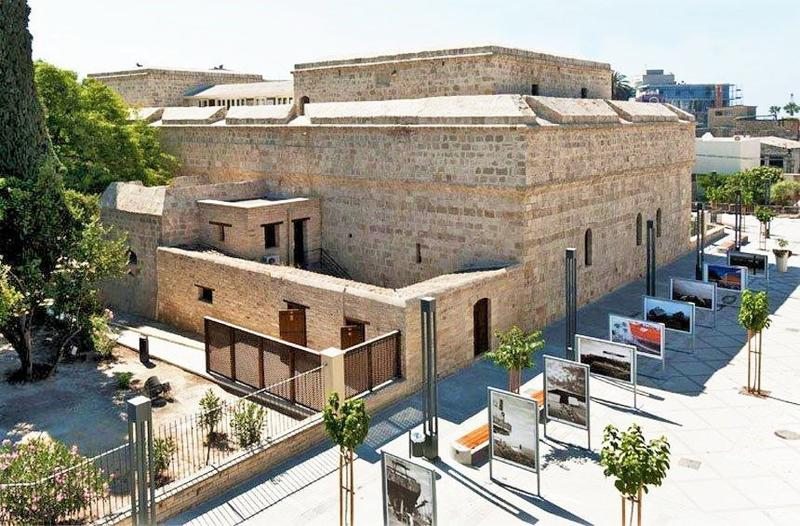
2. Limassol Castle (Cyprus Medieval Museum)
The Heavy Stone Citadel of Crusader Royal Weddings and Ottoman Dungeons
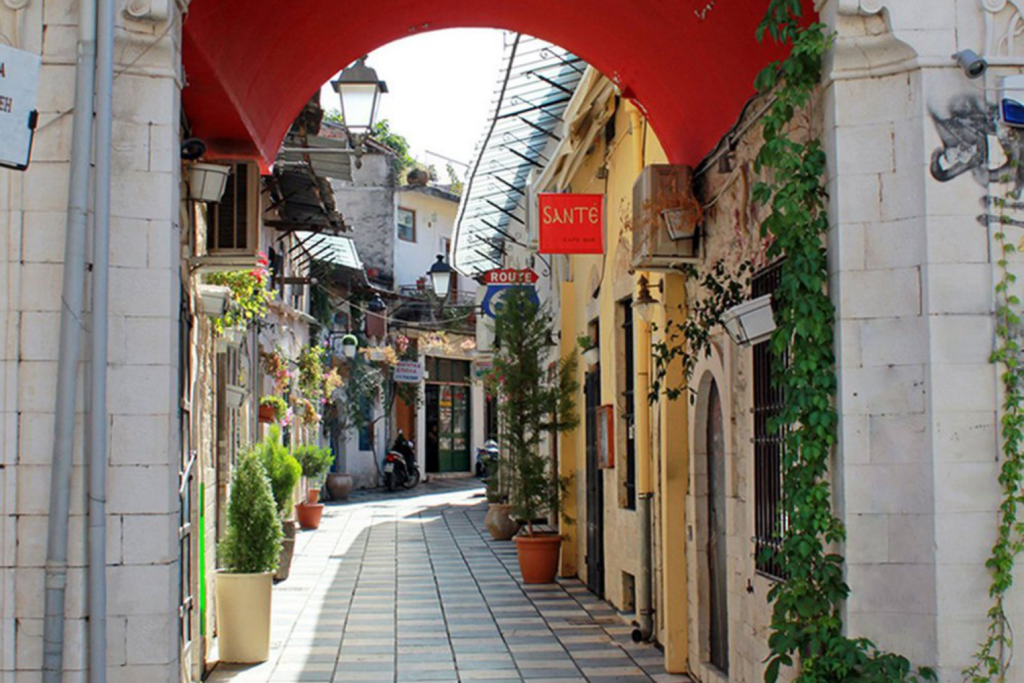
Tucked gracefully into a cozy, tree-shaded public square within the narrow, pedestrian stone lanes of the old town quarter, this stocky medieval fortress protects the literal heart of Cypriot history.
- What it is famous for: Being the historic site where Richard the Lionheart married Berengaria of Navarre in 1191, crowning her Queen of England. Rebuilt by the Venetians and later reinforced by the Ottomans into a defensive stronghold with thick limestone walls, the castle features a labyrinthine interior. Today, it houses the Cyprus Medieval Museum, where visitors can explore vaulted chambers filled with Crusader knight armor, heavy broadswords, and historic marble reliefs, before descending into the atmospheric underground cells used as a prison until the 1950s.
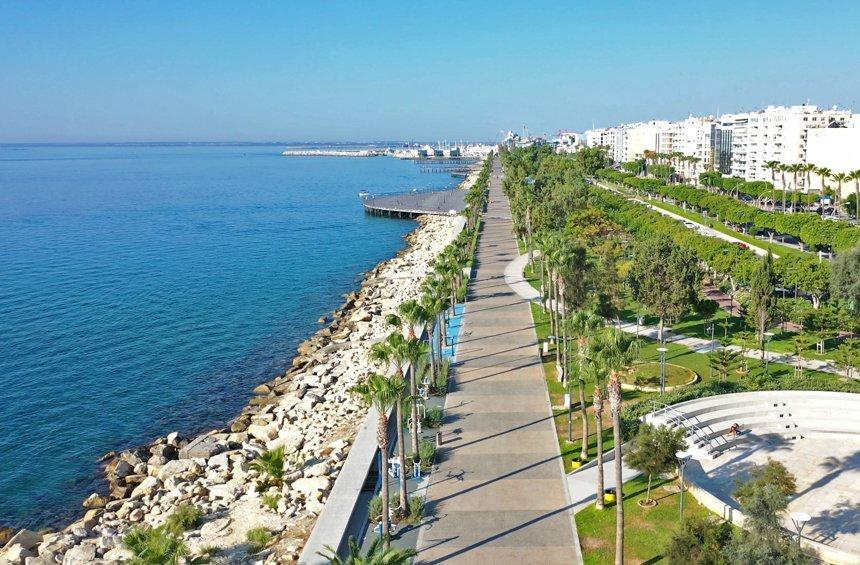
3. The Molos Promenade
The Spectacular Multifunctional Seafront Park of Palm-Fringed Skating Inlets
Stretching smoothly for over three kilometers along the city’s central marine coastline, this wide, masterfully landscaped seaside park is the collective living room and open-air athletic track of Limassol.
- What it is famous for: Its towering rows of palm trees, large geometric rows of mirror-like water features, and its expansive open-air sculpture park. Reclaimed entirely from old, gritty industrial shipping docks, the Molos is a triumph of urban coastal design. A network of wooden boardwalks juts directly out into the surf, while the inland paths feature manicured lawns, playgrounds, and cafes. At dusk, it turns into a vibrant human runway packed with joggers, cyclists, and families enjoying the sea breeze.
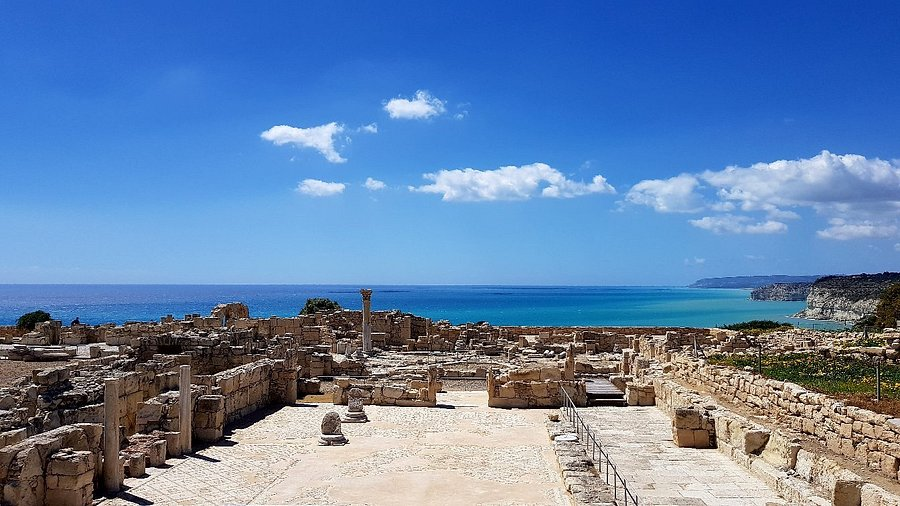
4. Ancient Kourion
The Monumental Hilltop Kingdom of Cliff-Side Amphitheaters and Mosaic Glories
Perched dramatically on a sheer, 100-meter-high limestone cliff overlooking the crashing surf of the southern coast, roughly 13 kilometers west of Limassol’s urban core, this massive archaeological park is a global marvel.
- What it is famous for: Its spectacular Greco-Roman theater offering panoramic sea views and its masterfully preserved 5th-century Christian floor mosaics. Established as a powerful ancient city-kingdom, Kourion features monumental ruins including the House of Eustolios and a grand Roman Nymphaeum. Visitors can sit on the stone tiers of the fully restored amphitheater, which still hosts starlit classical theater performances, and walk elevated boardwalks to gaze down at complex geometric mosaics detailing gladiators and exotic birds.
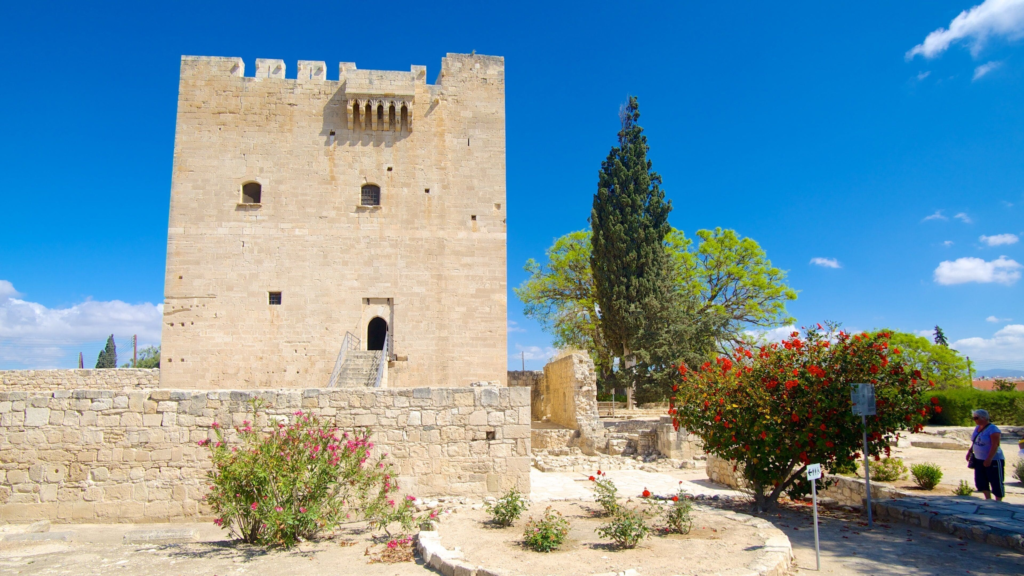
5. Kolossi Castle
The Monolithic Three-Story Bastion of Knight Hospitallers and Grapes of Commandaria
Commanding a rolling green valley filled with historic olive groves and vineyards roughly 11 kilometers west of the city center, this towering, square stone keep is a masterpiece of military architecture.
- What it is famous for: Being the supreme military grand commandery of the Knights Hospitaller and the historical birthplace of Commandaria wine. Built in 1210 and rebuilt in its current form in 1454, this three-story limestone block features defensive battlements and an intact drawbridge system. The knights used this stronghold to process sugarcane and produce a sweet local wine that Richard the Lionheart declared “the wine of kings and the king of wines.” Visitors can climb the narrow spiral stairs to the roof for a view over the coastal plains.
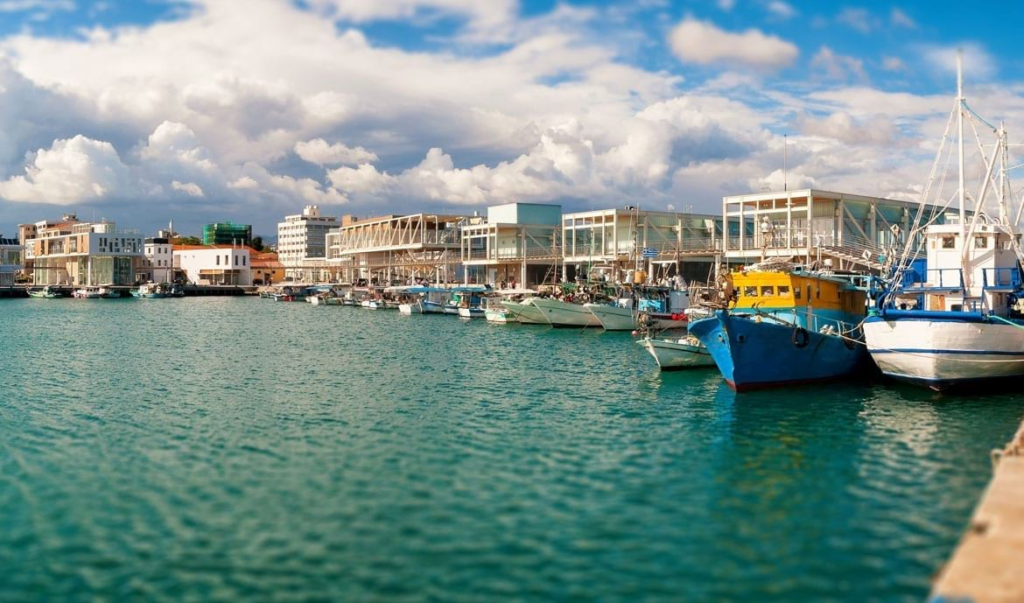
6. The Old Wine Warehouses & Old Port
The Industrial Stone Matrix of Creative Tech Hubs and Waterfront Taverns
Squeezed dynamically between the modern luxury marina and the historic castle quarter, this heavily revitalized district bridges Limassol’s working-class history with its contemporary culture.
- What it is famous for: Transforming a sprawling row of 19th-century stone carob and wine shipping warehouses into a high-energy waterfront dining and tech quarter. For over a century, this industrial port area was the center of the island’s export trade. Today, the rustic brick-and-stone facades have been fitted with sleek steel and glass architecture. The area is packed with seafood taverns, craft breweries, and cultural exhibition halls, functioning as a lively student and nightspot hub.
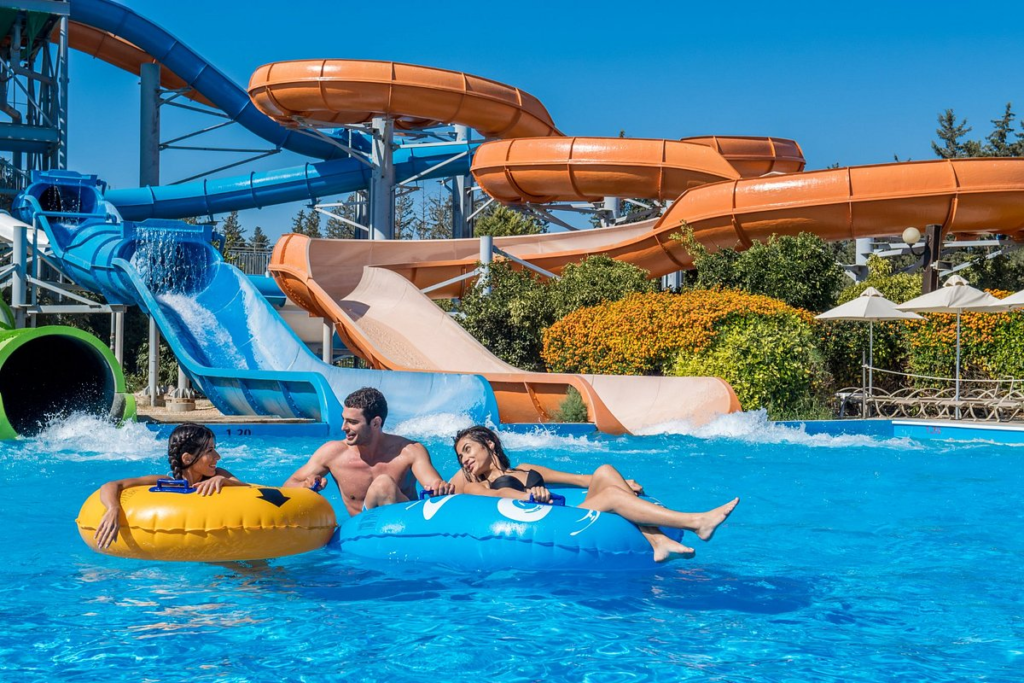
7. Fasouri Watermania Waterpark
The Colossal Polynesian-Themed Matrix of Roaring Wave Pools and Lazy Rivers
Nestled quietly within a massive, lush matrix of commercial citrus plantations in the nearby western village of Tserkezoi, this vast, 100,000-square-meter park is the premier water resort on the island.
- What it is famous for: Being the largest waterpark in Cyprus, decorated with a distinct, tropical Polynesian-themed landscape. The park features a collection of extreme slides, a giant 3,000-square-meter outdoor wave pool, and a lengthy lazy river lined with palm trees. It serves as a popular summer escape for travelers looking to cool off from the intense Mediterranean sun, offering a well-organized resort setup complete with swim-up cocktail bars and massage beds.
8. Ancient Amathus
The Craggy Shoreline Ruins of Aphrodite Temples and Sunken Stone Harbors
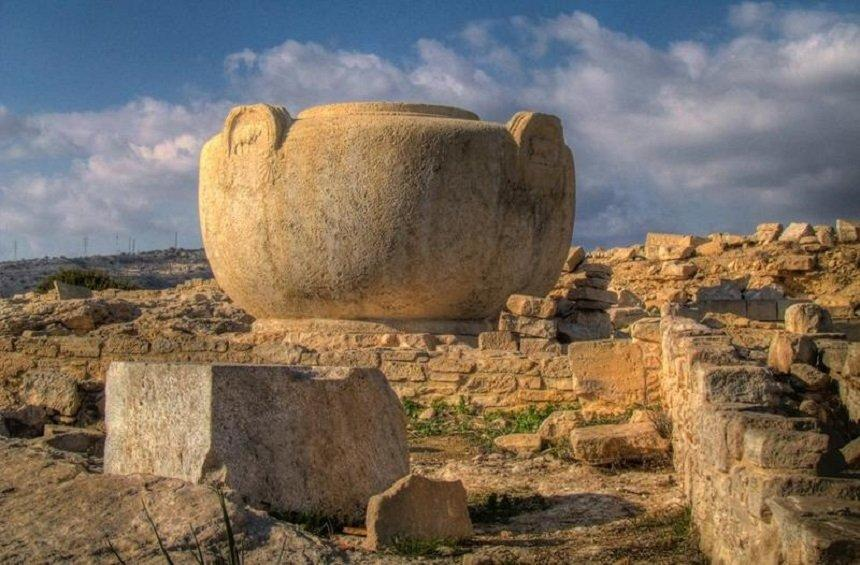
Spreading grandly across a rugged seaside hill ridge on the eastern luxury resort limits of the city, this sprawling archaeological site protects the remnants of one of the island’s oldest city-kingdoms.
- What it is famous for: Its historic hilltop Sanctuary of Aphrodite and a massive ancient stone harbor that now sits completely submerged underwater. Founded around 1000 BC by Phoenician and Greek settlers, Amathus was a major hub for the cult of Aphrodite. Visitors can explore the ruins of a marketplace lined with marble columns and see where the world’s largest stone vase was discovered. Adventurous swimmers can snorkel directly off the beach to view the massive limestone blocks of the ancient harbor walls resting just beneath the clear surf.
9. Governor’s Beach
The Striking Contrast Matrix of Chalk-White Cliffs and Dark Volcanic Sands
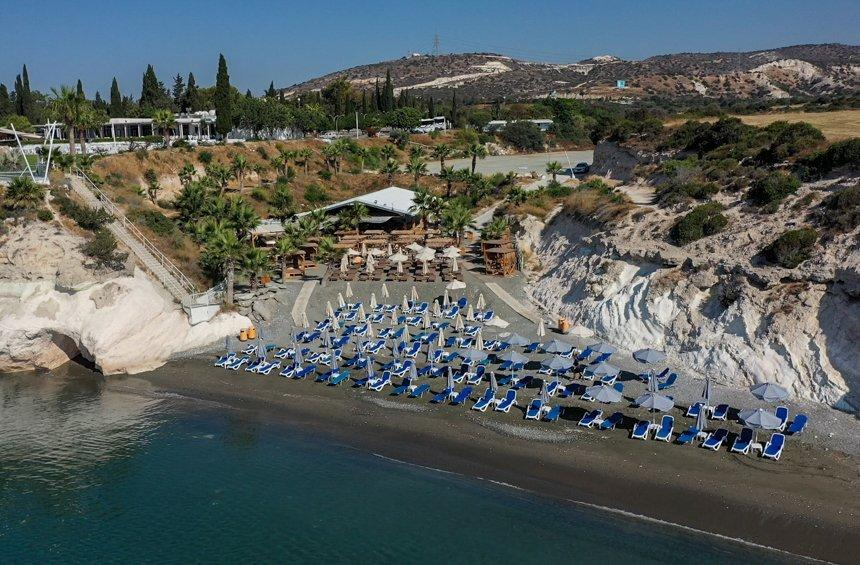
Situated roughly 20 kilometers east of Limassol’s central core along a rugged stretch of coastal highway, this unique beach destination offers a visually striking natural landscape.
- What it is famous for: Its gorgeous, bright chalk-white limestone cliff shelves that plunge directly into deep, dark volcanic sands and turquoise waters. The natural contrast between the white stone faces and the dark sand makes it a favorite spot for photographers and beachgoers. The top of the cliffs is lined with traditional fish taverns where travelers can sit beneath shaded vine trellises, dining on grilled octopus while looking down at the natural coves below.
10. The Sanctuary of Apollo Hylates
The Sacred Forest Ruin of Doric Columns and Pagan Pilgrimage Trails
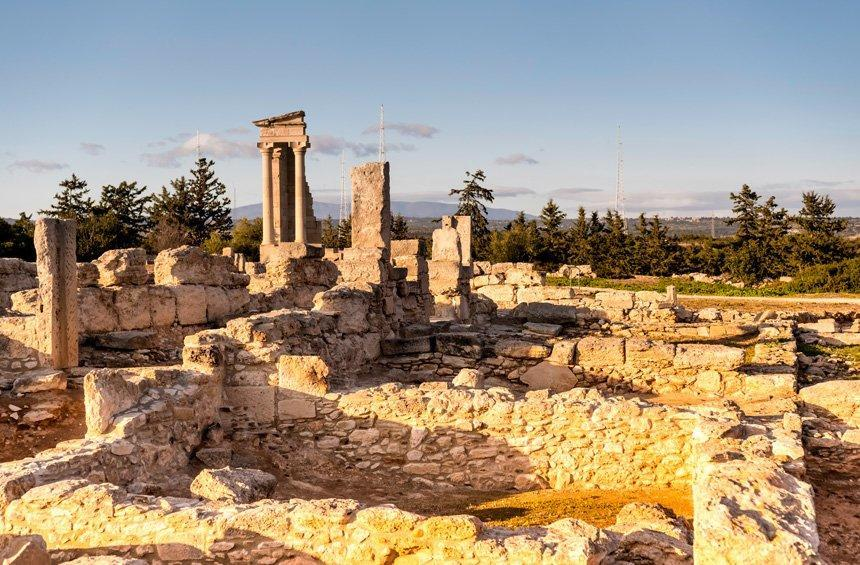
Located roughly 2 kilometers west of the Kourion cliff-side ruins, this highly peaceful, pine-shaded archaeological enclave was one of the premier religious centers of the ancient world.
- What it is famous for: Its masterfully reconstructed Doric temple dedicated to Apollo Hylates, the god of the woodland forests. Functioning from the early Bronze Age until the late Roman period, the vast sanctuary complex includes a monumental gateway, pilgrim halls, priest quarters, and an ancient running track. The highlight is the beautifully restored corner of the main temple, its yellow sandstone columns rising cleanly against the blue sky, offering an evocative look at ancient pagan pilgrimage rituals.
11. Anexartisias Street & Saripolou Square
The Vibrant Urban Axis of Shopping Avenues and Neon-Lit Nightlife Alleys
Forming the absolute energetic core of Limassol’s modern downtown district, this twin-destination urban axis links the city’s premier shopping avenue with its main nightlife plaza.
- What it is famous for: Being the primary shopping high-street of Limassol that empties directly into a bustling nightlife square lined with neoclassical bars. By day, Anexartisias Street draws thousands of visitors to its fashion boutiques and local craft shops. As night falls, the crowds move to the neighboring Saripolou Square, a lively pedestrian zone anchored by a historic covered market building where a dense collection of bars, microbreweries, and street-food stalls operate under neon lights.