
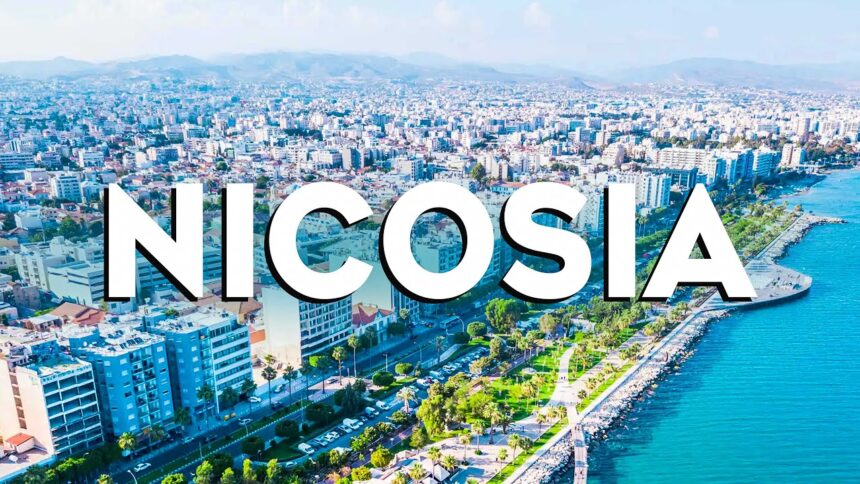
Nicosia (Lefkosia), sweeping grandly across the wide, sun-drenched Mesaoria plain of central Cyprus, operates on a highly unique, fortified circular layout that makes it one of the most geopolitically fascinating capitals on earth.
Flanked by the rugged northern Kyrenia range and the sprawling southern Troodos mountains, the city’s inland geographic positioning made it an invaluable administrative shield.
Over the centuries, it functioned as a powerful crossroads of empires, evolving from an ancient Bronze Age kingdom into a rich medieval crown prize ruled by French Lusignan crusaders, Venetian military engineers, Ottoman pashas, and British administrators.
Today, Nicosia presents a striking urban grid where a perfectly circular, 16th-century mudbrick and stone defensive wall encloses a historic labyrinth of narrow streets.
It holds the profound, complex distinction of being the world’s last divided capital city—split entirely in half by the UN Buffer Zone, known locally as the “Green Line,” which separates the Greek Cypriot south from the Turkish Cypriot north.
1. The Venetian Walls & Moat
The Colossal Star-Shaped Circular Matrix of Eleven Earth-and-Stone Bastions
Encircling the entire historic old town core in a perfect, 4.8-kilometer loop, this monumental 16th-century defensive masterwork is the definitive architectural icon of Nicosia.
- What it is famous for: Its extraordinary, star-shaped geometric layout featuring eleven protective bastions named after elite Venetian families. Engineered in 1567 by Giulio Savorgnan to protect the city against a massive Ottoman invasion, the walls were built by compacting earth behind thick limestone blocks. Today, the massive defensive moat that surrounds the walls has been beautifully converted into a network of green public parks, sports fields, and open-air concert walkways, offering a grand look at medieval military design.
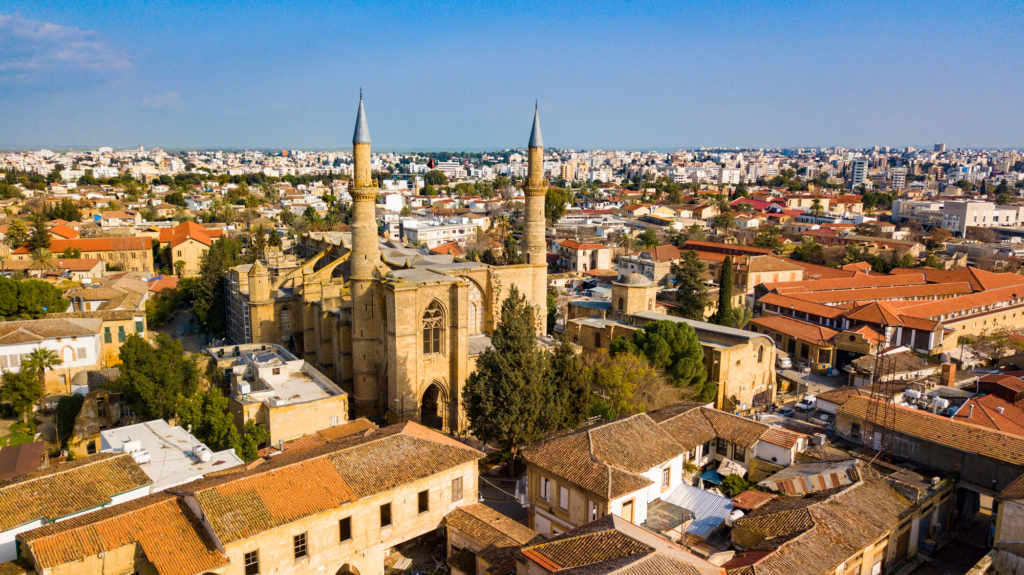
2. Selimiye Mosque (Cathedral of St. Sophia)
The Monumental Gothic-Islamic Hybrid of Flying Buttresses and Minaret Horizons
Dominating the central skyline of North Nicosia, this towering, 13th-century monument stands proud as a spectacular and highly unusual fusion of Western European Gothic architecture and Islamic faith.
- What it is famous for: Being a grand, French-style Gothic cathedral transformed into an active mosque by the addition of two soaring Ottoman minarets. Originally constructed by French Lusignan rulers as the Cathedral of Saint Sophia, this magnificent limestone structure was where the medieval Kings of Cyprus were crowned. Following the Ottoman conquest of 1570, the building was stripped of its Christian icons and decorated with Islamic calligraphy. Inside, its massive stone columns and elegant pointed vaults create a grand, sunlit sanctuary.
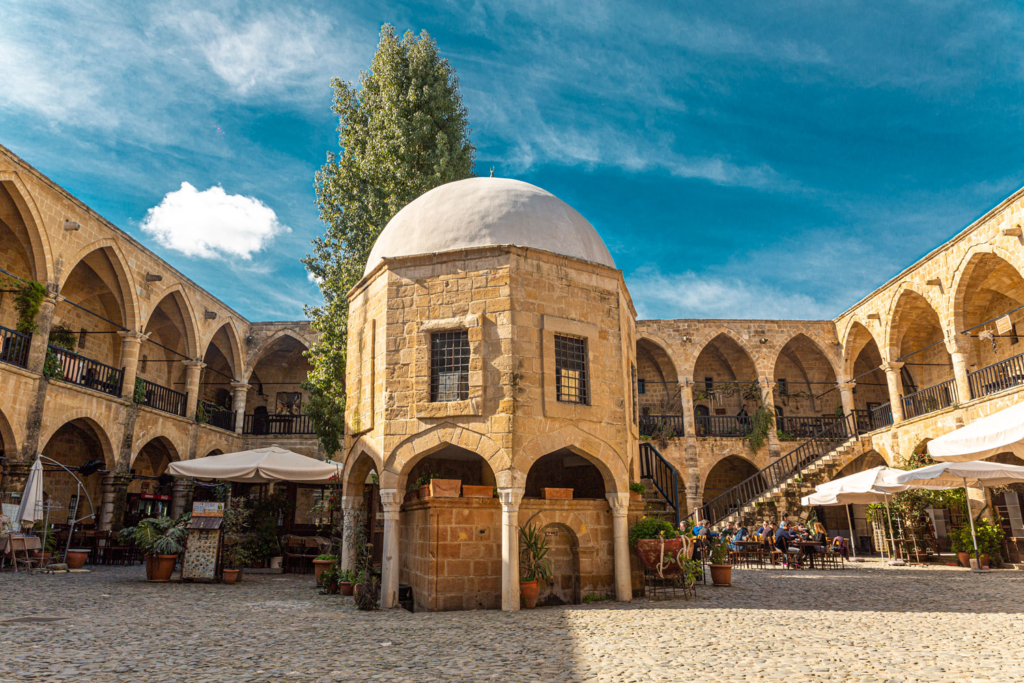
3. Büyük Han
The Grand Ottoman Caravan-Matrix of Sunlit Vaults and Central Masjid Domes
Tucked beautifully into the bustling stone-paved lanes of the old commercial center in North Nicosia, this perfectly restored 1572 roadside inn is widely considered the finest Ottoman structure on the island.
- What it is famous for: Its two-story courtyard design featuring 68 vaulted rooms and a unique, domed mini-mosque raised on stone pillars at its center. Built by the first Ottoman governor of Cyprus to provide secure lodging and storage for traveling silk and spice merchants, the inn functions today as a vibrant cultural arts center. Visitors can wander the stone arches to explore independent artisan workshops, watch lace-makers, or sit at open-air courtyard cafes to sip thick, slow-brewed Cypriot coffee.
4. Ledra Street & The Green Line Checkpoint
The Dynamic Pedestrian Spine of Bustling Bazaars and Geopolitical Crossings
Slicing smoothly from north to south directly through the heart of the old city grid, this bustling, stone-paved shopping avenue serves as the primary social artery and commercial pulse of Nicosia.
- What it is famous for: Being the historic pedestrian main street that hosts the iconic UN Buffer Zone walking checkpoint linking the two halves of the city. For decades, Ledra Street was physically blocked by a massive military barricade. Opened in 2008 as a symbol of reconciliation, the walking crossing allows locals and travelers to show passports and step across the border in seconds, moving from a modern European shopping avenue directly into a nostalgic, spice-scented Ottoman-style covered bazaar.
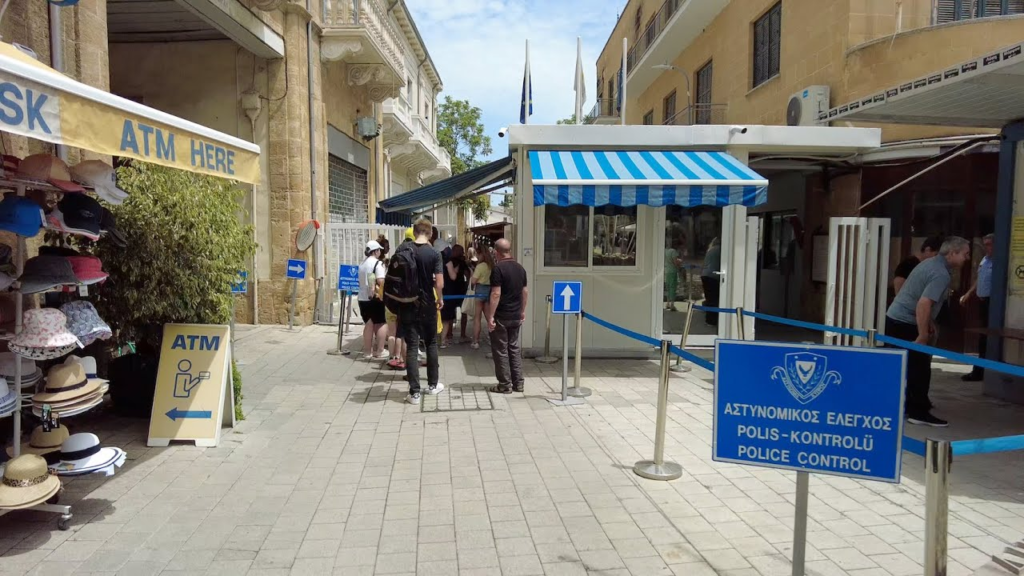
5. The Cyprus Museum
The Invaluable Archaeological Vault of Terra-Cotta Armies and Aphrodite Idols
Occupying a grand, neo-classical stone building located just outside the old town walls near the Paphos Gate, this premier institution holds the most extensive collection of Cypriot antiquities in the world.
- What it is famous for: Housing the legendary 2,000-piece terracotta army from Ayia Irini and the iconic marble statue of Aphrodite of Soli. The museum’s galleries trace the evolution of the island from the Neolithic age to the early Byzantine era. A major highlight is Room 4, which holds an incredible display of hundreds of hyper-detailed, pre-classical clay warrior figures, chariots, and priests discovered grouped around an ancient pagan altar, representing a true archaeological marvel.
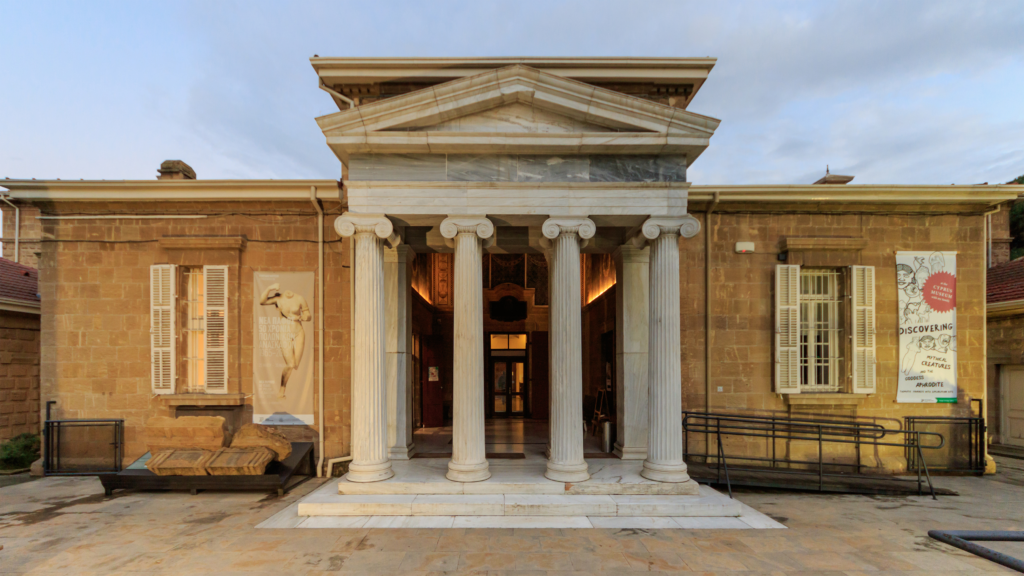
6. Shacolas Tower Museum & Observatory
The High-Rise Panoramic Look across Divided Horizons and Mountain Crests
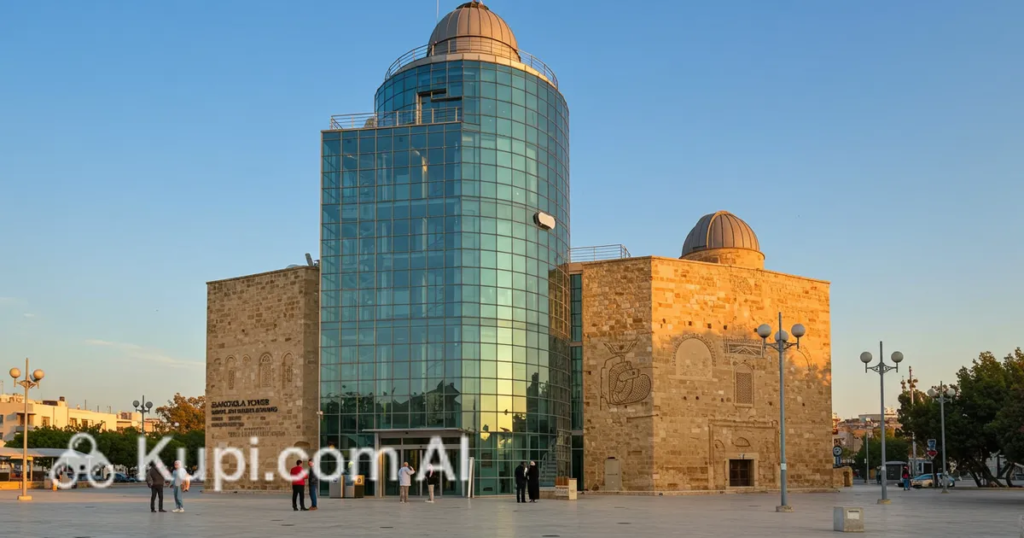
Perched elegantly on the 11th floor of a prominent high-rise building located on the southern stretch of Ledra Street, this observation deck offers a unique bird’s-eye view of the capital.
- What it is famous for: Providing the only unobstructed, 360-degree panoramic view across both the Greek Cypriot and Turkish Cypriot sectors of the city. Equipped with interactive touchscreen maps, telescopes, and historic photographs, the observatory allows visitors to peer directly across the UN Green Line. From this vantage point, you can easily view the massive, painted flags on the northern Kyrenia mountain slopes, historic minarets, modern glass towers, and the circular outline of the Venetian walls.
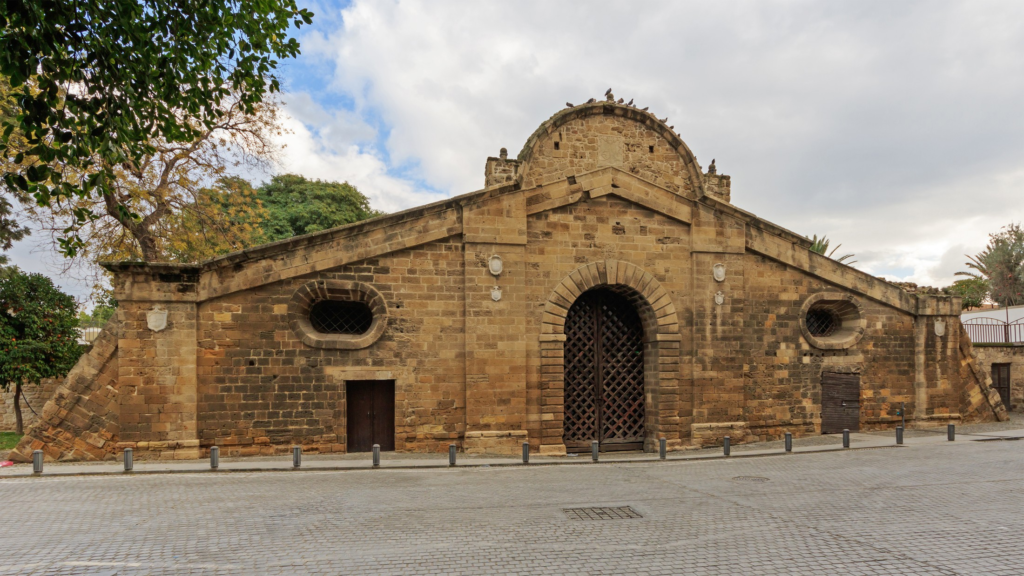
7. Famagusta Gate (Porta del Proveditore)
The Majestic Domed Stone Vault of Venetian Engineers and Art Festivals
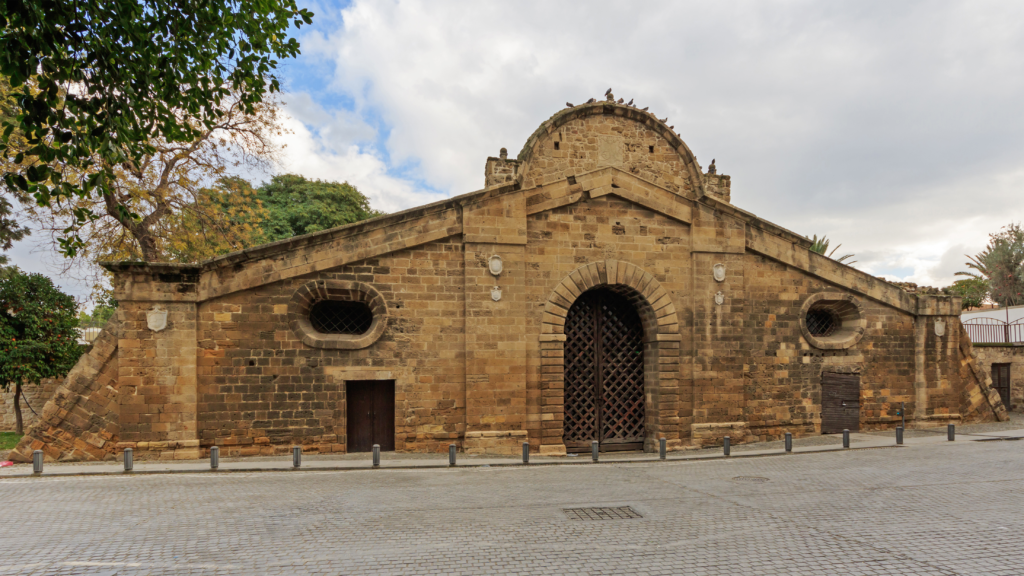
Guarding the eastern flank of the city’s circular defensive ring wall layout, this monumental structure is the grandest and best-preserved of the three original entrances into old Nicosia.
- What it is famous for: Its spectacular, 45-meter-long stone-vaulted interior barrel tunnel and its elegant, classical Roman-style front facade. Designed in 1567 by Savorgnan and named in honor of the Venetian governor, the gate features a massive central dome that allowed military wagons to pass through the thick walls. Meticulously restored by the municipality, the historic stone vaults and side guard chambers now function as a high-end cultural exhibition center hosting art galleries and indoor classical concerts.
8. The Archbishop’s Palace & St. John’s Cathedral
The Ornate Neo-Byzantine Sovereign of Gilded Icons and Freedom Monuments
Commanding a grand, block-long public square within the eastern residential quarter of the old town, this sprawling religious and historical complex serves as the spiritual heart of the Greek Orthodox community.
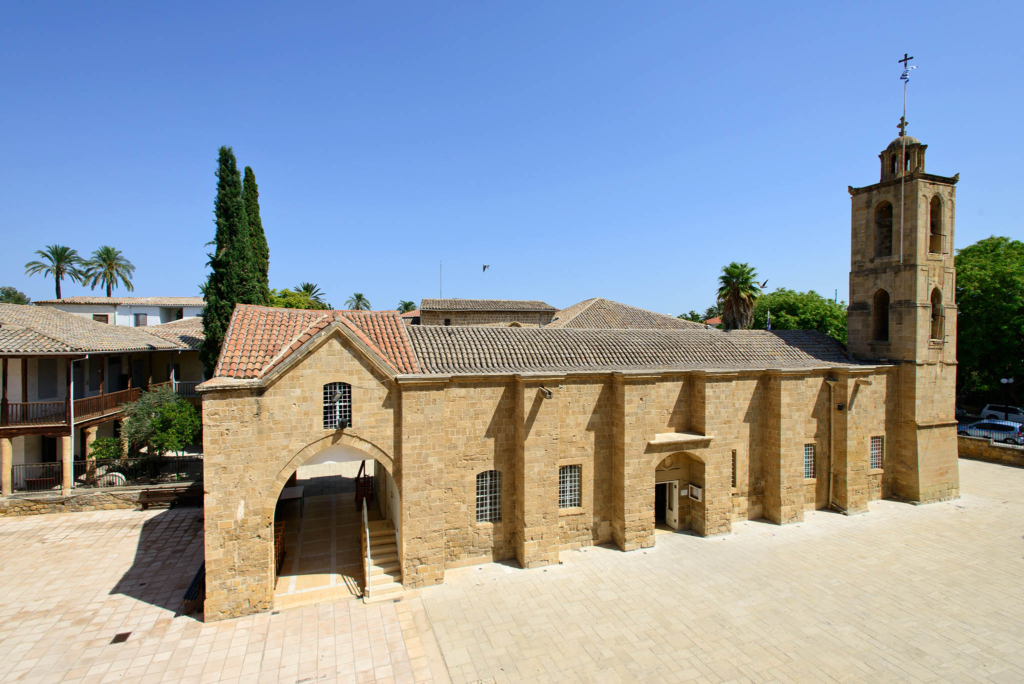
- What it is famous for: Its palatial, two-story Neo-Byzantine stone architecture and the spectacular, 18th-century wall-to-wall biblical frescoes inside St. John’s Cathedral. Built in the 1950s, the grand palace features sweeping arches and a massive bronze statue of Archbishop Makarios III, the first president of Cyprus. Right next door, the intimate St. John’s Cathedral surprises visitors with its heavily gilded wood-carved altars and perfectly preserved Byzantine frescoes depicting the discovery of the tomb of Saint Barnabas.
9. Leventis Municipal Museum
The Elegant Neoclassical Palace of Medieval Knight Shields and Urban Memories
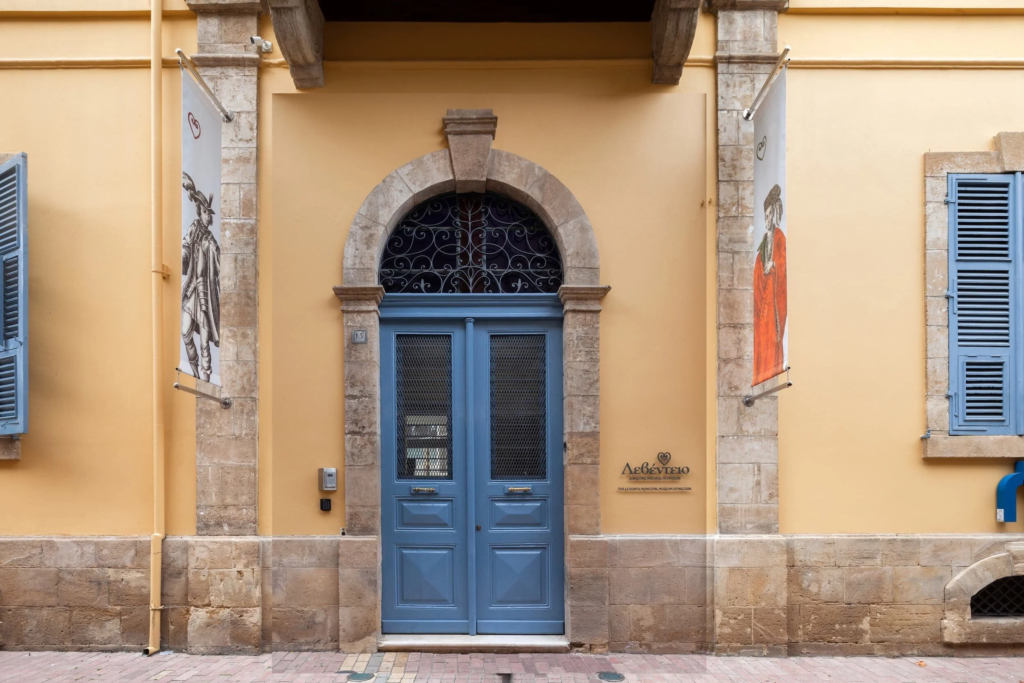
Tucked into a beautifully restored, neoclassical mansion layout within the historic Laiki Geitonia neighborhood near the southern wall perimeters, this award-winning museum chronicles the city’s identity.
- What it is famous for: Being the premier urban history museum tracking Nicosia’s daily life from 3000 BC to the modern era. Through interactive exhibits, rare maps, period costumes, and medieval jewelry, the museum tells the story of Nicosia’s changing cultural identity under different rulers. Visitors can view authentic iron swords and shields from the era of the Crusader knights, rare Venetian prints, and a poignant collection of photographs detailing the mid-20th-century division of the city.
10. Hamam Omerye
The Restored 14th-Century Stone Sanctuary of Steaming Domes and Healing Rituals
Tucked quietly behind the historic Omerye Mosque within the narrow, shadow-filled lanes of the old town’s south-central sector, this ancient bathhouse is a monument to relaxation.
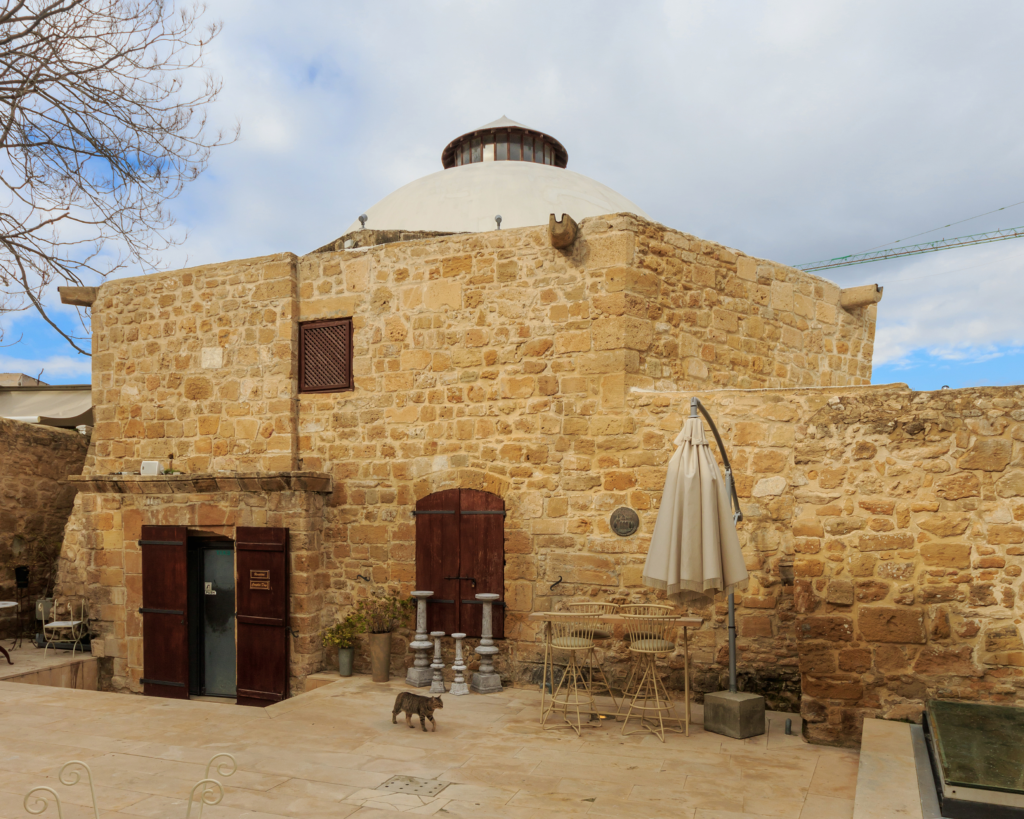
- What it is famous for: Being a masterfully restored, 14th-century luxury bathhouse that blends French Crusader masonry with classic Ottoman wellness traditions. Originally constructed as an Augustinian church, the stone building was converted into a grand public hammam by Lala Mustafa Pasha in the 1570s. The structure features a large central relaxation hall topped by a dramatic dome filled with small, glass light star holes. Today, visitors can book traditional exfoliating scrubs and steam bath rituals inside its warm marble chambers.
11. Samanbahçe Quarter
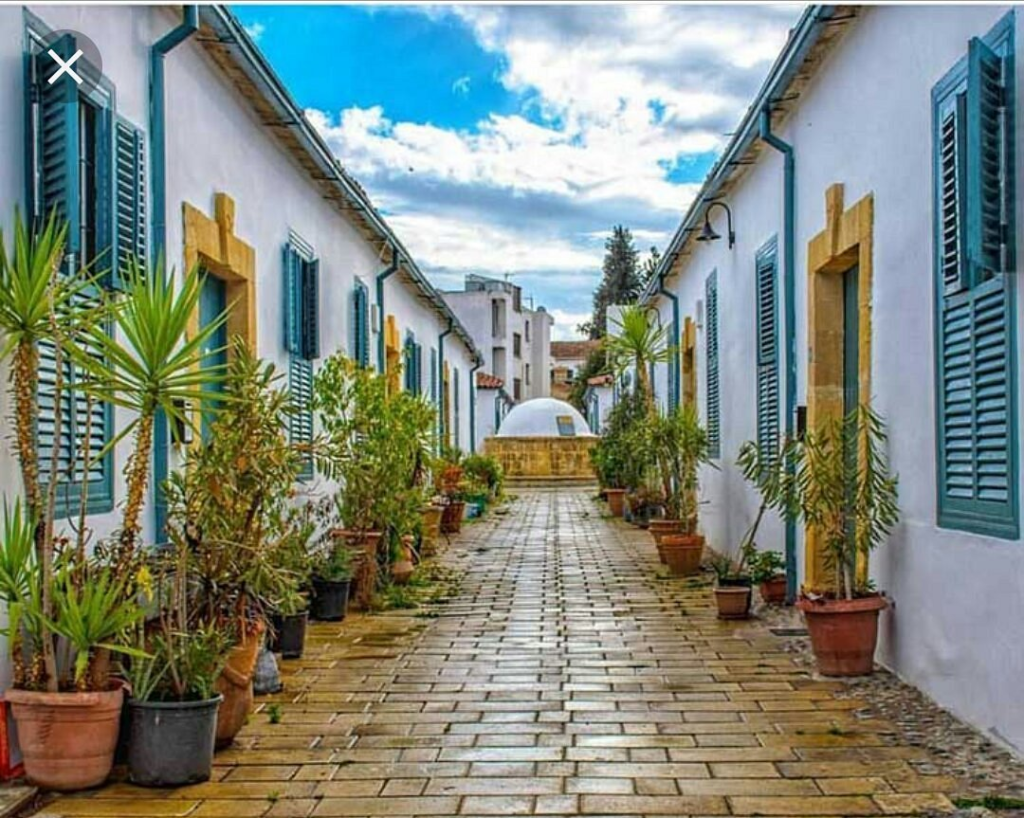
The Idyllic Oasis of Whitewashed Mudbrick Cottages and Quiet Citron Courtyards
Nestled quietly into a peaceful pocket just a short walk inland from the northern Kyrenia Gate fortifications, this unique residential neighborhood represents an early milestone in communal housing.
- What it is famous for: Being the first planned social housing project in Cyprus, featuring a highly unique layout of 72 uniform, whitewashed mudbrick cottages. Constructed by the Ottoman administration at the turn of the 20th century for lower-income families, the neighborhood feels like a tranquil Mediterranean village hidden inside a capital city. The narrow, traffic-free lanes are lined with symmetrical rows of matching blue wooden doors, blooming purple bougainvillea, and a central stone well structure, offering a breezy, quiet escape from the urban core.