
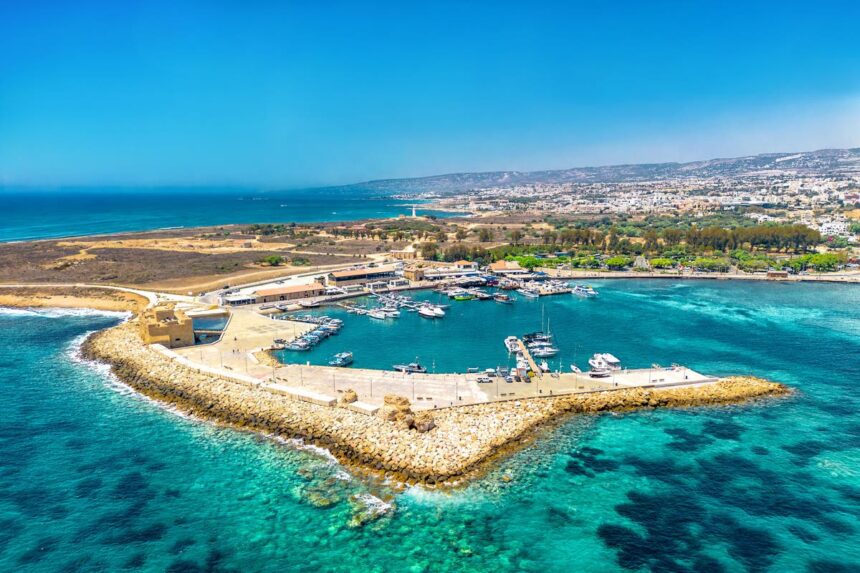
Paphos (Pafos), sweeping grandly along the sun-drenched, rugged southwestern coast of Cyprus, operates on a magnificent two-tiered urban layout where ancient coastal ruins directly interface with a breezy Mediterranean resort town.
Divided natively into Ktima (the historic upper town perched on a high limestone ridge) and Kato Paphos (the ancient harbor city below), the region’s geographical location transformed it into the ultimate cultural and religious epicenter of the classical world.
For millennia, it operated as the official capital of Cyprus under Hellenistic and Roman governors, flourishing as a high-density pilgrimage hub dedicated entirely to the cult of Aphrodite, the ancient Greek goddess of love and beauty.
Today, Paphos presents a striking urban matrix where an entire modern city sits seamlessly wrapped around a globally celebrated open-air archaeological park, earning the entire municipality full protection as a UNESCO World Heritage site.
Far from being a static museum, Paphos pairs its vast fields of ancient columns and royal catacombs with a vibrant harbor promenade, banana plantations, and rugged sea caves.
Famous for its slow-baked sheftalia pork sausages wrapped in caul fat, wild thyme honeys, fresh halloumi cheese pan-fried with figs, and a deeply relaxed, coastal sunset lifestyle.
1. Kato Paphos Archaeological Park
The Sprawling Limestone Matrix of Masterful Roman Mosaics and Doric Atriums
Dominating a massive coastal headland immediately adjacent to the modern tourist harbor, this sprawling open-air park protects the monumental ruins of the island’s ancient Roman capital.
- What it is famous for: Its extraordinary, hyper-detailed Roman floor mosaics widely considered the finest in the entire Mediterranean basin. Discovered accidentally by a tractor driver in the 1960s, these vibrant 2nd-to-5th-century AD tiled floors decorate the sprawling foundations of elite Roman villas, including the House of Dionysus and the House of Aion. The exceptionally well-preserved mosaics detail vivid, cinematic scenes of Greek mythology—from the triumphs of Bacchus to the tragic tales of Narcissus crafted entirely from tiny cubes of natural stone and glass.
2. The Tombs of the Kings
The Monumental Subterranean Necropolis of Solid-Rock Pillars and Sunken Atriums
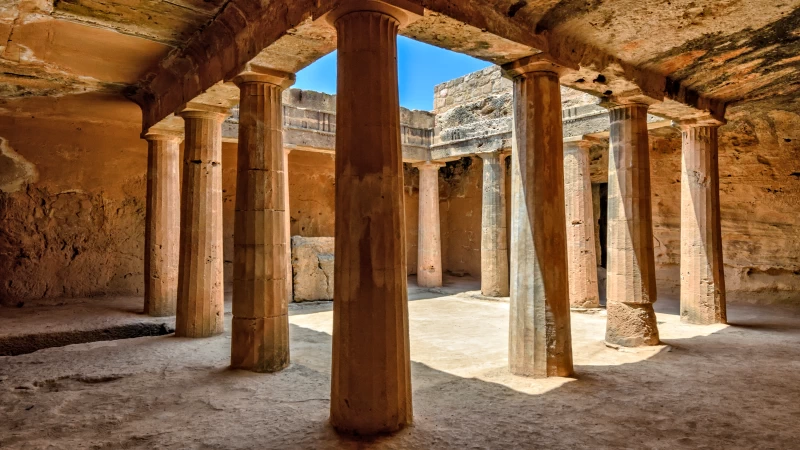
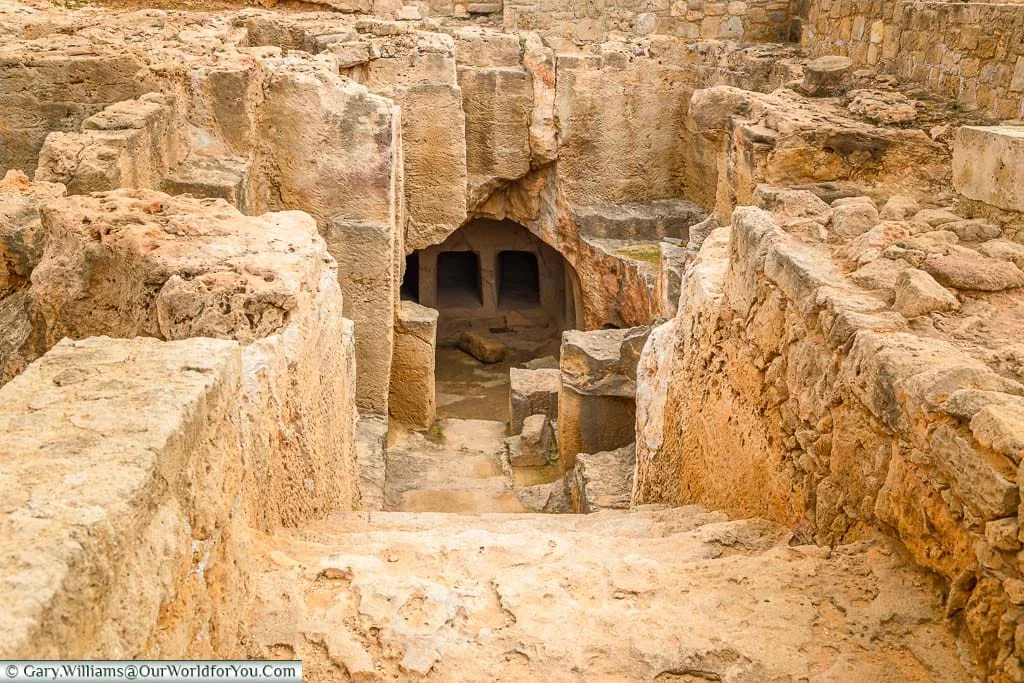
Carved directly into the sheer sandstone cliffs sweeping down to the crashing sea roughly two kilometers north of the harbor, this dramatic subterranean cemetery is an engineering marvel.
- What it is famous for: Its colossal, underground tomb chambers carved entirely out of solid rock, featuring grand peristyle atriums supported by Doric columns. Despite their regal name, no actual kings were buried here; instead, the site served as the final resting place for elite Ptolemaic aristocrats, high administrative officials, and diplomats who ruled the island during the Hellenistic era. Visitors can walk down stone staircases into the cool, dark earth to explore interconnected catacombs and open-air central courtyards cut directly into the living rock face.
3. Paphos Castle
The Stocky Stone Harbor Sentinel of Venetian Moats and Ottoman Battlements
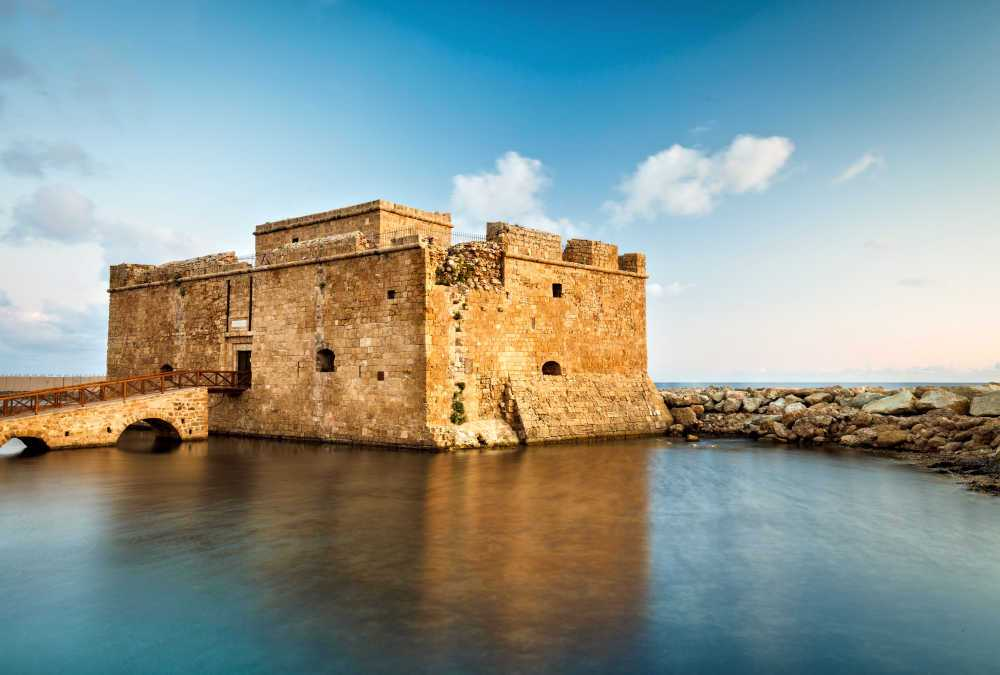
Commanding the absolute western tip of the harbor’s stone mole jetty, this rugged, square limestone fortress rises cleanly out of the shallow turquoise water basin.
- What it is famous for: Its intact, heavy medieval defensive layout and its modern role as a dramatic backdrop for world-class open-air opera festivals. Originally constructed by Byzantine rulers to defend the port against Arab naval raids, the castle was destroyed by an earthquake, rebuilt by Lusignan crusaders, dismantled by Venetians, and finally reconstructed in its current form by the Ottomans in 1592. Visitors can cross a stone arch bridge spanning a sea moat to explore the cool, dark interior vaults and climb to the roof for a clear view over the fishing harbor.
4. Aphrodite’s Rock (Petra tou Romiou)
The Legendary Sea Stack Crucible of Titanic Foam Waves and Mythological Births
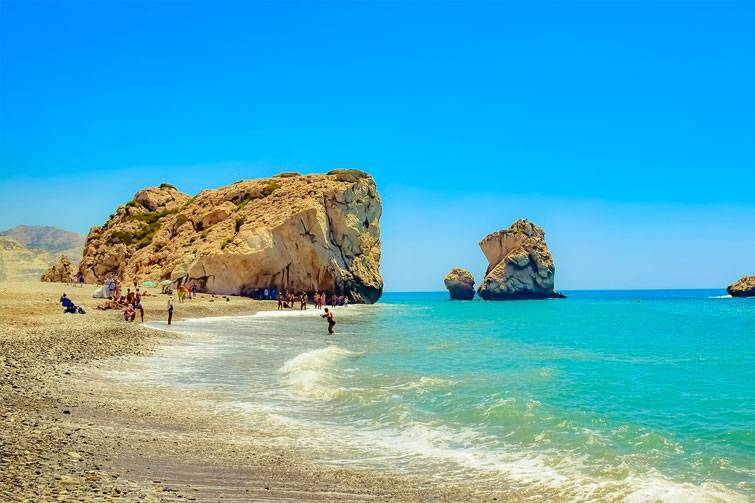
Siting dramatically offshore along a sweeping, white-pebble coastline roughly 25 kilometers southeast of the city core, these colossal limestone sea stacks are a natural wonder.
- What it is famous for: Being the mythical birthplace of Aphrodite, who according to ancient Greek legend, emerged from the sea foam right at the base of the rock. The site derives its secondary name, Petra tou Romiou (Rock of the Greek), from the legendary Byzantine hero Digenis Akritas, who supposedly hurled the massive boulders from the mountains to crush invading Saracen pirate fleets. Swept by heavy crashing waves and sunset currents, it is a global destination where travelers swim around the rock to seek eternal youth and beauty.
5. Sanctuary of Aphrodite at Kouklia (Palaipafos)
The Ancient Oracle Citadel of Monolithic Black Stones and Pagan Foundations
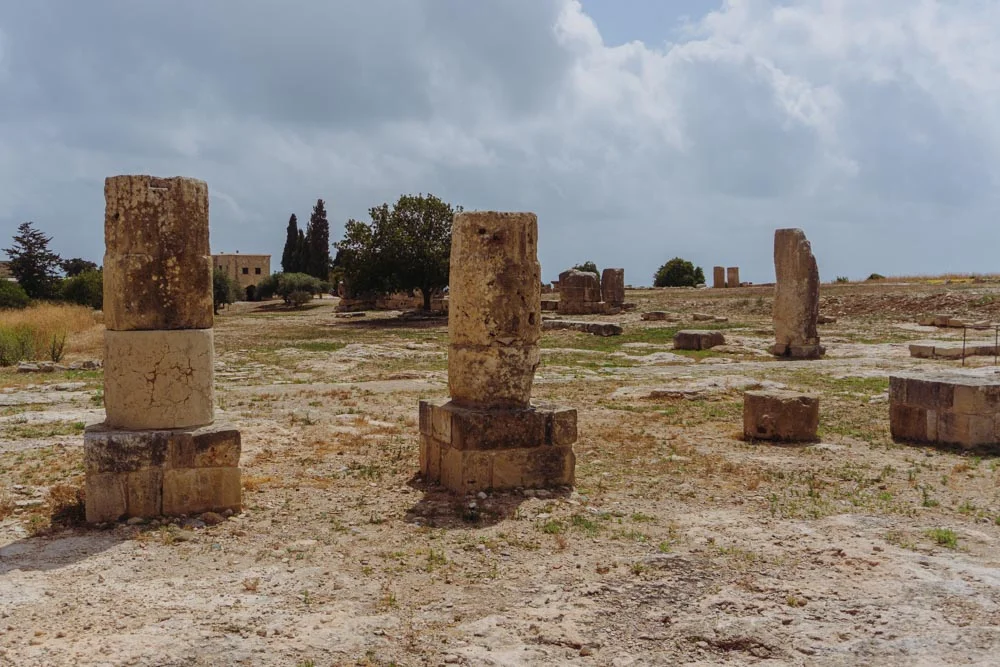
Perched on a strategic hill ridge overlooking the coastal plains in the nearby historic village of Kouklia, roughly 14 kilometers east of modern Paphos, this site protects the cradle of old Cyprus.
- What it is famous for: Being the most celebrated cult sanctuary of Aphrodite in the ancient world, operating centered around a sacred, conical black meteorite stone. Unlike typical classical Greek temples with column-fronted statues, this grand Bronze Age open-air sanctuary worshipped the goddess in an abstract, aniconic form. For centuries, tens of thousands of pilgrims traveled across the Mediterranean to participate in sacred fertility rituals here, and the adjacent museum preserves the actual dark, heavy sacred stone that sat at the heart of the Oracle.
6. The Paphos Harbor Promenade
The Palm-Fringed Pedestrian Runway of Traditional Fish Taverns and Coastal Voltas
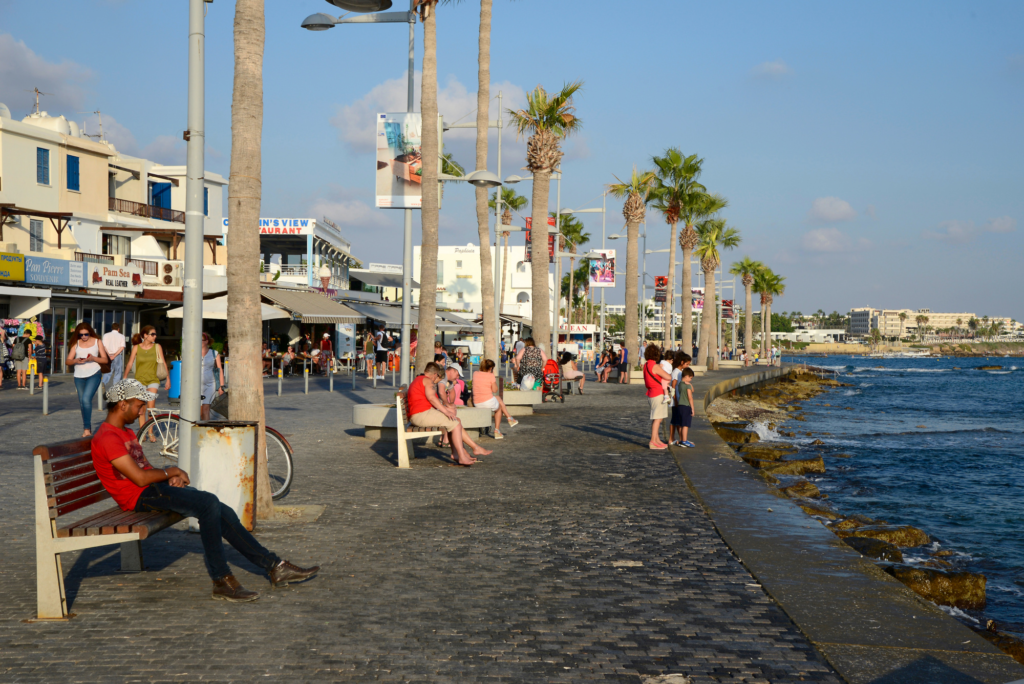
Sweeping smoothly along the entire southern marine edge of the lower town basin, this wide, stone-paved pedestrian avenue serves as the social runway of Paphos.
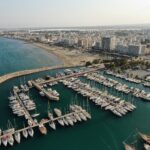
- What it is famous for: Its lively waterfront strip packed with traditional wooden fishing boats, seafood restaurants, and panoramic sea views. Completely closed to automobile traffic, the promenade links the modern hotels of Kato Paphos directly to the medieval castle gates. Travelers and locals gather here by the thousands for the classic evening volta (leisurely stroll), sitting at open-air tables to dine on fresh local squid and red mullet while watching the sun sink directly into the open waters of the western horizon.
7. St. Paul’s Pillar & Panagia Chrysopolitissa
The Historic Christian Matrix of Whipped Apostles and Mosaic Church Foundations
Tucked quietly into an active archaeological excavation site right in the middle of Kato Paphos’ residential quarters, this historic enclave bridges biblical history with Byzantine art.
- What it is famous for: Housing the sacred stone pillar where Saint Paul was bound and whipped 39 times before converting the Roman governor to Christianity. The historic site features the ruins of a massive, 5th-century early Christian basilica—the largest ever built on the island—which is crossed by a network of modern elevated wooden boardwalks. Visitors can look down to admire complex, colorful geometric floor mosaics and see the marble column shaft where the Apostle Paul supposedly suffered for his faith in 45 AD.
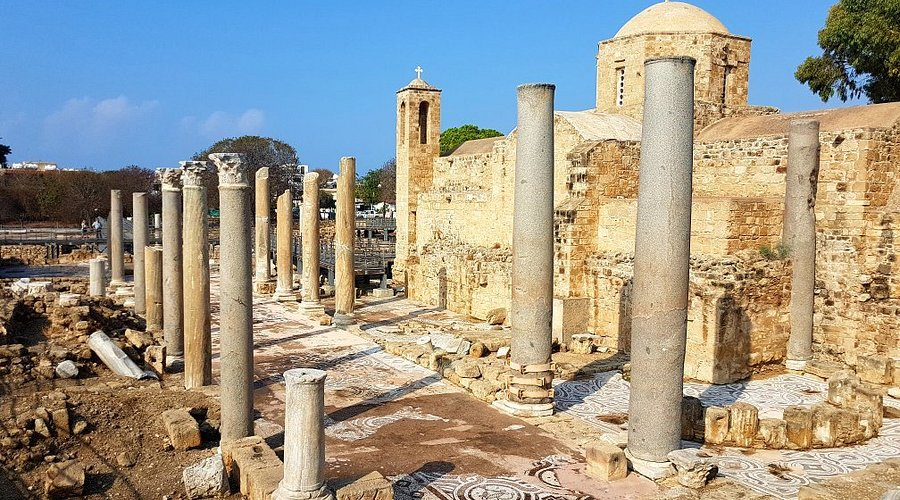
8. Akamas Peninsula & Blue Lagoon
The Wilderness Matrix of Sheer Blue Water Coves and Botanical Off-Road Trails
Occupying the absolute northwestern tip of the regional district, roughly 35 kilometers north of the city center, this massive, 230-square-kilometer reserve is Cyprus’ last true wilderness.
- What it is famous for: Its extraordinary, glass-clear turquoise waters at the Blue Lagoon and its status as a vital nesting ground for endangered green turtles. Inaccessible by standard vehicles, this rugged park of sheer limestone cliffs, deep valleys, and wild carob forests can only be explored via 4×4 safaris, hiking trails, or boat excursions from Latchi harbor. The Blue Lagoon functions as a natural swimming pool where boats anchor over glowing white sand, offering an untouched look at Mediterranean nature.
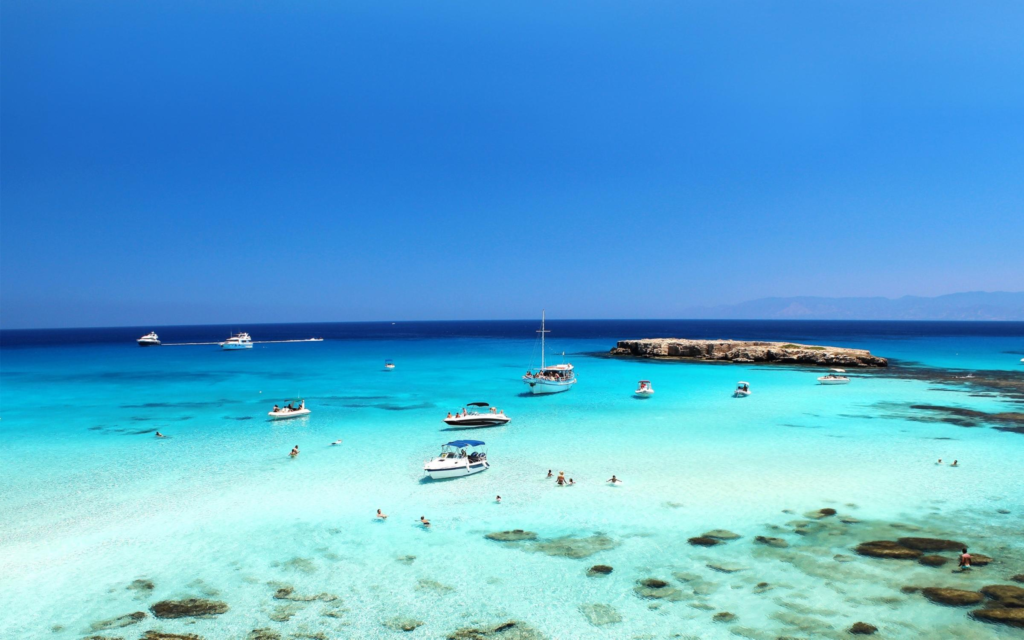
9. The Edro III Shipwreck & Sea Caves
The Dramatic Coastal Matrix of Stranded Cargo Hulls and Limestone Sea Vaults
Resting dramatically on a sharp angle directly against the rocky limestone shelves of the Pegeia coastline, roughly 15 kilometers north of Paphos, this modern maritime relic is a photographer’s dream.
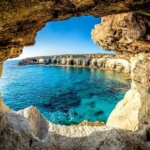
- What it is famous for: The surreal, scenic sight of a massive 80-meter-long cargo ship sitting permanently stranded just meters from the shore cliffs. The Sierra Leone-flagged Edro III ran aground during a violent storm in December 2011 while carrying a cargo of plasterboard. Left intact right next to the region’s spectacular natural sea caves—where the waves have carved deep tunnels, windows, and blowholes out of the white coastal limestone—the rusted hull provides a striking contrast against the turquoise surf.
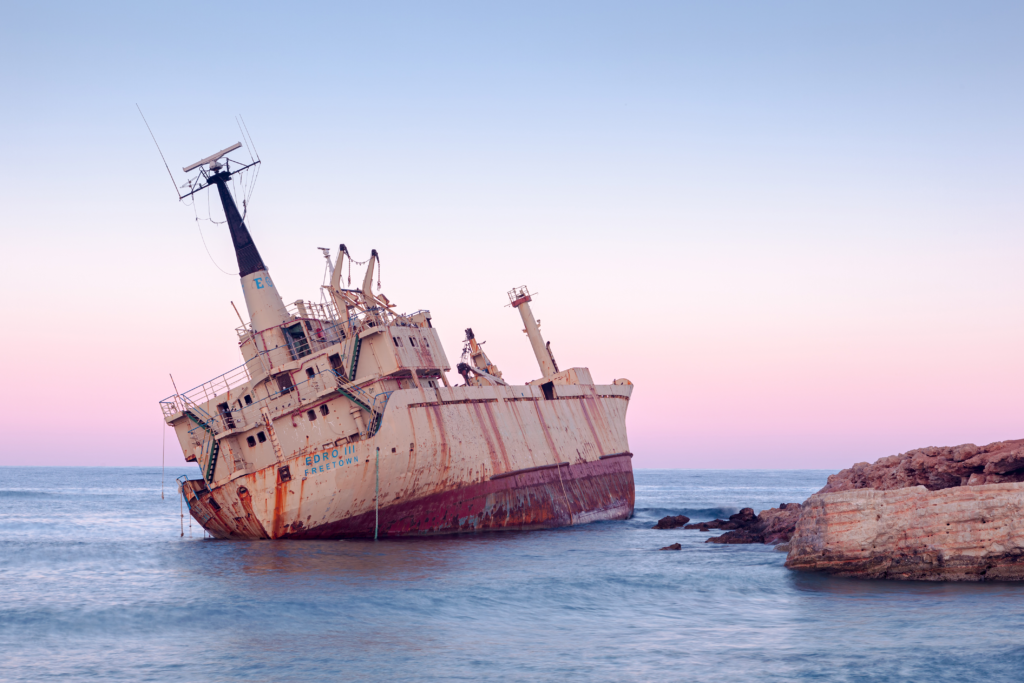
10. Agios Neophytos Monastery
The Peaceful Mountain Sanctuary of Cliff-Cut Hermit Cells and Byzantine Frescoes
Tucked quietly into a lush, secluded mountain valley roughly 9 kilometers north of the upper city ridge, this active monastic complex is an oasis of spiritual tranquility.
- What it is famous for: Its extraordinary cave cells carved directly into the sheer rock face by the hermit monk Neophytos in 1159, decorated with masterwork Byzantine frescoes. Known as the Enkleistra (Seclusion), the cave complex features a rock-cut chapel, a cell, and a tomb hollowed out by the saint’s own hands. The interior walls are completely covered in some of the most beautiful and spiritually expressive 12th-to-15th-century frescoes in existence, offering a window into medieval monastic devotion.
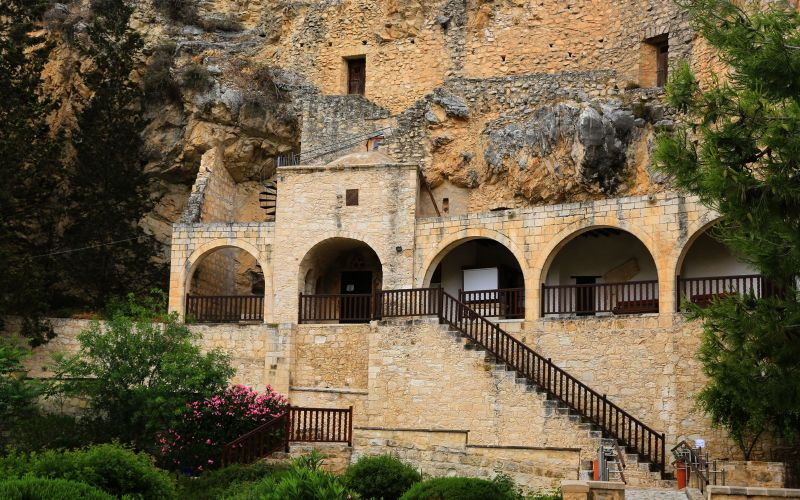
11. Paphos Old Town Market & Ktima District
The Neoclassical Ridge Quarter of Colonial Architecture and Artisan Craft Alleys
Perched elegantly on the high limestone cliff ridge overlooking the tourist quarters of Kato Paphos below, this historic neighborhood serves as the cultural heart of the city.
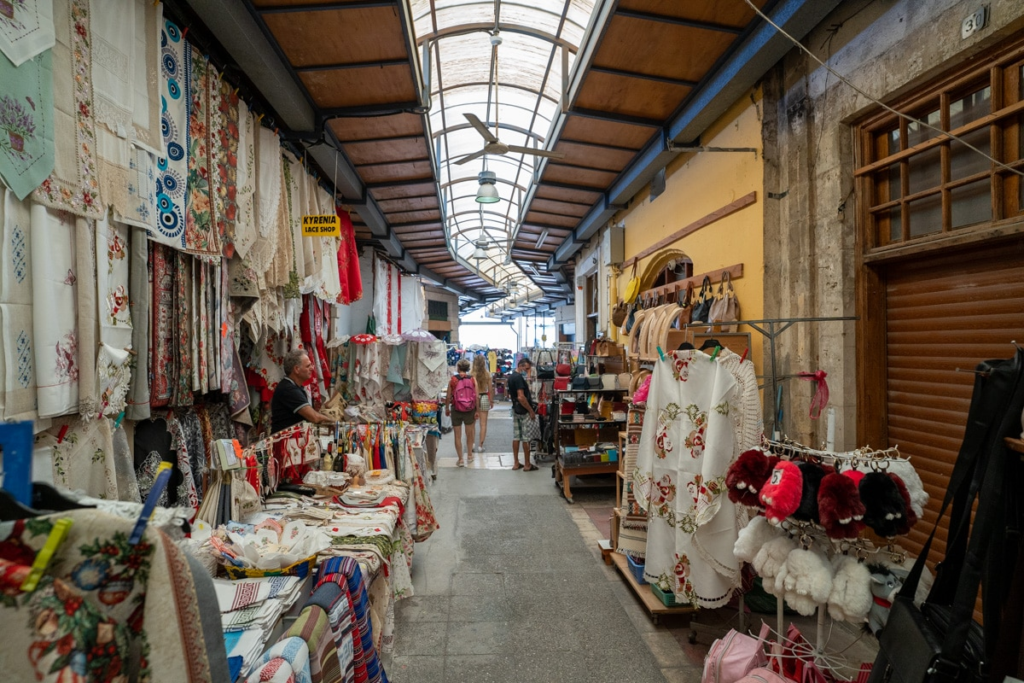
- What it is famous for: Its beautifully restored neoclassical public buildings, grand colonial schoolhouses, and its traditional covered artisan market. Heavily revitalized when Paphos served as the European Capital of Culture, the Ktima district offers a refreshing contrast to the beachfront strips. Visitors can wander narrow pedestrian alleys to find traditional leather-workers, lace-makers, and silversmiths operating out of old stone shops, before sitting at cliff-edge view platforms to watch the sunset over the entire coastal basin below.