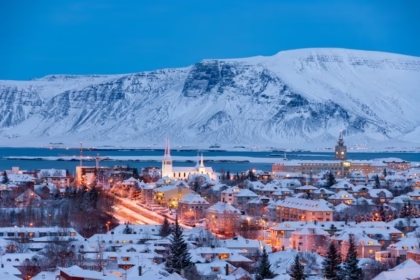

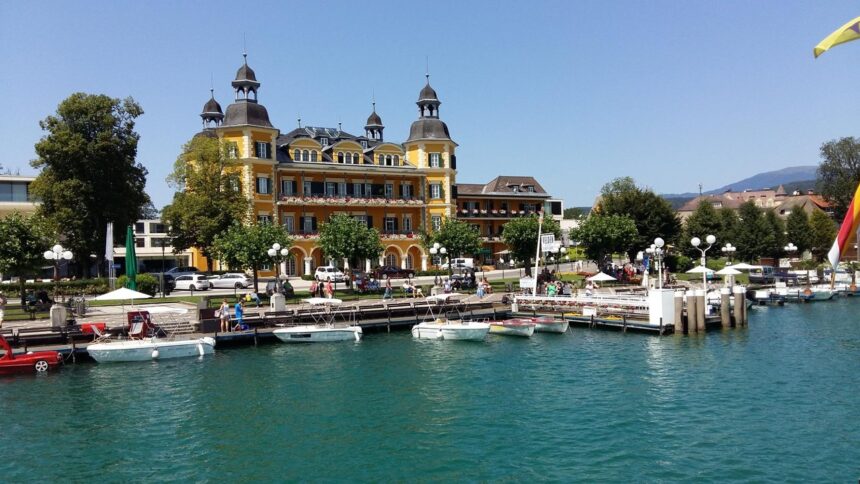
Klagenfurt am Wörthersee, nestled gracefully in the sun-drenched Klagenfurt Basin of southern Austria, is a city operating on a spectacular layout of legendary origins and Mediterranean-infused Renaissance charm.
Local lore says the city was built on a swamp terrorized by a winged dragon (the Lindwurm), which was trickily slain by brave citizens using a fat ox on a chain.
What truly defines Klagenfurt’s relaxed pace of life, however, is its direct physical connection to the Wörthersee—one of Europe’s largest, warmest, and most vibrant alpine lakes.
The city effortlessly pairs its Italianate architectural heritage with a breezy, lakeside resort culture. Famous for its heavy, rolled Carinthian cheese noodles (Kärntner Kasnudeln), pristine bicycle highways, and centuries of heraldic history.
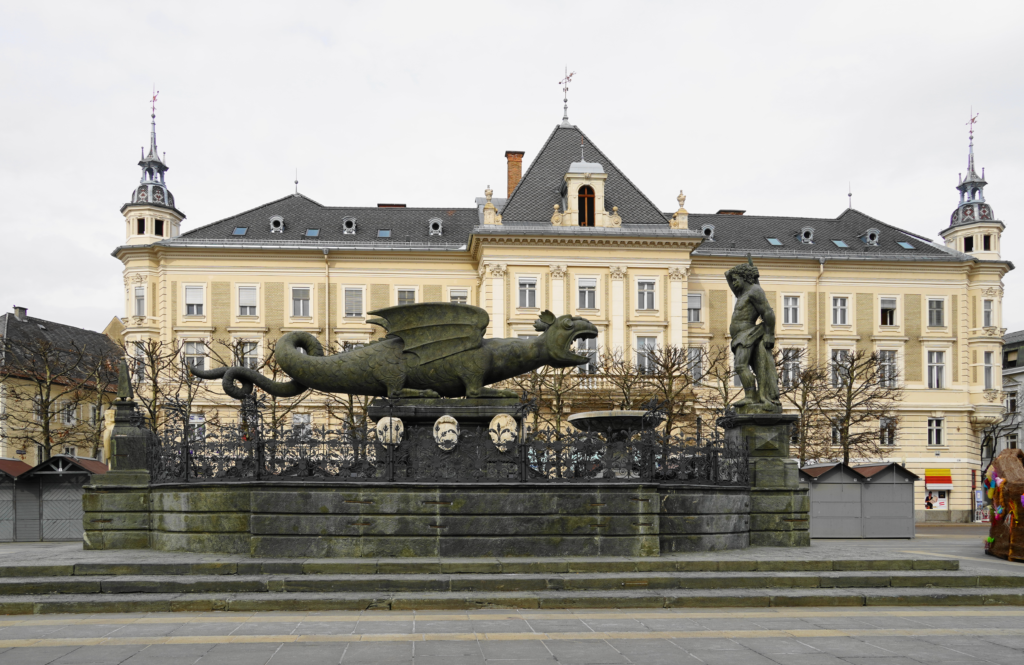
1. The Lindwurmbrunnen & Neuer Platz
The Stone Stage of the Winged Monster and Imperial Sovereigns
Dominating the sprawling, stone-paved expanse of the Neuer Platz in the absolute center of Klagenfurt, this monumental 16th-century fountain is the ultimate, internationally recognized symbol of the city.
- What it is famous for: Its colossal, 6-ton chlorite stone dragon and its legendary foundation story. Carved entirely out of a single block of dark green stone from the nearby Kreuzbergl hill, the dragon stands jaws open, spitting water toward a powerful statue of Hercules added later. The square itself is heavily framed by historic administrative buildings and features a grand monument to Empress Maria Theresa standing watch over the public space.
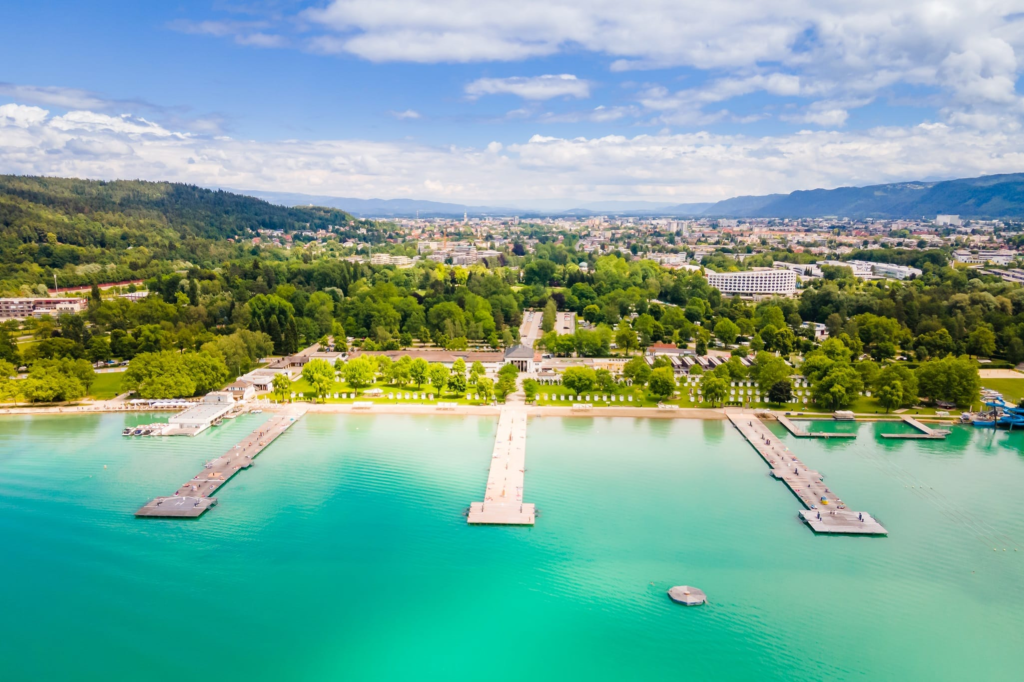
2. Wörthersee Ostbucht (East Bay)
The Turquoise Mediterranean Gateway of the Austrian Alps
Stretching along the absolute western boundary of the city limits, this sweeping lakeside basin transitions Klagenfurt seamlessly from an urban center into a premium, crystal-clear alpine resort paradise.
- What it is famous for: Its vibrant turquoise water and Europe’s largest non-coastal lido (Strandbad Klagenfurt). Because of natural underground springs and a sheltered geography, the lake waters heat up to a comfortable 28°C in the summer, shifting to a brilliant Caribbean-like turquoise shade. The East Bay features sweeping wooden sunbathing piers, active sailboat marinas, and sunset promenades framed by upscale villas.
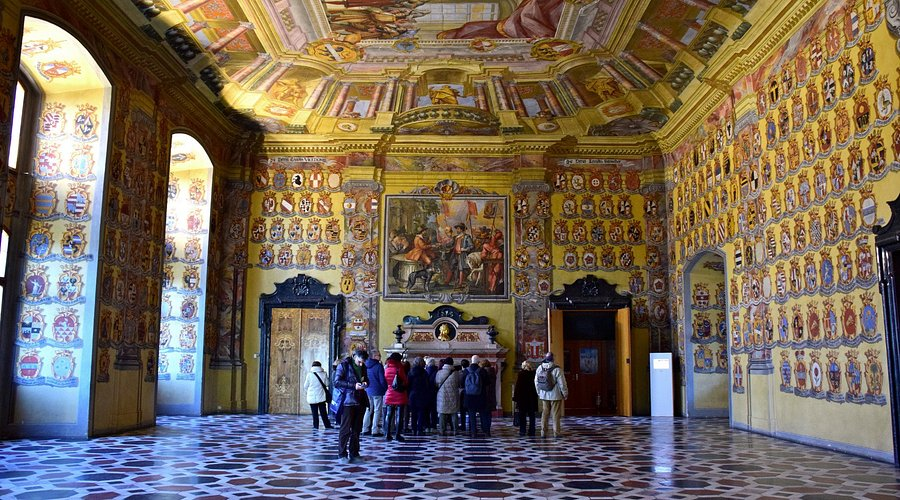
3. The Landhaus & Great Coat of Arms Hall (Großer Wappensaal)
The Renaissance Seat of Power and Heraldic Artistry
Positioned elegantly between the Alter Platz and Heiligengeistplatz, this majestic 16th-century palace was engineered by Italian master Domenico dell’Allio to serve as the political headquarters of the Carinthian estates.
- What it is famous for: Its three-story arcaded courtyard and 665 hand-painted coats of arms. The interior houses a grand hall completely blanketed in historic heraldic shields painted by Carinthian artist Josef Ferdinand Fromiller. The ceiling features a grand, illusionistic fresco depicting the Habsburg Emperor receiving the homage of the regional estates, while the external courtyard showcases rows of uniform Renaissance loggias.
4. Minimundus
The Whimsical Park of a Miniature Planet
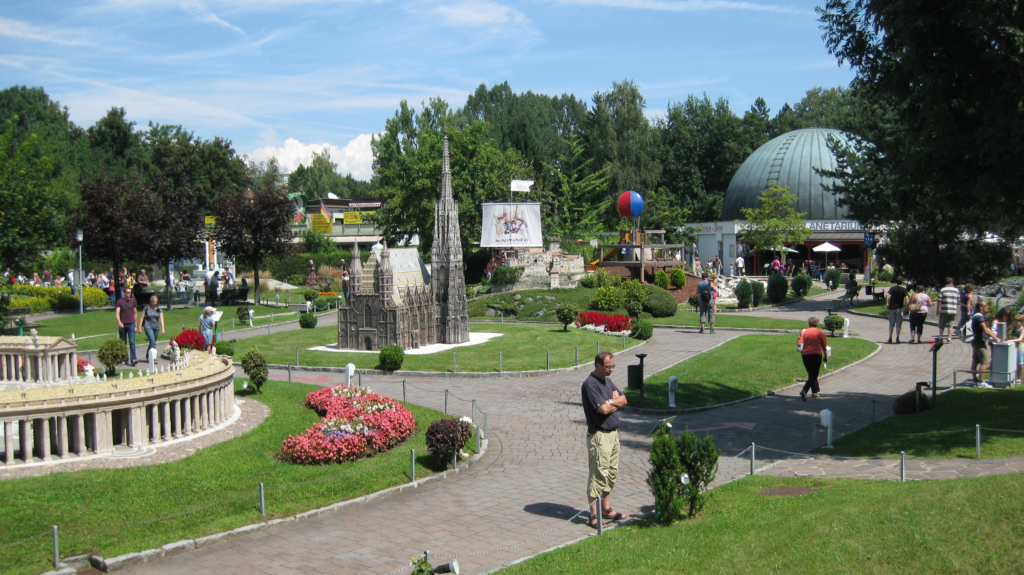
Located inside the expansive green corridors of the Europapark just a short distance back from the main lakefront piers, this unique, 26,000-square-meter park displays the architectural marvels of the world.
- What it is famous for: Its 159 incredibly precise, 1:25 scale models of famous international landmarks. Unlike typical amusement attractions, the models at Minimundus are crafted using the exact authentic materials—such as marble, sandstone, and volcanic tuff—as the real structures. Visitors can walk from a miniature Eiffel Tower to the Taj Mahal or St. Peter’s Basilica in a single afternoon, with fully operational model trains chugging across miniature valleys.
5. Alter Platz (Old Square)
The Vaulted, Pastel Pedestrian Runway of the Realm
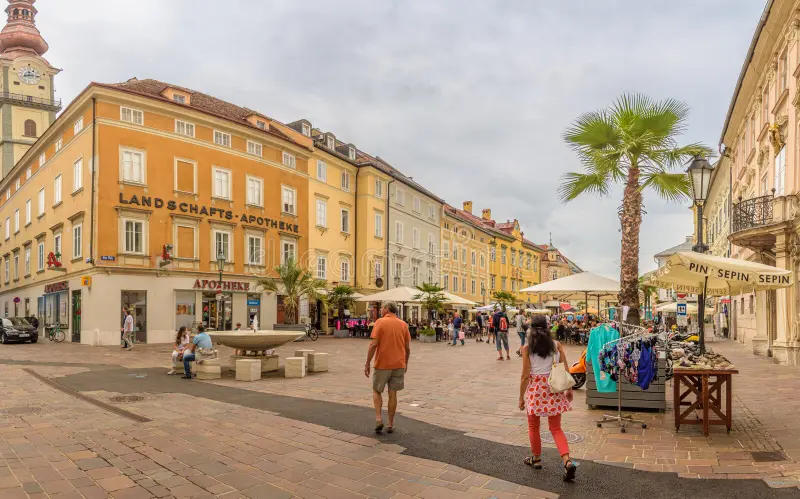
Dating back to the original layout of the city’s 13th-century resettlement, this long, gently tapering pedestrian avenue forms the historic and commercial baseline of Klagenfurt’s old town block network.
- What it is famous for: Its beautifully preserved Baroque facades and hidden Renaissance courtyards. Walking down the cobblestone avenue treats pedestrians to an open-air display of historic architecture, anchored by the Old Town Hall (Altes Rathaus) with its striking three-story columned courtyard. The street is heavily characterized by hidden, narrow passages that open up unexpectedly into romantic, plant-filled inner loggias packed with small boutiques and cafes.
6. Lake’s Canal (Lendkanal)
The Historic Water Highway of Imperial Provision
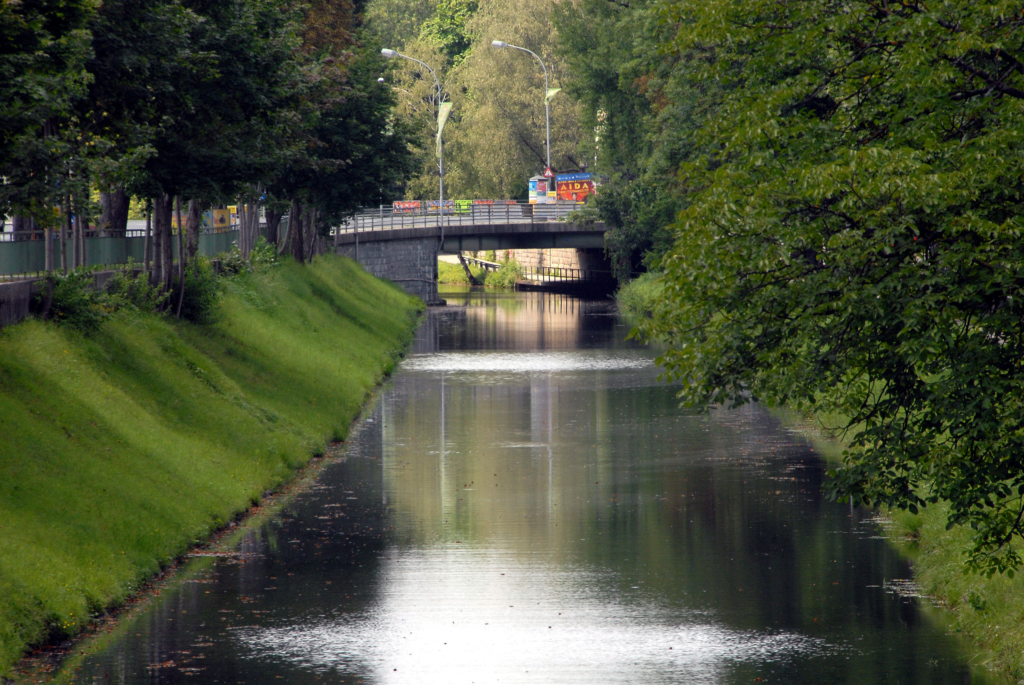
Stretching like a straight green arrow for exactly four kilometers from the historic city center all the way to the open basins of the Wörthersee, this historic artificial canal waterway was excavated in the mid-16th century.
- What it is famous for: Its historic stone bridges and its role as a scenic bicycle highway. The canal was originally dug to supply the city’s defensive moats with water and provide an easy transport highway for building stone, timber, and fresh lake fish. Today, the peaceful, shaded banks are bordered by pedestrian walking trails and paths, passing beneath landmarks like the Stone Bridge (Steinerne Brücke), the oldest completely preserved bridge structure in Carinthia.
7. St. Egid’s Church & The Fuchs Chapel
The Towering Gothic Sentinel of Surrealist Artistry
Rising high above the northern blocks of the historic center, this monumental Baroque parish church stands over the foundations of an ancient medieval structure that was repeatedly flattened by regional earthquakes.
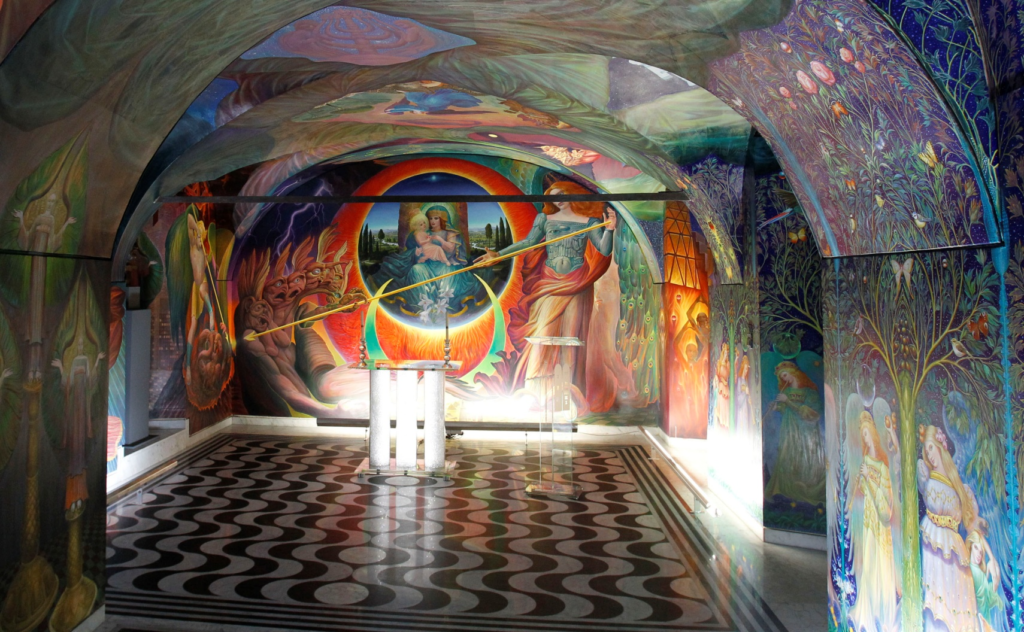
- What it is famous for: Its 90-meter-high panoramic viewing platform and the phantasmagorical Ernst Fuchs Chapel. Energetic travelers can climb the spire for an unobstructed look over the city tiles and the Karawanken mountain ridge. Crucially, the southern chapel was completely transformed over twenty years by the famous Austrian surrealist master Ernst Fuchs into an explosion of vivid, colorful Apocalyptic visions and biblical scenes painted in a detailed Old Master style.
8. Maria Loretto Castle & Peninsula
The Secluded Baroque Sanctuary of Lakeside Serenity
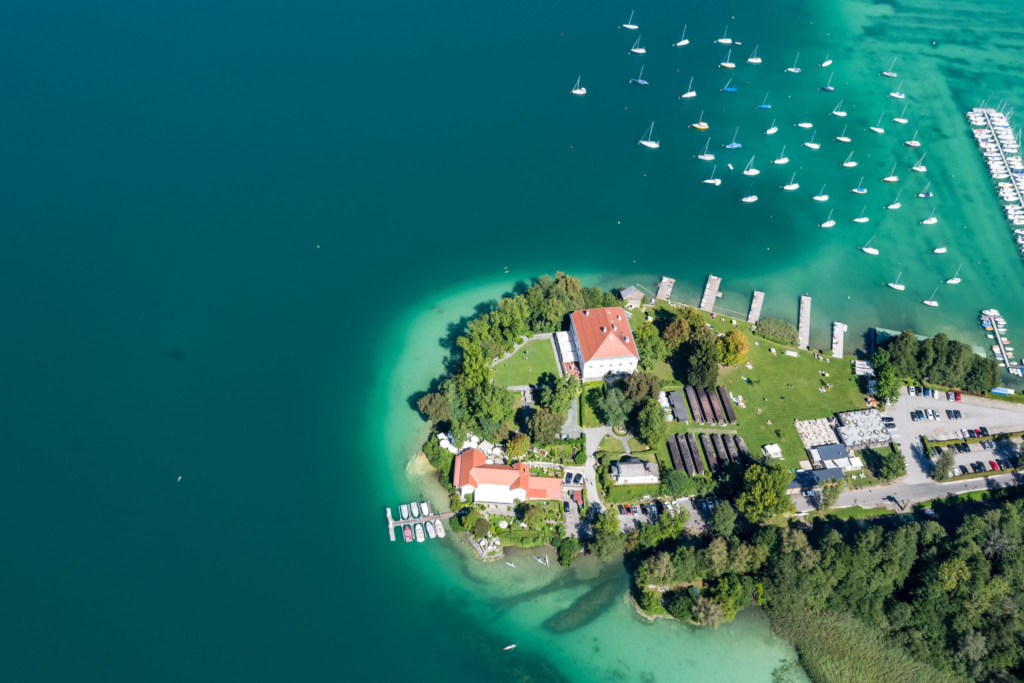
Perched out on the tip of a narrow, green peninsula jutting into the northern waters of the Wörthersee East Bay, this elegant 17th-century chateau was constructed by the regional count Johann Andreas von Rosenberg.
- What it is famous for: Its romantic island-like setting and its historic pilgrimage chapel. The palace was designed as a private summer retreat, flanked by formal gardens. Just steps from the main villa gates sits the historic Loretto Chapel, a sacred shrine holding a Black Madonna statue. Today, the carefully restored castle grounds feature a popular panoramic waterfront terrace where visitors can sip drinks while watching boats cruise across the bay.
9. Robert Musil Literature Museum
The Bourgeois Birthplace of Masterful Modernist Prose
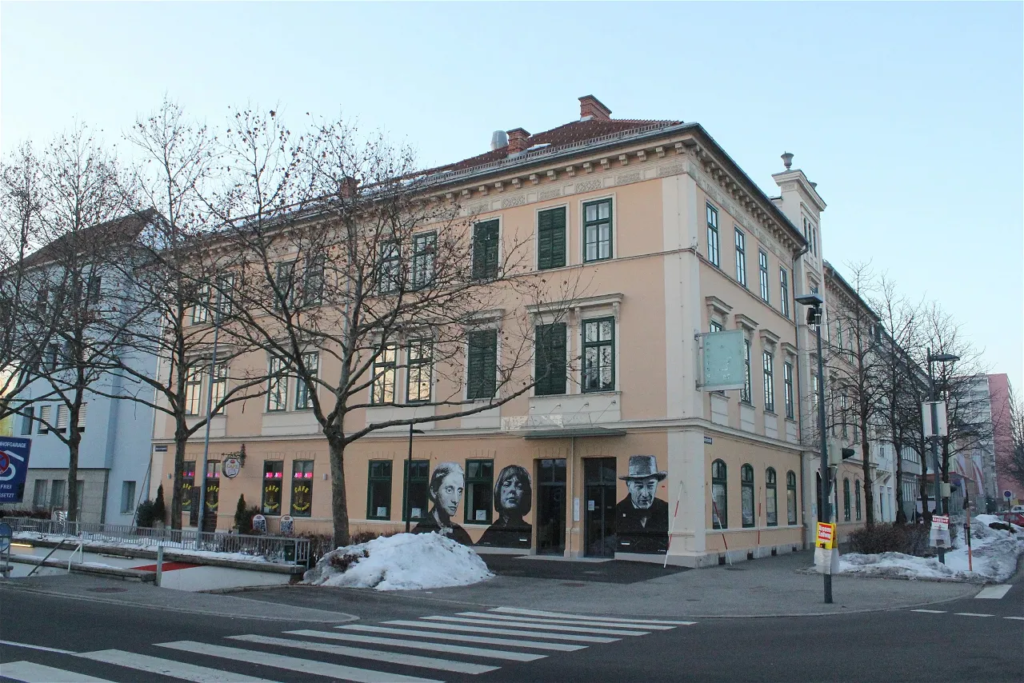
Located in a stately 19th-century residential apartment house along the southern ring boulevard of Bahnhofstraße, this historic museum space is the birthplace of Robert Musil, one of the most influential modernist writers of the 20th century.
- What it is famous for: Honoring the literary legacy of Robert Musil, Ingeborg Bachmann, and Peter Handke. Musil, the world-renowned author of the unfinished masterpiece The Man Without Qualities, was born here in 1880. The museum operates as a research center and gallery space, displaying rare first editions, original personal letters, and photographs that document the careers of Carinthia’s most brilliant literary figures.
10. Kreuzbergl & The Klagenfurt Observatory
The High Green Ridge of Woodland Trails and Cosmos
Rising directly behind the northern city streets, this lush, forest-covered hill serves as Klagenfurt’s primary natural parkland and open-air recreational retreat.
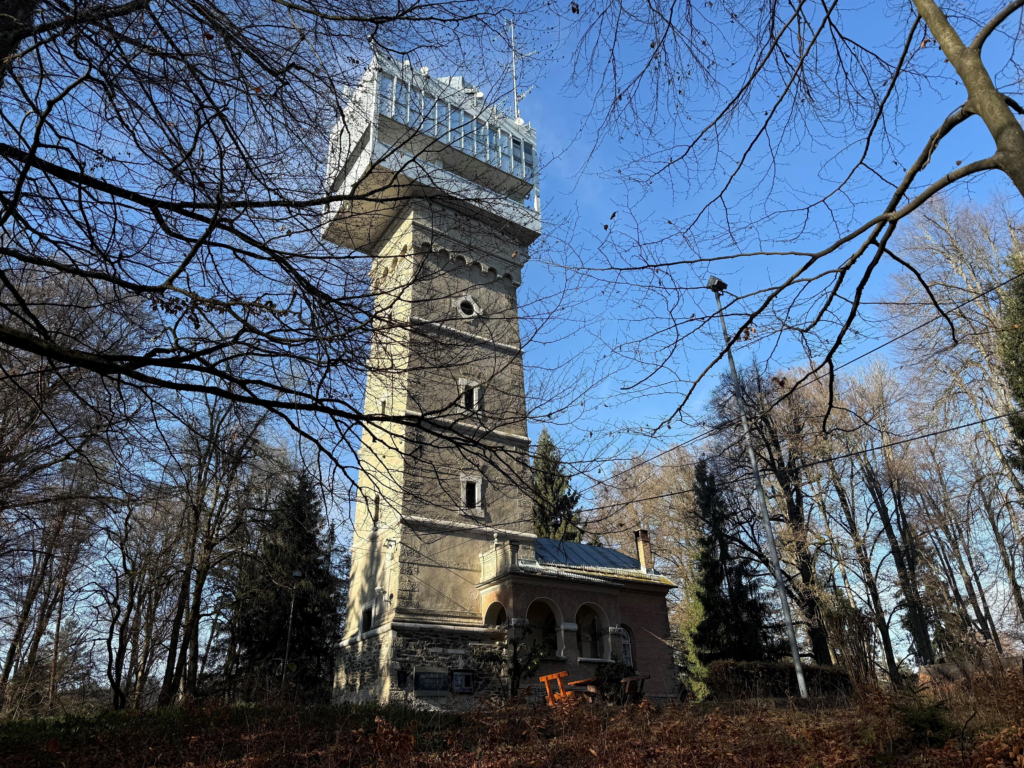
- What it is famous for: Its idyllic network of woodland lakes and the historic stone tower observatory. Walking the winding paths takes travelers past a sequence of three small quarry ponds (Kreuzberglteiche) and historic white pilgrimage chapels. At the absolute summit of the main ridge, an old 19th-century stone watchtower has been ingeniously transformed into a high-powered astronomical observatory, allowing visitors to look deep into the cosmos on clear nights.
11. Museum of Modern Art Carinthia (MMKK)
The Palatial Castle Gallery of Avant-Garde Expression
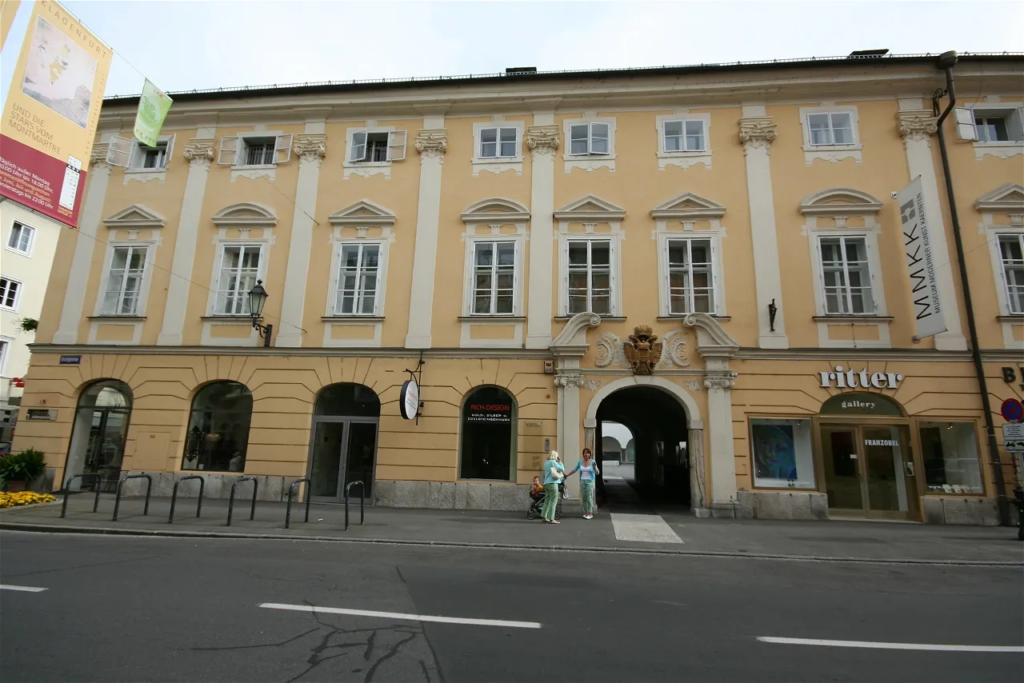
Housed inside the imposing, multi-winged structure of the Burg (the old provincial castle built by the counts in the late 16th century), this contemporary museum sits in the eastern sector of the old town.
- What it is famous for: Its striking contrast of historic palatial architecture and bold contemporary art collections. Spanning over 1,000 square meters of exhibition space, the museum showcases a formidable collection of works by regional and international 20th-century masters, including Maria Lassnig, Arnulf Rainer, and Hermann Nitsch. The museum’s inner courtyard features a modern glass pavilion and an outdoor sculpture park, serving as an intersection of historical stonemasonry and experimental design.