

Bregenz, anchoring the far western tip of Austria where the country pinches into a narrow strip between Germany and Switzerland, is a city operating on a spectacular layout of lakeside beauty and high-art innovation.
Built over the foundations of an ancient Celtic settlement and later a heavily fortified Roman military port, Bregenz sits precisely where the dramatic, forested foothills of the Alps plunge directly into the vast, ocean-like expanse of Lake Constance (the Bodensee).
What truly sets the Vorarlberg capital apart is its uncanny ability to balance two completely different physical characters.
Down at the water’s edge, it is a sleek, ultra-modern cultural gateway home to world-renowned contemporary architecture and avant-garde art labs.
Famous for its monumental open-air opera designs, breezy lakefront promenades, and deep alpine hiking trails.
1. The Bregenz Lake Stage (Seebühne)
The Monumental Open-Air Amphitheater of Architectural Opera
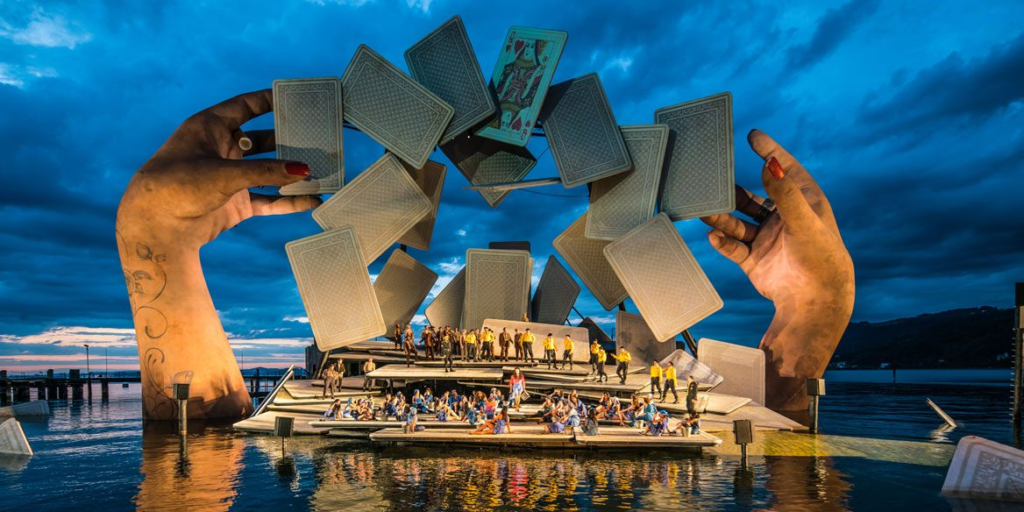
Anchored floating directly over the waters of Lake Constance, this colossal open-air theater stage is the ultimate, globally recognized symbol of Bregenz’s cultural prowess.
- What it is famous for: Its mind-bending, massive theatrical set designs and its central role in the Bregenz Festival (Bregenzer Festspiele). Every two years, international set designers construct a completely new, multi-story sculptural masterpiece directly in the water—ranging from giant floating hands to massive mechanical pop-up books. It serves as the dramatic stage for world-class operas under the stars, where the natural sunset over the lake forms a cinematic backdrop for 7,000 spectators.
2. Mount Pfänder & The Pfänderbahn
The High Alpine Balcony of Three Sovereign Realms
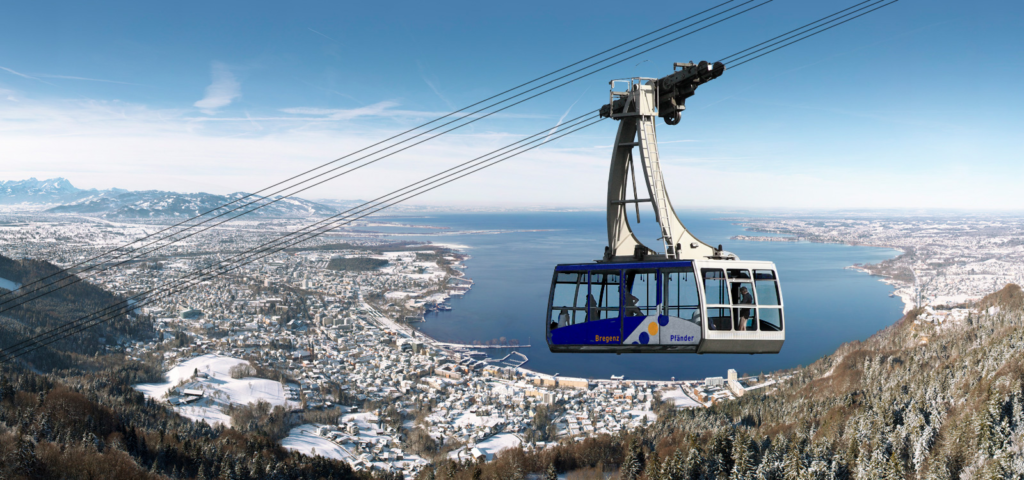
Rising sharply directly behind the city streets to an altitude of 1,064 meters, Mount Pfänder is the premier panoramic lookout point of the entire Lake Constance region.
- What it is famous for: Its legendary “Three-Country View” and the ultra-smooth cable car line. Within a mere 6 minutes, the large glass cabins of the Pfänderbahn whisk passengers from the urban streets to the alpine summit. On clear days, the peak treats visitors to a breathtaking, unobstructed look at 240 distinct alpine summits, stretching across Austria, Germany, and Switzerland, alongside a birds-eye perspective of the entire lake basin.
3. St. Martin’s Tower (Martinsturm)
The Wooden Onion Crown of the Upper Citadel
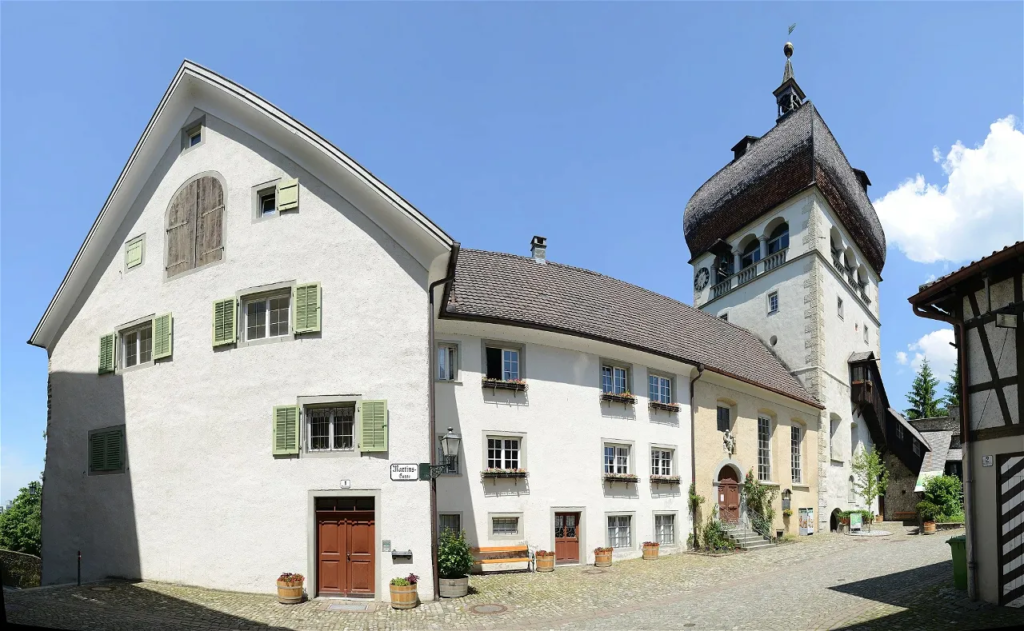
Crowning the quiet, elevated historic center of the old town, this massive, square medieval watchtower, built over 13th-century foundations, holds a unique place in European architectural history.
- What it is famous for: Holding the largest historic wooden onion dome in Central Europe. Originally built as a fortified grain storehouse, it was transformed in 1601 with the addition of its striking, bulbous wooden roof structure. Today, the tower houses a fascinating museum dedicated to local history and offers a spectacular view through its arched upper loggias out over the red-tiled rooftops of the lower city.
4. Kunsthaus Bregenz (KUB)
The Translucent Glass Cube of Contemporary Masterpieces
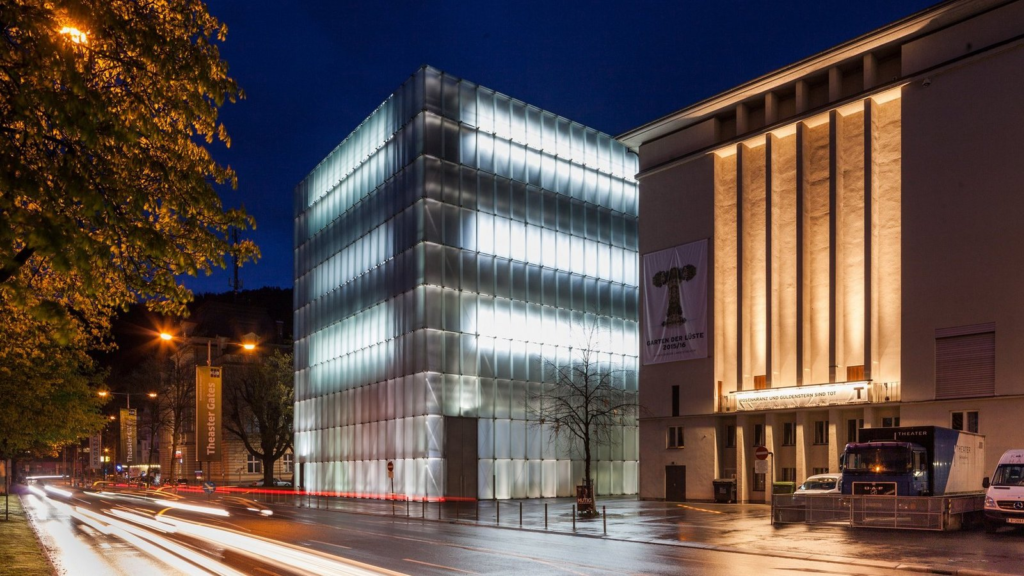
Standing boldly in the lower city center near the waterfront, this world-renowned museum of contemporary art was designed by legendary Swiss architect Peter Zumthor and opened in 1997.
- What it is famous for: Its revolutionary, minimalist glass-and-concrete design. The building is structured as a translucent cube made of 4,300 semi-transparent etched glass panels that catch and diffuse the shifting alpine light of the lake. Inside, there are no interior walls or decorative details—just raw, exposed concrete spaces illuminated entirely by natural daylight filtering through the ceilings, creating a cathedral-like sanctuary for cutting-edge international art exhibitions.
5. The Oberstadt (Upper Old Town)
The Peaceful Medieval Sanctuary of Cobblestone Lanes
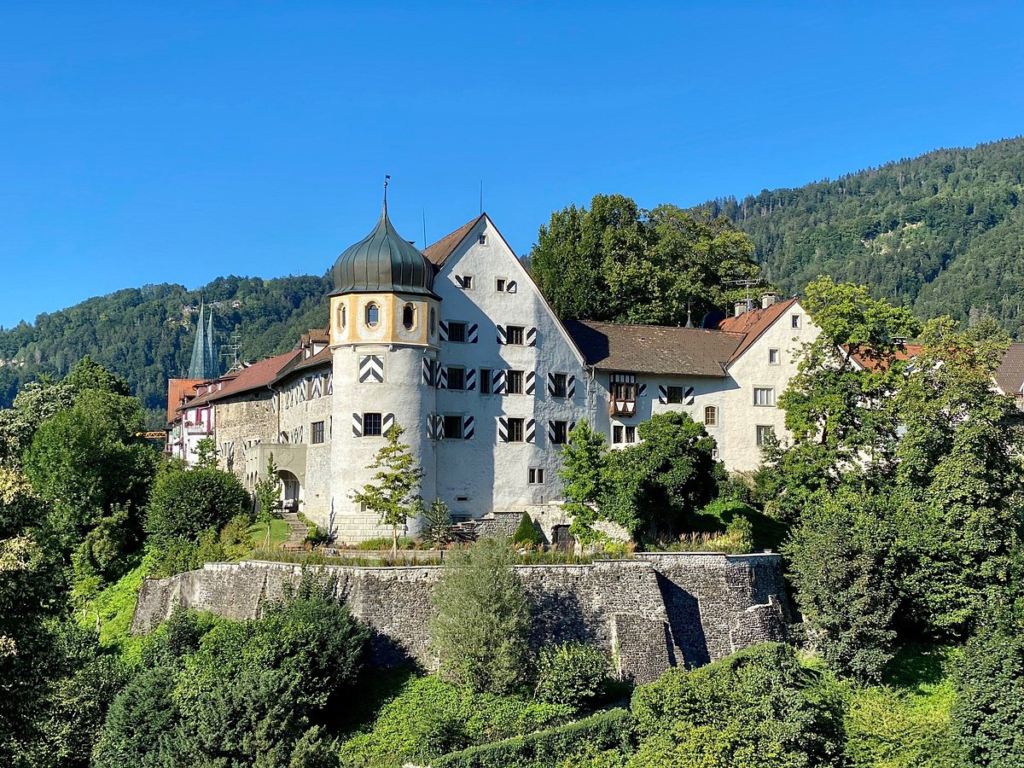
Dating back to the 13th century under the rule of the Counts of Montfort, this small, heavily fortified historic neighborhood sits perched on a high plateau overlooking the modern commercial center.
- What it is famous for: Its impeccably preserved medieval townhouses and quiet, ancient atmosphere. Entering through the heavy stone archway of the Gießen Gate, visitors step into a car-free time capsule of cobblestone lanes, lined with beautiful half-timbered houses and historic administrative buildings like the Old Town Hall (Altes Rathaus), a striking structure painted in a classic deep red-and-white chevron pattern.
6. Lake Constance Promenade (Seepromenade)
The Romantic Sun-Drenched Runway of Lakeside Sunsets
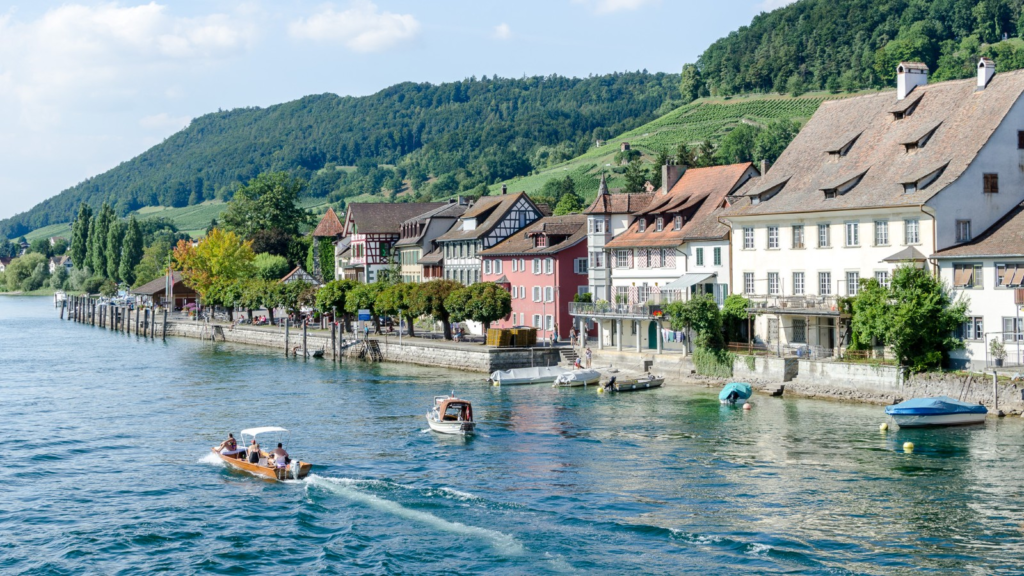
Stretching for several kilometers along the edge of the pristine waters, this meticulously landscaped pedestrian and bicycle boulevard links the main harbor to the festival grounds.
- What it is famous for: Its shaded chestnut alleys and world-class, unobstructed sunset vistas. Because Bregenz sits on the southeastern tip of the lake, walking the promenade at dusk treats pedestrians to the longest, most spectacular over-water sunsets in the region. The waterfront is packed with grassy sunbathing lawns, small marinas, and the iconic Sunset Steps—a wide stone grandstand where locals gather every evening to watch the sun sink below the water horizon.
7. vorarlberg museum
The Textured Concrete Portal of Regional Memory
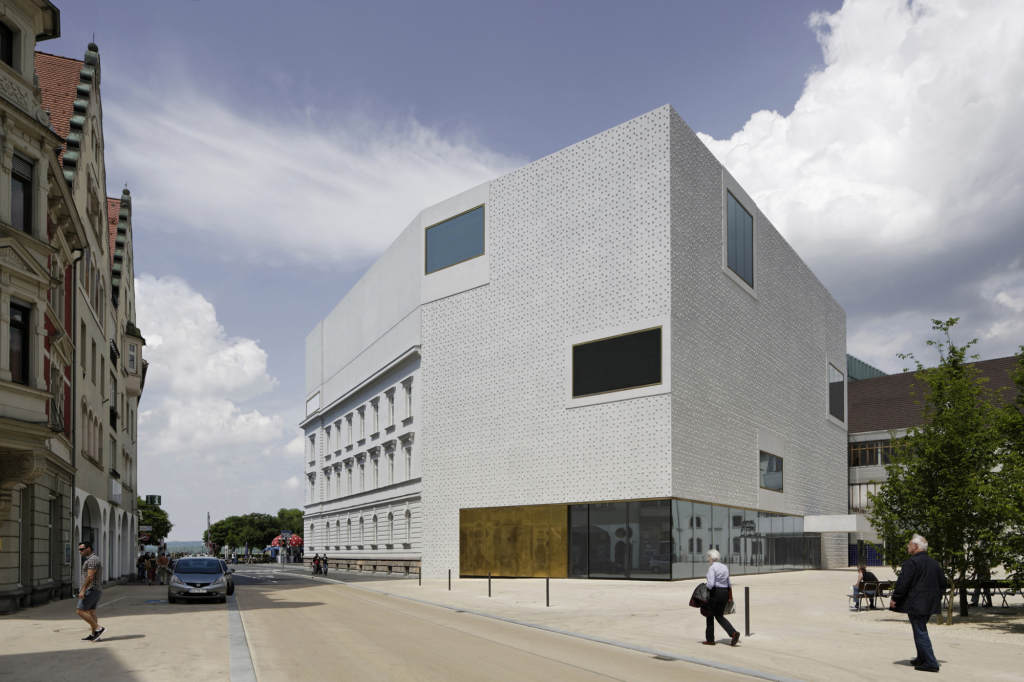
Positioned prominently on the central Kornmarktplatz right next to the Kunsthaus, this striking regional museum underwent a spectacular, award-winning modern expansion completed in 2013.
- What it is famous for: Its unique facade textured with 16,000 concrete flower shapes and its monumental panoramic window. Architects designed the external concrete skin using casts made from the bottoms of ordinary plastic beverage bottles, creating a texturized geometric pattern. The top floor houses a massive, seamless glass window that perfectly frames a living, moving landscape painting of the harbor and the lake below.
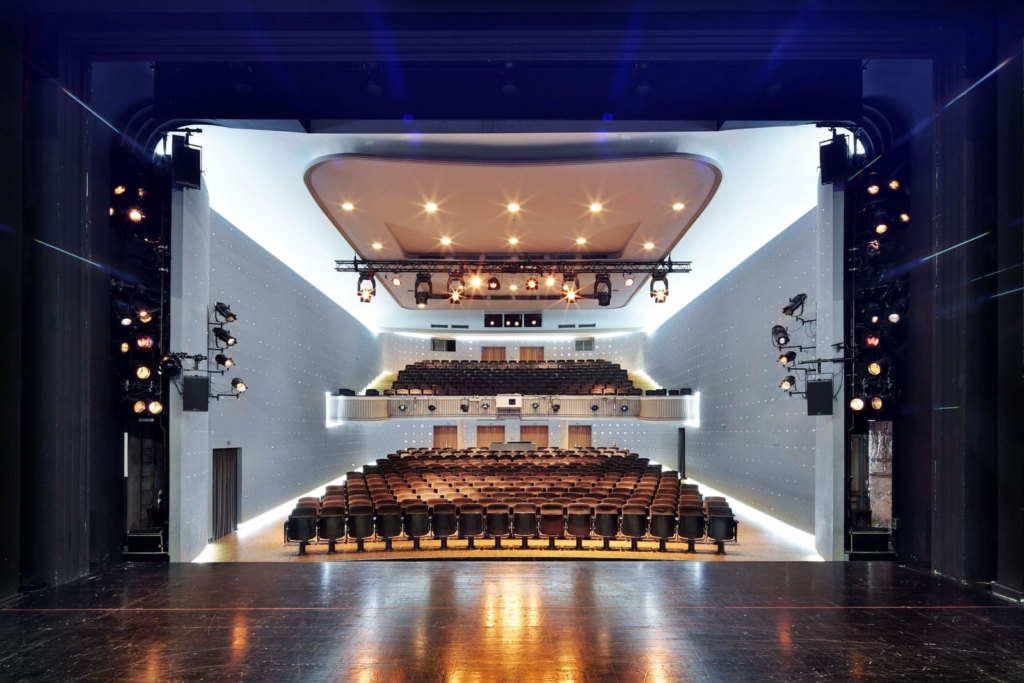
8. Vorarlberg State Theater (Vorarlberger Landestheater)
The Historicist Cultural Jewel of the Market Square
Also occupying a prime position on the historic Kornmarktplatz, this elegant theater house has been the premier stage for spoken-word drama, classical plays, and comedies in the province since the early 19th century.
- What it is famous for: Its beautifully restored historicist facade and its intimate interior acoustics. Originally built as a granary before being converted into a theater, the venue features a grand, symmetrical entrance designed to reflect urban European sophistication. It operates as a year-round creative engine, hosting elite theatrical productions, youth theater workshops, and experimental studio plays that keep the city’s artistic pulse racing outside the summer festival months.
9. Mehrerau Abbey (Territoriale Abtei Wettingen-Mehrerau)
The Monastic Lakeside Stronghold of Cistercian Heritage
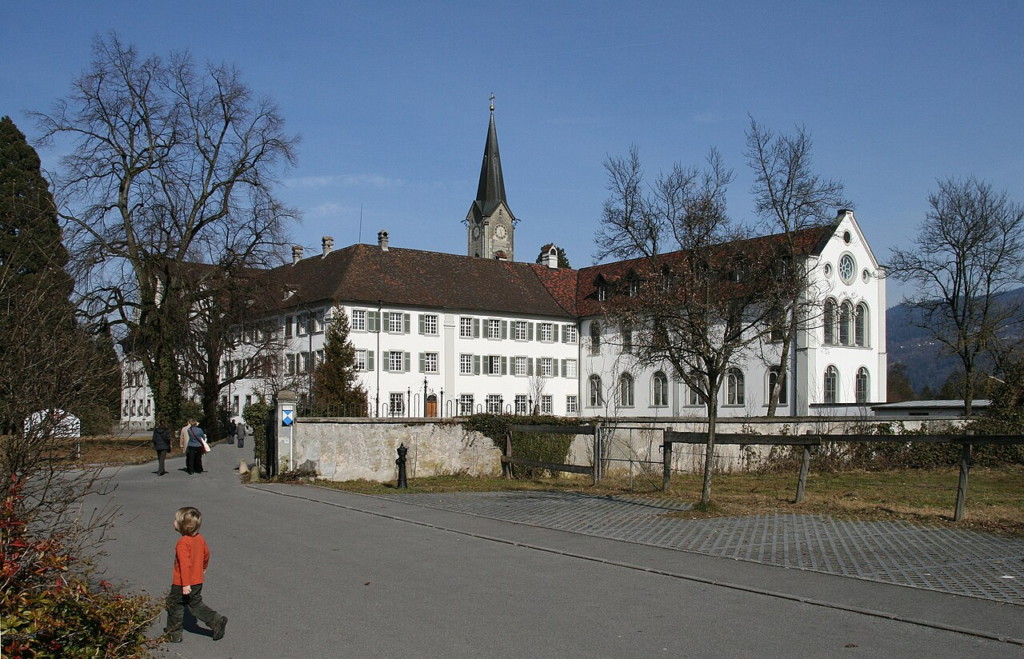
Located on the quiet western outskirts of the city where the Bregenzerach river empties into the lake, this vast Benedictine, and later Cistercian, monastery complex was originally founded way back in 1097.
- What it is famous for: Being a unique territorial abbey operating directly under the authority of the Pope. Having survived systematic closures during the Napoleonic era, the abbey stands today as a magnificent complex of Baroque and Romanesque-revival buildings. It is celebrated for its historic library archives, its peaceful inner courtyards, and its traditional monastic agricultural estates, which produce high-quality regional cheeses and local wines.
10. The Molo (Bregenz Harbor Pier)
The Historic Stone Arm of Lake Navigation Traditions
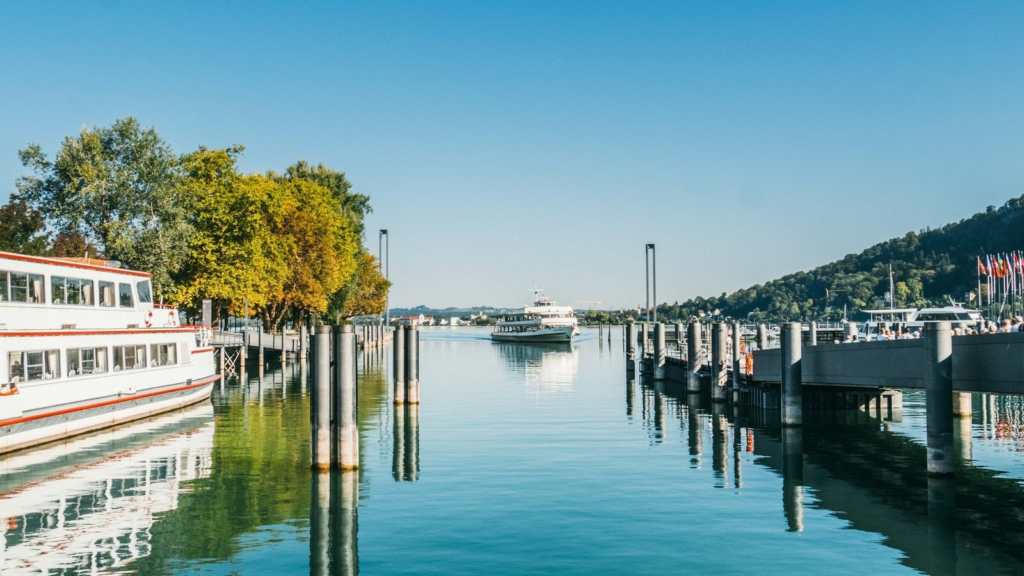
Jutting boldly out into the waters from the main harbor plaza, this historic stone pier and jetty system has functioned as the primary docking terminal for international lake shipping since the mid-19th century.
- What it is famous for: Its landmark lighthouse and being the home port of the historic white lake fleet. Walking out to the tip of the pier places travelers directly into the elements, surrounded by squawking gulls and yacht rigging. It is the primary departure point for the famous Weisse Flotte (White Fleet) cruise ships that connect Austria to Friedrichshafen, Lindau, and Konstanz across the open waters.
11. Herz-Jesu Church (Sacred Heart Church)
The Brick Gothic Sentinel of the Low Valley
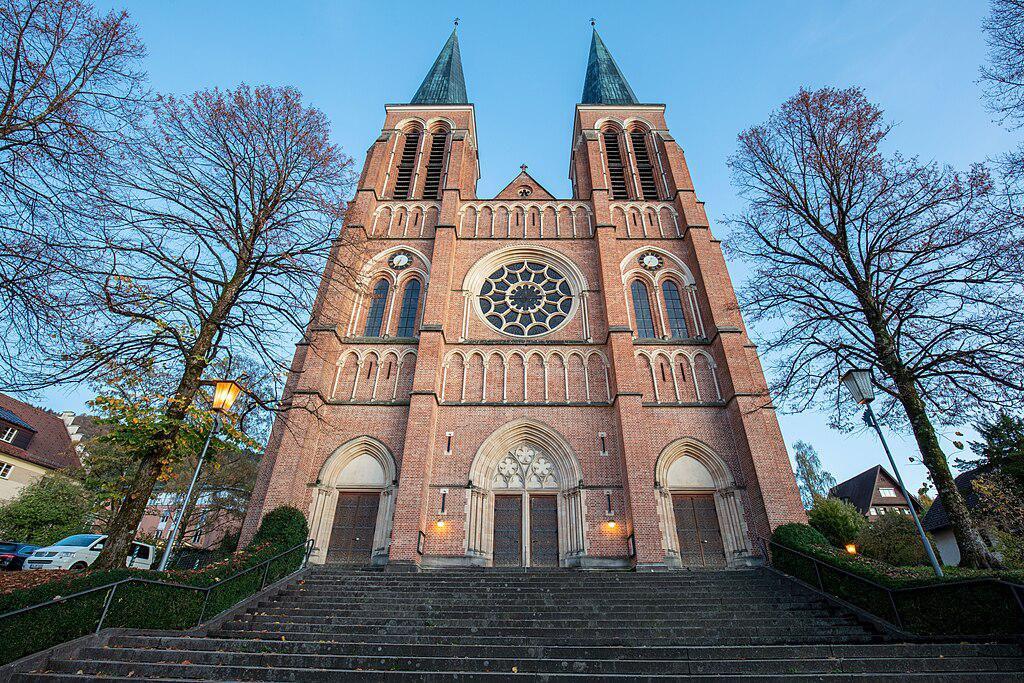
Nestled at the base of the mountain slopes in the lower city blocks, this monumental brick-and-stone parish church was constructed between 1905 and 1908 in a dramatic Neo-Gothic style.
- What it is famous for: Its striking twin-towered facade and its towering, light-filled interior nave. Designed by architect Joseph Cades, the church features two slender, symmetrical spires that climb 62 meters into the air, acting as a structural anchor for the lower city skyline. Inside, the church holds a magnificent sequence of stained-glass windows and a massive, powerful pipe organ that fills the vaulted stone rafters with rich acoustic resonance during regional recitals.