
Cordoba (Córdoba), sleepily flanking the wide sweeps of the Guadalquivir River in northern Andalusia, is a city of unmatched historical prestige.
During the 10th century, it was the largest, most enlightened metropolis in Europe a radiant capital of science, philosophy, and wealth where the Umayyad Caliphate ruled a sophisticated, multicultural society.
Today, Cordoba holds an astonishing global distinction: it is the first city in the world to possess four separate UNESCO World Heritage site listings.
Beyond its monumental stone bridges and colossal arches, Cordoba’s soul is remarkably intimate.
Here are the top 11 famous places to visit in Cordoba and why they are legendary.
1. The Mosque-Cathedral of Cordoba (Mezquita-Catedral)
The Forest of Infinite Candy-Cane Arches
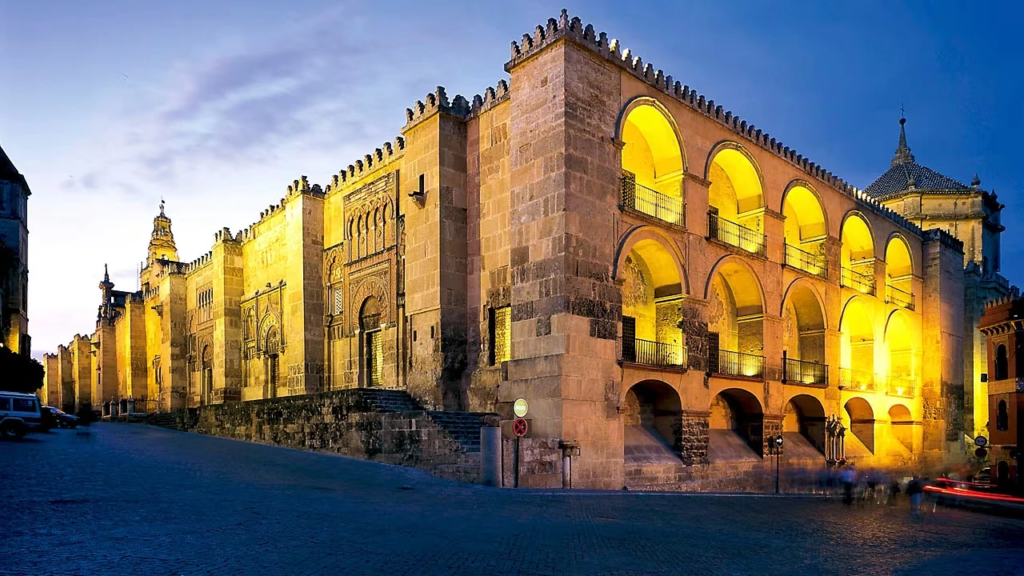
Dominating the heart of the historic center, this monumental structure is one of the world’s greatest architectural wonders. Originally built as a grand mosque starting in 785 AD, a massive Christian cathedral nave was constructed right in its center during the 16th century following the Reconquista.
- What it is famous for: Its breathtaking hypostyle hall featuring 856 columns of jasper, onyx, and marble. These pillars support a mesmerizing network of double-tiered, red-and-white striped horseshoe arches that mimic a forest of stone palm trees. Equally legendary is the Mihrab (prayer niche), a golden sanctuary decorated with Byzantine glass mosaics that represents the absolute pinacle of Islamic art.
2. Alcázar de los Reyes Cristianos
The Walled Palace of Terraced Waters and Royal Triumphs
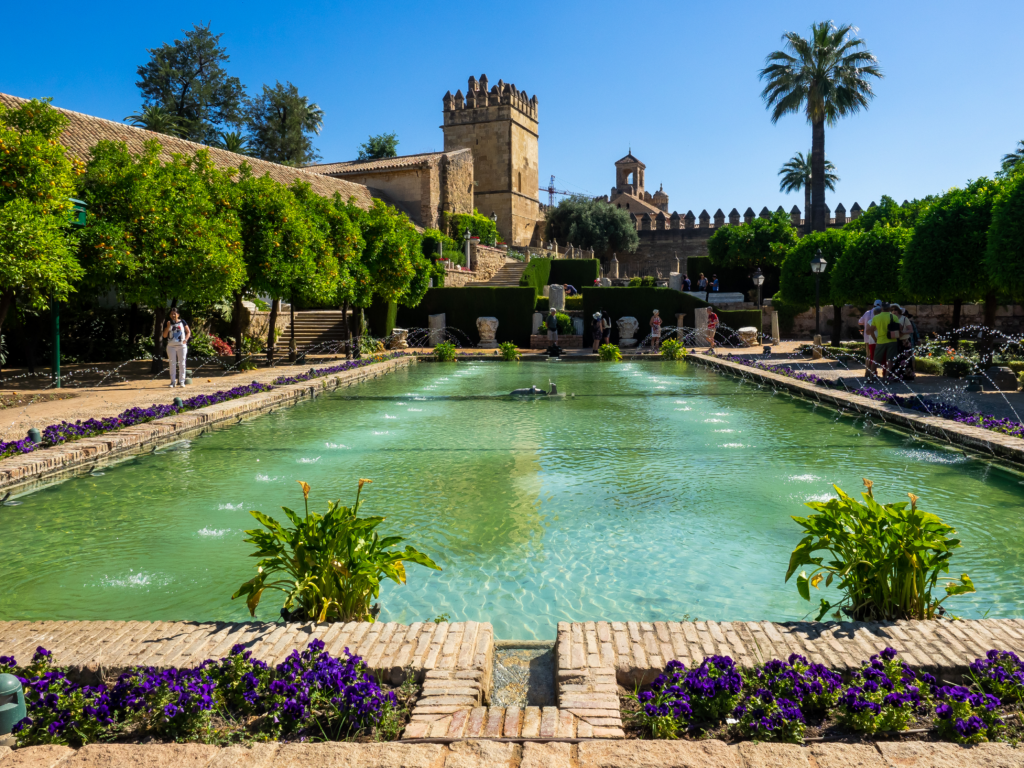
Located just steps downriver from the Mosque-Cathedral, this heavy, 14th-century fortress-palace served as a primary residence for the Catholic Monarchs, Isabella and Ferdinand, during their decadelong campaign to reclaim Granada.
- What it is famous for: Its spectacular mudéjar terraced gardens and deep historical milestones. It was within these stone walls that Christopher Columbus first pitched his legendary transatlantic voyage to the royal court. Visitors can climb the stone towers for a view of the river before walking through expansive pools, manicured cypresses, and aromatic citrus trees that are lit beautifully at sunset.
3. The Roman Bridge & Calahorra Tower
The Golden Gateway of the Guadalquivir
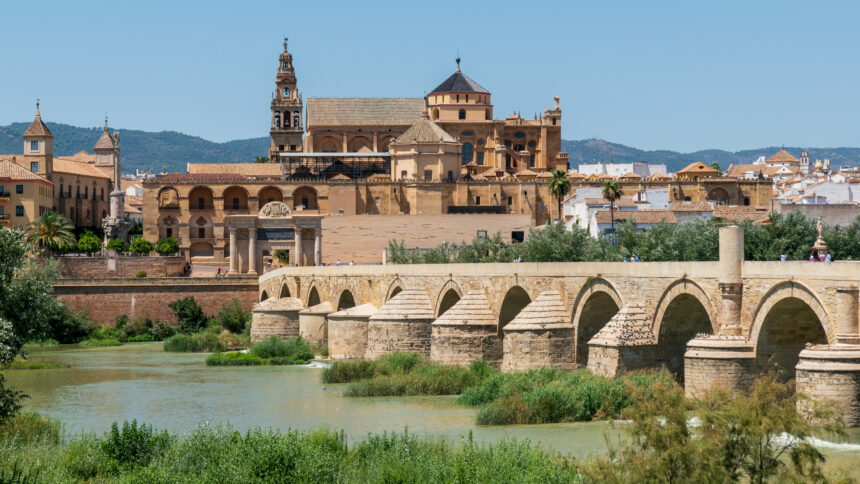
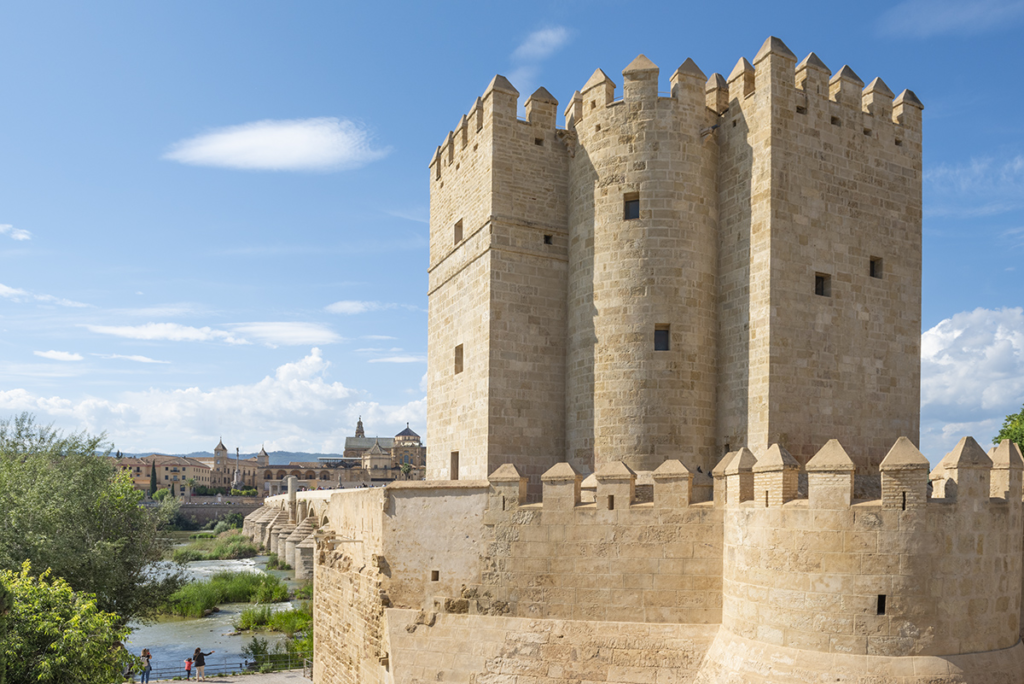
Spanning the wide Guadalquivir River since the 1st century BC, this monumental 16-arch stone bridge was originally built by the Romans but was extensively restored during the Islamic era to connect the southern trade roads to the city gates.
- What it is famous for: Its dramatic silhouette and defensive military architecture. At the far southern end of the bridge sits the Calahorra Tower, a fortified medieval gatehouse built by the Moors to defend the entry. Walking across the smooth stone pathway at dusk offers a legendary panoramic view of the illuminated city skyline mirroring perfectly in the river waters.
4. The Jewish Quarter (La Judería)
The Whitewashed Labyrinth of Flower-Filled Patios
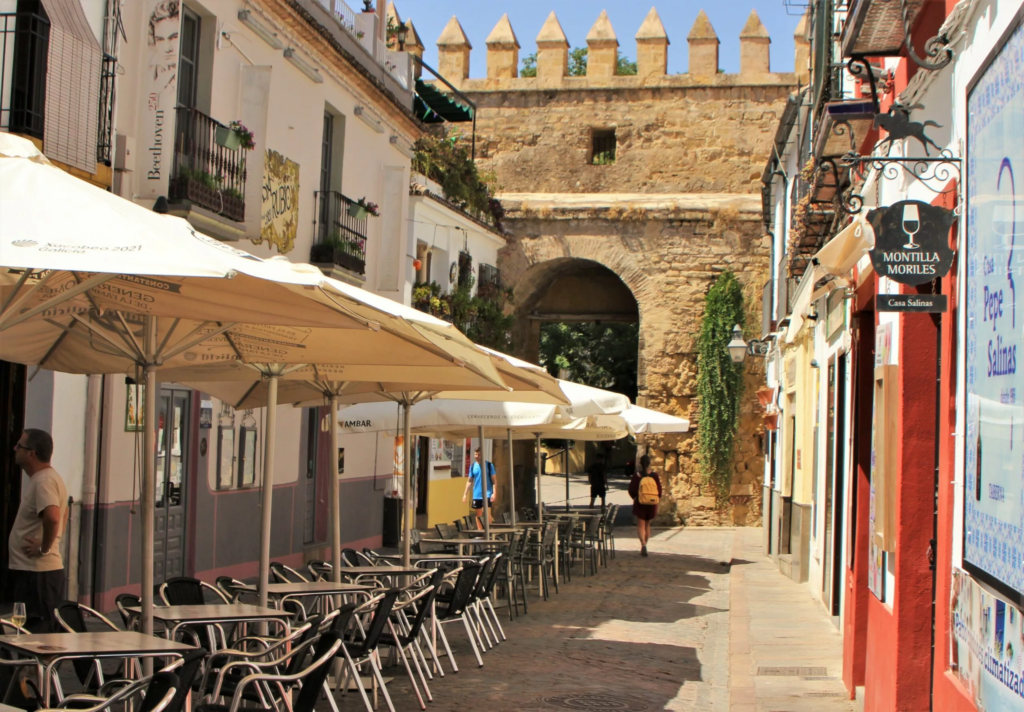
Spreading naturally north and west from the walls of the Mosque-Cathedral, the Judería is a charming, historic neighborhood of tightly packed, winding cobblestone streets where Cordoba’s medieval Jewish community lived and worked.
- What it is famous for: Its picturesque alleys, hidden artisans, and the iconic Calleja de las Flores. This narrow, dead-end street is lined with whitewashed houses draped completely in hundreds of blue flowerpots bursting with pink blossoms. It frames a postcard-perfect view of the Mosque-Cathedral’s bell tower rising high above the narrow stone gap.
5. Palacio de Viana
The Grand Aristocratic Museum of Twelve Patios
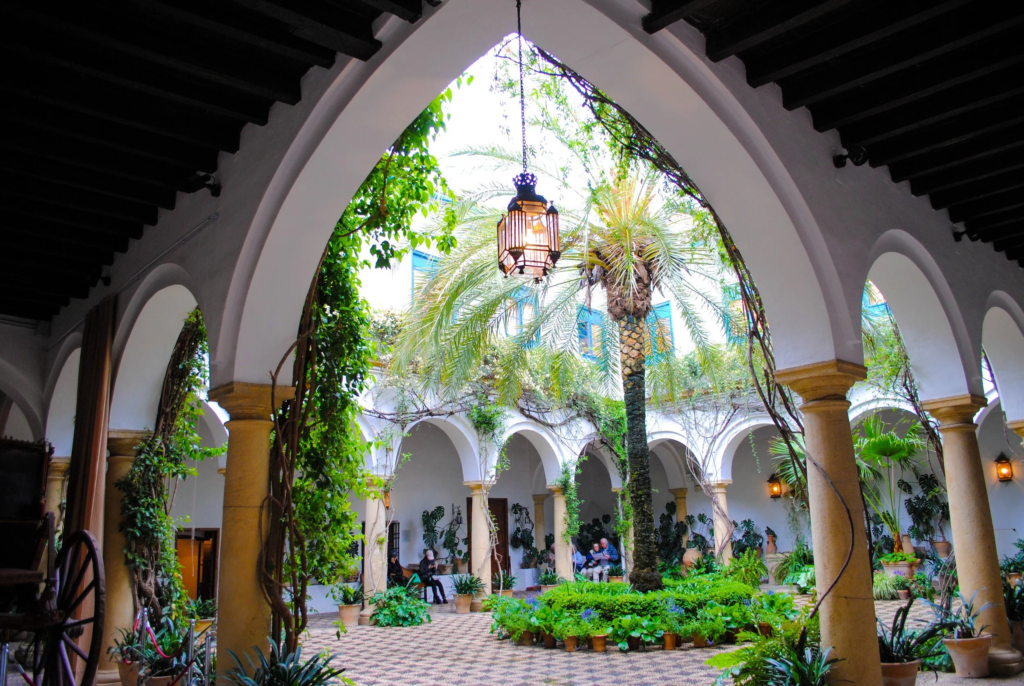
Located in the northern district of the old town, this sprawling, 14th-century palace complex has been built up over five centuries, serving as a magnificent, aristocratic family manor house until the late 20th century.
- What it is famous for: Being the absolute capital of Cordoba’s patio culture. The palace features 12 individual, breathtaking courtyards and a massive formal garden, each courtyard displaying a different architectural style and floral arrangement. From the orange trees of the Patio de los Gatos to the elegant columned arcades of the Patio de la Madama, it is an open-air sanctuary of Andalusian courtyard design.
6. Medina Azahara (Madinat al-Zahra)
The Lost Shining Palace-City of the Caliph
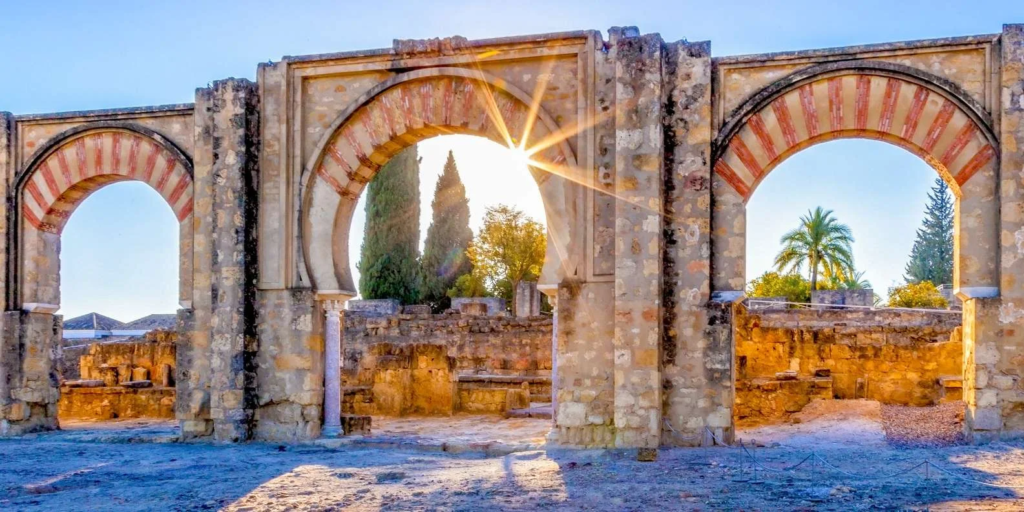
Located eight kilometers west of the city center at the base of the Sierra Morena mountains, this massive, 10th-century fortified palace-city was built by Caliph Abd-ar-Rahman III as the supreme administrative capital of Al-Andalus.
- What it is famous for: Being Spain’s largest archaeological site, known as the “Versailles of the Middle Ages”. Built to project power and wealth, it stood for a mere 70 years before being completely plundered and destroyed during a civil war. Rediscovered in 1911 and named a UNESCO World Heritage site, visitors can now wander the excavated marble terraces, royal reception halls, and grand stone archways.
7. Plaza de la Corredera
The Grand Castilian Amphitheater of the South
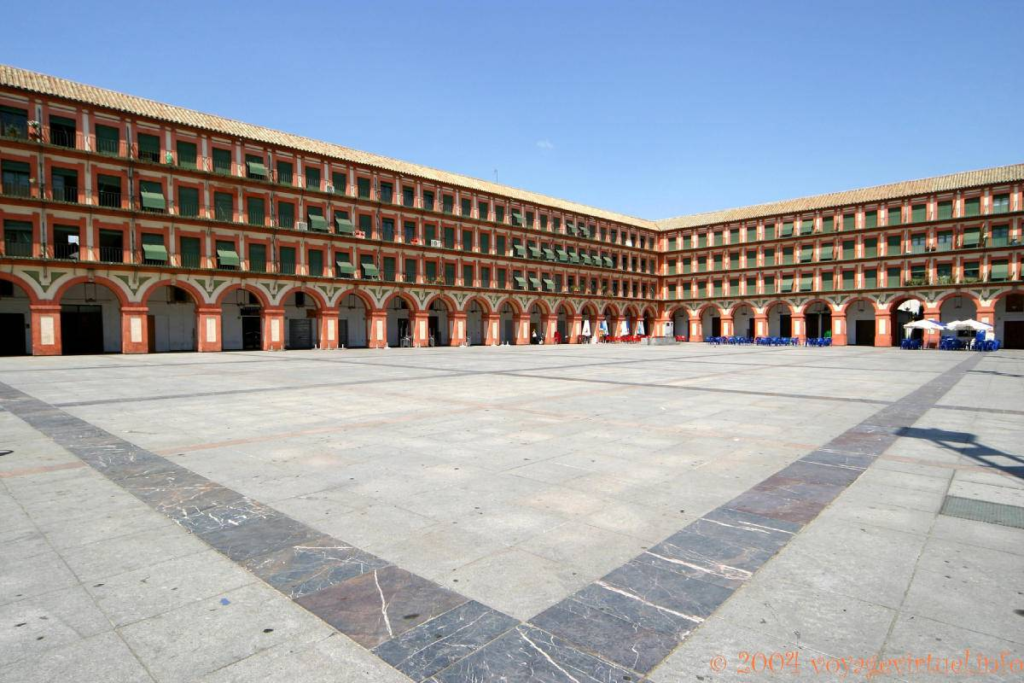
This massive, rectangular public square is completely unique to Andalusia, built in the late 17th century in a unified, grand architectural style that closely mirrors the grand Plazas Mayores of Madrid and Salamanca.
- What it is famous for: Its striking, columned arcades and high-energy social atmosphere. Historically used as a bullring, a marketplace, and a site for public executions during the Inquisition, the plaza is today wrapped in beautiful, red-and-ochre three-story buildings. It functions as the ultimate outdoor living room, lined with lively terraces where locals gather to share plates of fried fish and local Montilla-Moriles wines.
8. The Synagogue of Cordoba
The Intimate Mudéjar Treasure of the Judería
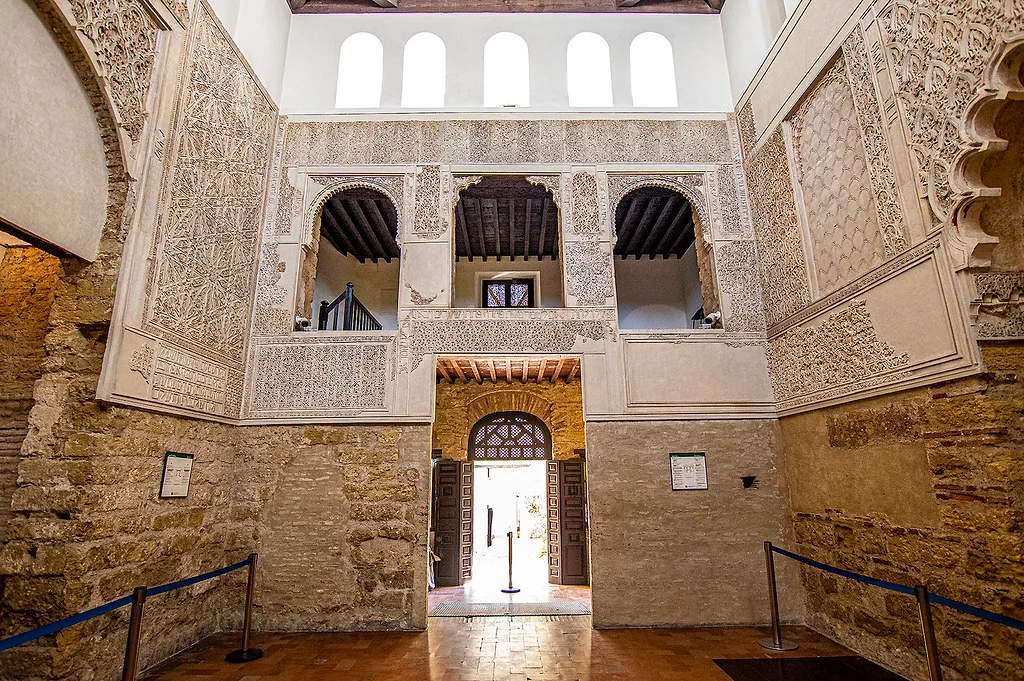
Tucked away in the narrow stone corridors of the Jewish Quarter, this remarkably small building was constructed in 1315 by architect Isaac Moheb, standing today as one of the very few surviving authentic medieval synagogues in Spain.
- What it is famous for: Its extraordinarily delicate plasterwork reliefs. The single, square prayer hall features high stone walls covered in complex Hebrew inscriptions, geometric Moorish patterns, and delicate interlaced plant motifs. Following the expulsion of the Jewish community in 1492, the building was used as a hospital and a shoemakers’ guild hall, which successfully preserved its fragile interior art from destruction.
9. Plaza del Potro & Julio Romero de Torres Museum
The Renaissance Courtyard of Travelers and Painters
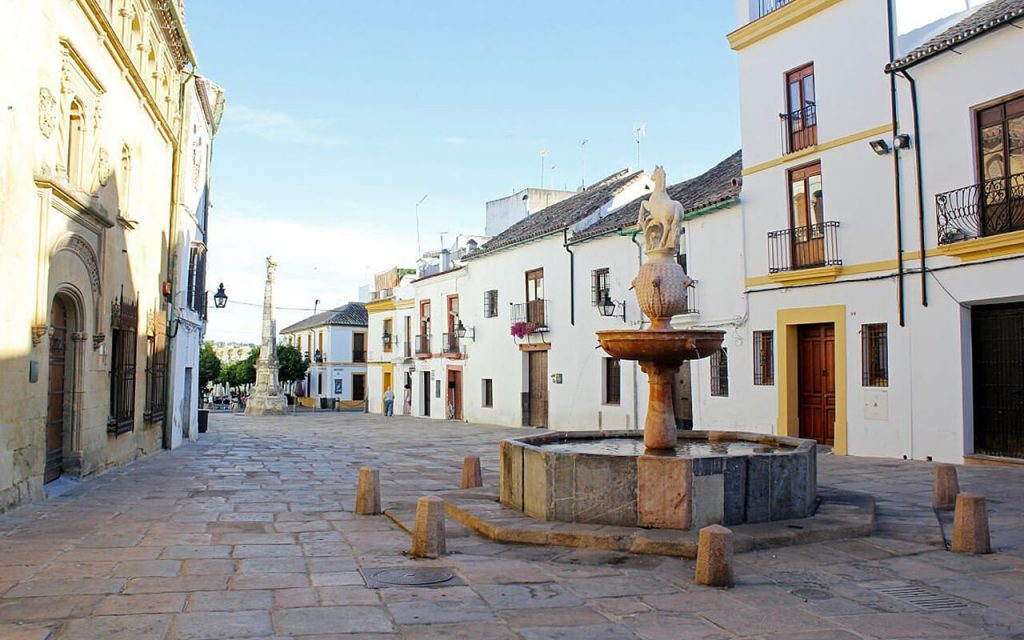
This long, narrow historic plaza gets its name from the 16th-century stone fountain topped by a young horse (potro) that anchors the center of the cobblestone square.
- What it is famous for: Its connection to Miguel de Cervantes and Cordoba’s artistic identity. The plaza houses the Posada del Potro, a preserved medieval inn mentioned explicitly in Don Quixote. Sharing the same historic stone courtyard is the Julio Romero de Torres Museum, celebrating Cordoba’s most famous portrait painter who captured the dark-eyed beauty, melancholia, and flamenco spirit of local Andalusian women.
10. The Royal Stables of Cordoba (Caballerizas Reales)
The Historic Cradle of the Andalusian Thoroughbred
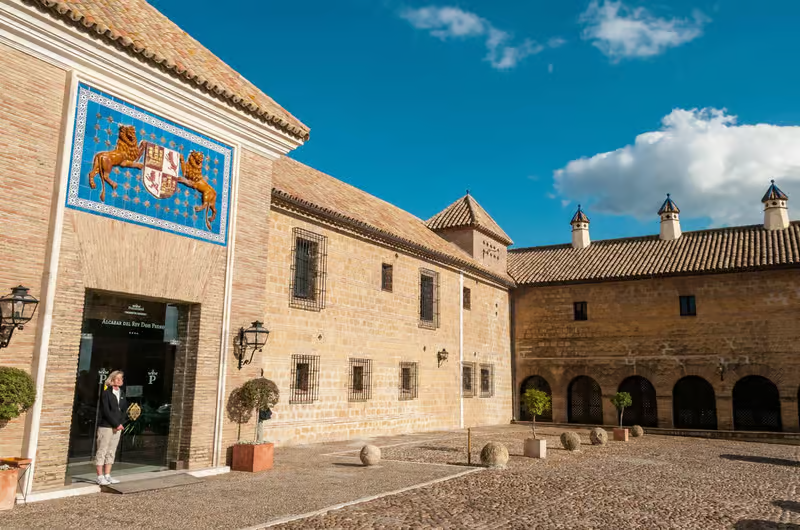
Founded in 1570 by King Philip II on a plot of land belonging to the adjacent Alcázar fortress, this grand equestrian complex was built specifically to breed a pure, noble warhorse for the Spanish crown.
- What it is famous for: Creating the world-famous Andalusian horse (Pure Spanish Breed). The stables feature a spectacular, vaulted main gallery with cross-arched stone pillars supporting stalls where these majestic horses are groomed. Today, the historic venue hosts spectacular, choreographed evening performances combining equestrian artistry, dressage, and passionate flamenco dance.
11. San Lorenzo Church (Iglesia de San Lorenzo)
The Rose Window Sentinel of Christian Victory
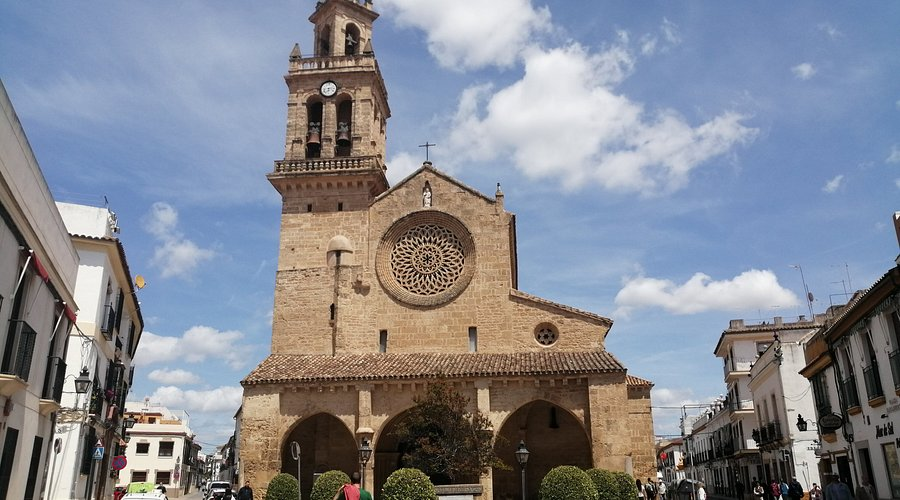
Located in one of Cordoba’s traditional, quiet neighborhoods, this beautiful structure is one of the Fernandine Churches—a group of temples built by King Ferdinand III immediately following his conquest of the city in 1236.
- What it is famous for: Its monumental, Gothic-Mudéjar rose window and minaret bell tower. Built directly over a former mosque, the church features a beautiful portico entrance topped by an enormous, intricately carved stone wheel window that mimics Islamic geometric designs. Its heavy square bell tower was built around the original Moorish minaret, representing the literal layering of faiths that defines Cordoba’s history.