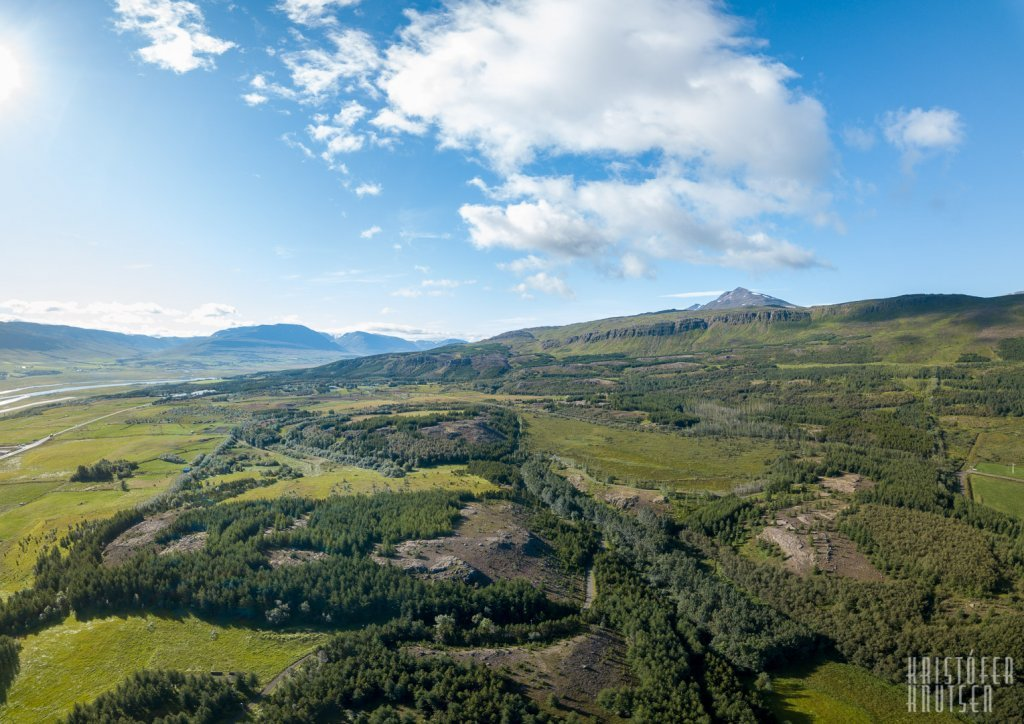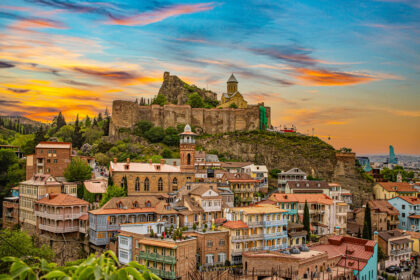

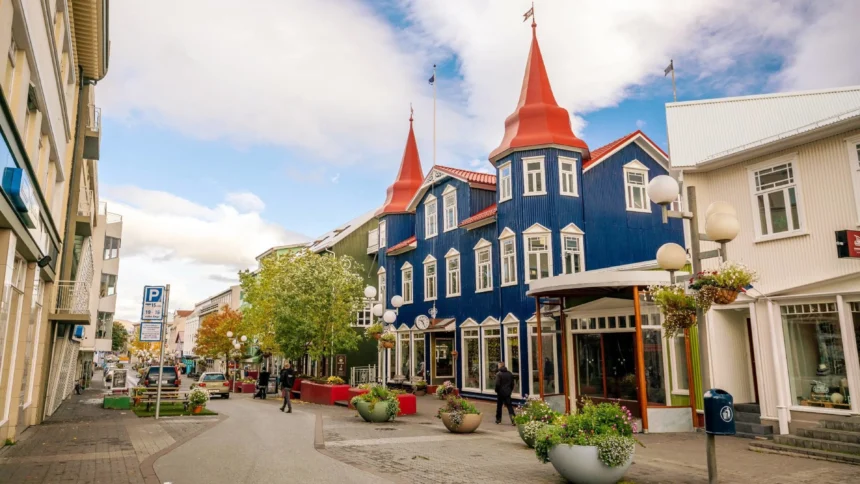
Akureyri, anchoring the absolute northern volcanic frontier of Iceland tucked deeply into the sheltered base of the colossal, snow-capped Eyjafjörður the country’s longest fjord operates on a spectacular, multi-tiered urban layout just 50 kilometers south of the Arctic Circle.
Shielded beautifully by towering alpine peaks that create a unique, surprisingly mild local microclimate, this vibrant settlement evolved over the generations from a tiny 17th-century Danish trading post into the ultimate cultural, academic, and economic powerhouse of the Icelandic North.
Permanently titled The Capital of the North, it runs on an intensely independent, highly creative civic energy that rivals the nation’s southern hub.
Today, Akureyri presents a striking urban matrix where multi-colored historic timber houses sit gracefully along deep-water harbors, backed by rolling hillsides and sleek modernist monuments.
The city effortlessly pairs its deep maritime pedigree with a booming university lifestyle and a world-class culinary scene.
Famous for its velvety, soft-serve ice cream trails, slow-simmered arctic char, heart-shaped red traffic lights born from a message of economic resilience, and a relaxed, park-centric mountain lifestyle.
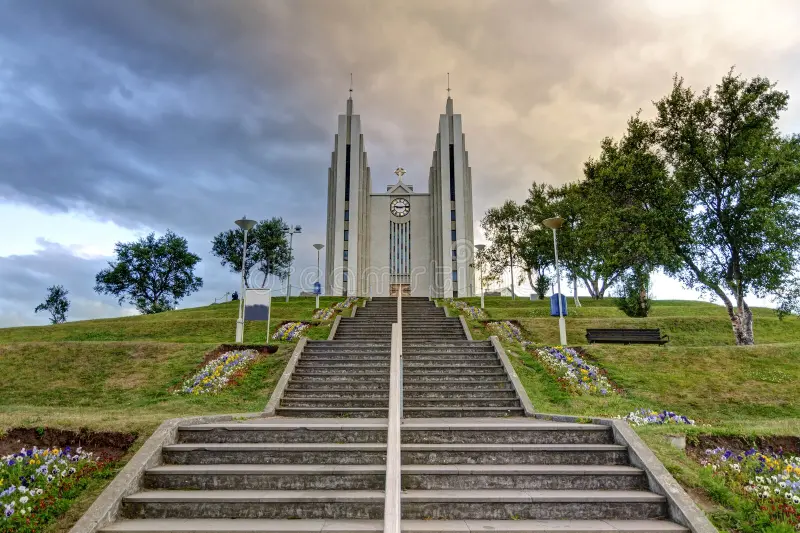
1. Akureyrarkirkja (The Church of Akureyri)
The Monumental Concrete Sovereign of Stepped Basalt Towers and Illumination Horizons
Dominating the absolute physical and visual crest of a grand central hill looking directly down over the old harbor district, this striking expressionist church stands proud as the definitive architectural icon of the city.
- What it is famous for: Being designed by legendary state architect Guðjón Samúelsson to reflect the country’s natural volcanic landscape, featuring a massive 3,200-pipe mechanical organ. Completed in 1940, its towering concrete towers flank a grand flight of over one hundred stone steps that locals regularly climb for fitness and community gatherings. The minimalist interior houses a beautifully preserved, floating model ship suspended from the ceiling to protect local fishermen and rare, historic stained-glass windows originating from the bombed Coventry Cathedral in England.
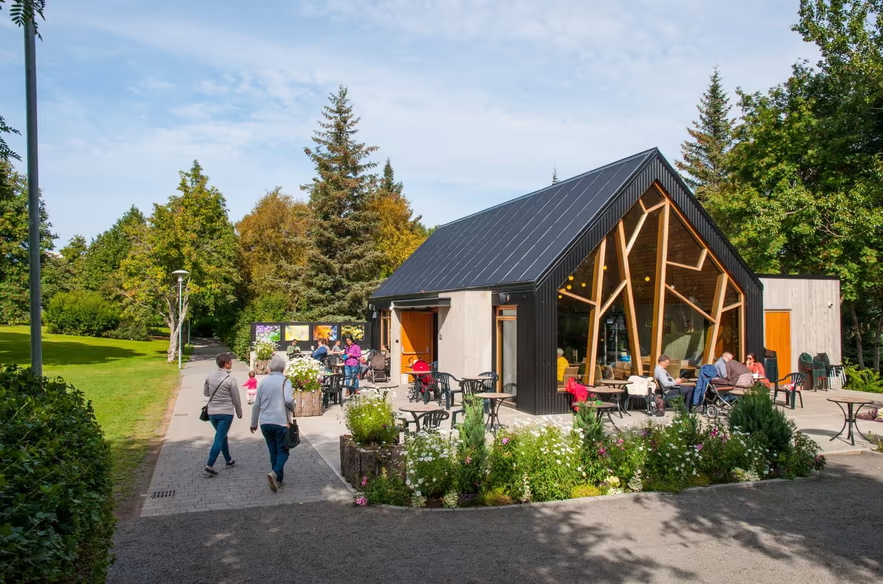
2. Akureyri Botanical Garden (Lystigarðurinn)
The Lush Subarctic Matrix of Prehistoric Blue Poppies and Glacial Flora Trails
Perched elegantly on the high western ridges of the city slopes just a short walk south of the old quarter, this pristine, 3.6-hectare public park is a true environmental miracle.
- What it is famous for: Being one of the northernmost botanical gardens in the entire world, successfully cultivation thousands of exotic plant species just miles from the Arctic Circle. Opened natively in 1912 by local working-class women, the garden thrives due to the unique, sheltered microclimate of the fjord valley. Visitors can stroll along winding paths to view rare Himalayan blue poppies, arctic orchids, and dense conifer groves, making it a peaceful sanctuary that demonstrates the unexpected fertility of subarctic soils.
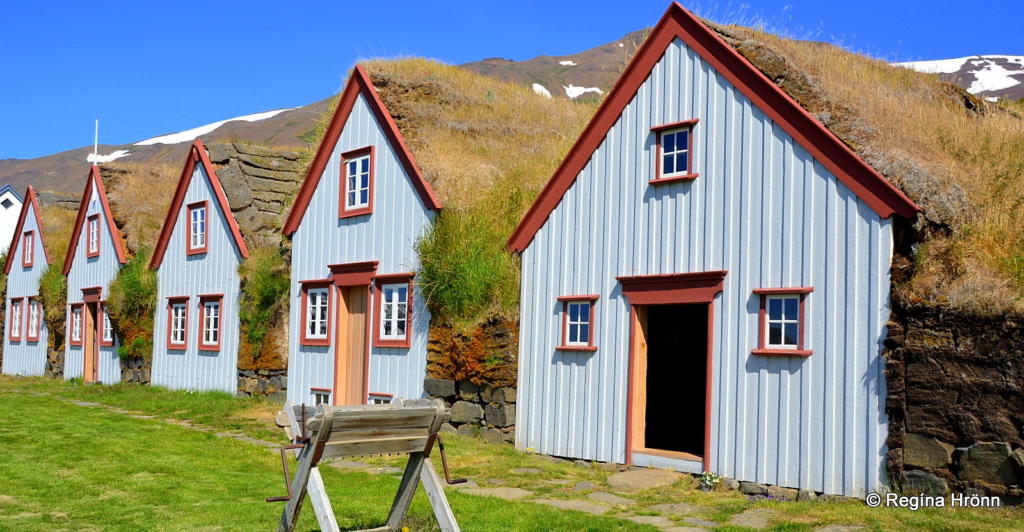
3. Laufás Turf House Museum
The Historic Grass-Topped Cradle of Labyrinths, Timber Gables, and Ancient Farming Vaults
Situated within a sweeping, scenic coastal valley basin located a short, panoramic 25-kilometer drive running northeast of the city center, this historic estate tracks the raw survival of early Icelanders.
- What it is famous for: Being a monumental, fully preserved 19th-century turf-walled manor farmstead that houses a rich collection of traditional agricultural and domestic tools. Representing the classic architectural style of old Icelandic manor estates, the interconnected rooms are built from thick stone and sod insulation topped by vibrant green grass roofs. Visitors can step through low timber doorways to explore authentic bridal rooms, blacksmith workshops, and ancient kitchens that detail how a massive farming community lived and worked centuries ago.
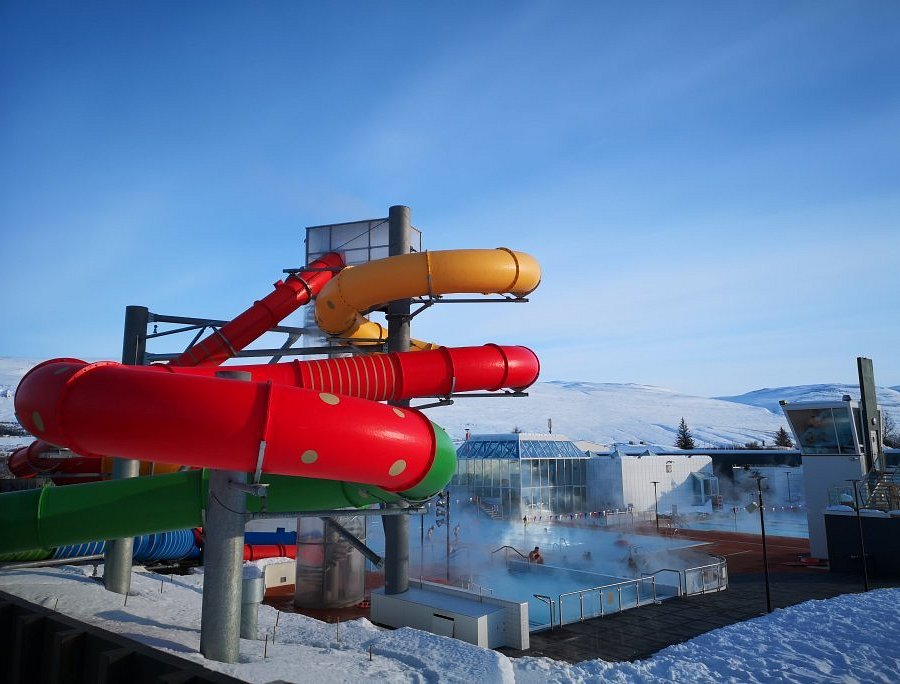
4. Akureyri Thermal Pool (Sundlaug Akureyrar)
The Futuristic Water Matrix of Healing Geothermal Springs and Multi-Tiered Splash Tiers
Sited dynamically within a bustling public leisure block right in the heart of the central district, this world-class pool complex represents the pinnacle of Icelandic social and bathing culture.
- What it is famous for: Being voted one of the finest, most comprehensive geothermal swimming facilities in Iceland, featuring natural hot tubs packed with healing minerals. Fed by clean, underground hot water springs bubbling up at various regulated temperatures up to 43°C, the facility functions as the prime community living room of Akureyri. The complex pairs its therapeutic, sulfur-rich relaxation basins with massive outdoor waterslides, steam rooms, and modern splash areas that stay packed with locals year-round, even during heavy winter snowstorms.
5. Hlíðarfjall Ski Resort
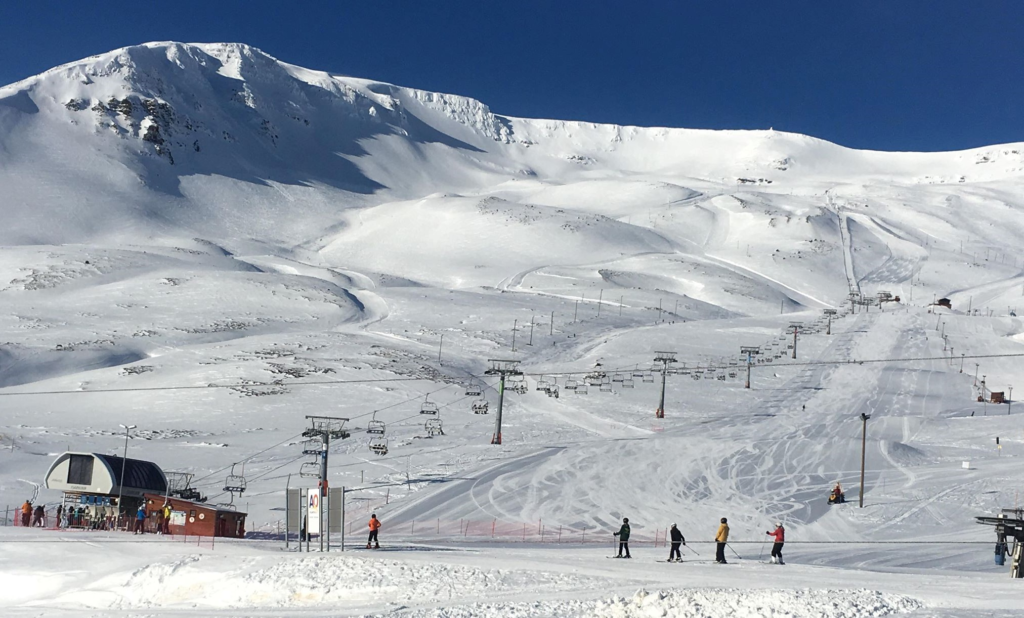
The Colossal Panoramic Needle of Subarctic Alpine Slopes and Fjord-View Ski Runs
Commanding a majestic, windswept alpine mountain ridge rising abruptly just 5 kilometers directly west of the city limits, this high-altitude resort is a paradise for winter sports.
- What it is famous for: Being the premier alpine skiing and snowboarding destination in Iceland, offering world-class runs lit dramatically under the winter Northern Lights. Boasting high-quality snow conditions for up to six months a year, the slopes offer a jaw-dropping view where skiers glide down white mountain ridges that look directly into the deep blue waters of Eyjafjörður below. The resort is equipped with modern chairlifts, cross-country trails, and cozy mountain chalets that make it a winter sport haven.
6. The Old Town (Innbærinn)
The Peaceful Pedestrian Runway of Corrugated Timber Palaces and Velvety Ice Cream Trails
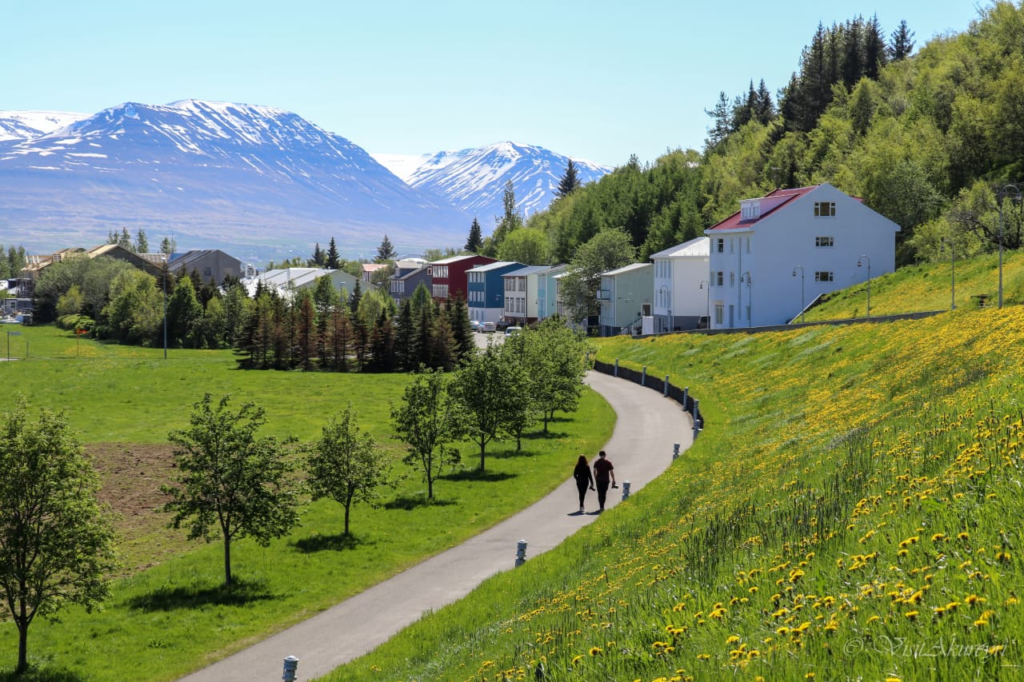
Slicing smoothly along the narrow southern shoreline strip beneath the church hill, this historic, atmospheric neighborhood contains the absolute oldest houses in Akureyri.
- What it is famous for: Its perfectly preserved 18th and 19th-century Danish-style timber mansions, including the iconic Laxdalshús, the oldest building in the city (1795). Walking down these quiet streets transports travelers back to the town’s early days as a trading port. The neighborhood is home to the legendary Brynja ice cream shop, world-famous for serving a unique, milk-based soft-serve ice cream with custom mix-ins that locals gladly wait in long lines for during subzero winter nights.
7. Hof Cultural and Conference Centre
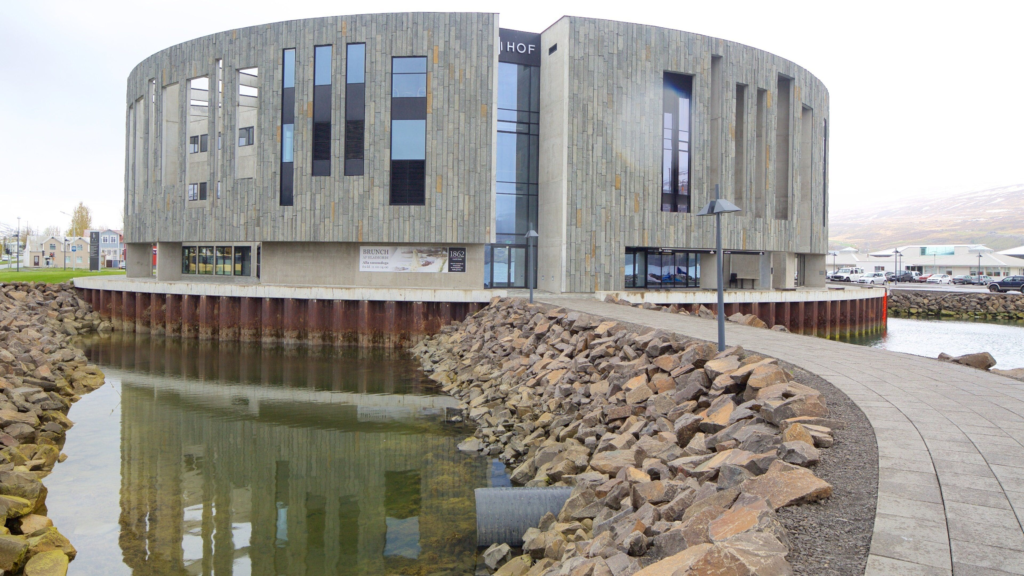
The Breathtaking Waterfront Matrix of Ringed Basalt Glass and Progressive Concert Tiers
Siting dramatically right on the edge of the scenic central harbor embankment, this sleek, circular monument is a major cultural and architectural milestone for the region.
- What it is famous for: Its spectacular, rounded exterior architecture constructed from local volcanic stone and glass, designed to mimic the natural geological shapes of North Iceland. Opened in 2010 to anchor the local performing arts movement, the state-of-the-art acoustics hall hosts premier international classical concerts, theater productions, and regional conferences. Its wide glass galleries look out over the sweeping waters of the fjord, operating as a beautiful architectural bridge between urban culture and raw nature.
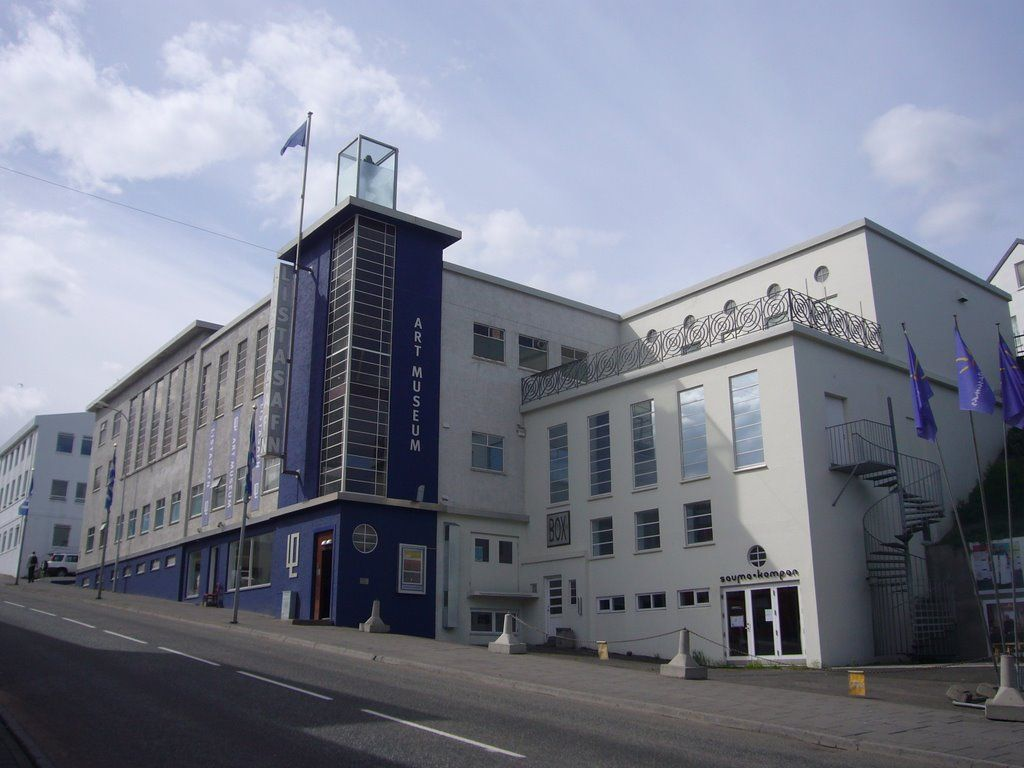
8. The Akureyri Art Museum (Listasafnið á Akureyri)
The Sleek Industrial-Chic Matrix of Avant-Garde Galleries and Creative Kaupvangs-Stræti Lanes
Commanding a prominent public footprint within a beautifully repurposed, historic art-deco dairy factory on the trendy “Art Street” avenue, this museum is a major creative hub.
- What it is famous for: Being the premier visual arts institution in Iceland outside of Reykjavik, offering expansive galleries dedicated to cutting-edge contemporary art. The minimalist, industrial concrete building hosts rotating international and national exhibitions showcasing progressive oil paintings, avant-garde photography installations, and high-concept video arts. It serves as the visual anchor of the town’s bohemian arts district, surrounded by artisan studios and independent designer craft shops.
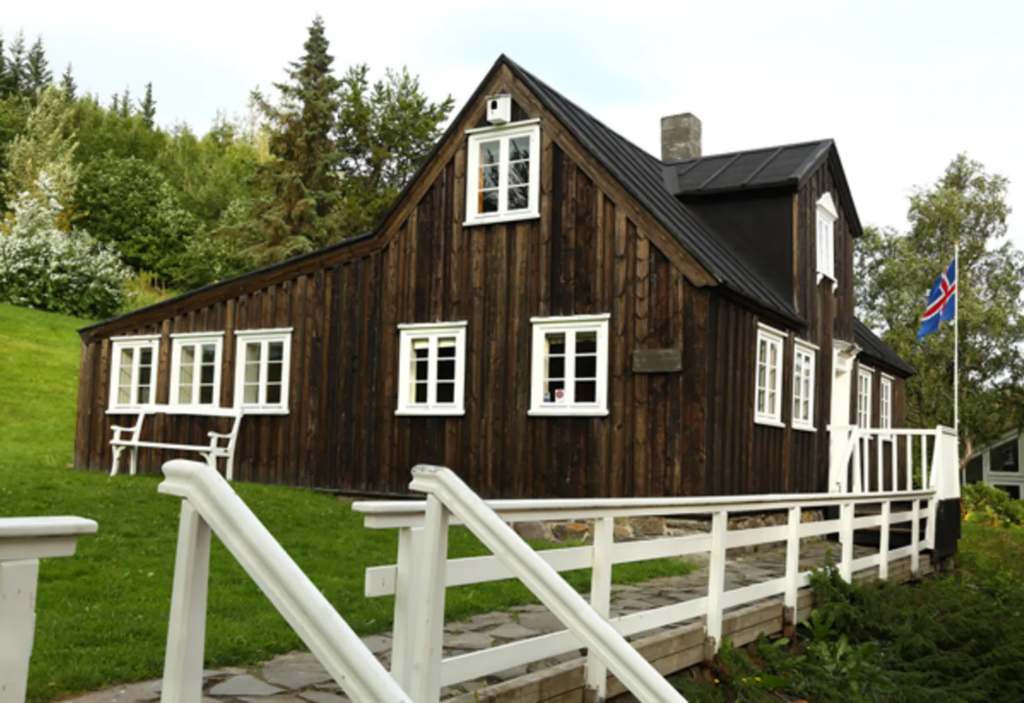
9. Nonni House (Nonnahús)
The Intimate Timber Oasis of Children’s Literary Legends and Explorer Relics
Tucked quietly into a picturesque, green corner of the historic old town quarter, this small, bright-yellow timber cottage has operated as a historic literary sanctuary since 1957.
- What it is famous for: Being the childhood home of Jón Sveinsson (“Nonni”), the legendary Jesuit priest who became one of Iceland’s most internationally celebrated children’s authors. Built in 1850, the cottage is one of the oldest surviving timber buildings in the city. Inside, the rooms have been beautifully preserved to exhibit period furniture, early editions of his world-famous Nonni adventure books published across dozens of foreign languages, and unique relics documenting 19th-century domestic life on the fjord.
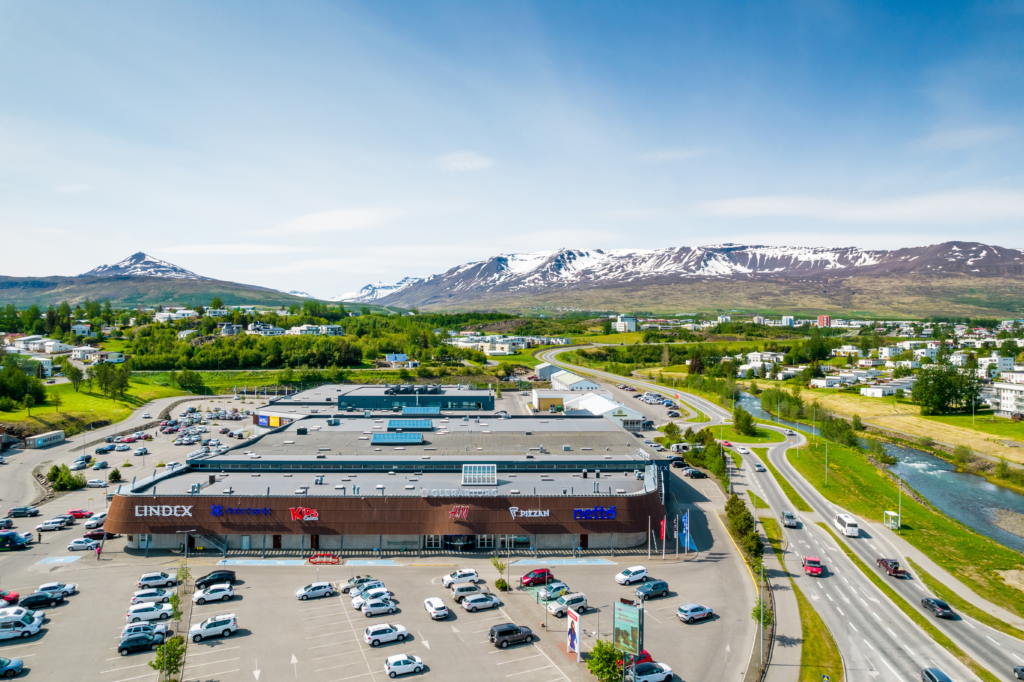
10. Glerártorg Shopping Centre
The Wide Modern Runway of Nordic Design Hubs and Warm Winter Cafés
Dominating a massive urban block in the industrial-chic Glerá river district just north of the historical old quarter, this sleek commercial complex is a premier gathering site.
- What it is famous for: Being the largest, most comprehensive indoor shopping mall in Iceland outside of the greater Reykjavik capital area. Operating as the primary commercial lifeline for communities across the entire northern province, the complex houses a massive array of Nordic design stores, local fashion boutiques, and local artisan grocery hubs. It serves as a warm, bustling winter oasis where travelers can stock up on high-quality subarctic outdoor gear or sit at cozy bakery terraces to escape the elements.
11. Kjarnaskógur Forest
The Sprawling Mountain Wilderness Matrix of Pine Canopies, Fit Trails, and Hidden Troll Inlets
Spreading grandly across a massive, 800-hectare mountain ridge province starting just on the absolute southern outskirts of the Akureyri municipal boundary, this dense woodland is a nature haven.
- What it is famous for: Being one of the most successful reforested woodland reserves in Iceland, featuring millions of trees that create a lush playground for hikers. While early settlers stripped the island of its native trees, decades of meticulous local environmental work transformed this rocky valley into a thick forest of Siberian larch and mountain pine. The park features miles of specialized mountain bike tracks, wood-chip running paths, hidden woodland playgrounds, and scenic lookouts over Eyjafjörður, providing a peaceful escape right on the edge of the city.