
Reykjavik, anchoring the absolute southwestern volcanic frontier of Iceland along the sweeping, windswept shores of Faxaflói Bay, operates on a spectacular, low-rise subarctic layout where raw tectonic elements directly interface with a sleek, Nordic design metropolis.
Historically founded natively by Viking explorer Ingólfur Arnarson in 874 AD, who named the site Smoky Bay after witnessing geothermal steam columns rising magically from the earth, this subarctic outpost evolved over the generations from a isolated wool-farming cluster into the ultimate artistic, literary, and environmental capital of the North Atlantic.
Today, Reykjavik presents a striking urban matrix where corrugated-iron historic cottages in pastel shades sit wrapped around cutting-edge, glass-faceted cultural monuments.
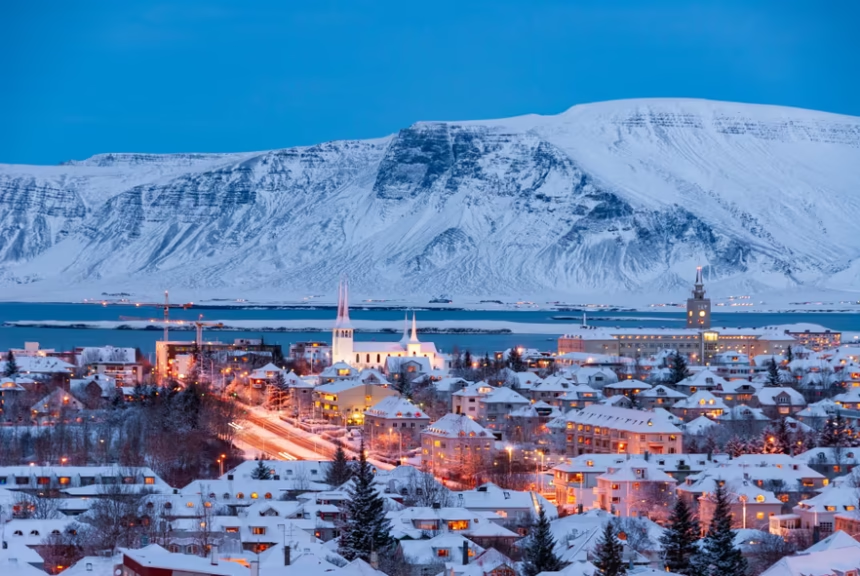
The city effortlessly pairs its pristine natural surroundings overlooked by the snow-capped volcanic ridge of Mount Esja with a legendary, high-energy bohemian lifestyle fueled by an intensely creative local population.
Famous for its slow-simmered, rye-bread-infused geothermal geyser bakes, savory lamb stews, natural mineral-rich thermal pools, and a vibrant, café-to-nightlife social flow.
1. Hallgrímskirkja
The Monumental Concrete Sovereign of Cascading Basalt Columns and Sky-Piercing Clock Horizons
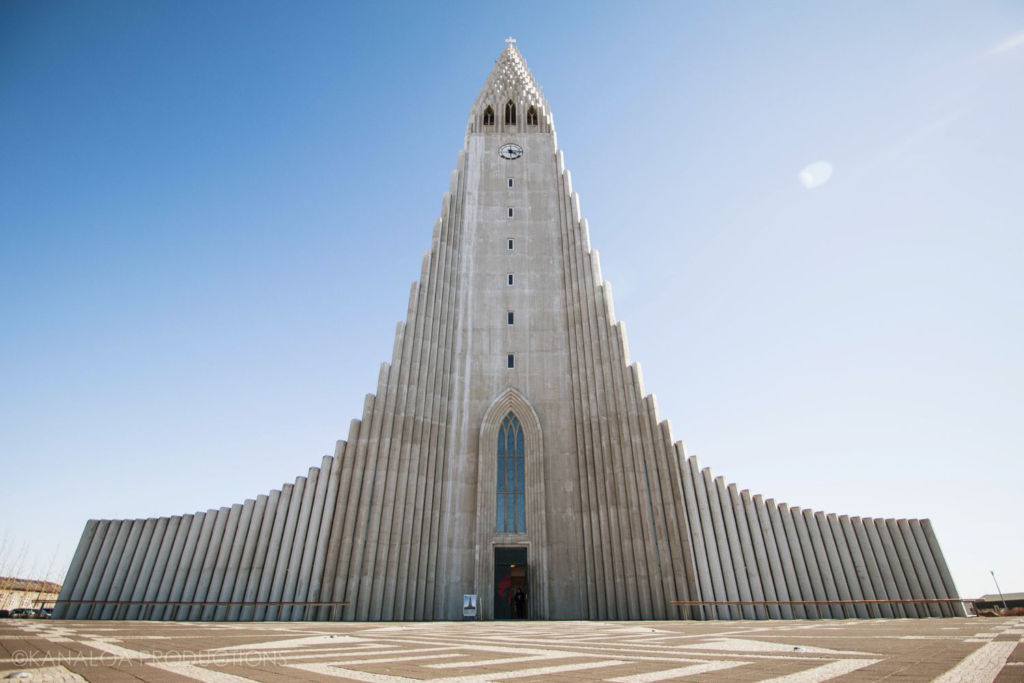
Dominating the absolute physical, visual, and topographic apex of the central Skólavörðuholt hill, this breathtaking expressionist cathedral stands proud as the definitive architectural icon of Iceland.
- What it is famous for: Being the largest church in Iceland, meticulously designed by state architect Guðjón Samúelsson to mimic the country’s natural volcanic landscape of cooling basalt lava columns. Completed in 1986 after over four decades of construction, the sweeping concrete wings frame a towering 74-meter-high bell tower. Its sparse, light-flooded interior is home to a colossal 25-ton mechanical pipe organ with over 5,000 pipes, while its rooftop observation tier provides an unparalleled 360-degree panorama over the city’s red-and-blue tin roofs.
2. Harpa Concert Hall and Conference Centre
The Breathtaking Waterfront Matrix of Dichroic Glass Blocks and Golden Hour Refractions
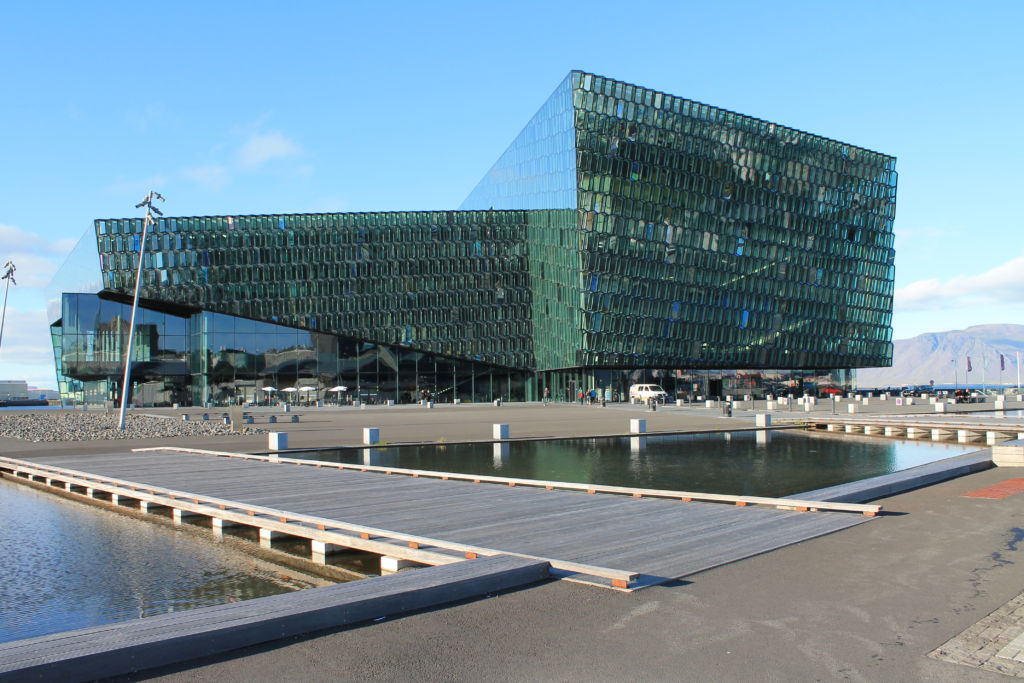
Siting dramatically at the absolute geometric edge of the Old Harbour waterfront, this monumental glass-and-steel cultural complex looks like a glowing crystal honeycomb.
- What it is famous for: Its extraordinary, multi-dimensional facade constructed from thousands of individually shaped quasi-brick glass blocks that change color depending on the angle of subarctic light. Designed in collaboration with legendary artist Olafur Eliasson and opened in 2011, the structure serves as the absolute home of the Iceland Symphony Orchestra and Icelandic Opera. At night, the building transforms into a living light installation, mirroring the shifting, celestial colors of the Northern Lights across the dark harbor waters.
3. Laugavegur & The Rainbow Street (Skólavörðustígur)
The Sunlit Pedestrian Runway of Corrugated Cottages and Vibrant Nordic Design Boutiques
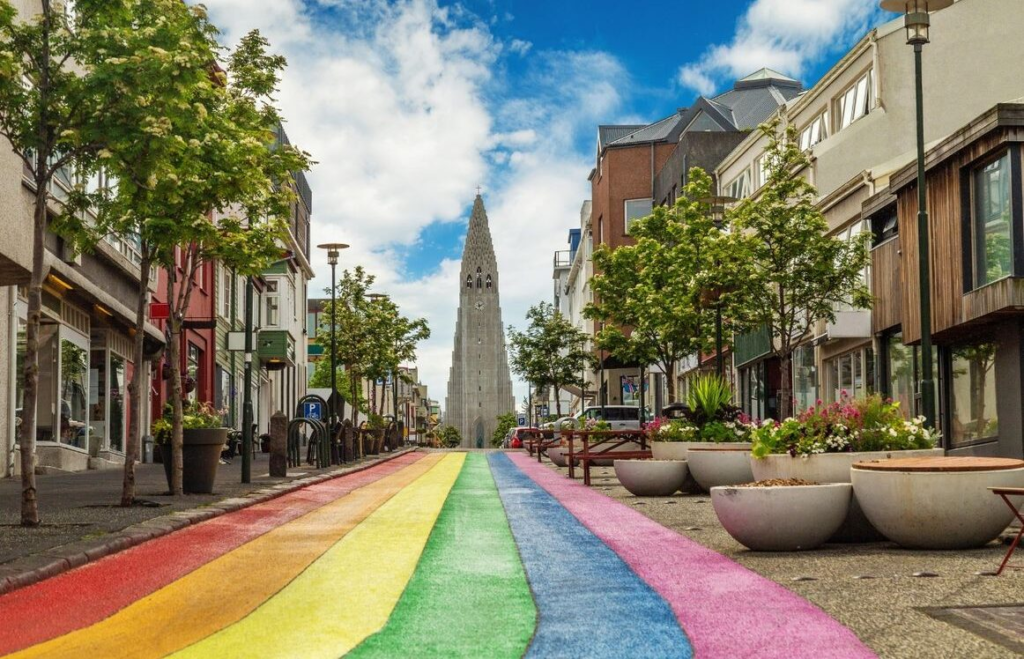
Slicing smoothly through the absolute commercial and cultural heart of the old town, these interconnected pedestrian thoroughfares serve as the primary social runway of the capital.
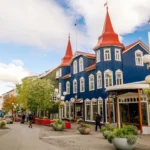
- What it is famous for: Its perfectly preserved historic iron-clad buildings housing world-class independent fashion houses, cozy vinyl-record cafés, and the iconic, permanently painted Pride Rainbow street. Laugavegur, which translates to “The Wash Road,” historically led to the hot springs where early citizens washed their clothes. Today, it operates as a vibrant, car-free cultural stroll where travelers can find high-end Icelandic wool garments, traditional bakeries, and watch local street artists under the midnight sun.
4. The Perlan (The Pearl)
The Futuristic Glass Dome Sovereign of Hot Water Tanks, Ice Caves, and Rotating Horizons
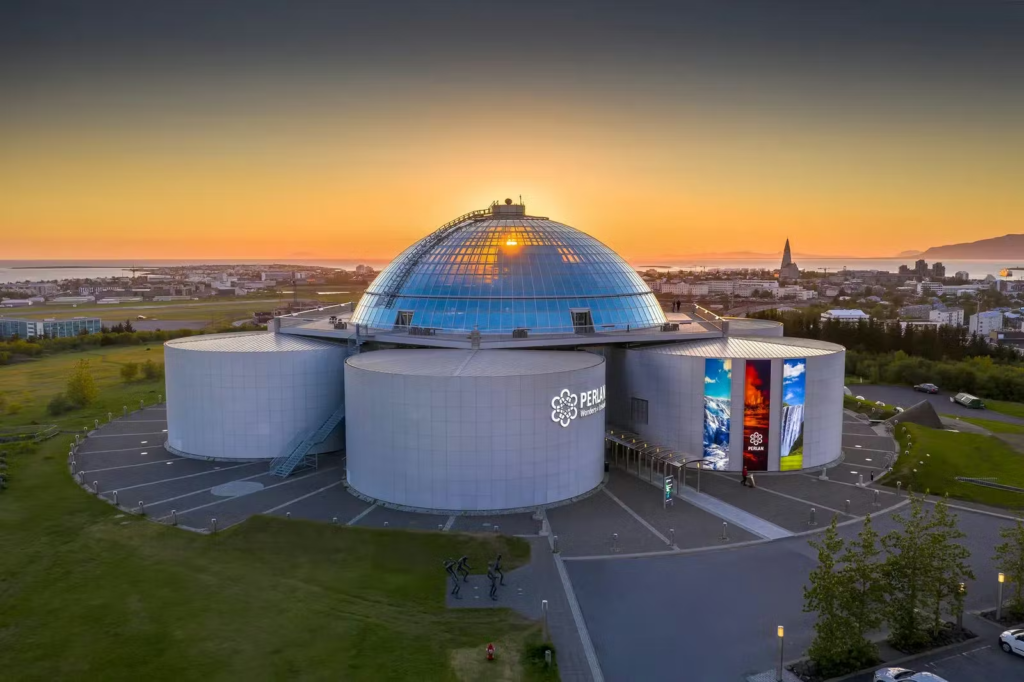
Perched elegantly atop the lush, pine-fringed hills of Öskjuhlíð, this striking, futuristic structure is one of the most unique multi-functional exhibition monuments in Europe.
- What it is famous for: Its immense glass dome resting symmetrically upon six colossal geothermal water tanks that store the city’s natural hot water supply. Reimagined into a world-class interactive museum, Perlan houses a massive, 100-meter-long authentic indoor ice cave constructed from 350 tons of pure Icelandic mountain snow. The top level features a slowly rotating glass dome platform containing a restaurant and observation deck, providing a panoramic view of the surrounding ocean bays and volcanoes.
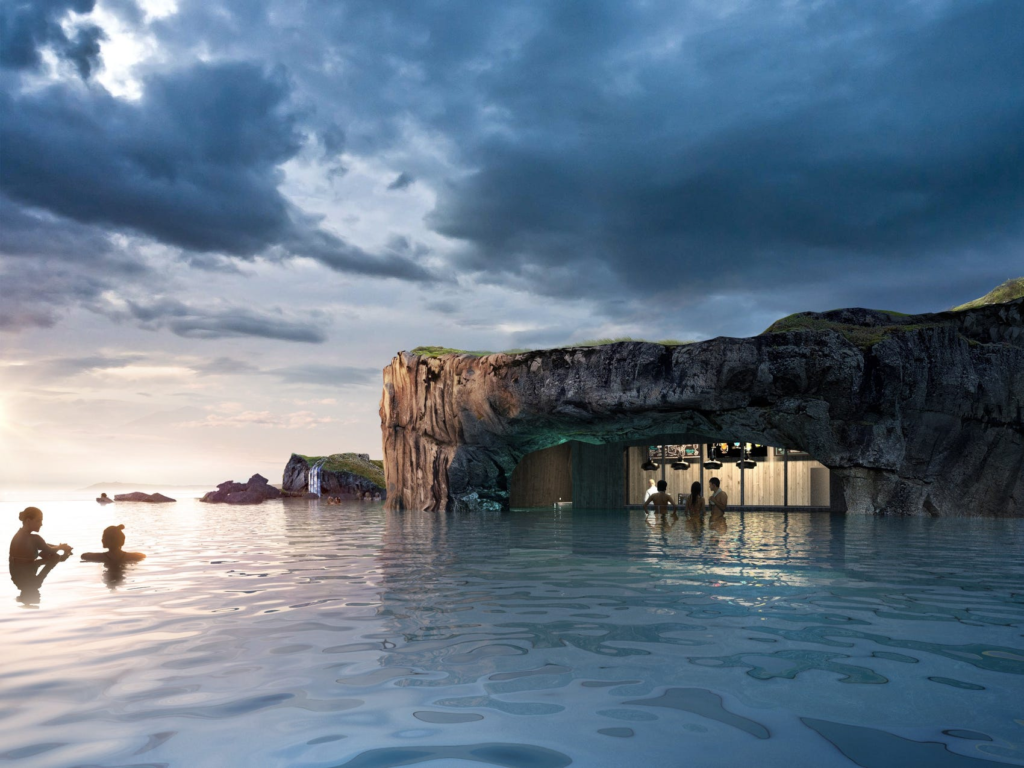
5. Sky Lagoon
The Geothermal Ocean Oasis of Infinity Edge Basalt Pools and Ritualistic Thermal Steam Tiers
Commanding a rugged, oceanfront volcanic peninsula in the Kársnes harbor district just minutes south of the city center, this luxury geothermal spa is a wellness haven.
- What it is famous for: Its spectacular 70-meter infinity-edge pool that blends seamlessly into the cold waters of the North Atlantic Ocean, complete with a historic turf-walled layout. Fed by mineral-rich, steaming geothermal waters, the lagoon offers an immersive look into traditional Icelandic bathing culture through its signature “Seven-Step Ritual.” Bathers can move between hot ocean soaking basins, ice-cold plunge pools, panoramic glass saunas, and misty steam rooms while watching dramatic ocean storms or winter aurora displays.
6. The Sun Voyager (Sólfar)
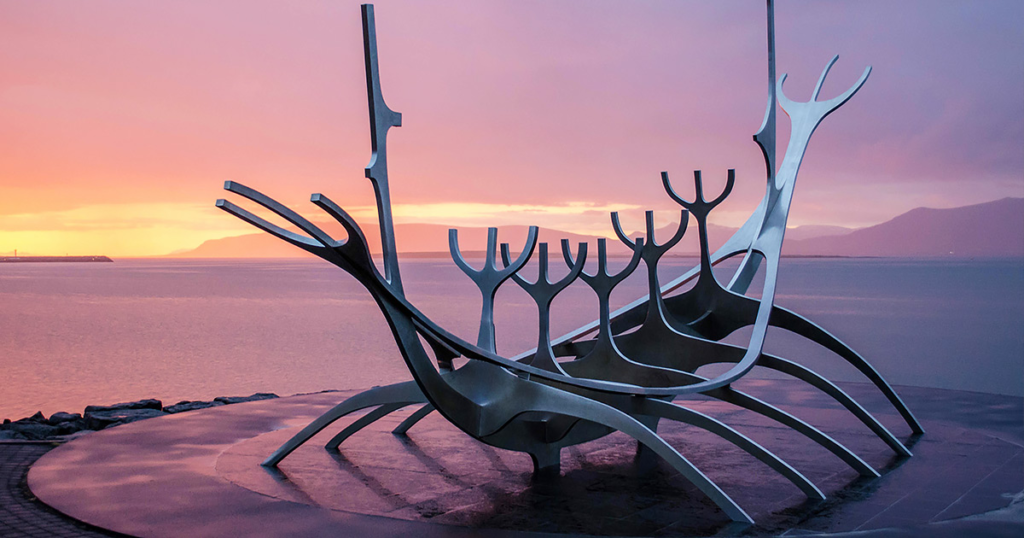
The Sleek Stainless-Steel Sentinel of Viking Dreams and Crimson Sunset Promenades
Commanding a prominent public stone platform directly on the scenic Sæbraut oceanfront promenade, this striking minimalist sculpture faces the northern mountain horizons.
- What it is famous for: Being a monumental, stainless-steel sculpture crafted to evoke a stylized Viking longship, symbolizing the dream of undiscovered territory and progress. Created by artist Jón Gunnar Árnason to mark the 200th anniversary of the city, the polished steel reflects the shifting pastel tones of the subarctic sky. It serves as one of the most photographed monuments in the country, drawing travelers who gather at dawn or midnight to watch the sun align with the sleek, metallic prow.
7. The National Museum of Iceland (Þjóðminjasafn)
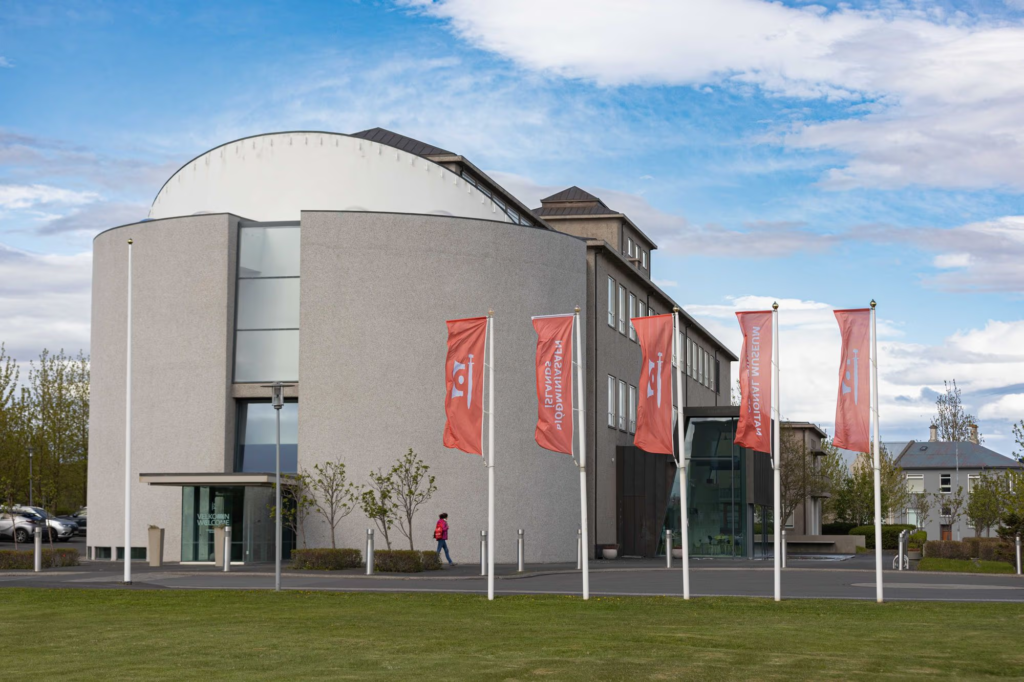
The Stately Cultural Repository of Viking Broadswords and Medieval Church Valuards
Tucked gracefully into the green university quarter just a short walk west of the idyllic Lake Tjörnin, this grand institution holds the absolute historical soul of the nation.
- What it is famous for: Housing an extraordinary collection of thousands of historic artifacts tracking Iceland’s history from early Settlement Age Viking burials to the modern era. The absolute centerpiece of the museum is the priceless Valþjófsstaður church door, a masterpiece of medieval woodcarving detailing a knight saving a lion. Visitors can walk through interactive galleries filled with silver Viking hoards, ancient longship rudders, and traditional woolen garments that chart the survival of the islanders.
8. Lake Tjörnin & City Hall (Ráðhúsið)
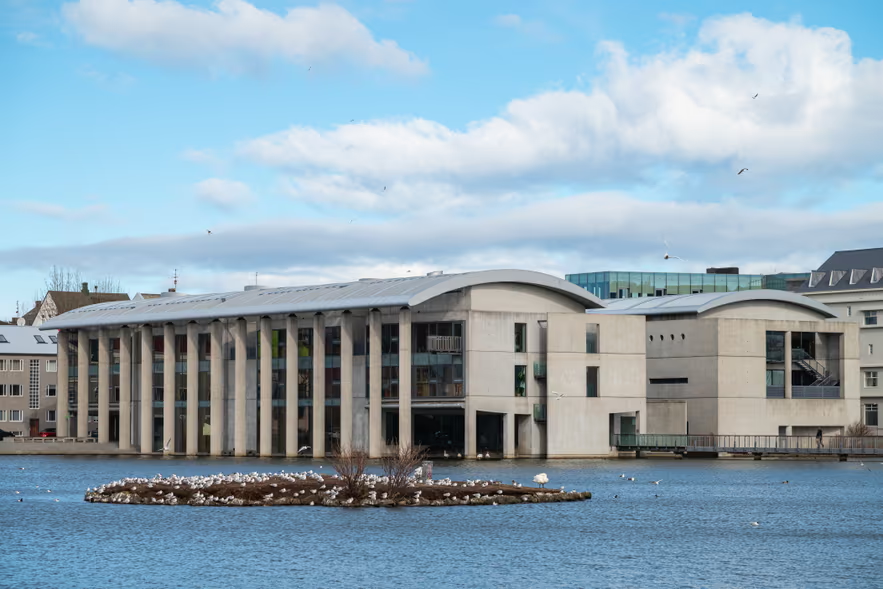
The Peaceful Civic Living Room of Arctic Swan Inlets and Giant Topographic Reliefs
Forming the absolute geographic and administrative core of downtown Reykjavik, this serene, bird-filled lake is a peaceful sanctuary amidst the urban grid.
- What it is famous for: Hosting dozens of species of wild arctic swans and ducks year-round, backed by the striking, brutalist concrete columns of Reykjavik City Hall. The lake uniquely features geothermal water pumped into its northern corner to keep it from freezing completely during harsh winters, creating a haven for wildlife. Inside the modern City Hall building, visitors can view a massive, world-famous 3D topographic relief map of Iceland, showcasing every fjord, glacier, and volcanic crater in meticulous detail.
9. Bæjarins Beztu Pylsur
The Legendary Waterfront Shack of Wood-Smoked Lamb Hot Dogs and Secret Mustard Taps
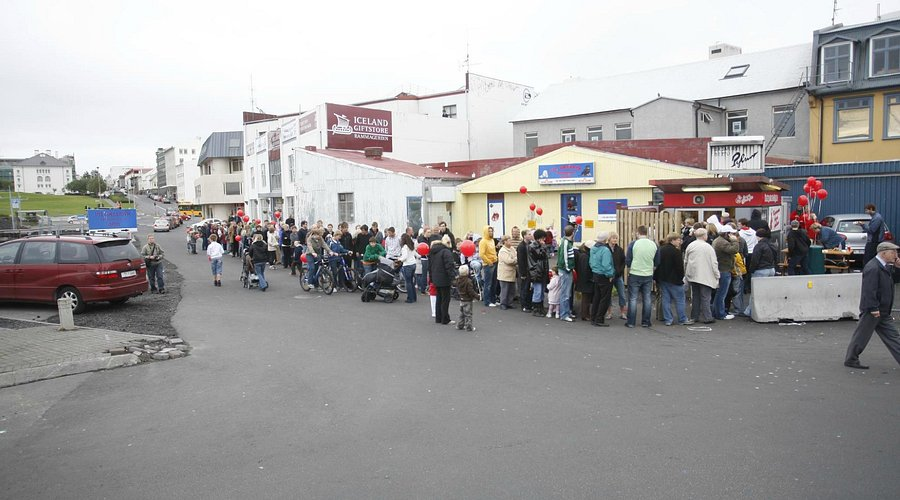
Occupying a modest, world-famous historic street stall corner near the old harbor district, this unassuming culinary landmark has operated continuously since 1937.
- What it is famous for: Being the most famous hot dog stand in the world, serving premium, organic lamb-based hot dogs praised by global leaders and culinary icons. The name translates directly to “The Town’s Best Hot Dogs,” and lines consistently wrap around the block. The legendary local way to order is “eina með öllu” (one with everything), which yields a hot dog topped with sweet brown mustard, ketchup, remoulade, raw onions, and crispy deep-fried onions.
10. Whales of Iceland Exhibition
The Colossal Underwater Matrix of Life-Sized Blue Whales and Interactive Echo Trails
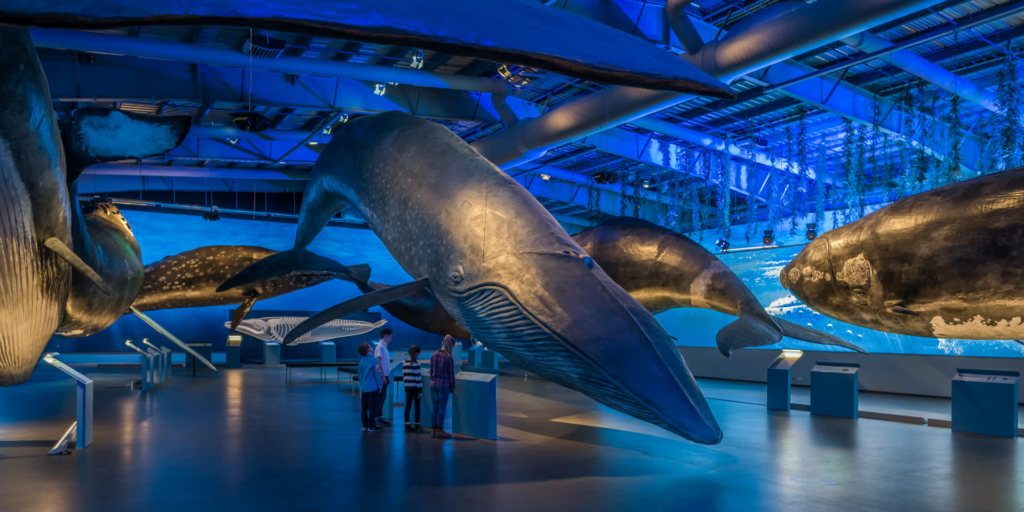
Located within the trendy, converted industrial warehouses of the Grandi Harbour District, this massive marine-education museum offers an immersive deep-sea experience.
- What it is famous for: Being the largest whale exhibition in Europe, featuring 23 life-sized, hand-painted models of whale species found in Icelandic waters. The exhibition hall uses specialized soft blue lighting, under-sea soundscapes, and acoustic echo trails to make visitors feel as though they are walking on the ocean floor beneath giant gentle giants. The models include a colossal 25-meter-long Blue Whale and rare Sperm Whales, allowing travelers to grasp the true, immense scale of subarctic marine life.
11. Viðey Island
The Pristine Ocean Sanctuary of Peace Light Columns and Ancient Stone Mansions
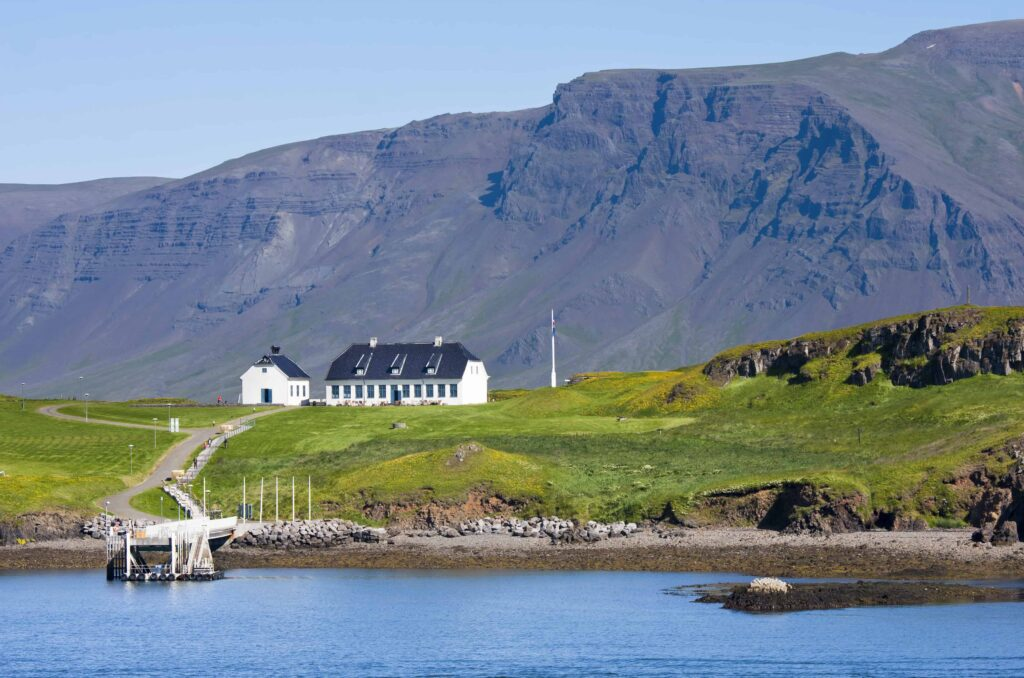
Floating gracefully just a short, scenic ferry ride across the waters of Faxaflói Bay from the Sundahöfn docks, this historic island is an eco-tourism and artistic haven.
- What it is famous for: Hosting Yoko Ono’s legendary Imagine Peace Tower light monument and the historic Viðey House, the oldest stone residence in Iceland (1755). The island serves as a peaceful retreat packed with wild nesting birds, old turf ruins, and miles of grassy walking paths. Every winter between October and December, the Imagine Peace Tower shoots a monumental, continuous beam of pure white light deep into the subarctic night sky, operating as a global beacon for international harmony and reflection.