
Rome, anchoring the absolute geographic and historic core of the Lazio region along the wide, twisting banks of the Tiber River, operates on a spectacular urban layout where ancient structural power meets high-baroque theater and vibrant modern street life.
Historically originating as an iron-age mud-hut settlement on the Palatine Hill that evolved into the undisputed capital of the Roman Empire and the spiritual epicenter of Western Christendom, this monumental metropolis stands proud as a masterclass in layered urban evolution.
Because the municipality aggressively protected its massive classical arenas, renaissance palazzos, and sprawling travertine plazas rather than surrendering them to modern concrete grids, it earned its permanent cultural title as the “Eternal City” and the undisputed global capital of archaeological heritage, open-air artistic stagecraft, and deep historical trail exploration.
Today, Rome presents an incredible architectural matrix where monumental 2,000-year-old temple ruins and soaring triumphal arches stand directly beside grand baroque water fountains, futuristic contemporary museums, and high-energy walking plazas.
The metropolis effortlessly pairs its deep, epoch-defining historical pedigree with a progressive passion for world-class gastronomy, high-fashion avenues, and a relaxed, walking-centered lifestyle tied closely to the sun-drenched public squares.
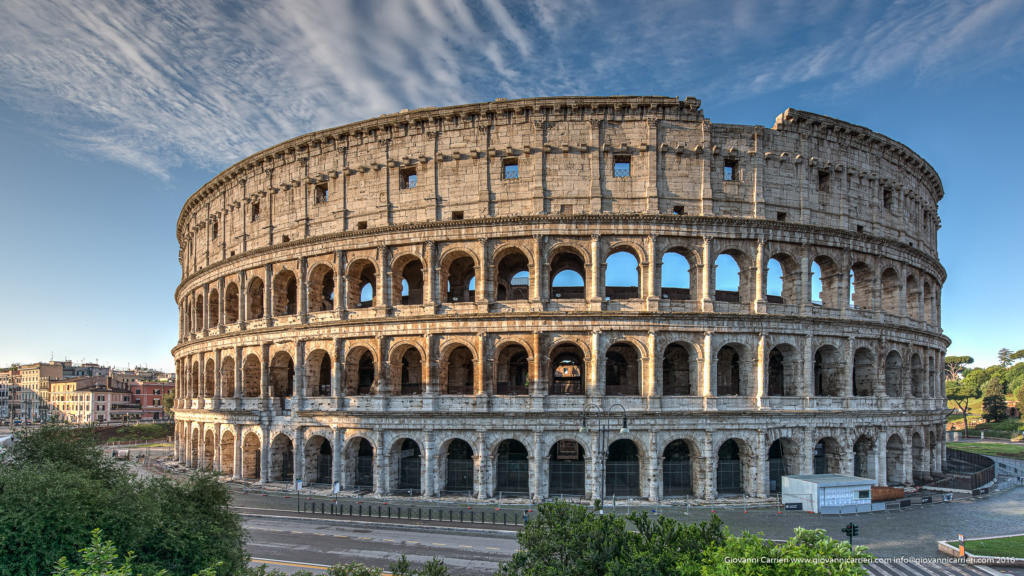
1. The Colosseum (Anfiteatro Flavio)
The Spectacular Architectural Sovereign of Flavian Travertine Arches and Subterranean Gladiator Arenas
Dominating the absolute physical and historic heart of the ancient imperial valley floor, this colossal stone amphitheater stands proud as the global architectural icon of Roman engineering.
- What it is famous for: Being the largest amphitheater ever constructed in classical antiquity, featuring a monumental three-tiered exterior arcade of Doric, Ionic, and Corinthian columns that once held over 50,000 spectators. Commissioned by Emperor Vespasian in 72 AD, the engineering wonder showcases a complex subterranean network—the Hypogeum—where gladiators and wild beasts were systematically caged before being hoisted through trapdoors onto the arena floor. Today, travelers walk through its soaring stone corridors, exploring the vast ruins that staged centuries of theatrical blood sports and imperial pageantry.
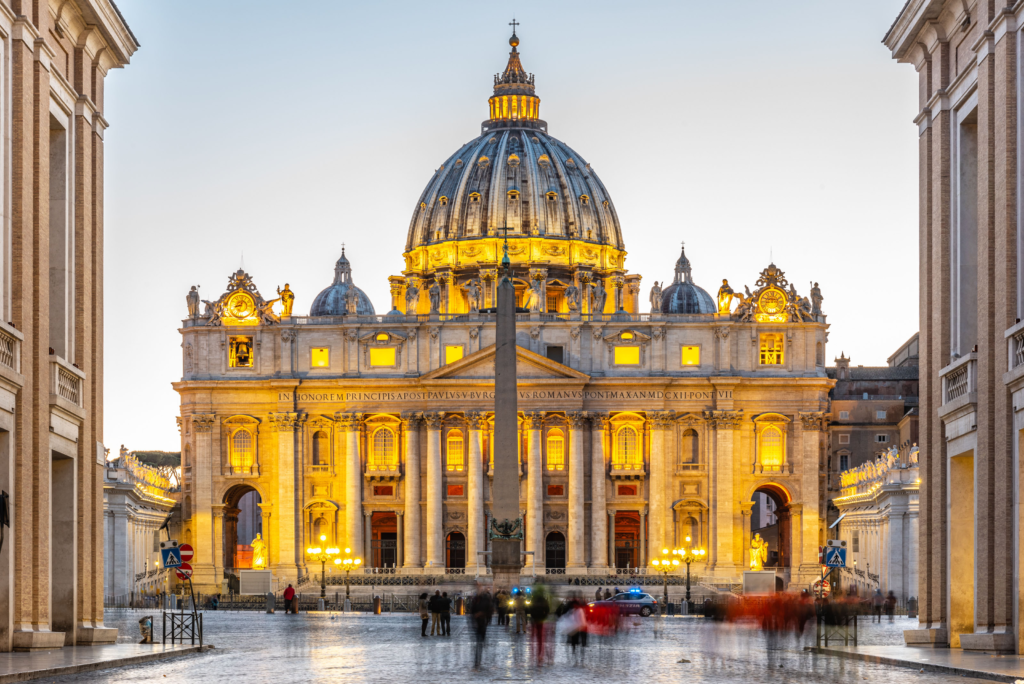
2. St. Peter’s Basilica (Basilica di San Pietro)
The Breathtaking Gothic Sovereign of Michelangelo’s Renaissance Domes and Papal Throne Vaults
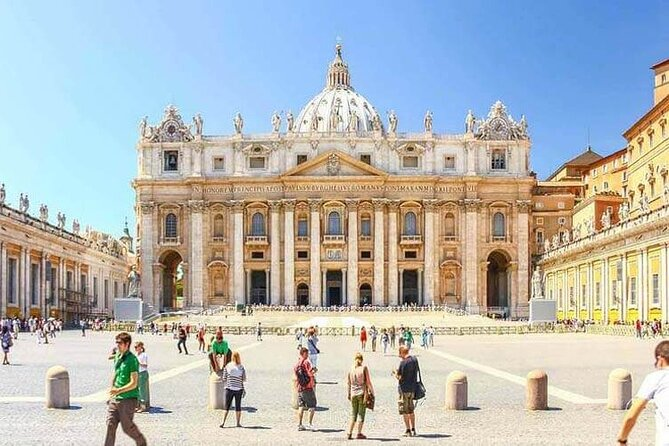
Commanding a majestic, sovereign presence on the western banks of the Tiber River within the protected walls of Vatican City, this monumental sanctuary stands proud as the spiritual center of the Catholic world.
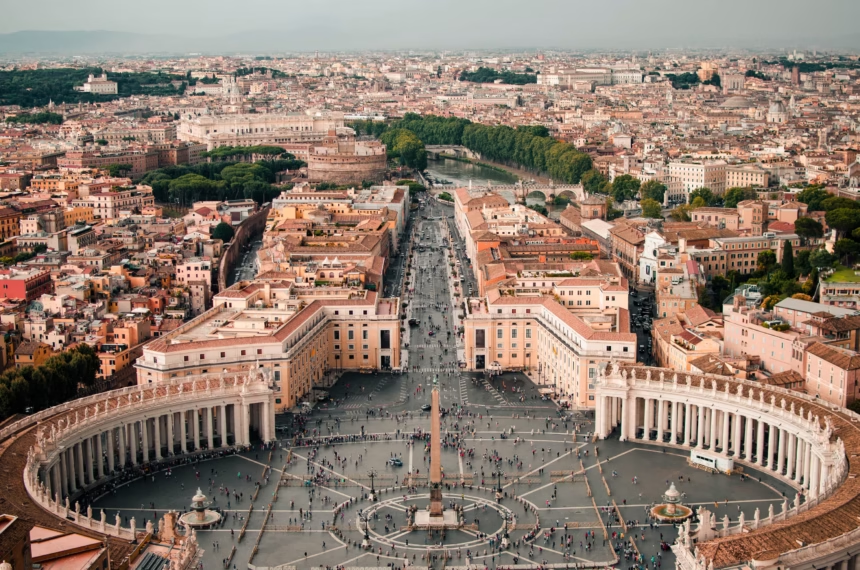
- What it is famous for: Its extraordinary architectural layout designed by a succession of Renaissance masters, featuring Michelangelo’s towering, world-record 448-foot-high double dome and Bernini’s spectacular bronze baldachin. Built over the historical burial site of Saint Peter the Apostle, the vast marble interior houses unparalleled artistic treasures, including Michelangelo’s moving Pietà sculpture. The basilica opens directly onto a sweeping elliptical piazza framed by 284 Doric columns, serving as the ultimate assembly ground for global pilgrims and sacred papal proclamations.
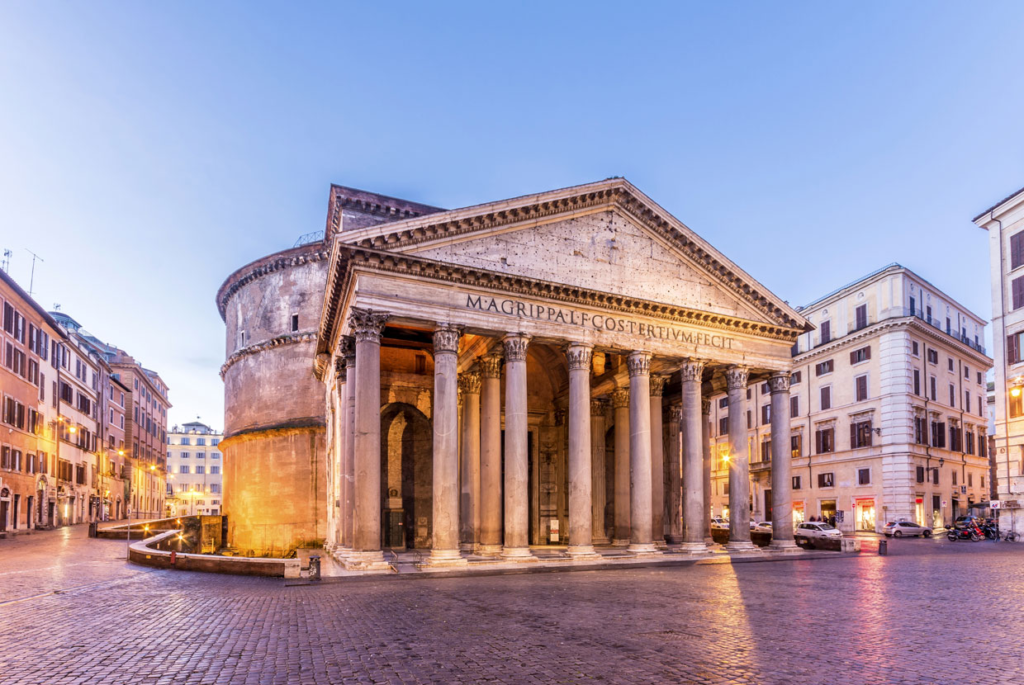
3. The Pantheon
The Enigmatic Stone Sentinel of Unreinforced Concrete Domes and Open Air Oculus Sagas
Nestled quietly within the narrow, bustling cobblestone lanes of the historic Campus Martius district, this marvelously preserved ancient temple is a masterwork of mathematical design.
- What it is famous for: Holding the world’s largest unreinforced concrete dome, perfectly engineered around a spectacular 30-foot-wide central oculus that casts a moving beam of natural sunlight across the interior marble floors. Originally commissioned by Marcus Agrippa and rebuilt in 126 AD by Emperor Hadrian, the building successfully survived the fall of Rome by being consecrated as a Christian church. The colossal portico features sixteen monolithic Egyptian granite columns, welcoming travelers into an acoustic interior sanctuary that houses the historic tombs of Renaissance masters like Raphael.
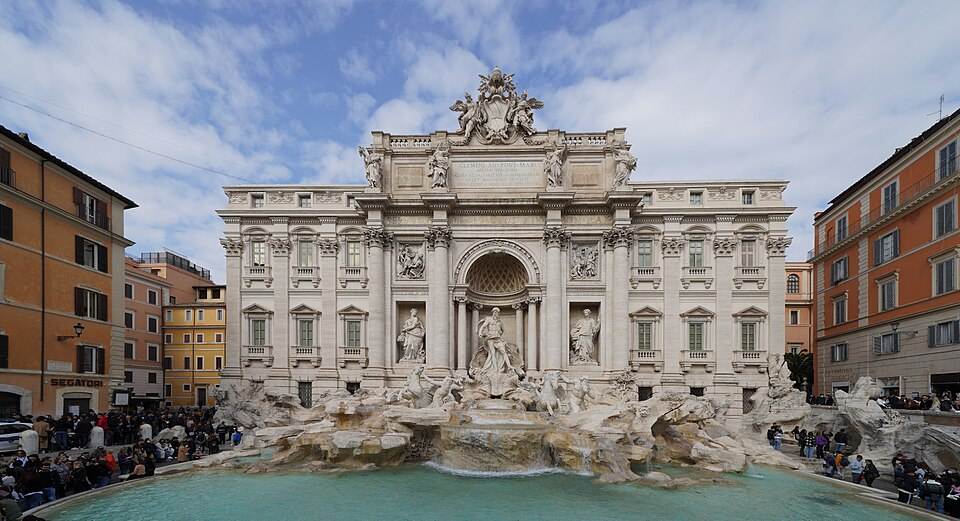
4. Trevi Fountain (Fontana di Trevi)
The Picturesque Walking Runway of Oceanus Travertine Chariots and High Energy Coin Toss Rituals
Slicing smoothly into a tight, theatrical public square at the junction of three ancient water channels, this colossal travertine masterwork represents the absolute pinnacle of Baroque water architecture.
- What it is famous for: Its breathtaking, 85-foot-high sculptured facade depicting the sea god Oceanus taming the waters, seamlessly integrated into the back wall of the historic Palazzo Poli. Designed by architect Nicola Salvi in the 18th century, the fountain surges with millions of gallons of crystal-clear water roaring over artificial rock formations. The public pool acts as a high-energy theater for the legendary coin-toss tradition, where travelers throw money over their left shoulders to guarantee their eventual romantic return to the Eternal City.
5. The Roman Forum & Palatine Hill
The Sprawling Eco Matrix of Imperial Senate Houses and Basilic Stone Victory Paths
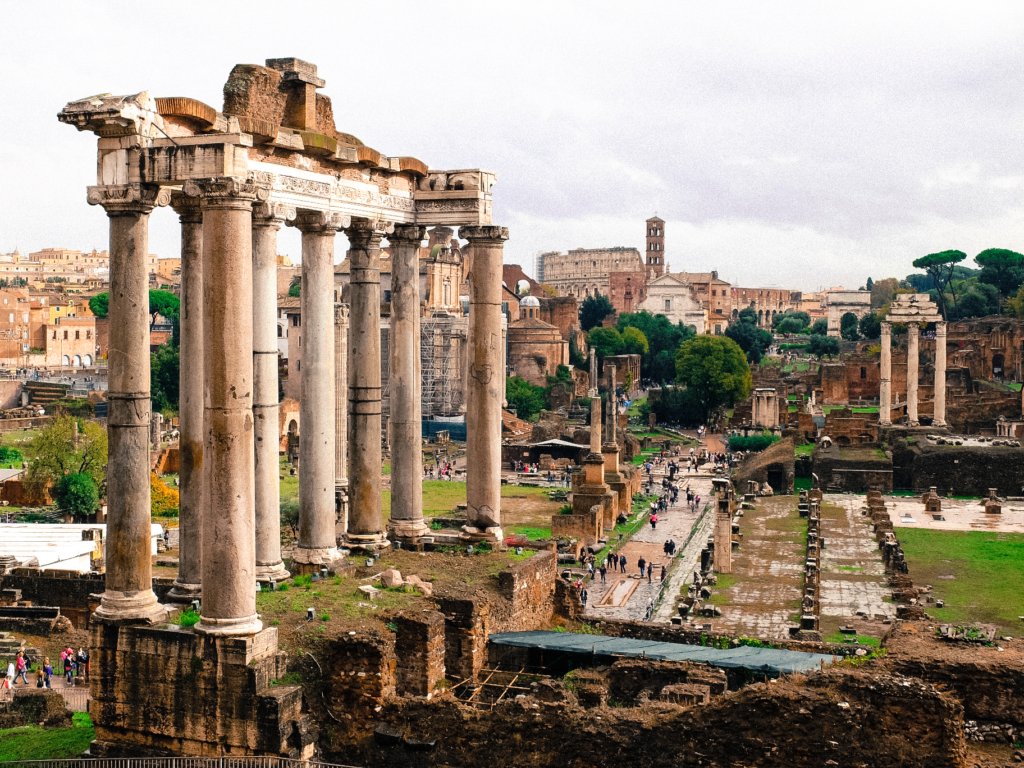
Slicing smoothly through the natural valley basin situated between the Capitoline and Palatine hills, this expansive archaeological preserve maps the civic and political cradle of Western civilization.
- What it is famous for: Being the absolute political, commercial, and religious beating heart of the Roman Empire, featuring the monumental stone ruins of the Curia (Senate House), the Temple of Saturn, and towering triumphal arches. Walking along the ancient, basalt-paved Via Sacra, travelers retrace the exact routes of imperial victory parades. The path scales upward to the sun-drenched Palatine Hill, where imperial emperors constructed sprawling brick palaces overlooking the vast stadium tracks of the Circus Maximus below.
6. The Vatican Museums & Sistine Chapel
The Radiant Cultural Repository of Classical Sculpture Galleries and High-Renaissance Fresco Epochs
Occupying a massive, multi-kilometer architectural footprint within the sovereign northern borders of the Vatican, this immense palace complex holds one of the greatest art collections in human history.
- What it is famous for: Housing centuries of papal art collections, culminating in the Sistine Chapel where Michelangelo spent four years painting the monumental ceiling frescoes of Genesis and The Last Judgment. The museum route walks travelers through a continuous labyrinth of gilded corridors, including the spectacular Map Gallery and Raphael’s Rooms. The exhibitions display unparalleled classical antiquities, such as the Laocoön sculpture group, mapping the artistic evolution of the Western world.
7. Piazza Navona
The Monumental Public Sovereign of Four Rivers Obelisk Fountains and Baroque Church Facades
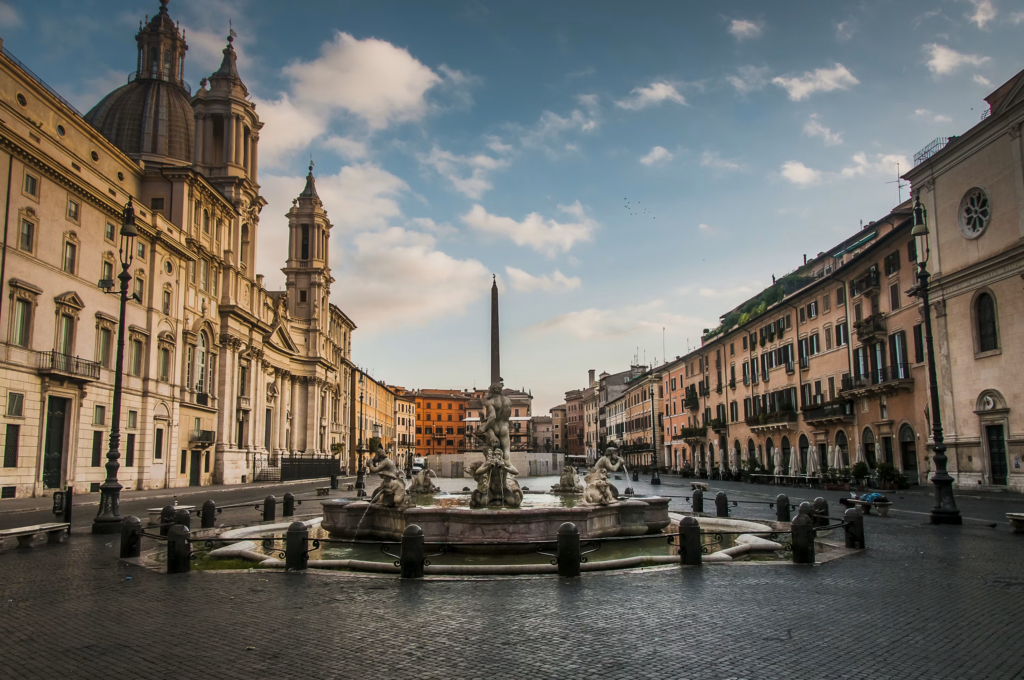
Slicing smoothly through the geometric grid of the historic old center, this vast, elongated pedestrian plaza preserves the precise footprint of a 1st-century Roman athletic arena.
- What it is famous for: Its extraordinary design built over the ancient Stadium of Domitian, featuring Bernini’s legendary Fountain of the Four Rivers which supports a towering Egyptian obelisk. The sweeping public square is flanked by Borromini’s magnificent baroque church of Sant’Agnese in Agone and rows of elegant outdoor café terraces. The plaza functions as a high-energy open-air theater where street artists, musicians, and holiday markets assemble beneath grand, classical facades.
8. The Spanish Steps (Scalinata di Trinità dei Monti)
The Rowdy Cultural Runway of Travertine Baroque Tiers and Butterfly Butterfly-Wing Staircase Loops
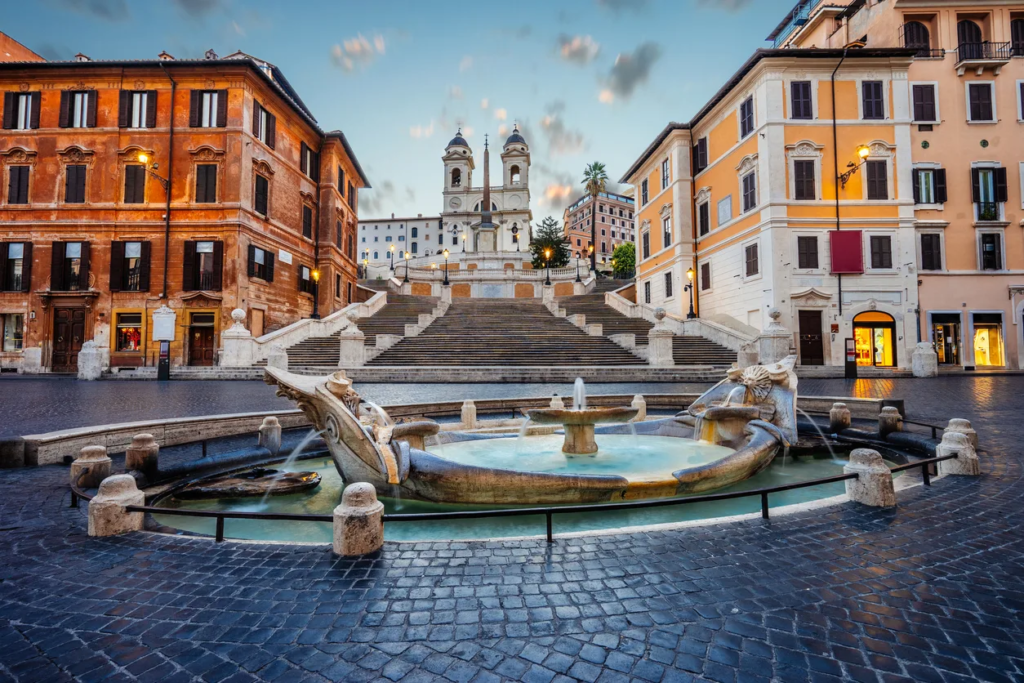
Slicing smoothly upward from the luxury fashion boutiques of Piazza di Spagna to the twin spires of the Trinità dei Monti church, this monumental staircase is a masterpiece of urban design.
- What it is famous for: Being the widest and most elegant outdoor stone staircase in Europe, constructed in 1725 with 135 travertine steps arranged in a unique, butterfly-wing architectural layout. At the base of the grand terrace sits Bernini’s whimsical Barcaccia fountain, sculpted to look like a half-sunken stone barge. The steps serve as a world-famous cultural runway for international fashion photography, spring floral exhibitions, and relaxed public viewing paths.
9. Villa Borghese Gardens
The Breathtaking Minimalist Palace of Emerald Pine Groves and Masterwork Marble Sculpture Galleries
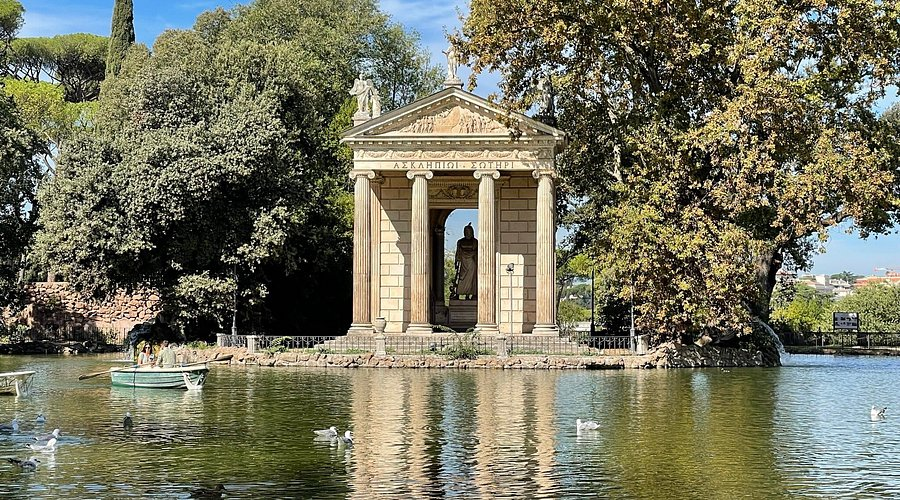
Perched majestically on an elevated plateau overlooking the northern city gates, this sprawling, 197-acre English-style landscape park serves as the primary green sanctuary for Romans.
- What it is famous for: Its idyllic network of shaded umbrella-pine avenues, tranquil rowing lakes, and the world-renowned Galleria Borghese which houses Bernini’s masterwork marble sculptures. The pristine public parkland blends natural woodland beauty with classical temples, fountains, and secret gardens built for aristocratic relaxation. The western terraces of the park culminate at the Pincio hill, providing travelers with panoramic sunset views looking across the great dome of St. Peter’s.
10. Castel Sant’Angelo
The Colossal Modern Sovereign of Cylindrical Imperial Tombs and Subterranean Papal Escape Tunnels
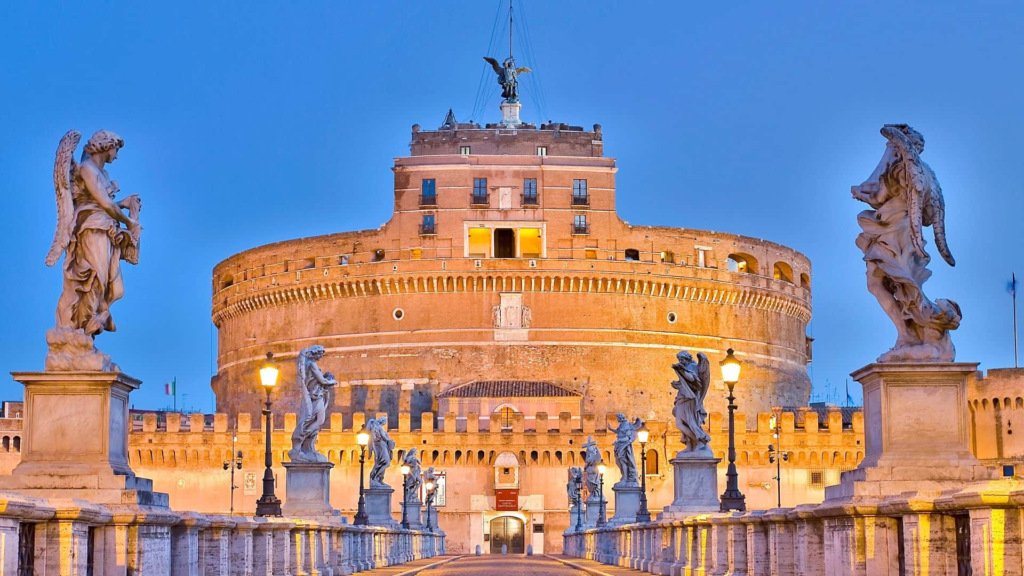
Sited dynamically right on the northern banks of the Tiber River, this imposing, cylindrical stone fortress maps the shifting boundary between imperial and papal military defense.
- What it is famous for: Being originally constructed by Emperor Hadrian in 139 AD as a colossal imperial mausoleum, later transformed by the Popes into an impenetrable medieval fortress and treasury castle. The stronghold is connected directly to the Vatican via the Passetto di Borgo—a secret, elevated stone escape tunnel used by popes during military sieges. Visitors cross the spectacular, angel-lined stone bridge to ascend the castle’s internal spiral ramps, reaching a panoramic rooftop terrace that offers strategic views across the river corridors.
11. Trastevere District
The Savory Cultural Repository of Ivy-Draped Tavern Alleys and Traditional Roman Culinary Chants
Tucked quietly directly across the southern banks of the Tiber River, this bohemian, medieval neighborhood preserves the working-class soul and gritty folklore of Rome.
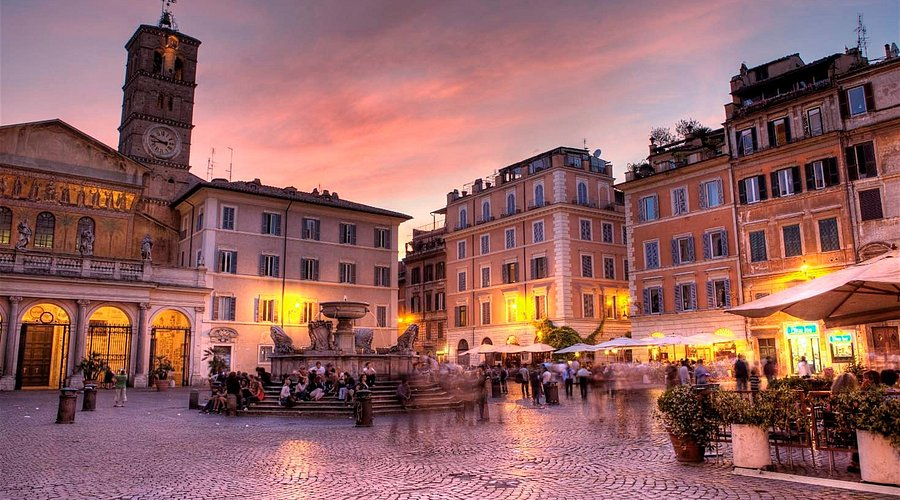
- What it is famous for: Its enchanting maze of narrow, twisting alleys lined with ivy-draped ochre buildings, independent artisan workshops, and traditional Roman trattorias. Trastevere transforms every evening into a high-energy culinary playground where locals and travelers gather to enjoy authentic dishes like Cacio e Pepe and Carbonara in open-air squares. The neighborhood anchors around the ancient Basilica of Santa Maria in Trastevere, famous for its shimmering 12th-century golden mosaics and relaxed public assembly steps.