
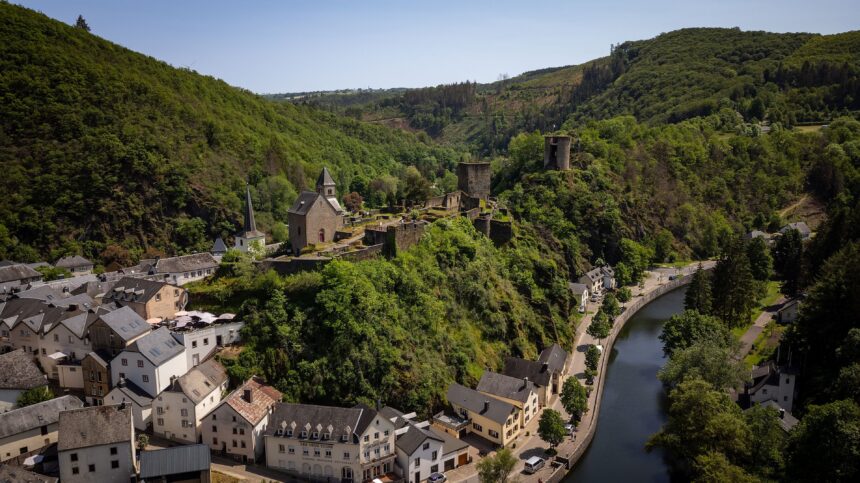
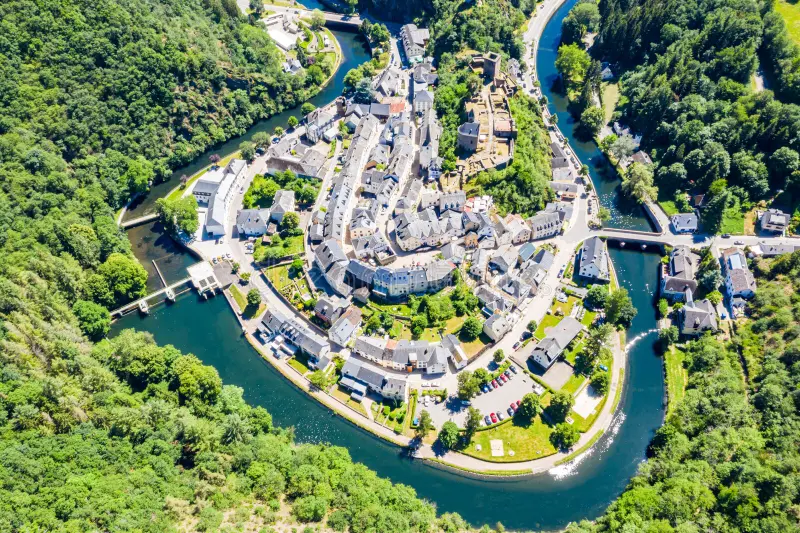
Diekirch, anchoring the absolute northeastern maritime river frontier of Luxembourg along the wide, scenic path of the Sauer River, operates on a spectacular flat-bottomed valley layout wrapped tightly by dramatic, ancient geological ridges.
Historically originating as a vital Roman agricultural settlement that evolved by the 7th century into an early Christian core founded under the influence of Echternach’s monasteries, this northern stronghold stands proud as a masterclass in resilient heritage.
Because the municipality aggressively protected its pristine water courses, pedestrianized alleys, and legendary military garrisons rather than sacrificing them to modern factory sprawls, it earned its permanent cultural status as the capital of the Nordstad and the undisputed national epicenter of Battle of the Bulge remembrance, heritage brewing, and active riverway trail exploration.
Today, Diekirch presents a striking architectural matrix where ancient 6th-century stone church foundations and historic industrial breweries stand directly beside cutting-edge museum spaces and vibrant public plazas.
The town effortlessly pairs its deep, conflict-tested historical pedigree with a progressive passion for major international cycling races, traditional folklore celebrations, and a relaxed, walking-centered lifestyle.
1. National Museum of Military History (MNHM)
The Spectacular Architectural Sovereign of Battle of the Bulge Dioramas and Heavy Panzer Relics
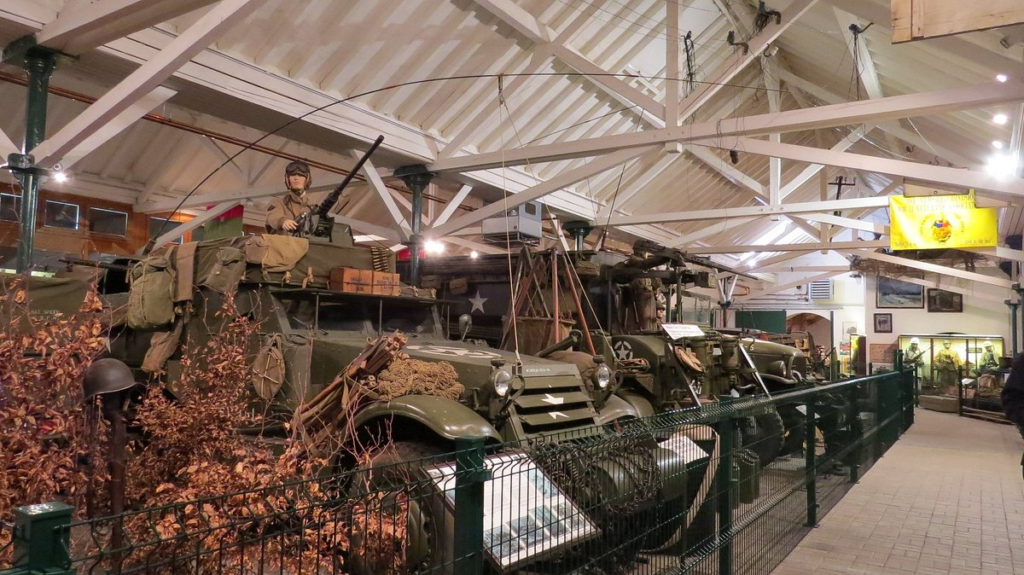
Dominating a massive historic industrial footprint within the old municipal brewery complex on Bamertal street, this world-renowned institution stands proud as the definitive archive of conflict in the Ardennes.
- What it is famous for: Housing one of Europe’s most comprehensive and emotionally moving collections of artifacts from the Battle of the Bulge (1944–1945), featuring life-sized, hyper-realistic dioramas constructed from original wartime equipment. The museum chronicles the gritty reality of soldiers and civilians during the winter liberation of Northern Luxembourg. Visitors walk past fully restored American and German tanks, heavy artillery pieces, personal letters, and rare military vehicles, mapping the strategy and immense sacrifice that defined the region’s liberation.
2. Conservatoire National de Véhicules Historiques
The Picturesque Walking Runway of Vintage Industrial Carriage Lines and Classic Motor Horizons
Sited dynamically within a beautifully repurposed, light-filled multi-story industrial building along the Rue de Stavelot, this specialized museum preserves the mobility history of Western Europe.
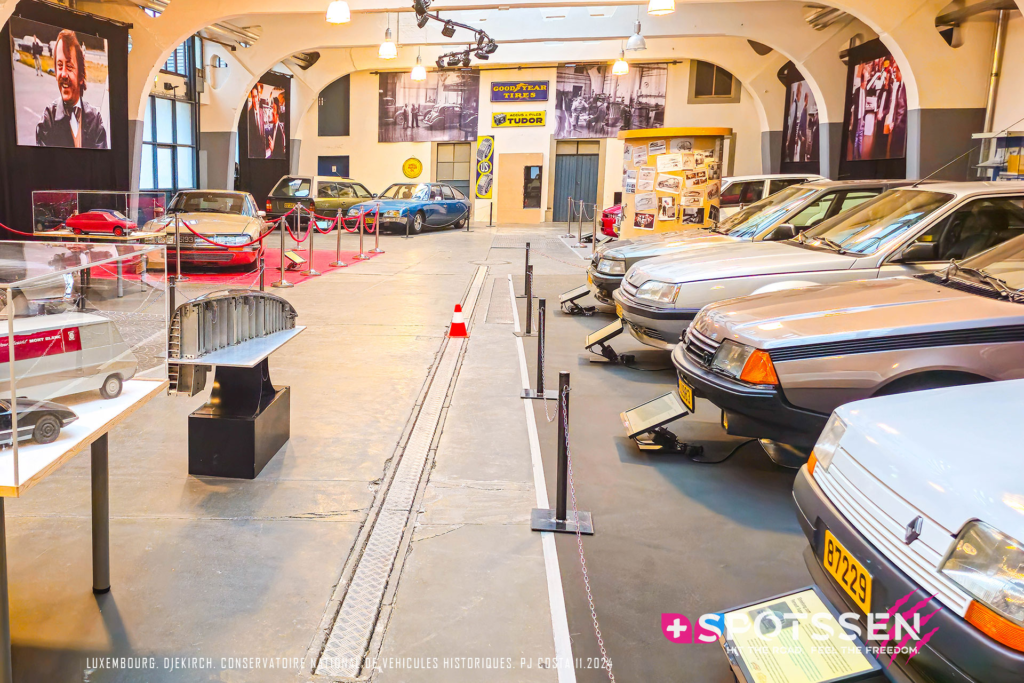
- What it is famous for: Being the National Museum of Historic Vehicles, which showcases a spectacular chronological array of rare vintage automobiles, early motorcycles, commercial trucks, and historic horse-drawn carriages. The curated exhibits trace the evolution of transportation design from the late 19th century through the golden postwar eras. The facility acts as a regular meeting ground for collectors and auto enthusiasts, housing unique automotive rarities built by long-lost European manufacturers.
3. Old St. Laurence Church (Vieille Église Saint-Laurent)
The Enigmatic Stone Sentinel of Merovingian Crypt Foundations and Roman Hall Sagas
Nestled quietly within the narrow, pedestrianized cobblestone lanes of the oldest quarter of the town, this historic house of worship stands proud as a monument of continuous sacred architecture.
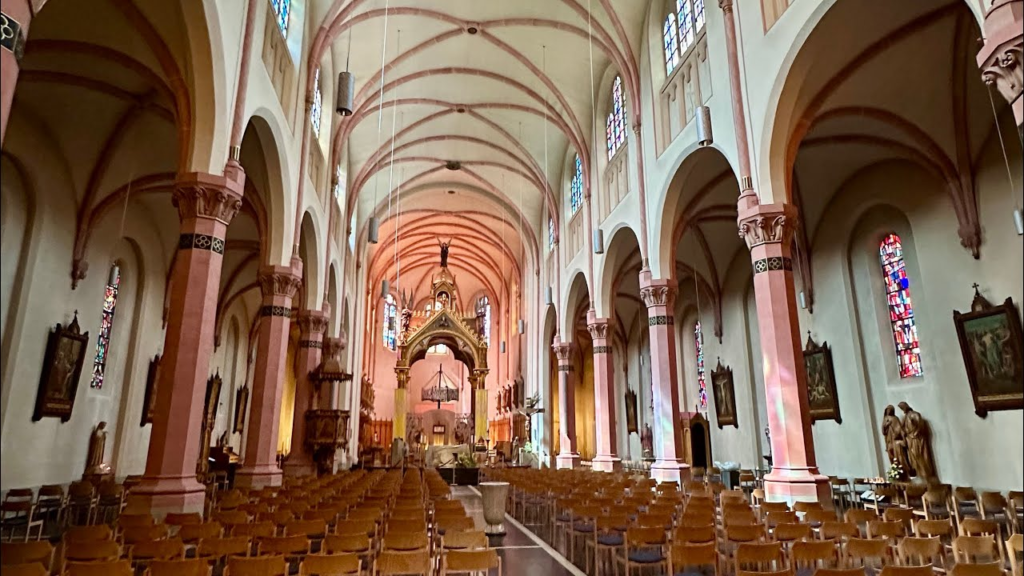
- What it is famous for: Its extraordinary subterranean archaeological crypts, which reveal multiple layers of history built directly over the stone ruins of a massive 3rd-century Roman villa and ancient Merovingian graves. The church features a beautiful Romanesque nave decorated with exceptional 15th-century frescoes depicting biblical narratives and saintly legends. The monument retains a profound acoustic stillness, serving as a rare structural bridge between classical antiquity and early medieval Christendom.
4. Place de la Libération
The Monumental Public Sovereign of Whimsical Donkey Fountains and High-Energy Pedestrian Plazas
Slicing smoothly through the absolute geographic and commercial core of the town, this historic plaza functions as the lively community meeting space of the capital.
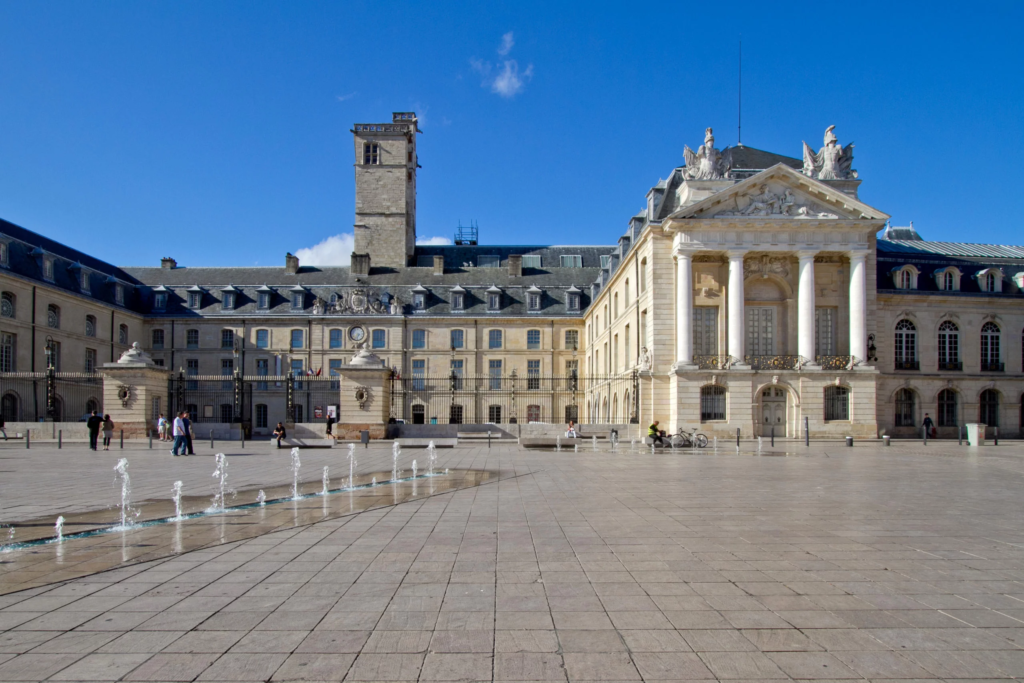
- What it is famous for: Its charming central fountain adorned with a bronze donkey mascot, celebrating the historic folk identity of the town’s citizens while anchoring the first pedestrianized zone in Luxembourg. The square is surrounded by brightly painted facades, independent boutiques, and expansive open-air café terraces. It serves as a high-energy stage for seasonal farmers’ markets, traditional brass band performances, and major municipal celebrations like the annual carnival festivals.
5. Brasserie de Diekirch Heritage Complex
The Savory Cultural Repository of Premium Pale Lagers and Century-Old Brewing Traditions
Occupying a prominent industrial presence along the Route de Luxembourg, this facility represents the ancestral home of the country’s most iconic beverage export.
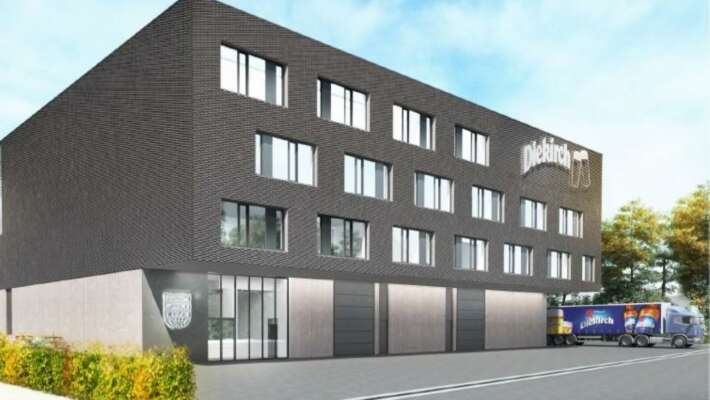
- What it is famous for: Being the cradle of Diekirch beer, brewed continuously using premium local spring water since 1871 and serving as a cornerstone of the town’s working-class identity. The complex tracks the history of the brewery’s pioneering role in industrial refrigeration and large-scale distribution throughout Europe. While modern volume production handles logistics globally, the site remains an industrial icon where visitors can enjoy fresh pale ales and stouts at adjacent traditional public houses.
6. The Sauer River Promenade & Linear Parks
The Breathtaking Minimalist Palace of Safe Waterway Loops and Kayak Slalom Channels
Slicing smoothly along the entire southern border of the urban center, this manicured riverside parkland offers miles of vehicle-free recreational access.
- What it is famous for: Its beautiful network of paved walking paths, open-air fitness zones, and specialized water sports channels that host international kayak slalom competitions. The riverfront trails connect the town center to sprawling green meadows, campgrounds, and scenic footbridges crossing the Sauer. The promenade acts as a massive social playground during the summer months, where citizens gather to cycle, fish for river trout, and jog beneath ancient shade trees.
7. Musée d’Histoire(s) Diekirch
The Radiant Cultural Repository of Prehistoric Flint Vaults and Roman Mosaic Masterpieces
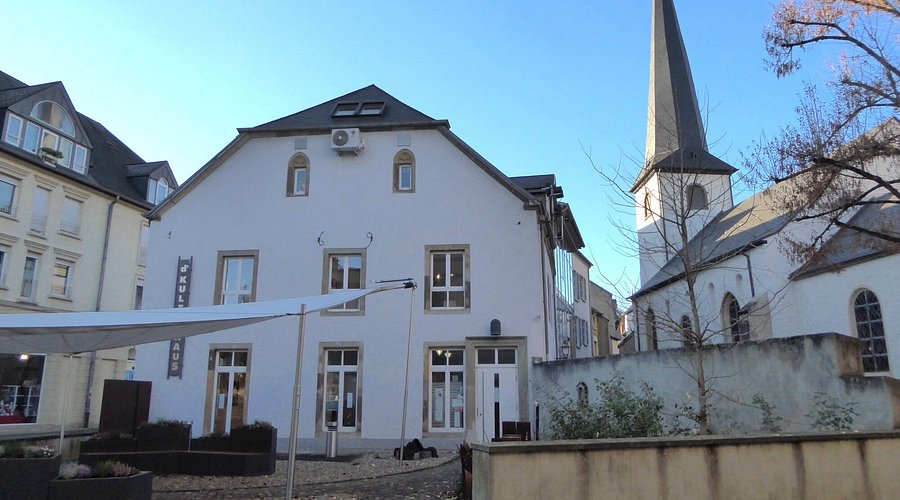
Tucked quietly inside an elegantly restored, historic schoolhouse on the Rue du Curé near the old church, this specialized cultural center maps the complete civic memory of the community.
- What it is famous for: Housing the legendary Roman Mosaic of Diekirch, an exceptionally preserved 3rd-century luxury floor mosaic depicting the head of Medusa and intricate geometric border patterns. The museum walks travelers through the deep archaeology of the valley, from prehistoric stone axes and Celtic jewelry to medieval trade charters and modern industrial innovations. The exhibition spaces use interactive tech displays to tell the intimate personal stories of the town’s historic families.
8. Deiwelselter (The Devil’s Altar)
The Breathtaking Prehistoric Sovereign of Megalithic Burial Arches and Ridge-Top Forest Trails
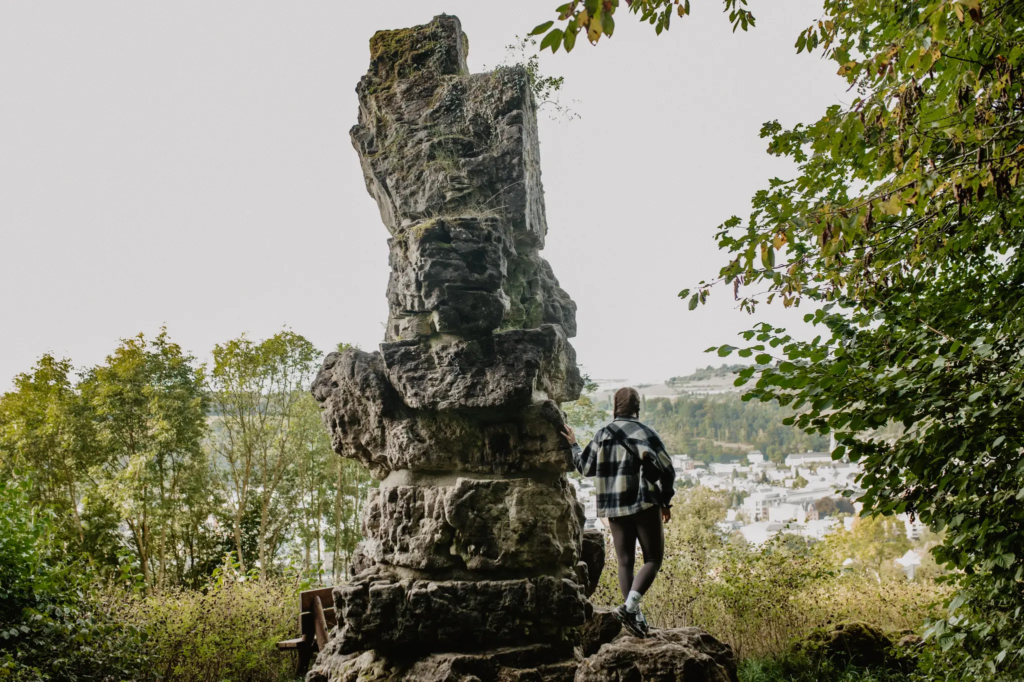
Perched majestically on a high, wooded ridge overlooking the entire river basin from the southern hills, this ancient monument is a rare monument of Neolithic masonry.
- What it is famous for: Being a seven-meter-high megalithic stone arch built using colossal prehistoric boulders that originally served as a collective burial tomb around 2000 BC. Reconstructed in the 19th century after archaeological discoveries revealed the skeletal remains of several prehistoric humans, the monument is steeped in deep local mountain folklore. A winding woodland path leads hikers up the steep slopes to the monument, providing panoramic views across the valley rooftops below.
9. Herrenberg (The Military Complex Heights)
The Colossal Modern Sovereign of National Army Headquarters and High-Altitude Garrison Paths
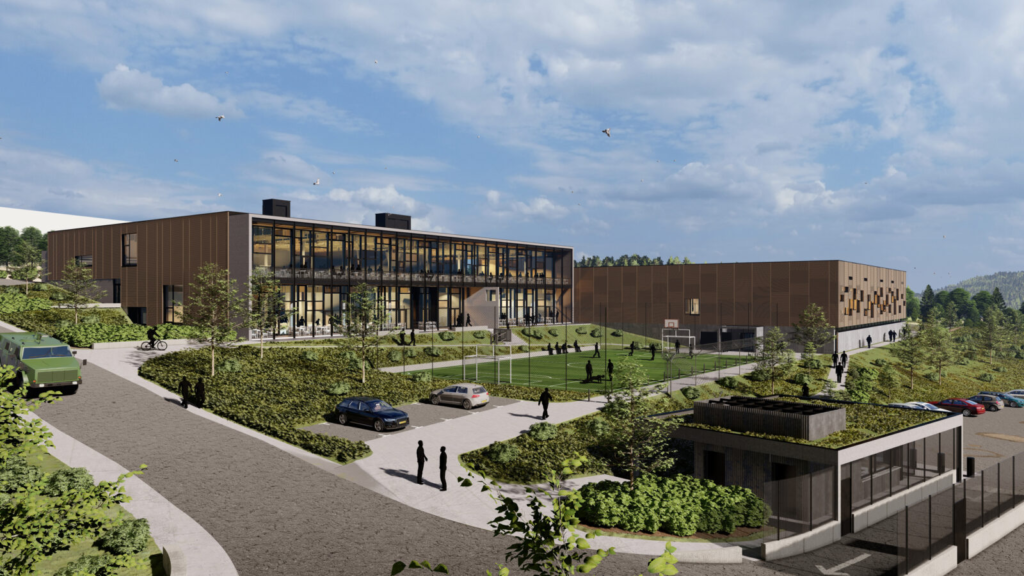
Dominating a prominent public plateau northeast of the city core, this sweeping military base represents the strategic security center of the Grand Duchy.
- What it is famous for: Hosting the Grand Duke Jean Barracks, which serves proud as the single operational military base and headquarters for the entire Army of Luxembourg. Situated atop the scenic Herrenberg heights, the high-altitude zone overlooks the strategic road corridors of the Nordstad. While the active garrison gates remain highly secure, the surrounding public forest paths offer challenging hiking routes, fitness trails, and dramatic lookout points over the valley.
10. The Esplanade
The Rowdy Cultural Runway of Shade Tree Avenues and Historic Cavalry Parade Arenas
Slicing smoothly along the northern edges of the old pedestrian core, this grand, tree-lined avenue serves as one of the primary ceremonial boulevards of the municipality.
- What it is famous for: Its stately architecture, historic monuments, and rows of ancient chestnut trees that define the historic path of the town’s defensive borders and 19th-century military parade grounds. The wide avenues connect the commercial pedestrian streets directly to major civic infrastructures and public halls. The promenade acts as a vibrant urban avenue for major sports events, outdoor flea markets, and the spectacular parade routes of the national military bands.
11. St. Laurence Decanal Church (Église Décanale Saint-Laurent)
The Breathtaking Ancestral Sovereign of Twin Neo-Gothic Spires and Sovereign Organ Vaults
Commanding a majestic, high-profile presence along the eastern edge of the old center, this monumental 19th-century church dominates the town’s architectural skyline.
- What it is famous for: Its towering neo-gothic architecture, designed by the state architect Karl Arendt in 1868, featuring an incredibly vast interior nave and a world-class ceremonial pipe organ. Built to accommodate the growing population during the town’s industrial expansion, the church features beautiful stained-glass windows depicting patron saints and elegant stone vaulted ceilings. The church is celebrated for its musical heritage, delivering exceptional acoustic resonance for symphonic choral gatherings and festive holiday recitals.