
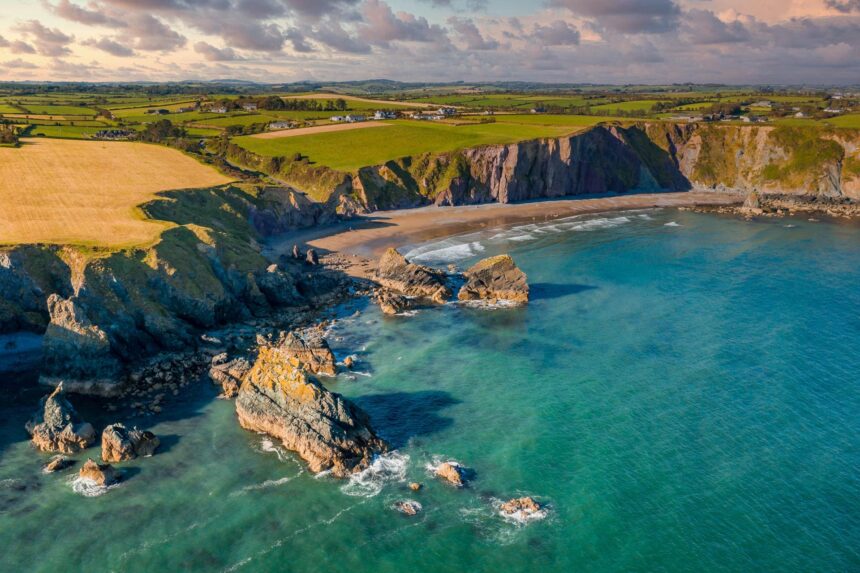
Waterford, anchoring the absolute southeastern coastal frontier of Ireland along the sweeping, tidal curves of the River Suir near its deep marine estuary, operates on a spectacular low-rise urban layout where industrial maritime power meets ancient defensive architecture.
Historically originating in 914 AD as a heavily fortified sea base founded by Norse raiders natively named Veðrafjörðr (Weather Fjord), this coastal stronghold stands proud as the absolute oldest surviving city in all of Ireland.
Because the municipality aggressively protected its massive stone defensive walls and historic urban triangle rather than modernizing them into industrial shipping factories, it earned its permanent cultural title as the primary Viking capital of Western Europe and the ancestral cradle of Ireland’s global glassmaking and maritime commerce legacy.
Today, Waterford presents an incredible architectural matrix where 10th-century Norman stone towers and grand 18th-century classical Georgian brick halls stand alongside clean-lined, geometric modern museums and active river boardwalks.
The city effortlessly pairs its deep, battle-tested historical pedigree with a progressive passion for artisanal craftsmanship, seasonal street theater, and an outdoor lifestyle tied closely to the adjacent coastal greenways.
1. House of Waterford Crystal
The Spectacular Architectural Sovereign of Glowing Furnace Vaults and Precision Glass-Cutting Studios
Dominating a prominent public footprint within the absolute cultural core of the historic city center, this world-renowned manufacturing facility represents the ultimate industrial icon of Irish craft.
- What it is famous for: Being the global headquarters of premium Irish lead crystal glassmaking, where visitors can watch master craftspeople melt, blow, shape, and hand-cut glowing glass panels. The state-of-the-art facility features a magnificent retail gallery holding massive crystal chandeliers, sporting trophies, and highly intricate masterwork sculptures. A guided tour walks travelers directly onto the factory floor, exposing them to the intense multi-sensory heat of the furnaces and the precision wheel-cutting labs where simple glass blanks are transformed into prismatic treasures.

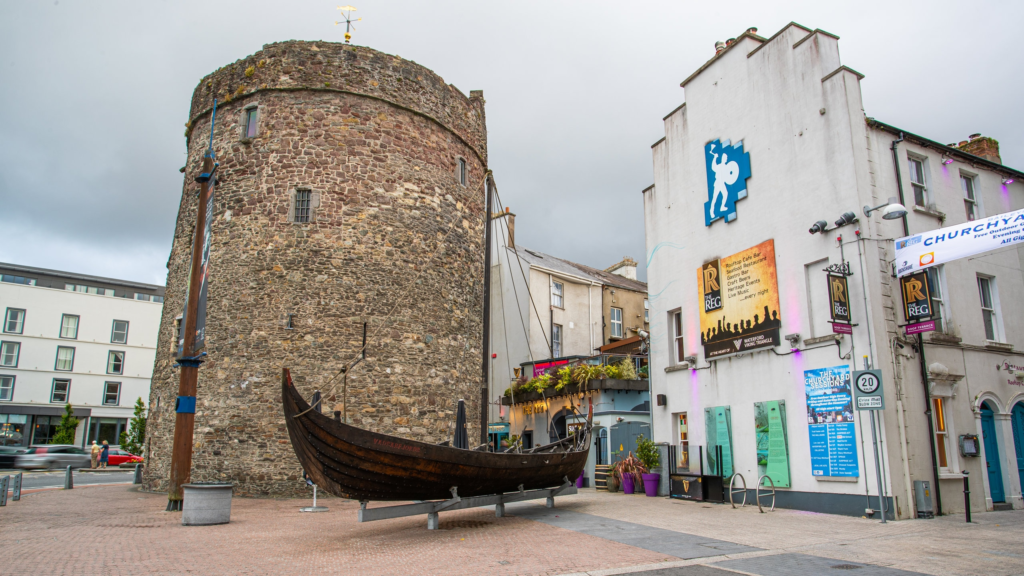
2. Reginald’s Tower
The Enigmatic Stone Sentinel of Norse Defensive Walls and Medieval Weaponry Vaults
Commanding a majestic stone platform at the absolute apex of the historic Viking Triangle overlooking the river quays, this circular fortress is the oldest civic urban building in Ireland.
- What it is famous for: Being a monumental 12th-century Anglo-Norman defensive bastion built on the structural footprint of an original 10th-century wooden Viking watchtower. Featuring solid stone walls over three meters thick, the tower has continuously served as a royal mint, a defensive prison, and a military storehouse, famously surviving a historic heavy artillery bombardment by Oliver Cromwell’s forces. Today, the internal timber floors house a spectacular specialized museum filled with excavated Viking silver arm rings, iron swords, and the historic 12th-century Waterford Kite Brooch.
3. Medieval Museum
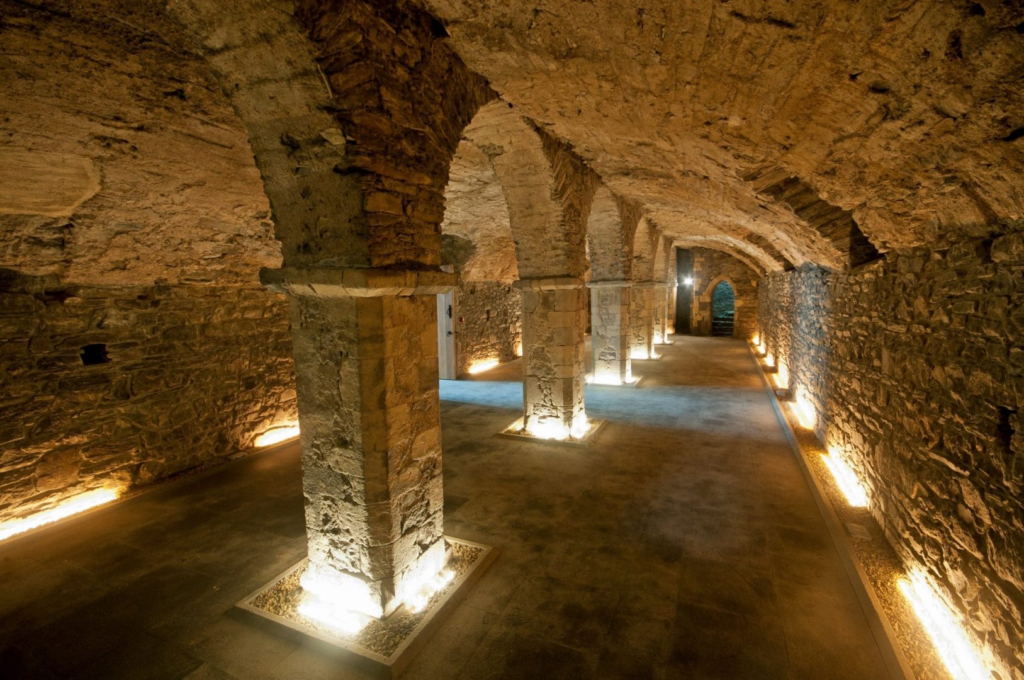
The Breathtaking Minimalist Palace of Subterranean Vaults and Fifteenth-Century Cloth of Gold Tiers
Sited dynamically right in the heart of the old city lanes, this stunning architectural masterwork seamlessly incorporates two fully preserved historic monuments within its clean-lined, curved yellow tufa stone exterior.
- What it is famous for: Being the only purpose-built medieval museum in Ireland, housing the extraordinary 13th-century Choristers’ Hall and the 15th-century Mayor’s Wine Vault deep underground. The climate-controlled display galleries preserve the world-famous Great Charter Roll of 1373 and the magnificent Waterford Cloth of Gold vestments—the only medieval gold church embroideries to survive the Reformation in Ireland. Visitors walk through dramatic vaulted stone spaces illuminated by focused lighting that accents the high craftsmanship of medieval Europe.
4. The Bishop’s Palace
The Stately Architectural Sovereign of Neo-Classical Glass Collections and Napoleonic Relic Sagas
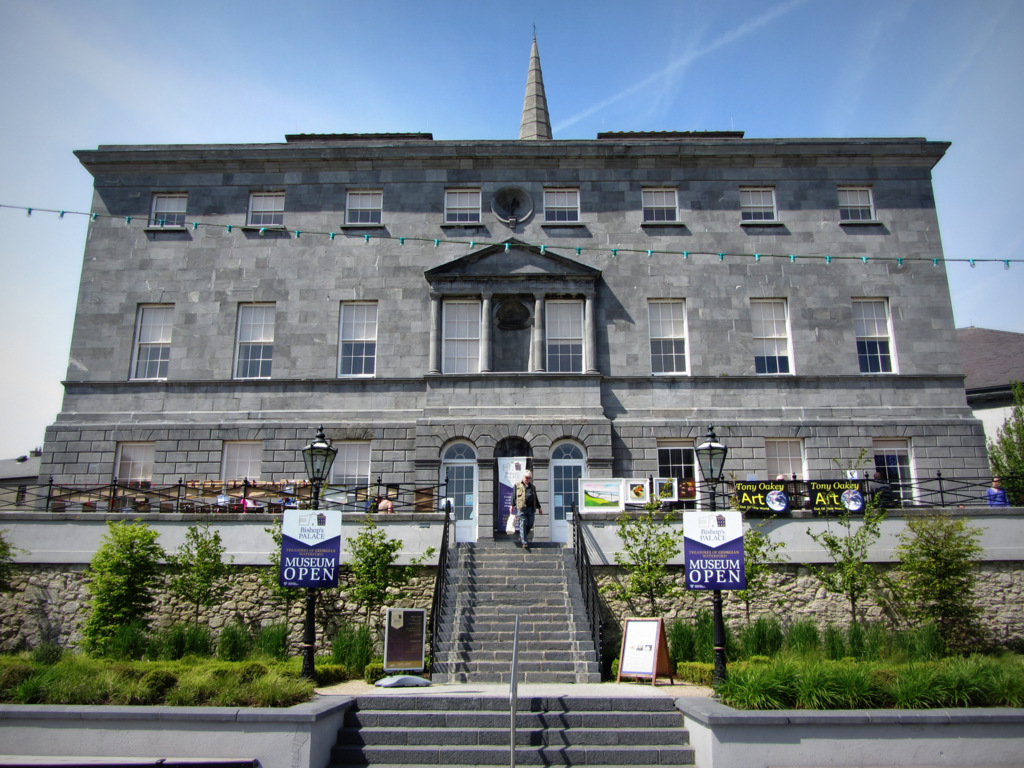
Dominating a beautifully manicured public square directly adjacent to the ancient city walls, this grand 1743 palace represents the peak of Georgian residential elegance in the region.
- What it is famous for: Housing a magnificent collection of 18th and 19th-century fine art, period furniture, and the oldest surviving pieces of cut Waterford glass dating back to 1783. Designed by the acclaimed neo-classical architect Richard Cassels, the museum interior features crystal chandeliers, polished parquet floors, and an interactive digital display mapping the transformation of the city. Specialized galleries contain unique historical treasures, including a genuine lock of Napoleon Bonaparte’s hair and the oldest surviving military uniform from the historic Irish Volunteers.
5. Waterford Greenway
The Sprawling Eco Matrix of Old Railway Tunnels and Mountain-Backed River Valley Horizons
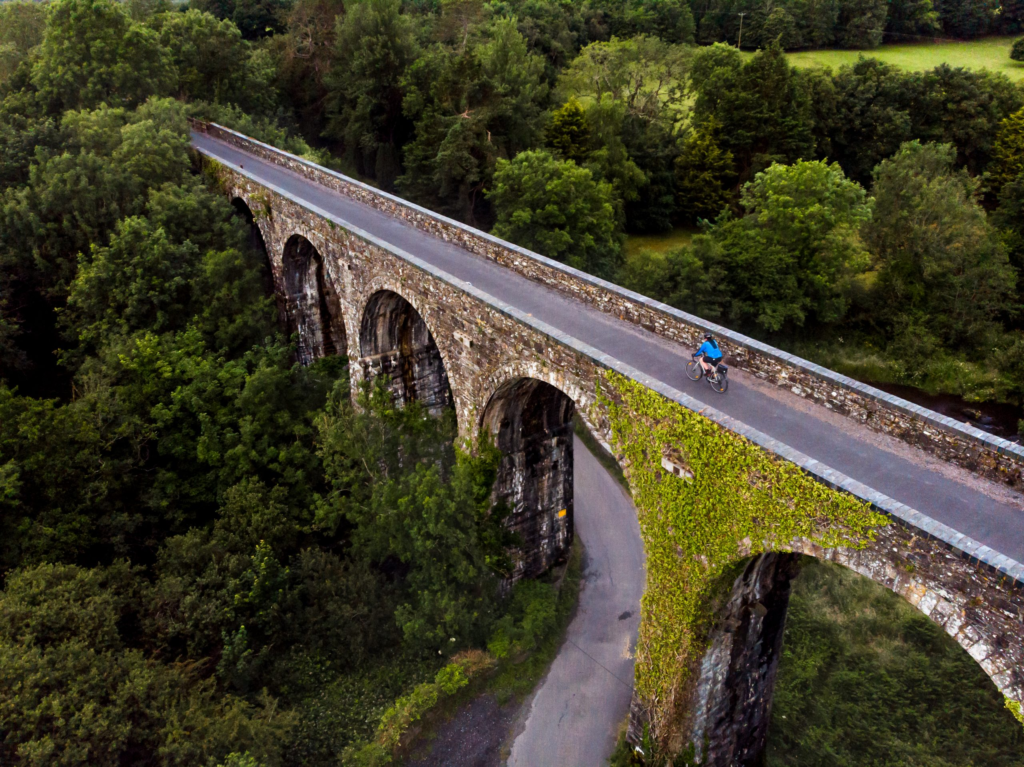
Slicing smoothly westward from the edge of the municipal core all the way to the historic coastal harbor town of Dungarvan, this fully paved 46-kilometer trail is an outdoor paradise.
- What it is famous for: Being one of Ireland’s premier off-road cycling and walking trails, engineered beautifully along the historic footprint of the abandoned 1878 Great Southern and Western railway line. The scenic trail loop takes travelers across spectacular stone viaducts, along the banks of the River Suir, and directly through the dark, brick-lined Ballyvoyle Tunnel covered in natural ferns. It operates as the ultimate green escape for active travelers who rent bikes to explore historic castle ruins, wool mills, and sweeping coastal vistas backed by the Comeragh Mountains.
6. Christ Church Cathedral
The Monumental Georgian Sovereign of Stucco Ceilings and Grim Medieval Tomb Monuments
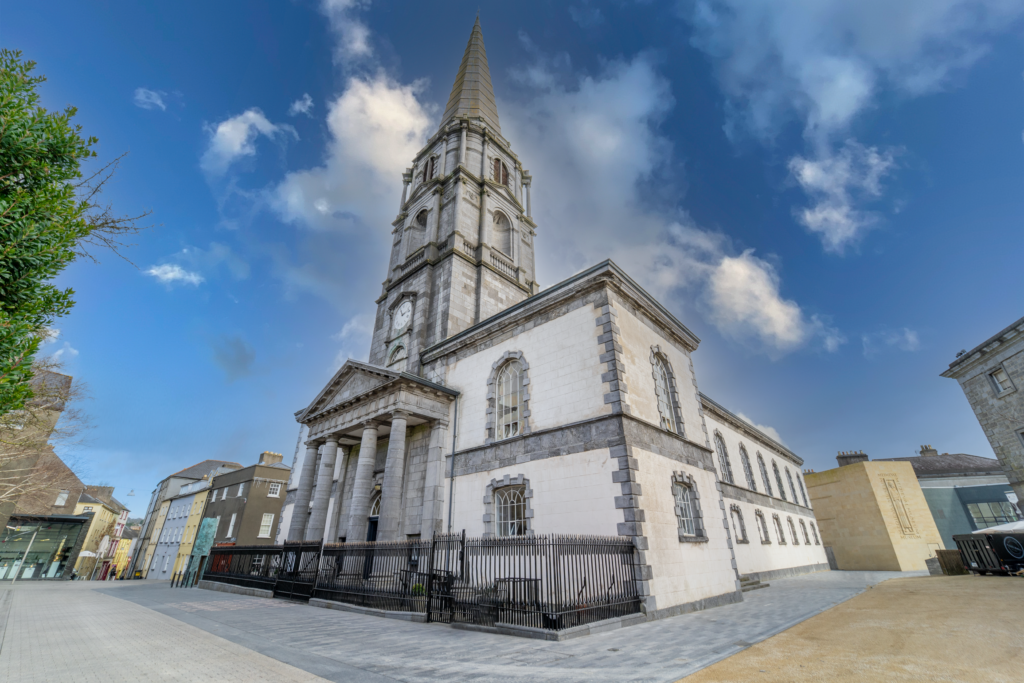
Commanding a prominent public stone ridge within the center of the Viking Triangle, this elegant cathedral stands proud as an absolute masterwork of 18th-century neo-classical church design.
- What it is famous for: Being designed by local architect John Roberts in 1773 on the site of a historic 11th-century Viking cathedral where the warrior Strongbow famously married the Irish Princess Aoife. The church features a stunning interior nave wrapped in intricate Italian rococo plasterwork ceilings and illuminated by massive clear windows. The side aisles house the famous and eerie 15th-century “memento mori” tomb monument of James Rice, which depicts a decomposing stone effigy created to remind medieval citizens of their mortality.
7. Irish Museum of Time
The Radiant Cultural Repository of Grandfather Clock Vaults and Precision Escapement Sagas
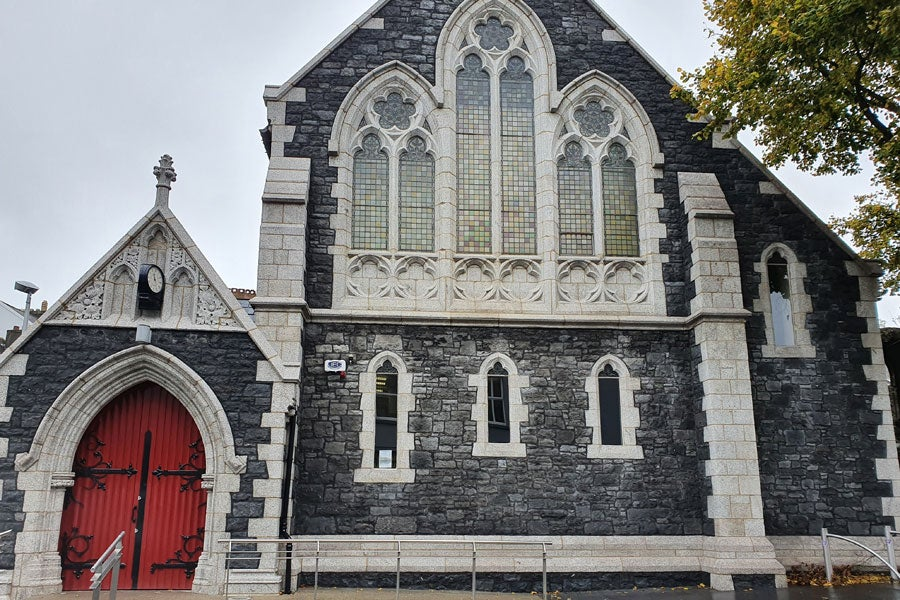
Tucked quietly inside a masterfully restored 19th-century neo-Gothic church building on Greyfriars Street, this specialized cultural center is a unique national treasure.
- What it is famous for: Housing the finest and most complete collection of historic Irish horology in the world, spanning over three centuries of precision clock and watchmaking. The museum features hundreds of ticking clocks, including monumental grandfather longcases, marine chronometers, and pocket watches crafted by legendary Dublin and Waterford masters. The sensory exhibition rooms surround visitors with the gentle, rhythmic acoustic soundscape of thousands of mechanical gears, spring clicks, and chime bells operating simultaneously.
8. Mount Congreve Gardens
The Enchanting Open Air Oasis of Azalea Woodlands and Sunken Chinese Pagoda Terraces
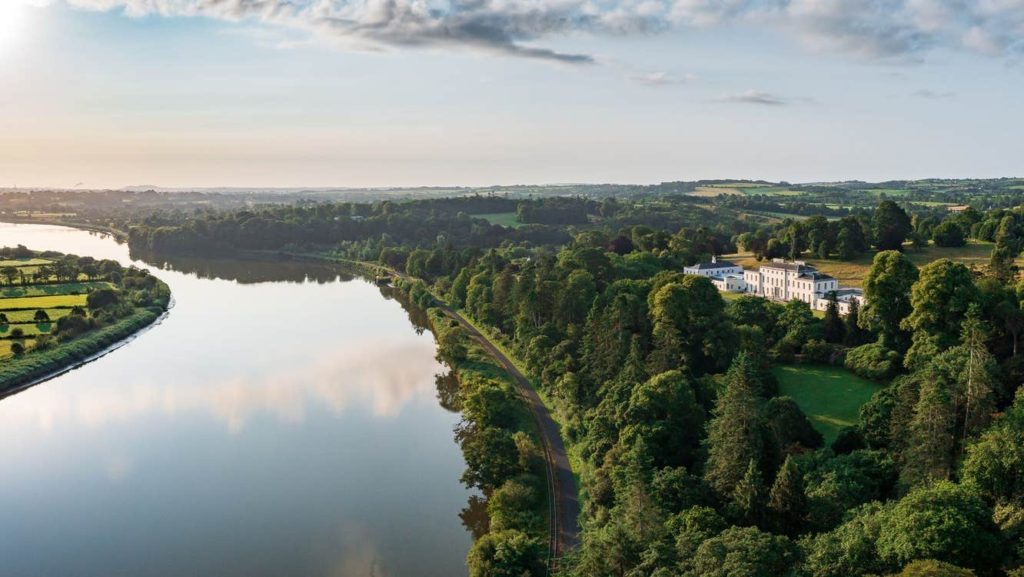
Sited dynamically along the rich, fertile northern banks of the River Suir just a brief ten-minute scenic drive west of the city center, this massive country estate is a botanical wonderland.
- What it is famous for: Housing one of the great international collections of woodland plants, featuring over sixteen miles of walking paths wrapped in thousands of species of rhododendrons, camellias, and azaleas. Established and curated across decades by the passionate industrialist Ambrose Congreve, the estate features a magnificent 18th-century Georgian mansion overlooking manicured lawns. Visitors walk through deep bamboo groves, along secret rock gardens, and down to a beautiful Chinese pagoda terrace built over the rushing river current.
9. Irish Silver Museum
The Radiant Cultural Repository of Gilded Royal Swords and Historic Hallmarked Assay Treasures
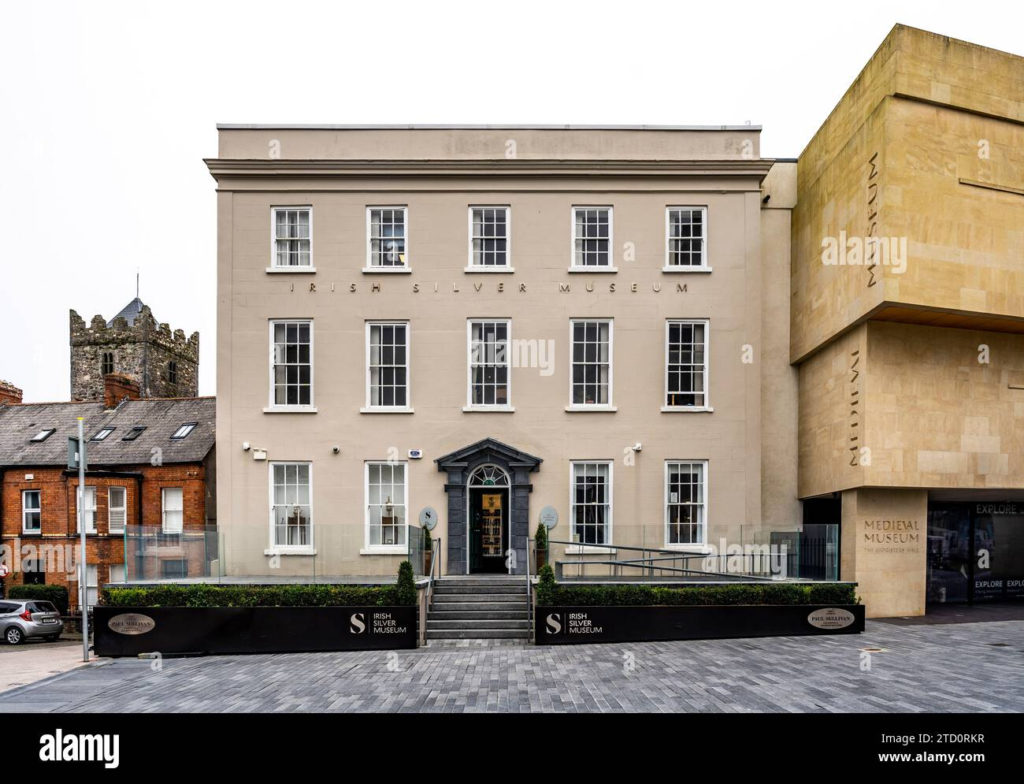
Nestled gracefully inside the historic Deanery building within the central stone plaza of the Viking Triangle, this specialized museum preserves the glittery material wealth of the island.
- What it is famous for: Documenting the complete history of silver craftsmanship in Ireland from the early Viking trading era to the grand luxury banquet tables of the Victorian elite. The museum’s glass vaults hold exceptional national treasures, including the historic Waterford Sword of State dating back to 1403 and rare, hallmark-stamped silver chalices, snuff boxes, and tea services. The highly informative displays reveal how silver functioned as a vital form of hard currency, political influence, and artistic expression across centuries of municipal conflict.
10. The City Walls & Watchtowers
The Picturesque Walking Runway of Medieval Stone Ramparts and French Tower Battlements
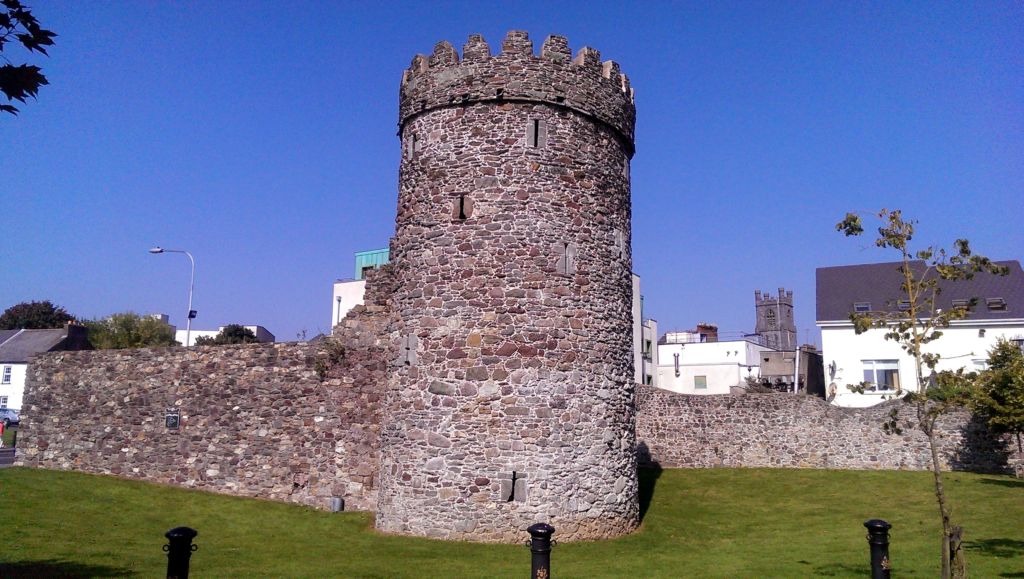
Slicing smoothly along the southern and western borders of the historic old town core, these rugged stone battlements represent the largest remaining network of medieval urban walls in Ireland.
- What it is famous for: Being a remarkably intact series of 13th-century limestone fortifications, complete with six intact defensive watchtowers built to defend Anglo-Norman citizens from native Gaelic raiders. Walking along the green park tracks beside the walls takes travelers past the famous French Tower, the Beach Tower, and the semi-circular Semi-Lunar Tower. These towering stone monuments showcase historic arrow loops, crenellated battlements, and structural stone corbels that once supported heavy wooden archers’ platforms.
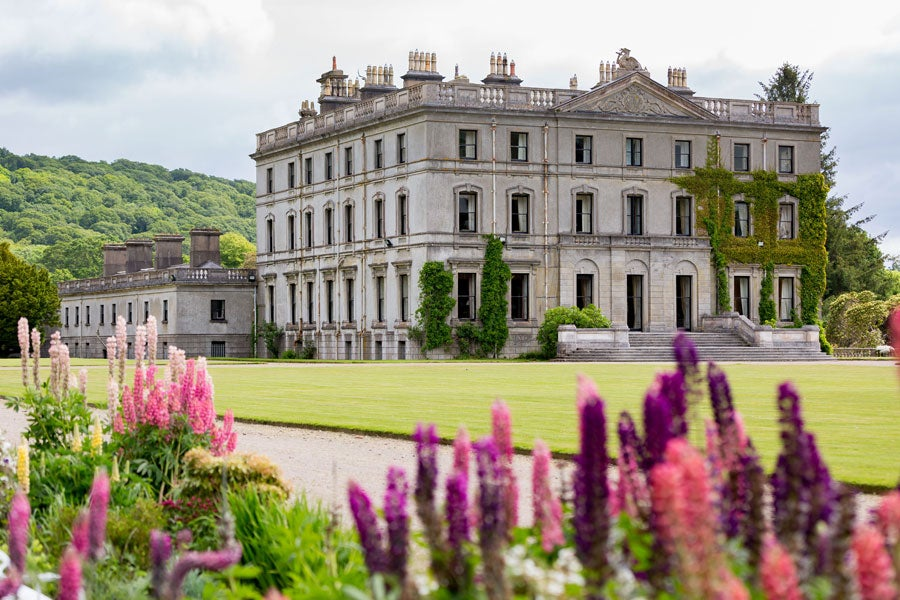
11. Curraghmore House & Gardens
The Breathtaking Ancestral Sovereign of Shell Grotto Inlets and Historic Anglo-Norman Courtyard Lawns
Sited dynamically within a vast, emerald 2,500-acre forest estate in Portlaw just a twenty-minute transit ride west of Waterford City, this grand ancestral home holds deep noble history.
- What it is famous for: Being the historic seat of the Marquess of Waterford and the de la Poer family, who have continuously inhabited the majestic estate grounds since 1170. The main house features a medieval stone tower core surrounded by a magnificent Victorian mansion, wrapped around an enormous gravel courtyard flanked by historic stable wings. The surrounding wilderness gardens house the famous Shell Grotto—a unique garden pavilion built in 1746 and hand-lined with thousands of rare international sea shells by Catherine, Countess of Tyrone.