
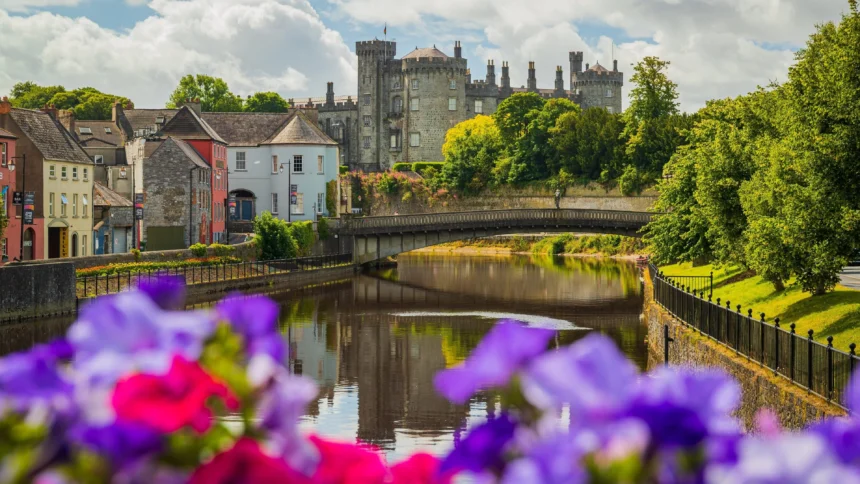
Kilkenny, anchoring the absolute inland southeastern frontier of Ireland along the scenic, winding banks of the River Nore, operates on a spectacular medieval layout where historic royal lanes meet cutting-edge Irish craft design.
Historically originating as a sacred 6th-century monastic settlement founded natively by Saint Canice, this inland stronghold evolved under Anglo-Norman rule into a colossal, heavily fortified walled capital.
Because the metropolis aggressively protected its limestone-paved pathways, narrow slipways, and grand defensive works rather than modernizing them with heavy industrial factories, it earned its permanent cultural status as the “Marble City” and the undisputed center of medieval heritage, comedy arts, and traditional craft innovation in Ireland.
Today, Kilkenny presents a striking architectural matrix where 13th-century stone castles and soaring Gothic cathedral towers stand beside brightly painted independent storefronts and repurposed monastic brewing yards.
The city effortlessly pairs its deep, battle-tested historical pedigree with a fiercely energetic, bohemian passion for local gastronomy, artisan design studios, and live traditional acoustic music sessions.
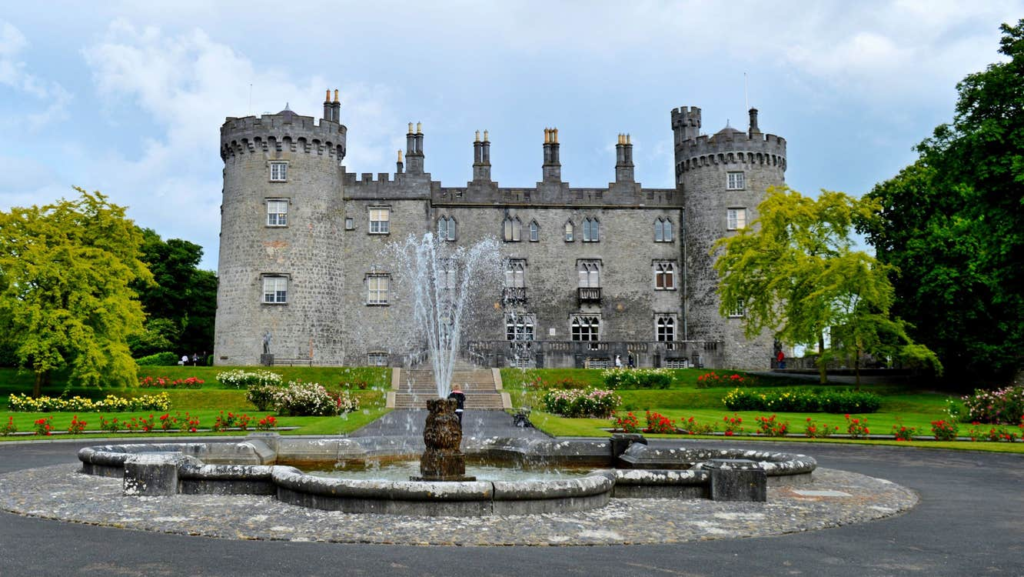
1. Kilkenny Castle
The Spectacular Architectural Sovereign of Anglo-Norman Drum Towers and Multi-Sensory Picture Galleries
Dominating the absolute physical and visual crest of a strategic stone ridge overlooking a major bend in the River Nore, this monumental fortress stands proud as the historical icon of the region.
- What it is famous for: Being a sweeping 13th-century fortress that served as the grand imperial seat of the powerful Butler family (the Earls of Ormonde) for nearly six centuries. The castle features massive rounded stone towers, a spectacular classical long gallery wing covered by an ornate, hand-painted timber ceiling, and beautifully restored Victorian reception rooms. Today, visitors can explore the grand interior apartments before walking across the massive, fifty-acre public parkland estate that frames the castle walls.
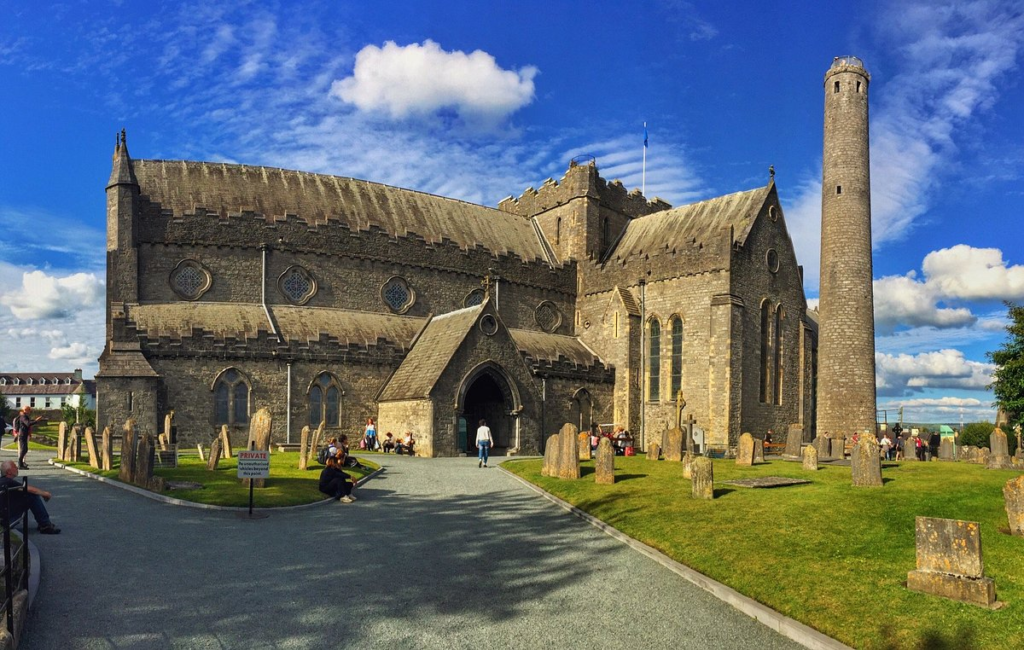
2. St. Canice’s Cathedral & Round Tower
The Breathtaking Romanesque Sovereign of Limestone Tombs and Seventh-Century Horizon Overlooks
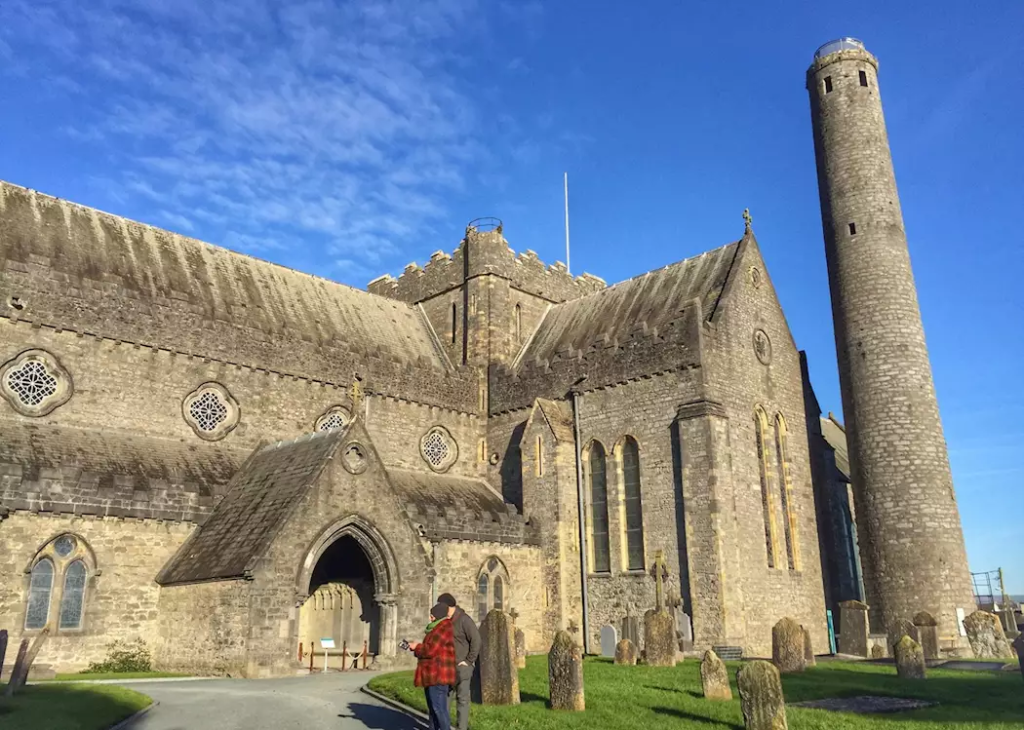
Commanding a prominent public stone platform on the northern end of the historic city grid, this majestic house of worship represents the absolute spiritual cradle of the settlement.
- What it is famous for: Being the second-largest medieval cathedral in Ireland, constructed from local limestone in the early English Gothic style, featuring a rare, fully climbable 9th-century Celtic round tower. The cathedral interior houses an extraordinary collection of ancient stone monuments, including the famous black marble effigy tombs of the Butler dynasty and the ancient stone Saint Canice’s Chair used for enthroning local bishops. Brave travelers can ascend the steep internal wooden ladders of the external round tower to enjoy a spectacular, unmatched panoramic view over the red roofs of the old city.
3. The Medieval Mile
The Picturesque Walking Runway of Cobblestone Slipways and Vibrant Craft Fronts
Slicing smoothly through the absolute historic core of the old city center, this legendary pedestrian route connects Kilkenny Castle directly with St. Canice’s Cathedral.
- What it is famous for: Its enchanting matrix of narrow streets, historic stone slipways, and beautifully preserved merchant structures mapping centuries of continuous urban life. Walking this vibrant cobblestone path takes travelers past brightly painted storefronts, traditional Irish pubs, and deep stone archways that lead to hidden courtyards. The lively avenue serves as a continuous open-air theater for local street buskers, traditional artisans, and the city’s world-renowned annual arts and comedy festivals.
4. Rothe House & Gardens
The Enigmatic Stone Sentinel of Tudor Merchant Wealth and Heirloom Orchard Inlets
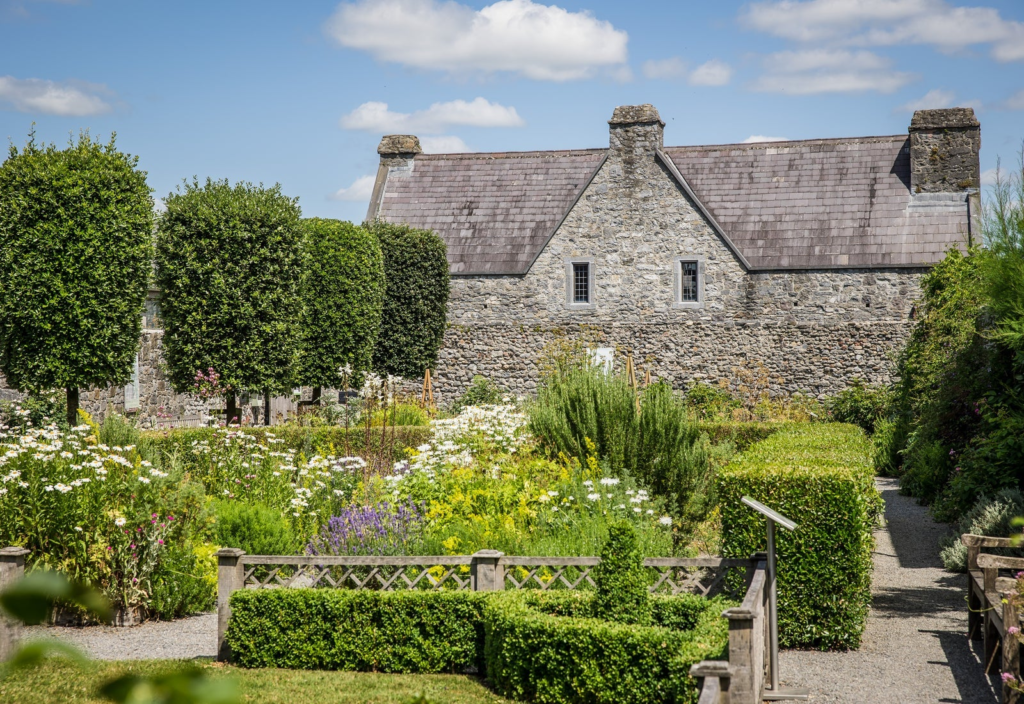
Sited dynamically right along the central path of Parliament Street within the old town grid, this unique complex represents a pristine survivor of Renaissance Ireland.
- What it is famous for: Being the only surviving example of a complete 17th-century Tudor merchant townhouse complex in Ireland, built by wealthy merchant John Rothe between 1594 and 1610. The property consists of three distinct stone houses separated by quiet cobblestone courtyards, housing museum galleries filled with local archaeological treasures and historic costumes. Behind the stone walls sits a masterfully restored, half-acre walled Tudor garden cultivated using original historical plant lists, featuring heirloom apple orchards, sweet peas, and traditional vegetable beds.
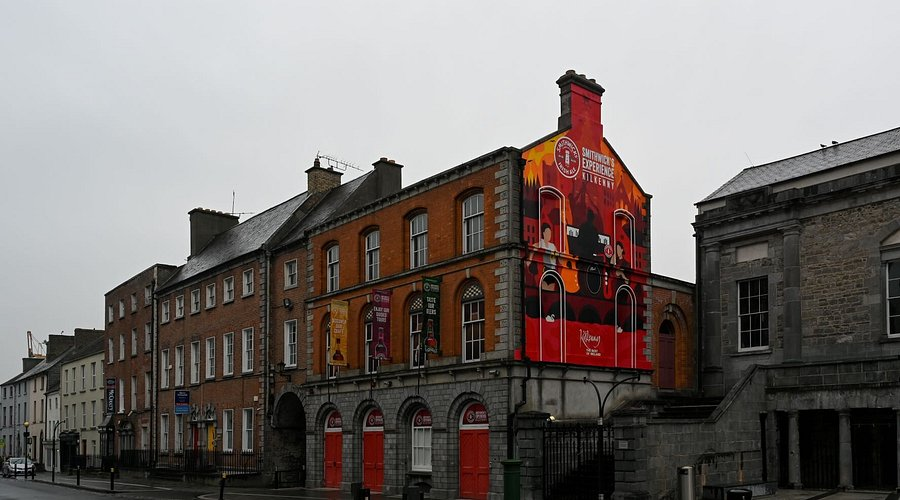
5. Smithwick’s Experience Kilkenny
The Colossal Industrial Sovereign of Ancient Monastic Cellars and High-Energy Brewing Sagas
Commanding a prominent public footprint within the historic St. Francis Abbey brewery quarter on the northern edges of the inner city, this interactive center is a major attraction.
- What it is famous for: Being the ancestral home of Ireland’s oldest and most famous red ale, brewed originally on this site since 1710 by John Smithwick. The state-of-the-art interactive museum is built over the excavated foundations of a 13th-century Franciscan monastery where monks originally brewed beer centuries ago. The experience utilizes advanced multi-sensory displays, holograms, and talking portraits to guide visitors through the science of brewing, culminating in a tasting session of fresh red ale in the taproom.
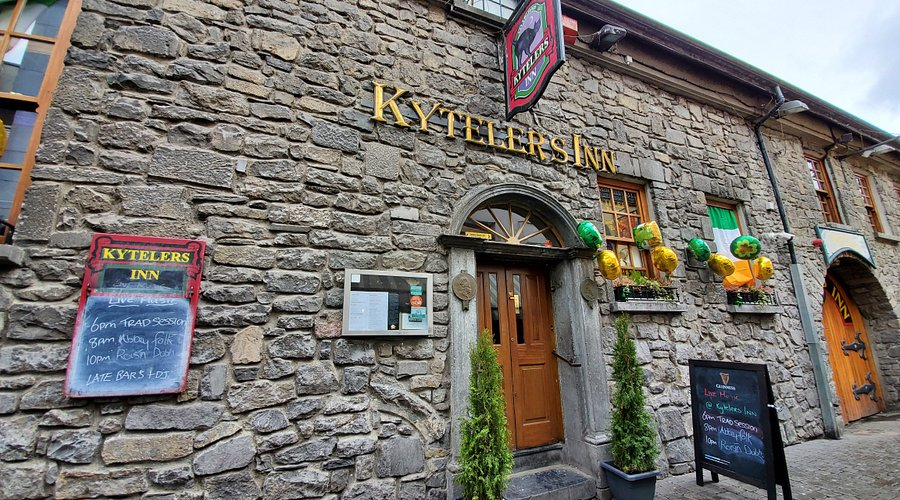
6. Kyteler’s Inn
The Savory Cultural Repository of Medieval Vaulted Cellars and Dark Witchcraft Sagas
Nestled gracefully within a deep stone alcove along the narrow lanes of St. Kieran’s Street, this historic tavern stands proud as one of the oldest operating inns in Ireland.
- What it is famous for: Being the historic 14th-century home of Dame Alice de Kyteler, a wealthy noblewoman who famously fled the country after being accused of witchcraft and murdering her four husbands. Established originally in 1324, the building maintains its raw medieval architecture, featuring thick stone walls, heavy oak beams, and a cavernous, vaulted lower cellar bar. Today, it operates as a vibrant culinary and social hub where locals and travelers gather to enjoy traditional Irish stew and craft beers while listening to live acoustic folk sessions.
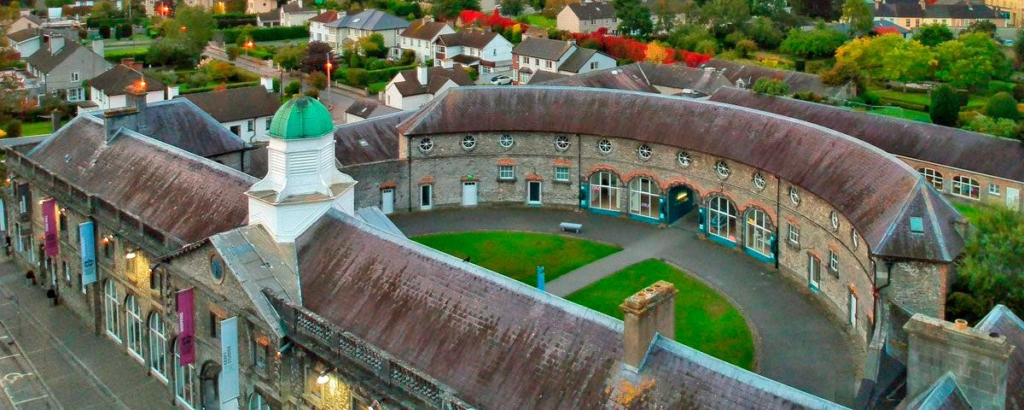
7. Kilkenny Design Centre
The Radiant Cultural Repository of Classical Courtyard Stables and Contemporary Irish Design
Occupying a spectacular, semi-circular stone building directly across the street from the main gates of Kilkenny Castle, this center holds the creative soul of the region.
- What it is famous for: Serving as the original 18th-century classical stables and coach house complex for Kilkenny Castle, converted into a world-class center for contemporary Irish design. Originally established as the government-backed Kilkenny Design Workshops in the 1960s, the complex played a pivotal role in modernizing traditional Irish crafts. Today, visitors can walk the cobbled courtyard to watch master goldsmiths, potters, and weavers at work in their studios and purchase premium Irish knitwear, ceramics, and fine art.
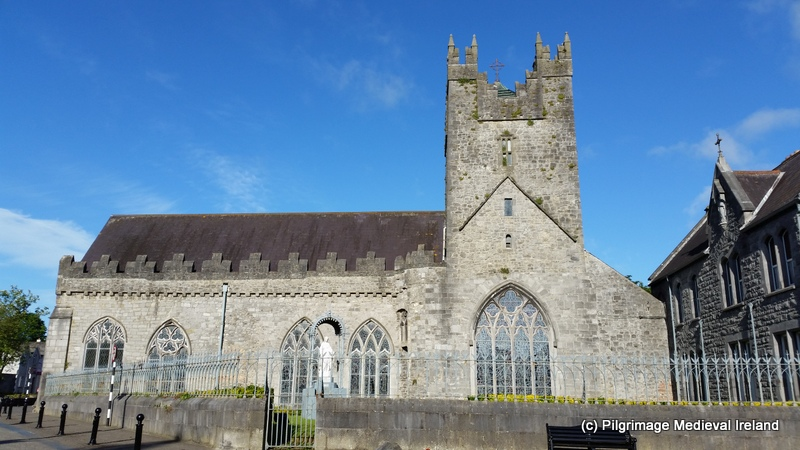
8. Black Abbey (Dominican Priory)
The Monumental Gothic Sovereign of Stained Glass Rosettes and Ancient Stone Altar Tiers
Tucked quietly into a low-lying valley basin beneath the old city walls near the historic Irishtown gate, this grand 13th-century priory represents a living monument of faith.
- What it is famous for: Its extraordinary historic architecture founded in 1225 by William Marshall, featuring one of the largest and most breathtaking stained glass windows in Ireland. Known as the “Rosary Window,” this monumental multi-paneled masterpiece floods the stone interior nave with a dazzling kaleidoscope of color depicting the life of Christ. The abbey earned its name from the dark black cloaks worn by the Dominican friars who have continuously served, survived, and maintained the sacred stone spaces across centuries of political upheaval.
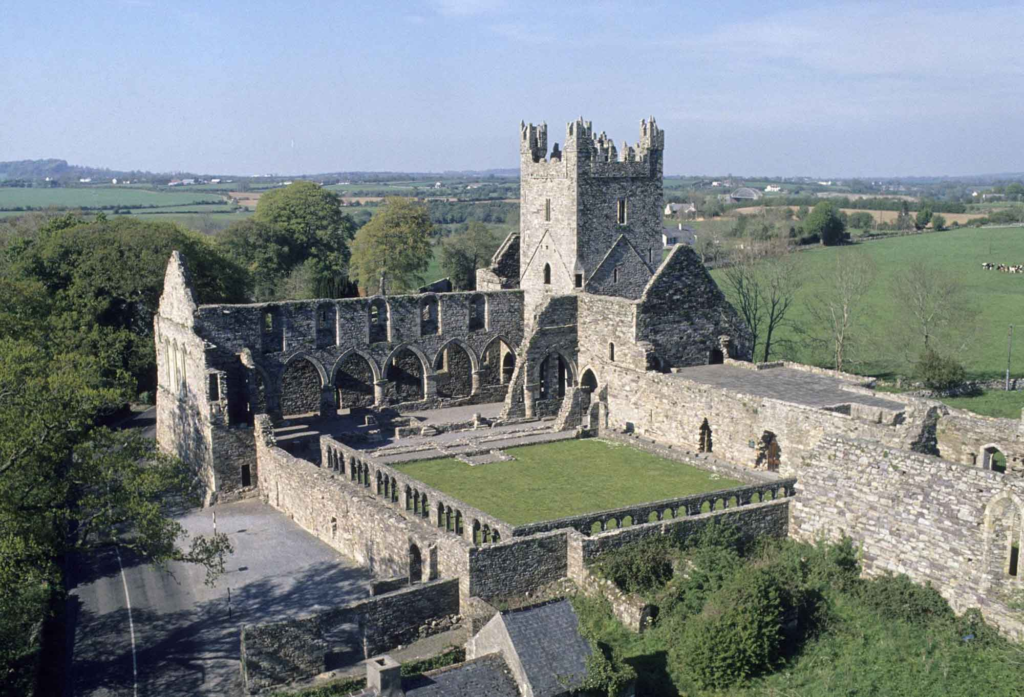
9. Jerpoint Abbey
The Breathtaking Cistercian Sovereign of Ornate Cloister Carvings and Sculpted Knight Tombs
Sited dynamically within the peaceful green pastures of Thomastown just a scenic twenty-minute drive south of the city core, this ancient Cistercian ruin is a national masterpiece.
- What it is famous for: Being one of the finest and most complete Cistercian monastic ruins in Ireland, founded around 1180 by the King of Ossory. The architectural complex is celebrated for its exceptionally preserved central cloister arcade, which features unique stone columns carved with lifelike figures of medieval knights, bishops, ladies, and mythical creatures. Visitors can explore the grand stone transepts, walk beneath soaring gothic arches, and view beautifully carved 15th-century effigy tombs depicting ancient local rulers.
10. The Hole in the Wall
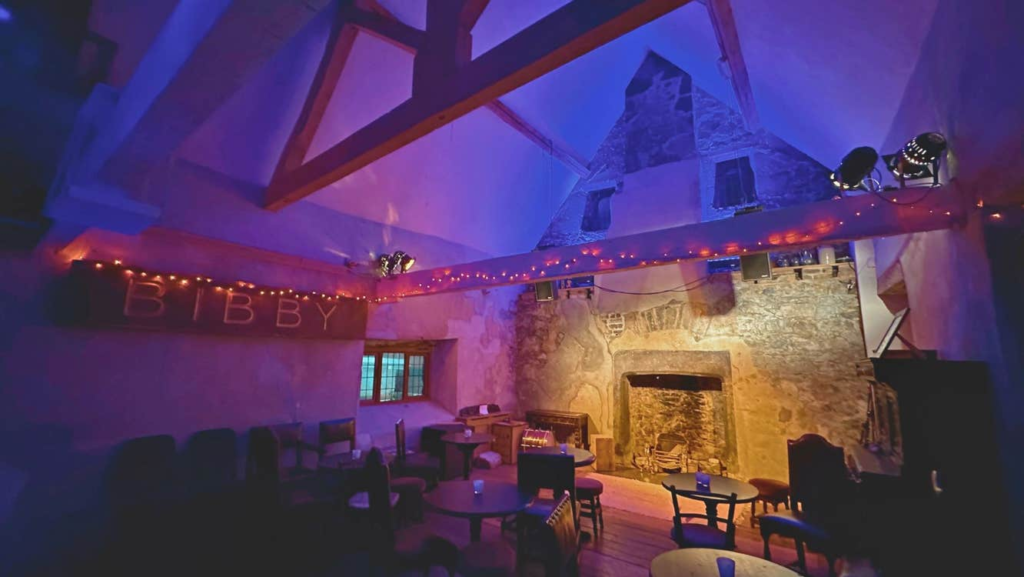
The Breathtaking Minimalist Palace of Elizabethan Timber Frames and Intricate Music Alleys
Tucked quietly behind a narrow stone slipway off High Street within a hidden, timber-framed Elizabethan building, this intimate cultural space is a rare architectural wonder.
- What it is famous for: Being the oldest surviving Tudor-era tavern building in Ireland, constructed in 1582 as part of an elegant inner-city merchant mansion complex. The building features an exceptionally restored oak timber-framed interior, a massive stone hearth, and a cozy high-ceilinged loft space used for intimate gatherings. Today, it functions as a unique, atmospheric venue for poetry readings, independent wine tastings, and live acoustic sessions, preserving the architectural flavor of Elizabethan Kilkenny.
11. Dunmore Cave
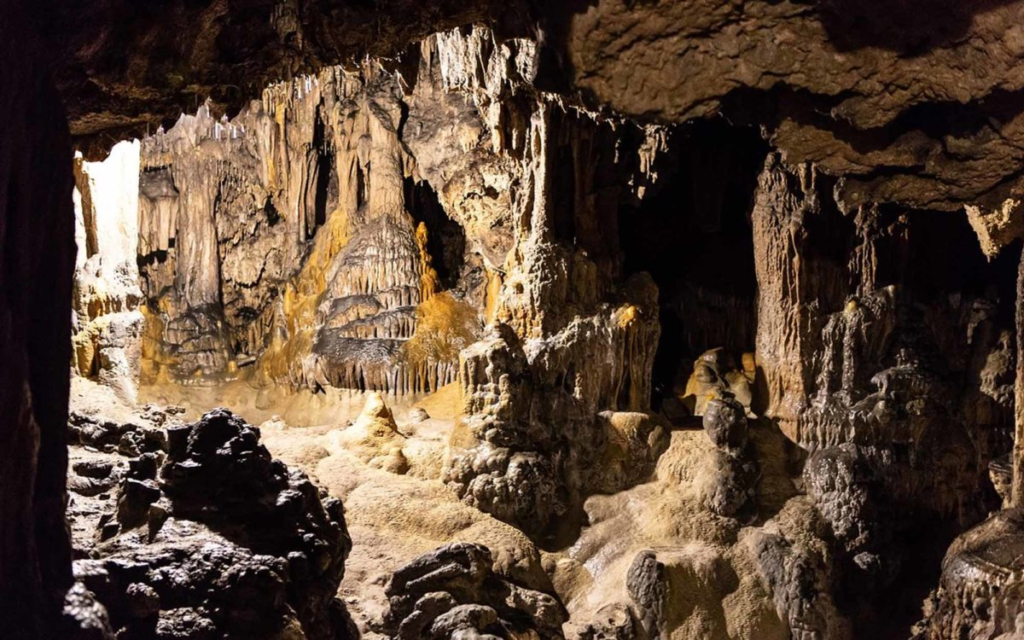
The Breathtaking Prehistoric Sovereign of Calcite Pillar Vaults and Savage Viking Treasure Sagas
Sited dynamically within the rolling limestone landscape just a short ten-minute drive north of the municipal core, this massive underground cavern is a dark wonder of the county.
- What it is famous for: Being a spectacular natural limestone cave system containing some of the finest calcite formations in Ireland and the site of a legendary 10th-century Viking battle. Mentioned in ancient Irish triads as one of the darkest places on the island, the cave was the site of a tragic Viking raid in 928 AD. Modern archaeological excavations inside the deep stone chambers have recovered substantial hoard treasures, including silver coins, bronze buttons, and delicate gold track wires left behind by early travelers.