
Hafnarfjörður, anchoring the absolute southwestern coastal frontier of Iceland just a short, scenic drive south of Reykjavik, operates on a spectacular, rugged urban layout built directly on top of a 7,000-year-old volcanic lava field.
Historically thriving as one of the oldest continuous commercial shipping ports on the island contested heavily by English and Hanseatic merchants in the 15th and 16th centuries its harbor was carved natively out of deep basalt rock formations.
Because the municipality expanded seamlessly around and over these craggy lava barriers rather than flattening them, it earned its permanent cultural title as The Town on the Lava and the undisputed global capital of Icelandic elf folklore.
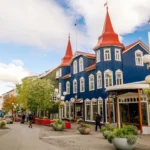
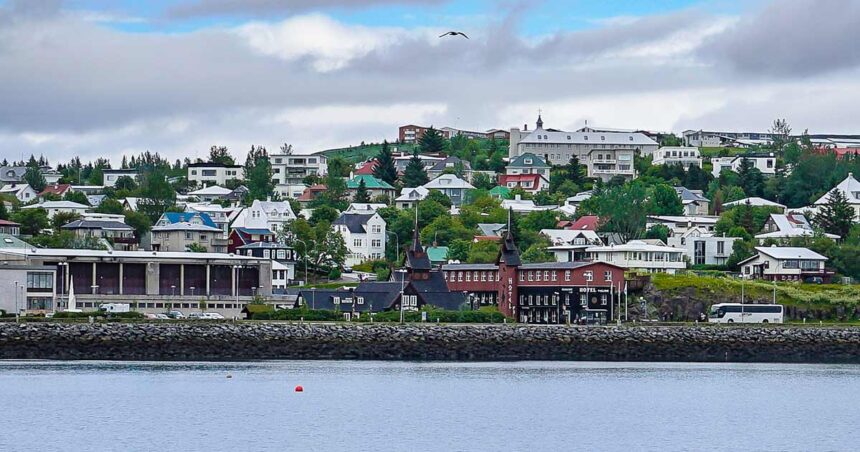
Today, Hafnarfjörður presents a striking urban matrix where multi-colored modern coastal structures and historic corrugated-iron cottages sit wrapped around jagged rock gardens and steaming geothermal fractures.
The city effortlessly pairs its industrious maritime pedigree hosting one of the country’s busiest fishing fleets with a deeply rooted, bohemian passion for the hidden arts and historical preservation.
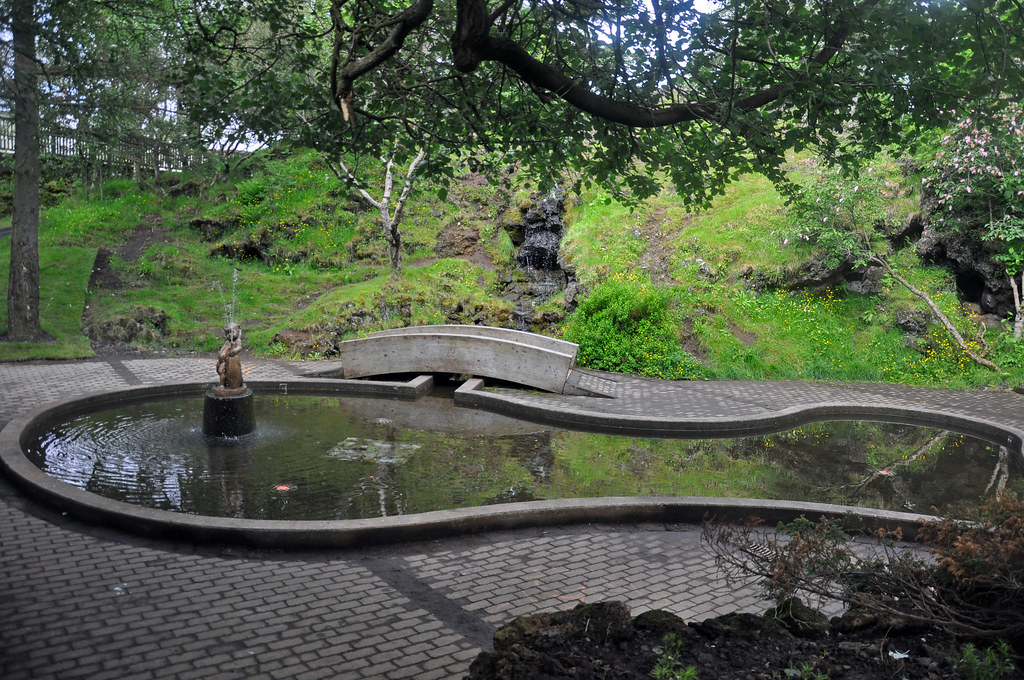
1. Hellisgerði Park
The Enchanting Botanical Living Room of Moss-Covered Lava Caves and Hidden Elf Royalties
Tucked gracefully into a volcanic depression right in the heart of the older residential district, this serene public park looks like a living fairy-tale sanctuary.
- What it is famous for: Being internationally renowned as the absolute epicenter of Iceland’s Huldufólk (Hidden People or Elves) folklore, set within a lush botanical rock garden. Established natively in 1923, the park features winding pathways that lead past twisting bonsai-like trees, rare subarctic flora, and jagged basalt volcanic caves covered in thick green moss. According to local seers and generation-old legends, these specific rock structures house the royal court of the hidden people, drawing travelers who come to quietly marvel at the mystical atmosphere.
2. The Viking Village (Fjörukráin)
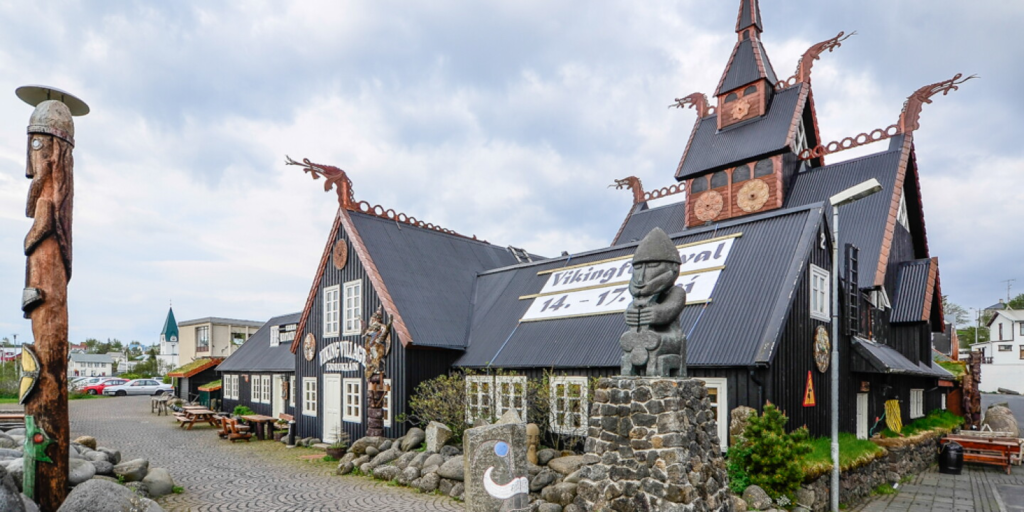
The Monumental Asgardian Sovereign of Hand-Carved Feast Halls and Midsummer Solstice Sagas
Commanding a prime, high-profile beachfront footprint along the historic Strandgata harbor avenue, this massive hospitality and cultural complex is a monument to Norse heritage.
- What it is famous for: Hosting the world-famous annual international Viking Festival every June and featuring authentic, timber-framed Nordic feast halls. Step inside the intricately carved wooden interiors to find walls lined with traditional shields, weapons, and taxidermy, where staff clad in historic tunics serve slow-roasted lamb stews and traditional mead horns. The venue serves as the absolute epicenter for historical reenactors, Norse folk musicians, and weapon masters who gather from across the globe to celebrate ancient pagan sagas.
3. Kleifarvatn Lake
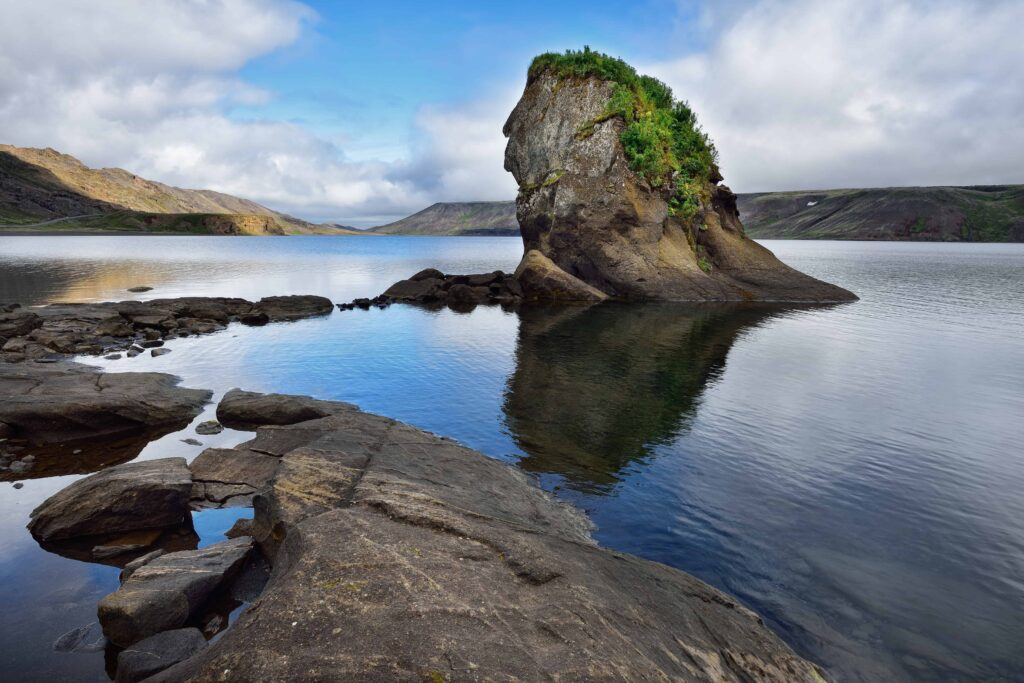
The Sprawling Geothermal Horizon Basin of Pitch-Black Sands and Subterranean Monster Trails
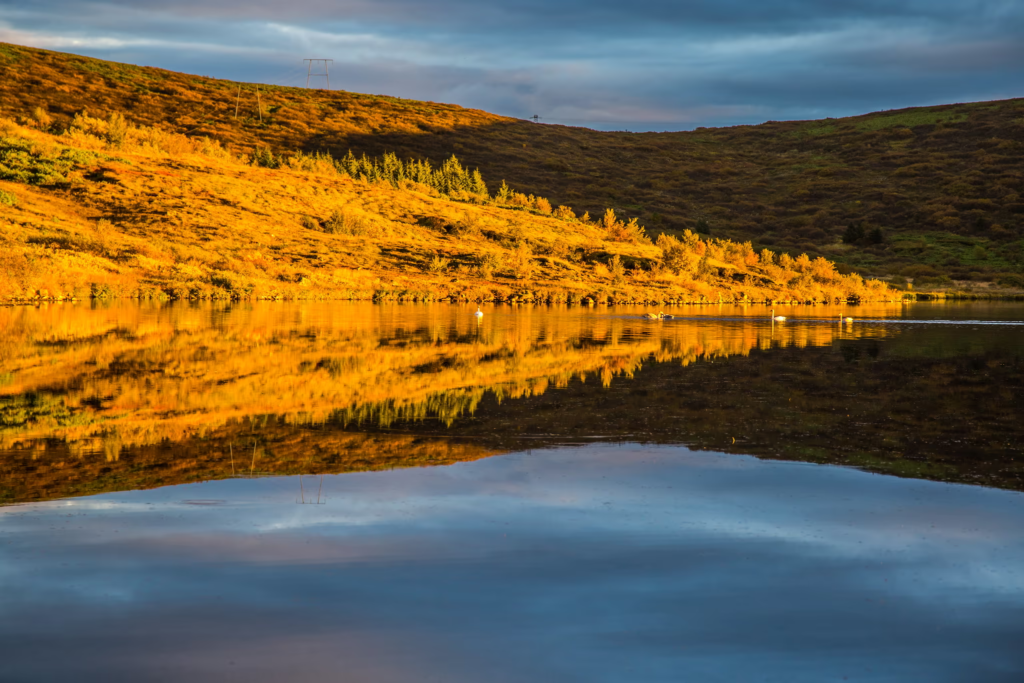
Sited dynamically on the rugged, fissure-torn expanses of the Reykjanes Peninsula volcanic reserve just a short drive south of the municipal core, this massive body of water is a natural wonder.
- What it is famous for: Being the largest lake on the peninsula, completely surrounded by a stark, volcanic moonscape and famous for dramatically draining into underground fissures following earthquakes. Ringed by towering, craggy volcanic cliffs and deep pitch-black volcanic sand beaches, the lake features no visible surface inlets or outlets, being fed entirely by subterranean water systems. Local folklore has long warned of a massive, whale-sized serpent monster lurking deep within its dark, volcanic depths, making it a favorite destination for hikers and mystery seekers.
4. Krýsuvík Geothermal Area
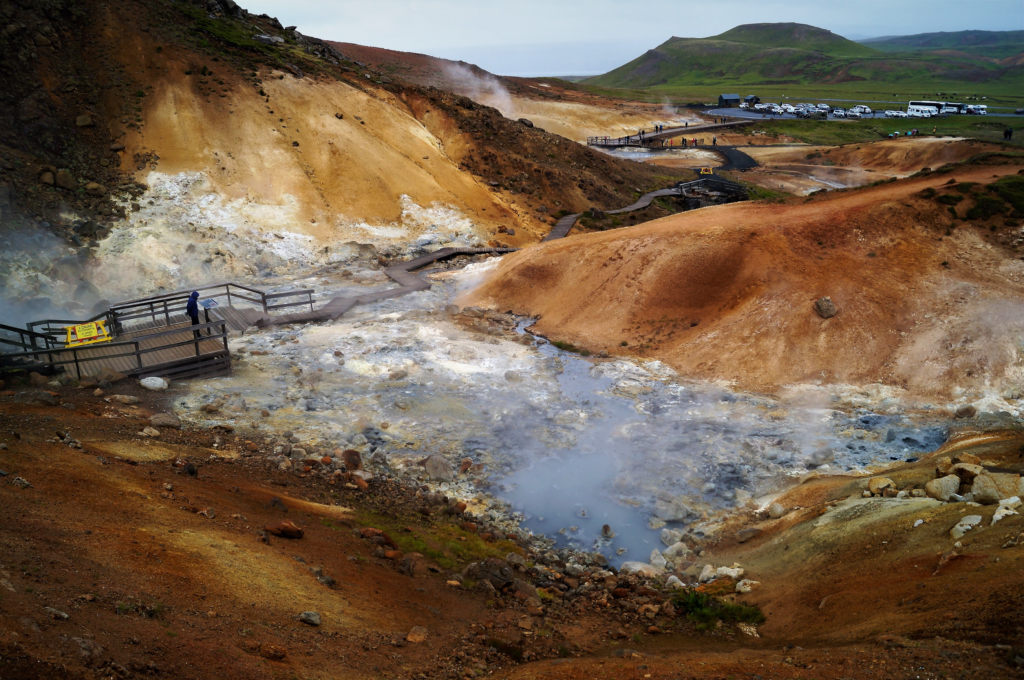
The Steaming Tectonic Matrix of Boiling Sulfur Mud Pots and Multi-Tiered Mineral Boardwalks
Positioned further south along the volcanic highway cutting through the Reykjanes UNESCO Global Geopark, this highly active geothermal field is an unforgettable sensory environment.
- What it is famous for: Its intense, boiling sulfur mud pots (solfataras), roaring steam vents, and multi-colored mineral hillsides painted in brilliant yellows, reds, and greens. Visitors can hike safely along an extensive, well-maintained wooden boardwalk system suspended directly over the hot, bubbling terrain while listening to the deep, rumbling sounds of the earth. The area sits directly atop the Mid-Atlantic Ridge, offering a raw, up-close look at the powerful tectonic forces shaping the island.
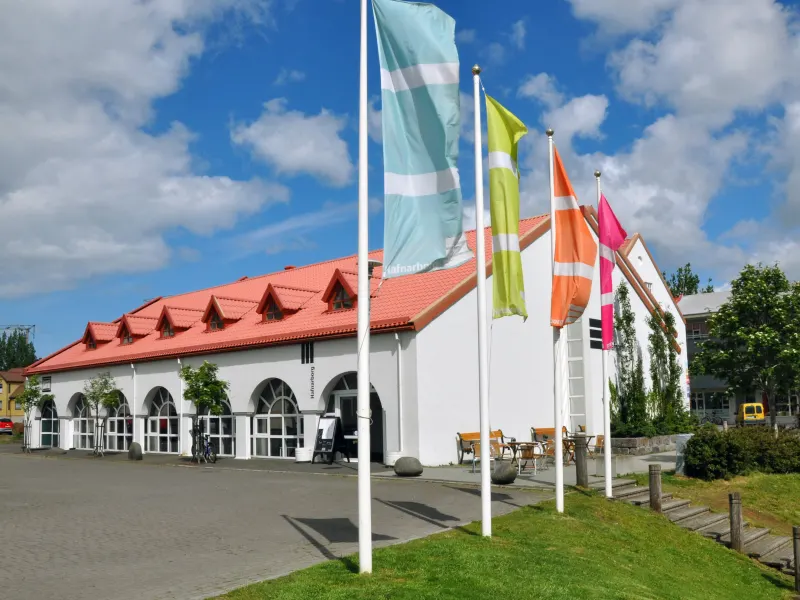
5. Hafnarborg (The Hafnarfjörður Centre of Culture and Fine Art)
The Stately Minimalist Palace of Contemporary Nordic Fine Art and Acoustic Chamber Vaults
Dominating a prominent public corner in the vibrant commercial core of the old town, this sleek, modernist cultural center anchors the local art scene.
- What it is famous for: Housing the premier municipal art collection of Hafnarfjörður, emphasizing pioneering avant-garde Icelandic painters and international sculptures. Founded in 1983 through a generous civic donation by local collectors, the institute hosts rotating contemporary art exhibitions that challenge traditional boundaries. The building’s sunlit galleries are celebrated for their acoustics, frequently hosting high-end classical chamber concerts and experimental sound installations.
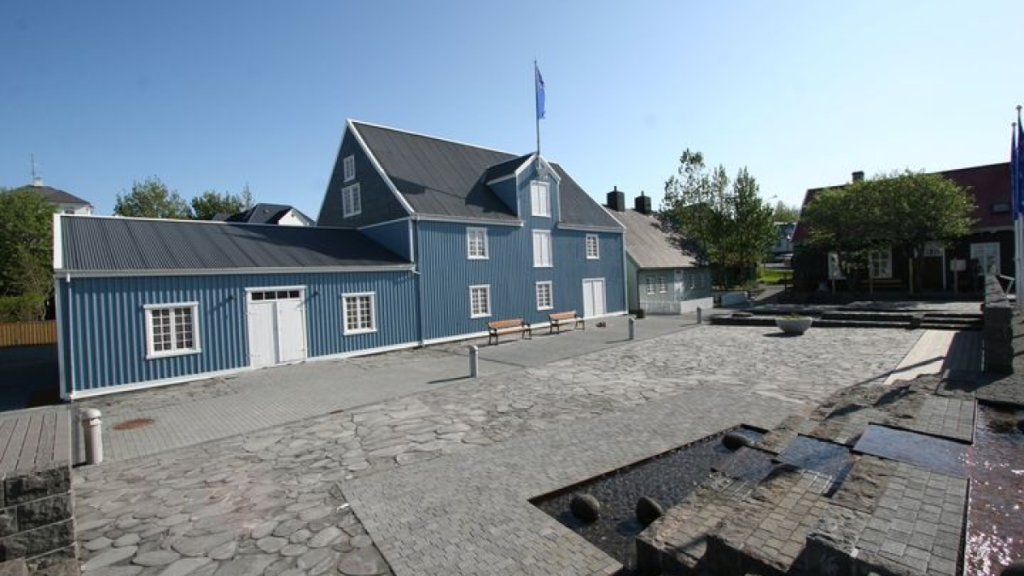
6. Hafnarfjörður Museum (Pakkhúsið & Sivertsen House)
The Stately Cultural Repository of Fjord-Trading Relics and 19th-Century Merchant Eras
Spreading across several masterfully preserved historic buildings surrounding the inner harbor inlet, this museum quarter holds the absolute historical memory of the town.
- What it is famous for: Tracking the town’s rich maritime trading history through Pakkhúsið, a historic 1912 black-painted wooden warehouse, and the 1803 Sivertsen House. The interior exhibitions document the transition from early hand-line rowboat fishing to the golden age of steam trawlers. Visitors can step inside the Sivertsen House—the oldest residential structure in the city—to see how upper-class merchant families lived, complete with period furniture, silver tea sets, and vintage trading ledgers.
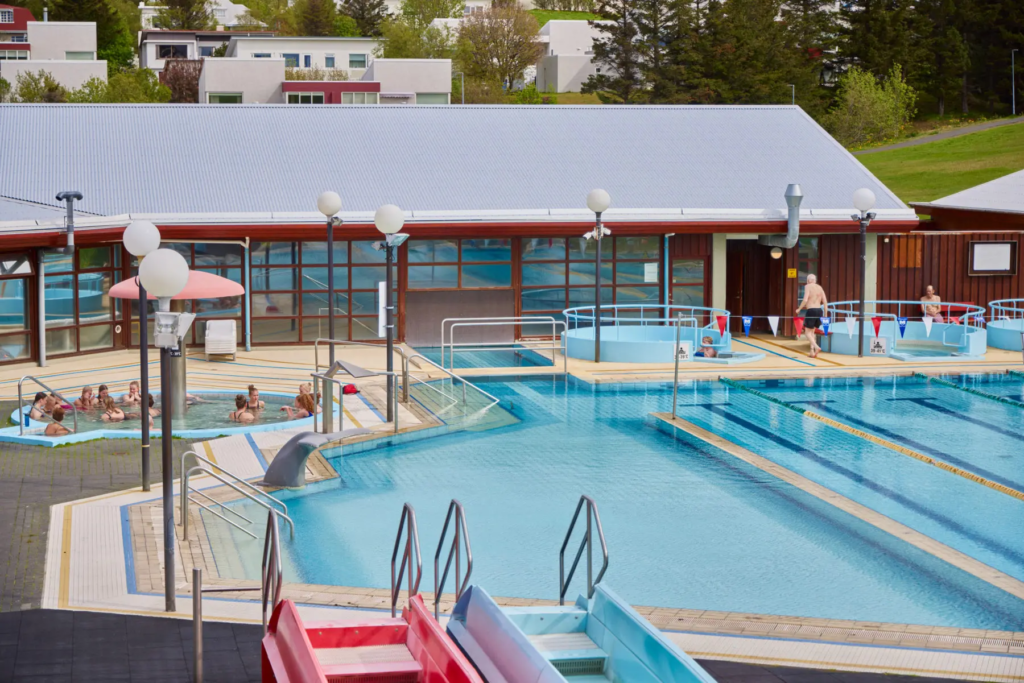
7. Suðurbæjarlaug Thermal Pool
The Modern Water Matrix of Geothermal Alkaline Springs and Giant Volcanic Waterslides
Sited dynamically within a spacious public wellness quarter on the southern hillsides of the town, this modern geothermal pool complex is a favorite gathering spot for locals.
- What it is famous for: Its luxurious, mineral-rich hot tubs fed by local subterranean thermal wells, featuring a massive outdoor swimming zone and modern steam rooms. The facility masterfully combines authentic clinical mineral soaking basins with high-energy recreational features like a giant winding water slide. Swimming here offers travelers an authentic look into the daily communal bathing culture of Icelanders, who gather in the outdoor pools to discuss local events.
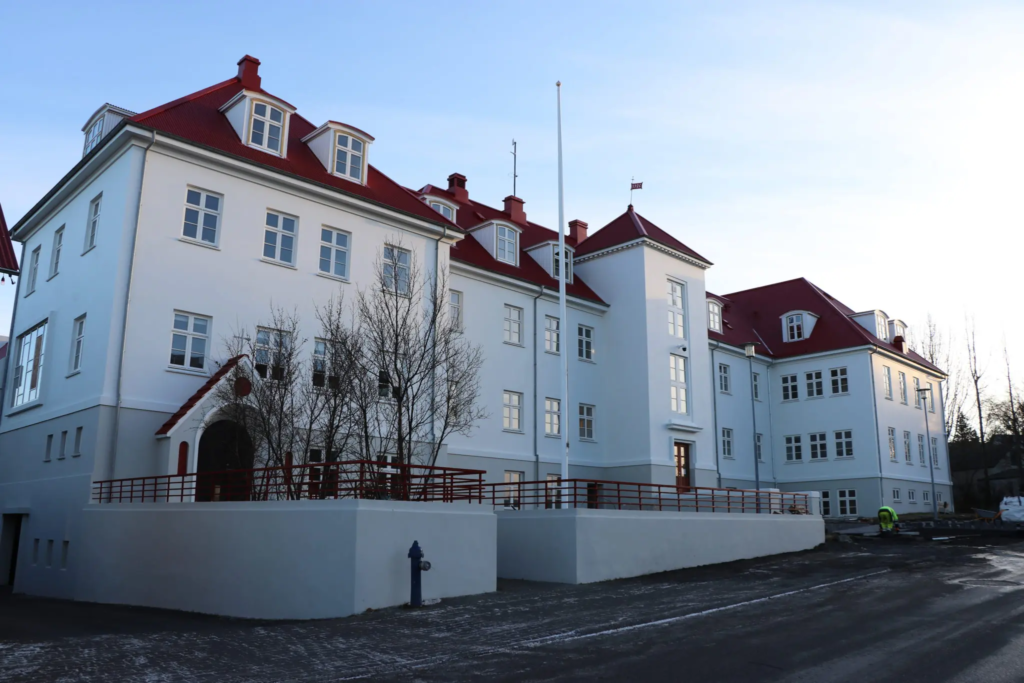
8. Íshús Hafnarfjarðar (The Icehouse Creative Community)
The Radiant Industrial Matrix of Artisanal Design Studios and Waterfront Craft Galleries
Occupying a massive, historic converted fish-freezing plant directly on the active commercial docks, this bustling creative hub represents the modern soul of the local arts.
- What it is famous for: Being the largest independent collective art studio space in the region, housing dozens of local glassblowers, fashion designers, and woodcarvers. The industrial brick facade opens into a series of open-plan studios where visitors can watch local creators at work, converting raw materials into high-end Nordic designs. It functions as an exceptional cultural bazaar where travelers can purchase authentic, locally produced jewelry, wool art, and ceramics straight from the creators.
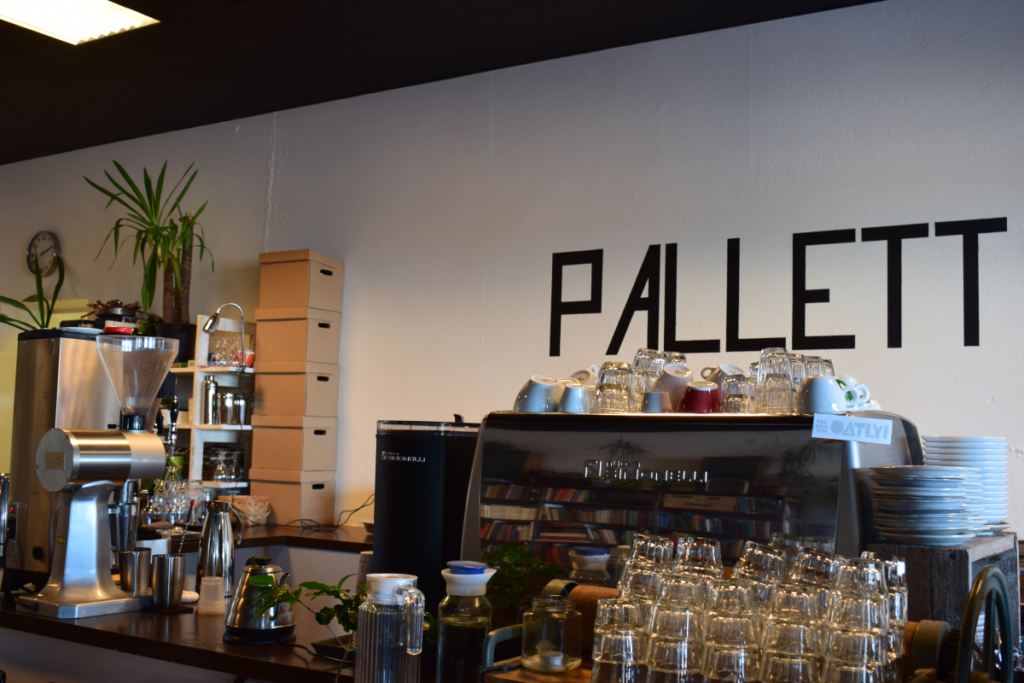
9. Pallett Kaffikompaní
The Quirky Vintage Repository of Slow-Brewed Espresso Pots and Homemade British Pies
Tucked into a cozy, historic street corner overlooking the inner harbor bay, this eccentric, beloved coffeehouse operates as the ultimate social living room of Hafnarfjörður.
- What it is famous for: Its vintage, library-like interior filled with mismatched velvet armchairs, antique books, and serving the finest slow-brewed specialty coffees in town. Famed for its relaxed atmosphere and deep commitment to authentic baking, the café is celebrated for its fresh, traditional English scones, homemade meat pies, and rich fruit tarts. It serves as a favorite gathering spot where local writers, artists, and travelers sit for hours to read and discuss art.
10. Vidistaðakirkja
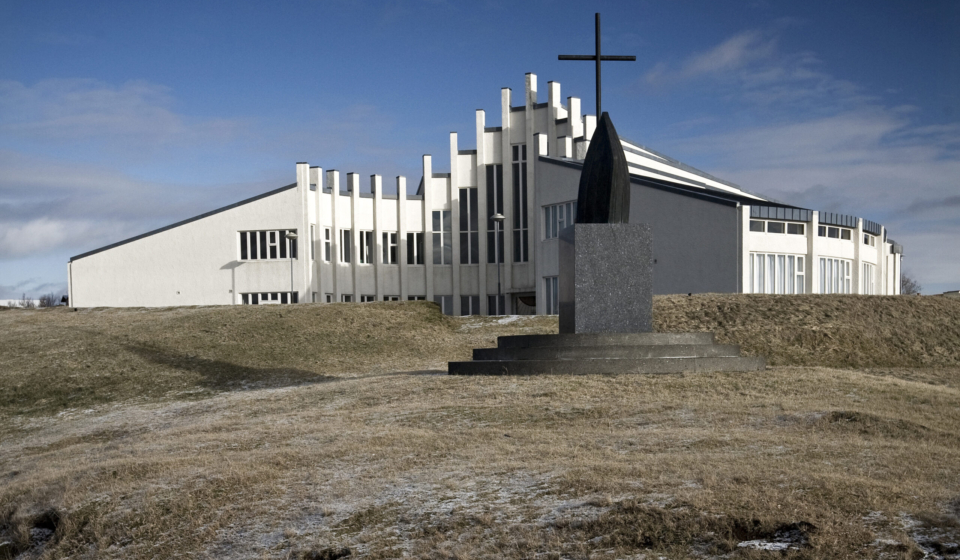
The Bold Architectural Sentinel of Sweeping Guard-Tower Facades and Radiant Stained Glass
Dominating a massive green public park space on the northern approaches to the town center, this striking, avant-garde house of worship looks like a futuristic crown.
- What it is famous for: Its extraordinary modern design featuring a dramatic, curved crescent facade that resembles a stylized ship’s sail or a protective guard tower. Completed in 1988 to meet the needs of the growing town, the architecture provides a dramatic contrast to traditional European spires. Its light-flooded interior features a beautiful, contemporary altar window made of rich, multi-colored stained glass that casts vibrant reflections across the minimalist sanctuary.
11. Astjörn Nature Reserve
The Pristine Wetland Sanctuary of Rare Horned Grebe Inlets and Peaceful Tundra Trails
Occupying a fully protected, 22-hectare environmental basin located just on the absolute southeastern fringe of the municipal boundary, this wetland park is an eco-tourism haven.
- What it is famous for: Being one of the primary breeding sanctuaries in Iceland for the rare Horned Grebe (Slavonian grebe) bird species. The peaceful lake is surrounded by a dense network of grassy tundra walking paths and low birch shrublands, offering a quiet escape from the surrounding town grid. It operates as a fully protected eco-zone where birdwatchers and nature photographers can quietly view arctic avian migrations from specialized, lakeside observation blinds.