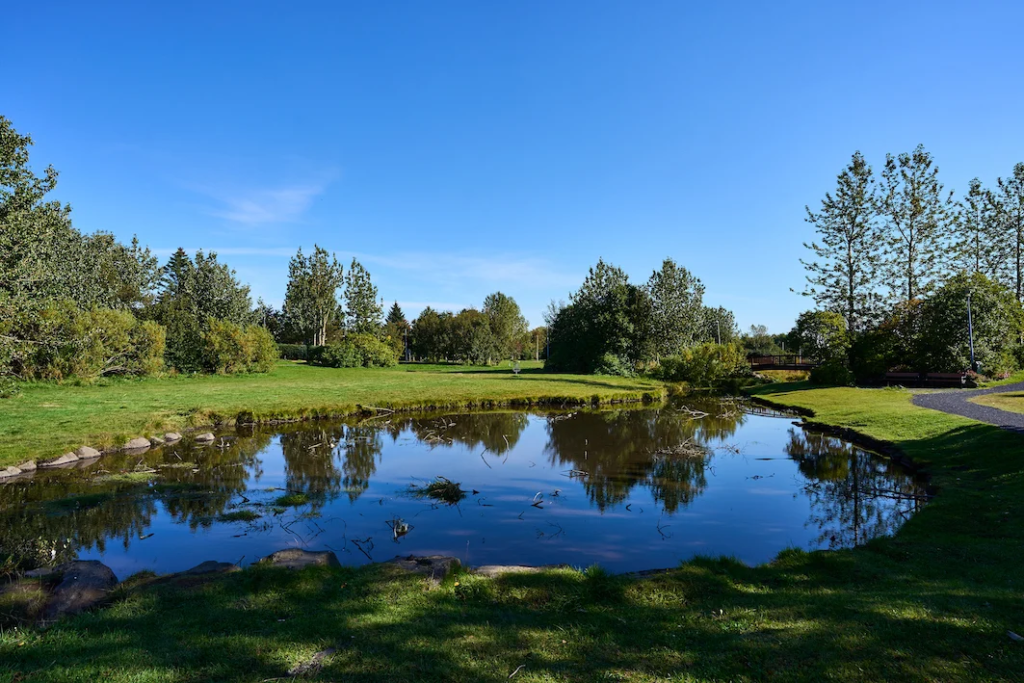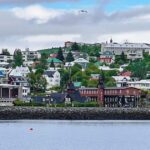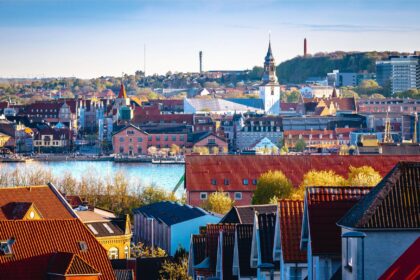

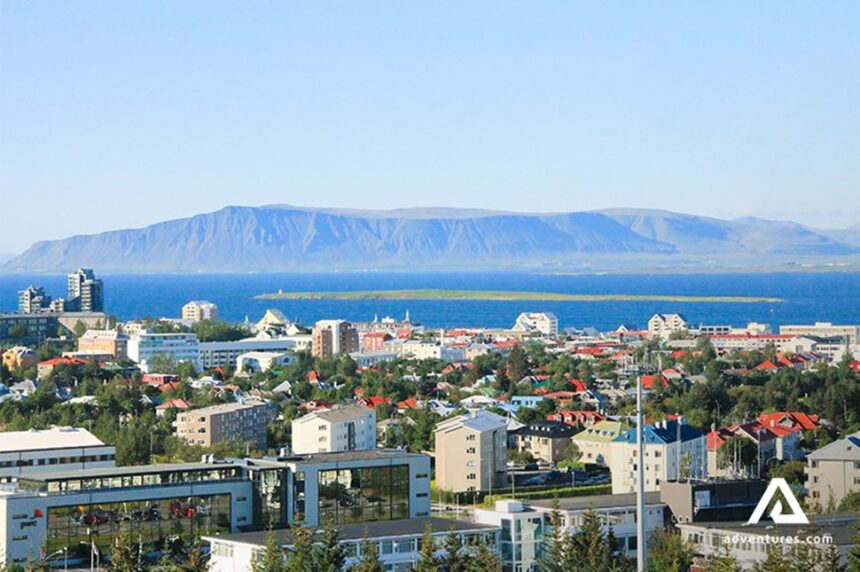
Kópavogur, anchoring the absolute southwestern coastal frontier of Iceland immediately between Reykjavik and Hafnarfjörður, operates on a spectacular, hilly urban layout shaped by deep ocean inlets and ancient glacial ridges.
Historically named natively as Seal Whelp Bay due to the high number of seal pups that gathered along its rocky shores, this coastal territory evolved rapidly over the generations from a historic parliamentary assembly site into the second most populous municipality in the nation.
Because it embraced a progressive, forward looking approach to urban planning and modern architecture, it earned its permanent cultural title as a premier center of Icelandic artistic, commercial, and structural innovation.
Today, Kópavogur presents a striking urban matrix where cutting edge glass skyscrapers rise cleanly above quiet, pastel hued residential neighborhoods and vast geothermal valleys.
The city effortlessly pairs its industrious commercial pedigree with a deeply rooted passion for contemporary arts, housing some of the most avant garde cultural institutions in northern Europe.
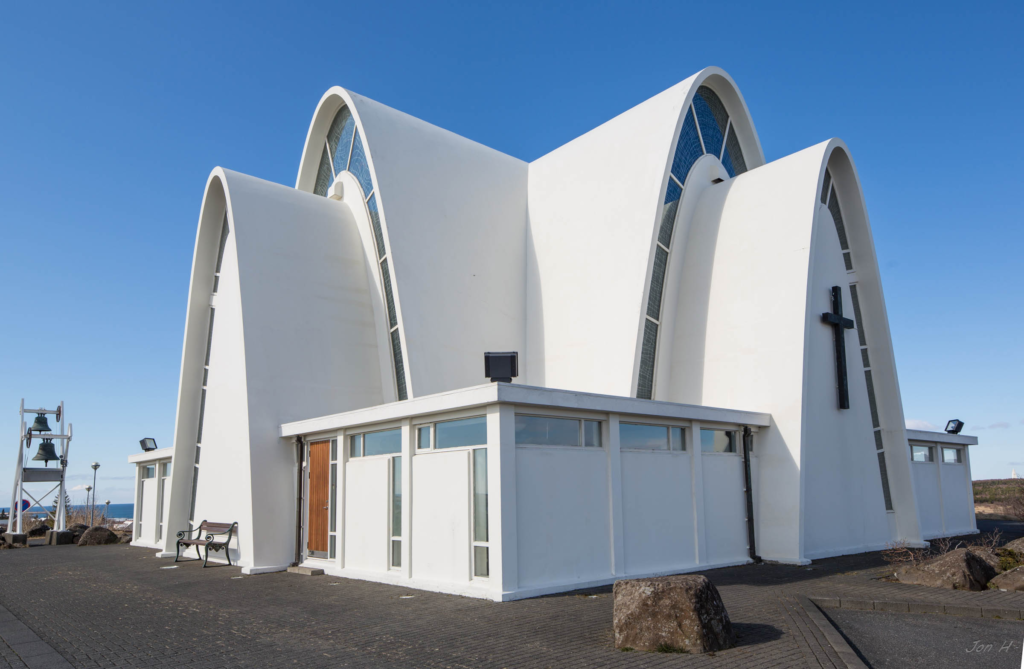
1. Kópavogskirkja
The Monumental Structuralist Sovereign of Sweeping Concrete Arches and Blue Roof Horizons
Dominating the absolute physical and visual crest of the central Borgarholt hill, this breathtaking modernist cathedral stands proud as the ultimate architectural icon of the city.
- What it is famous for: Its extraordinary design featuring majestic, overlapping concrete arches that mimic the natural curves of ocean waves and a striking blue tiled roof. Completed in 1963, the church commands an unparalleled panoramic view stretching across the entire capital region and the surrounding fjords. Its sparse, light flooded interior features beautiful contemporary stained glass windows and an elegant minimalist altar that captures the pure essence of modern Icelandic sacred art.
2. Gerðarsafn Kópavogur Art Museum
The Breathtaking Minimalist Palace of Contemporary Glass Sculptures and Progressive Exhibitions
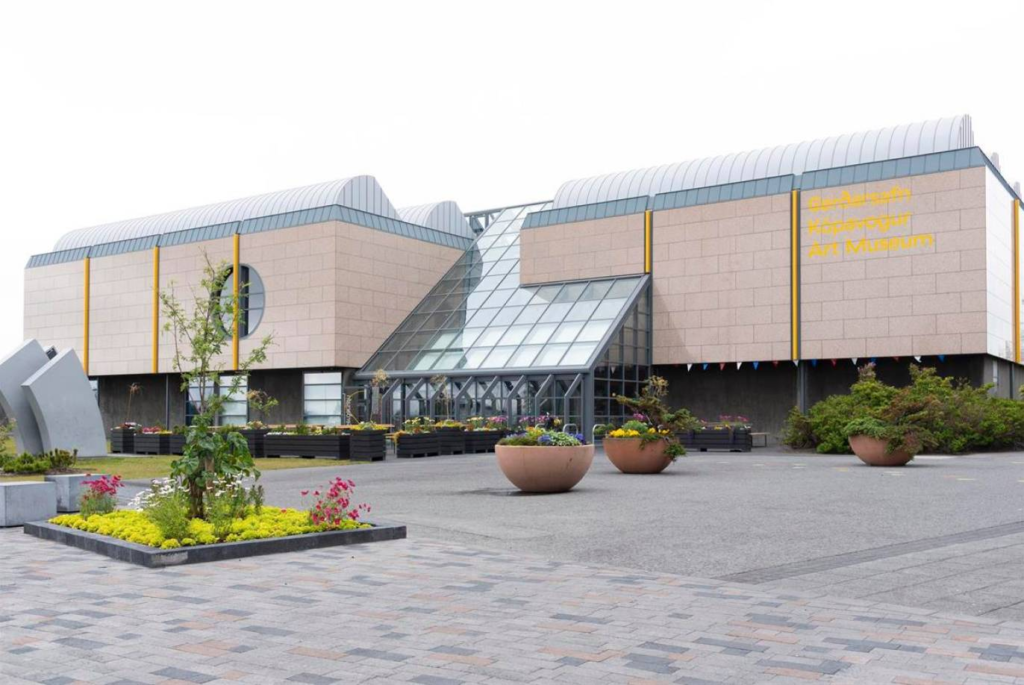
Commanding a prominent public footprint within the cultural quarter directly adjacent to the main church, this sleek museum building looks like a glowing crystal treasure box.
- What it is famous for: Being the first and only museum in Iceland built to honor a female artist, dedicated to the pioneering abstract glass and iron sculptures of Gerður Helgadóttir. Opened in 1994, the building features large, undulating glass walls that allow natural subarctic light to illuminate the vast collection. The institution hosts rotating contemporary exhibitions showcasing cutting edge Icelandic and international creators, making it a major hub for avant garde visual arts.
3. Smáratorg Tower
The Colossal Architectural Sentinel of Glass Facades and Sky Piercing Commercial Horizons
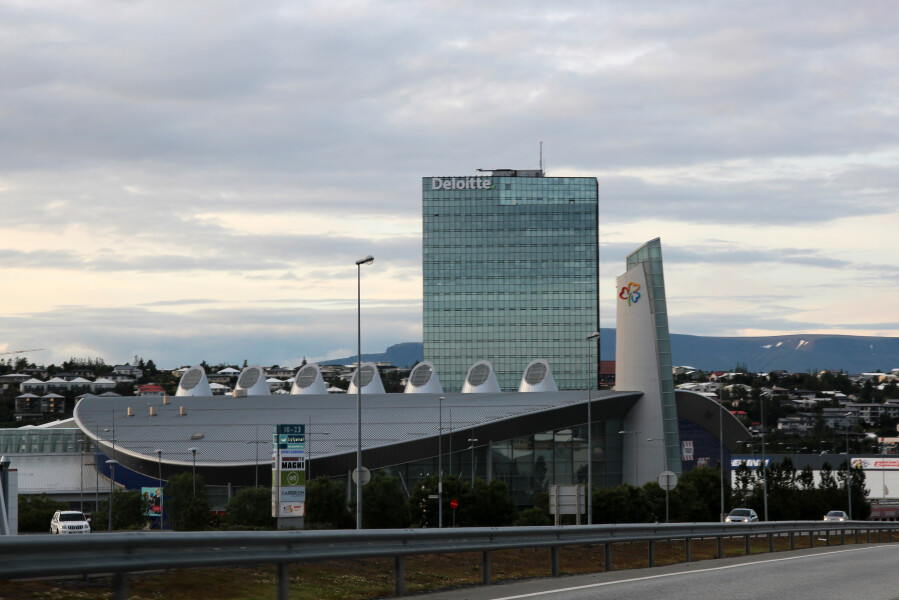
Sited dynamically within the bustling Smáralind commercial district, this immense skyscraper stands proud as the absolute tallest building in Iceland.
- What it is famous for: Its monumental 78 meter high structuralist design that dominates the skyline of the entire southwestern peninsula. Completed in 2008, the tower features a sleek facade of dark glass and architectural steel that reflects the dramatic, shifting colors of the subarctic sky. While the upper tiers house corporate headquarters and elite offices, the base interfaces with a massive pedestrian promenade filled with trendy boutiques, restaurants, and international design stores.
4. Smáralind
The Sprawling Retail Matrix of Wave Shaped Rooflines and High Energy Entertainment Zones
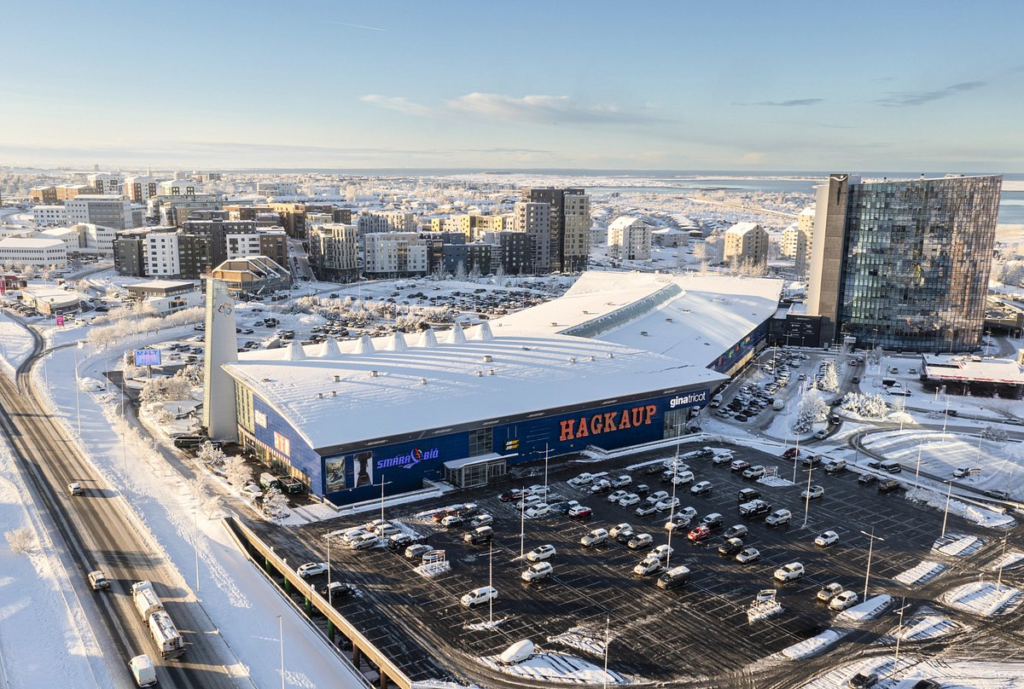
Dominating a massive urban block in the geographic heart of the municipality, this giant retail and entertainment complex operates as the largest indoor shopping center in Iceland.
- What it is famous for: Its spectacular, wave shaped architectural layout spanning over 60,000 square meters of indoor walking avenues and entertainment venues. Designed to resemble a rolling ocean wave, the complex houses over a hundred international brands, artisanal shops, multi screen cinemas, and culinary courts. It functions as the primary weekend gathering spot for families and shoppers from all over the country, offering a warm indoor escape during cold winter days.
5. Kópavogslaug
The Modern Water Matrix of Geothermal Alkaline Springs and Multi Tiered Soaking Basins
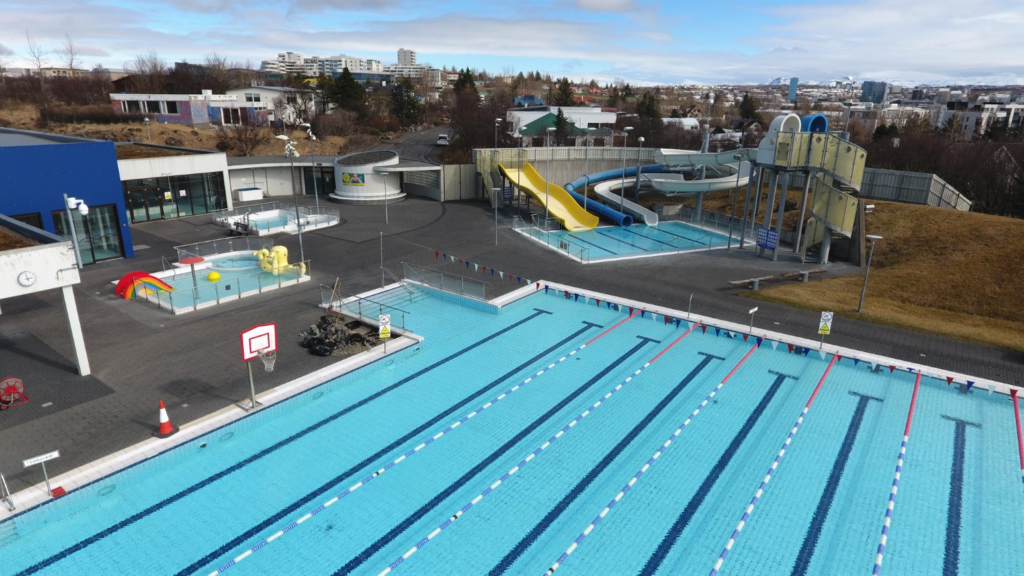
Nestled onto a scenic, sunlit hillside location just a short walk down from the cultural center, this expansive public water resort is a favorite destination for wellness.
- What it is famous for: Being one of the largest and most luxurious public geothermal pool complexes in Iceland, featuring advanced hydrotherapy installations. The facility includes Olympic sized outdoor swimming pools, specialized steam baths, and a series of mineral rich hot tubs maintained at different therapeutic temperatures. Swimming here offers travelers an authentic look into the communal bathing culture of locals, who gather in the steaming waters daily to relax and converse.
6. Natural History Museum of Kópavogur (Náttúrufræðistofa Kópavogs)
The Stately Cultural Repository of Arctic Marine Life and Intricate Geological Vaults
Tucked gracefully inside the same modern cultural compound that houses the city library and art museum, this educational sanctuary holds the environmental soul of the region.
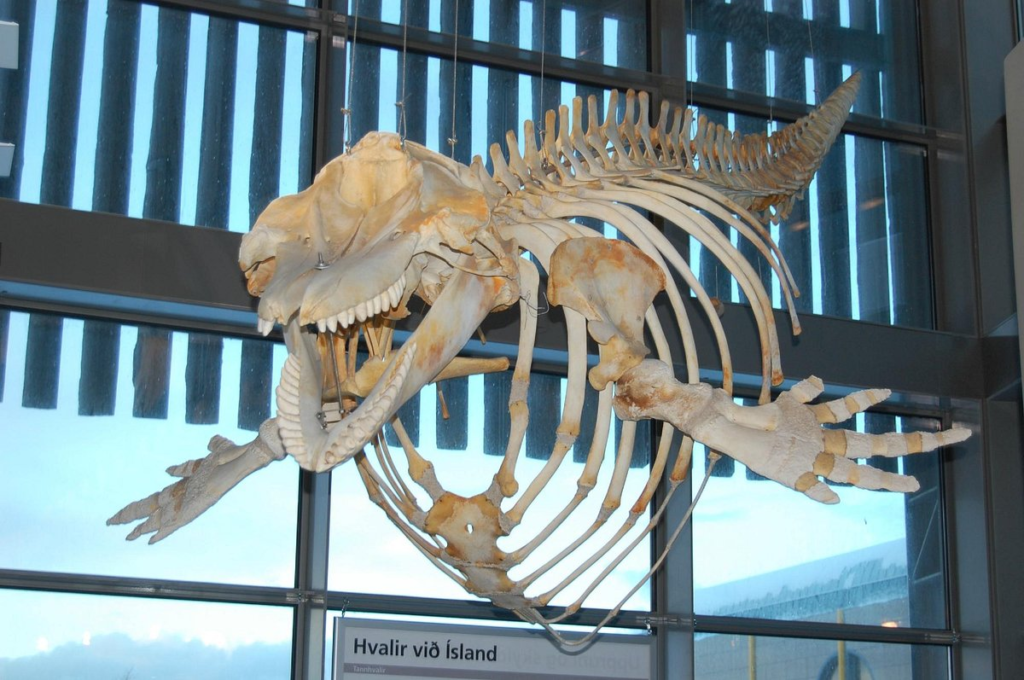
- What it is famous for: Housing an extraordinary collection of thousands of preserved arctic animal specimens, rare minerals, and a world class public aquarium. The exhibition focuses heavily on the unique biodiversity of Icelandic waters, showcasing lifelike displays of seals, whales, and native seabirds. Visitors can walk through interactive galleries that track the volcanic geology of the island, making it an exceptional learning center for understanding the raw forces of the North Atlantic.
7. Salurinn Concert Hall
The Acoustic Masterpiece Palace of Native Driftwood Panels and Panoramic Fjord Viewing Tiers
Commanding a prime waterfront footprint right on the edge of the historic old quarter, this striking building anchors the local musical community.
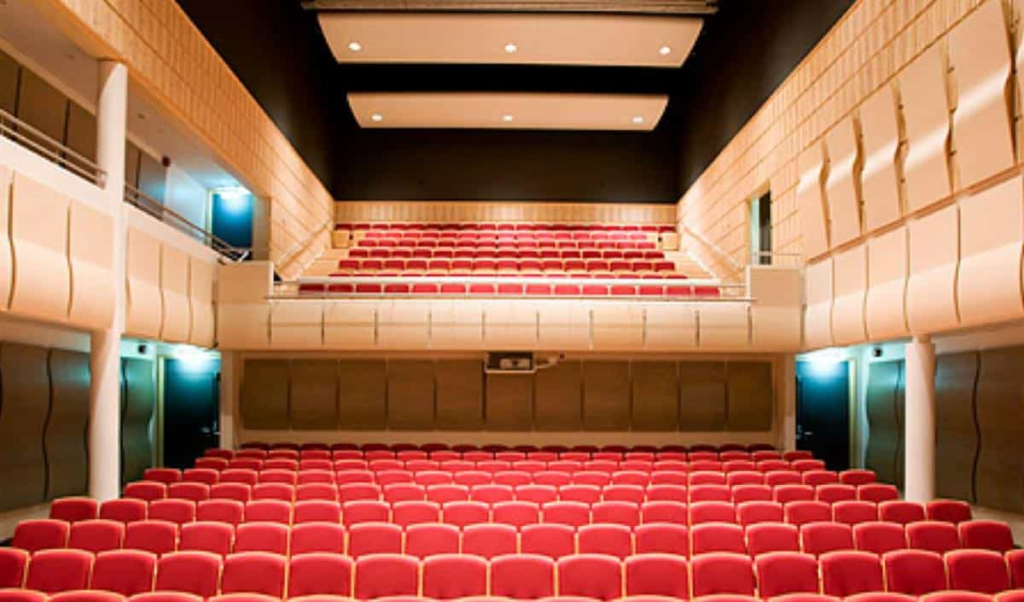
- What it is famous for: Being the first specially engineered concert hall built in Iceland, globally celebrated for its world class acoustic qualities. The interior walls are completely lined with custom shaped panels made of native Icelandic driftwood and smooth spruce timber, creating a warm, resonant sound environment. The hall hosts a diverse calendar of events ranging from classical piano recitals to progressive indie rock concerts, drawing music enthusiasts from across Europe.
8. Kópavogur Library (Bókasafn Kópavogs)
The Radiant Architectural Matrix of Sunlit Reading Lofts and Creative Community Spaces
Occupying a massive, open plan space within the central Hamraborg cultural hub, this grand public institution represents the modern intellectual heart of the city.
- What it is famous for: Its innovative design prioritizing massive glass skylights and comfortable, living room style reading areas that overlook the ocean bay. Beyond its extensive collection of literature and historical manuscripts, the library serves as a dynamic social center hosting regular poetry readings, art workshops, and cultural lectures. It functions as a welcoming, peaceful refuge where citizens and travelers sit for hours to read under the subarctic sun.

9. Guðmundarlundur Woodland Park
The Peaceful Botanical Sanctuary of Conifer Groves and Historical Salmon Stream Trails
Spreading grandly across a protected green valley basin on the southeastern outskirts of the city grid, this hidden forest oasis is an environmental marvel.
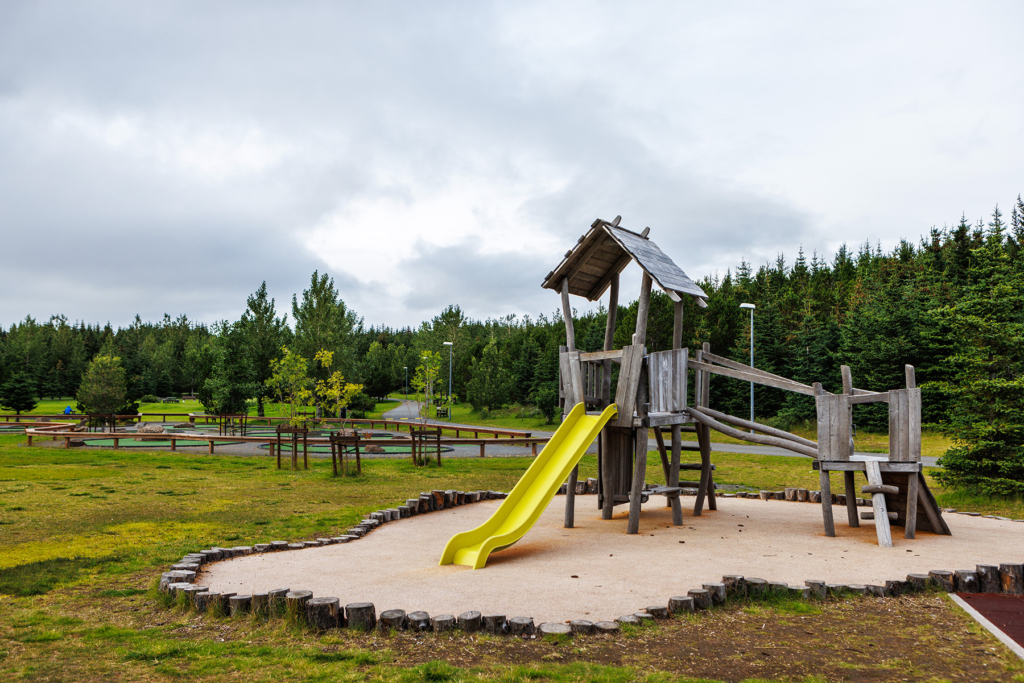
- What it is famous for: Its extraordinary collection of mature conifer and birch trees engineered to thrive within the rugged, wind swept volcanic terrain. Established and maintained by the local forestry association, the park features a dense network of grassy walking paths, picnic grounds, and public barbecue areas. The peaceful sanctuary is bordered by clean freshwater streams where wild salmon migrate, offering a refreshing nature escape just minutes from the busy commercial zones.
10. Kópavogur Historical Assembly Ground (Þingnes)
The Ancient Limestone Sentinel of Viking Age Parliaments and Ruined Stone Sagas
Sited dynamically on a scenic peninsula overlooking the calm waters of Lake Elliðavatn, this protected archaeological zone marks the absolute oldest historic site in the region.
- What it is famous for: Being the historic site of a major Viking Age regional assembly that predates the formal establishment of the national parliament. Excavations have revealed the centuries old stone foundations of ancient booths and assembly circles used by early settlers to debate local laws and settle tribal disputes. Today, visitors can explore the peaceful lakeside ruins while reading educational markers that detail the early legal and social traditions of Icelanders.
11. Fossvogsdalur Valley
The Sprawling Horizon Greenbelt of Wilderness Walking Paths and Migratory Bird Inlets
Occupying a massive, fully protected environmental basin that serves as the natural boundary between Kópavogur and Reykjavik, this linear park is a nature haven.
- What it is famous for: Being a core ecological corridor filled with wild wildflowers, pristine wetlands, and a vast network of paved cycling and running tracks. The valley functions as a peaceful, car free paradise where locals gather for outdoor exercise and recreation throughout the year. Its unique wetland habitats serve as a vital nesting ground for dozens of species of migratory arctic birds, offering excellent birdwatching opportunities within a short walk from the urban centers.