
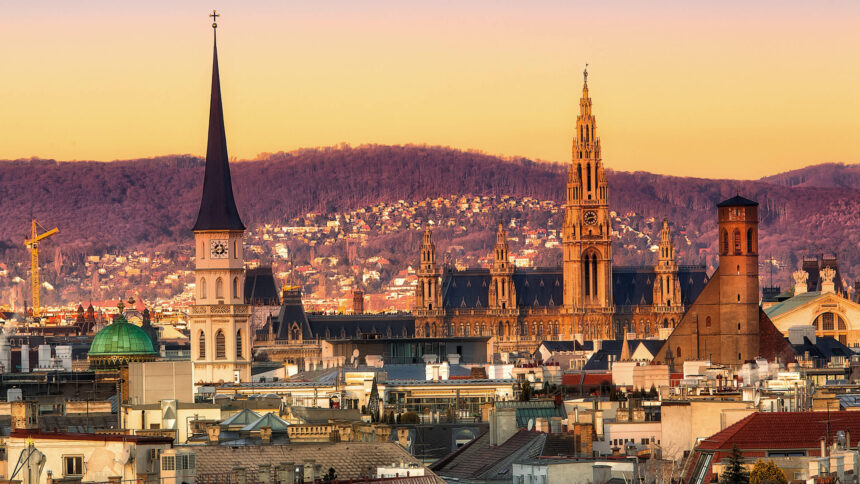
Vienna (Wien), sweeping elegantly along the banks of the Danube River, is a city operating on a grand, symphonic scale.
For centuries, it stood as the glittering nerve center of the vast Habsburg Empire, a legacy that left the city coated in monumental Baroque architecture and sprawling palace complexes.
More than just a relic of imperial history, Vienna was the creative crucible for musical geniuses like Mozart, Beethoven, and Strauss, and the birthplace of modern psychoanalysis under Sigmund Freud.The true magic of the Austrian capital, however, lies in its slow, deliberate pace of life.
It is a city where cultural indulgence is woven into the daily routine whether that means sitting for hours on a velvet banquette in a historic coffeehouse, listening to world-class opera, or strolling through manicured gardens.
Consistently ranked as one of the world’s most livable cities, Vienna effortlessly pairs its staggering aristocratic history with a vibrant contemporary lifestyle.
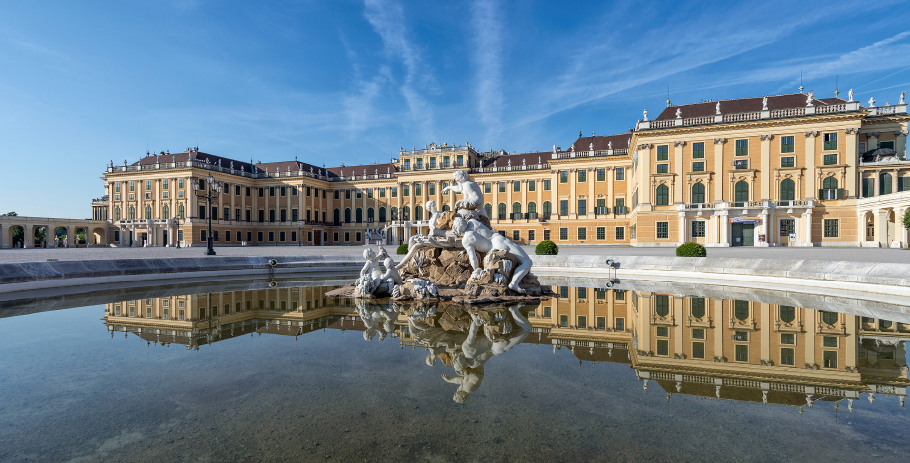
1. Schönbrunn Palace (Schloss Schönbrunn)
The Sun-Drenched Summer Sanctuary of the Habsburgs
Serving as the primary summer residence of the imperial monarchs, this massive, 1,441-room Baroque palace complex is one of Austria’s most critical cultural and architectural treasures.
- What it is famous for: Its opulent imperial apartments and vast, theatrical gardens. Visitors can tour the spectacular Great Gallery, where state banquets were held, and peek into the modest private quarters of Emperor Franz Joseph and his legendary wife, Empress Elisabeth (“Sisi”). The expansive grounds feature the iconic Gloriette monument overlooking the estate, the world’s oldest operating zoo (Tiergarten Schönbrunn), and rows of monumental statues hidden among towering green hedges.
2. St. Stephen’s Cathedral (Stephansdom)
The Multi-Colored Gothic Sentinel of the Inner City
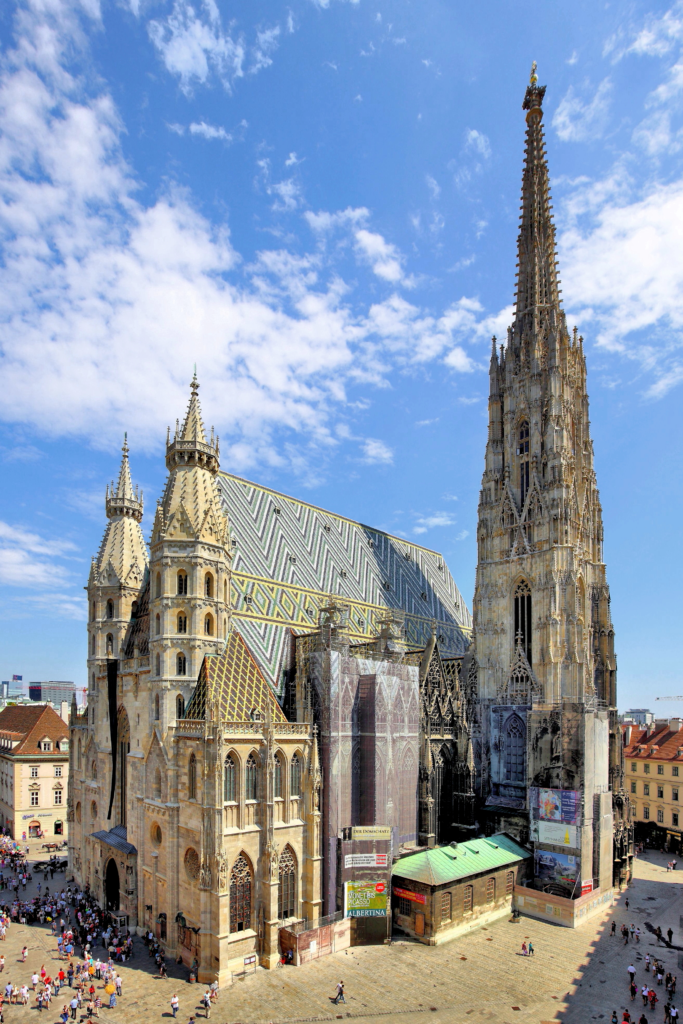
Rising dramatically from the stone expanse of Stephansplatz in the absolute heart of Vienna, this 12th-century Gothic masterpiece is the most beloved symbol of the city and the spiritual anchor of Austria.
- What it is famous for: Its dazzling, geometric tiled roof and soaring south tower. The cathedral’s roof is covered in 230,000 vibrantly glazed tiles arranged to form the double-headed eagle emblem of the Habsburg dynasty. Energetic travelers can climb the 343 stone steps of the “Steffl” (south tower) for an unmatched view over Vienna’s historic rooftops, or descend into the dark catacombs below, which house the remains of plague victims and Habsburg organs.
3. The Hofburg Palace
The Colossal Urban Powerhouse of Imperium
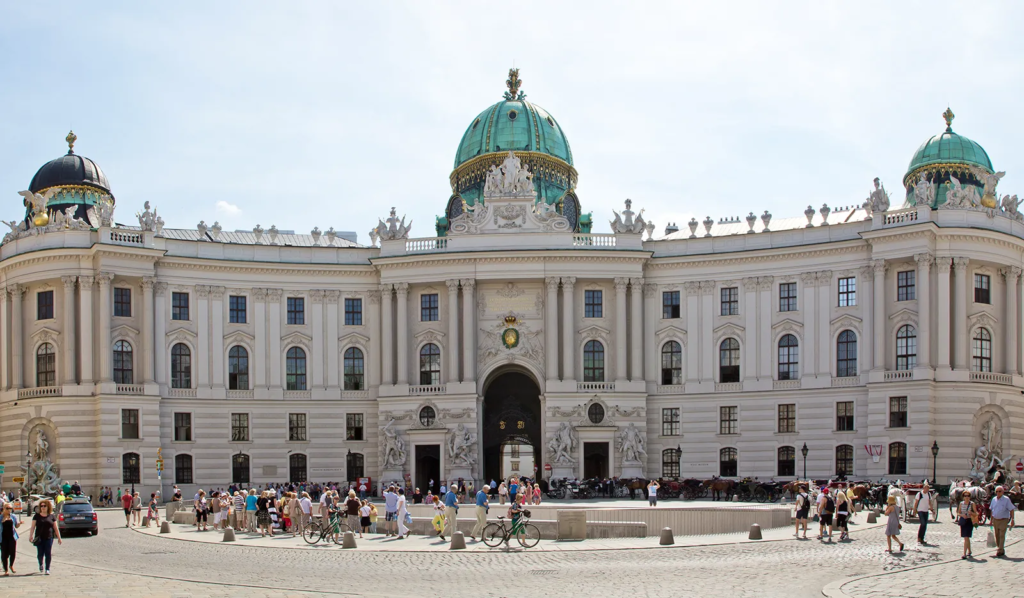
Sprawling organically across the city center, the Hofburg is a massive complex of buildings that served as the winter seat of the Habsburg government for over six centuries, today operating as the official residence of the President of Austria.
- What it is famous for: Being the epic center of royal Austrian culture and horse mastery. The labyrinthine complex contains the Imperial Apartments, the glittering Imperial Treasury—holding the 10th-century Crown of the Holy Roman Empire—and the Spanish Riding School, where majestic Lipizzaner stallions perform classical dressage to classical music. It is also home to the breathtaking Austrian National Library, a Baroque hall of walnut bookcases and frescoes.
4. Belvedere Palace
The Baroque Masterpiece of Fine Art and Sloping Cascades
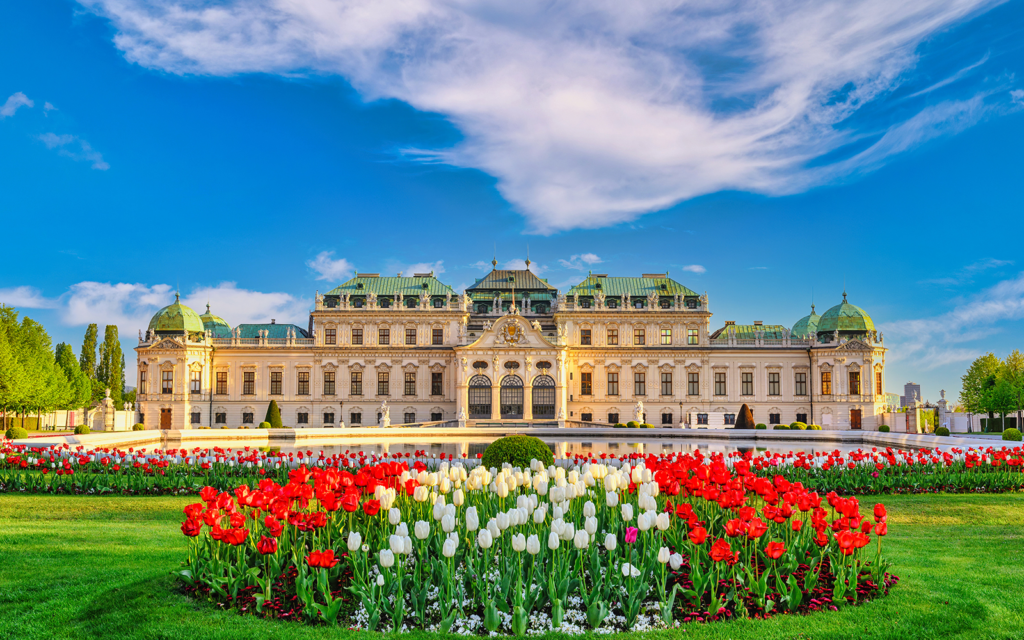
Built in the early 18th century as a summer palace for the military commander Prince Eugene of Savoy, this stunning estate is divided into two magnificent Baroque palaces—the Upper and Lower Belvedere—separated by a cascading French garden.
- What it is famous for: Housing Gustav Klimt’s world-famous golden painting, The Kiss. The Upper Belvedere has been transformed into a world-class art gallery showcasing an unparalleled collection of Austrian art. Beyond Klimt’s glittering Art Nouveau masterpieces, the museum holds critical works by Egon Schiele and Oskar Kokoschka, all framed by historic marble halls that look out over the Vienna skyline.
5. The Vienna Ringstraße & State Opera (Wiener Staatsoper)
The Grand Architectural Runway of the Nineteenth Century
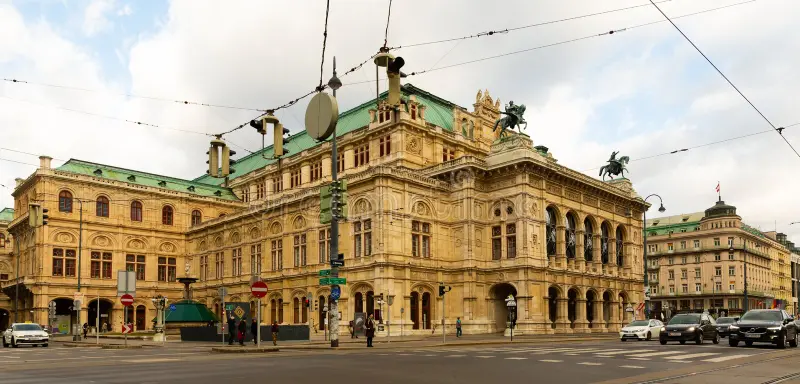
In 1857, Emperor Franz Joseph ordered the demolition of the medieval city walls to construct the Ringstraße, a monumental, circular boulevard lined with the city’s most spectacular, historicist public buildings.
- What it is famous for: Its unmatched high-culture institutions, headlined by the Vienna State Opera. The boulevard is a living catalog of architectural styles, featuring the Neo-Gothic City Hall (Rathaus), the Neo-Classical Parliament, and the magnificent Neo-Renaissance Opera House. The Opera is legendary for its strict artistic standards, hosting over 300 performances a year, and transforming annually into a ballroom for the famous Vienna Opera Ball.
6. Kunsthistorisches Museum (Museum of Fine Arts)
The Palatial Treasure House of the Habsburg Collections
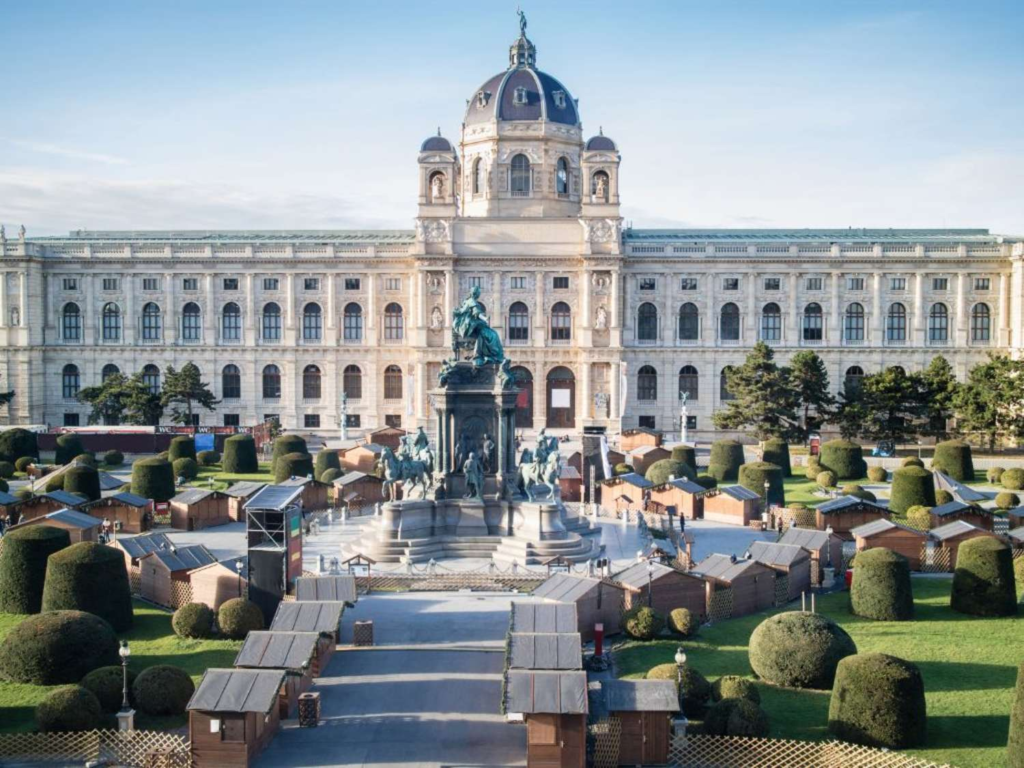
Commissioned by the Emperor to house the formidable, centuries-old art collections gathered by the Habsburg monarchs, this palatial museum sits facing its identical twin, the Natural History Museum, across Maria-Theresien-Platz.
- What it is famous for: Its staggering collection of Renaissance masters and its opulent marble staircase. The museum holds the world’s most important collection of works by Pieter Bruegel the Elder, alongside masterpieces by Caravaggio, Titian, and Velázquez. The building’s interior is a work of art itself, featuring a grand domed atrium, columns of rare marble, and a ceiling fresco painted by Gustav Klimt.
7. The Prater & The Giant Ferris Wheel (Riesenrad)
The Historic Playground of Nostalgia and Green Allées
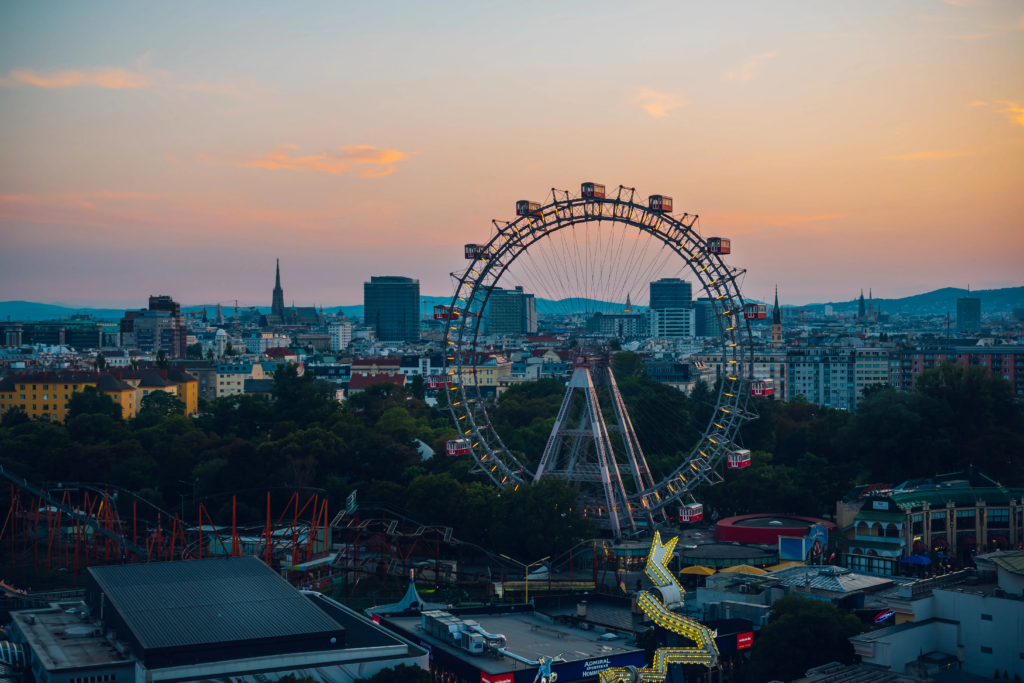
Once an imperial hunting ground, this expansive parkland was gifted to the public in 1766. Today, it hosts both a vast, peaceful green nature park and the Wurstelprater, the oldest amusement park in the world.
- What it is famous for: The iconic, wooden-cabin Giant Ferris Wheel constructed in 1897. Having survived the devastation of World War II, the Riesenrad remains a cultural landmark, famously featured in classic films like The Third Man. Riding in its historic red wooden cars provides a slow, nostalgic journey 65 meters above the city, looking down on the modern rollercoasters and the green canopy of the Prater woods.
8. Cafe Central & The Historic Viennese Coffeehouses
The Legendary Living Rooms of Intellectual Rebellion
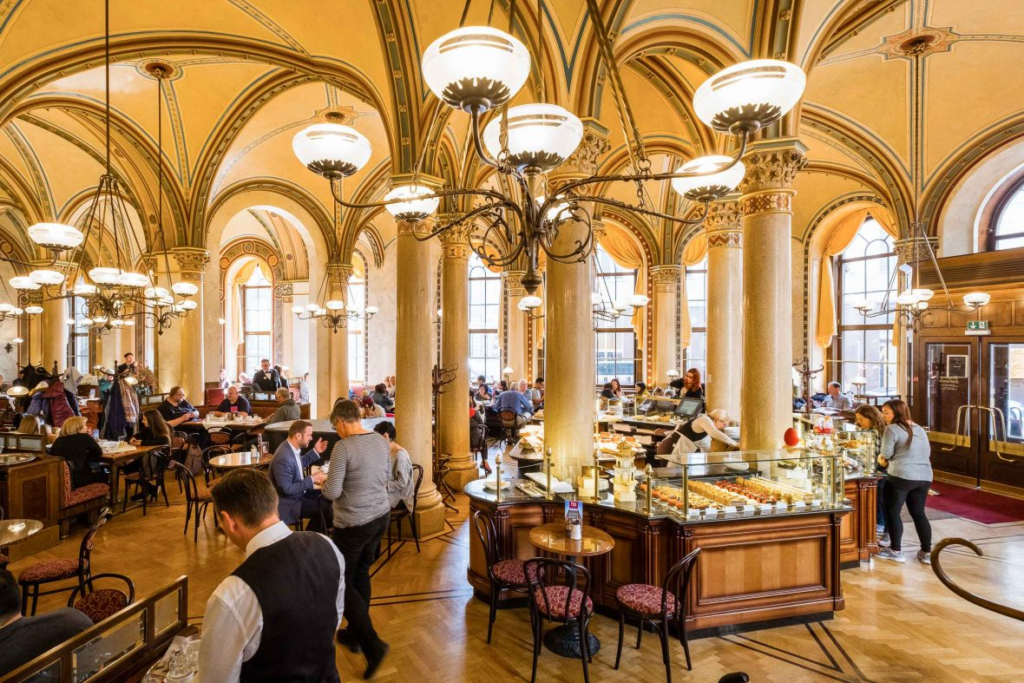
The Viennese Coffeehouse Culture is so culturally significant it has been officially listed as an Intangible Cultural Heritage by UNESCO. Cafe Central, opened in 1876 inside the grand Palais Ferstel, stands as the most legendary example.
- What it is famous for: Serving as the historic meeting ground for revolutionary thinkers, writers, and artists. Around the turn of the 20th century, the vaulted, columned hall of Cafe Central was frequented daily by figures like Leon Trotsky, Sigmund Freud, and poet Peter Altenberg. Today, visitors still participate in the classic ritual: ordering a Melange (espresso with steamed milk) and a slice of Sachertorte, while reading newspapers for hours under the high, Gothic-style ceilings.
9. Albertina Museum
The Bastion of Graphic Art and Imperial Elegance
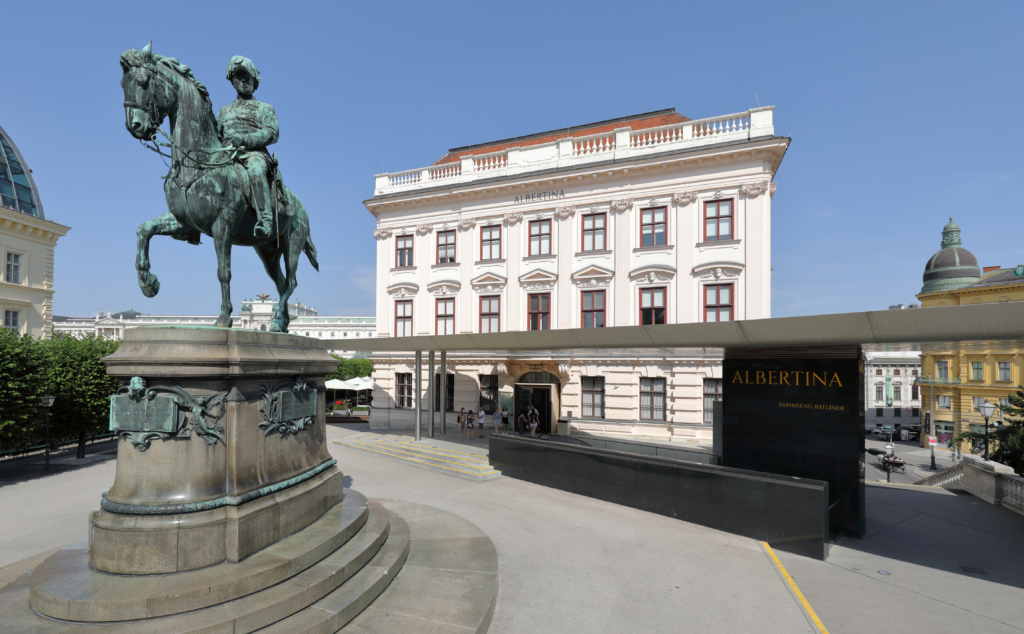
Perched atop one of the last remaining elevated bastions of Vienna’s old fortifications, the Albertina blends a sprawling historical palace layout with an internationally renowned art museum.
- What it is famous for: Holding one of the largest, most valuable graphic art collections on earth. The museum’s print room guards over one million master prints and drawings, including Albrecht Dürer’s famous Young Hare and critical sketches by Michelangelo and Rembrandt. The front of the museum features a dramatic, modern wing cantilevered out over the historic fortress walls, standing as a striking bridge between past and present.
10. Karlskirche (St. Charles Church)
The Baroque Jewel of the Heavenly Dome
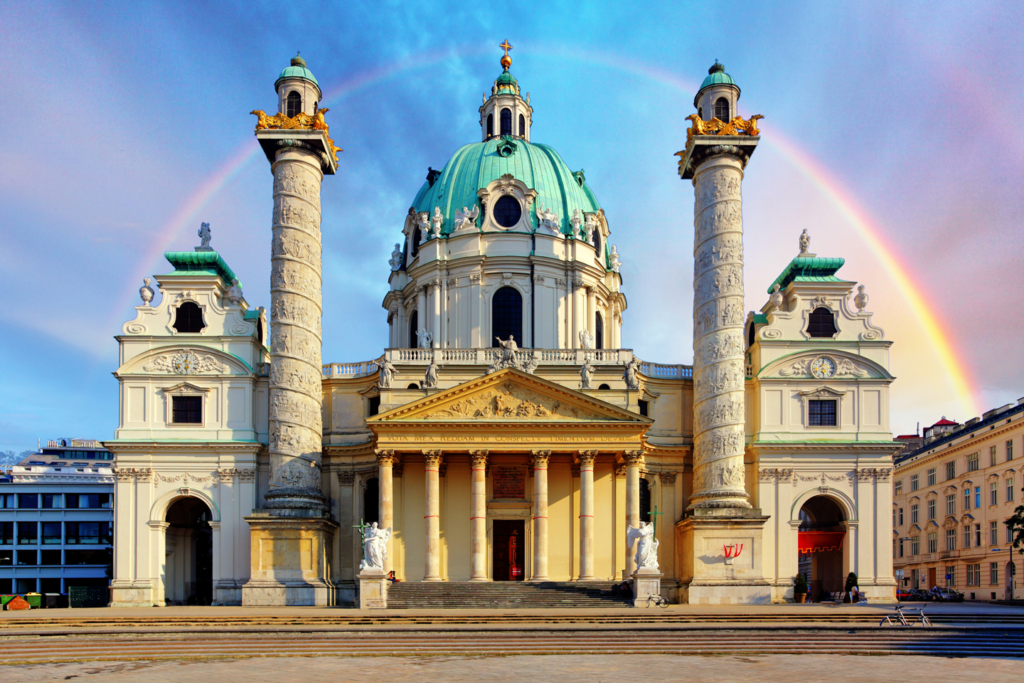
Located at the edge of Karlsplatz, this breathtaking 18th-century church was built by the legendary architect Bernhard Fischer von Erlach to fulfill a vow made by Emperor Charles VI during a devastating outbreak of the plague.
- What it is famous for: Its monumental Roman-style columns and spectacular dome frescoes. The church features an eclectic design, pairing a classical Greek temple portico with two giant, spiraling stone pillars modeled after Trajan’s Column in Rome. Inside, a panoramic glass elevator transports visitors high into the vaulted ceiling, allowing an intimate look at the vivid frescoes depicting Saint Charles Borromeo comforting plague victims.
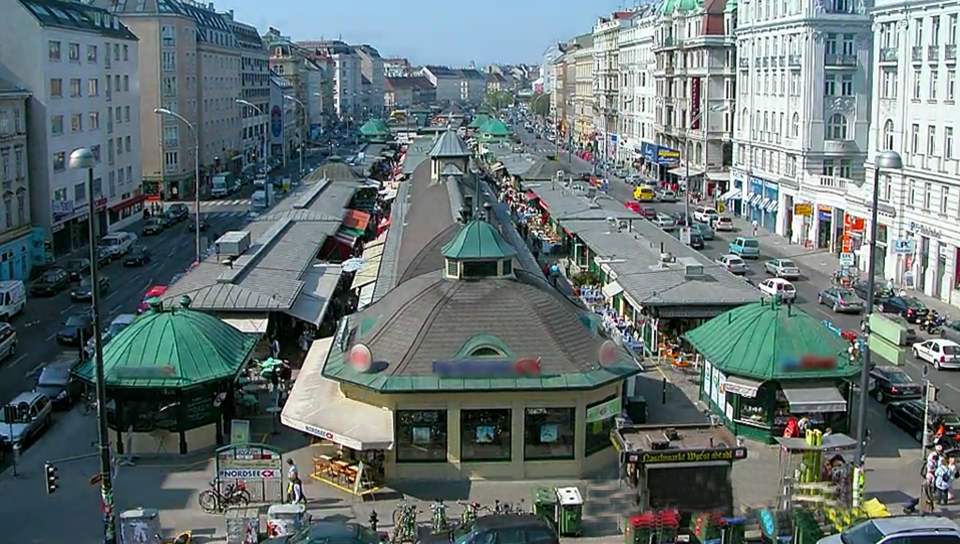
11. Naschmarkt
The Century-Old Culinary Runway of the City
Stretching out for nearly a kilometer along the Wienzeile, this vibrant open-air market has been operating since the 18th century, when it primarily served as a location to buy milk and fresh local produce.
- What it is famous for: Its bustling culinary diversity and adjacent Art Nouveau architecture. The market is packed with over 120 colorful stalls selling everything from traditional Austrian cheeses and pickles to exotic Middle Eastern spices and olives. The promenade is bordered by spectacular, gilded Jugendstil apartment buildings designed by Otto Wagner, and on Saturdays, it hosts a legendary, massive flea market loved by antique hunters.