
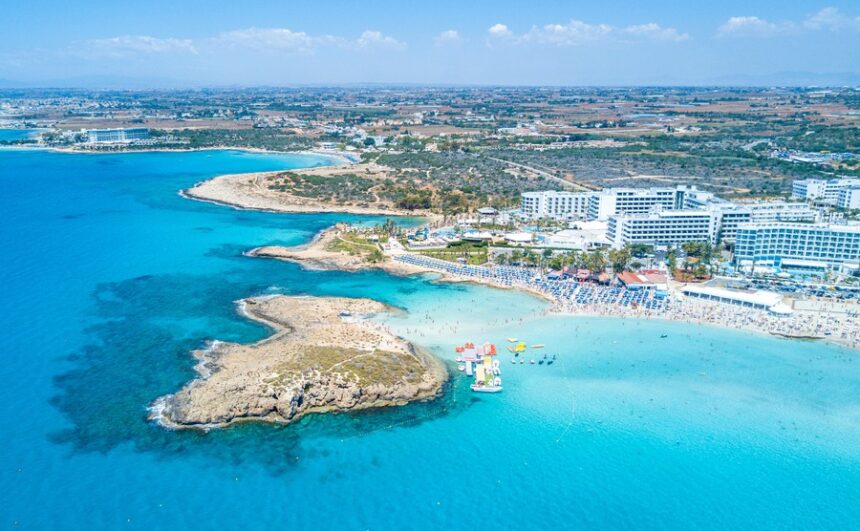
Protaras, stretching lazily along the sun-drenched easternmost coastline of Cyprus in the Paralimni municipality, operates on a spectacular, family-oriented resort layout where pristine sapphire waters meet a historic agricultural plain.
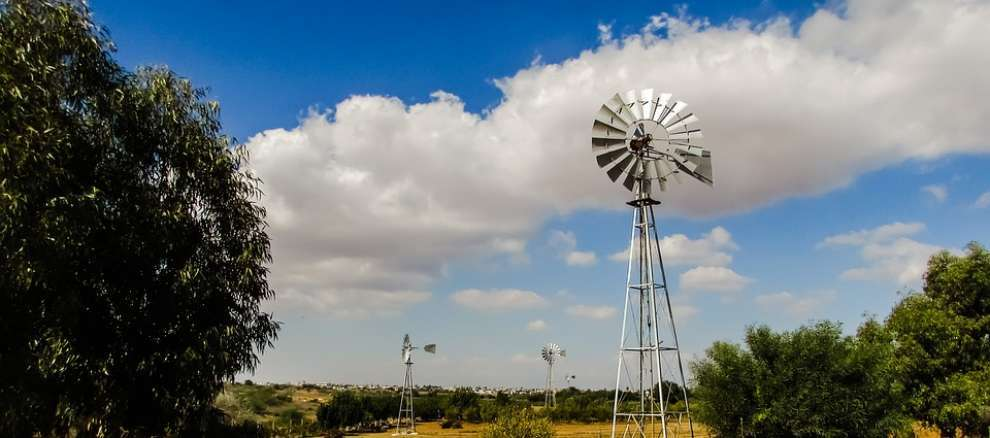
Originally known as a quiet maritime outpost and a fertile valley of wooden windmills used to pump fresh water to sprawling citrus groves, the town’s dramatic evolution began as its exceptional, shallow coastal shelf was recognized as a top-tier holiday haven.
Today, Protaras presents a striking coastal grid where a long, wooden pedestrian boardwalk links a series of Blue Flag-certified bays with a bustling main avenue packed with open-air restaurants, boutique hotels, and dive centers.
Far from being a simple resort strip, the region is anchored on its southern flank by the wild headlands of Cape Greco, offering a landscape of sheer sea cliffs and rich diving reefs.
Famous for its clay-oven slow-roasted lamb (Kleftiko), freshly fried calamari, mint-infused halloumi cheeses, and a relaxed, sun-drenched lifestyle.
1. Fig Tree Bay
The Golden Sand Runway of Sapphire Lagoons and Islet Snorkeling Reefs
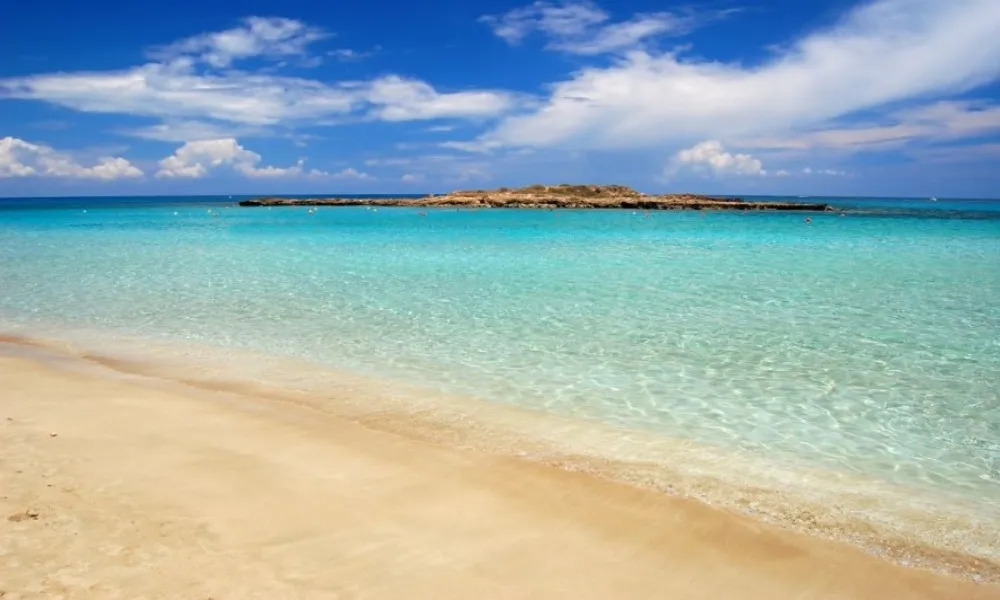
Dominating the absolute physical and social center of the town’s primary resort strip, this globally celebrated beach serves as the definitive crown jewel of Protaras tourism.
- What it is famous for: Its extraordinary, crystal-clear water and a lone 17th-century fig tree that stands guard over the golden sands. Consistently ranked among the best beaches in Europe, the bay features a small, rocky islet located just 100 meters offshore. This natural reef formation acts as a protective barrier against strong waves, creating a calm, shallow swimming pool where snorkelers can easily swim across to explore underwater rock formations and spot local sea turtles.
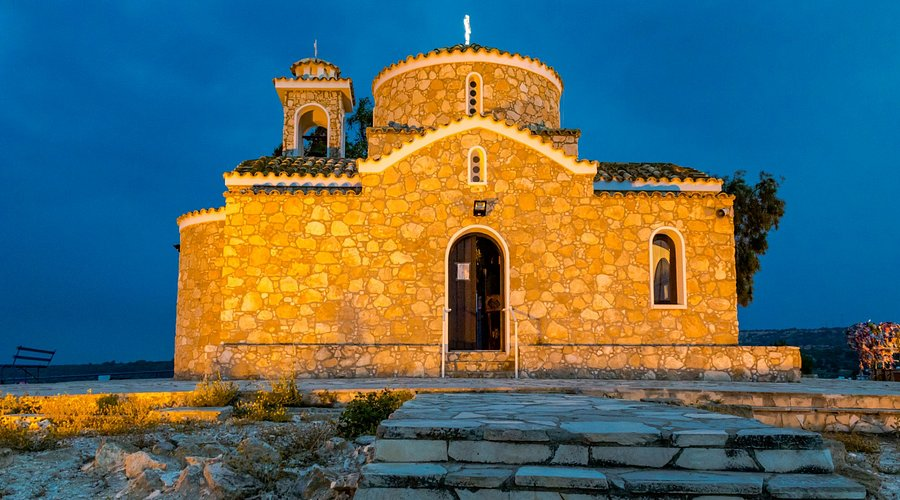
2. Church of Profitis Ilias
The Soaring Hilltop Sanctuary of Craggy Limestone Steps and Panoramic Sea Vistas
Commanding a sharp, 100-meter-high volcanic rock monolith that rises abruptly just inland from the central resort avenue, this iconic stone chapel dominates the local skyline.
- What it is famous for: Its steep, 156-step limestone staircase and offering the most spectacular panoramic sunset views over the entire Protaras coastline. Built in its modern form using local golden stone to replace an older medieval monastery, the church features an interior adorned with rich, vivid Byzantine-style frescoes. Outside, a sacred “wishing tree” draped in colorful ribbons stands on the cliff edge, where visitors tie knots to honor loved ones while gazing down at the town below.
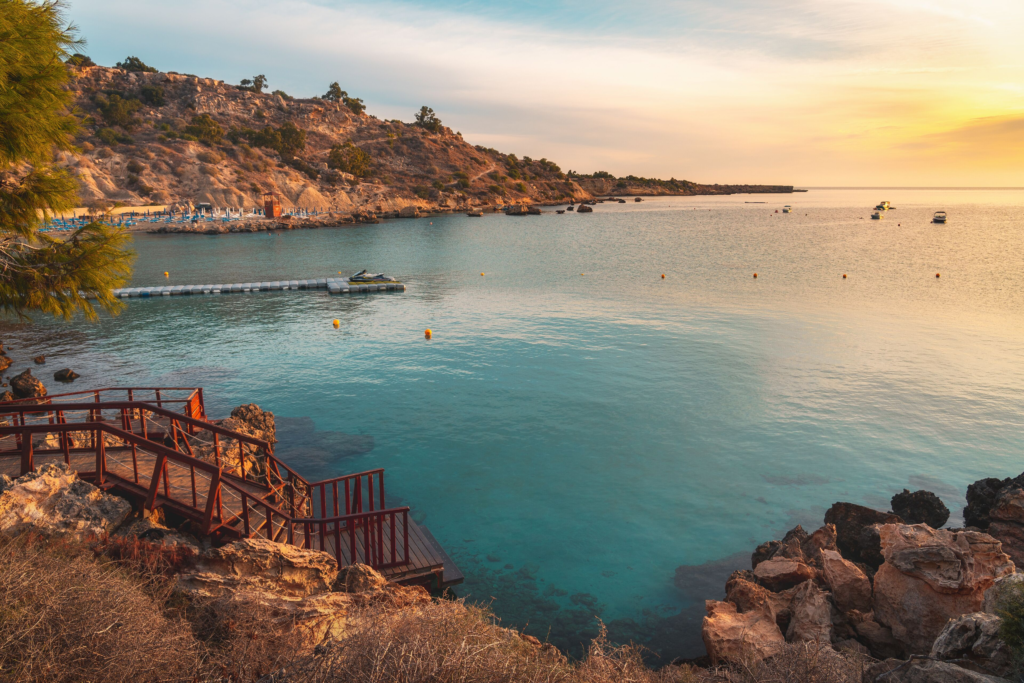
3. Konnos Beach
The Emerald Amphitheater Cove of Pine-Forested Cliffs and Luxury Boat Mooring
Tucked quietly into a deep, steep-sided valley right on the border where Protaras meets the Cape Greco National Forest Park, this sheltered beach cove is a natural treasure.
- What it is famous for: Its extraordinary emerald-green waters and its dramatic pine-covered slopes that shield the beach from coastal winds. The unique layout creates a natural, calm pool where luxury yachts and speedboats anchor offshore. A winding, scenic hillside staircase leads beachgoers down through the pine trees to a narrow crescent of soft sand, offering an intimate and secluded resort experience that feels completely detached from the bustling urban strips.
4. Green Bay
The Legendary Under-Water Matrix of Ancient Statue Replicas and Sea Turtle Corridors
Tucked into a quiet, low-key residential pocket roughly two kilometers south of the main tourist center, this unassuming cove is a top-tier destination for marine exploration.
- What it is famous for: Housing an underwater sculpture park of ancient Greek statue replicas and being the ultimate scuba diving training site on the island. The shallow, clear sandy bottom of the bay makes it perfect for beginners and snorkelers. Divers can swim through a marine valley to view sunken columns and statues that have become artificial reefs, surrounded by schools of colorful wrasse, bream, and friendly green sea turtles that use the bay as a regular feeding corridor.
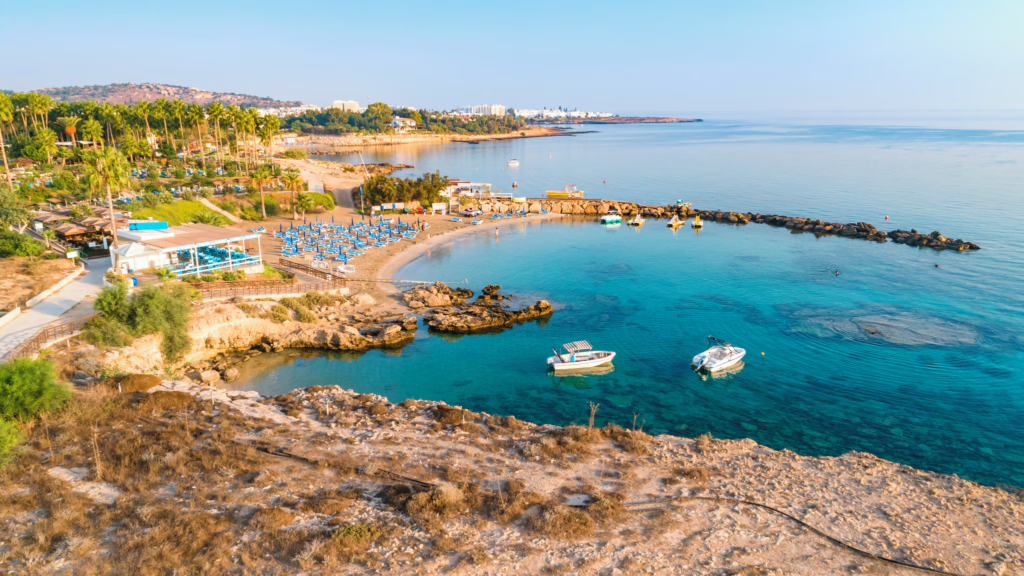
5. The Protaras Coastal Promenade
The Wooden Boardwalk Runway of Craggy Sea Inlets and Beachfront Walks
Stretching smoothly for over four kilometers along the shoreline, this wide, masterfully constructed wooden boardwalk serves as the primary pedestrian artery of the resort town.
- What it is famous for: Linking all the major bays, rocky coves, and beach hotels together into one scenic, traffic-free walking trail. Ideal for morning jogs or romantic evening voltas (leisurely strolls), the promenade is fully lit at night. Walking along the path reveals hidden limestone inlets, public viewing benches, and open-air seaside cafes, allowing travelers to walk from Pernera all the way to Fig Tree Bay with a constant view of the breaking surf.
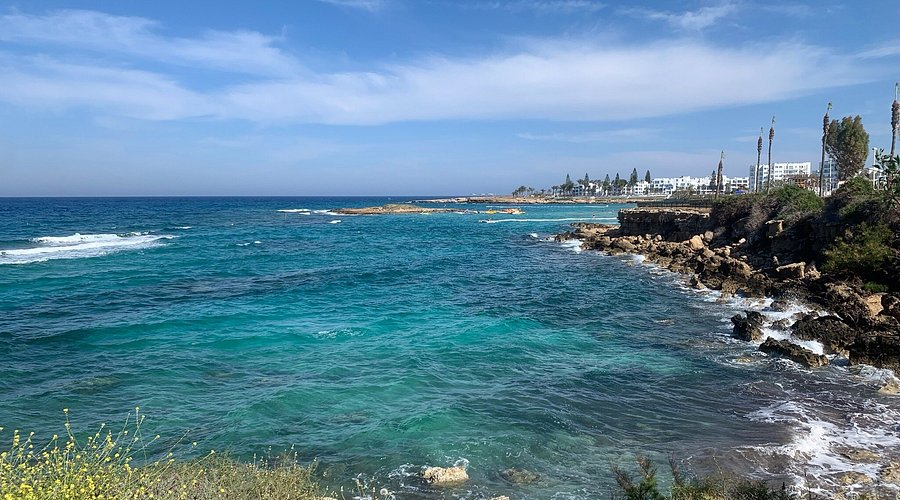
6. Sirena Bay
The Intimate Oasis of Shaded Vine Canopies and Secluded Turquoise Inlets
Hidden away down a narrow dirt track on the northern outskirts of the Protaras regional boundary, this tiny, secret beach cove preserves a nostalgic slice of old Cyprus.
- What it is famous for: Its bohemian atmosphere, overhanging leafy trees providing natural shade, and its secluded turquoise swimming hole. Unlike the wide, bustling tourist expanses of the main strip, Sirena Bay is an intimate pocket of coastline. A rustic, family-run wooden beach bar sits perched on the grass directly above the sand, allowing visitors to dine on traditional souvlaki under a canopy of green vines while looking down at the clear water.
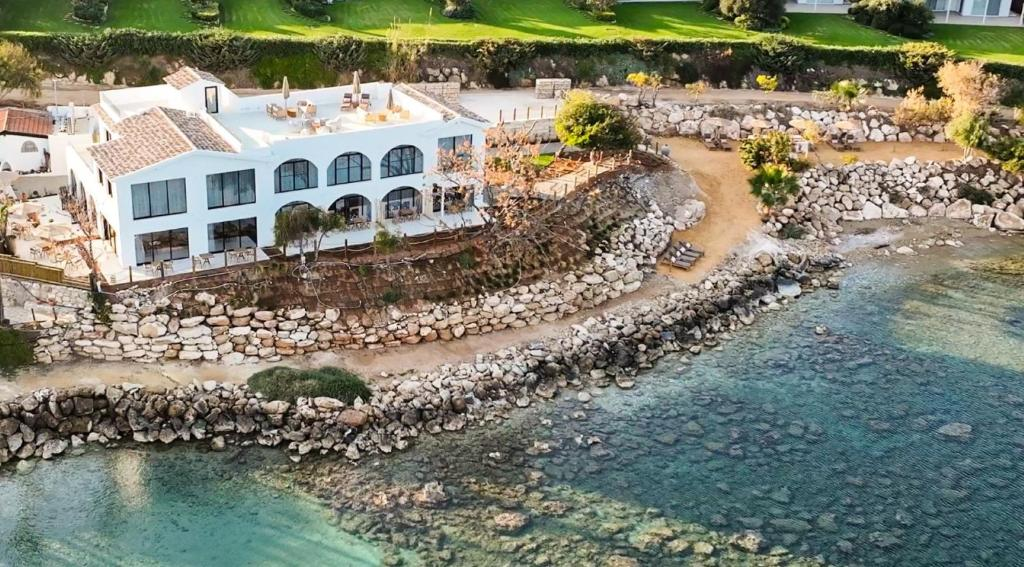
7. Cyclops Cave
The Mythological Coastal Cavern of Rugged Rock Trails and Deep Ocean Ledges
Situated on the eastern edge of the Cape Greco peninsula boundary, down a rugged dirt trail from Konnos Bay, this wild geological formation blends mythology with raw coastal beauty.
- What it is famous for: Being the legendary cave where the mythical one-eyed Cyclops trapped Homer’s Odysseus and his crew during their journey. The massive natural cavern features deep stone overhangs looking out over the sea. The surrounding limestone shelves offer a rugged hiking terrain packed with unique rock formations, and the sheer drop-offs into the deep blue sea below make it a favored spot for technical scuba divers and local fishermen.
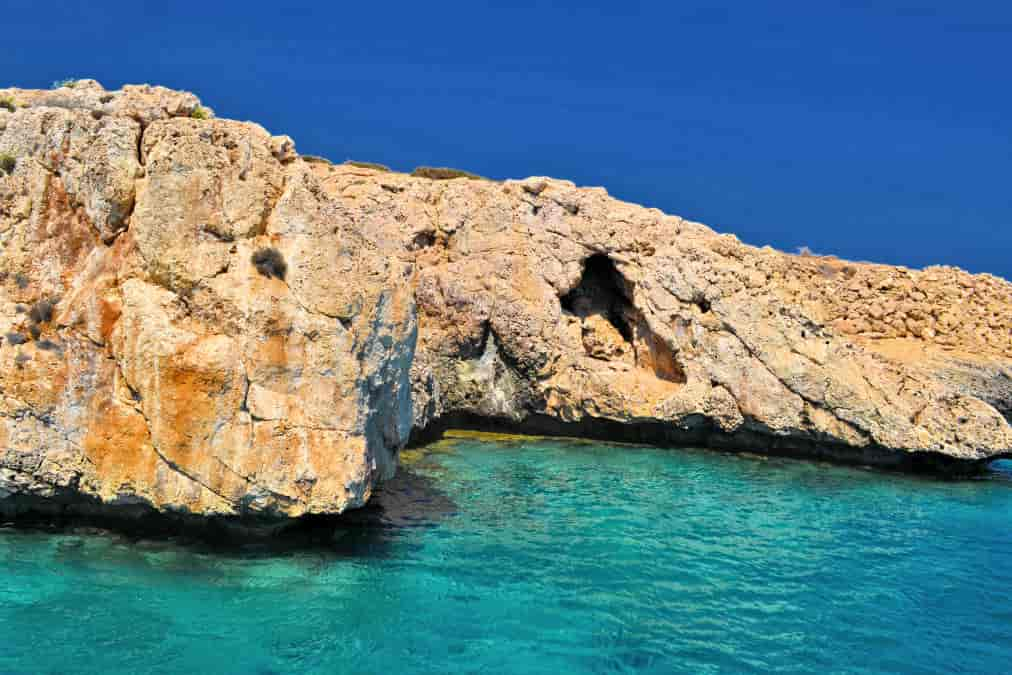
8. Ocean Aquarium Protaras
The Tropical Garden Sanctuary of Nile Crocodiles and Penguin Ice Pools
Nestled into a green park layout near the northern traffic circulars of the Trinity beach district, this family-oriented complex is the premier marine life center in the region.
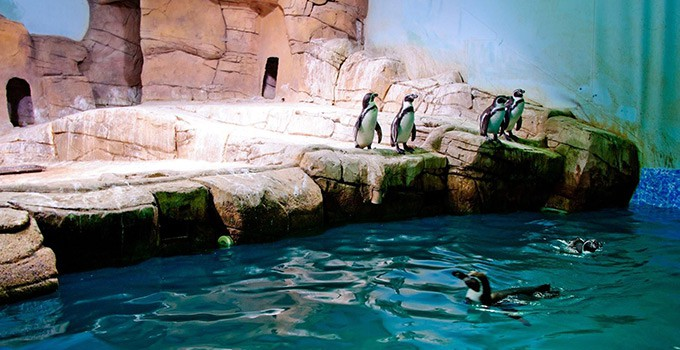
- What it is famous for: Its sprawling indoor-outdoor layout housing over 400 species of marine life, giant Nile crocodiles, and a dedicated Humboldt penguin house. The center tracks aquatic life from tropical rivers to deep ocean trenches across massive glass tank displays. Visitors can step outside into lush, shaded gardens to view exotic birds, raccoons, and tortoises, or watch the daily feeding routines of the penguins inside their climate-controlled rock-and-water enclosure.
9. Cape Greco Sea Caves (Protaras Flank)
The Sea-Carved Architectural Matrix of Natural Stone Bridges and Blowholes
Slicing sharply into the white limestone rock shelves along the southern coastal approaches of the Protaras boundary, this spectacular stretch of coastal erosion is a natural marvel.
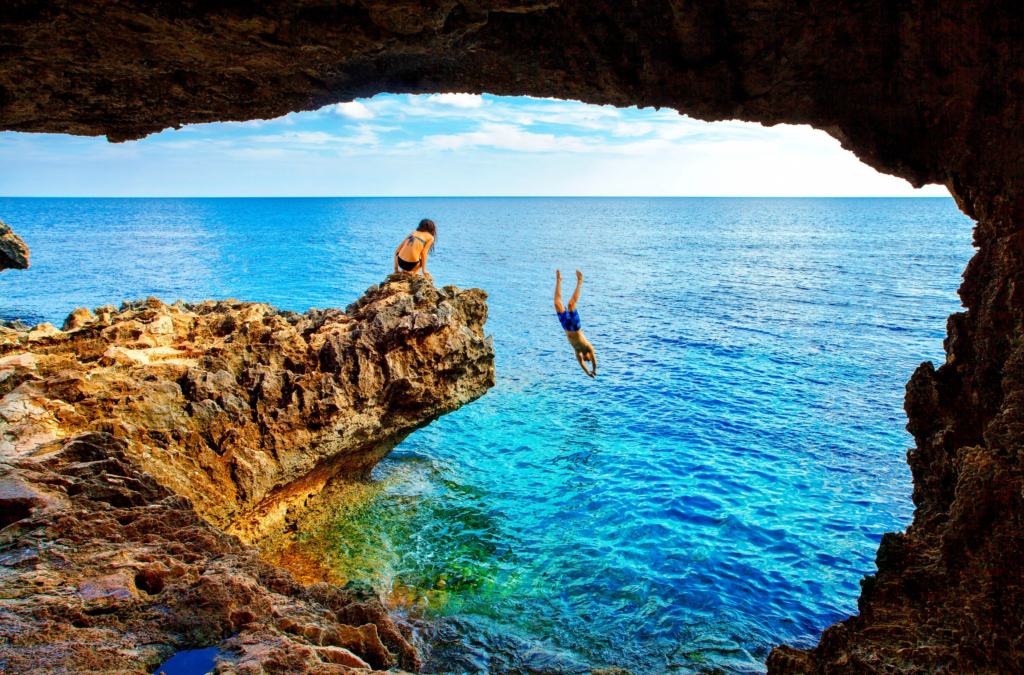
- What it is famous for: Its complex network of deep marine tunnels, windows, and caverns carved out over millennia by the crashing surf. Accessible by both coastal land trails and boat excursions, these striking geological formations look like natural stone palaces opening directly into deep turquoise waters. The top of the cliffs features the famous “Kamara tou Koraka” natural stone arch, a massive geological bridge that highlights the intense natural sculpting power of the sea.
10. Pernera Beach
The Sheltered Family Crescent of Calm Shallow Surf and Waterfront Taverns
Positioned within a peaceful bay complex roughly two kilometers north of the bustling main strip, this relaxed beach neighborhood serves as a quiet alternative to the central core.
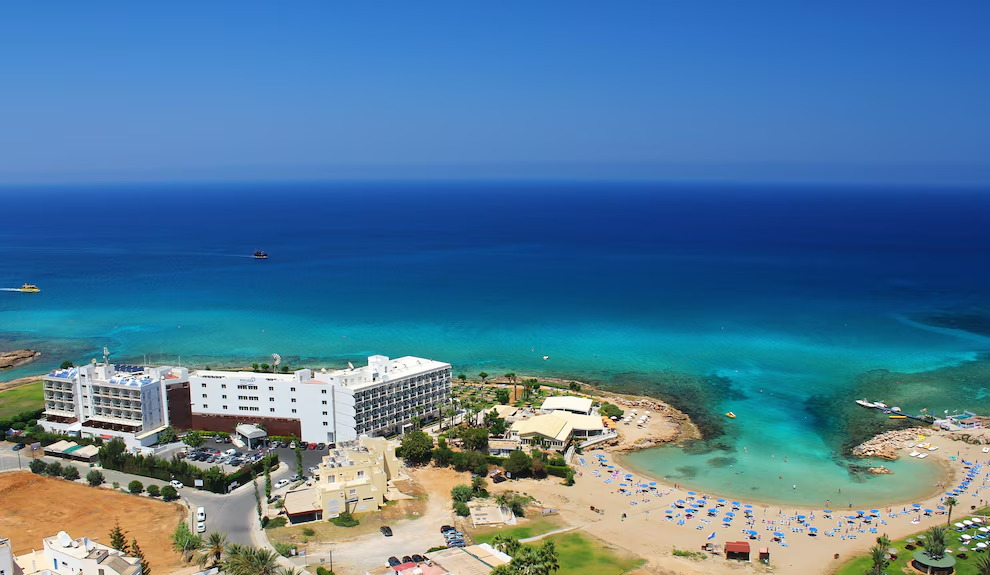
- What it is famous for: Its sheltered, crescent-shaped sandy beach that offers exceptionally safe, shallow swimming conditions for families. The bay is bordered by a small selection of boutique hotels and traditional waterfront fish taverns. It serves as a major docking hub for local glass-bottom boat tours, allowing travelers to step directly off the sand onto vessels heading out for coastal cruises around Cape Greco.
11. The Valley of the Windmills (Paralimni Plains)
The Nostalgic Matrix of Old Agricultural Sails and Citrus Grove Valleys
Spreading grandly across the wide agricultural plains that lie just behind the modern coastal resort strips, this historic valley preserves the traditional rural identity of the region.
- What it is famous for: Its nostalgic landscape filled with thousands of traditional, metal-paddled wooden windmills built in the early 20th century. Engineered by early farmers to pump fresh water from underground aquifers to irrigate the region’s famous red-soil potato fields and citrus orchards, these windmills became a definitive symbol of the local landscape. Walking or cycling through this quiet countryside offers a peaceful look at local life, completely detached from the neon resort strips.