
Linz, straddling the broad, historic curves of the Danube River in Upper Austria, is a city operating on a brilliant layout of historic preservation and heavy industrial evolution.
For centuries, its strategic river crossroads attracted powerful rulers, including Emperor Friedrich III, who made the city the center of the Holy Roman Empire in the late 15th century.
In the 20th century, Linz evolved into a major industrial steel manufacturing powerhouse, but its modern reinvention is what truly captures the imagination.
Today, Linz is a UNESCO City of Media Arts and a global pioneer in digital culture.
Known for being the home where Johannes Kepler calculated the laws of planetary motion, the cradle of the world’s oldest cake recipe (Linzer Torte), and a city where electronic art festivals take over the streets.
1. Hauptplatz & The Holy Trinity Column
The Colossal Baroque Core of Riverfront Commerce
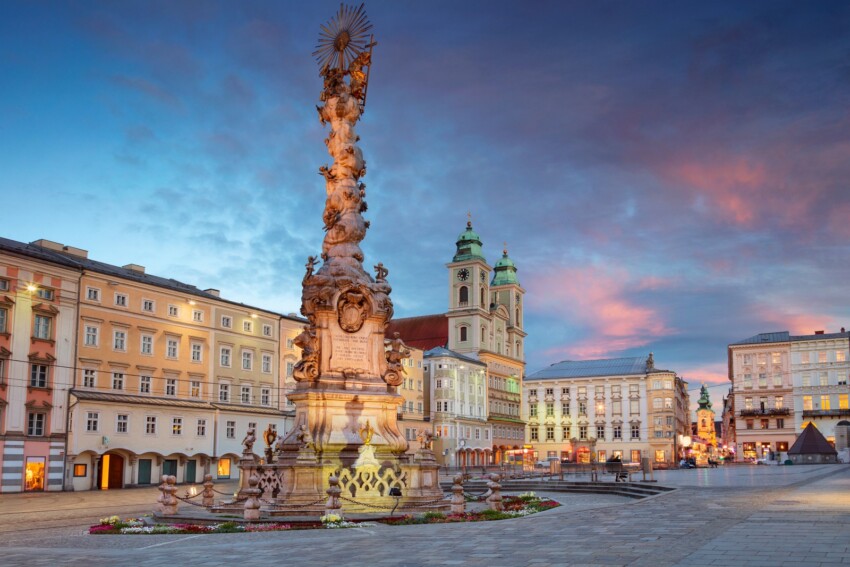
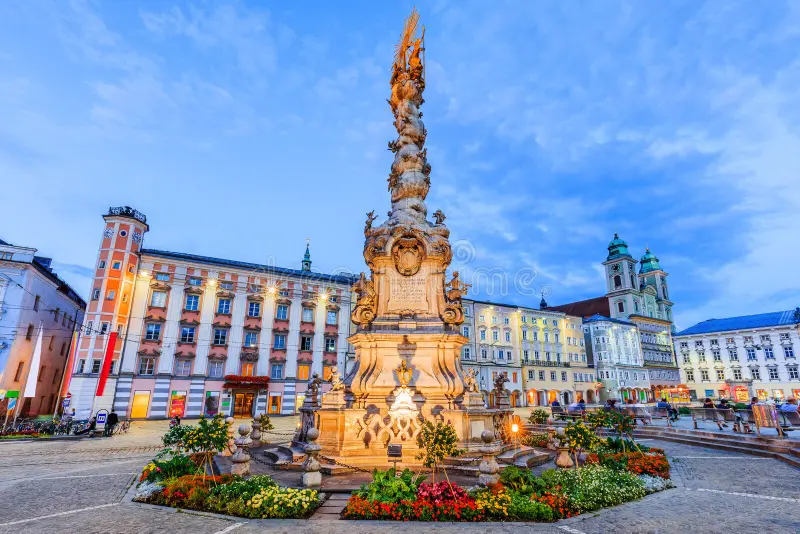
Spreading out over 13,000 square meters right in the center of the old town near the Danube banks, Linz’s Hauptplatz is one of the largest, most spectacular enclosed public squares in Central Europe.
- What it is famous for: Its magnificent, pastel-colored Baroque facades and its soaring marble monument. The square is anchored by the breathtaking Holy Trinity Column (Dreifaltigkeitssäule), a 20-meter-tall white marble masterpiece completed in 1723 to thank God for saving the city from plague, fire, and war. Bounded by grand, historicist buildings like the Old Town Hall (Altes Rathaus), the cobblestone market square is a hub of streetcar lines, open-air cafes, and festive seasonal markets.
2. Ars Electronica Center
The Shimmering, Multi-Colored Museum of the Future
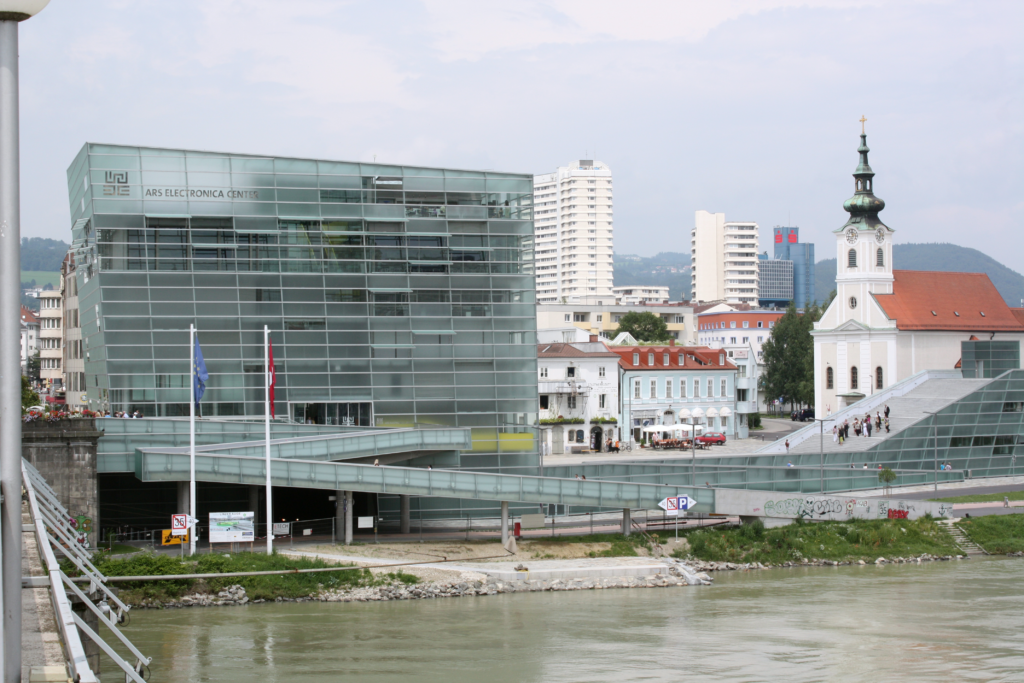
Sitting boldly on the northern bank of the Danube River directly opposite the old town, this futuristic architectural landmark operates as a world-renowned laboratory and museum dedicated to the intersection of art, technology, and society.
- What it is famous for: Its massive, color-shifting LED glass skin and the mind-blowing Deep Space 8K theater. Known globally as the “Museum of the Future,” the building is encased in a geometric glass facade that glows with a spectacular, synchronized light show every evening. Inside, visitors don’t just view exhibits; they interact with artificial intelligence, engineer living biotechnology cells, and step into an immersive, 3D laser-projection theater that displays ultra-high-definition cosmic nebulae and cultural treasures.
3. Pöstlingberg & The Pöstlingbergbahn
The Fairy-Tale Hill and the Record-Breaking Mountain Railway
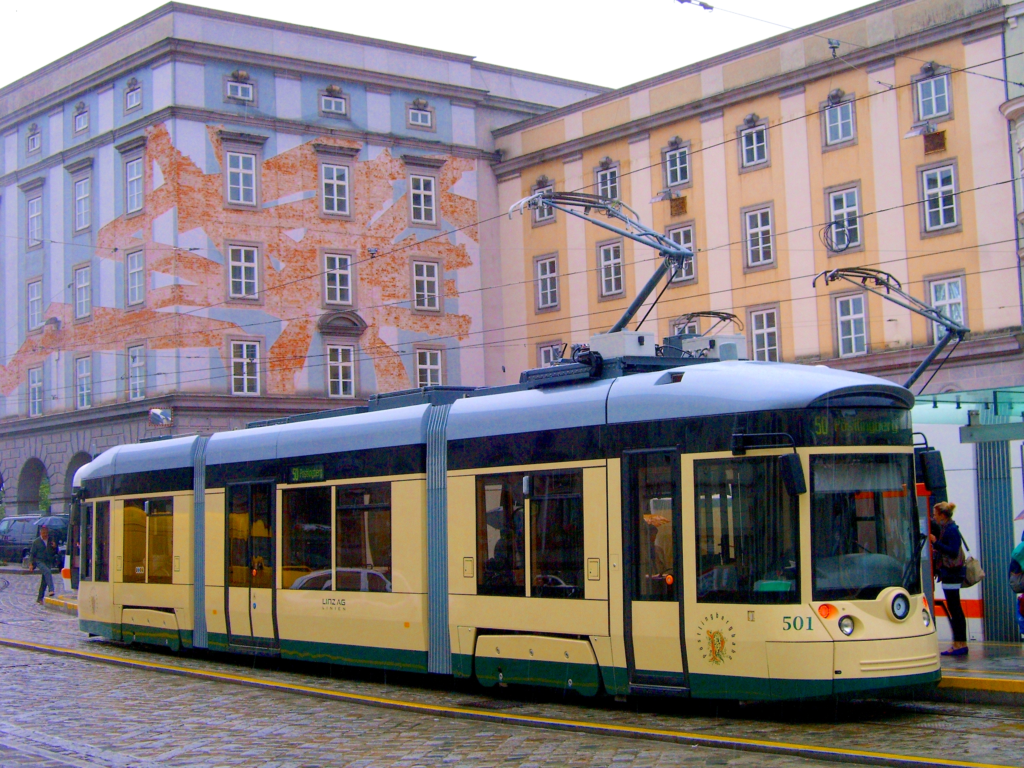
Rising sharply on the northern fringe of Linz, the Pöstlingberg is a 539-meter-high mountain peak topped by a magnificent, twin-towered 18th-century pilgrimage church that looks out over the entire Danube valley.
- What it is famous for: Holding one of the steepest adhesion railways in the world and the subterranean Grottenbahn. Since 1898, the historic Pöstlingbergbahn tram line has transported passengers from the central Hauptplatz straight up the steep mountain incline using pure wheel-to-rail friction. At the summit, families can wander through the Grottenbahn—a mythical fairy-tale grotto built inside an old defensive tower where a miniature dragon train rides through glowing, subterranean scenes of woodland elves and folklore.
4. The New Cathedral (Mariendom)
The Colossal Gothic Giant of Untamed Scale
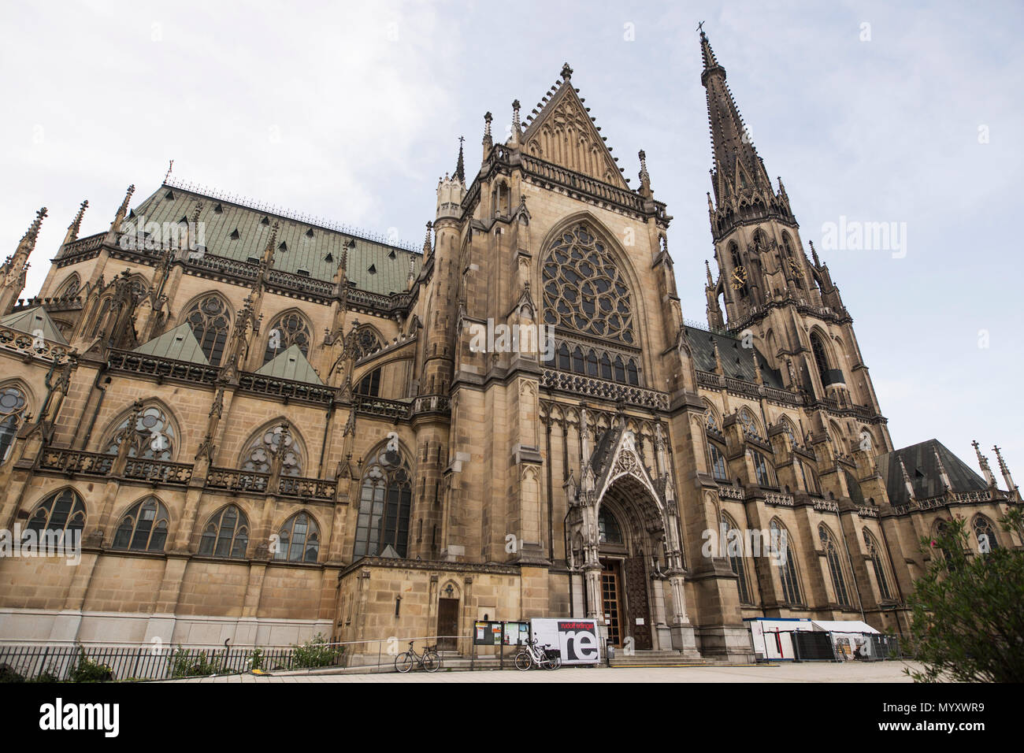
Constructed over a span of 62 years between 1862 and 1924, this massive, sand-colored Neo-Gothic cathedral stands as a testament to religious ambition, hidden in the inner blocks of the city center.
- What it is famous for: Being the largest church building in Austria by interior space capacity. Designed by Cologne master builder Vincenz Statz, the cathedral can hold up to 20,000 worshippers. Local historic law prevented its towering spire from being taller than St. Stephen’s in Vienna, so it stands at exactly 135 meters—just two meters shorter. It is celebrated for its spectacular stained-glass “Linz Window” sequence, which chronicles the history of the city, and its quiet, elevated inner gallery loops.
5. Lentos Kunstmuseum (Lentos Art Museum)
The Translucent Glass Portal of Modernist Masterpieces
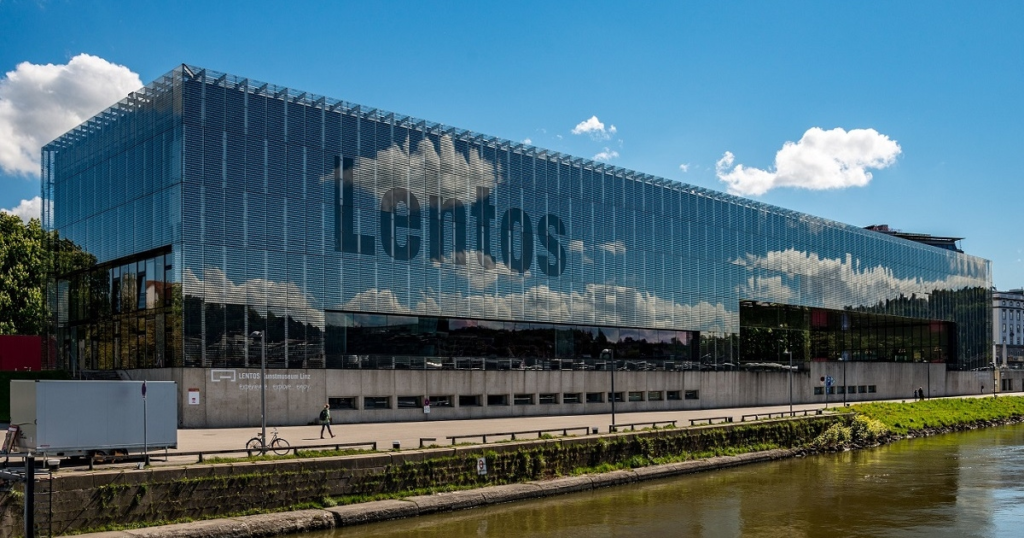
Stretching out like a long, glowing horizontal beam along the southern bank of the Danube, this ultra-modern museum of modern and contemporary art was designed by Zurich architects Weber & Hofer and opened in 2003.
- What it is famous for: Its spectacular transparent frame design and its world-class collections of classic modernists. At night, the translucent glass skin illuminates in deep blues and magenta, featuring a massive, hollow frame opening that frames a cinematic view across the river toward the Pöstlingberg. Inside, the cavernous, sun-drenched galleries house a formidable collection of masterworks by Gustav Klimt, Egon Schiele, Andy Warhol, and Oskar Kokoschka.
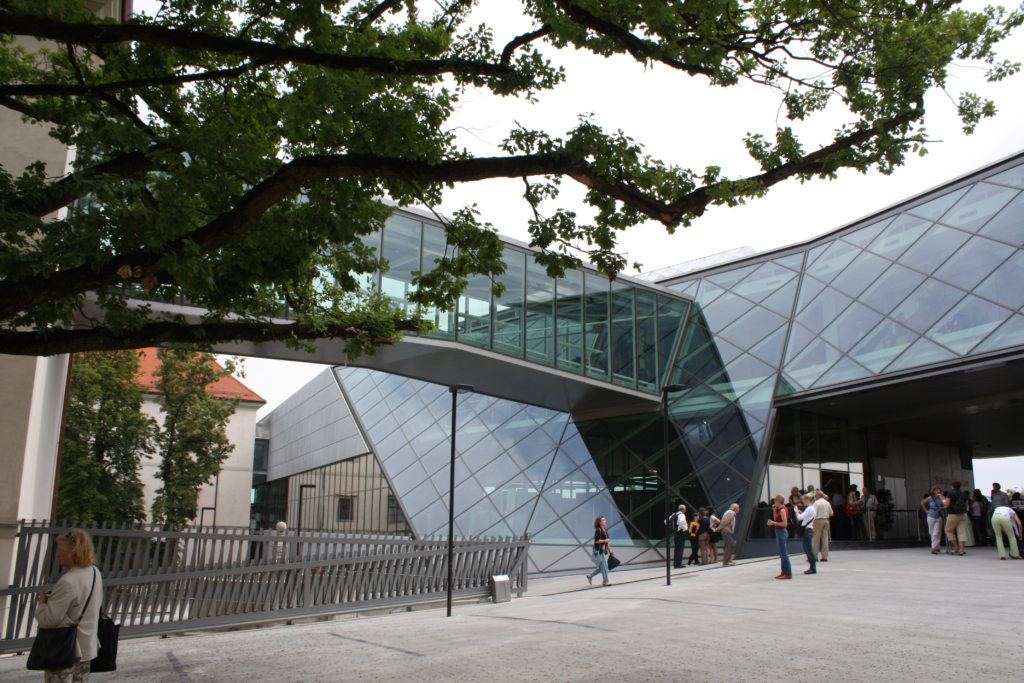
6. Linz Castle & Castle Museum (Schlossmuseum Linz)
The Renaissance Palace of Historic and Modern Collisions
Crowning a high rocky bluff overlooking the historic center and the Danube, this historic castle site was once the fortified imperial stronghold residence of Holy Roman Emperor Friedrich III during the late 14th century.
- What it is famous for: Its striking architectural fusion of a historic palace with an ultra-modern glass-and-steel wing. Following a devastating fire in 1800 that destroyed the south wing, the castle was left incomplete until 2009, when architects constructed a bold, futuristic steel-and-glass structure over the missing section. Today, the Schlossmuseum operates as the largest museum in a single building in Austria, displaying regional historical weaponry, natural history, and technology under one massive roof.
7. Mural Harbor
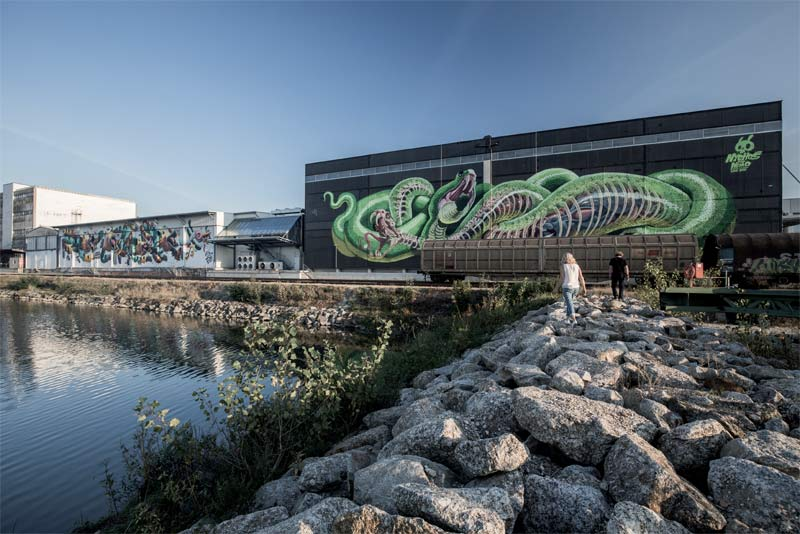
The Industrial Wasteland Turned Open-Air Graffiti Capital
Located in the sprawling commercial docks and industrial container ports of the Linz harbor district on the eastern edge of the city, this active industrial zone has become a massive canvas for urban street art.
- What it is famous for: Being one of the largest open-air graffiti and street art galleries in Europe. What started as a grassroots artistic project has transformed the cold, concrete walls of towering industrial warehouses and metal silos into a vibrant outdoor museum. Over 300 massive murals—many measuring over 40 meters long—have been painted by world-renowned international street artists. Visitors can tour the deep commercial basins by boat or participate in graffiti workshops on active harbor walls.
8. Brucknerhaus
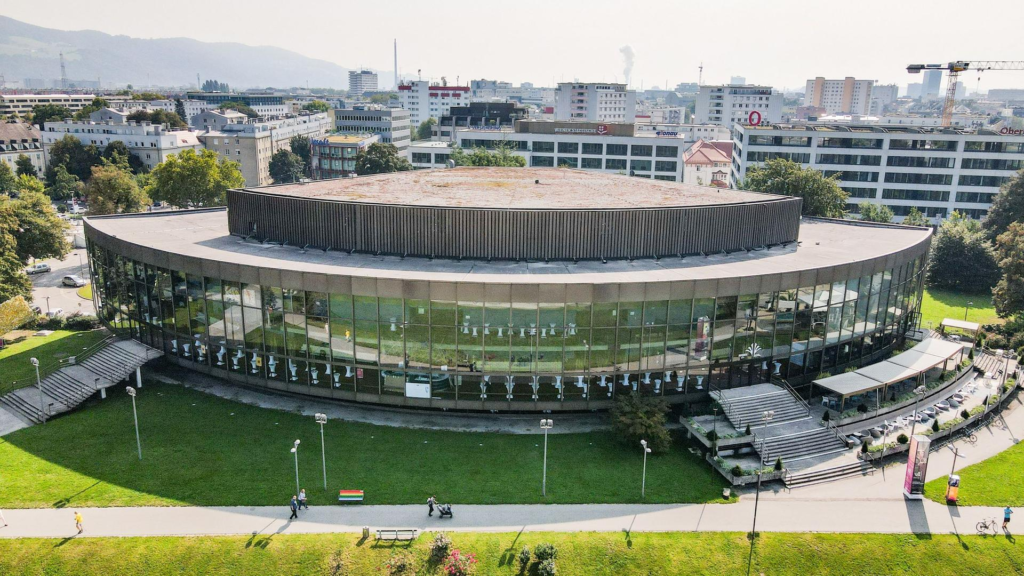
The Acoustic Waveform Theater of Classical Orchestration
Positioned gracefully along the green expanses of the Danube parkland (Donaupark), this striking, curved concert hall was designed by legendary Finnish architects Alvar and Elsa Aalto and opened its doors in 1974.
- What it is famous for: Its exceptional, timber-acoustic design and its tribute to composer Anton Bruckner. Named after Upper Austria’s most famous symphonic son, the building features an elegant, rounded wood-and-glass facade meant to evoke the fluid motions of musical sound waves and the river currents outside. It serves as the primary home for the Bruckner Orchestra Linz and the international Bruckner Festival, filling its acoustic, walnut-paneled grand hall with elite classical compositions.
9. The Old Cathedral (Alter Dom / Ignatiuskirche)
The Twin-Tailed Jesuit Sanctuary of Baroque Illusion
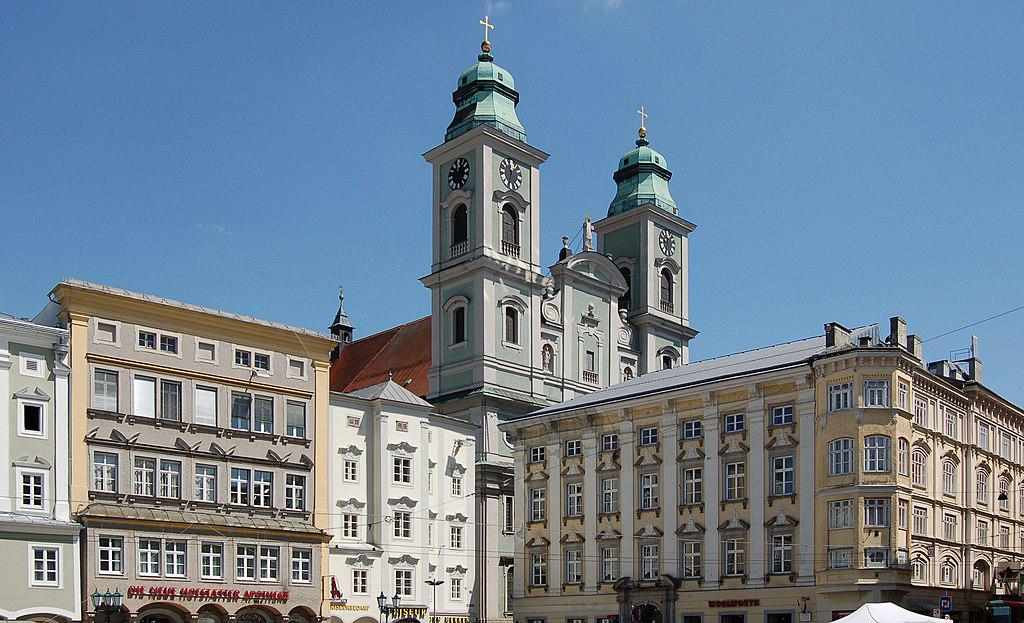
Tucked away just off the southeast corner of the Hauptplatz, this twin-towered, mid-17th-century church was built by the Jesuit Order and served as the official cathedral seat of the diocese until the New Cathedral was built.
- What it is famous for: Its breathtaking pink-columned interior and Anton Bruckner’s personal pipe organ. While the exterior facade is relatively austere, the interior is an absolute explosion of high Baroque drama, featuring pink marble columns, elaborate gilded stucco decorations, and a masterfully carved wood pulpit. Anton Bruckner served as the official parish organist here for 12 years, and the historic pipe organ—the Bruckner Organ—was specially modified to his exact acoustic preferences, remaining virtually unchanged today.
10. Landstraße & The Ursuline Church
The Bustling Retail Runway of Historic Spire Layouts
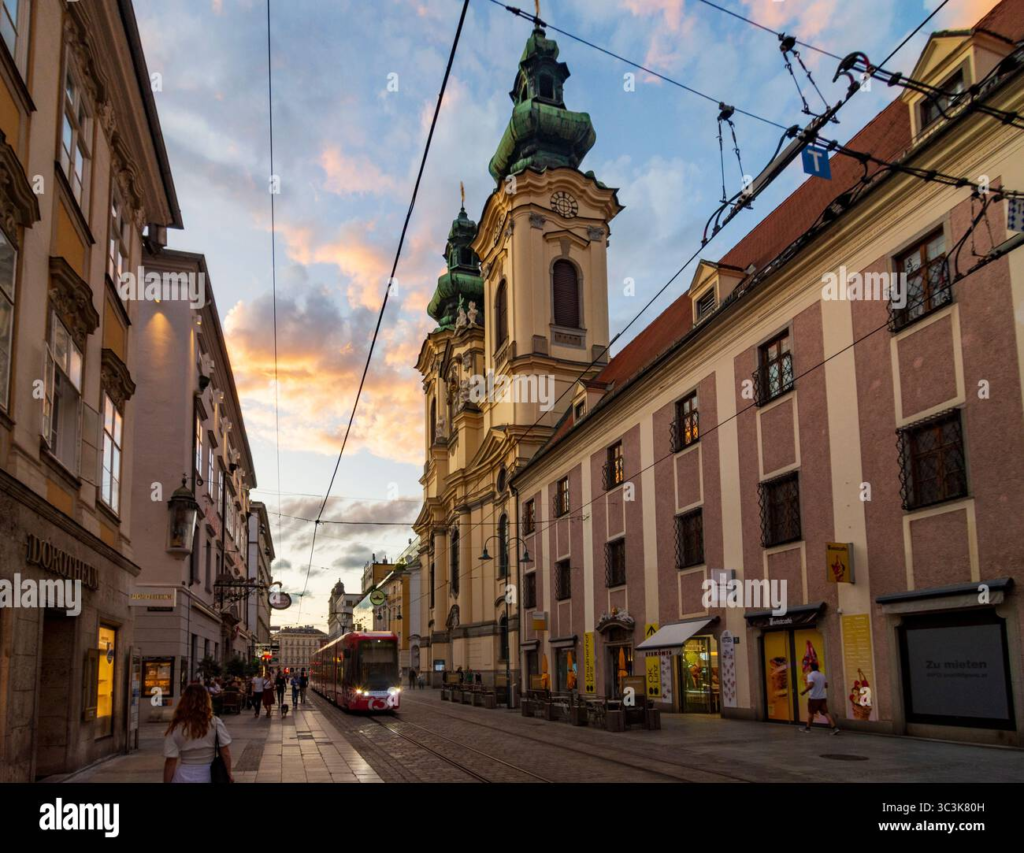
Stretching south straight from the main edge of the Hauptplatz, this wide, energetic pedestrian boulevard is the primary retail, social, and fashion avenue of Linz, ranking as the second-most frequented shopping street in Austria.
- What it is famous for: Its premier shopping palaces and historic, monumental churches. Walking down the cobblestone avenue treats pedestrians to an architectural transition from medieval cores to expansive 19th-century historicism. The streetscape is anchored by architectural landmarks like the Ursuline Church (Ursulinenkirche), a beautiful 18th-century Baroque temple with a striking twin-towered facade and an ornate interior that hosts regular high-art cultural exhibitions.
11. Voestalpine Steel Space
The High-Tech Sphere of Iron, Fire, and Innovation
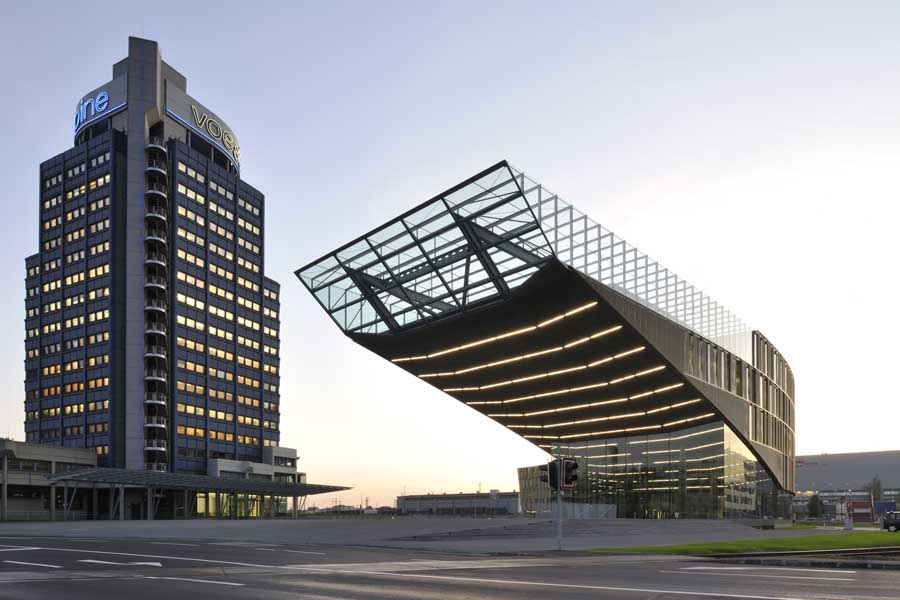
Located inside the vast, working industrial complex of the voestalpine steel company on the southeastern edges of the city, this cutting-edge corporate exhibition center is a monument to Linz’s industrial heritage.
- What it is famous for: Its spectacular architectural design featuring a giant, glowing sphere suspended inside a steel cube. This high-tech visitor center offers an interactive look into modern metallurgical engineering. Visitors walk through futuristic, dark exhibition halls lit by red led lines that mimic molten iron streams, exploring how iron ore is forged into high-performance steel components for global space exploration and automotive industries, celebrating the blue-collar soul that built modern Linz.