
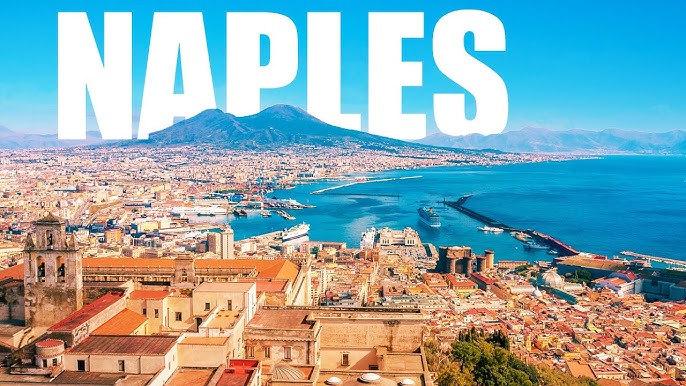
Naples, anchoring the absolute geographic and historic core of the Campania region along the sweeping, azure crescent of the Gulf of Naples, operates on a spectacular volcanic amphitheater layout dominated by the imposing silhouette of Mount Vesuvius.
Historically originating in the 9th century BC as the Greek settlement Parthenope and later Neapolis, this maritime stronghold stands proud as a masterclass in continuous, layered urban density.
Because the municipality fiercely preserved its ancient Greco-Roman street grids, sprawling underground cavern networks, and monumental Bourbon palaces rather than flattening them for modern industrial zones, it earned its permanent cultural status as an absolute living museum and the undisputed global capital of classical archaeology, baroque artistic stagecraft, and dynamic seaside trail exploration.
Today, Naples presents an incredible architectural matrix where weathered 16th-century Spanish stone tenements and towering fortress walls stand directly beside high-energy public piazzas, grand operatic theaters, and contemporary underground art stations.
The city effortlessly pairs its deep, trade-tested Mediterranean pedigree with an explosive, unapologetic passion for world-class street gastronomy, sacred folklore, and a highly kinetic, open-air lifestyle tied entirely to the sea.
1. Naples National Archaeological Museum (MANN)
The Spectacular Architectural Sovereign of Bourbon Marble Galleries and Imperial Pompeii Sagas
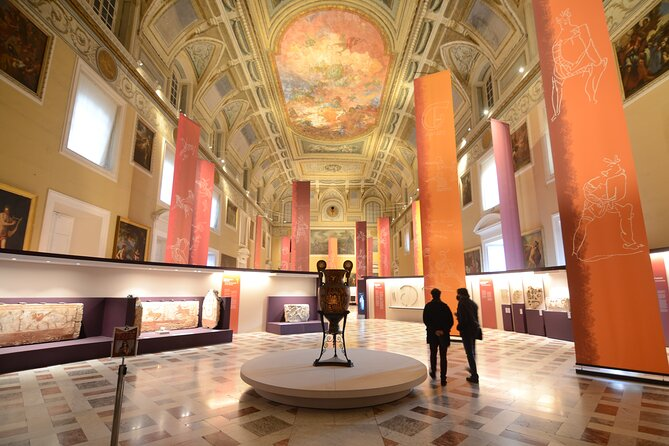
Dominating a massive, rust-colored public footprint on the edge of the historic old town grid, this monumental 17th-century palace complex stands proud as the premiere repository of classical antiquity in the Western world.
- What it is famous for: Housing the world’s most significant collection of Roman and Greek antiquities, featuring the legendary Farnese Sculptures and the magnificent, pristine mosaics excavated from the volcanic ashes of Pompeii and Herculaneum. Originally constructed as a cavalry barracks, the museum features vast, high-ceilinged galleries holding the colossal Farnese Hercules and the intricate Alexander Mosaic. The collection acts as a monumental historical bridge, giving travelers an unparalleled look into the daily life, luxury, and artistic genius of the Roman Empire before the eruption of Vesuvius.
2. Castel dell’Ovo (Egg Castle)
The Enigmatic Stone Sentinel of Tufa Maritime Ramparts and Mythological Siren Waterfront Horizons
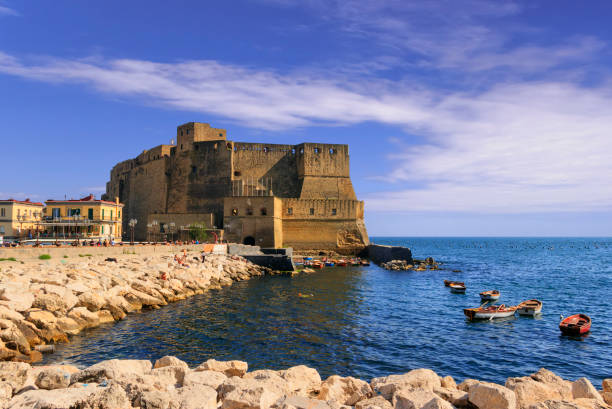
Commanding a majestic, high-profile marine presence on the rocky islet of Megaride, this imposing tufa-stone fortress stands proud as the oldest standing fortification in Naples.
- What it is famous for: Its extraordinary defensive layout built directly into the sea, tied to a legendary Roman myth where the poet Virgil supposedly buried a magical egg in its foundations to keep the city from falling. First fortified by Roman patricians and later expanded by Norman and Angevin kings, the castle features rugged stone battlements and panoramic artillery terraces. The historic island fortress acts as a scenic sentinel guarding the lungomare promenade, offering travelers sweeping views stretching from the Sorrento Peninsula across to Cape Miseno.
3. Cappella Sansevero
The Radiant Cultural Repository of Baroque Marble Shrouds and Anatomical Alchemy Vaults
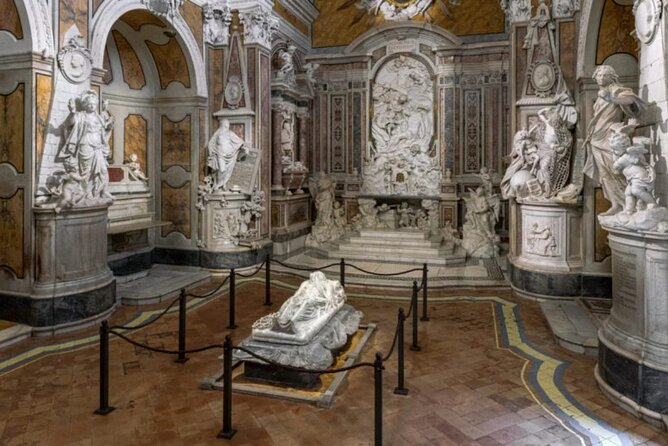
Tucked quietly within a narrow, cobblestone alleyway in the heart of the historic old quarter, this intimate, 18th-century noble funerary chapel holds the absolute technical pinnacle of baroque sculpture.
- What it is famous for: Housing the breathtaking, world-famous masterpiece The Veiled Christ (Cristo Velato), carved by Giuseppe Sanmartino from a single block of marble with a translucent shroud that appears physically wet. Commissioned by the eccentric alchemist Prince Raimondo di Sangro, the chapel features a dramatic ceiling fresco and intricate allegorical monuments. The subterranean crypt houses two shocking Anatomical Machines—authentic human skeletons featuring meticulously preserved, resin-hardened circulatory systems that highlight the prince’s obsession with scientific alchemy.
4. Spaccanapoli & The Historic Center
The Picturesque Walking Runway of Decumanus Alley Horizons and High-Energy Street Food Chants
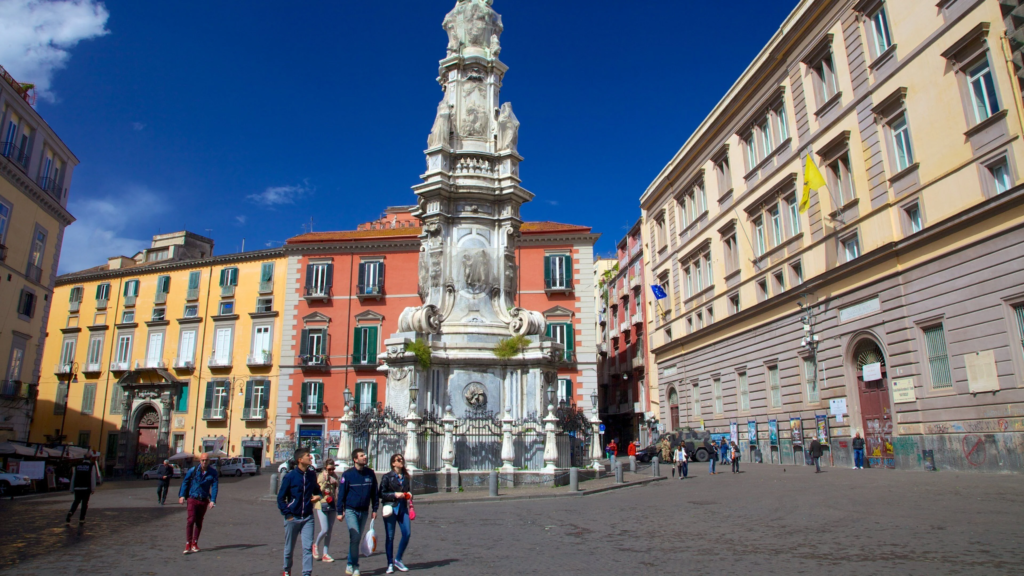
Slicing smoothly and directly through the absolute geographic core of the ancient city grid, this straight, narrow fissure of historic streets forms the chaotic, beating heart of Naples.
- What it is famous for: Being the ancient Greek lower decumanus street that literally splits (spacca) the historic center in half, lined continuously with soaring, ivy-draped palazzos, historic churches, and open-air artisan workshops. This UNESCO World Heritage zone functions as a high-energy theater of daily Neapolitan life, where scooters zip past historic shrines and outdoor pastry shops selling fresh sfogliatella. The vibrant corridor includes the famous Via San Gregorio Armeno, world-renowned for its independent artisans hand-sculpting traditional terracotta nativity figurines year-round.
5. Under-Ground Naples (Napoli Sotterranea)
The Sprawling Eco Matrix of Subterranean Tufa Aqueducts and Historic Wartime Shelter Loops
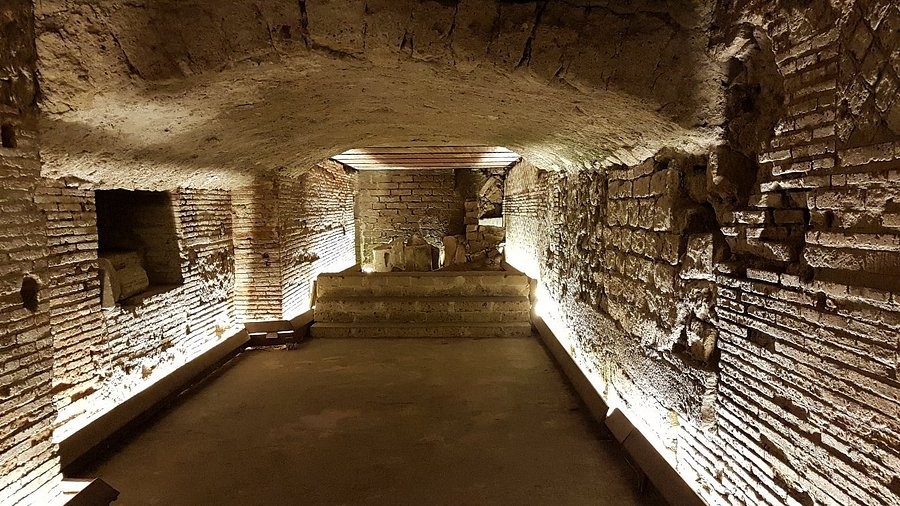
Slicing smoothly beneath the bustling surface of the old town streets, this colossal, 40-meter-deep labyrinth of tufa-stone tunnels maps the hidden geological twin city of Naples.
- What it is famous for: Being a monumental subterranean network of ancient Greek quarries, Roman aqueduct cisterns, and hidden tunnels transformed into bomb shelters during World War II. Armed with candles, travelers descend down narrow stone steps into cavernous spaces that historically supplied the city with fresh water for centuries. The underground matrix features preserved Roman theater basements hidden beneath modern residential trapdoors, offering an immersive, look into the city’s layered archaeological survival.
6. Royal Palace of Naples (Palazzo Reale)
The Monumental Public Sovereign of Bourbon Dynastic Facades and Gilded Throne Performance Arenas
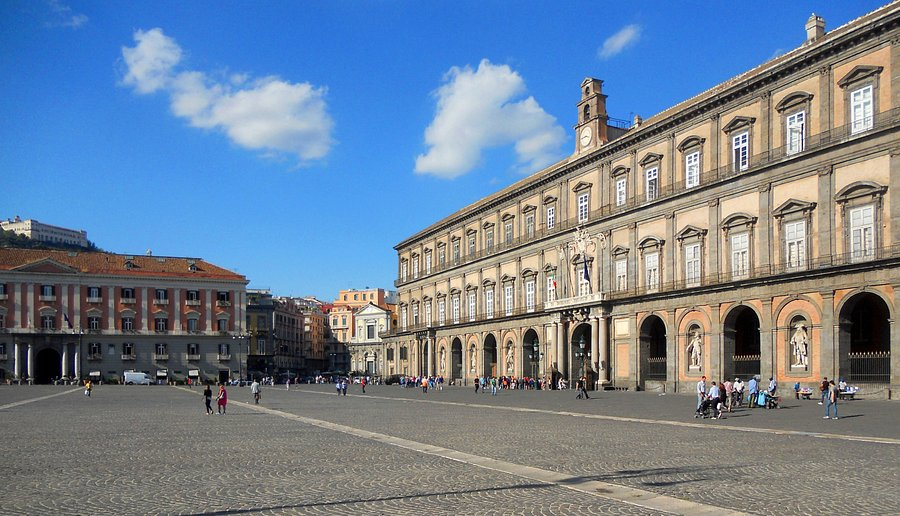
Dominating the monumental western edge of the grand Piazza del Plebiscito, this immense, 17th-century palace complex represents the absolute political and regal soul of the Bourbon kingdom.
- What it is famous for: Being one of the four grand residences used by the Bourbon Kings of the Two Sicilies, featuring a massive, 169-meter-long facade adorned with statues of Naples’ historic rulers. Designed by Domenico Fontana, the interior features a monumental white marble double staircase that leads to the opulent Royal Apartments and the private Palatine Chapel. The palace operates as a symbol of sovereign Mediterranean power, holding massive tapestries, frescoed ceilings, and the beautifully preserved royal throne room.
7. Teatro di San Carlo
The Colossal Modern Sovereign of Gilded Opera Tiers and Fire-Tested Neo-Classical Performance Vaults
Commanding a majestic, high-profile presence directly adjacent to the Royal Palace, this legendary theater stands proud as the oldest continuously active opera house in Europe.
- What it is famous for: Its extraordinary blue-and-gold auditorium, opened in 1737—decades before Milan’s La Scala—celebrated for possessing an elite acoustic resonance that anchored the golden age of Neapolitan opera. The horseshoe-shaped theater features six tiers of boxes, an expansive royal box topped with a golden crown, and a magnificent ceiling fresco. The stage functions as a high-energy cultural hub where masters like Rossini and Donizetti historically directed world-class operatic masterpieces.

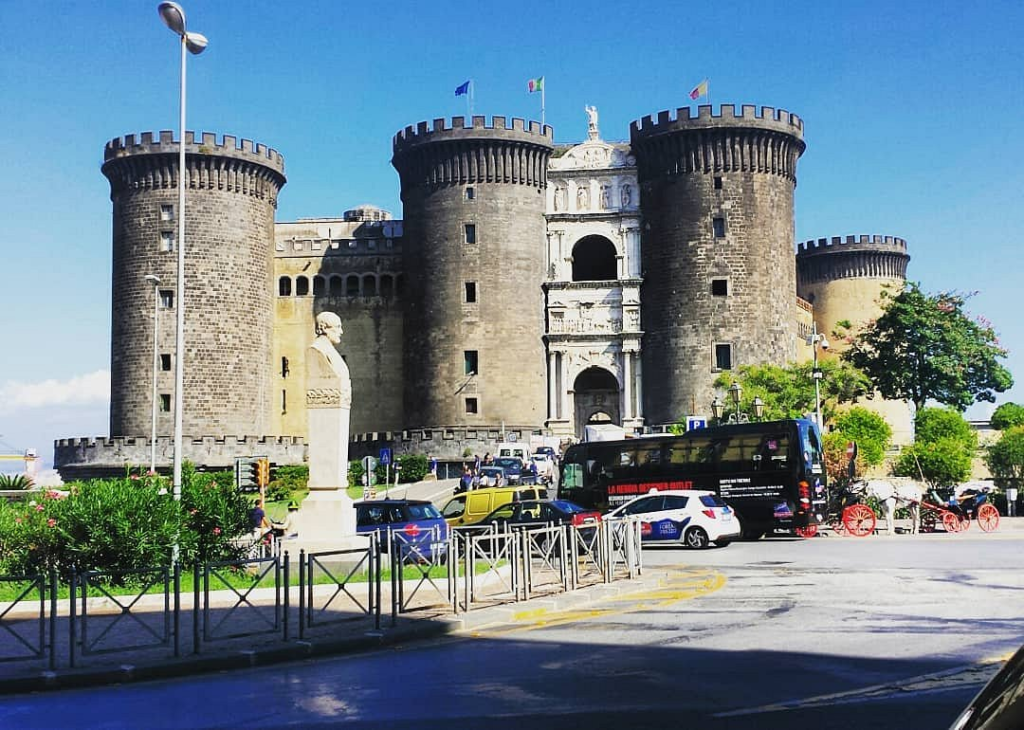
8. Castel Nuovo (Maschio Angioino)
The Rowdy Cultural Runway of Jet-Black Aragonese Towers and Sculpted Renaissance Triumphal Arches
Sited dynamically right along the high-traffic waters of the main port area, this imposing, medieval stone fortress dominates the city’s historic maritime skyline.
- What it is famous for: Its striking architectural layout featuring five massive, cylindrical jet-black basalt towers framing a magnificent, white marble Renaissance triumphal arch squeezed between them. Built originally in 1279 by Charles I of Anjou, the fortress served as a royal seat and cultural hub for artists like Giotto and Petrarch. Today, travelers walk through its deep stone courtyards to explore the high-vaulted Baron’s Hall and civic museum galleries holding rare medieval frescoes and liturgical silver.
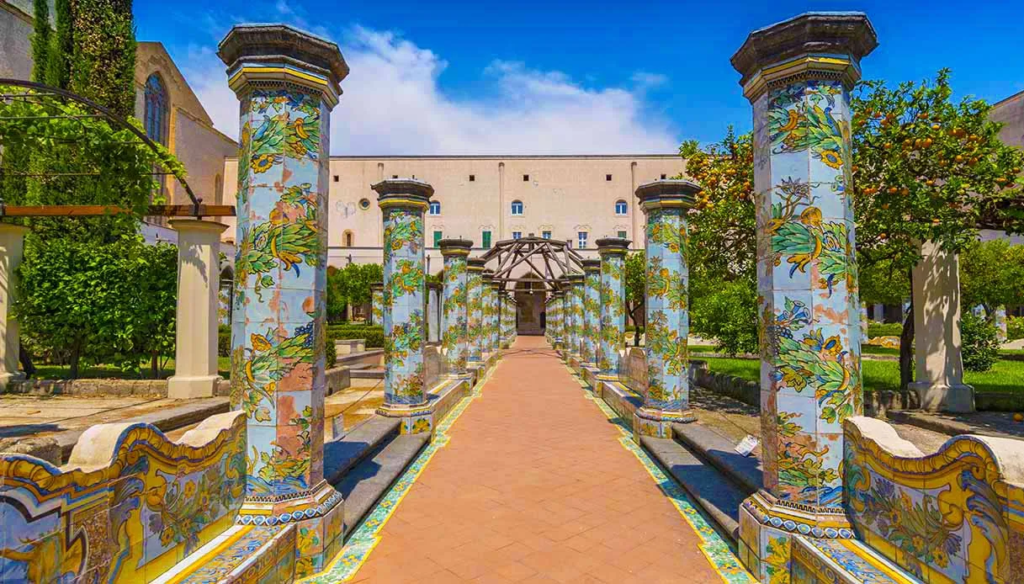
9. Monastery of Santa Chiara
The Breathtaking Minimalist Palace of Hand-Painted Majolica Cloisters and Tranquil Citrus Grove Trails
Perched majestically within a quiet, walled religious sanctuary directly off the bustling Spaccanapoli corridor, this historic 14th-century complex is a masterpiece of landscape serenity.
- What it is famous for: Its extraordinary, sun-drenched cloister garden featuring 64 octagonal pillars and benches entirely covered in hand-painted, 18th-century majolica ceramic tiles depicting rural Neapolitan life. The complex features a vast, austere Provençal Gothic basilica church that serves as the burial site for the Bourbon royal family. The tile-lined walkways blend vibrant blue, green, and yellow ceramic art with fragrant citrus groves, creating an acoustic haven that isolates travelers from the high-energy noise of the city outside.
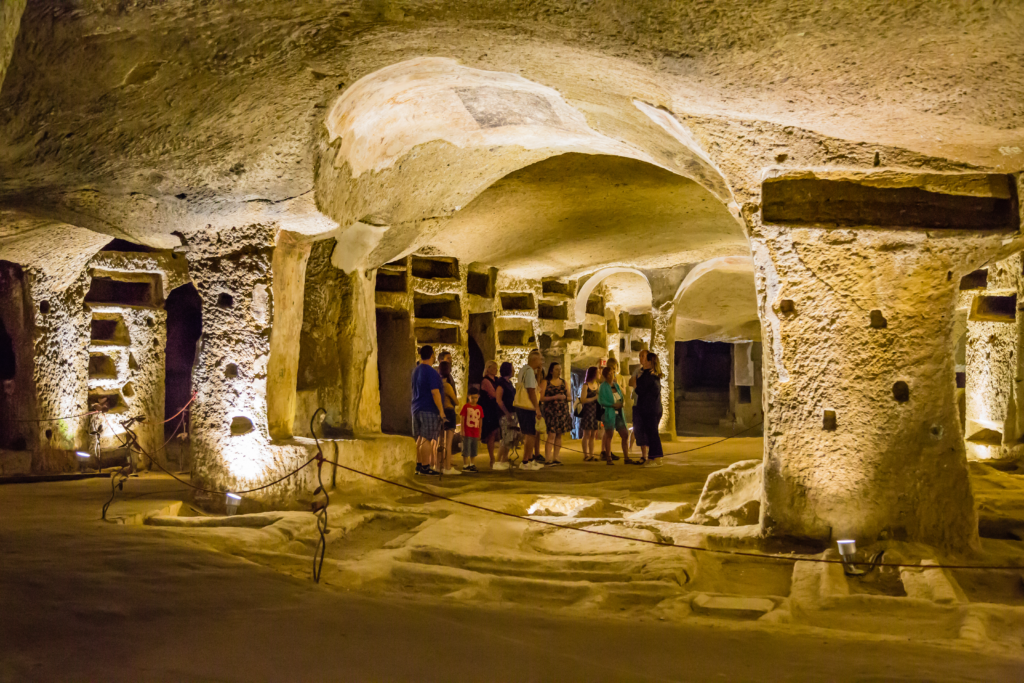
10. Catacombs of San Gennaro
The Breathtaking Ancestral Sovereign of Two-Tiered Paleo-Christian Frescoes and Sacred Bishop Crypts
Sited majestically deep within the northern hillside slopes of the Capodimonte district, this massive, two-tiered subterranean cemetery represents the cradle of early Christian faith in Naples.
- What it is famous for: Being the largest Paleo-Christian catacomb complex in Southern Italy, featuring grand, high-ceilinged tufa-carved chambers that hold the original 5th-century tomb of Saint Januarius (San Gennaro). Unlike the narrow, cramped catacombs of Rome, this Neapolitan site features vast underground basilicas decorated with Byzantine frescoes, mosaic portraits, and hundreds of rock-hewn tombs. The site maintains a profound cultural reverence, mapping the ancient origins of the city’s passionate devotion to its patron saint.
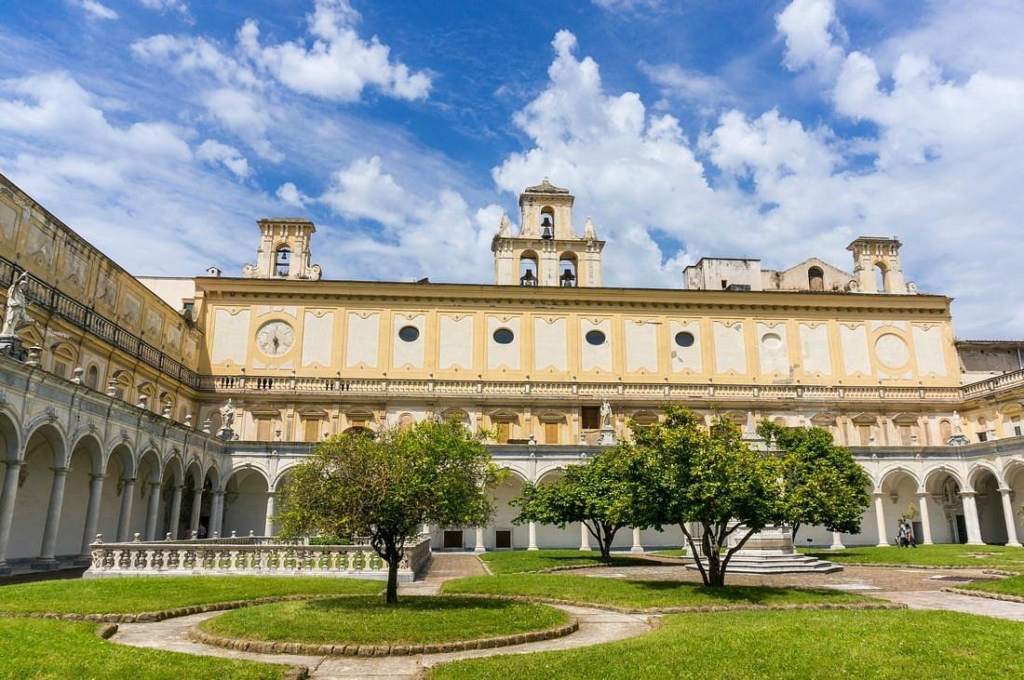
11. Certosa e Museo di San Martino
The Savory Cultural Repository of Panoramic Vomero Hilltop Terraces and Terracotta Presepe Masters
Perched majestically on the jagged volcanic crest of the Vomero hill directly beside the star-shaped Castel Sant’Elmo, this former Carthusian monastery dominates the entire Neapolitan landscape.
- What it is famous for: Offering the definitive, postcard-perfect panoramic view of the complete city valley, capturing the historic center and the port framed perfectly by Mount Vesuvius. The magnificent baroque monastery features a great cloister decorated with marble sculptures and a world-famous museum holding the Cucinello Presepe—the ultimate collection of intricate, 18th-century Neapolitan terracotta nativity scenes. The high-altitude terrace functions as a peaceful, wind-swept viewpoint where active travelers can map the entire geography of the gulf below.