
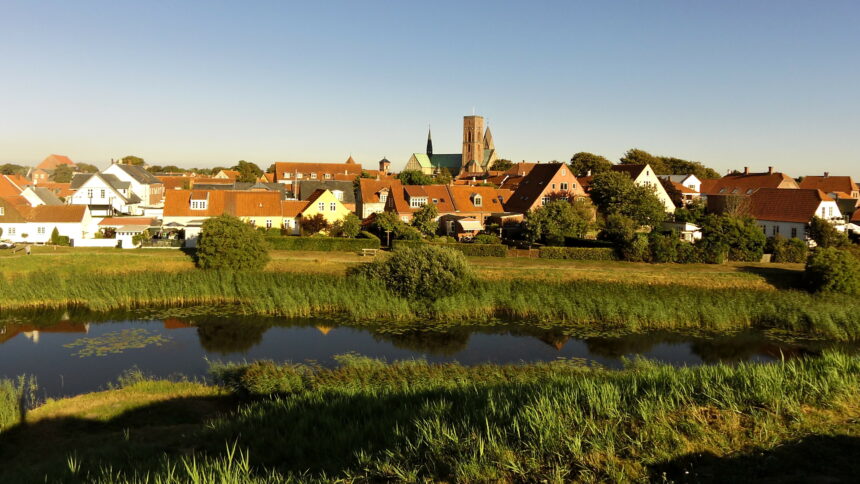
Ribe, anchoring the absolute western coastal frontier of the Jutland Peninsula along the sweeping marshland curves of the Ribe River, operates on a spectacular low rise urban layout where ancient maritime history meets pristine marshland ecology.
Historically originating in the early 8th century as a bustling international Viking trading post, this coastal stronghold stands proud as the absolute oldest surviving town in Denmark and all of Scandinavia.
Because the municipality aggressively protected its medieval core and winding river channels rather than tearing them down for industrial factories, it earned its permanent cultural title as the premier living museum town of Western Europe and the undisputed cradle of early Nordic Christian civilization.
Today, Ribe presents an incredible, fairy tale architectural matrix where 12th century Romanesque stone cathedrals and over a hundred fully protected half timbered houses line a network of narrow, crooked lanes.
The city effortlessly pairs its deep historical pedigree with a gentle, relaxed passion for traditional craftsmanship, local acoustic music, and an outdoor lifestyle tied closely to the adjacent Wadden Sea national park.
1. Ribe Cathedral (Ribe Domkirke)
The Spectacular Architectural Sovereign of Romanesque Stone Spires and Panoramic Marshland Overlooks
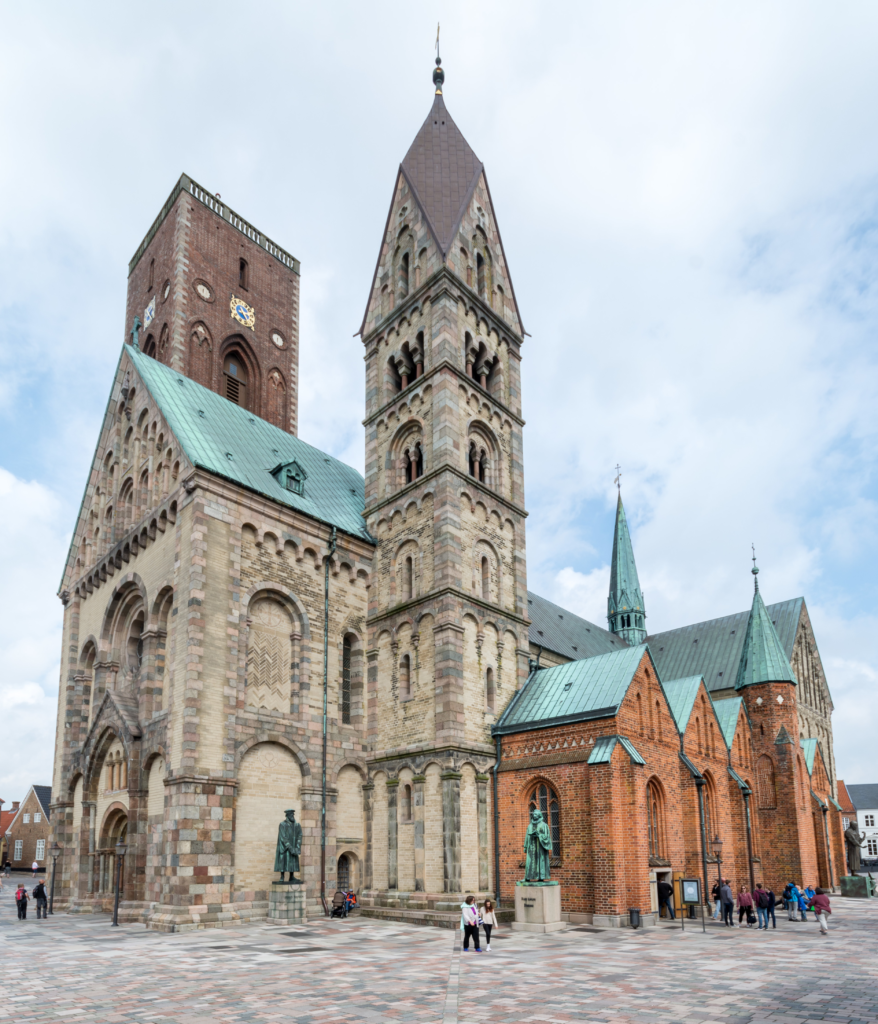
Dominating the absolute physical and visual core of the central market square, this monumental basilica stands proud as the premier historical and architectural landmark of the region.
- What it is famous for: Being the oldest cathedral building in Denmark, constructed from Rhineland tufa stone starting around 1150 and featuring a unique asymmetrical skyline. The church features the monumental brick Commoner Tower, built in the 14th century as a combined watchtower and structural anchor, which visitors can climb for breathtaking views over the red roofs of the old town and the flat western marshlands. The light flooded interior houses a magnificent blend of medieval stone carvings and vibrant, ultra contemporary altar mosaics and stained glass windows created by modern Danish artist Carl Henning Pedersen.
2. Ribe VikingeCenter
The Enchanting Open Air Oasis of Reconstructed Longhouses and Active Living History Workshops
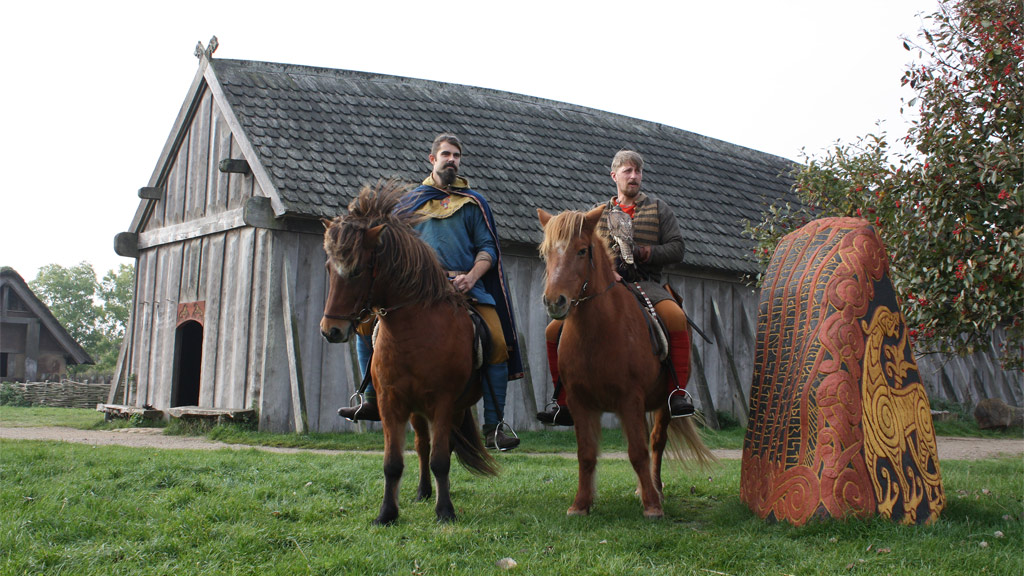
Sited dynamically within the sweeping green meadows of Lustrup just a short five minute drive south of the town center, this experiential archaeological center is a living history masterpiece.
- What it is famous for: Being a world renowned open air museum that meticulously reconstructs the daily living environments of Ribe during the Viking Age from the years 700 to 1000. The center functions as a fully operational living village, featuring thatched roof longhouses, a bustling marketplace, a historic assembly hall, and a Viking farmstead with authentic animal breeds. International historic interpreters and craftspeople populate the village during the summer months, demonstrating traditional blacksmithing, archery, falconry, and open hearth cooking while interacting with travelers.
3. The Old Town Cobblestone Lanes
The Picturesque Walking Runway of Crooked Half Timbered Cottages and Night Watchman Sagas
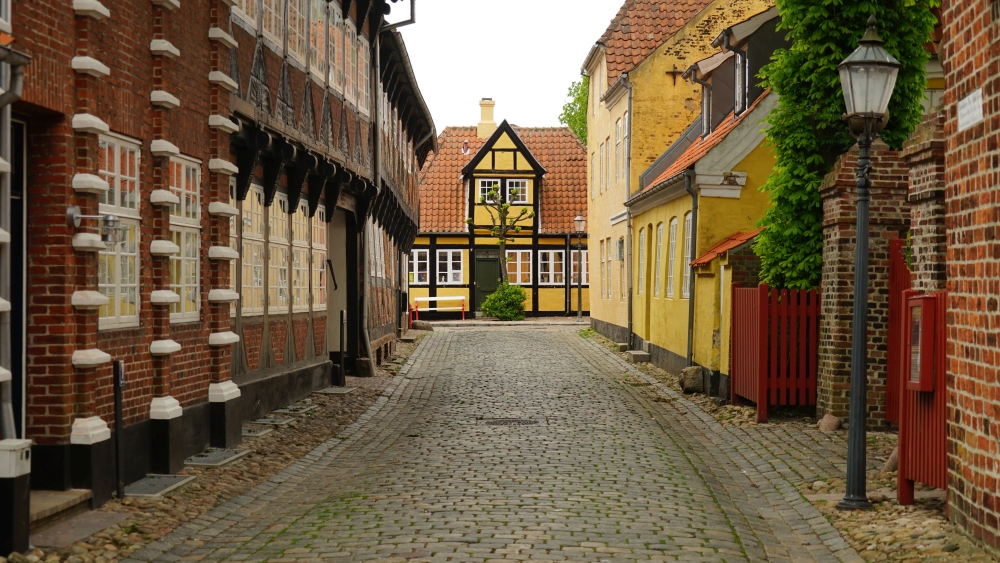
Slicing smoothly through the absolute historic core of the old city grid, this pristine pedestrian neighborhood represents a beautifully preserved medieval residential zone.
- What it is famous for: Its enchanting matrix of narrow, winding streets lined with over one hundred fully protected half timbered houses dating from the 16th and 17th centuries. Walking streets like Fiskergade and Sortebrødregade takes travelers past crooked timber beams, colorful wooden doors, and historic iron signs that mark old artisan workshops. Every single evening during the summer, visitors can join the historic Night Watchman of Ribe as he walks these cobblestone lanes with a traditional lantern and morning star staff, singing traditional verses to ensure the town is safe from fire and thieves.
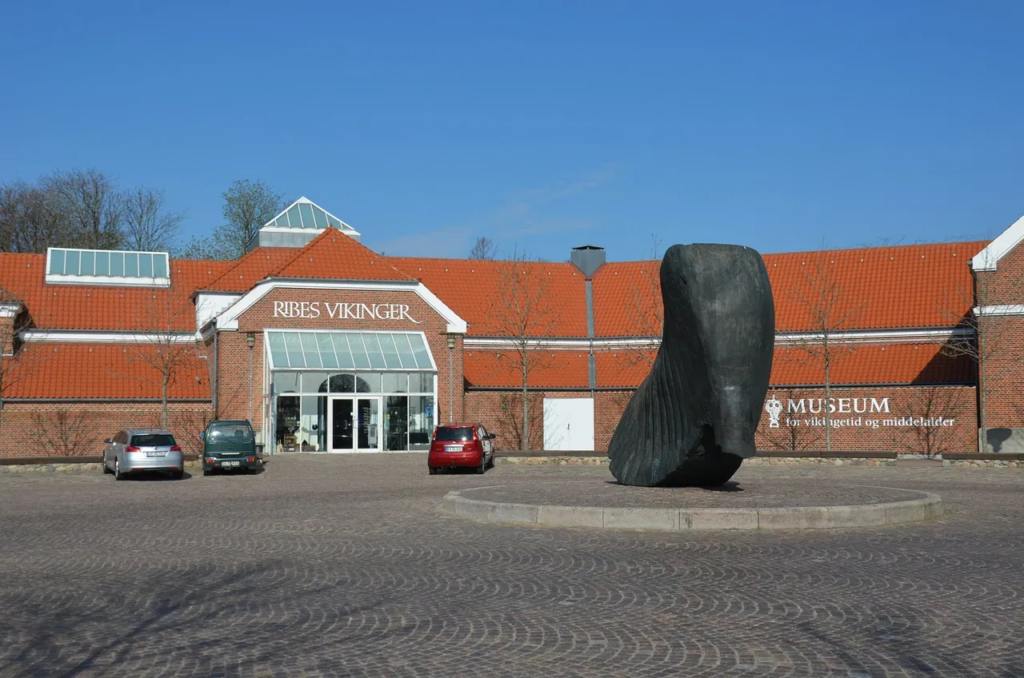
4. Ribe Viking Museum (Museet Ribes Vikinger)
The Colossal Architectural Matrix of Excavated Ship Timbers and Iron Age Marketplace Vaults
Commanding a prominent public footprint directly overlooking the central town harbor docks, this state of the art museum holds the foundational memory of the settlement.
- What it is famous for: Housing thousands of authentic archaeological treasures excavated from the local soil, mapping the birth of Ribe from a seasonal 700s trading post to a fortified Christian city. The main exhibition galleries feature highly interactive displays, showcasing early silver coins, intricate glass beads, Viking weapons, and the wooden remains of an original marketplace boat. Visitors can step inside a series of lifelike sensory reconstructions of a medieval marketplace and a Viking home, offering an authentic look at the roots of Nordic commerce.
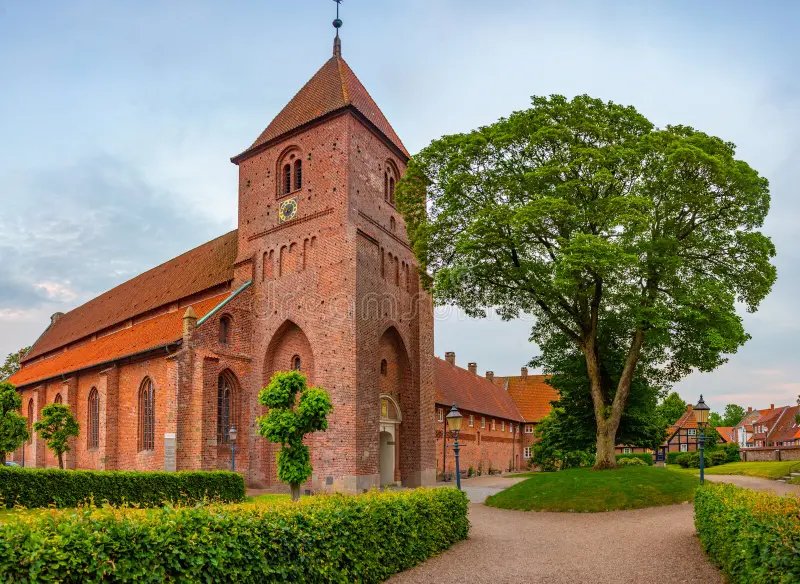
5. St Catherine Priory (Sankt Catharinæ Kloster)
The Stately Gothic Sovereign of Vaulted Cloister Walks and Monastic Courtyard Inlets
Commanding a peaceful stone platform on the southern edges of the old city center, this grand 13th century monastery complex represents the religious memory of the region.
- What it is famous for: Being one of the best preserved and most complete monastic complexes in all of Scandinavia, founded in 1228 by the Dominican friars. The red brick Gothic buildings feature striking crow stepped gables, a beautiful vaulted cloister walk surrounding a quiet inner courtyard garden, and a grand church nave illuminated by historic windows. Following the Protestant Reformation, the complex was cleverly preserved and repurposed into a public hospital and a home for elderly citizens, maintaining its magnificent medieval stone pillars and quiet halls for modern travelers to explore.
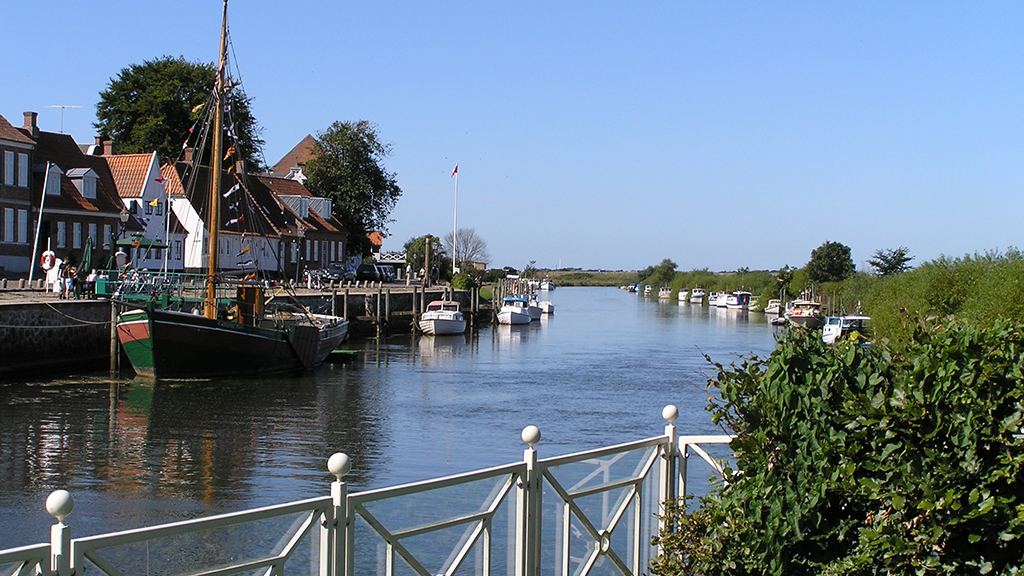
6. Ribe Harbor (Skibbroen)
The Savory Cultural Repository of Historic Wooden Ships and Maritime Flood Column Sentinels
Sited dynamically along the central northern banks of the winding municipal river basin, this historic quay area serves as the active social hub of the waterfront.
- What it is famous for: Being the ancient maritime trade quay of Ribe, marked by a historic fleet of traditional wooden ships and the famous Storm Surge Column. Because the town sits low in the tidal marshlands, the wooden column registers the historical high water marks of catastrophic North Sea floods, including the devastating flood of 1634 which submerged the town center. Today, the wooden boardwalk operates as a spectacular summer promenade, where locals and travelers gather at outdoor tables to enjoy fresh seafood and ice cream while watching sailboats navigate the river lock channels.
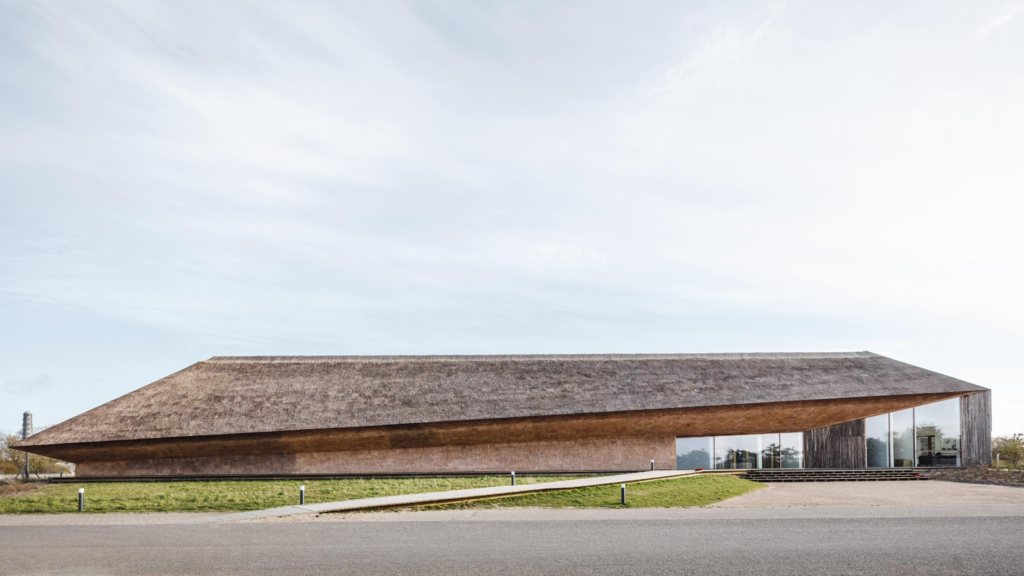
7. The Wadden Sea Centre (Vadehavscentret)
The Spectacular Architectural Sovereign of Thatch Wrapped Facades and Migratory Bird Vaults
Sited dynamically within the open coastal marshlands of Vester Vedsted just a short scenic drive southwest of the town center, this eco tourism center is a masterpiece of sustainable design.
- What it is famous for: Being the primary educational gateway to the Wadden Sea National Park, a UNESCO World Heritage site celebrated for its massive tidal ecosystem. Designed by visionary Danish architect Dorte Mandrup, the stunning building is wrapped entirely in locally harvested wetland thatch, allowing it to blend seamlessly into the flat coastal landscape. Inside, interactive exhibitions focus on the dramatic migration of millions of wading birds that use the local mudflats as a vital refueling station during their global journeys.
8. Mandø Island (The Tidal Sanctuary)
The Enchanting Open Air Oasis of Tractor Driven Wave Crossings and Storm Dike Horizons
Perched quietly out in the shallow tidal waters of the Wadden Sea just off the coastline of Ribe, this tiny, wind swept island is a unique wilderness destination.
- What it is famous for: Being a completely isolated tidal island that can only be reached during low tide via a specialized gravel track covered by the sea twice every single day. Travelers journey across the wet sea floor using the Mandøbus, a unique public wagon pulled by a massive tractor that departs from the mainland coast near Ribe. The island features a small, historic village surrounded by high storm dikes, operating as a peaceful sanctuary for viewing harbor seals, collecting wild oysters, and birdwatching along the open horizons.
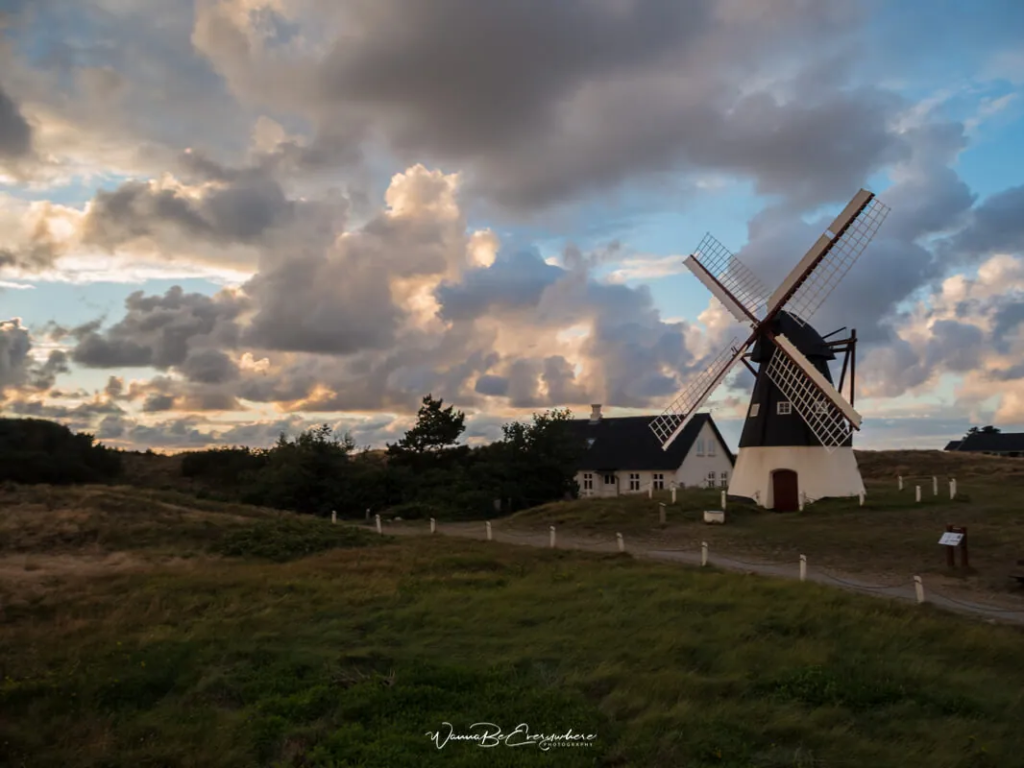
9. Ribe Art Museum (Ribe Kunstmuseum)
The Stately Renaissance Sovereign of Elegant Garden Lawns and Danish Golden Age Masterpieces
Nestled gracefully inside a grand, historic 1864 villa surrounded by manicured lawns along the eastern banks of the river, this museum is a major cultural treasure.
- What it is famous for: Housing an extraordinary collection of classic Danish paintings stretching from the early Golden Age of the 1800s to the famous Skagen painters. The museum features masterworks by celebrated artists like Michael Ancher, Anna Ancher, and Christen Købke, displayed inside beautifully restored rooms with parquet floors and crystal chandeliers. The surrounding public sculpture garden slopes gently down to meet the river current, providing a peaceful relaxation zone where visitors can walk among modern art installations.
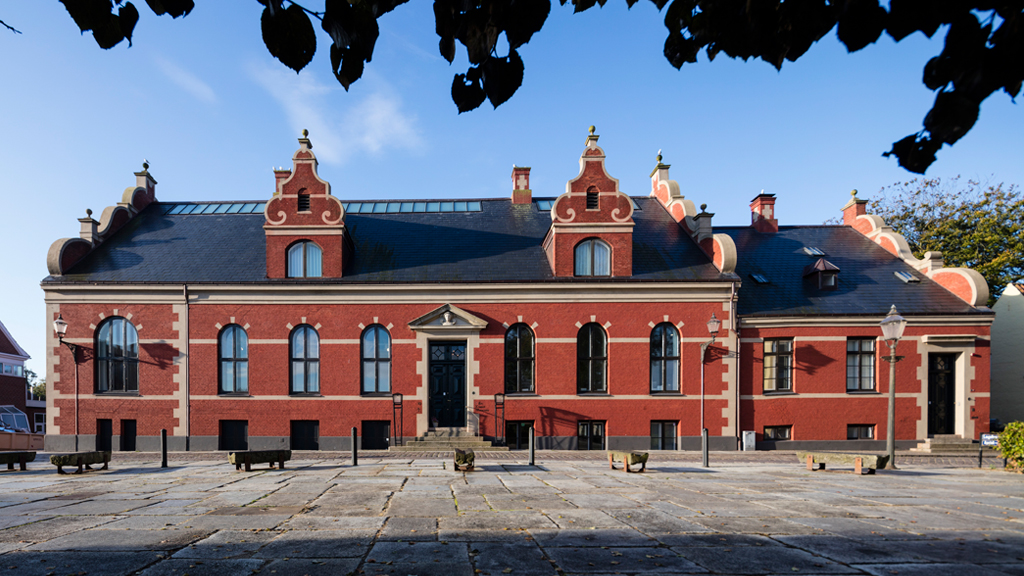
10. Riberhus Castle Mound (Slotsbanken)
The Enigmatic Hidden Sentinel of Medieval Royal Moats and Bronze Queen Sentinels
Occupying a massive, green grass mound located just on the western outskirts of the historic old town center grid, this historic parkland is an authentic royal relic.
- What it is famous for: Being the historic site of a colossal 12th century royal castle fortress built by King Niels, now preserved as a scenic public monument surrounded by deep water moats. While the original stone towers and drawbridges were destroyed during the historic wars of the 17th century, the earthworks remain fully intact. A striking bronze statue of the beloved medieval Queen Dagmar stands proud on the crest of the mound, looking back toward the towers of the cathedral and drawing visitors who come to walk the peaceful trail loops.
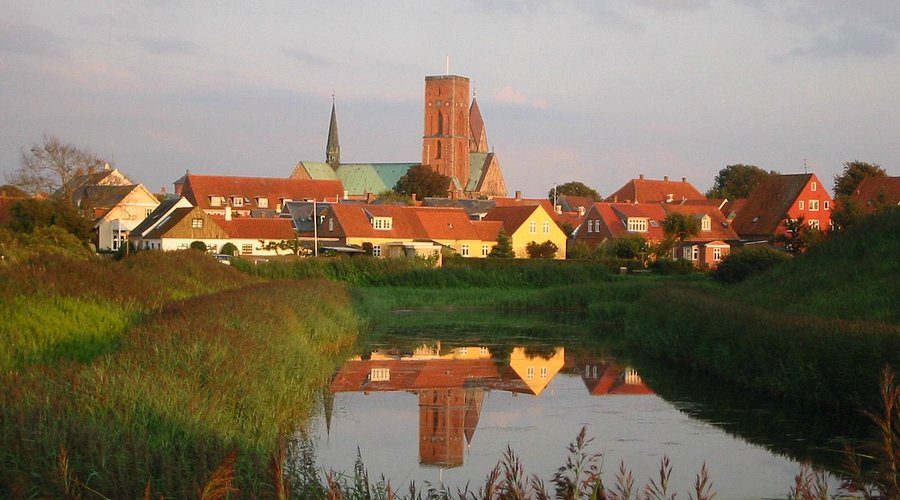
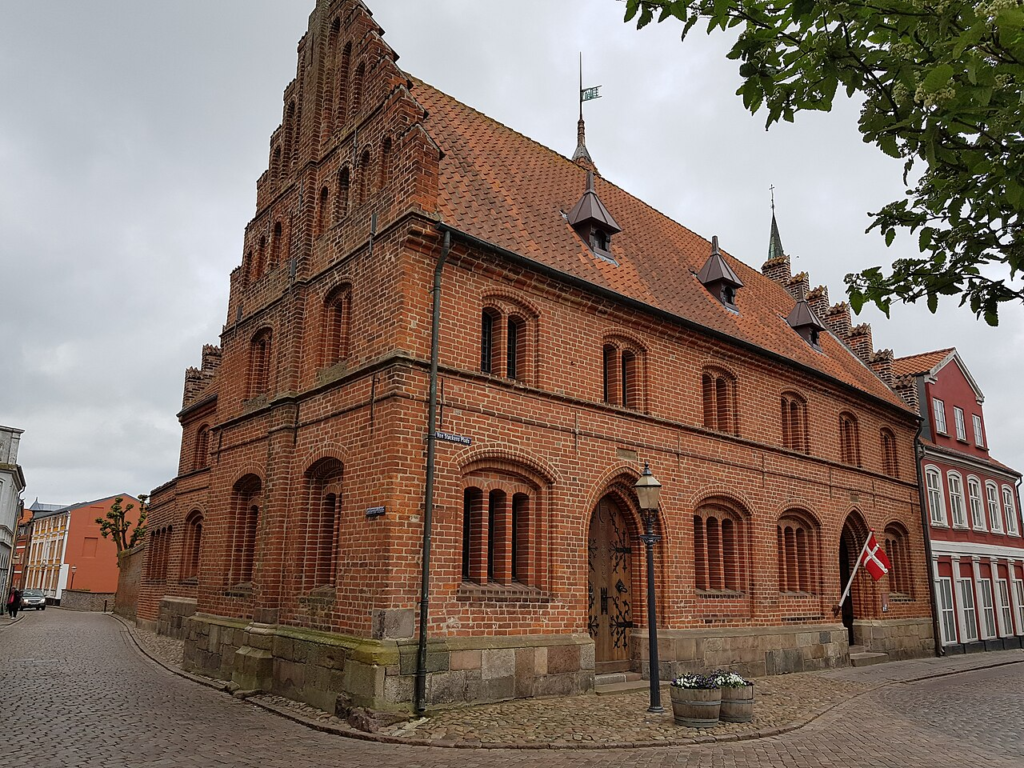
11. Old Ribe Town Hall (Det Gamle Rådhus)
The Savory Cultural Repository of Red Brick Vaults and Historic Execution Axe Sagas
Dominating a quiet, stone paved public square just a short walk from the cathedral doors, this small red brick building stands proud as the oldest town hall in Denmark.
- What it is famous for: Being a historic late Gothic structure built around 1496 that served as the absolute administrative and judicial heart of the town for centuries. Visitors can tour the historic council chambers to view heavy oak furniture, historic royal portraits, and a specialized museum collection showcasing old medieval weapons and the original town executioner axe. The building remains an active civic landmark, used regularly for official municipal meetings and traditional wedding ceremonies for couples from all over the world.