
Odense, anchoring the absolute geographic and cultural heart of Funen Island along the sweeping green loops of the Odense River, operates on a spectacular low rise urban layout where medieval history meets cutting edge green infrastructure.
Historically originating as a sacred pre Christian sanctuary dedicated natively to the Norse god Odin, this inland stronghold evolved over more than a thousand years from a fortified Viking assembly site into the third largest metropolis in Denmark.
Because it launched a massive modern transformation project that buried its old inner city highways to reconnect its historic timber framed quarters, it earned its permanent cultural title as the undisputed fairytale capital of Scandinavia and the absolute birthplace of legendary author Hans Christian Andersen.
Today, Odense presents a striking architectural matrix where 14th century Gothic brick cathedrals and pristine cobblestone neighborhoods stand alongside clean lined geometric Nordic museum complexes.
The city effortlessly pairs its deep historical pedigree with a progressive bohemian passion for sustainable urban spaces, neighborhood parks, and a relaxed walking lifestyle.
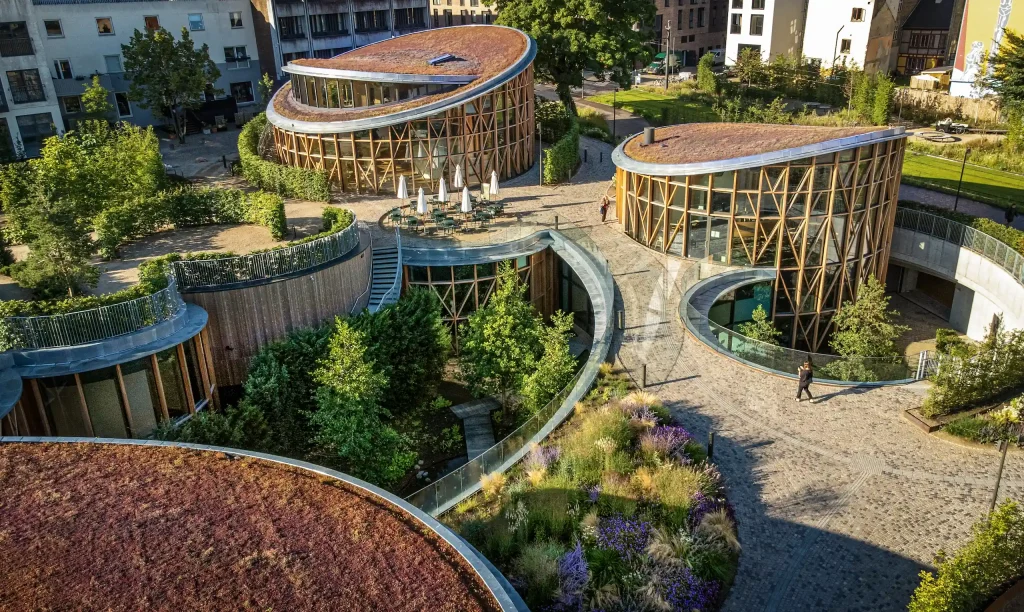
1. H C Andersens Hus (The Hans Christian Andersen Museum)
The Spectacular Architectural Sovereign of Cylindrical Timber Curves and Subterranean Garden Labyrinths
Dominating the absolute physical and visual core of the historic old quarter, this revolutionary museum complex stands proud as an incredible monument to global literary history.
- What it is famous for: Its extraordinary avant garde design featuring curved timber structures that seamlessly blend into a series of rolling underground galleries and magical hedge maze gardens. Designed by world renowned Japanese architect Kengo Kuma, the museum surrounds the tiny original yellow corner house where the famous author was born in 1805. Inside, visitors don high tech interactive audio headsets that bring fairytales like The Little Mermaid and The Ugly Duckling to life through immersive soundscapes, digital art projections, and historical artifacts that trace the complex psychology of the master storyteller.
2. Saint Canute Cathedral (Odense Domkirke)
The Stately Gothic Sovereign of Soaring Brick Spires and Gilded Medieval King Vaults
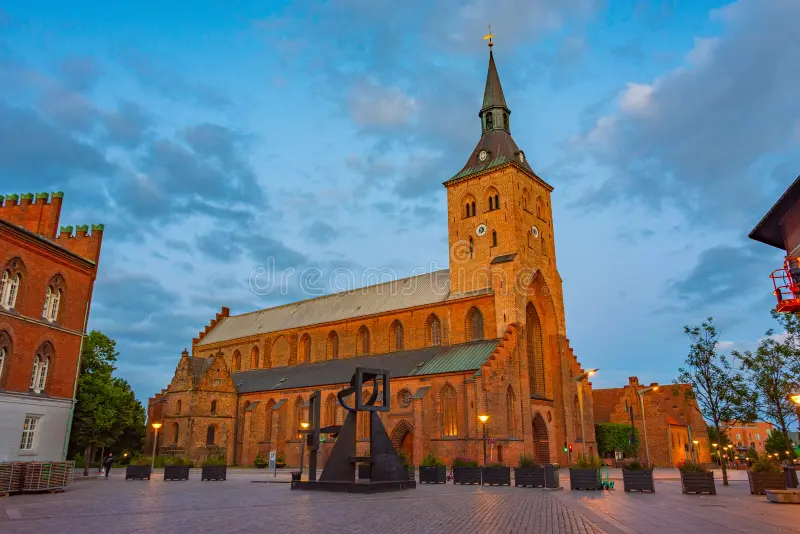
Commanding a prominent public stone platform directly adjacent to the central green spaces of Flakhaven square, this grand 13th century cathedral represents the spiritual soul of the island.
- What it is famous for: Being one of the finest examples of pure Gothic brick architecture in Denmark, housing the royal skeleton vaults of King Canute the Holy. Completed after generations of medieval construction, the church features a soaring single tower that anchors the city skyline and a bright white interior illuminated by massive lancet windows. Its absolute artistic treasure is the breath-taking 16th century triptych altar carved by master German sculptor Claus Berg, featuring over three hundred intricately detailed gilded figures.
3. The Funen Village (Den Fynske Landsby)
The Enchanting Open Air Oasis of Turf Roofed Timber Farmsteads and Living History Crofts
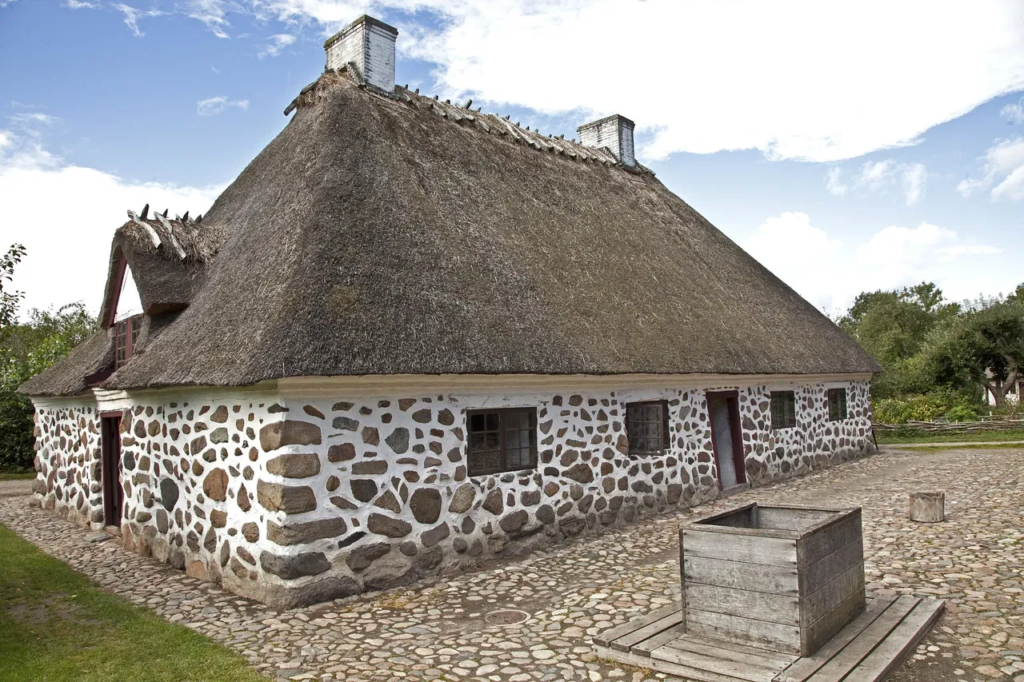
Sited dynamically within the dense ancient woodlands of Sejerskov on the scenic southern outskirts of the city, this historic open air museum is a preservation masterpiece.
- What it is famous for: Being a masterfully reconstructed historic farming village composed of nearly thirty authentic half timbered structures moved from rural sites across the island. The museum functions as a living time capsule of 19th century Danish country life, complete with thatched roof cottages, watermills, and old brick kilns. Costumed interpreters cultivate the fields using historic animal breeds and demonstrate traditional crafts like black-smithing, weaving, and open hearth cooking, allowing travelers to step directly into the rural world that inspired Andersen fairytales.
4. Odense River Cruise (Odense Aaafart)
The Sprawling Horizon Greenbelt of Wooden Tour Boats and Monastic Park Meadow Horizons
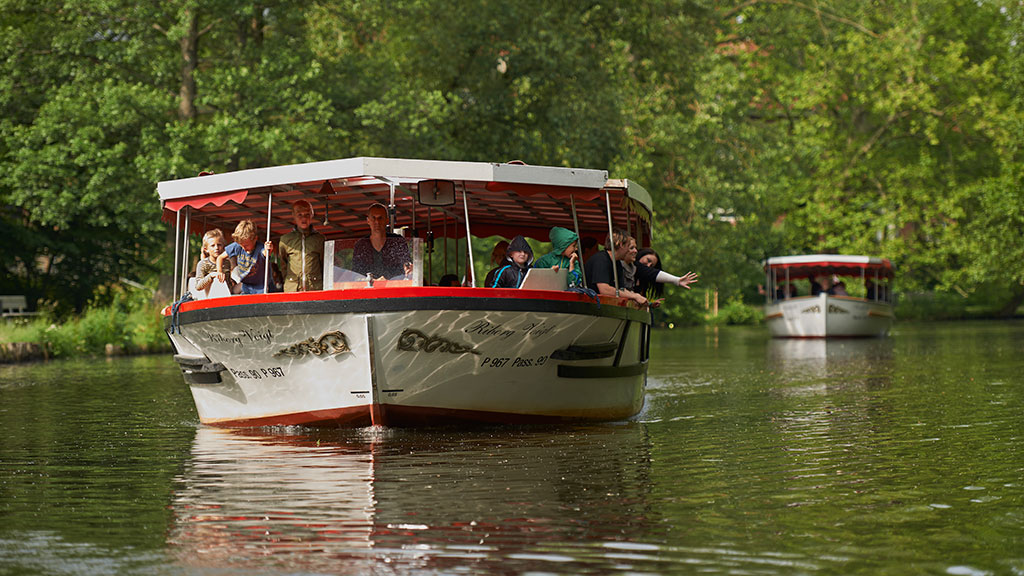
Slicing smoothly through the absolute historic core of the old city grid out to the deep forests of Fruens Bøge, this historic river transit system offers a majestic nature escape.
- What it is famous for: Its beautiful fleet of traditional open-air wooden tour boats that have been gliding along the calm waters of the Odense River since 1882. The scenic cruise takes travelers past lush private mansion gardens, the city zoo, and ancient weeping willow groves that drape over the river banks. Stepping off the boat into the beech forests at the final stop brings visitors to historic woodland clearings where locals have gathered for midsummer celebrations and picnics for generations.
5. Brandts Klædefabrik (Brandts Art Quarter)
The Radiant Industrial Matrix of Repurposed Textile Mills and Avant Garde Image Galleries
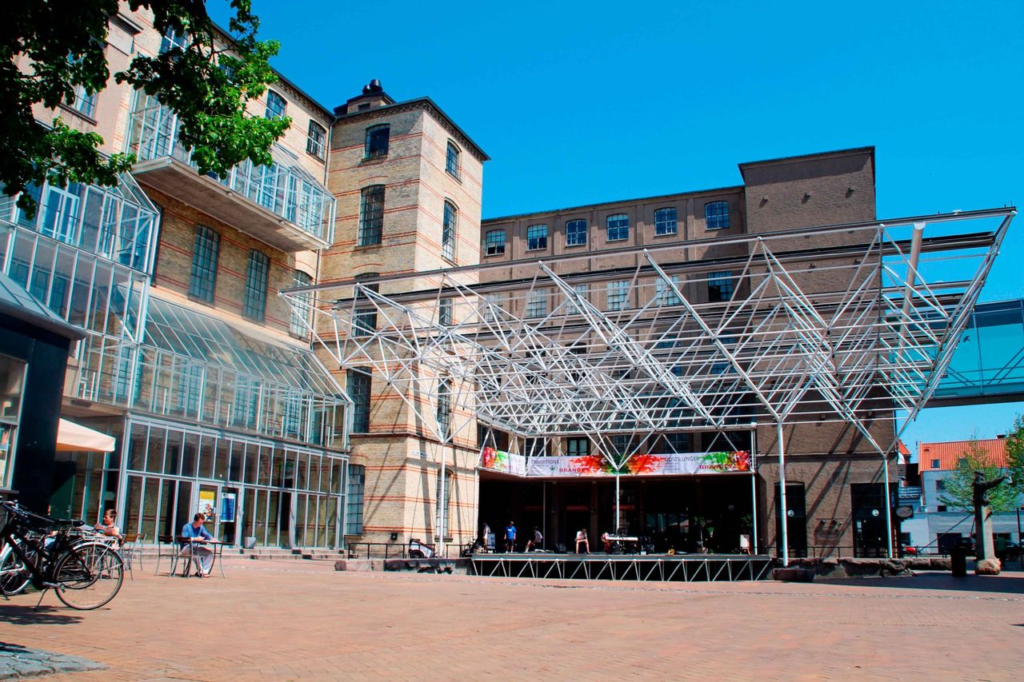
Occupying a massive complex of grand red brick industrial structures right in the vibrant heart of the western city center, this cultural quarter is a modern artistic powerhouse.
- What it is famous for: Being a pioneering urban renewal project that transformed a sprawling 19th century clothing factory into a dynamic cultural district for visual arts. The historic industrial buildings now house the Brandts Museum of Art and Visual Culture, celebrated for its bold rotating exhibitions of contemporary painting, photography, and digital media design. The surrounding pedestrian streets are packed with independent film theaters, alternative student cafes, and lively open-air squares that host concerts throughout the summer months.
6. Odense Zoo
The Colossal Marine Matrix of Subantarctic Penguin Oceans and Canopy Walking Trails
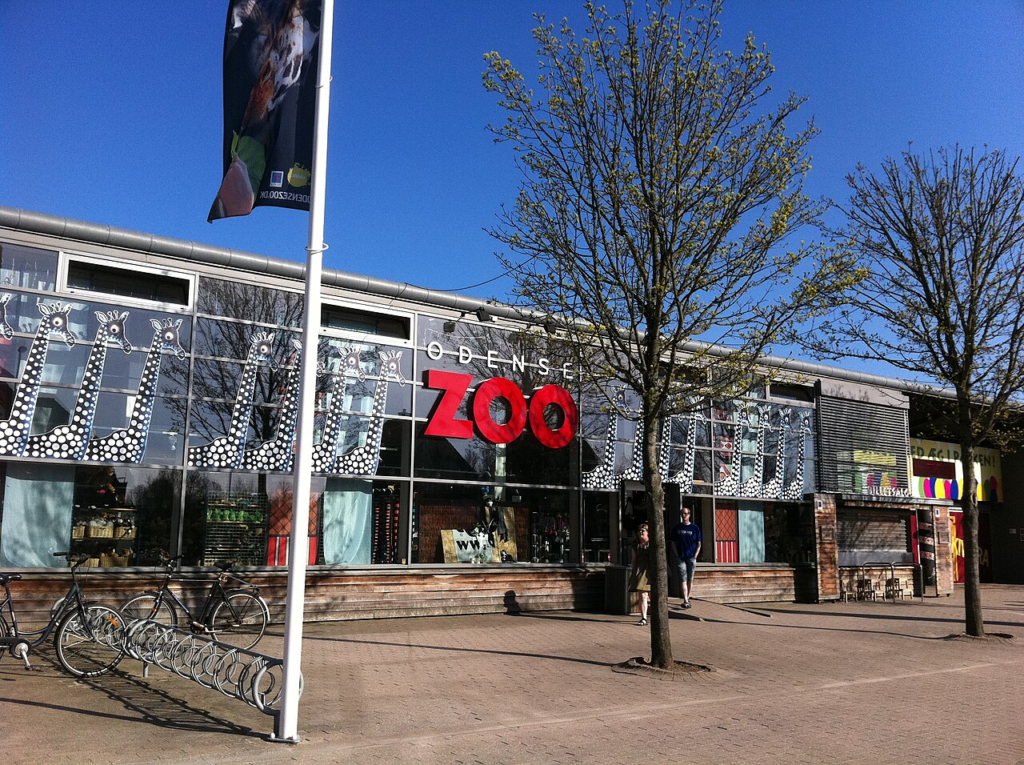
Sited dynamically along both banks of the winding municipal river basin, this world class zoological park is celebrated as one of the premier wildlife sanctuaries in Europe.
- What it is famous for: Its spectacular immersive habitats highlighted by a massive indoor subantarctic ecosystem housing colonies of king penguins and gentoo penguins. The park layout allows visitors to walk through a dense network of elevated canopy boardwalks looking down over African savannah plains, tiger territories, and chimpanzee forests. The river flows directly through the heart of the complex, creating a natural water backdrop for unique wildlife encounters and conservation education labs.
7. The Time Log Quarter (H C Andersen Kvarteret)
The Picturesque Walking Runway of Crooked Half Timbered Cottages and Cobblestone Sagas
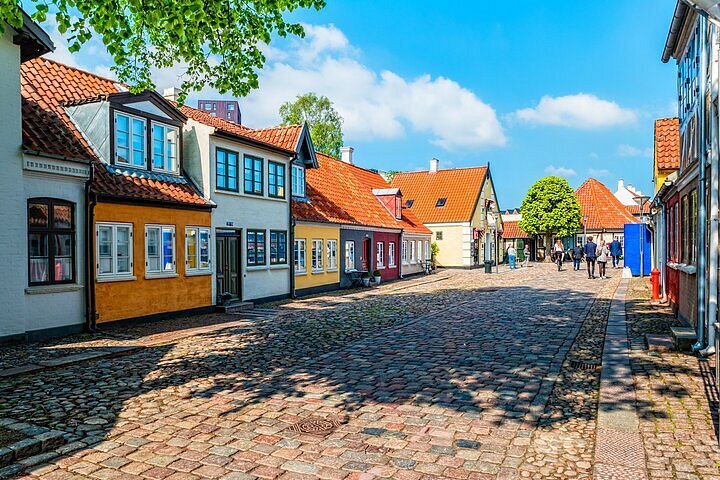
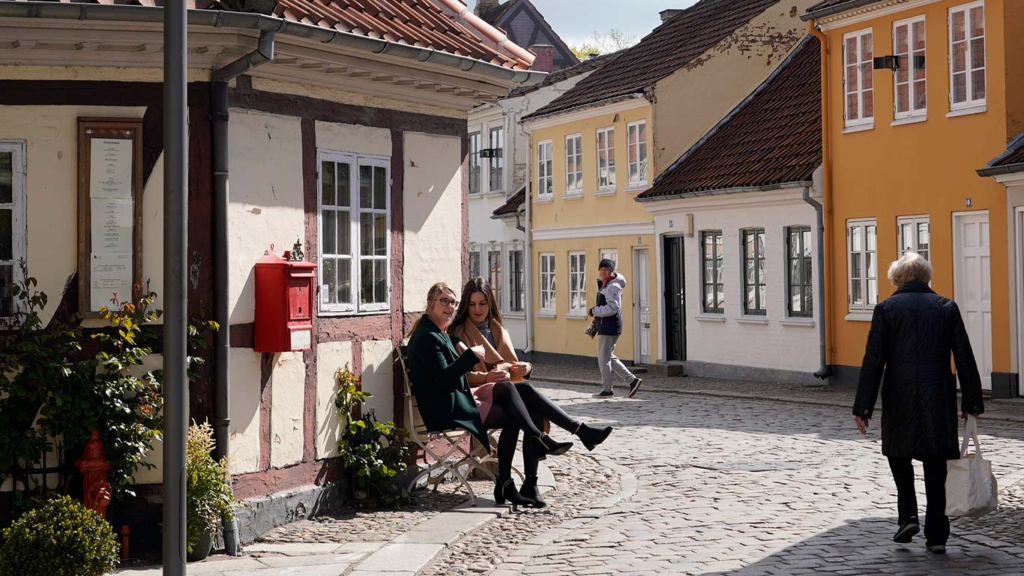
Slicing smoothly through the absolute historic core of the old city grid, this pristine neighborhood represents the oldest surviving residential zone in Odense.
- What it is famous for: Its enchanting matrix of narrow cobblestone lanes lined with low built colorful timber cottages dating back to the late 18th century. Once a working class district where poor laborers and artisans lived, the neighborhood has been meticulously preserved to maintain its historic subarctic charm. Walking this quiet pedestrian path takes travelers past tiny wooden doorways, glowing gas lamps, and climbing rose bushes, offering an authentic look at old Danish town life.
8. Storms Pakhus (Odense Street Food)
The Savory Cultural Repository of Global Culinary Bazaars and Converted Timber Warehouse Halls
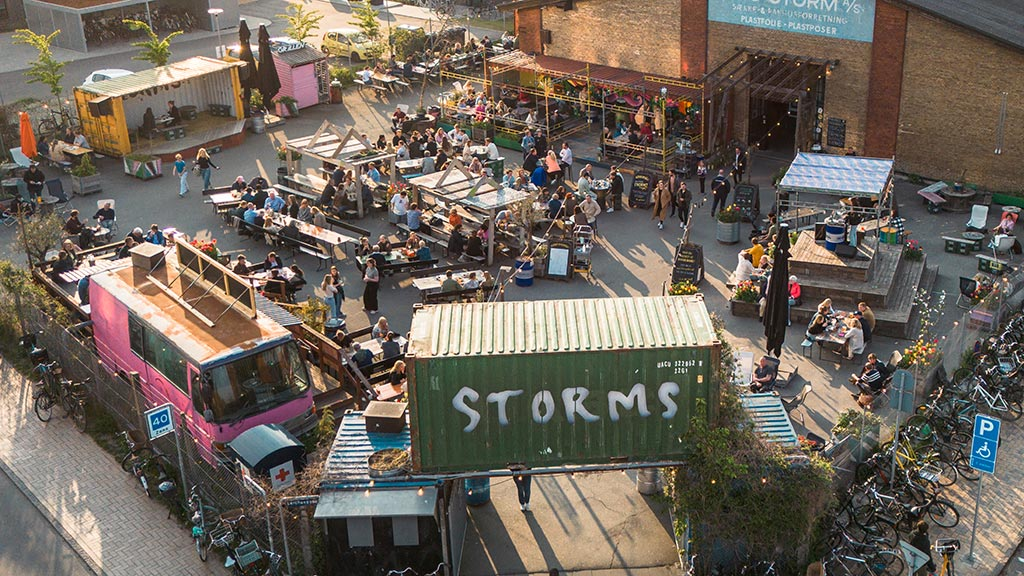
Commanding a striking high profile footprint within the industrial harbor regeneration zone just north of the central railway tracks, this bustling market is a food lover paradise.
- What it is famous for: Being the premier urban gastronomy market of Funen Island, housing over twenty independent artisanal food stalls inside a monumental 1942 timber warehouse. The cavernous building features thick original wooden support columns and industrial relic decorations, serving up everything from authentic Danish open faced pork sandwiches to spicy Indian curries and gourmet local ice creams. It operates as the primary weekend gathering hub for university students and city dwellers who dine at massive communal tables.
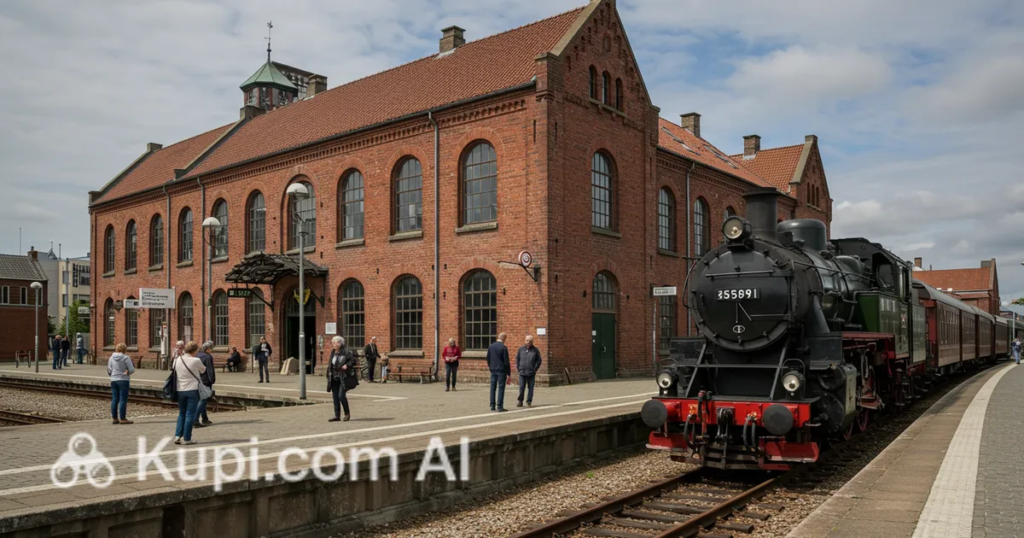
9. Danmarks Jernbanemuseum (The Danish Railway Museum)
The Monumental Structuralist Sovereign of Historic Steam Engines and Royal Carriage Vaults
Tucked quietly into a massive historic locomotive roundhouse directly adjacent to the central station avenue, this industrial museum holds the transport memory of the nation.
- What it is famous for: Being the absolute largest railway museum in Scandinavia, featuring an extraordinary collection of dozens of historic trains and track cars spread across 10,000 square meters. Visitors can walk among giant 19th century iron steam engines, step inside old double decker commuter carriages, and explore the luxury private train cars used by early Danish monarchs. The roundhouse features a working turntable platform and interactive mechanical workshops that demonstrate how rail networks connected the islands of Denmark.
10. Munke Mose Park
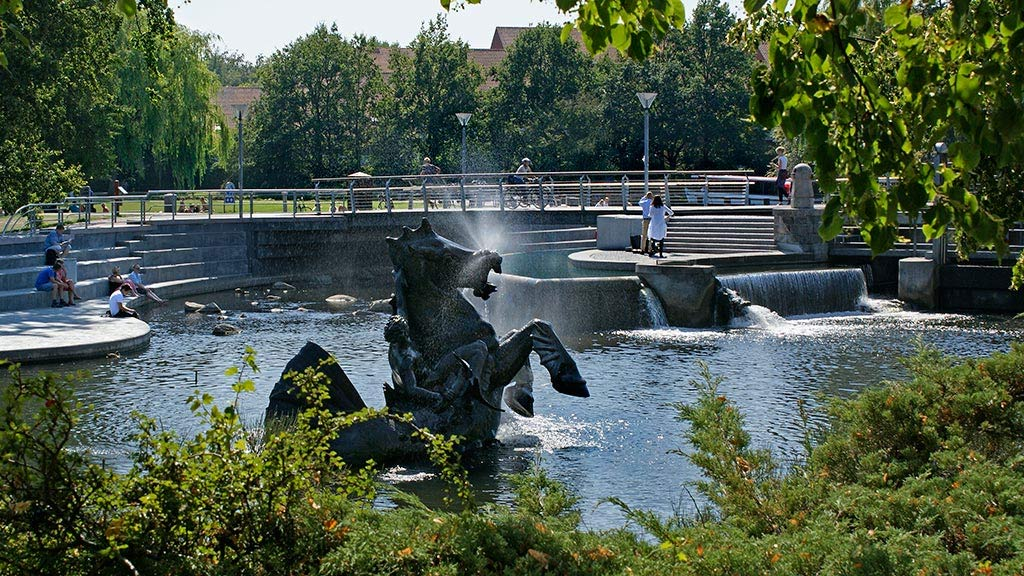
The Peaceful Botanical Sanctuary of Winding Stream Inlets and Fairytale Bronze Sculptures
Occupying a massive fully protected environmental basin located right on the edge of the central shopping district, this historic linear park is a major local nature haven.
- What it is famous for: Being a core ecological city park filled with wild water meadows, manicured lawns, and a series of interactive bronze sculptures honoring fairytale legends. Historically operating as a medieval monastic mill pond site, the area was transformed into a public parkland where locals gather for rowing, running, and outdoor festivals. The bridges crossing the inner channels are adorned with detailed art installations, making it a scenic transition zone between urban life and nature trails.
11. Egeskov Castle (Base Camp Odense)
The Breathtaking Renaissance Sovereign of Moated Water Walls and Veteran Airplane Vaults
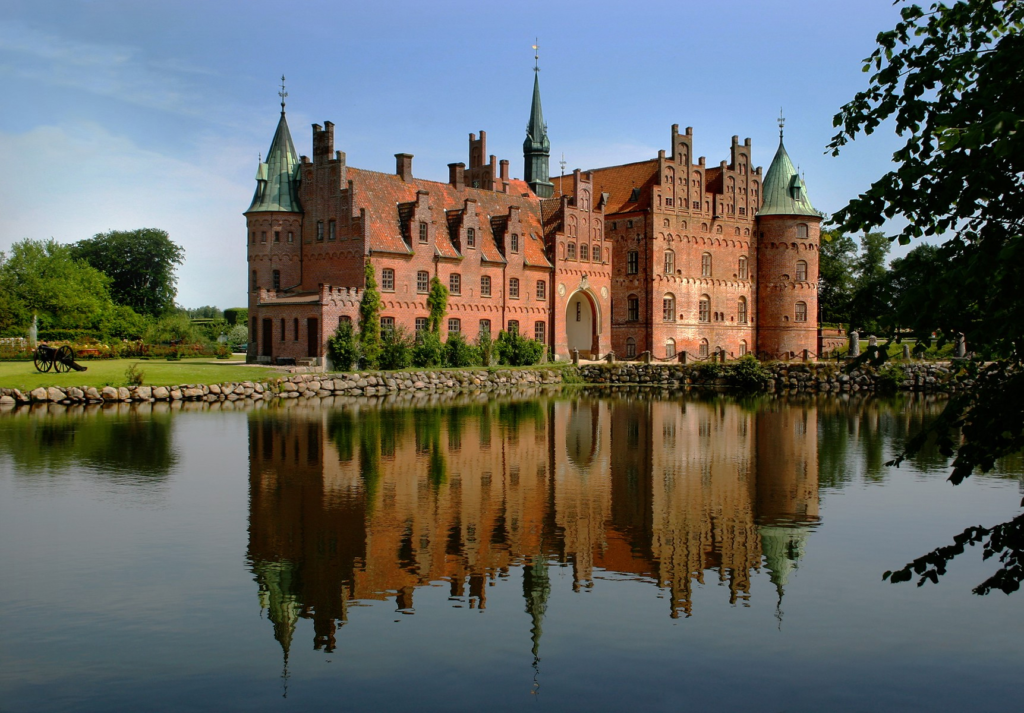
Sited dynamically within the sweeping fields of Kværndrup just a short scenic thirty minute drive south of Odense, this monumental estate is an architectural wonder of Europe.
- What it is famous for: Being the best preserved Renaissance water castle in Europe, built grandly in 1554 on a foundation of thousands of oak pillars rammed into a small lake. The castle features a double brick wall system engineered for defensive medieval warfare, surrounded by formal maze gardens and towering hedges. Inside the estate grounds, vast historic barn structures house world class museums of veteran motorcars, old airplanes, and vintage toys, making it a premier day trip destination from the city center.