
Szeged, anchoring the absolute southwestern frontier of Hungary where the Tisza and Maros rivers converge, operates on a spectacular, ringed urban layout born directly out of a historic natural catastrophe.
In 1879, a monumental Great Flood tore through the settlement, destroying nearly 95% of its structures and forcing an ambitious imperial reconstruction project financed by major European capitals.
Reborn from the mud as a masterfully planned masterpiece of grand boulevards and sweeping public squares, the city enjoys the highest recorded annual hours of sunlight in Hungary, earning its permanent cultural title as The City of Sunshine.
Today, Szeged presents a striking architectural matrix where colossal, pastel-hued Art Nouveau and Eclectic palaces line wide avenues that funnel into a bustling, university-driven central core.
The city effortlessly pairs its academic brilliance hosting one of Central Europe’s top research universities with a world-famous culinary heritage.
1. Szeged Votive Church (The Cathedral)
The Monumental Twin-Towered Sovereign of Brick-Paved Squares and Spires
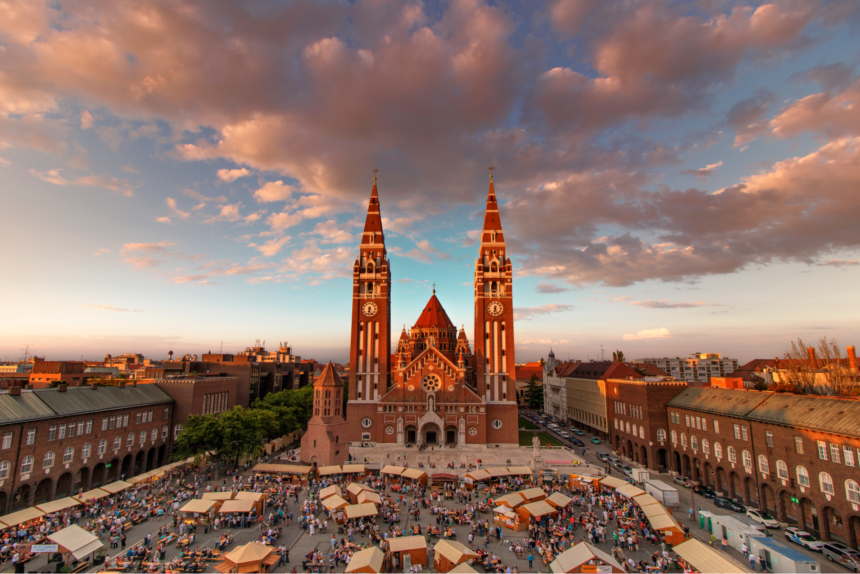
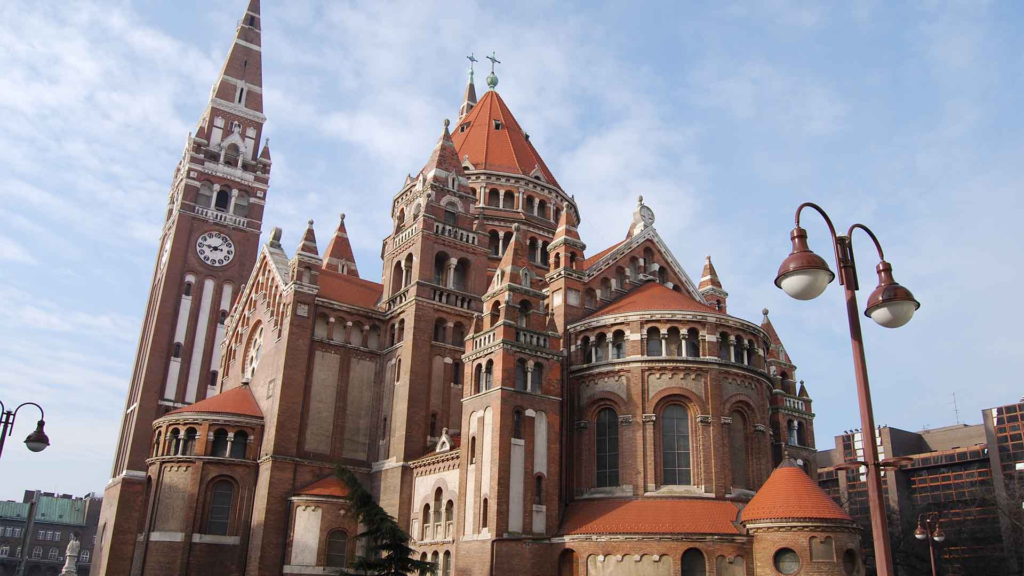
Dominating the absolute physical and cultural center of the massive, arcaded Dóm Square, this breathtaking red-brick cathedral stands proud as the ultimate architectural icon of the city.
- What it is famous for: Being constructed as a solemn civic vow following the catastrophic 1879 flood and hosting one of the largest pipe organs in Europe. Completed in 1930, this high Neo-Romanesque masterpiece features twin towers reaching 81 meters high. Its interior is unique for its massive 9,000-pipe organ and a striking ceiling fresco over the high altar that depicts the Virgin Mary clad in a traditional, patterned Szeged fur cloak, bridging high religious art with local folk heritage.
2. Reök Palace
The Striking Art Nouveau Matrix of Wave-Like Stucco Facades and Blooming Water Lilies
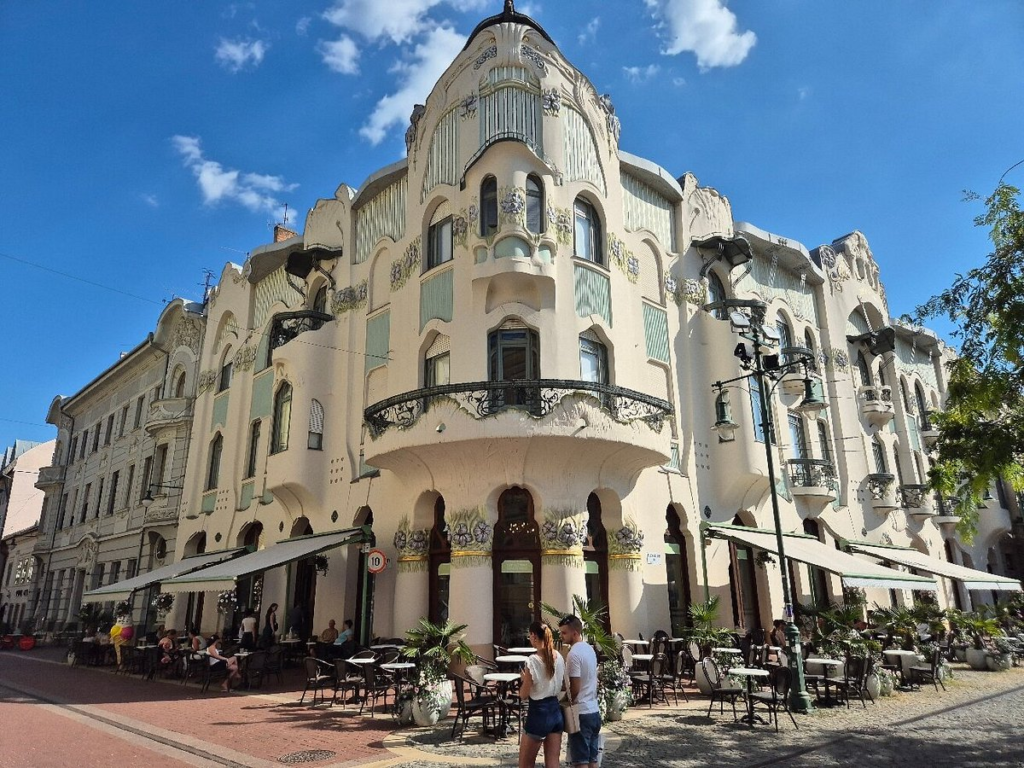
Commanding a sharp, high-profile street corner at the terminus of the trendy Tisza Lajos Boulevard, this pastel-green architectural masterpiece looks like a living sculpture.
- What it is famous for: Being one of the most radical and visually stunning examples of Hungarian Art Nouveau (Secessionist) architecture in Europe. Designed by elite architect Ede Magyar in 1907 for a wealthy water-engineer, the building mimics the fluid movement of water to honor the river plains. The entire limestone facade features wave-like organic flowing curves, iron balconies crafted to look like blooming water lilies, and a stylized botanical interior that now operates as a regional contemporary arts center.
3. The New Synagogue
The Breathtaking Fin-de-Siècle Palace of Ivory Domes and Blue Stained-Glass Cosmos
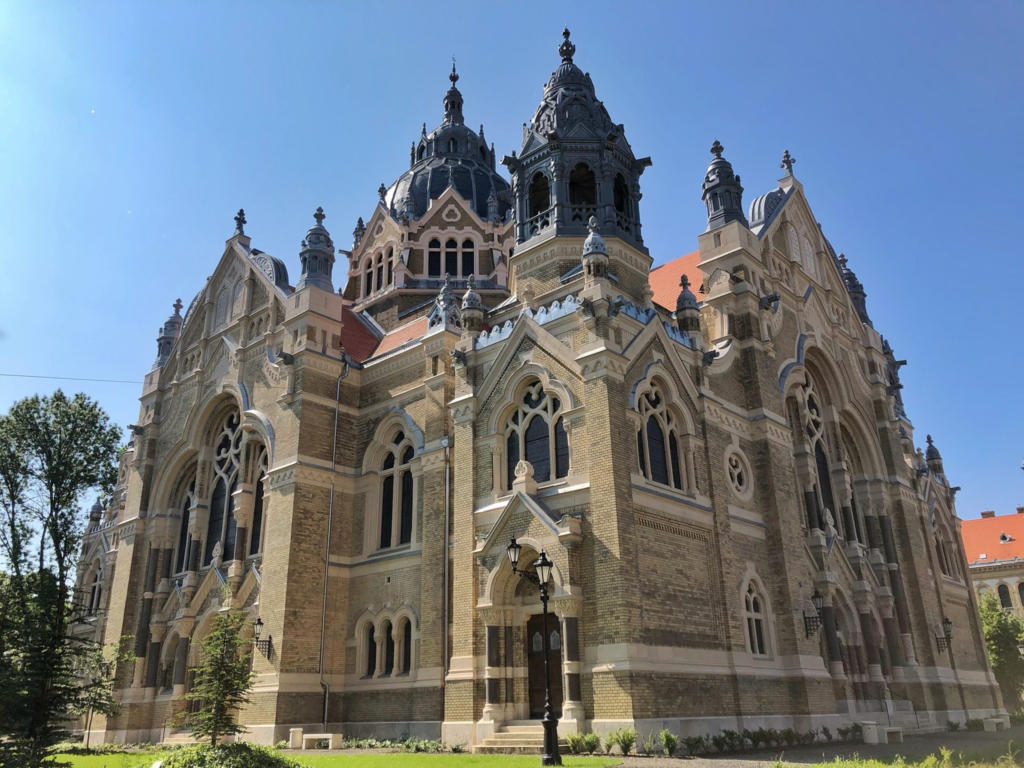
Tucked gracefully into a quiet, tree-lined neighborhood just a short walk west of the historic city center, this monumental house of worship holds deep cultural weight.
- What it is famous for: Being the second-largest synagogue in Hungary and a world-renowned masterpiece of Moorish-Gothic and Art Nouveau fusion. Completed in 1902 by the legendary master Lipót Baumhorn, the structure features a jaw-dropping, 48-meter-high central dome. The interior is an explosion of blue, gold, and white glasswork, designed to represent the cosmos. The altar is carved from fine cedar wood from Lebanon, drawing architecture enthusiasts from across the globe to marvel at its intricate details.
4. Széchenyi Square
The Vast Botanical Living Room of Planetree Promenades and Marble Statesmen
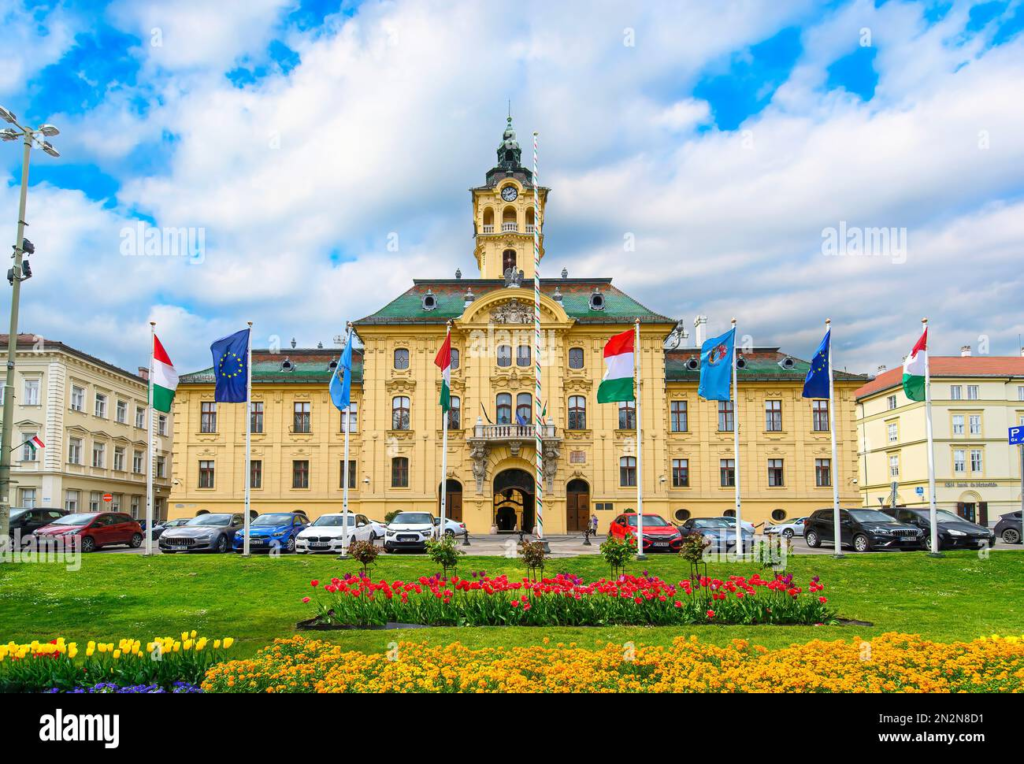
Forming the absolute administrative and civic heart of the municipality, this grand, 5-hectare public park plaza is one of the largest open squares in Central Europe.
- What it is famous for: Its magnificent promenade of centuries-old plane trees, spectacular flower gardens, and its majestic Neo-Baroque City Hall building. Completely pedestrian-friendly, the square functions as a massive green oasis lined with monumental white marble statues honoring historical figures who rebuilt the city. It serves as the primary host venue for the country’s legendary summer Wine Festivals and open-air artisan markets.
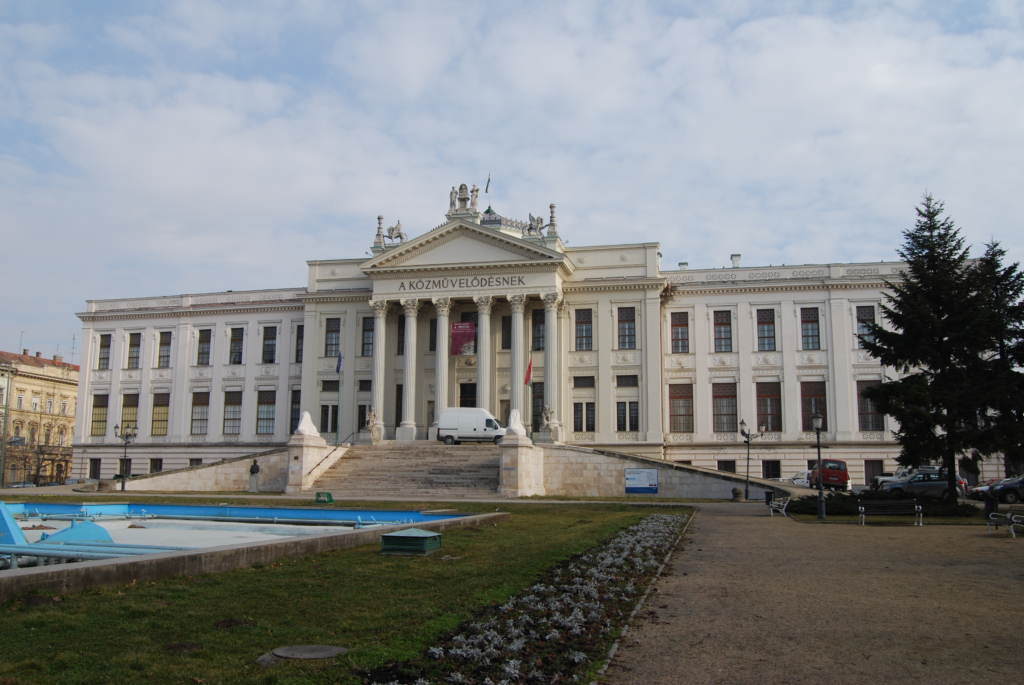
5. Móra Ferenc Museum
The Neoclassical Palace of Imperial Gold Treasures and Tisza Valley Relics
Perched elegantly directly on the stone embankment of the Tisza riverfront, right at the foot of the historic Belvárosi Bridge, this stately building anchors the local museum quarter.
- What it is famous for: Housing an extraordinary collection of Hunnic gold artifacts and an in-depth exhibition detailing the natural history of the Great Plain. The museum’s grand, columned entrance hall leads visitors into deep treasure vaults displaying thousands of ancient gold coins and relics uncovered from local riverbeds. The institution also celebrates the literary and ethnographic heritage of the region, making it a primary stop for history buffs.
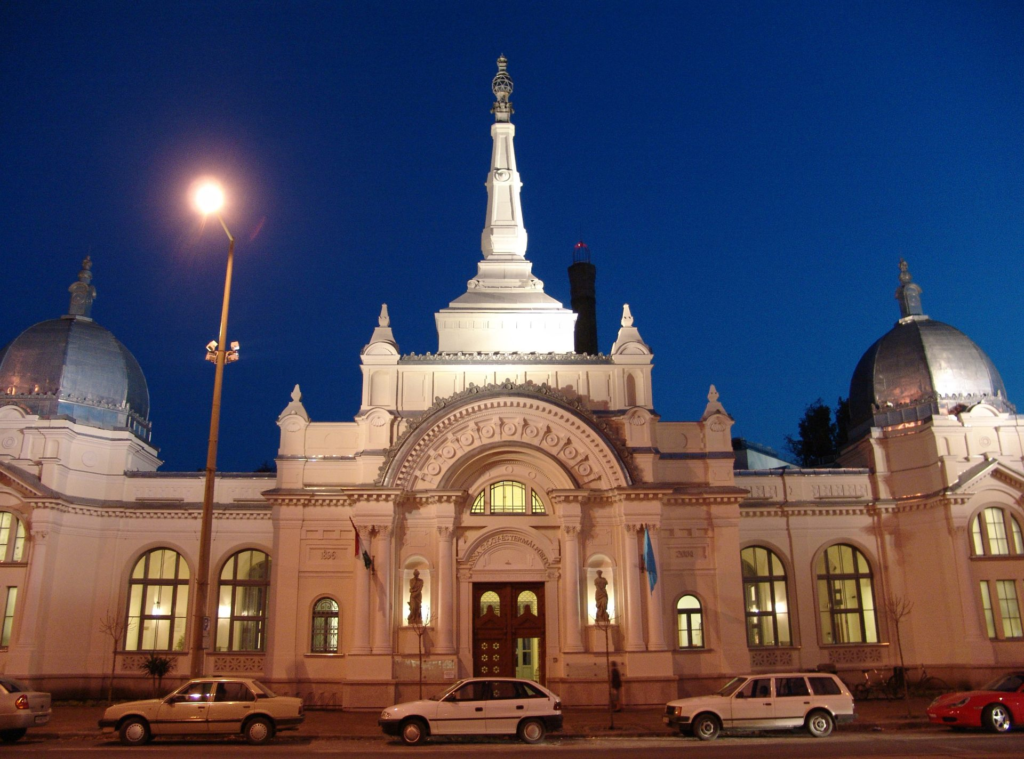
6. Anna Thermal Bath
The Neo-Renaissance Temple of Healing Alkaline Springs and Ornate Soaking Halls
Sited dynamically within a striking, orientalist-influenced historic building near the northern approaches to the downtown core, this spa center has been a wellness haven since 1896.
- What it is famous for: Its natural, therapeutic iodine-and-carbonate-rich hot springs that bubble up from deep subterranean wells to cure respiratory and joint ailments. The bath complex features a beautifully restored interior where bathers can switch between hot thermal basins, steam rooms, and modern wellness saunas under elegant archways. The exterior fountain allows locals to fill bottles daily with the mineral-rich drinking water.
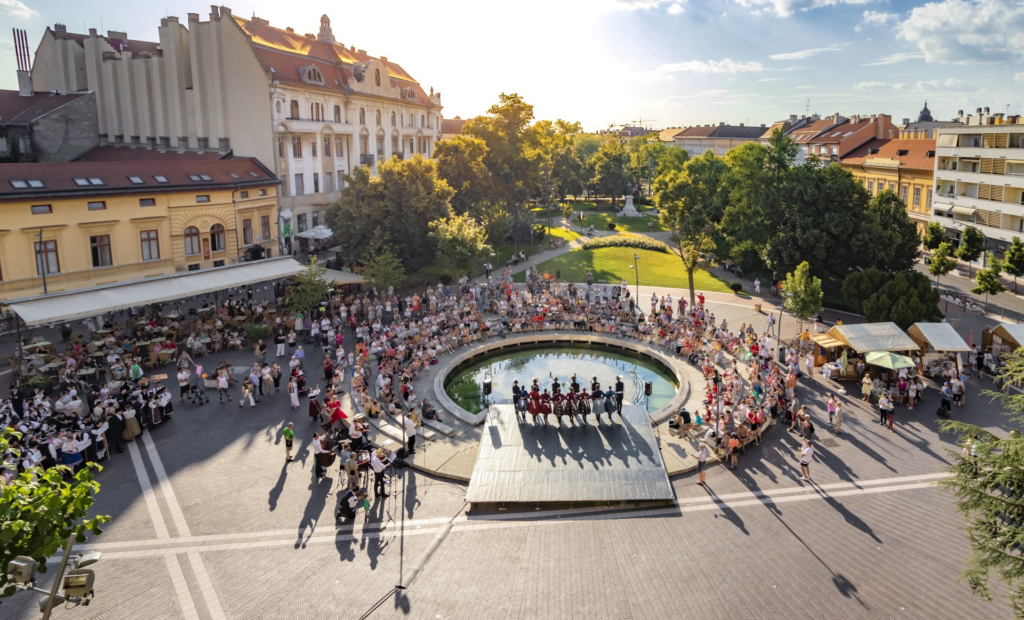
7. Kárász Street & Dugonics Square
The Sunlit Pedestrian Runway of Fashion Boutiques and Synchronized Musical Fountains
Slicing smoothly through the absolute commercial heart of the old town, this vibrant, pedestrianized shopping avenue is the primary social runway of Szeged.
- What it is famous for: Its perfectly preserved Eclectic-style palace facades, open-air cafes, and a grand musical fountain that dances to synchronized classical music. The street connects smoothly into Dugonics Square, which is anchored by the historic rector’s building of the University of Szeged. The square is a favorite gathering spot for university students and travelers who sit at outdoor tables under the sun to enjoy traditional fruit ice creams.
8. Pick Salami and Szeged Paprika Museum
The Savory Cultural Repository of Winter Salami Strings and Crimson Spice Mills
Located along the riverfront avenue just north of the city center, this unique gastronomic museum celebrates the two most legendary food exports of Szeged.
- What it is famous for: Tracing the secret historic production methods of world-famous Pick winter salami and the cultivation of sweet Szeged paprika. Visitors can view the authentic technological machinery used to cure and smoke premium meats under strict microclimate conditions. The exhibitions document how a simple pepper plant imported from the Americas became the absolute crimson soul of Hungarian cuisine, complete with historic spice tin collections.
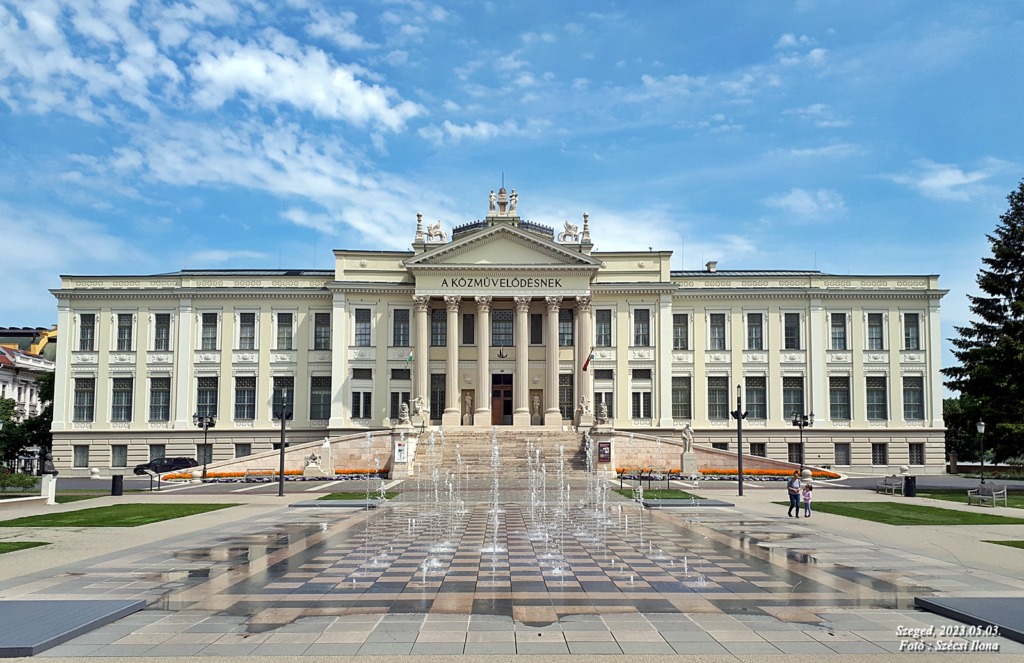
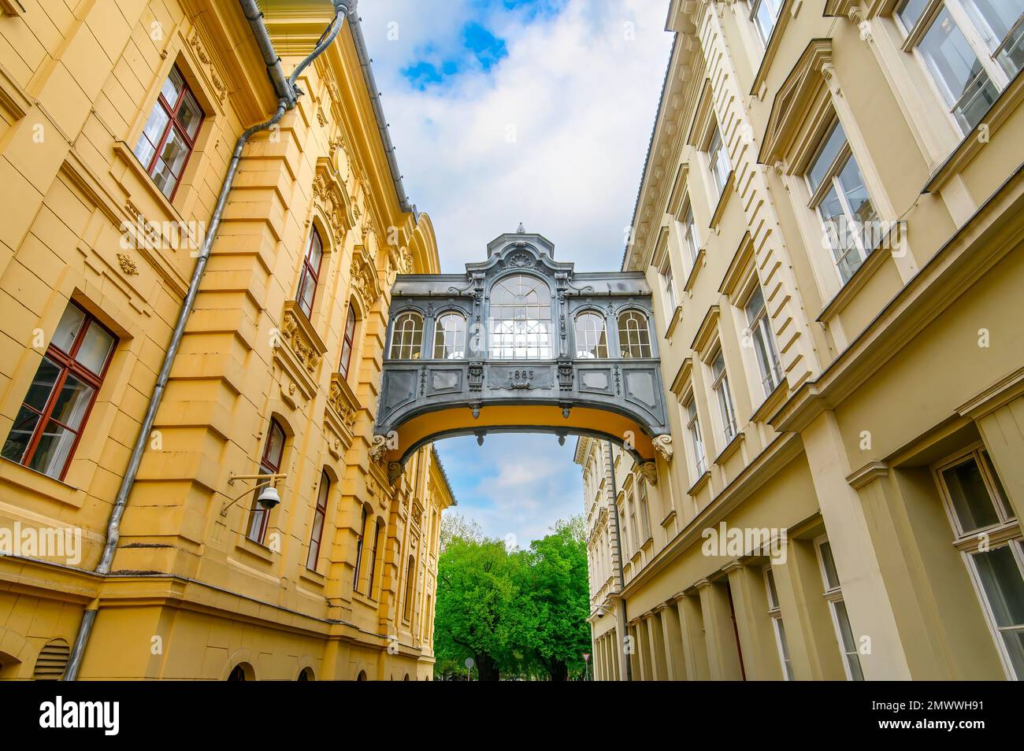
9. The Bridge of Sighs (Sóhajok Hídja)
The Elegant Elevated Gateway of Royal Courtrooms and Venetian Archways
Spanning gracefully across a narrow cobblestone side street to link the grand City Hall with its neighboring administrative annex building on Széchenyi Square, this small archway is a visual gem.
- What it is famous for: Being built in 1883 specifically for the visit of Emperor Franz Joseph I, mimicking the architectural style of Venice’s famous bridge. According to local urban lore, the bridge earned its romantic name because anxious citizens historically sighed as they walked beneath it on their way to face the tax collectors or judges inside the courtrooms. Today, its elegant brick-and-stone detailing makes it one of the most photographed historic monuments in the city.
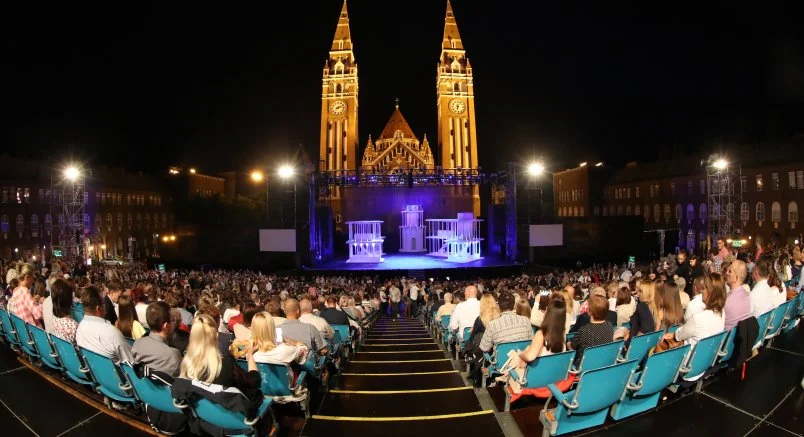
10. Szeged Open-Air Festival (Szegedi Szabadtéri Játékok)
The Colossal Starry Arena of Grand Operas and World-Class Musical Tiers
Transforming the entire brick-paved expanse of Dóm Square into a massive outdoor theater arena every single summer, this cultural phenomenon is a national treasure.
- What it is famous for: Being the largest open-air theater festival in Hungary, utilizing the dramatic stone facade of the Votive Church as a live performance backdrop. With a massive 4,000-seat grandstand erected under the stars, the festival hosts premier international opera productions, broadway musicals, and traditional folk dances. Attending a starlit performance here offers an unforgettable evening of high-end acoustic entertainment.
11. Szeged Botanic Garden (Füvészkert)
The Lush Indian Lotus Pools and Tropical Amazonian Greenhouse Vaults
Occupying a massive, 17-hectare green reserve managed by the university in the southern Újszeged district across the river, this botanical sanctuary is an eco-tourism haven.
- What it is famous for: Housing one of the largest outdoor collections of Indian Lotus flowers in Central Europe within its scenic, open-air pond networks. The garden features a series of specialized climate-controlled greenhouses packed with rare Amazonian giant water lilies, exotic cacti, and tropical orchids. Walking paths wind through dense collections of rare maples and pine groves, offering a peaceful look at nature right inside the city’s green frontier.