
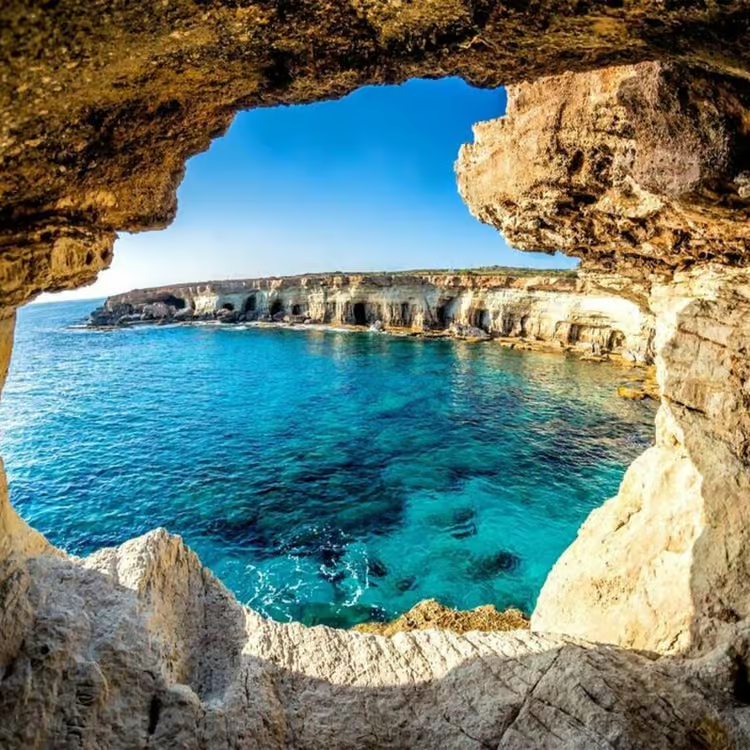
Ayia Napa, anchoring the absolute southeastern tip of Cyprus on the rugged limestone coastline of the Kokkinochoria region, operates on a spectacular double-identity layout where untamed natural beauty meets a high-octane resort matrix.
Originally a tiny, isolated fishing village shrouded in a dense forest its name literally translating to Holy Wooded Valley the town’s dramatic transformation began after a sacred icon of the Virgin Mary was discovered hidden in a local cave.
Over the generations, its pristine, shallow coastal shelf evolved from a quiet harbor into the undisputed clubbing capital of the Eastern Mediterranean and a global epicenter for sun-seekers.
Today, Ayia Napa presents a striking coastal grid where a world-famous strip of Blue Flag beaches seamlessly transitions into a high-density matrix of open-air dance clubs, high-end marinas, and archaeological landmarks.
Far from being a one dimensional nightlife destination, the region wraps around the protected wilderness of Cape Greco, offering a landscape of sheer sea cliffs, underwater caves, and historic monasteries.
Famous for its garlic-marinated octopus grilled over open coals, sweet carob-syrup sweets, refreshing glasses of regional Keo beer, and a pulse-pounding, beach-to-sunrise lifestyle.
1. Nissi Beach
The Powder-White Sand Runway of Neon-Blue Lagoons and Tidal Islets
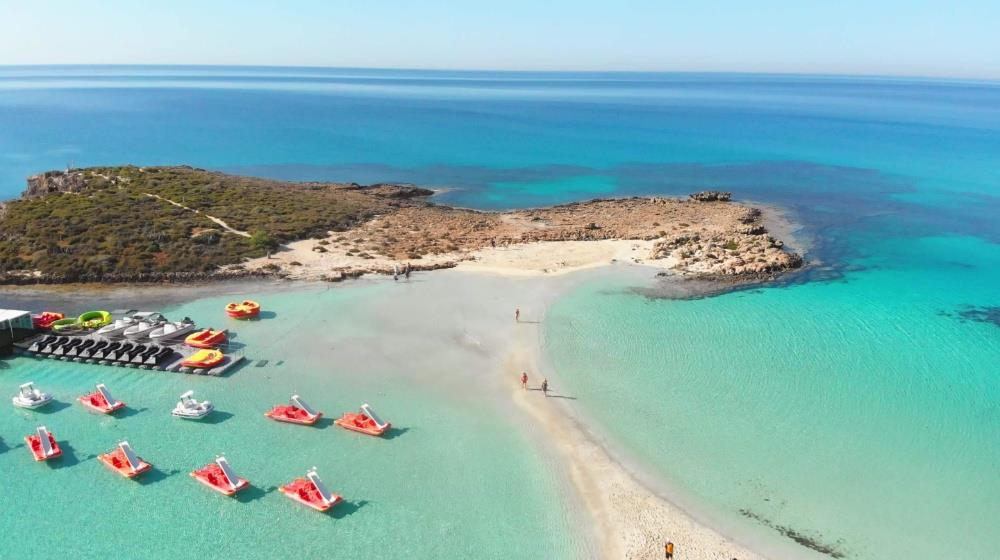
Dominating the western coastline of the town’s primary resort strip, this stunning, crescent-shaped beach serves as the definitive crown jewel of Cypriot coastal tourism.
- What it is famous for: Its extraordinary, translucent turquoise water and a natural sandbar that allows visitors to wade across to a small rocky islet. Spanning 500 meters of fine white sand, Nissi Beach is globally renowned for its high-energy atmosphere. By day, the beach functions as a massive open-air venue where world-class beach bars host foam parties, live beach DJs, and intense water sports, making it the premier destination for young travelers and international jet-setters looking to party right along the edge of the waves.
2. Cape Greco National Forest Park (Kavo Gkreko)
The Rugged Wilderness Matrix of Sheer Limestone Cliffs and Coastal Chasm Trails
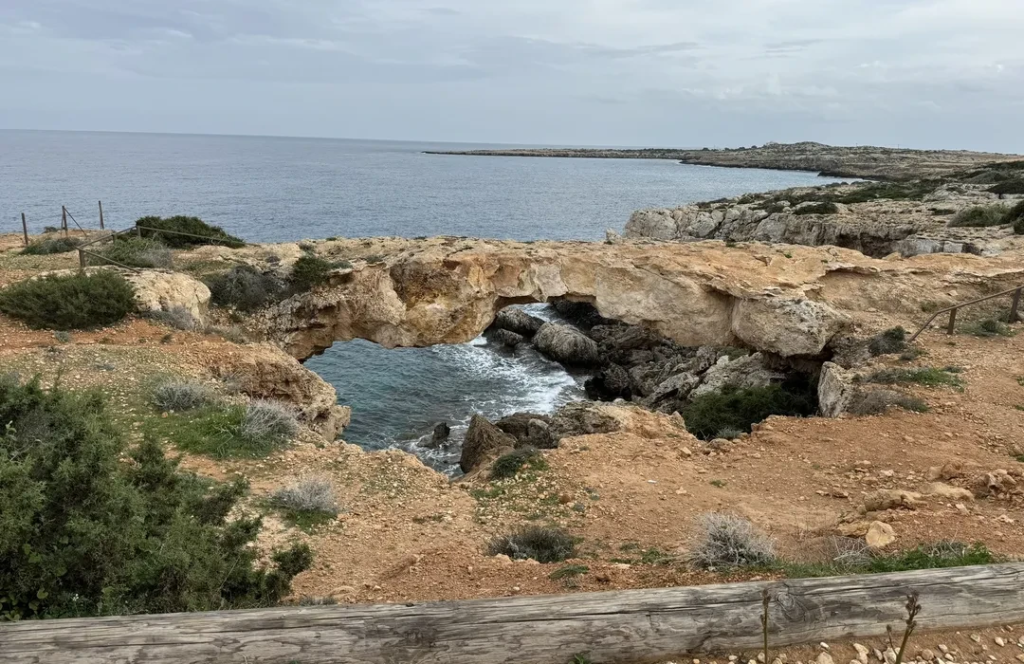
Occupying the absolute southeastern headland peninsula between Ayia Napa and Protaras, this massive, 385-hectare protected nature reserve is a dramatic natural monument.
- What it is famous for: Its breathtaking panoramic sea views, unique botanical paths, and its legendary status as the home of the mythical Ayia Napa Sea Monster. The park features a rugged limestone landscape packed with wild orchids, juniper trees, and dramatic rock formations like the “Kamara tou Koraka” natural stone bridge. Travelers gather here by the thousands to hike the coastal trail loops, explore deep cliff chasms, and watch sunsets from the peak of the cape’s towering headland cliffs.
3. The Sea Caves
The Sea-Carved Architectural Matrix of Deep Marine Tunnels and Cliff-Diving ledges
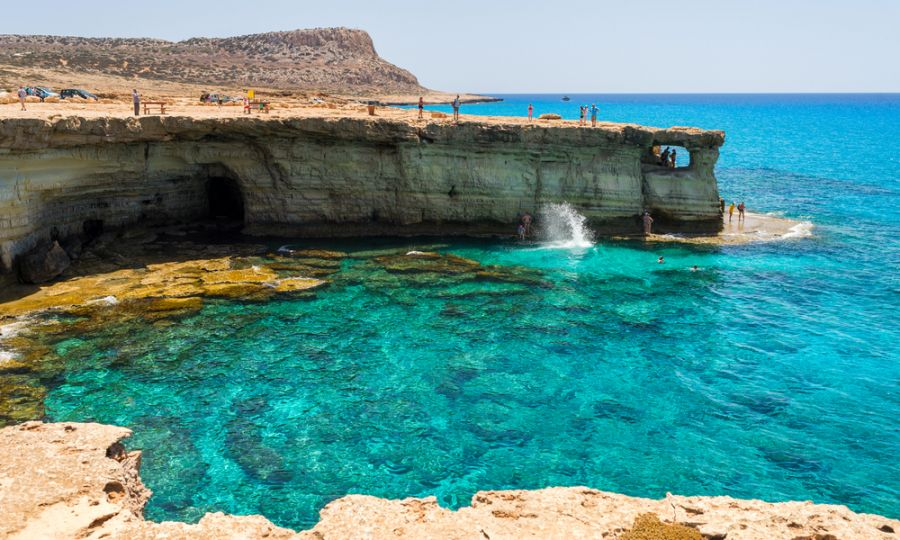
Slicing sharply into the white limestone rock shelves along the western edge of the Cape Greco peninsula, this spectacular stretch of coastal erosion is a photographer’s dream.
- What it is famous for: Its complex network of deep, underwater marine tunnels, windows, and caverns carved out over millennia by the crashing surf. Accessible by both coastal land trails and boat excursions, these striking geological formations look like natural stone palaces opening directly into deep turquoise waters. The top of the cliffs serves as a world-famous, thrill-seeking platform for high-impact cliff diving, while the crystal-clear water below makes it a top-tier snorkeling and sea-kayaking haven.
4. Ayia Napa Medieval Monastery
The Silent Stone Sanctuary of Gothic Cloisters and Ancient Sycamore Canopies
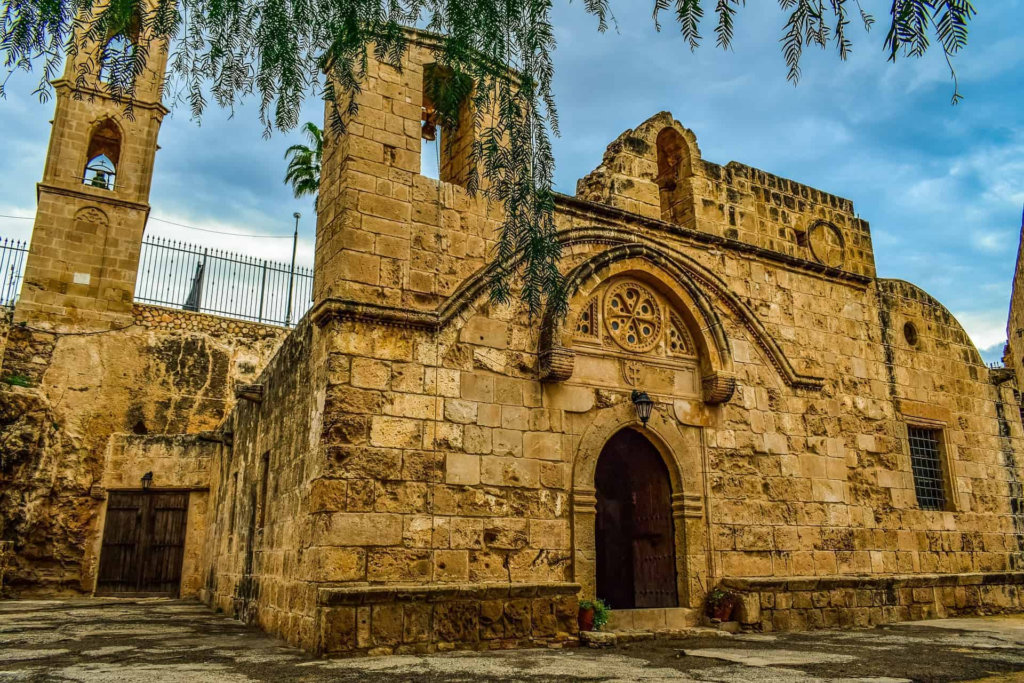
Standing in stark, beautiful contrast to the modern party strips right in the absolute physical center of the town’s main square, this 15th-century fortress-monastery protects the roots of the city.
- What it is famous for: Its spectacular Crusader-era architecture, an enclosed limestone courtyard fountain, and a giant, 600-year-old sycamore tree guarding the gate. Built by the Venetians as a Roman Catholic convent over an ancient cave temple, the complex features heavy stone vaults and defensive walls designed to repel pirate raids. Today, the atmospheric cloister chambers operate as a quiet cultural museum, providing a serene retreat where visitors can step away from the neon lights to admire medieval stone carving.
5. The Square & Nightlife Strip
The High-Energy Pulse Core of Themed Mega-Clubs and Neon-Lit Alleys
Spreading out grandly immediately adjacent to the historic medieval monastery gates, this dense pedestrian layout is the legendary beating heart of Ayia Napa’s nightlife economy.
- What it is famous for: Being one of the highest-density party zones in Europe, boasting over 80 themed bars and legendary mega-clubs packed into a few blocks. As night falls, the entire district transforms into a neon-lit human runway where world-renowned DJs play everything from UK Garage to EDM. The clubs are famous for their wild, immersive interior designs—ranging from castles and ancient Egyptian tombs to futuristic space stations—keeping the city awake until well past dawn.
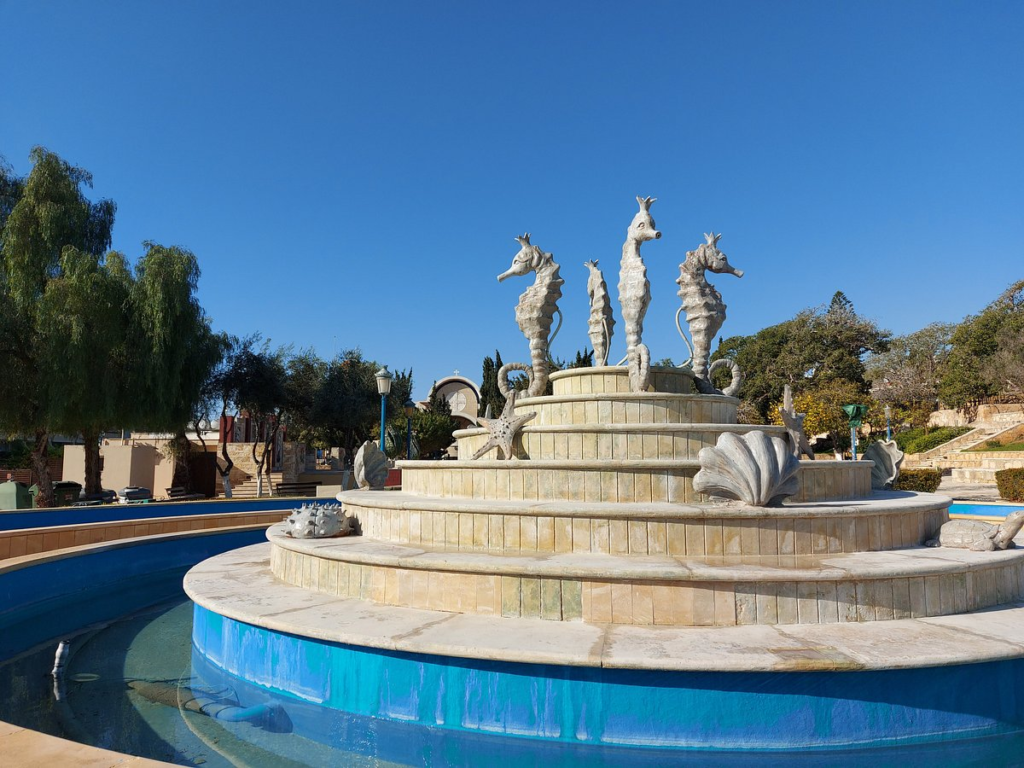
6. Ayia Napa Marina
The Futuristic Maritime Hub of Twisted Twisting Towers and Superyacht Basins
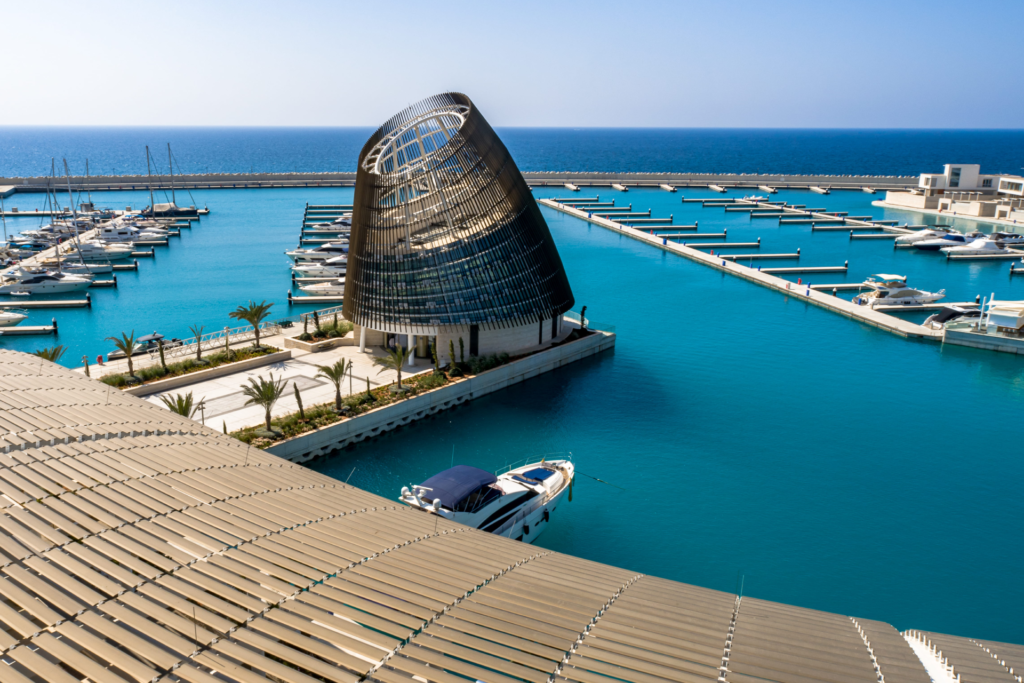
Commanding a massive, multi-million-dollar footprint on the western outskirts of the city near Makronissos, this state-of-the-art commercial port represents the peak of luxury design.
- What it is famous for: Its iconic, 100-meter-tall twisting residential glass towers and its world-class docks engineered to host global superyachts. A triumph of modern marine engineering, the marina features a crescent-shaped harbor basin lined with high-end waterfront villas built on private artificial islands. Visitors can stroll the stone boardwalks to view luxury vessels, shop at high-end designer boutiques, or dine at upscale international restaurants serving fine Mediterranean fusion cuisine.
7. Ayia Napa Sculpture Park
The Open-Air Art Plateau of Contemporary Mythological Monuments and Sea Vistas
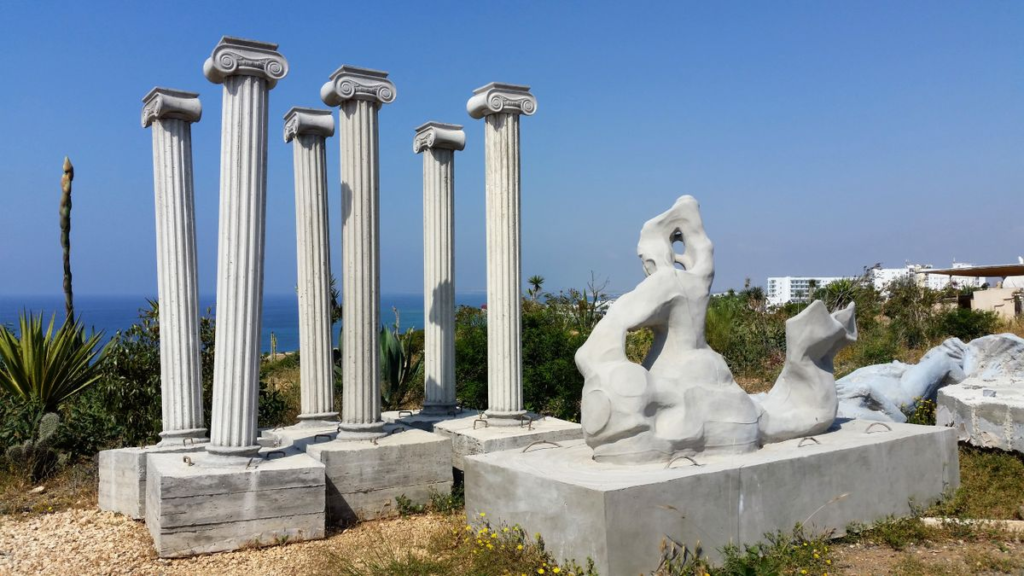
Perched elegantly on a sweeping, rocky hillside overlooking the coastal highway at the eastern entrance of the town, this 20,000-square-meter park is a major cultural landmark.
- What it is famous for: Its massive collection of over 300 monumental stone sculptures created by international artists against a backdrop of the open sea. Established in 2014, the open-air gallery features clean limestone pathways that wind past artistic interpretations of ancient Greek gods, mythical beasts, and abstract modern structures. Integrated seamlessly with the neighboring Cactus Park, it offers a cultural walking experience that bridges modern fine art with the natural Mediterranean landscape.
8. Makronissos Beach & Archaeological Site
The Triple-Bay Sand Haven of Rock-Cut Hellenistic Tombs and Calm Surf
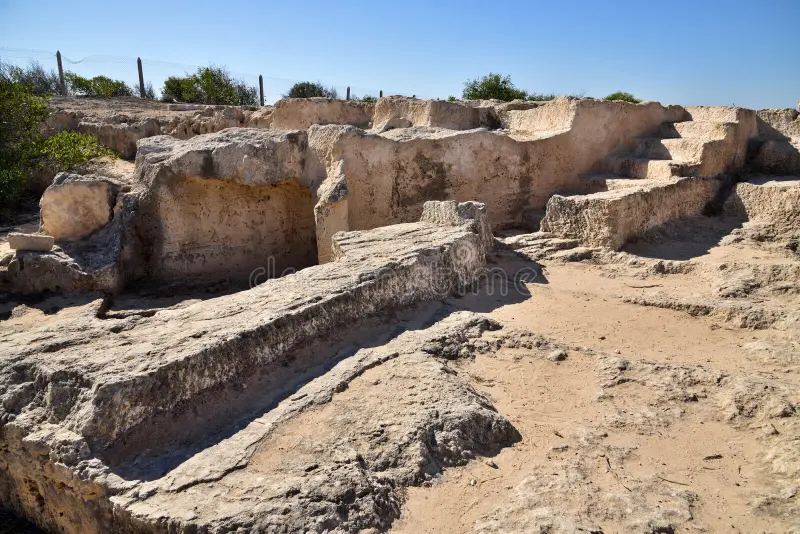
Jutting out dynamically into the sea roughly 5 kilometers west of the old fishing harbor, this unique destination combines a world-class beach layout with ancient history.
- What it is famous for: Its unique, cluster design of three separate fine-sand beach bays and housing a cluster of 19 ancient rock-cut tombs. The beaches are famous for their calm, sheltered waters, making them a favorite spot for travelers seeking a more relaxed alternative to Nissi Beach. Just a few steps from the sunbeds sits the Makronissos archaeological site, where visitors can walk through a ancient Hellenistic necropolis of tombs hollowed directly out of the flat coastal rock shelf.
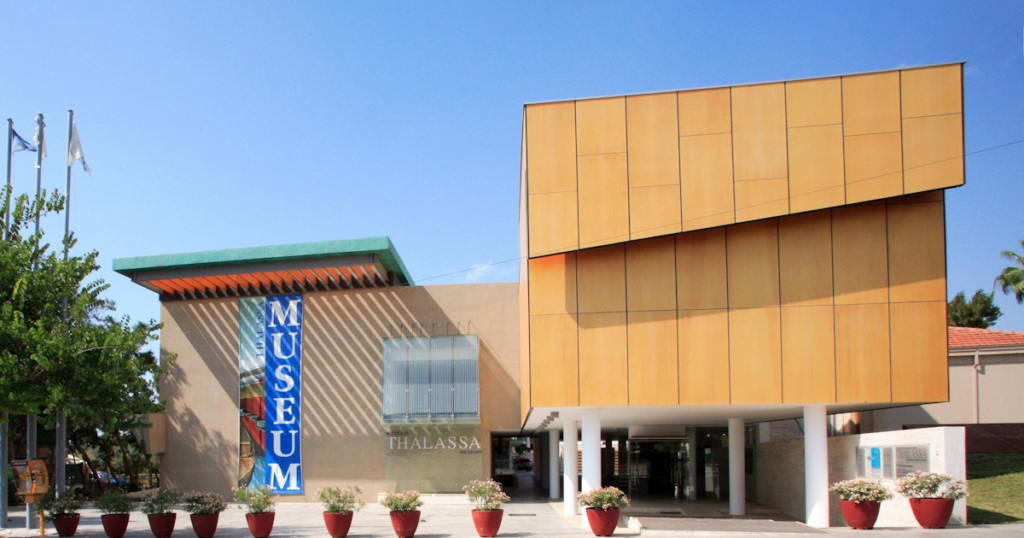
9. Thalassa Municipal Museum
The High-Tech Maritime Repository of Ancient Shipwreck Replicas and Fossil Vaults
Housed inside a sleek, modern multi-level concrete and glass building located near the northern approaches to the town center, this interactive institution celebrates the sea.
- What it is famous for: Housing the Kyrenia II, a full-scale, operational replica of a famous 4th-century BC Greek merchant vessel that sank off the coast of Cyprus. The museum’s masterfully curated displays track the marine history of the island over thousands of years. Visitors can walk elevated glass floor viewing decks to look down at prehistoric marine fossils, ancient pottery cargo pulled from deep shipwrecks, and stuffed specimens of rare Mediterranean sea birds, sharks, and turtles.
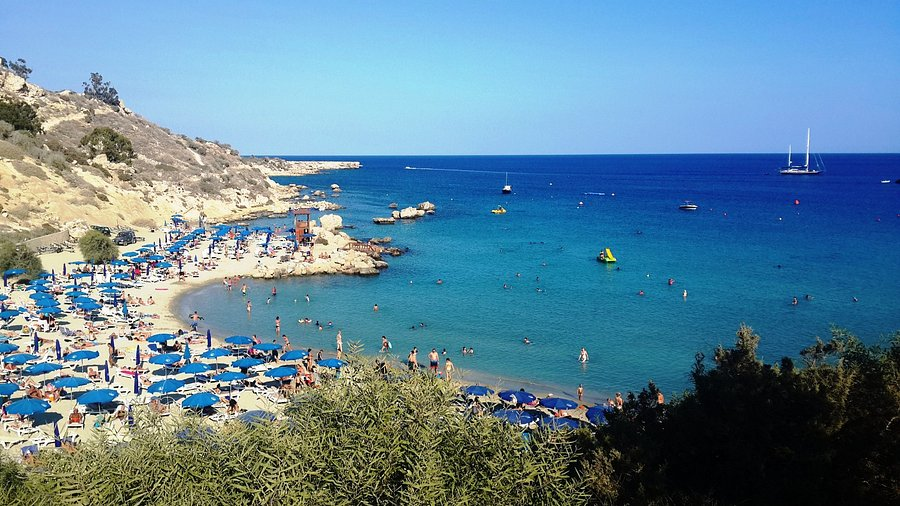
10. Konnos Bay
The Emerald Amphitheater Cove of Pine-Shaded Shores and Luxury Boat Moatings
Tucked quietly into a deep, steep-sided valley right on the border between Ayia Napa and the neighboring Protaras region, this sheltered beach cove is a natural treasure.
- What it is famous for: Its extraordinary emerald-green waters and its dramatic pine-forested cliffs that shield the beach from all coastal winds. The unique layout creates a natural, calm pool where luxury yachts and speedboats anchor offshore. A winding, scenic hillside staircase leads beachgoers down through the pine trees to a narrow crescent of soft sand, offering an intimate and secluded resort experience that feels completely detached from the bustling urban strips.
11. Ayia Napa Harbor (Limanaki)
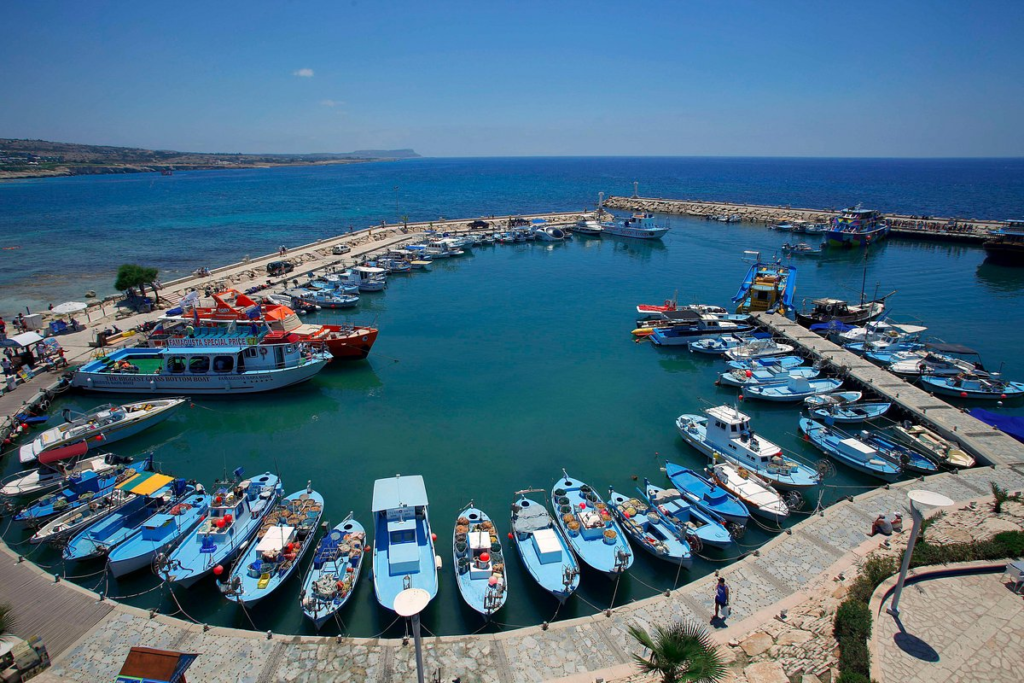
The Authentic Seafood Basin of Red Fishing Nets and Waterfront Fish Meze
Occupying a scenic coastal curve at the absolute southern terminus of the city’s central pedestrian promenade, this active working port remains the historical anchor of the town.
- What it is famous for: Its sea of traditional wooden fishing trawlers, its open-air seaside taverns, and being the departure point for all major coastal cruise boats. Every single morning, local fishermen tie up along the stone piers to unload fresh catches of sea bream and squid. The wide, paved harbor front is lined with authentic family-run fish taverns where travelers can spend hours enjoying a traditional, multi-course seafood meze feast while looking out across the lapping waves and pelicans.