
Sofia, sitting grandly in a high, mountain-rimmed valley basin at the western foot of the Balkan Mountains, operates on a deeply historic, concentric layout that marks it as one of Europe’s oldest continuously occupied capitals.
Originally founded as a Neolithic settlement, it grew into the prosperous Thracian and Roman imperial city of Serdica, which Emperor Constantine the Great famously referred to as “my Rome.”
Its strategic positioning on the Balkan Peninsula made it a high-value crossroads for Byzantine emperors, medieval Bulgarian tsars, and Ottoman governors before its selection as the modern capital in 1879.
Today, guided by its iconic city motto, “Grows but Does Not Age,” Sofia presents a striking layout where hyper-modern subway stations sit directly on top of open-air Roman excavations.
The city effortlessly pairs grand, yellow-brick Viennese-style boulevards with brutalist Soviet-era landmarks and a thriving, coffee-fueled tech culture, all framed by the dramatic, snow-capped alpine backdrop of Mount Vitosha.
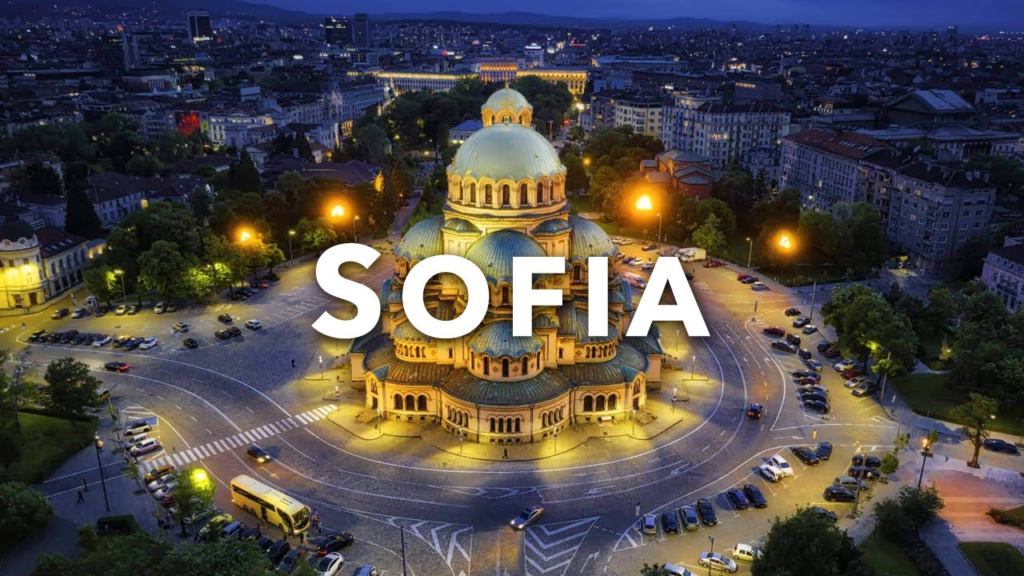
1. St. Alexander Nevsky Cathedral
The Neo-Byzantine Sovereign of Gold-Leafed Domes and Echoing Choirs
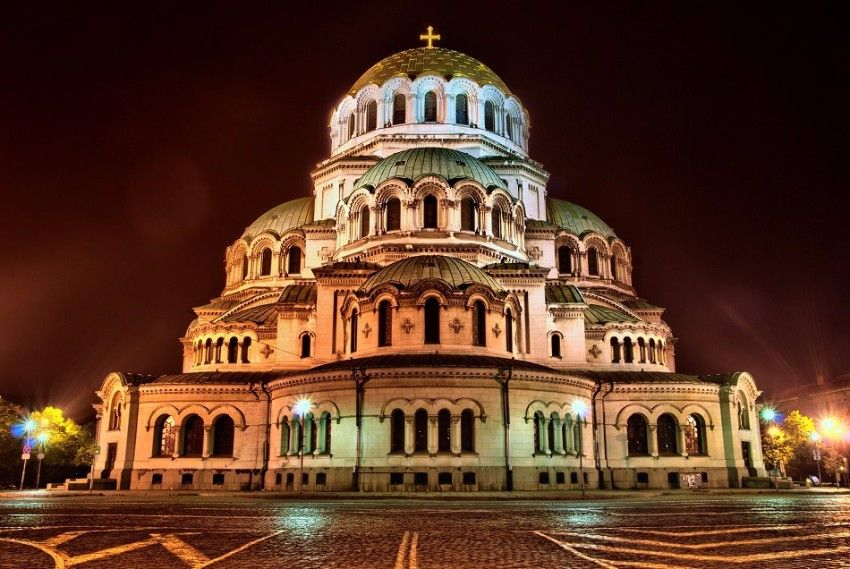
Dominating the sprawling, stone-paved central plaza of the city’s historic administrative heart, this monumental cathedral stands proud as the definitive architectural icon of Bulgaria.
- What it is famous for: Its gleaming gold-leafed domes rising 45 meters, its 12 massive bells, and its intricate interior marble layout. Completed in 1912 to honor the Russian soldiers who fell liberating Bulgaria from Ottoman rule, this Neo-Byzantine masterwork can hold over 5,000 worshippers. The cavernous interior features heavy chandeliers, Italian marbles, Brazilian onyx, and spectacular religious frescoes, while its underground crypt protects Europe’s largest collection of Orthodox icons.
2. Ancient Serdica Archaeological Complex
The Subterranean Glass Matrix of Extracted Roman Streets
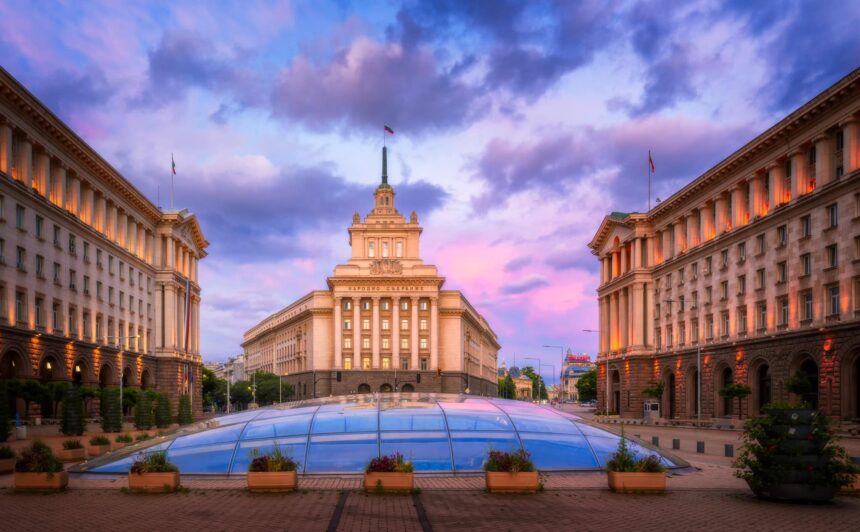
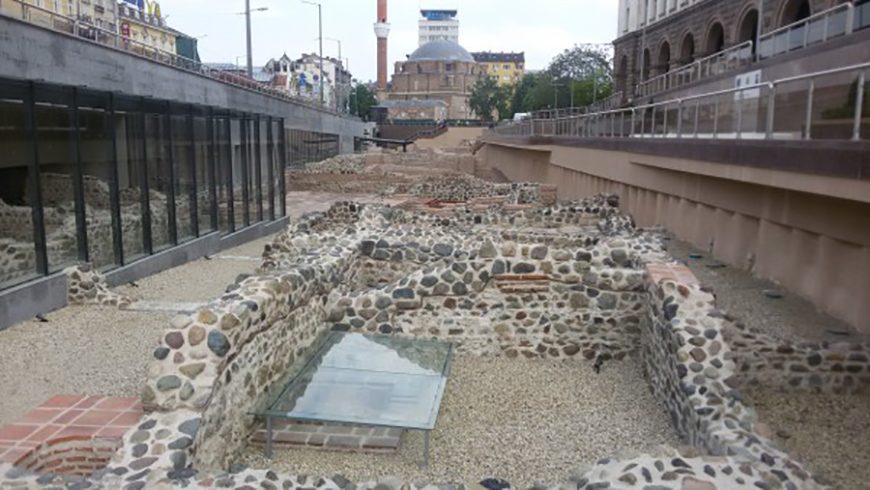
Embedded seamlessly beneath the heavy concrete foundations of Sofia’s primary administrative metro junction at Largo Square, this vast 25,000-square-meter open-air museum is a marvel of urban preservation.
- What it is famous for: Its perfectly preserved 4th-to-6th-century Roman streets, complete with intact brick houses, bath complexes, and early sewage systems. Discovered entirely by accident during the expansion of the city’s subway lines between 2010 and 2012, the complex allows visitors to walk directly along the ancient stone-paved thoroughfares of Emperor Constantine’s favored city. A massive glass dome roof arches overhead, protecting the excavations while letting in natural sunlight from the modern plazas above.
3. Vitosha Boulevard
The Trendy Pedestrian Runway of Outdoor Cafes and Alpine Horizons
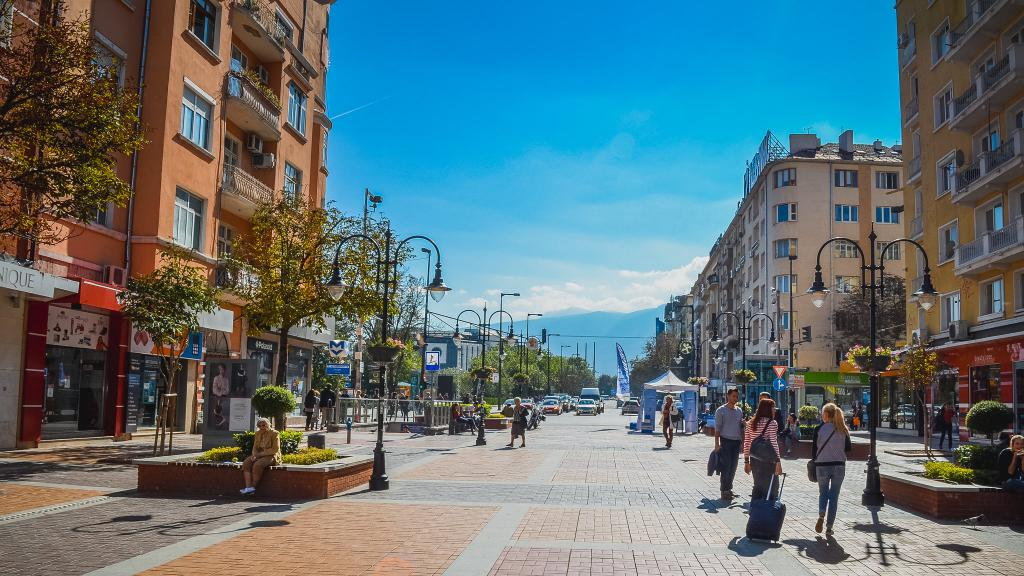
Slicing smoothly southwards through the high-end commercial heart of the city grid, this wide, tree-shaded pedestrian thoroughfare serves as Sofia’s primary social and retail spine.
- What it is famous for: Its high-fashion boutique rows, vibrant open-air dining terraces, and its unobstructed, straight-line view of Vitosha Mountain. “Vitoshka,” as it is affectionately called by locals, is the ultimate spot for people-watching and experiencing the city’s laid-back cosmopolitan energy. Walkers can stroll past beautiful Art Nouveau facades, stopping at artisan coffee bars or gelato stalls while looking directly at the towering, snow-dusted alpine ridges that frame the end of the street.
4. Boyana Church
The Forested Foothill Sanctuary of Pre-Renaissance Masterpieces
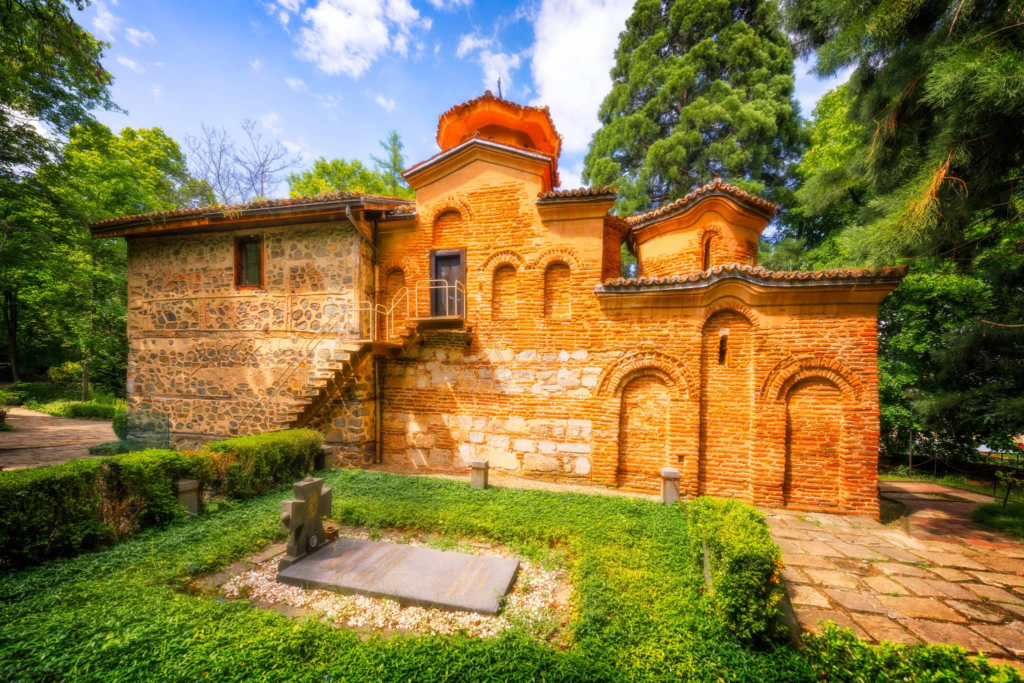
Tucked away into a quiet, tree-shaded suburban glade on the lower slopes of Mount Vitosha roughly 8 kilometers south of the center, this small, three-section medieval church is a protected UNESCO World Heritage site.
- What it is famous for: Its unrivaled 1259 AD interior wall frescoes, which are celebrated as early precursors to the European Renaissance style. While western European art was still dominated by flat, rigid Byzantine styles, an anonymous master painter covered Boyana’s stone walls with 89 separate scenes featuring incredible psychological depth, realistic facial expressions, and detailed historical garments, including famous portraits of Tsar Constantine Tikh and Tsaritsa Irina.
5. Church of St. George Rotunda
The Hidden Red-Brick Survivor of Pagan Eras and Imperial Courts
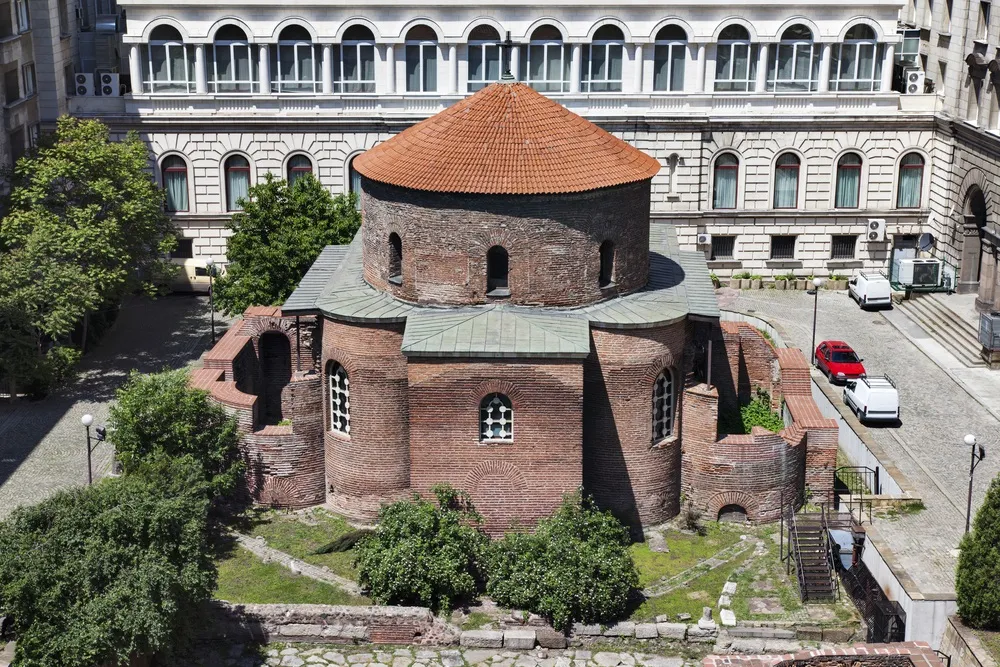
Tucked away in an unexpected, secure inner courtyard surrounded by the monumental, classicist limestone walls of the Presidency and the Balkan Hotel, this ancient structure is Sofia’s oldest intact building.
- What it is famous for: Its cylindrical Roman red-brick architecture and five distinct layers of historical frescoes dating back to the 4th century. Originally constructed as a Roman public bath or ceremonial hall during the reign of Constantine the Great, it was converted into a Christian church soon after. Visitors step off the modern streets into a silent, brick-domed sanctuary to gaze at monumental 14th-century murals of 22 biblical prophets painted directly onto the curved ceiling vault.
6. Central Sofia Mineral Baths (Regional History Museum)
The Striped Art Nouveau Palace of Thermal Spring Fountains
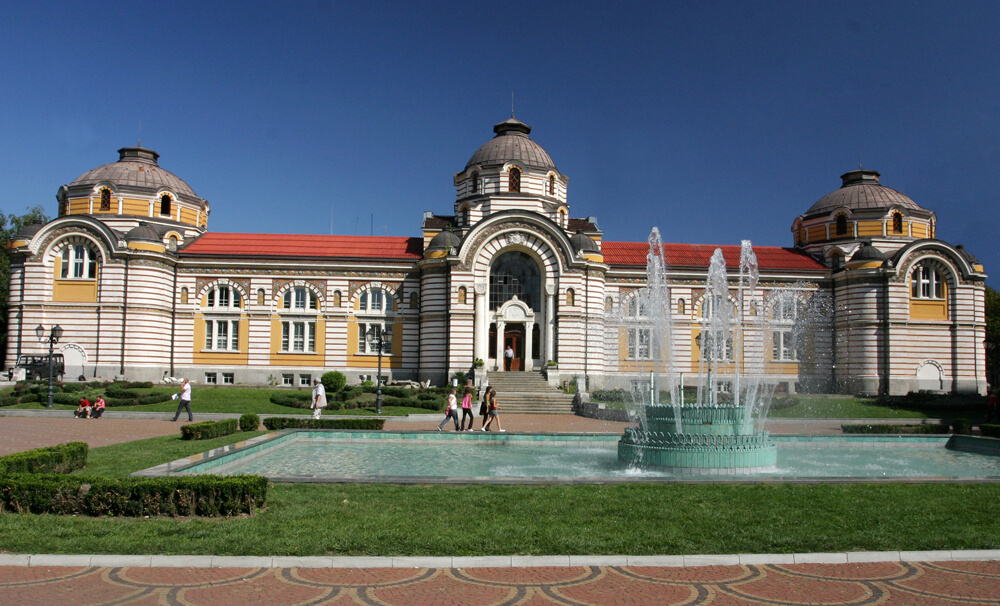
Commanding a wide, park-like plaza in the center of the old market district, this striking, yellow-and-red-striped architectural palace is a masterful blend of Vienna Secession and Byzantine design elements.
- What it is famous for: Its highly intricate majolica tile decorations and its historic role as the thermal heart of the city. Sofia was founded specifically because of its abundant hot springs. While the grand 1913 building now houses the fascinating Regional History Museum, the natural thermal waters still bubble up outside. Locals gather daily at the corner fountain alcoves with massive plastic jugs to fill up on free, steaming hot mineral water direct from the earth, celebrated for its therapeutic properties.
7. Ivan Vazov National Theatre
The Neoclassical Crimson Palace of Gilded Fountains and Dramatic Muses
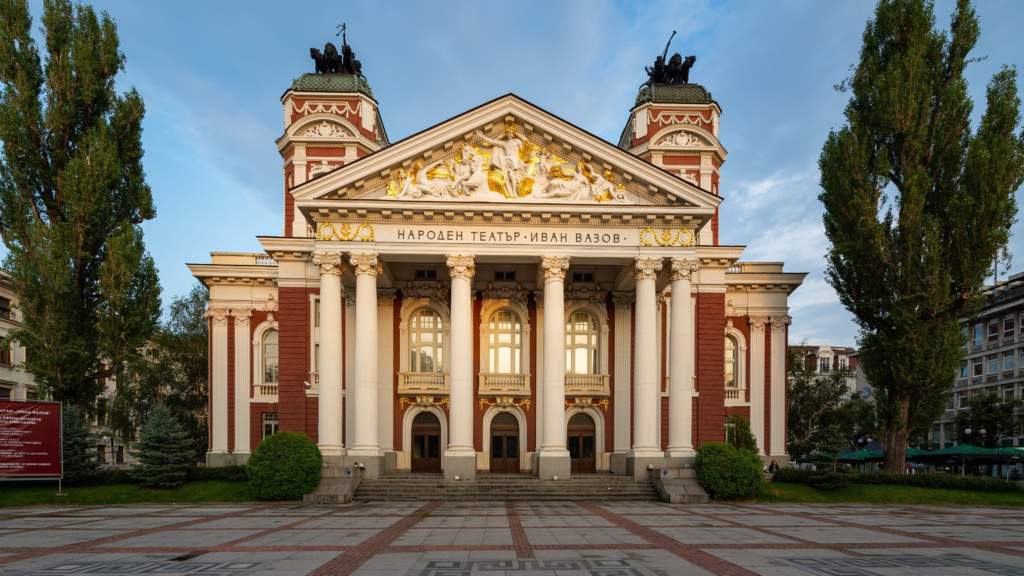
Facing the leafy, fountain-filled alleys of the City Garden parkland, this spectacular, deep-crimson civic palace serves as the premier stage and cultural anchor of Bulgaria.
- What it is famous for: Its grand Neoclassical facade, towering Corinthian columns, and its golden triangular pediment depicting Apollo and the Muses. Designed by renowned Viennese theater architects Helmer and Fellner and opened in 1907, the theater is a monument to the nation’s literary arts. The surrounding park is the oldest in Sofia, acting as a vibrant open-air community hub where elderly locals play chess on stone tables and street musicians perform next to the illuminated central fountains.
8. Mount Vitosha National Park
The Alpine Skyway of Granite River Blocks and Ski Runs
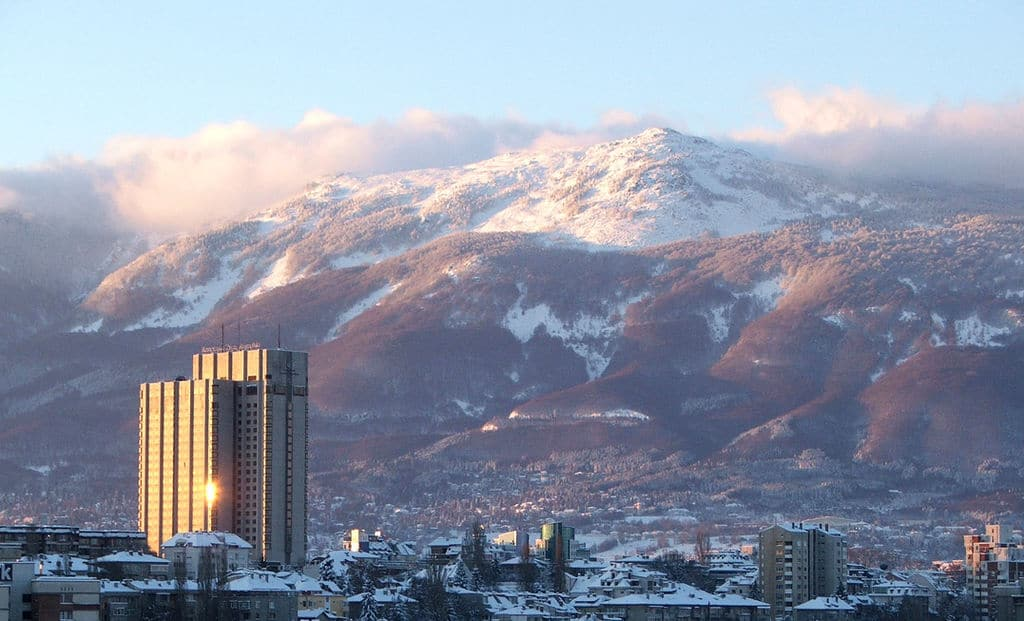
Rising sharply like a massive green-and-white wall just a short public bus or cabin lift trip from the southern residential neighborhoods, this 2,290-meter mountain massif is Sofia’s ultimate natural asset.
- What it is famous for: Its vast network of hiking trails, winter ski slopes, and the unique natural phenomenon of the “Stone Rivers” (Zlatnite Mostove). Vitosha makes Sofia one of the few European capitals where you can catch a morning subway ride and be hiking through pristine alpine forests by noon. A favorite stop is the Golden Bridges, where a massive river of giant, water-smoothed golden granite boulders cascades down a forested mountain valley, hiding an underground alpine stream.
9. The Square of Tolerance
The Symbolic Urban Quad of Harmonious Inter-Religious Lineages
Encompassing a tight, two-block civic radius centered around the intersection of Marie Louise Boulevard and Todor Alexandrov Boulevard, this unique urban layout is a global testament to cultural peace.
- What it is famous for: Positioning four major world religions—Eastern Orthodox, Roman Catholic, Islam, and Judaism—within mere steps of each other. Within a short walking circle, visitors can view the 16th-century Ottoman Banya Bashi Mosque, the Neo-Renaissance Sofia Synagogue (the largest in Southeastern Europe), the Catholic Cathedral of St. Joseph, and the Orthodox St. Nedelya Church. It stands as a powerful historical monument to the city’s long tradition of peaceful coexistence and sanctuary.
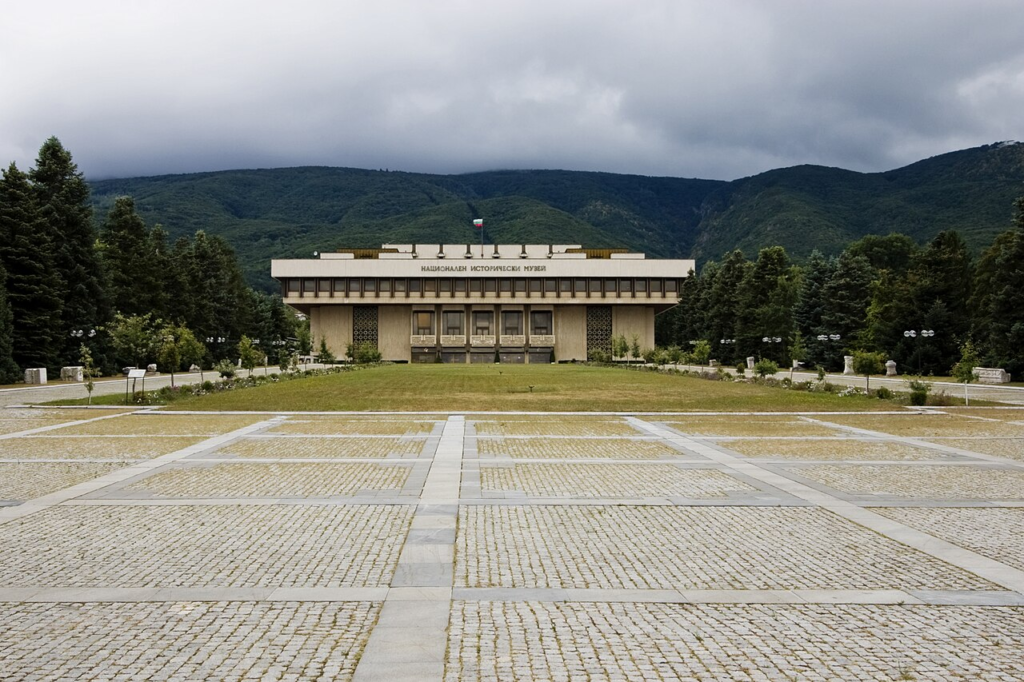
10. National Historical Museum & Boyana Residence
The Brutalist Treasury of Golden Thracian Panagyurishte Hoards
Housed inside the imposing, late-Soviet brutalist complex of the former Dictator Todor Zhivkov’s state residence in the southern suburb of Boyana, this is the largest museum network in the country.
- What it is famous for: Protecting the world-famous Panagyurishte Gold Treasure and over 650,000 historical artifacts. The museum’s primary prize is a 4th-century BC Thracian drinking set made from over 6 kilograms of solid, pure 24-karat gold, intricately sculpted into the shapes of mythical animals and gods. Walking through the cavernous, wood-paneled halls also guides visitors past monumental stone Roman statues, medieval royal gospels, and antique national costumes.
11. St. Sofia Church
The Ancient Brick Basilica of Subterranean Necropolises and City Namesakes
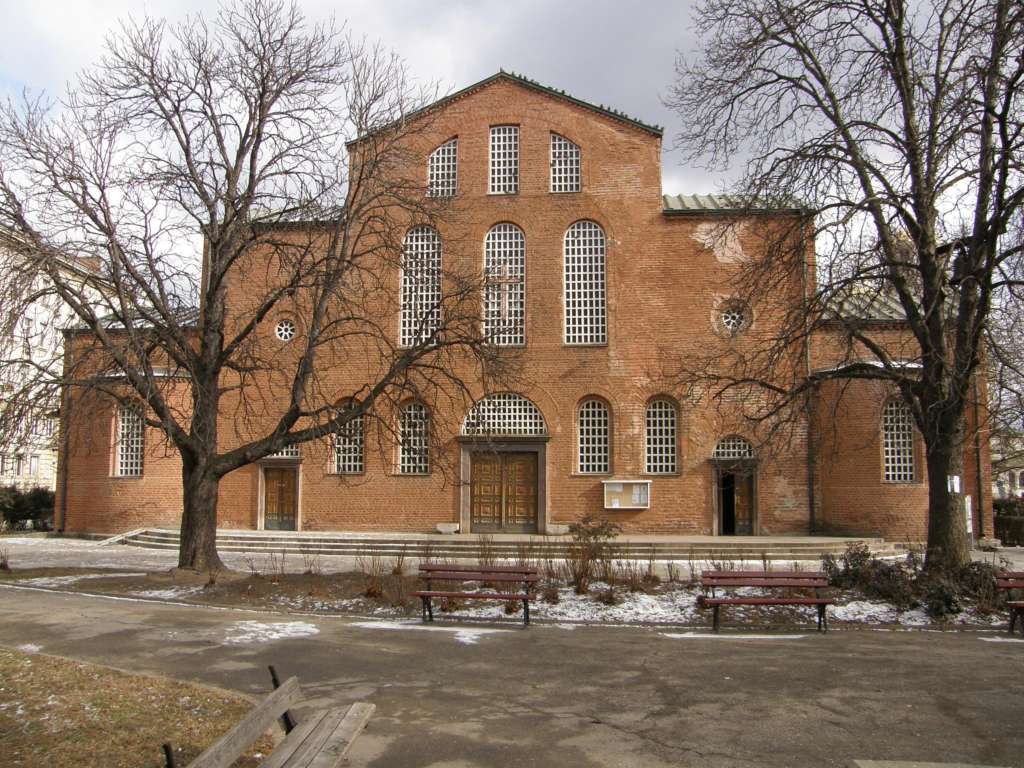
Sitting quietly in the immediate shadow of the much larger Alexander Nevsky Cathedral, this austere, unadorned red-brick basilica dates all the way back to the 6th century.
- What it is famous for: Giving the city of Sofia its modern name during the 14th century and housing a vast underground tomb network. Built during the golden age of Byzantine Emperor Justinian I, this solid brick church has survived earthquakes, fires, and conversion into an Ottoman mosque. Visitors can drop beneath the glass floors of the altar to explore an ancient Roman necropolis, weaving through a labyrinth of 1,500-year-old stone tombs and colorful mosaic floors that sit silently beneath the active church.