
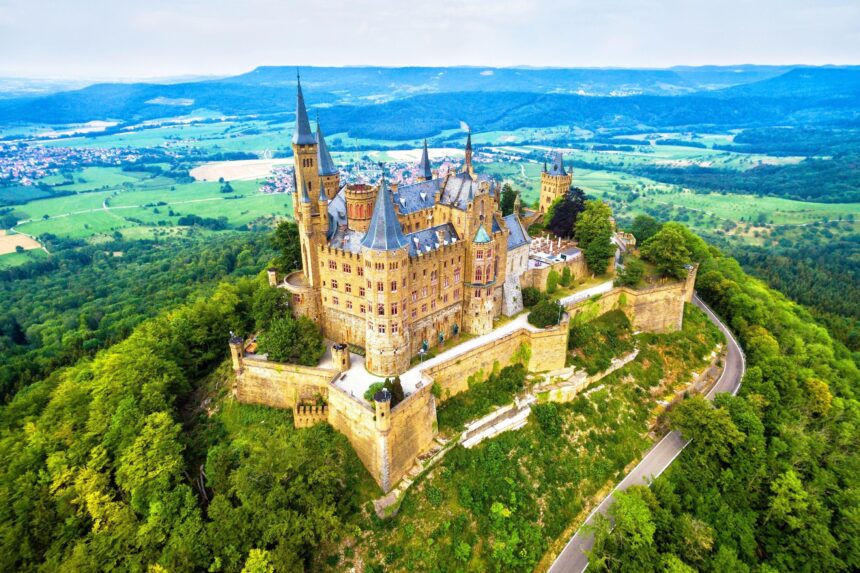
Stuttgart, the capital of southwest Germany’s Baden-Württemberg state, is uniquely nestled in a lush bowl-shaped valley surrounded by rolling vineyards and dense forests.
Known globally as the cradle of the automobile industry, this prosperous city is where modern automotive engineering was born.Yet, Stuttgart is far from a sterile industrial hub.
It is a city that loves the finer things in life, balancing its high-tech powerhouse status with grand royal palaces, a world-class mineral bath tradition, and a deep appreciation for local wines. Welcoming, green, and culturally rich, Stuttgart offers an incredible mix of innovation and relaxation.
Here are the most famous places to visit in the city and what makes them special.
1. Mercedes-Benz Museum
A Futuristic Journey Through Automotive History
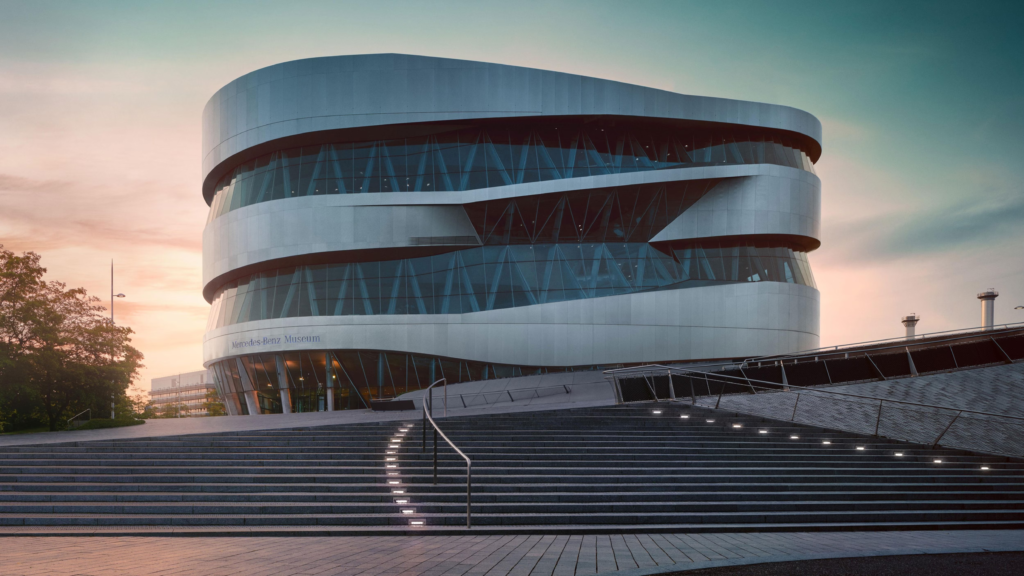
Located right outside the gates of the main factory plant, the Mercedes-Benz Museum is a stunning architectural marvel. Designed as a metallic double-helix, its sleek curves mirror the concept of human DNA.
- What it is famous for: Being the only museum in the world that documents the entire unbroken history of the automobile from day one. Visitors take a futuristic lift to the top floor and wind down through nine levels, viewing over 160 legendary vehicles, including the original 1886 Benz Patent-Motorwagen and iconic Silver Arrow racing cars.
2. Porsche Museum
A Temple of High-Performance Speed
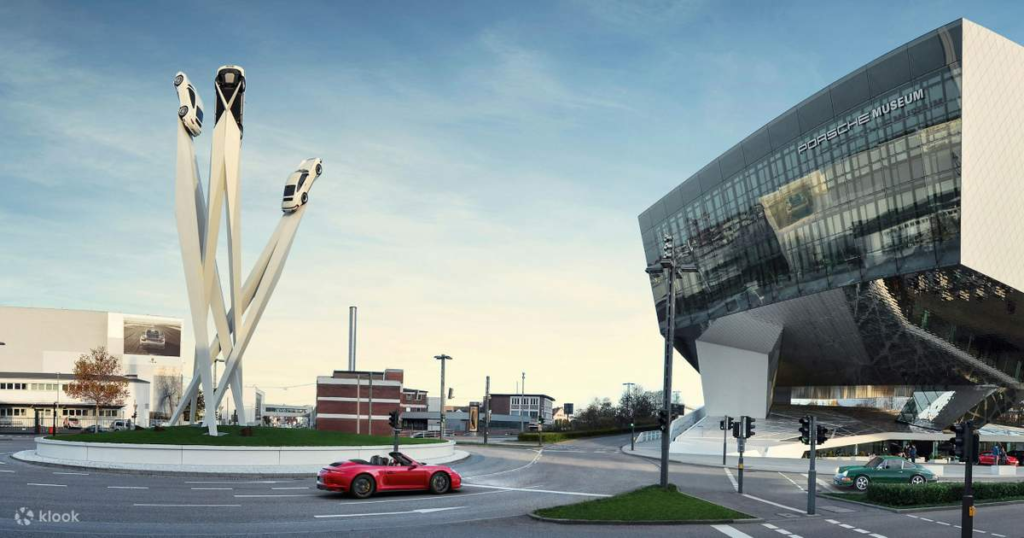
Situated in the northern district of Zuffenhausen, the Porsche Museum is a breathtaking, gravity-defying structure. The dazzling white, angular building appears to float above the ground on just a few V-shaped concrete pillars.
- What it is famous for: Its interactive showcase of pristine sports cars and engineering triumphs. The museum features an ever-rotating lineup of around 80 iconic vehicles—from vintage 911s to sleek modern hypercars—many of which are still fully functional and regularly driven in historic racing events.
3. Schlossplatz (Palace Square)
The Vibrant, Royal Living Room of the City
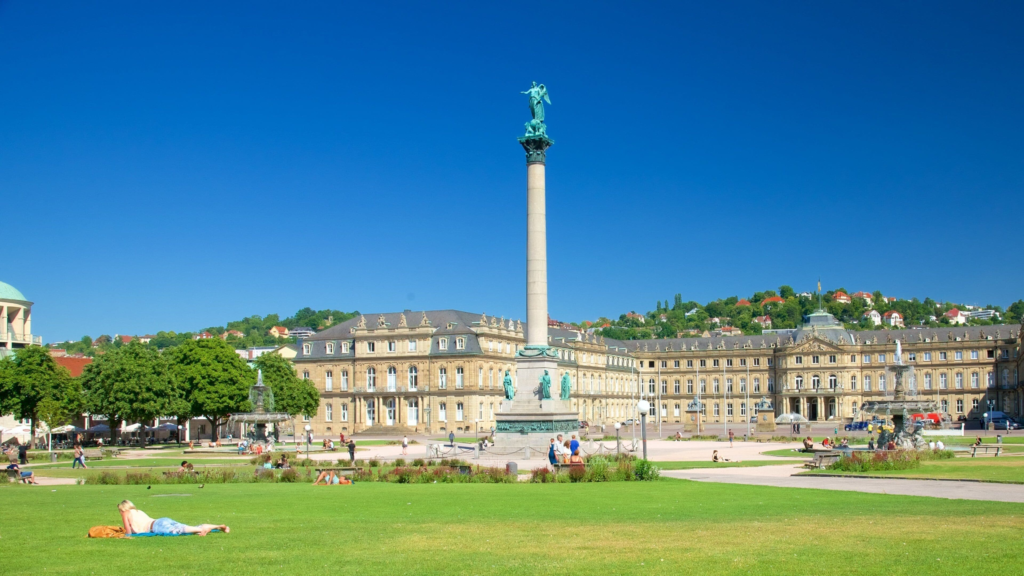
Schlossplatz is the massive, green focal point of Stuttgart’s bustling pedestrian center. Framed by grand historic architecture, it serves as the ultimate community gathering spot for festivals, concerts, and sunny afternoons.
- What it is famous for: The monumental New Palace (Neues Schloss), a sweeping 18th-century Baroque palace that was one of the last grand royal residences built in Germany. The square features manicured lawns, fountains, and a towering jubilee column, all looking out toward the vibrant Königstraße shopping avenue.
4. Stuttgart Public Library (Stadtbibliothek)
A Minimalist Masterpiece of Modern Design
Located in the modern Mailänder Platz district, the Stuttgart Public Library is an absolute magnet for architecture lovers and photographers from around the globe.
- What it is famous for: Its breathtaking, stark white cubic interior. Looking like an inverted pyramid, the five-story open reading room is flooded with natural light from a glass roof, creating a tranquil, surreal workspace where the only pops of color come from thousands of book spines.
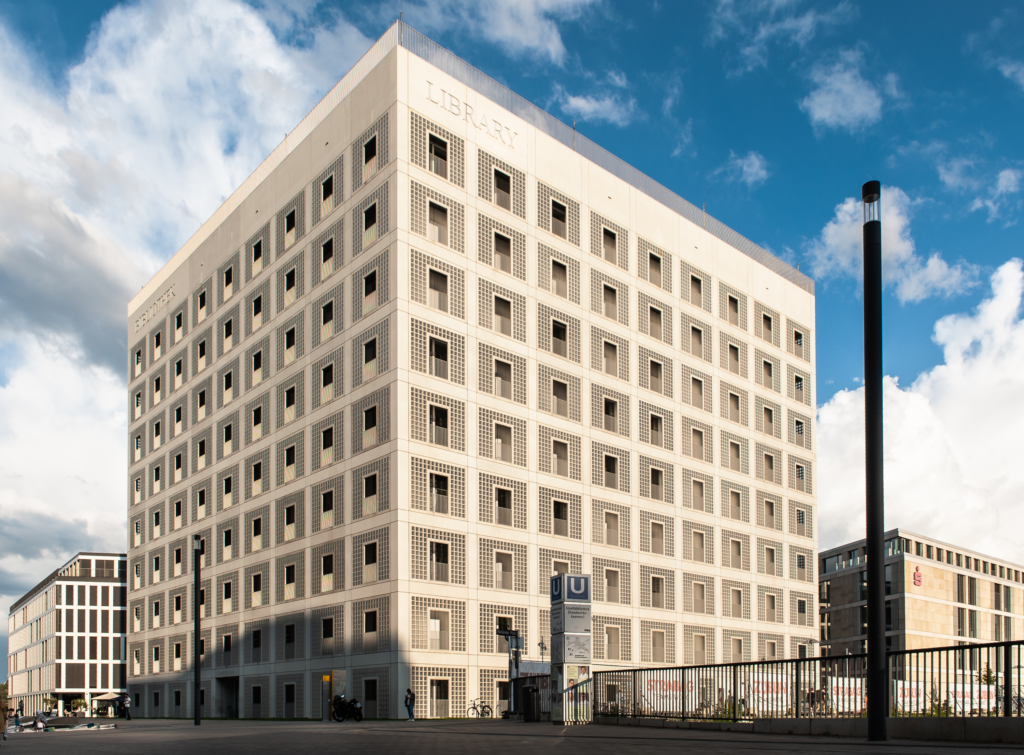
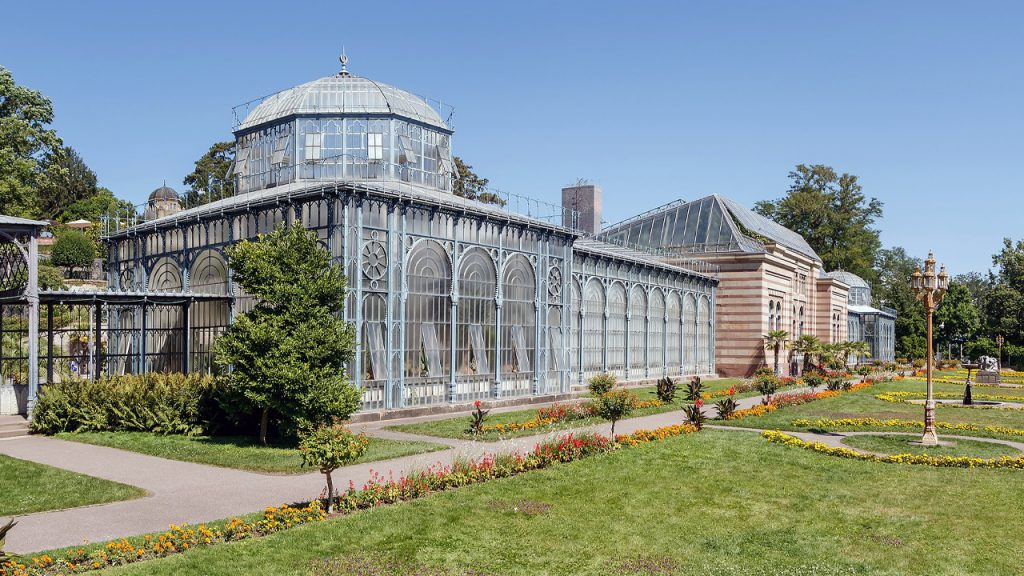
5. Wilhelma Zoologically-Botanical Garden
Europe’s Only Combined Zoo and Botanical Park
Spread across the historic grounds of a 19th-century royal Moorish palace complex, Wilhelma is uniquely beautiful, welcoming over a million visitors every year.
- What it is famous for: Combining world-class wildlife exhibits with stunning botanical glasshouses. Visitors can wander through elegant, historic Moorish revival buildings topped with intricate tiles while viewing thousands of animal species and exotic tropical plants, including an immense collection of orchids and giant water lilies.
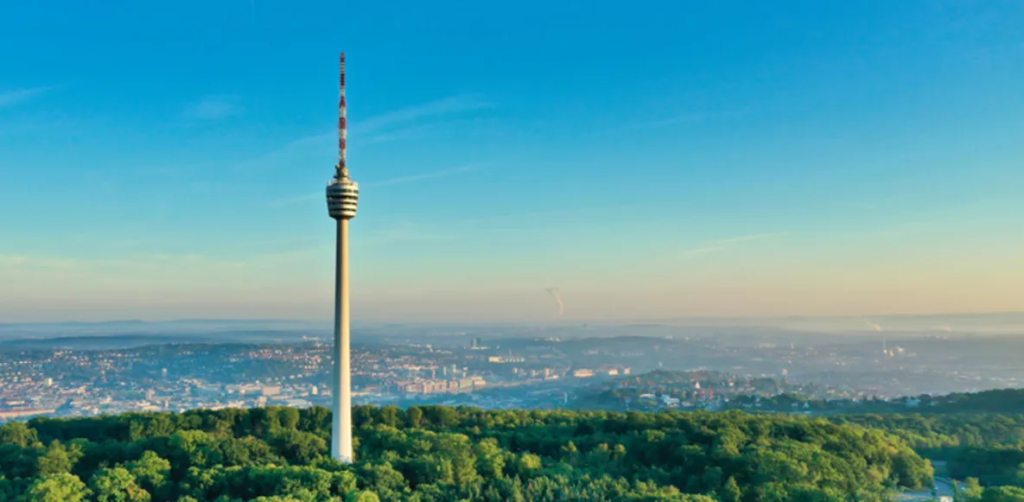
6. Stuttgart Television Tower (Fernsehturm)
The Blueprint for Global Skyline Icons
Rising 217 meters above the dense forests on the city’s southern hills, the Stuttgart Television Tower was constructed in 1956 and stands proud as a monument to mid-century engineering.
- What it is famous for: Being the world’s very first television tower built from reinforced concrete. It served as the aesthetic blueprint for iconic towers in Seattle, Toronto, and Tokyo. Taking the elevator to the panoramic observation deck offers sweeping views over the valley’s vineyards and out to the Black Forest.
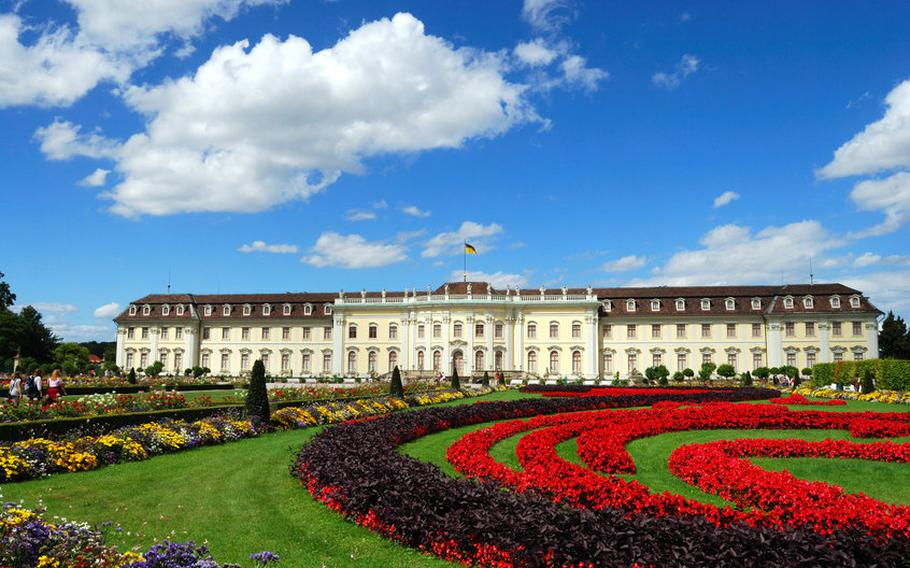
7. Ludwigsburg Residential Palace
The “Versailles of Swabia”
Located just a short train ride north of the city center, this colossal palace complex is one of the largest Baroque estates in Europe to survive the centuries completely undamaged.
- What it is famous for: Its 152 lavish palace rooms spanning Baroque, Rococo, and Empire styles. The palace is surrounded by the spectacular “Blooming Baroque” (Blühendes Barock) gardens, featuring perfectly manicured formal lawns, a fairytale forest attraction, and extensive floral displays.
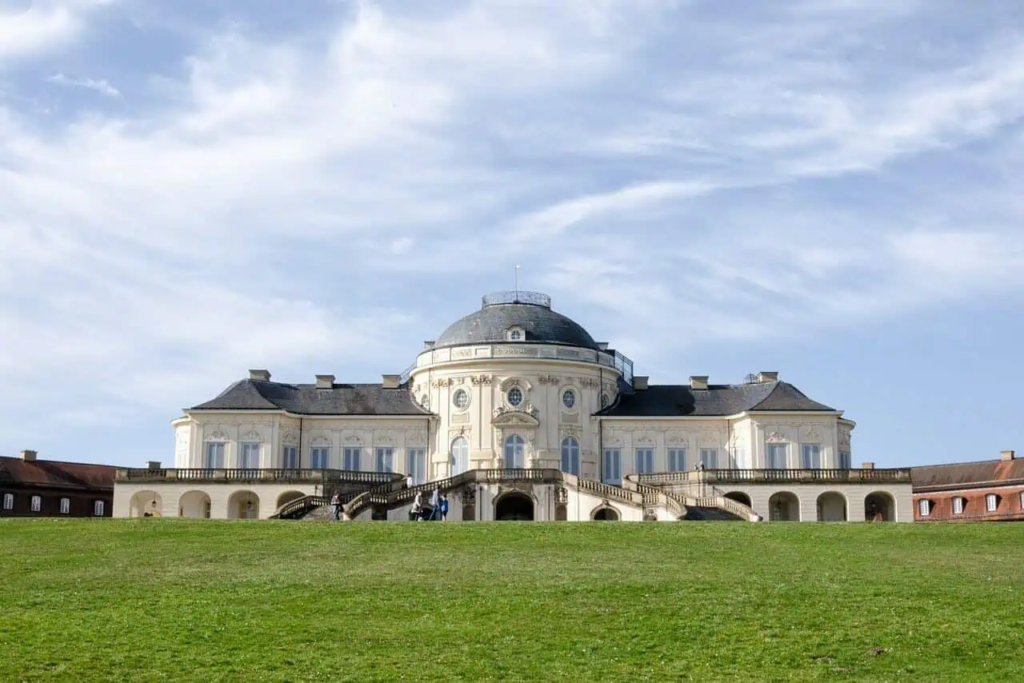
8. Solitude Palace (Schloss Solitude)
A Rococo Retreat on the Hilltops
Commissioned by Duke Carl Eugen in 1763 as a quiet hunting lodge and summer getaway, this elegant palace sits isolated on a high ridge on the western edge of Stuttgart.
- What it is famous for: Its exquisite Rococo interiors and the Grand Marble Hall. Designed as a place for quiet reflection, the palace offers a peaceful escape from the bustling city below, connected directly to Ludwigsburg Palace by a perfectly straight, 13-kilometer royal avenue that can still be traced today.
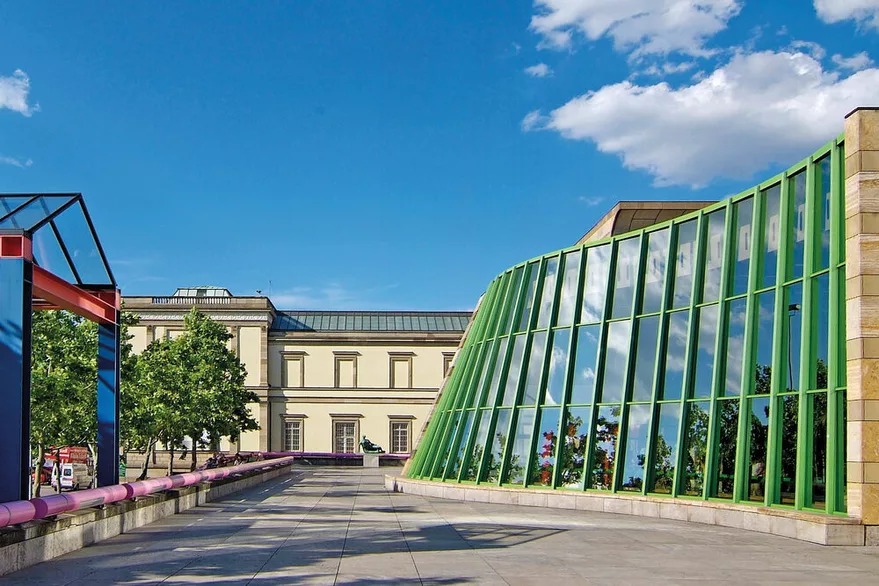
9. State Gallery Stuttgart (Staatsgalerie)
A Bold Intersection of Old and New
The Staatsgalerie is one of Germany’s premier art museums, spanning two interconnected buildings: an elegant 19th-century classicist structure and a provocative, colorful postmodern addition designed by British architect James Stirling.
- What it is famous for: An exceptional collection of 20th-century modern art, featuring one of Germany’s finest Picasso collections. The gallery’s holdings bridge the gap across centuries, showcasing masterpieces by old European masters alongside icons of German Expressionism and American avant-garde art.
10. Killesberg Park (Höhenpark Killesberg)
Rolling Hills and Mid-Century Leisure
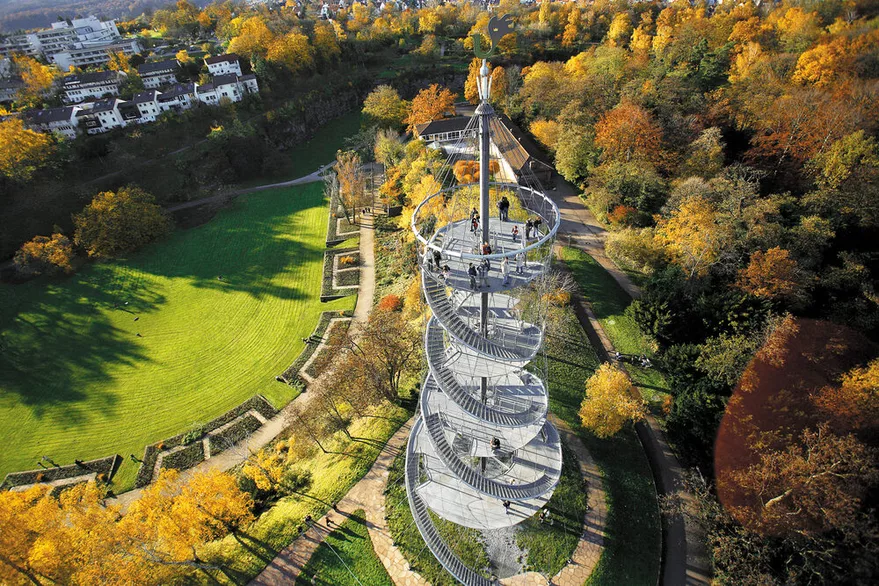
Situated on a high hill overlooking northern Stuttgart, this beautifully landscaped 123-acre park is a beloved urban oasis that was originally created for a major horticultural exhibition in 1939.
What it is famous for: The Killesberg Tower, an incredibly unique, 40-meter-tall steel cable-net structure that visitors can climb for a thrilling aerial view. The family-friendly park also features a historic narrow-gauge steam railway, sweeping fields of seasonal flowers, and a lively open-air beer garden.
Stuttgart, the capital of southwest Germany’s Baden-Württemberg state, is uniquely nestled in a lush bowl-shaped valley surrounded by rolling vineyards and dense forests. Known globally as the cradle of the automobile industry, this prosperous city is where modern automotive engineering was born.
Yet, Stuttgart is far from a sterile industrial hub. It is a city that loves the finer things in life, balancing its high-tech powerhouse status with grand royal palaces, a world-class mineral bath tradition, and a deep appreciation for local wines.
Welcoming, green, and culturally rich, Stuttgart offers an incredible mix of innovation and relaxation. Here are the most famous places to visit in the city and what makes them special.