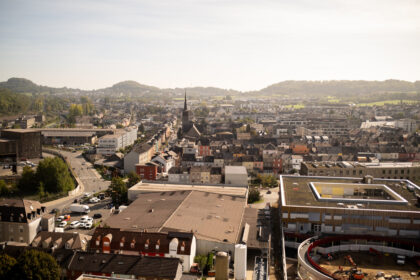

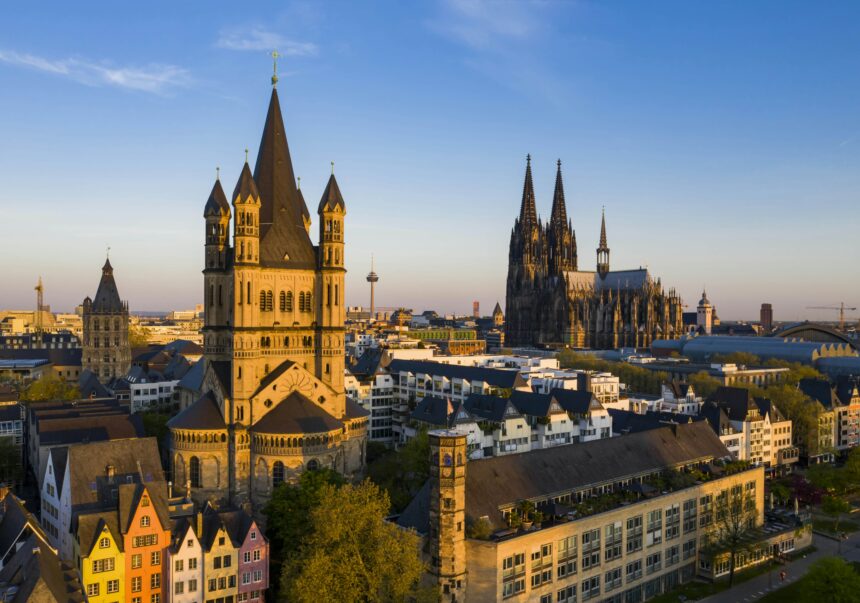
Cologne (Köln), Germany’s oldest major city, is a vibrant metropolis that effortlessly balances 2,000 years of history with a remarkably laid-back, liberal attitude.
Founded by the Romans, this riverside jewel was heavily rebuilt after World War II, resulting in a fascinating architectural mix where ancient Roman ruins sit directly alongside post-war modern structures.
Life here revolves around the mighty Rhine River and a deep love for local traditions—most notably the city’s legendary winter Carnival and its fiercely defended beer culture. Welcoming, energetic, and rich in art, Cologne is a traveler’s favorite for a reason.
Here are the most famous places to visit in the city and what makes them special.
1. Cologne Cathedral (Kölner Dom)
The Monumental Masterpiece of Gothic Design
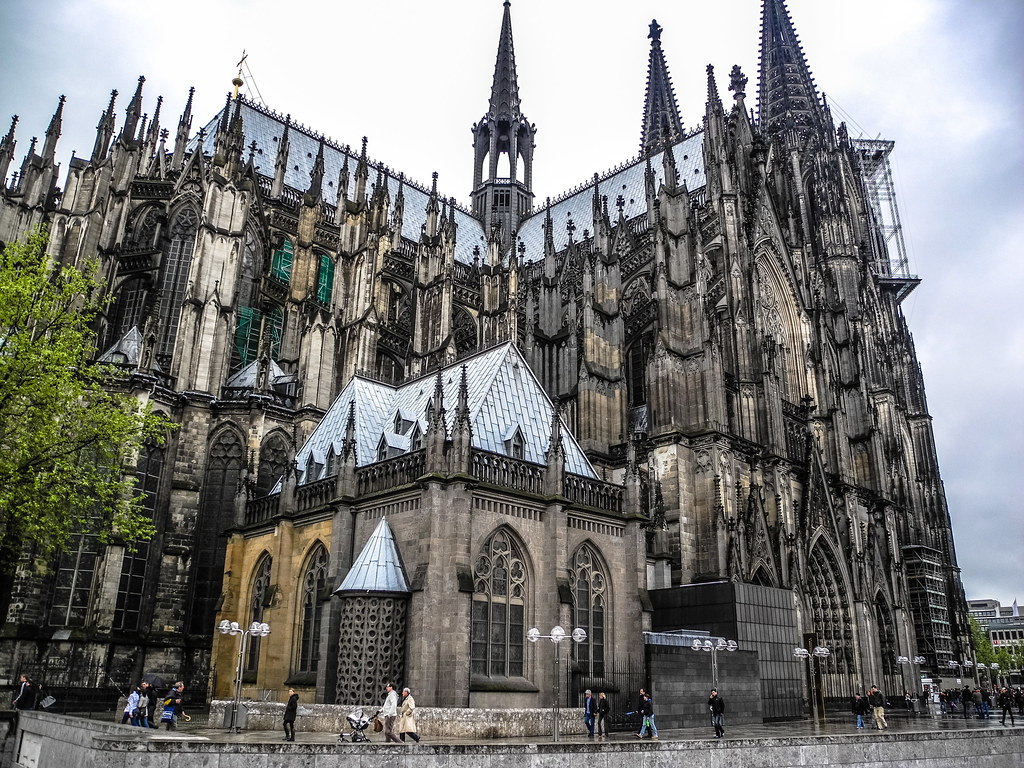
Standing directly next to the central train station, the Cologne Cathedral is the undisputed symbol of the city and one of Germany’s most visited sights. This UNESCO World Heritage Site took an astonishing 632 years to complete.
- What it is famous for: Its colossal twin spires that dominate the city’s skyline and held the title of the world’s tallest building in the late 19th century. Inside, millions of visitors come to see the golden Shrine of the Three Magi, a masterpiece of medieval craftsmanship believed to hold the relics of the Wise Men.
2. Hohenzollern Bridge (Hohenzollernbrücke)
The Gateway of Iron and Romance
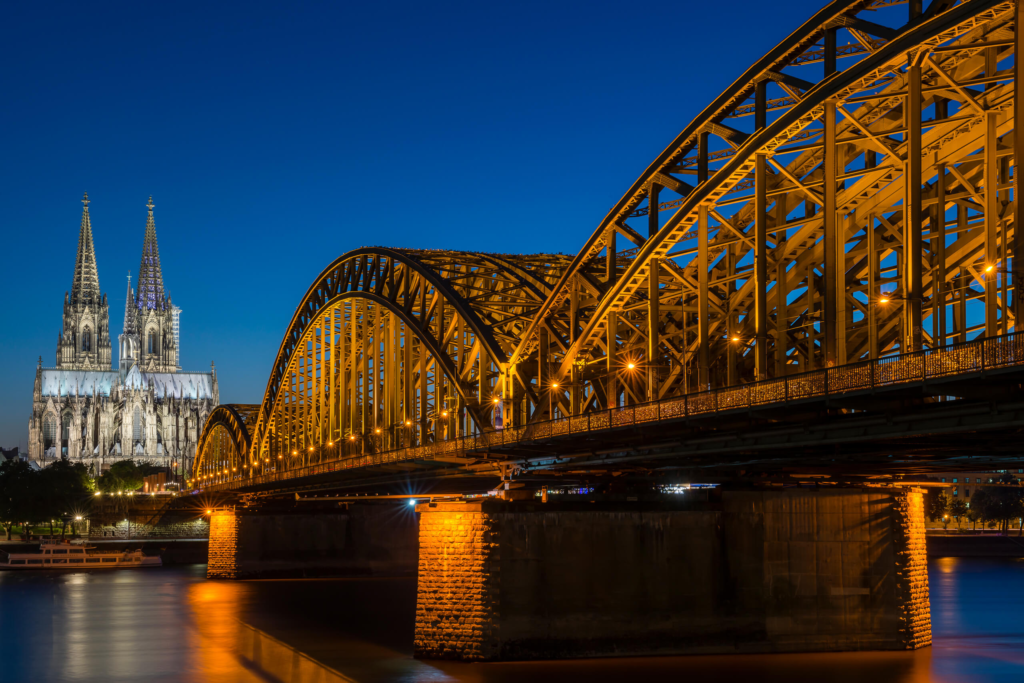
Spanning the Rhine River to lead trains directly toward the cathedral, this massive, three-arched iron railway and pedestrian bridge is an iconic piece of industrial engineering.
- What it is famous for: The hundreds of thousands of colorful “love locks” placed onto the bridge railings by couples from all over the world, who then throw the keys into the rushing river below. Walking across the bridge offers a classic, postcard-perfect view of the cathedral and the riverfront.
3. The Old Town (Altstadt)
Colorful Charm and Rustic Taverns
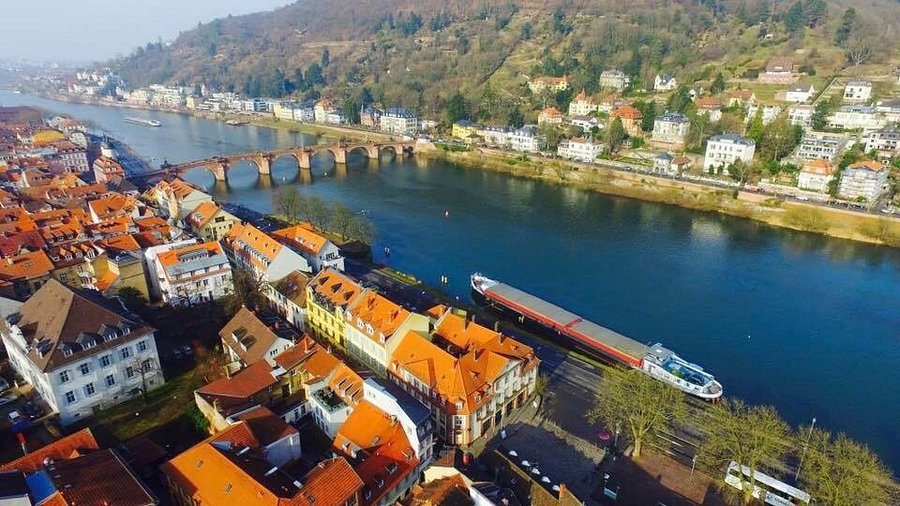
Nestled along the banks of the Rhine, Cologne’s historic Altstadt is a charming maze of narrow cobblestone alleys, traditional squares, and vibrant, historic architecture.
- What it is famous for: Its brightly painted, narrow historic houses and the towering Romanesque Great St. Martin Church. The Old Town is the ultimate place to experience a traditional Brauhaus (brewery tavern), where waiters called Köbes continuously serve Kölsch—Cologne’s crisp, signature pale ale—in slender glass tubes called Stangen.
4. Imhoff-Stollwerck Chocolate Museum (Schokoladenmuseum)
A Sweet Paradise on the Riverbank
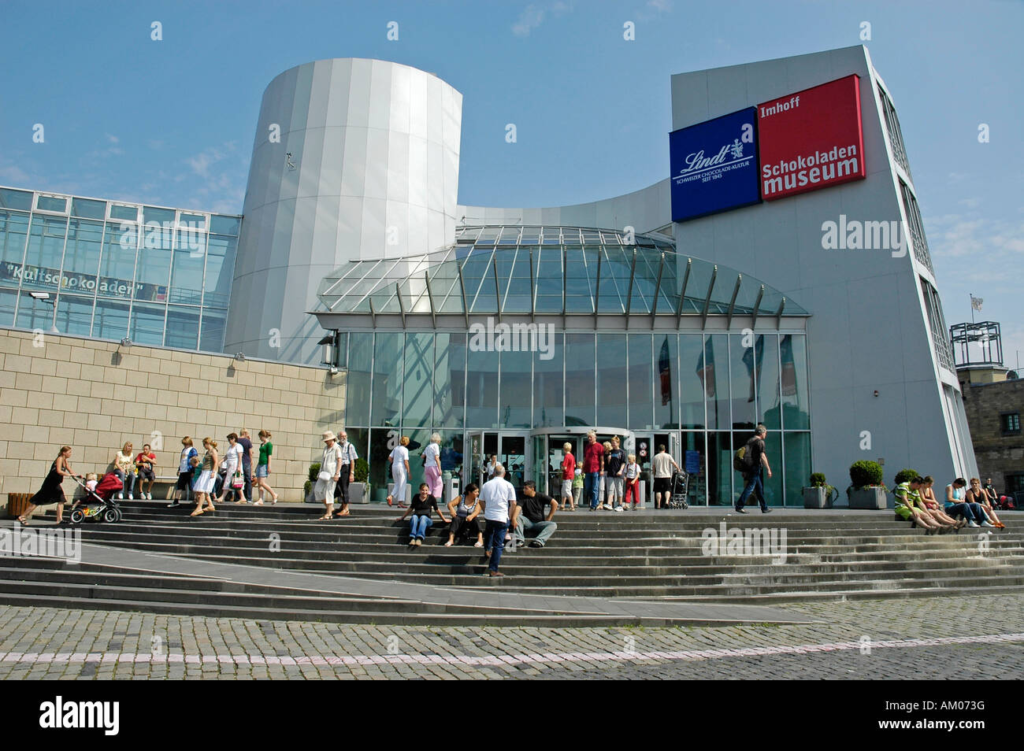
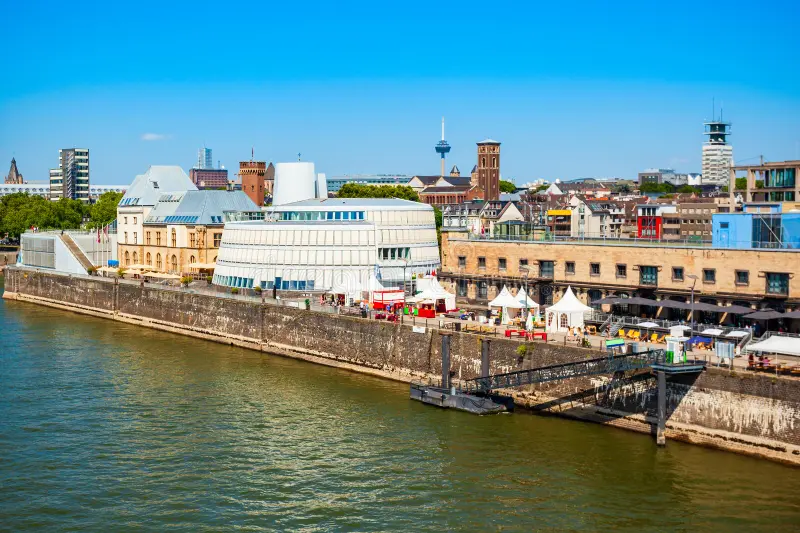
Perched like a futuristic ship on the edge of the Rhine in the Rheinauhafen district, this spectacular museum takes visitors on a multi-sensory journey through the 5,000-year history of cocoa.
- What it is famous for: A magnificent, three-meter-high golden chocolate fountain where museum staff dip fresh wafers into 200 kilograms of warm, liquid milk chocolate to hand out to guests. The museum also features a walk-in tropical greenhouse with real cocoa trees and a production line showing how chocolate bars are made.
5. Museum Ludwig
A Haven for Modern Art Masters
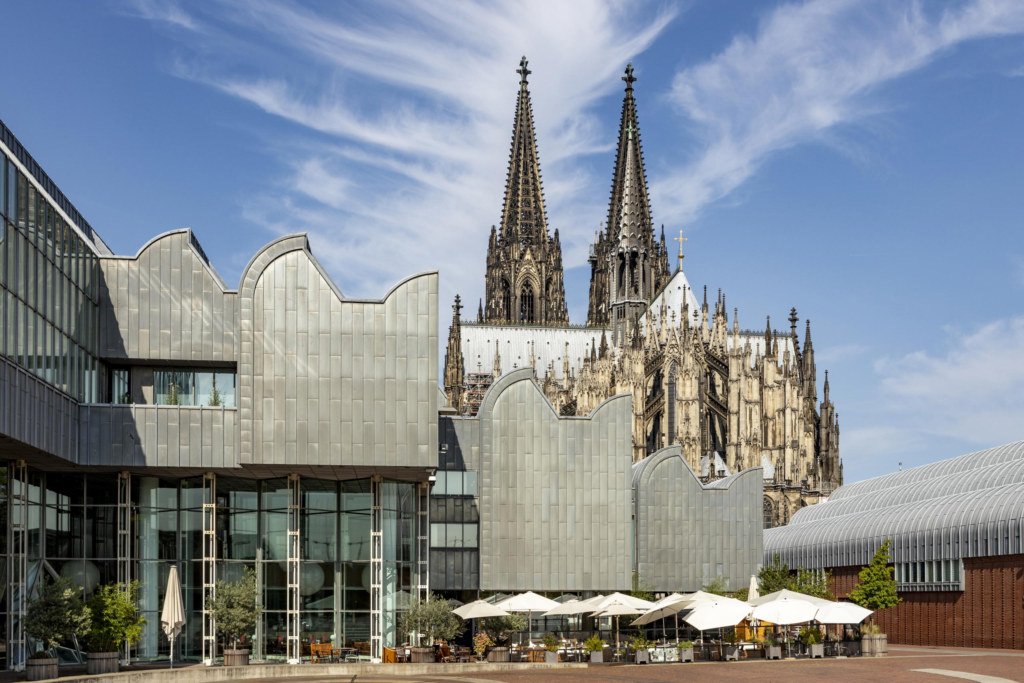
Located just a few steps from the cathedral, Museum Ludwig is a striking modern building that houses one of the most important collections of modern and contemporary art in Europe.
- What it is famous for: Holding the third-largest collection of Picasso masterpieces in the world, alongside an incredible array of American Pop Art icons (including seminal works by Andy Warhol and Roy Lichtenstein) and an extensive collection of Russian avant-garde pieces.
6. Romano-Germanic Museum (Römisch-Germanisches Museum)
Unearthing an Ancient Roman Past
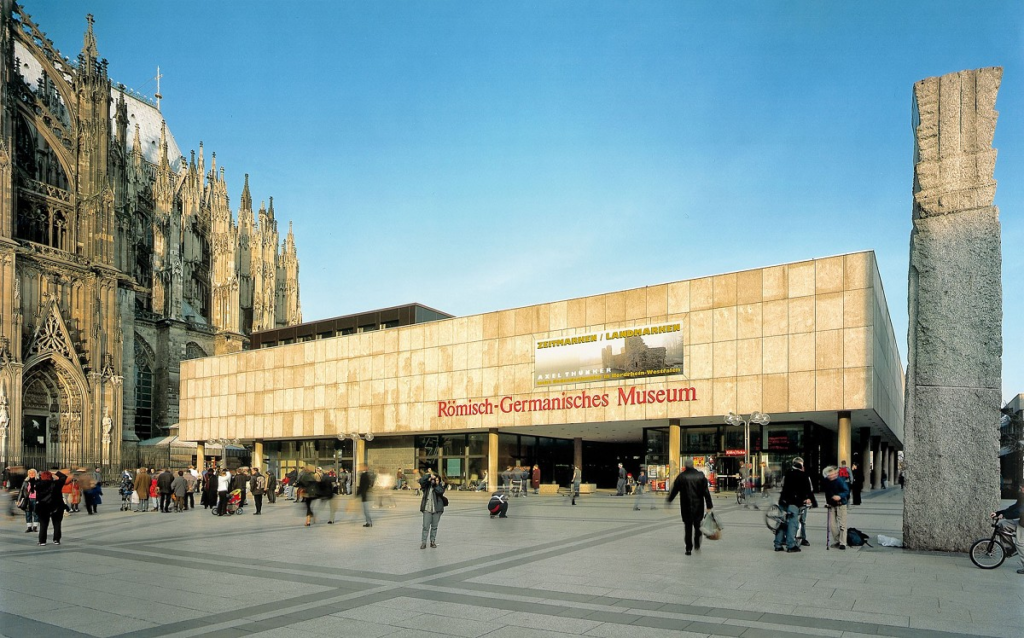
Built directly on top of the original site of a 3rd-century Roman villa, this archaeological institution protects Cologne’s rich heritage from its days as the Roman capital city of Colonia Claudia Ara Agrippinensium.
- What it is famous for: The world-renowned Dionysus Mosaic, a stunningly preserved, intricate Roman floor mosaic that was discovered completely by accident during the construction of an air-raid shelter in 1941. The museum also holds the largest collection of ancient Roman glassware in the world.
7. Rheinauhafen District
Industrial Waterfront Reborn
The Rheinauhafen is a completely redeveloped harbor area just south of the Old Town, showcasing Cologne’s mastery of modern urban architectural design.
- What it is famous for: The Kranhäuser (Crane Houses)—three spectacular, 60-meter-tall buildings shaped like inverted L’s that mimic the historic cargo cranes that once unloaded ships along the docklands. The promenade is now a trendy hub of design offices, luxury apartments, and waterside cafes.
8. Farina Fragrance Museum
The True Birthplace of Eau de Cologne
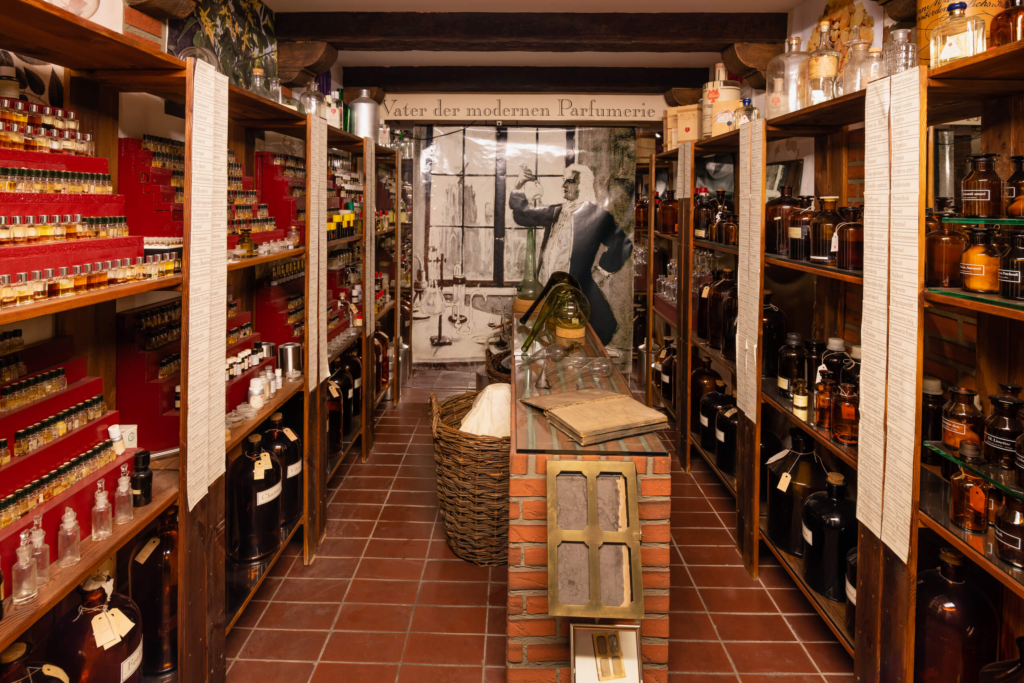
Housed in the original factory building on Obenmarspforten, this historic house is where the Italian perfumer Giovanni Maria Farina created a revolutionary, light citrus scent in 1709, naming it Eau de Cologne (“Water of Cologne”) to honor his new home city.
- What it is famous for: Being the oldest fragrance factory still standing in the world. Guided tours take visitors through the historic vaulted cellars to see original distillation equipment and learn how Farina’s timeless scent became the favorite luxury item of European emperors and kings.
9. Cologne Cable Car (Kölner Seilbahn)
A Scenic Flight Across the Rhine
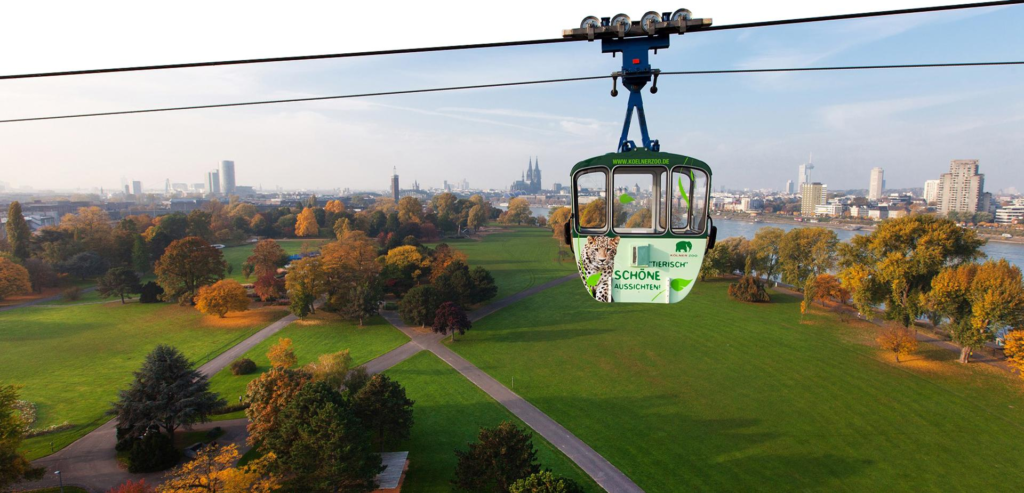
In operation since 1957, the Cologne Cable Car provides a unique, eco-friendly transit option that lifts passengers high into the air to cross safely from one side of the river to the other.
- What it is famous for: Offering the best open-air panoramic views of the city. Floating gently above the Rhine, passengers get a spectacular, unobstructed look at the sprawling river traffic, the massive cathedral spires, and the green parks below.
10. Flora and Botanical Garden
An Elegant Royal Green Oasis
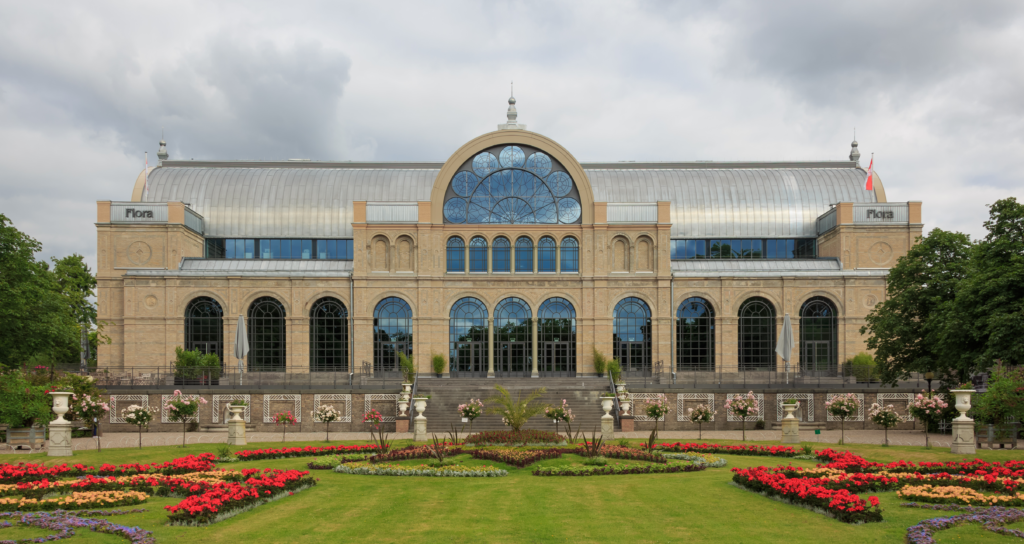
Located in the northern district of Riehl, this historic 28-acre public park was designed in the 19th century, blending formal French Baroque style with sweeping English landscape gardens.
- What it is famous for: Its spectacular historic iron-and-glass palace (The Flora) and a collection of over 10,000 exotic plant species. The gardens feature a romantic waterfall, sub-tropical greenhouses filled with camellias, and a majestic avenue of towering palm trees.