
Rijeka, curving grandly along the northernmost recess of the deep Kvarner Gulf in western Croatia, operates on a magnificent, water-locked layout where rugged alpine hills plunge directly into the nation’s busiest deep-water industrial harbor.
Named after the short, rushing Rječina River that slices through its core, the city’s strategic geographical positioning transformed it into an indispensable maritime prize.
For centuries, it served as the kingdom of Hungary’s sole sovereign gateway to the Mediterranean, developing a fiercely autonomous, multicultural identity that saw the city pass through the control of Habsburg emperors, Italian nationalists, and Yugoslav state systems.
Today, Rijeka presents a striking layout where grand, Central European Austro-Hungarian architectural facades sit side-by-side with weathered industrial shipping yards, gritty stone breakwaters, and a progressive, bohemian counter-culture.
Famously serving as the historic birthplace of the naval torpedo, the city effortlessly pairs its gritty maritime energy with a legendary rock music scene and the largest, most vibrant winter carnival festival in Croatia.
Famous for its slow-simmered cuttlefish risottos (Crni Rižot), local Kvarner scampi, herbal Istrian brandies, and a relaxed, sea-facing café lifestyle.
1. Korzo
The Vibrant Polished Spine of Yellow Clock Towers and Open-Air Cafes
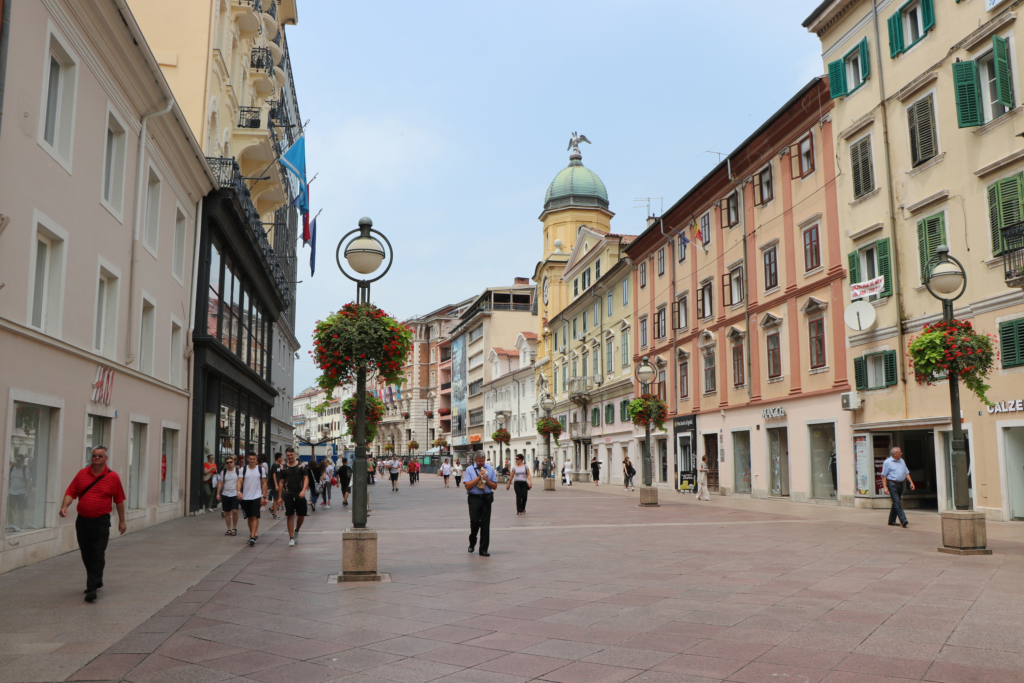
Slicing smoothly east to west parallel to the immediate coastal harbor lines, this wide, stone-paved pedestrian avenue stands proud as the definitive architectural and social heart of Rijeka.
- What it is famous for: Its magnificent rows of Neoclassical and Secession palaces, outdoor coffeehouse culture, and the iconic yellow City Clock Tower (Gradski Toranj). Serving as the city’s primary urban runway since the 19th century when the old defensive moats were filled in, Korzo is closed entirely to automobile traffic. Locals gather here by the thousands daily to practice the art of unhurried socialization, walking past elegant facades that mimic the grand boulevards of Vienna and Budapest.
2. Trsat Castle (Gradina Trsat)
The Alpine Watchtower Fortress of Frankopan Counts and Gorge Horizons
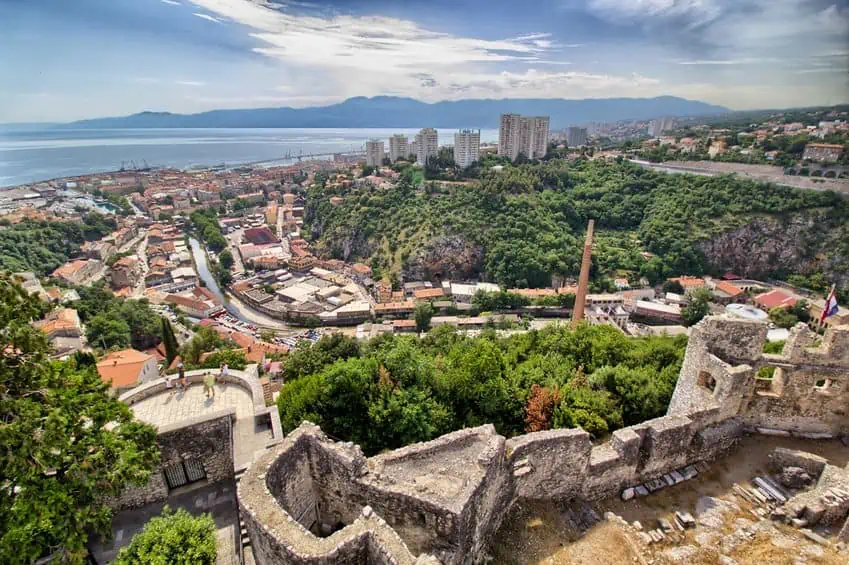
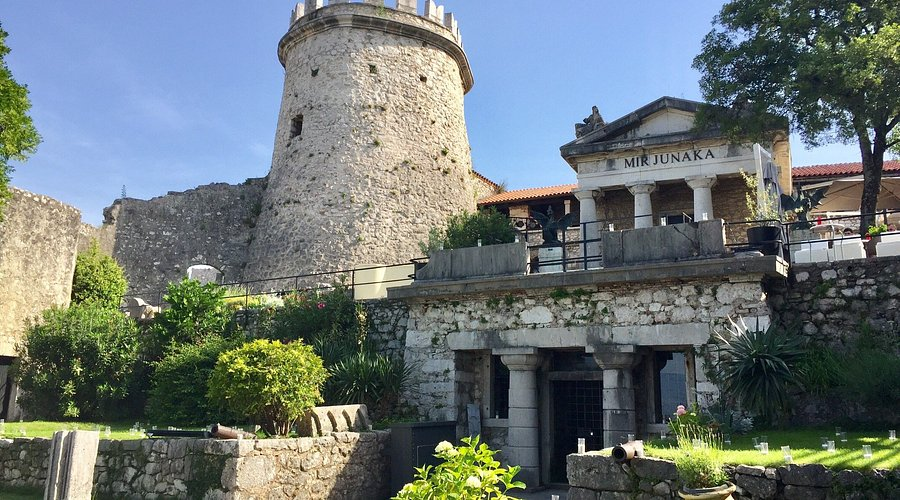
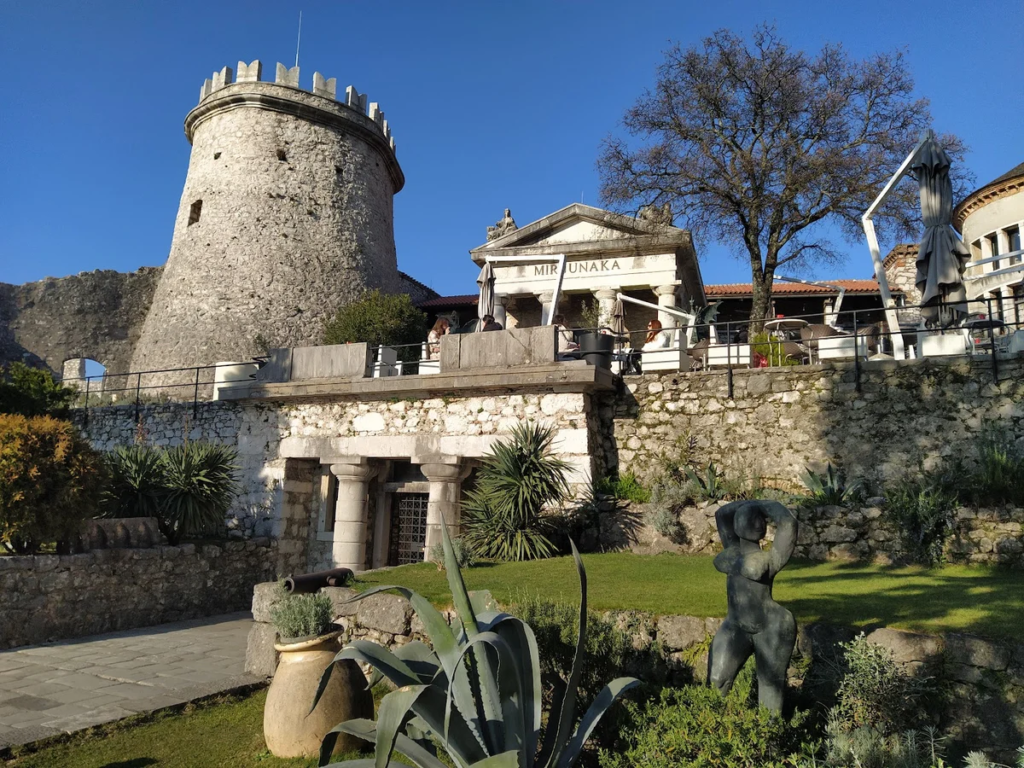
Perched dramatically on a sheer, 138-meter-high rocky cliff spur overlooking the steep canyons of the Rječina River, this monumental medieval citadel anchors the northeastern skyline of the city.
- What it is famous for: Its intact Romanesque defensive towers, courtyard galleries, and providing a breathtaking look across the entire Kvarner Gulf. Originally built in the 13th century by the powerful local Frankopan counts over an ancient Roman military observation post, the fortress was beautifully restored in the 19th century with a Neo-Gothic flair. Visitors can climb its rugged stone ramparts to view historic bronze monuments and sit in an open-air courtyard café set inside the castle walls.
3. The Sanctuary of Our Lady of Trsat
The Franciscan Cloister Pantheon of Sailor Legends and Angelic Skies
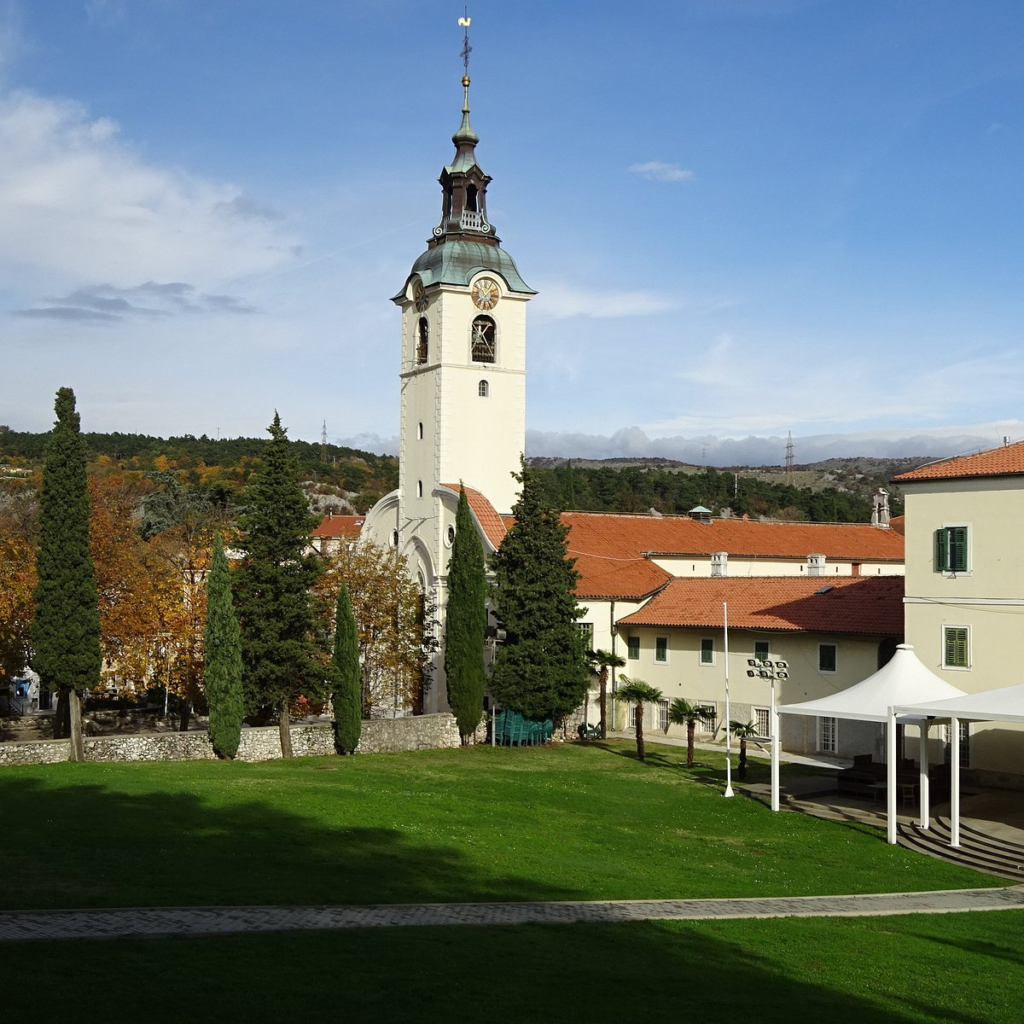
Situated just a short walk past the historic castle gates on the high Trsat plateau, this sprawling, 15th-century Franciscan monastery complex is one of the oldest and most important pilgrimage sites in Croatia.
- What it is famous for: Housing a legendary, miracle-working icon of Mary and its status as a sacred protector of local sailors and fishermen. According to pious medieval folklore, angels briefly carried the original Nazareth house of the Virgin Mary to this exact hilltop in 1291 before moving it to Loreto, Italy. The church interior features a magnificent silver altar iconostasis, while its quiet cloisters are packed with votive model ships and maritime art left by sailors surviving ocean storms.
4. The Petar Kružić Stairway (Trsat Stairs)
The Monumental Stone Stairway Matrix of Archway Chapels and Pilgrim Vows
Slicing smoothly down from the high Trsat pilgrimage grounds straight to the historic river banks of the Asenova Quarter, this steep stone staircase is a physical test of endurance.
- What it is famous for: Its 561 continuous stone steps lined with Baroque votive chapels and historical coats of arms. Commissioned in 1531 by legendary military captain Petar Kružić to link the lower harbor town with the high hilltop sanctuary, the covered stairway has been climbed by millions of religious pilgrims over the centuries, many completing the journey on their knees. Walking up the shade of the stone arches treats hikers to a quiet, historic passage away from modern transit lines.
5. Rijeka Central Market (Placa)
The Art Nouveau Twin Pavilions of Seafood Trawlers and Iron Grilles
Commanding a vast, park-like plaza plot right on the edge of the active harbor docks, this bustling commercial marketplace has functioned as the city’s belly since 1881.
- What it is famous for: Its two identical, majestic Art Nouveau market halls and a grand, iron-and-glass Fish Market (Ribarnica) building. Designed by architect Izidor Vauchnig to echo the grand covered markets of Paris, the pavilions feature detailed stone carvings of fish, crabs, and octopuses on their exterior columns. Every morning, local fishermen unload fresh catches directly into the marble-countered halls, creating a high-energy Mediterranean shopping matrix surrounded by outdoor fruit and vegetable tables.
6. St. Vitus Cathedral
The Baroque Octagonal Sovereign of Gilded Altars and Cannonball Walls
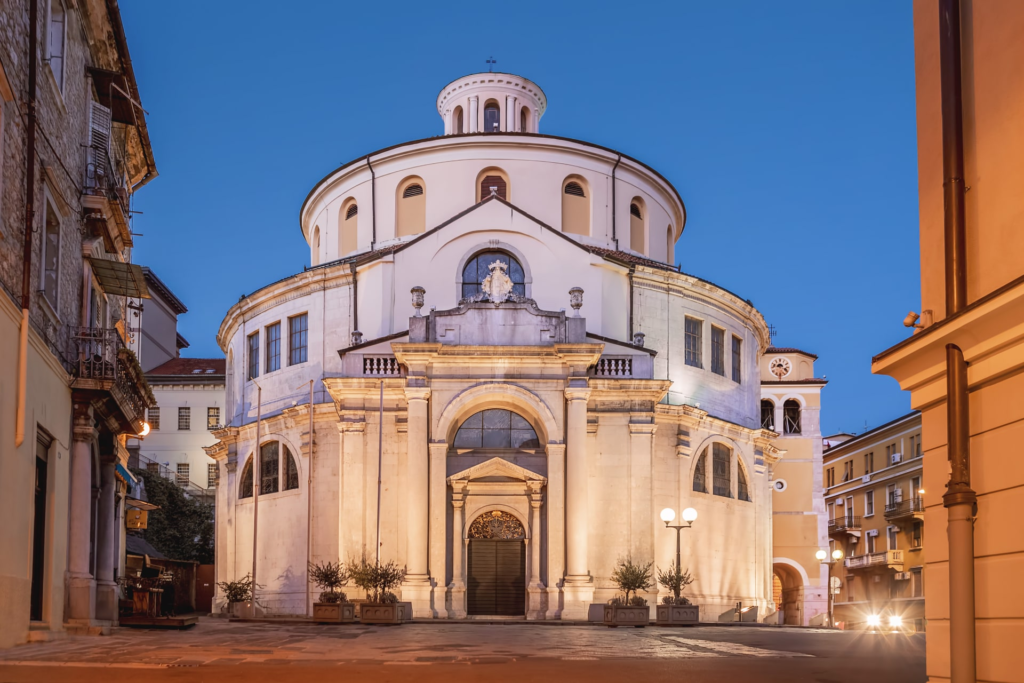
Dominating a tight, cobblestoned public square in the elevated northern sector of the old town grid, this unique Jesuit house of worship stands proud as the primary cathedral of Rijeka.
- What it is famous for: Its rare, monumental octagonal rotunda design and an imperial cannonball embedded directly into its stone facade. Built between 1638 and 1742 using inspiration from the famous Santa Maria della Salute basilica in Venice, the cathedral features an imposing dark marble column interior. Next to the main entrance gateway, visitors can spot a real iron cannonball shot by a British naval fleet during the Napoleonic Wars, preserved in the masonry with a humorous commemorative plaque.
7. The Torpedo Launch Station (Lansirna Stanica)
The Weathered Industrial Shell of Maritime Warfare and Inventions
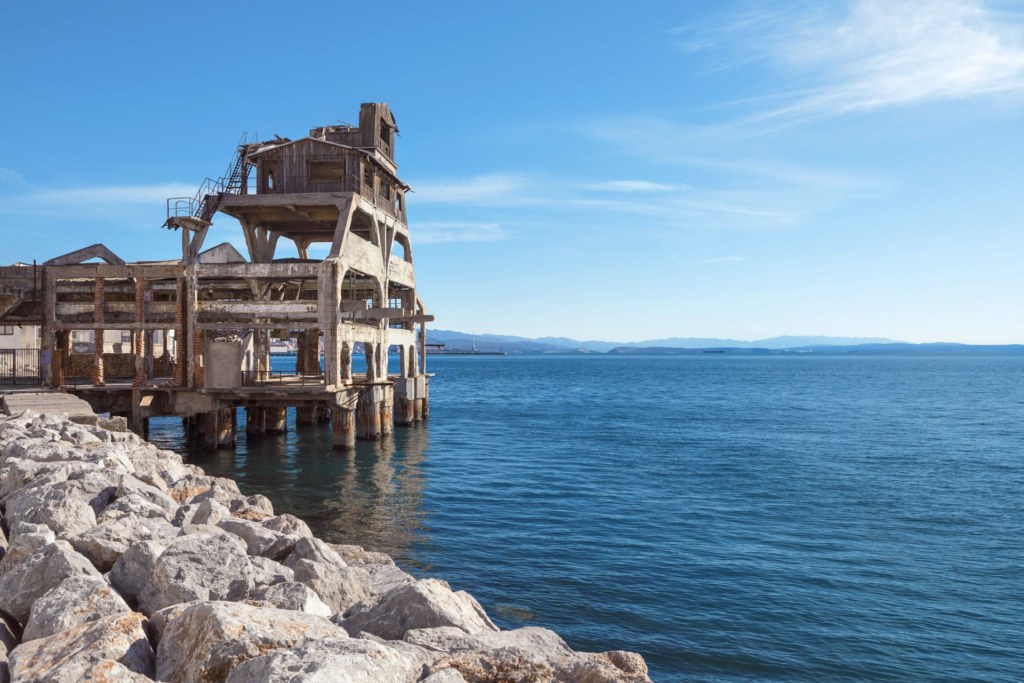
Jutting boldly into the crashing waves from a concrete industrial pier on the westernmost edges of the port district, this abandoned, multi-story concrete structure is a monument to engineering history.
- What it is famous for: Being the absolute historic site where the very first self-propelled naval torpedo was invented and tested in 1866. Developed through a partnership between local Croatian engineer Giovanni Luppis and British factory director Robert Whitehead, this facility served as the global testing laboratory for a weapon that revolutionized world naval combat. While the structure is currently a rugged, weathered concrete shell, it remains a legendary place of pilgrimage for industrial heritage enthusiasts.
8. Molo Longo (The Breakwater)
The Colossal 1.7-Kilometer Marine Pier of Harbour Views and Jogging Paths
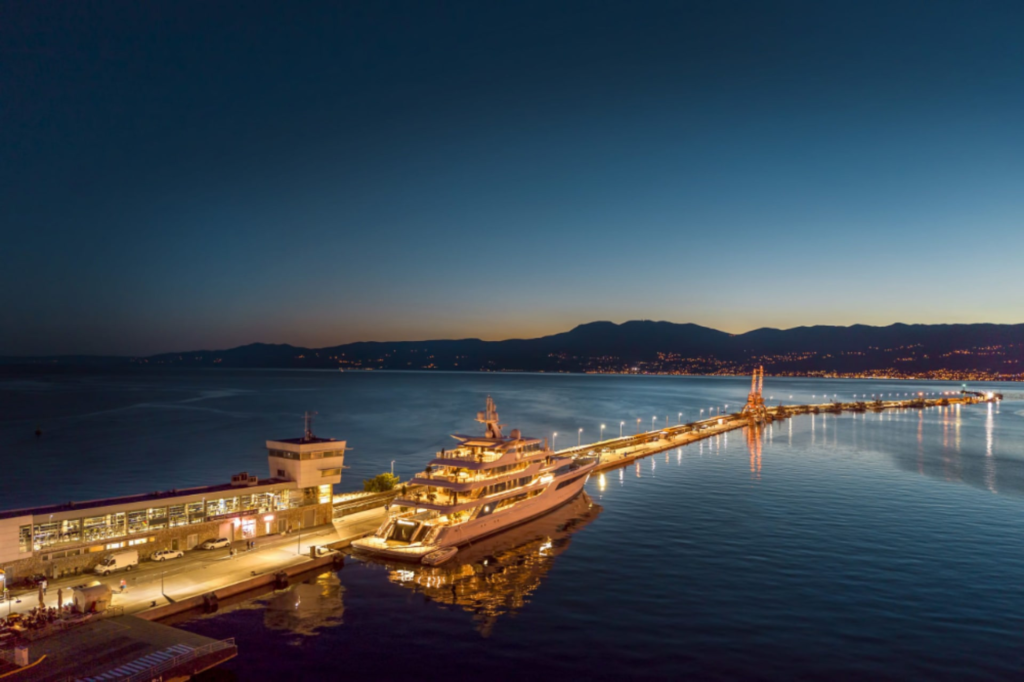
Projecting grandly into the deep waters of the Kvarner Gulf to form a protective concrete arm around the entire central shipping port, this monumental stone breakwater stretches for over 1,700 meters.
- What it is famous for: Being the ultimate local promenade for long, salt-kissed walks and offering an unobstructed view back at Rijeka’s amphitheater skyline. Construction began in 1872 under Hungarian rule to shield shipping vessels from the fierce winter Bura winds. Closed entirely to commercial maritime traffic today, the long concrete runway functions as a favorite recreation track where locals run, walk dogs, and watch massive international cargo liners glide past the harbor gates.
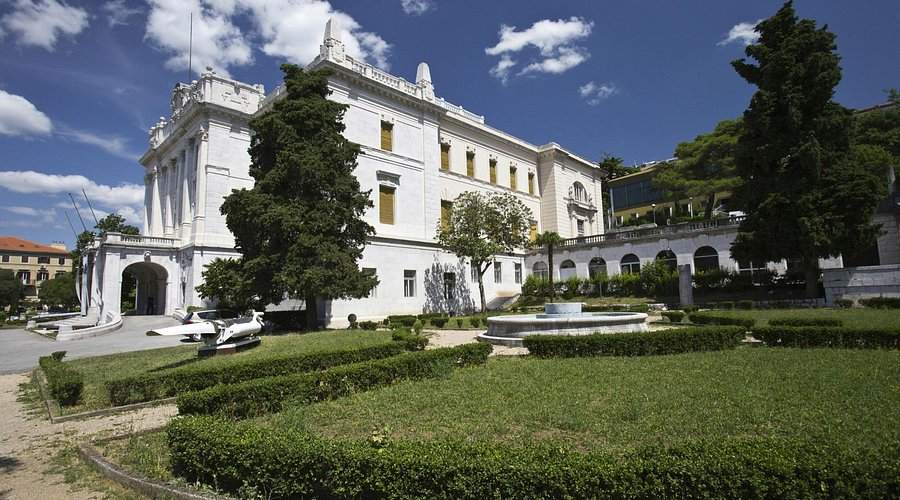
9. The Governor’s Palace & Maritime Museum
The Neo-Renaissance Palace of Imperial High Society and Titanic Artifacts
Commanding an elevated, park-like terrace position overlooking the pedestrian avenues of the Lower Town, this spectacular, white-marble palace is an architectural triumph.
- What it is famous for: Its opulent French Neo-Renaissance architecture and housing the original life jacket from the tragic 1912 Titanic disaster. Built in 1896 by Viennese architect Alajos Hauszmann for the ruling Hungarian governors, the palace features a grand marble ballroom with crystal chandeliers. Today, operating as the Maritime and History Museum of the Croatian Littoral, its galleries protect deep nautical archives, including rare treasures recovered from local shipwrecks.
10. The Roman Arch (Stara Vrata)
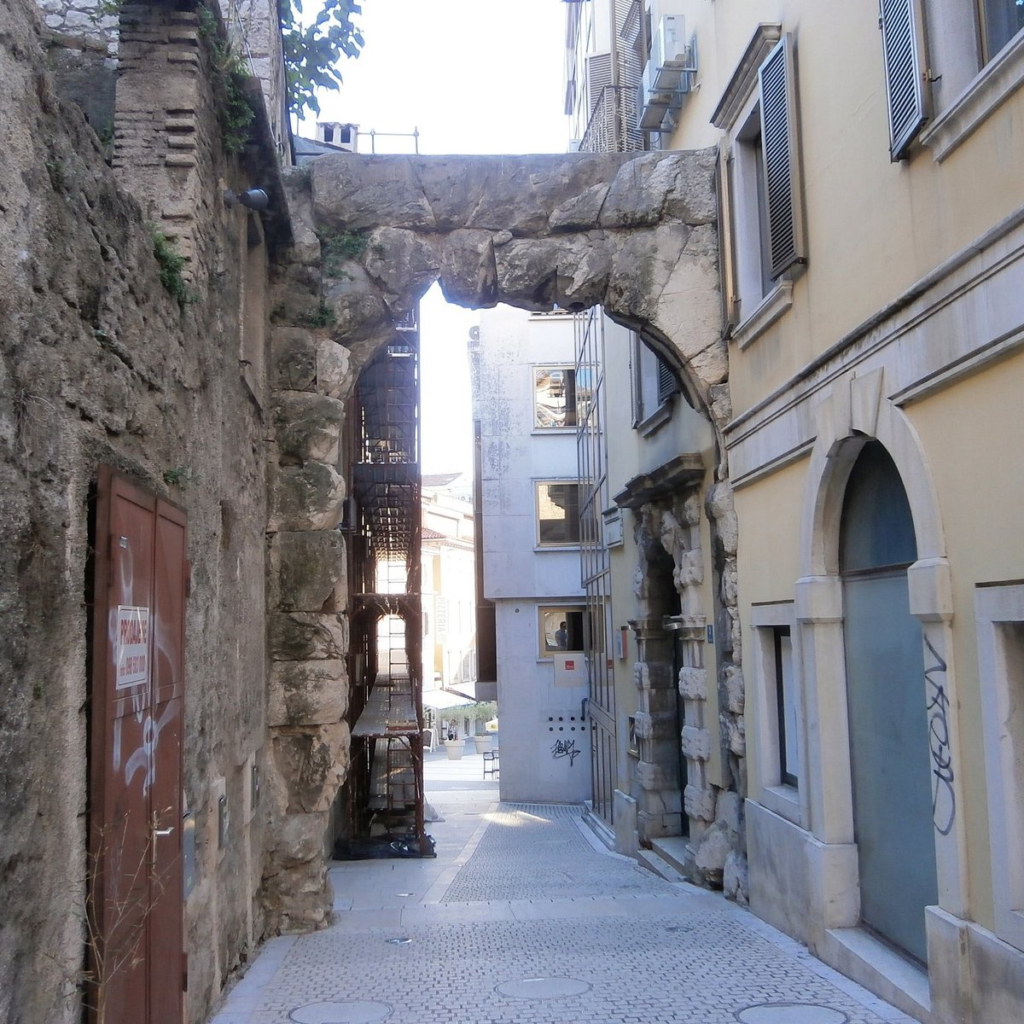
The Ancient Limestone Gateway Sentinel of Late Antique Command Posts
Tucked quietly into a narrow, stone-walled residential passage just a few steps off the northern boundary lines of the main Korzo avenue, this simple stone archway is the oldest monument in Rijeka.
- What it is famous for: Being the intact, 4th-century AD monumental gateway to the ancient Roman military fortress of Tarsatica. Long mistakenly called a triumphal arch, modern excavations proved the structure functioned as the high-security entrance to a late-Roman defensive command complex designed to shield the Italian borders from barbarian invasions. The rugged, mortarless limestone blocks stand integrated directly into the walls of the surrounding residential apartments.
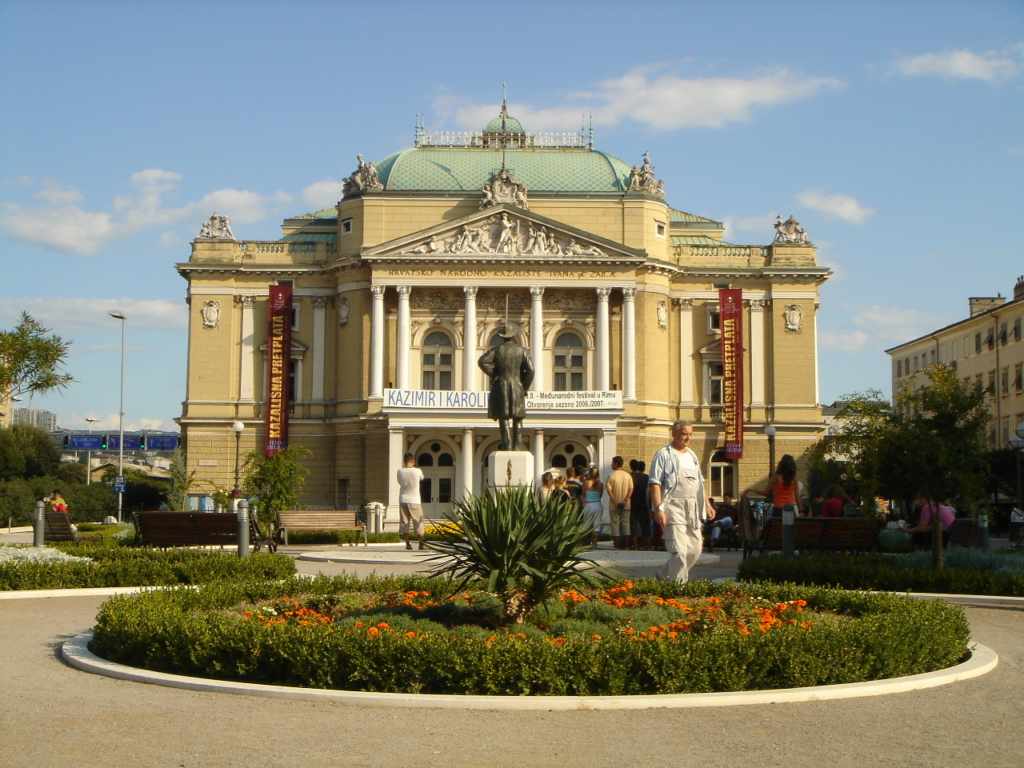
11. Ivan pl. Zajc Croatian National Theatre
The Neo-Baroque Theatrical Palace of Klimt Masterpieces and Gilded Foyers
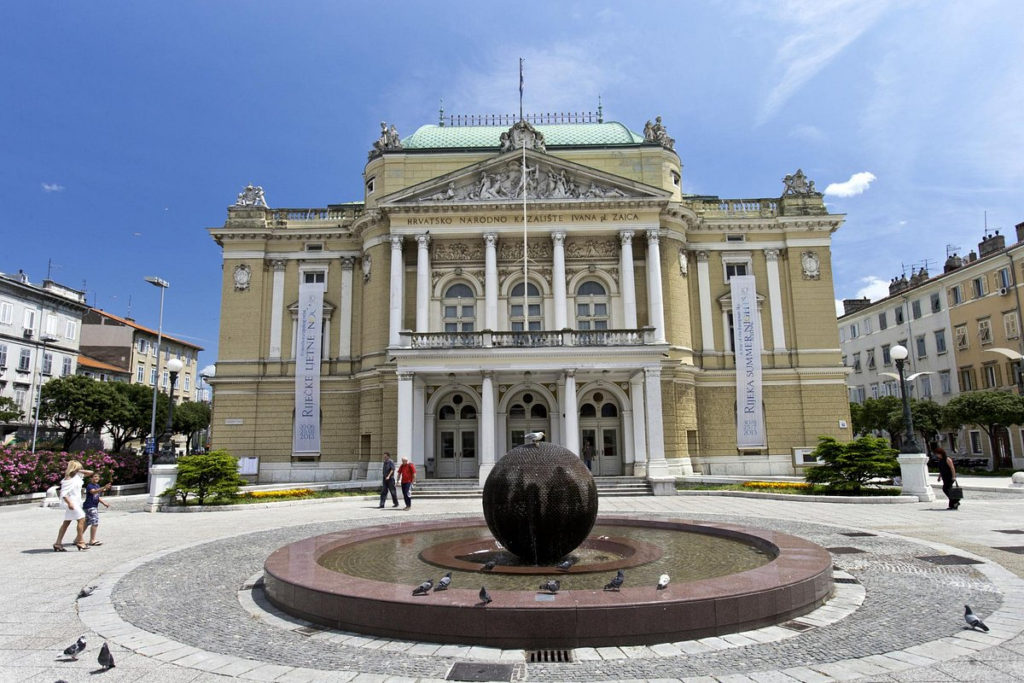
Commanding a wide, manicured park plaza position just a short walk east of the Central Market halls, this grand, copper-domed theatrical palace dominates the theater district.
- What it is famous for: Its masterful Neo-Baroque architecture designed by Helmer & Fellner, featuring early ceiling paintings by the legendary Gustav Klimt. Opened in 1885 with a performance of Verdi’s Aida, the building features an exterior decorated with classical stone statues of the Muses. The interior is a world of gilded balconies, heavy crimson velvet drapery, and precious ceiling frescoes completed by the Klimt brothers before they achieved global fame in Vienna.