
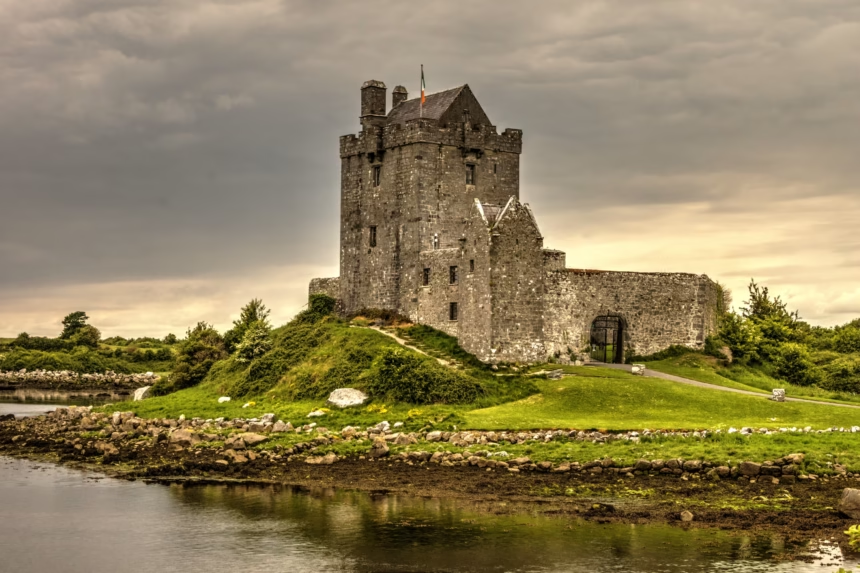
Galway, anchoring the absolute western maritime frontier of Ireland where the roaring waters of the River Corrib empty into the sweeping, rocky basin of Galway Bay, operates on a spectacular waterfront layout.
Historically originating as a small 12th century Gaelic fishing settlement, this coastal stronghold evolved into a heavily fortified medieval stronghold ruled by fourteen elite merchant dynasties known natively as the “Tribes of Galway.”
Because the metropolis expanded thoughtfully along its roaring river rapids, canal networks, and open Atlantic bays rather than covering them with heavy industrial grids, it earned its permanent cultural status as the “Cultural Heart of Ireland” and the undisputed global epicenter of living Irish language, traditional arts, and maritime folklore.
Today, Galway presents a striking architectural matrix where 14th century Anglo Norman stone merchant castles and cobblestone alleyways stand beside clean lined, geometric university complexes and modern waterfront promenades.
The city effortlessly pairs its deep seafaring pedigree with a progressive, fiercely bohemian passion for street theater, independent artisan food production, and round the clock traditional acoustic music sessions.
1. The Latin Quarter
The Rowdy Cultural Runway of Cobblestone Pub Alleys and Non Stop Trad Music Fronts
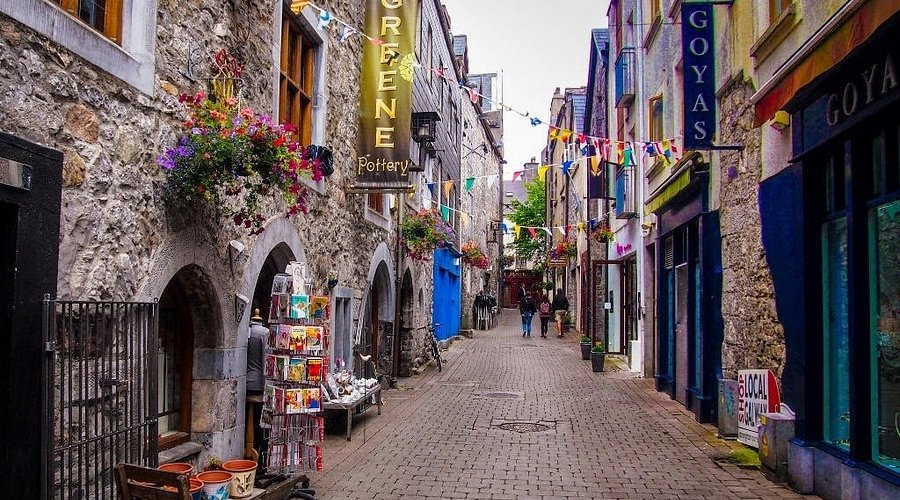
Slicing smoothly through the absolute historic core of the old city grid from the Spanish Arch to O’Brien’s Bridge, this vibrant pedestrian district represents the absolute social heart of the capital.
- What it is famous for: Its enchanting matrix of narrow cobblestone streets packed with historic stone pubs, independent craft boutiques, seafood bistros, and world class street performers. The bustling quarter functions as a lively, round the clock social hub where the sounds of banjos, fiddles, and tin whistles spill onto the lanes from legendary venues like Tigh Neachtain. It serves as a continuous open air stage for Europe’s finest buskers and street magicians, keeping the city’s artistic energy alive under a canopy of colorful flags.
2. The Spanish Arch
The Enigmatic Stone Sentinel of Medieval Sea Bastions and Claddagh Fishing Horizons
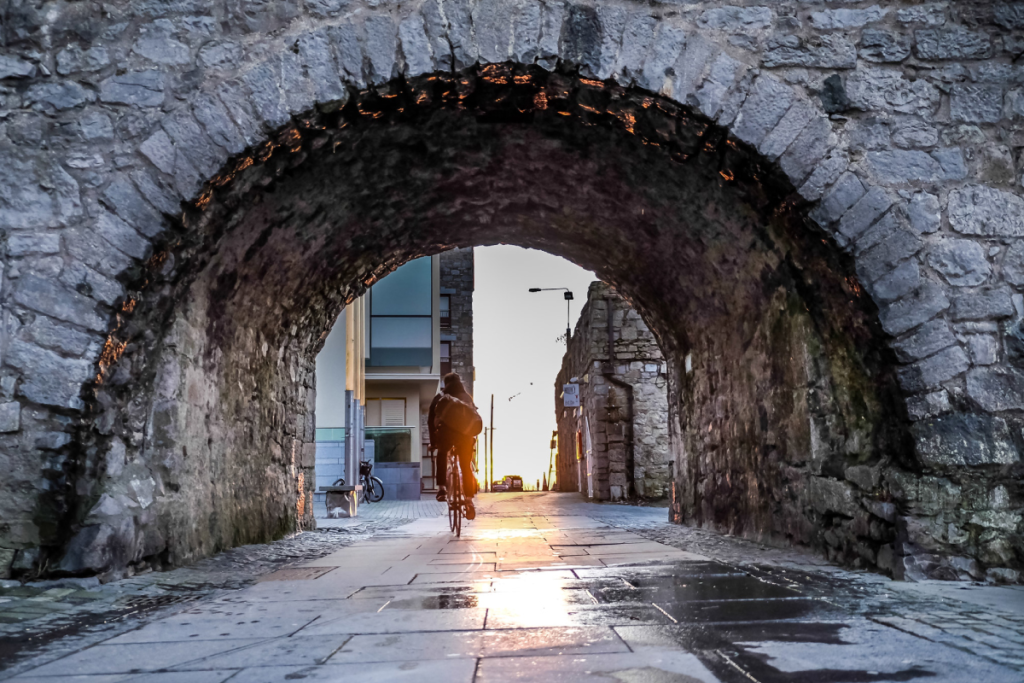
Commanding a prominent public stone platform directly along the left bank where the rushing river current merges with the saltwater tides of the bay, this historic stone gateway is an authentic maritime relic.
- What it is famous for: Being the final surviving arc of a 1584 defensive extension of the medieval city walls, built grandly to protect the municipal quays where Spanish merchant ships traded wine and spices. Locally known as Ceann an Bhalla (The Front of the Wall), the rugged limestone arches stand as a monument to Galway’s golden age of continental trade. Today, the grassy banks surrounding the arch operate as the ultimate public relaxation lawn where locals, students, and travelers gather on sunny afternoons to listen to acoustic guitars and watch the sun set over the sea.
3. Eyre Square (John F. Kennedy Memorial Park)
The Stately Architectural Sovereign of Corrib Corten Sails and Historic Tribal Gateways
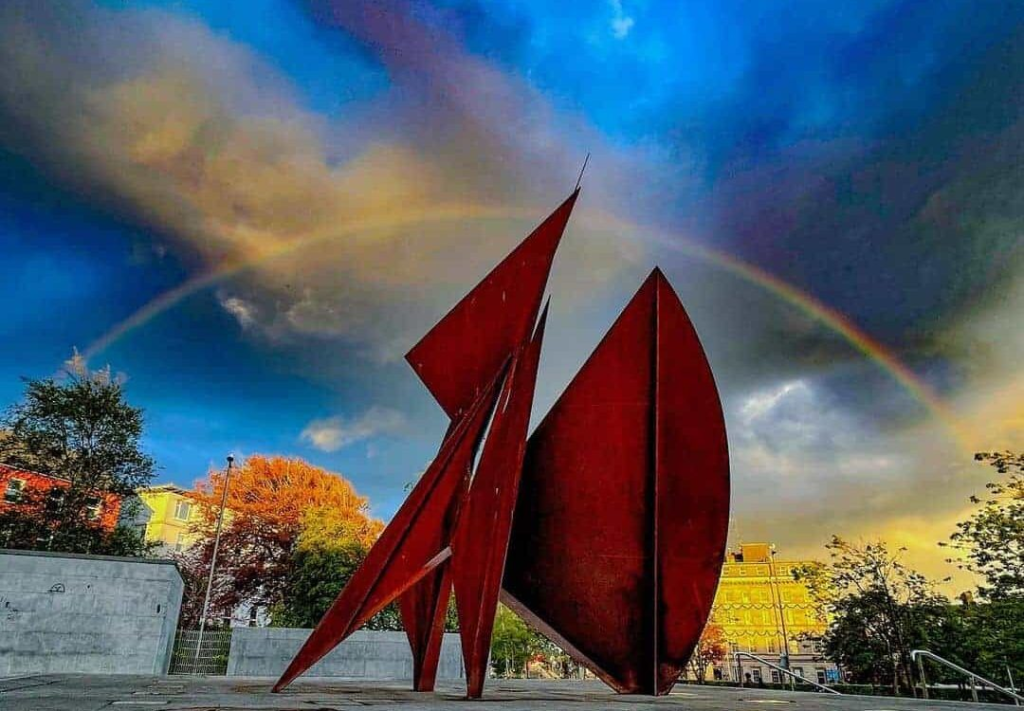
Dominating the absolute geographic and transit center of the city grid, this grand public parkland represents the primary civic common of the western capital.
- What it is famous for: Being the historic municipal green space featuring the iconic Quincentennial Fountain, which showcases a striking abstract steel sculpture of the traditional Galway Hooker sailboat sails. Originally used as a medieval tourney ground outside the city walls, the park features the beautifully preserved 1629 Browne Doorway, an ornate limestone entrance salvaged from a grand tribal merchant mansion. The park’s central lawns serve as a vibrant meeting ground during the world famous Galway Arts Festival, drawing thousands of spectators to open air performances.
4. Galway Cathedral
The Monumental Renaissance Sovereign of Connemara Marble Floors and Giant Copper Domes
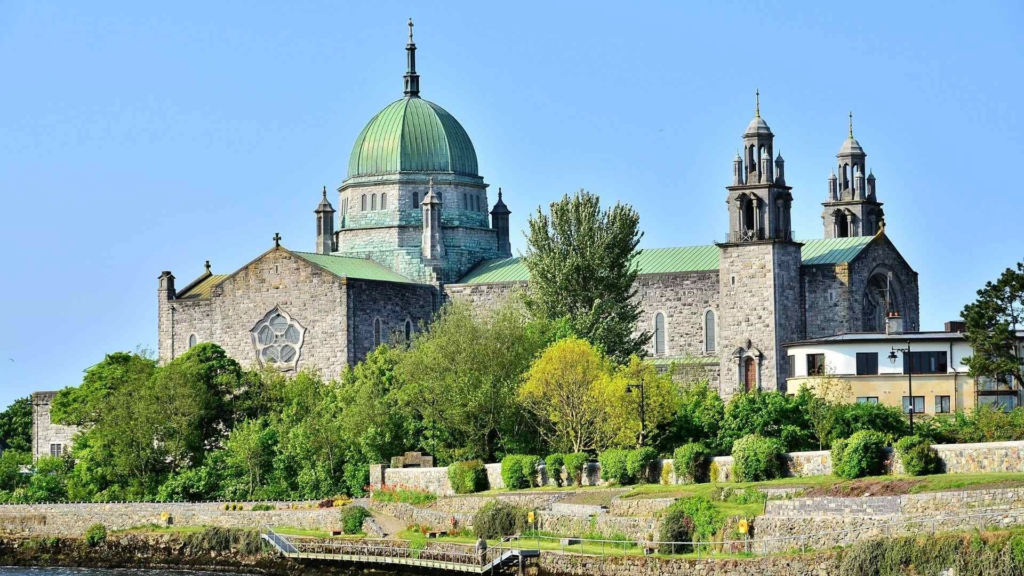
Commanding a striking geographic footprint on Nun’s Island within a sweeping loop of the River Corrib, this majestic limestone basilica dominates the western skyline.
- What it is famous for: Being one of the youngest stone cathedrals in Europe, completed in 1965 out of solid local limestone on the site of the old county jail. The building features an extraordinary architectural design that blends Renaissance domes, Romanesque arches, and Gothic windows under a massive, oxidized green copper dome. Inside, the cavernous nave houses a breathtaking floor crafted entirely from green Connemara marble and a dramatic mosaic panel depicting the resurrection, illuminated by vibrant modern stained glass windows.
5. Salthill Promenade
The Breathtaking Minimalist Palace of Atlantic Wave Boardwalks and Blackrock Diving Towers
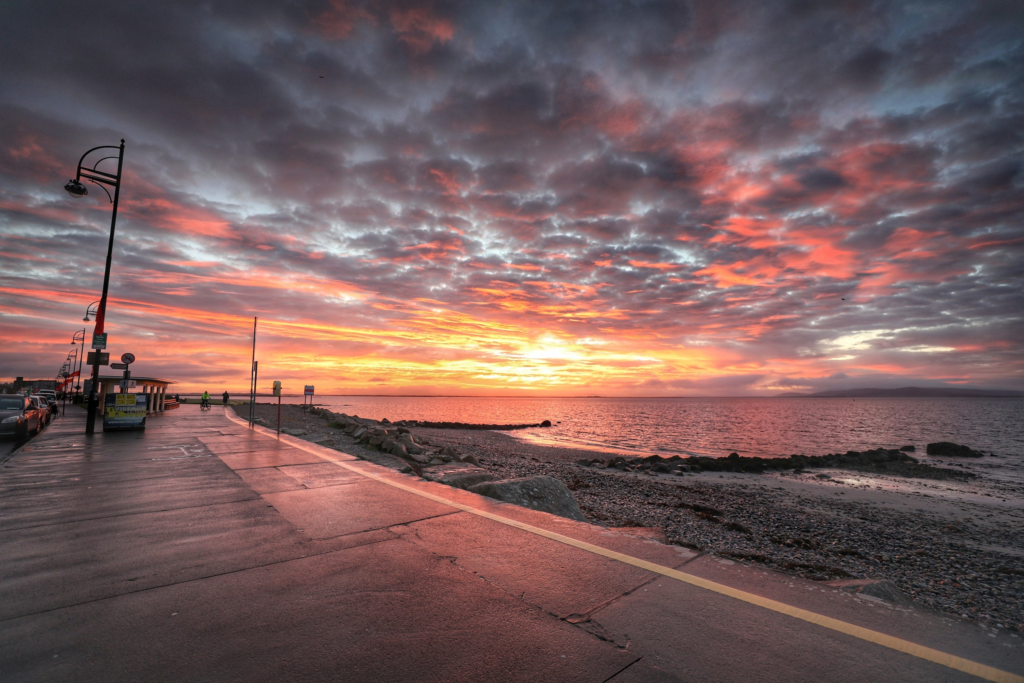
Sited dynamically along the northern coastal fringes of Galway Bay just a short, scenic walk west of the river mouth, this massive coastal promenade is a lifestyle paradise.
- What it is famous for: Its sweeping two mile long seaside boardwalk looking across the Atlantic waters toward the hills of Clare, ending at the iconic Blackrock Diving Tower. Local tradition dictates that walkers must “kick the wall” at the absolute end of the promenade to guarantee good luck and safe journeys. The coastal route is home to active sea swimming clubs who dive from the concrete platforms year round, regardless of freezing winter temperatures or roaring Atlantic swells.
6. St. Nicholas’ Collegiate Church
The Breathtaking Romanesque Sovereign of Fourteenth Century Stone Aisles and Christopher Columbus Sagas
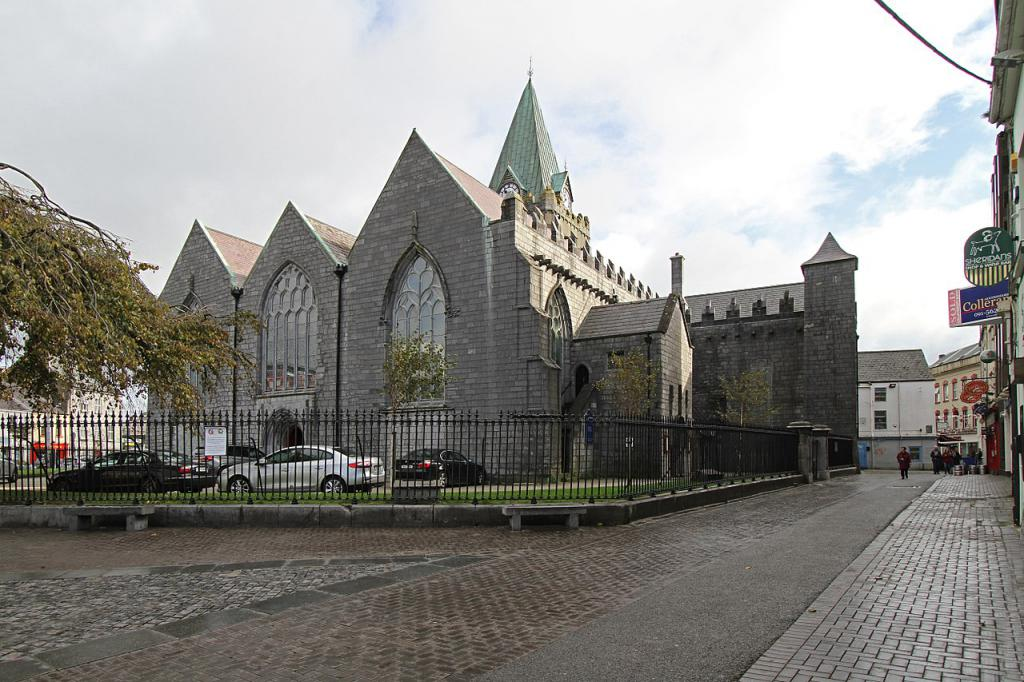
Nestled gracefully in the heart of the old town grid near the market lanes, this magnificent medieval house of worship stands proud as the oldest continuously operating building in the city.
- What it is famous for: Being the largest medieval parish church in Ireland, founded in 1320 and dedicated to Saint Nicholas of Myra, the patron saint of sailors. According to historical local records, Christopher Columbus worshipped within these vaulted stone aisles in 1477 during a voyage to the north Atlantic. The church interior features exceptionally preserved stone carvings, ancient baptismal fonts, and structural scars left behind when Oliver Cromwell’s forces used the building as a cavalry stable in 1652.
7. The Claddagh Village & Ring Museum
The Savory Cultural Repository of Ancient Maritime Kingships and Legendary Loyalty Rings
Occupying a prime, low lying coastal bank positioned directly across the river mouth from the Spanish Arch, this historic district holds deep romantic folklore.
- What it is famous for: Being the ancestral home of the Claddagh Ring, the world famous Irish symbol of love, loyalty, and friendship featuring two hands clasping a crowned heart. Once an independent, Irish speaking fishing community governed by their own elected king and a fleet of white sailed boats, the district represents the oldest maritime heritage of the bay. Visitors can explore tiny, specialized workshops and local heritage museums to watch master goldsmiths hand forge traditional rings using techniques passed down since the 17th century.
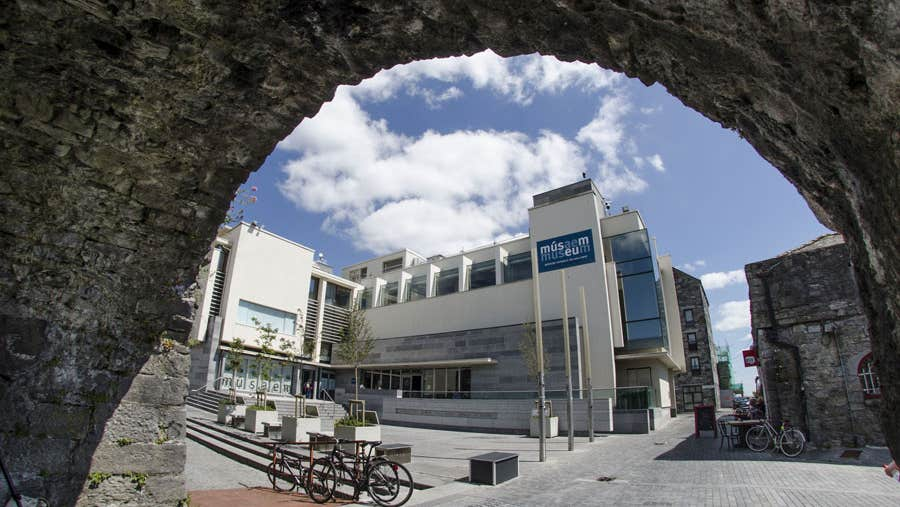
8. Galway City Museum
The Radiant Cultural Repository of Traditional Fishing Hull Vaults and Tribal Battle Sagas
Tucked quietly behind the historic stone blocks of the Spanish Arch within a sleek, light filled contemporary glass and concrete structure, this museum holds the memory of the west.
- What it is famous for: Housing the iconic ‘Mairtín Oliver,’ a fully restored, authentic traditional wooden Galway Hooker fishing boat suspended grandly inside a three story glass atrium. The museum’s highly informative galleries map the archaeological history of the region from prehistoric stone axes to medieval tribal wars and the modern literary revival. Specialized exhibitions focus on the unique marine biology of Galway Bay and the harsh realities faced by the historic Atlantic fishermen and island communities.
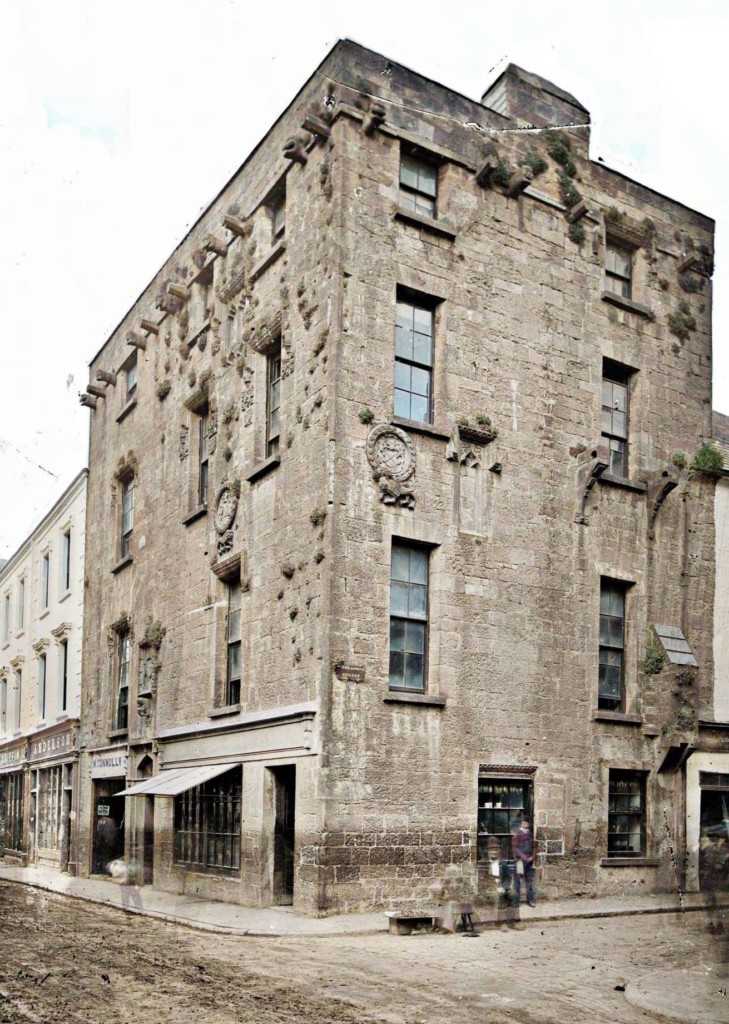
9. Lynch’s Castle
The Stately Gothic Sovereign of Ornate Sandstone Carvings and Dark Execution Sagas
Dominating the bustling intersection of Shop Street and Abbeygate Street within the commercial heart of the pedestrian zone, this rugged fortress is a rare architectural treasure.
- What it is famous for: Being the finest surviving example of a medieval fortified merchant town house in Ireland, built in the 14th century by the powerful Lynch dynasty. The dark limestone building features beautiful Irish Gothic carvings, gargoyles, and stone coats of arms honoring King Henry VII. Directly adjacent to the castle grounds sits the historic Lynch Window monument, marking the spot where town mayor James Lynch famously hanged his own son in 1493 to ensure strict justice for a murdered Spanish guest, giving rise to the modern word “lynching.”
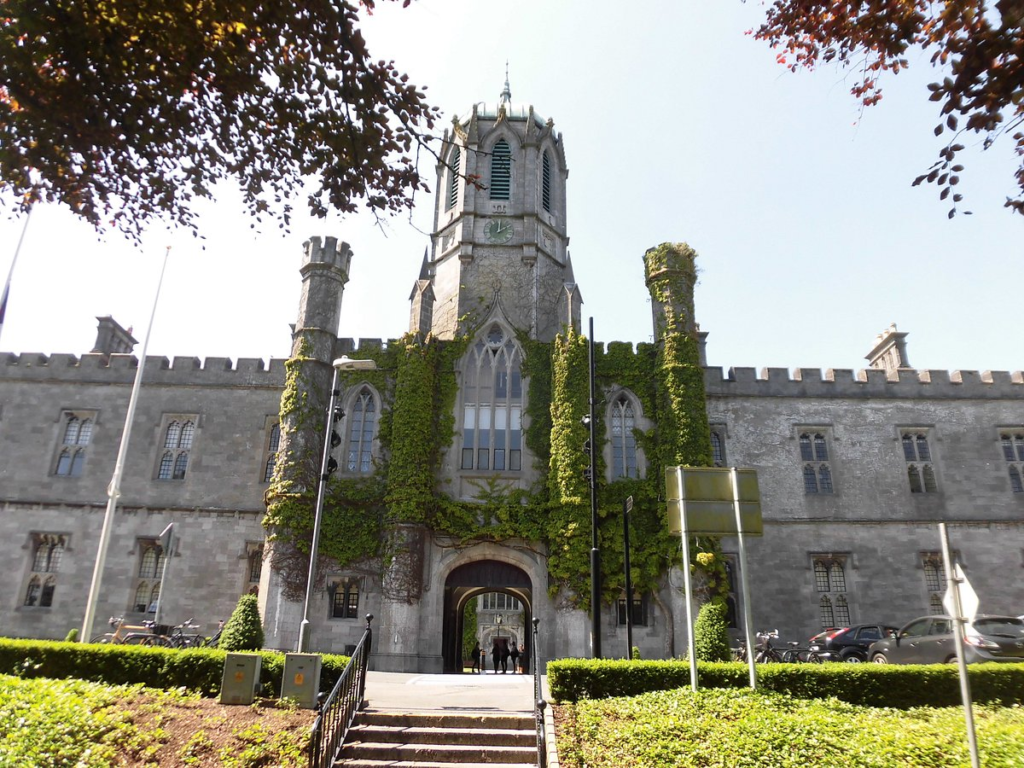
10. University of Galway Quarter (The Quadrangle)
The Spectacular Architectural Sovereign of Ivy Covered Tudor Gables and River Canal Trails
Sited dynamically along the tranquil western banks of the river canals just north of the city center, this historic campus estate is an academic masterwork.
- What it is famous for: Its magnificent, ivy covered Tudor Gothic Quadrangle building, constructed in 1849 out of local limestone to match the grand design of Christ Church College at Oxford. The university grounds feature beautiful riverside walking paths where the clear waters of the Corrib flow past historic stone engineering locks and salmon weirs. It operates as a vital creative engine for the city, housing specialized archives dedicated to the preservation of traditional Irish music, Gaelic folklore, and western theater history.
11. Galway Market
The Savory Cultural Repository of Handmade Crepe Stalls and Artisanal Farmhouse Cheese Vaults
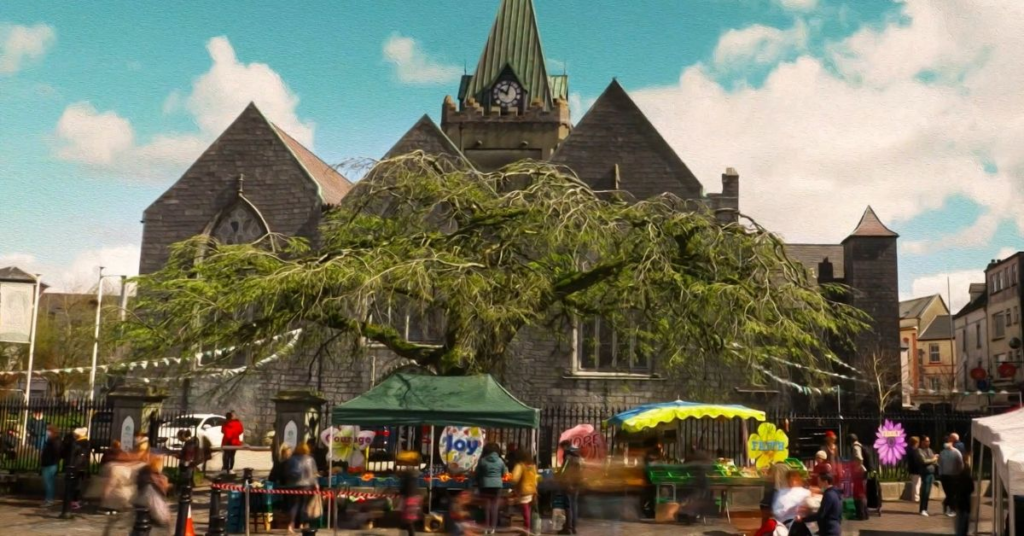
Tucked quietly into the narrow, cobblestone lane of Church Yard Street right beside the walls of St. Nicholas’ Church, this bustling open air market is a culinary paradise.
- What it is famous for: Being a historic centuries old street bazaar where local farmers, organic bakers, international food stalls, and independent artists gather every weekend. The market maintains a fiercely bohemian community vibe, famous for its long queues for fresh handmade crepes, artisanal hot donuts, and locally caught seafood bakes. It serves as a vital social hub where travelers can chat with local organic cheese producers and purchase handcarved Connemara bog oak sculptures directly from the artists.